
▶️ Answer/Explanation
(a)
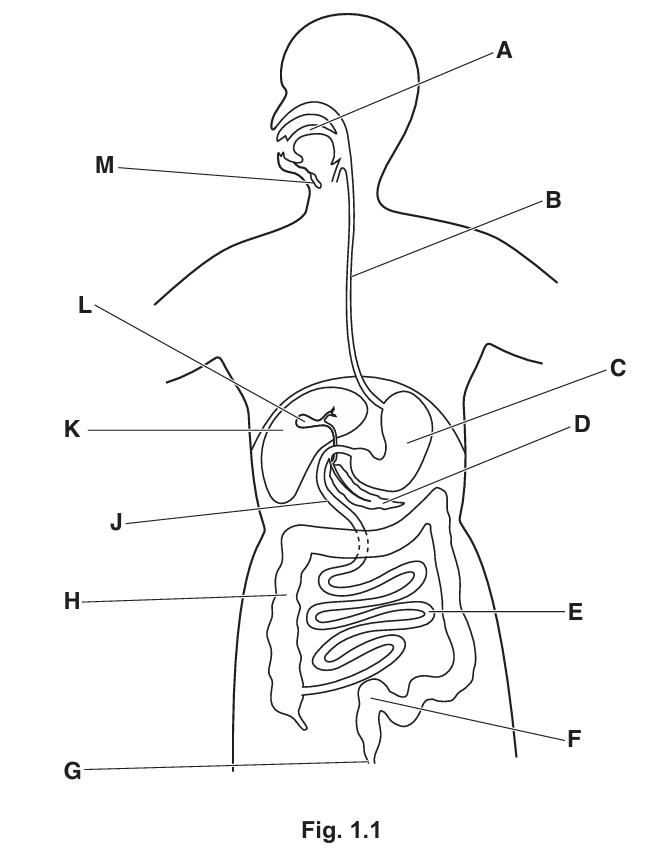
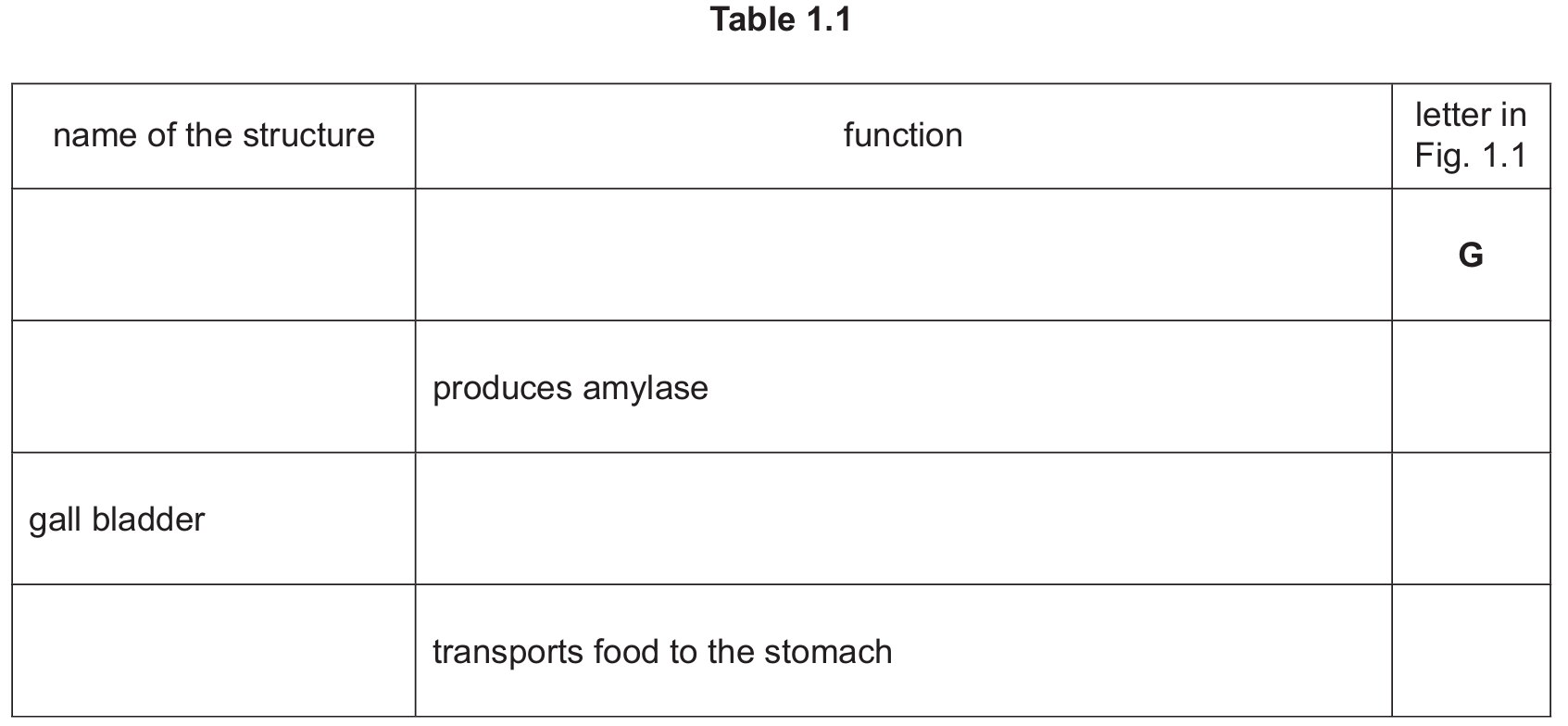
The completed table identifies the structures and functions based on the diagram:
| Name of Structure | Function | Letter |
|---|---|---|
| Anus | Egestion / removal of undigested food / faeces | G |
| Salivary glands / Pancreas | Produces amylase | M / D |
| Gall bladder | Stores bile | L |
| Oesophagus | Transports food to the stomach | B |
Explanation: Structure G is the exit point of the alimentary canal (anus), responsible for egestion. Amylase is produced in the salivary glands (M) and the pancreas (D). The gall bladder (L) stores bile produced by the liver. Structure B is the tube connecting the mouth to the stomach (oesophagus).
(b)(i)
Chemical digestion is the breakdown of large, insoluble molecules into small, soluble molecules so that they can be absorbed into the blood.
(b)(ii)
Glucose.
Explanation: Maltose is a disaccharide. The enzyme maltase breaks it down into its constituent monosaccharides, which are glucose molecules.
(b)(iii)
Digestion occurs on the membranes of the epithelium lining / epithelial cells (of the small intestine / villi).
(b)(iv)
Amylase acts in the small intestine but not the stomach due to pH differences:
- The stomach produces hydrochloric acid (HCl), creating an acidic pH.
- This low pH denatures the enzyme amylase.
- Denaturation changes the shape of the active site so it is no longer complementary to the substrate (starch), preventing the formation of enzyme-substrate complexes.
- In the small intestine, bile neutralizes the stomach acid, providing the alkaline / suitable pH required for amylase activity.
▶️ Answer/Explanation
(a)
Any three of the following features:
- Large surface area (provided by the millions of alveoli) allows for faster diffusion of gases.
- Thin walls (one cell thick) or thin surface ensures a short diffusion distance for oxygen and carbon dioxide.
- Good blood supply (dense network of capillaries) maintains a steep concentration gradient for diffusion.
- Good ventilation maintains the concentration gradients of oxygen and carbon dioxide.
(b) (i)
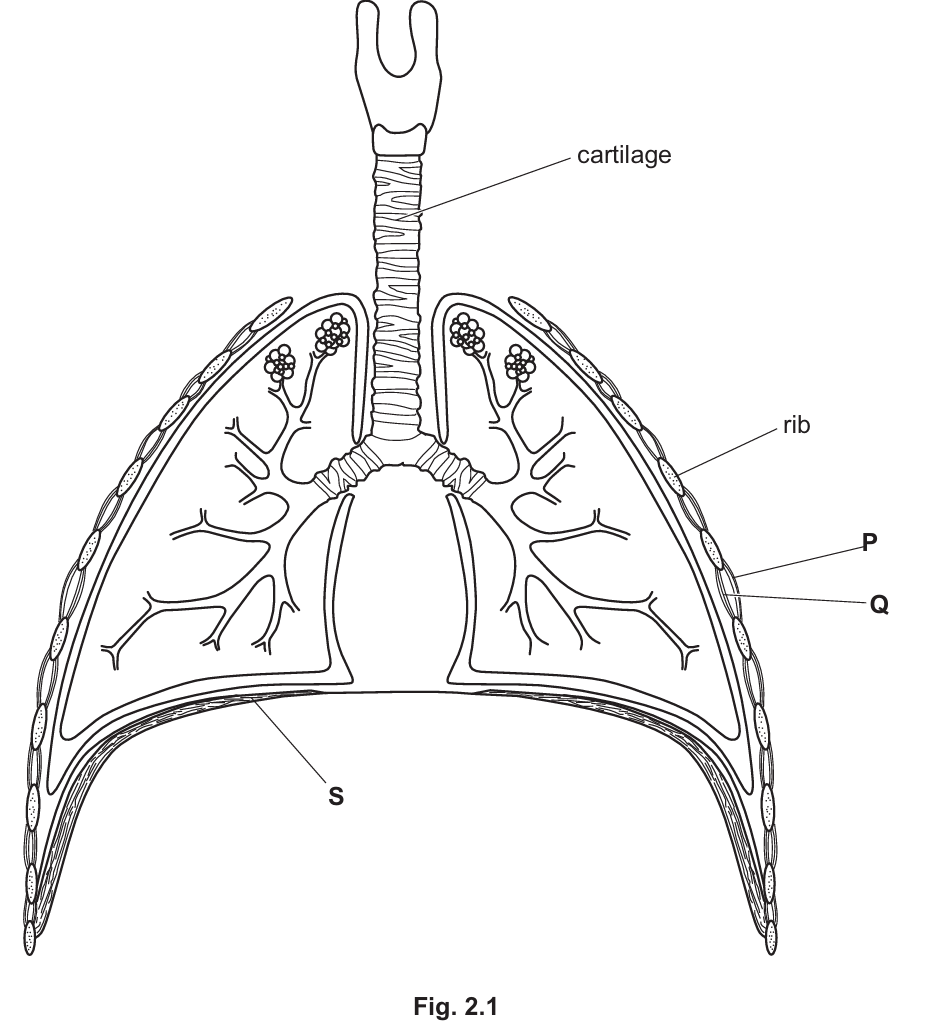
P and S
Explanation: Inspiration (breathing in) requires the volume of the thorax to increase. This is achieved by the contraction of the diaphragm (S), which flattens, and the external intercostal muscles (P), which pull the ribs upwards and outwards. The internal intercostal muscles (Q) relax during inspiration.
(b) (ii)
It keeps the trachea / bronchi / airway open OR prevents the collapse of the trachea / bronchi / airway during pressure changes (specifically when air pressure drops during inhalation).
(c) (i)
The balanced chemical equation is: $$C_{6}H_{12}O_{6} + 6O_{2} \rightarrow 6CO_{2} + 6H_{2}O$$
(c) (ii)
The mechanism involves the detection of blood chemistry changes by the brain:
- Physical activity leads to an increase in respiration in muscle cells, producing more carbon dioxide (\(CO_2\)).
- This causes an increased concentration of carbon dioxide in the blood (lowering the pH).
- This increase is detected by the brain (specifically the medulla).
- The brain sends increased nerve impulses to the muscles involved in breathing (diaphragm and intercostals).
- This causes an increase in the rate and depth of breathing to expel the excess carbon dioxide and take in more oxygen.
- (Optional) Adrenaline may also be released, which further stimulates increased breathing and heart rate.
▶️ Answer/Explanation
(a)
This causes the pancreas to release insulin. Insulin causes the liver to remove glucose from the blood and convert it into glycogen.
The control of blood glucose concentration is an example of negative feedback (or homeostasis).
(b)
Treatment includes (any two):
- Insulin injections or use of an insulin pump.
- Monitoring blood glucose levels regularly.
- Controlled diet (counting carbohydrates/matching food intake to activity).
(c)
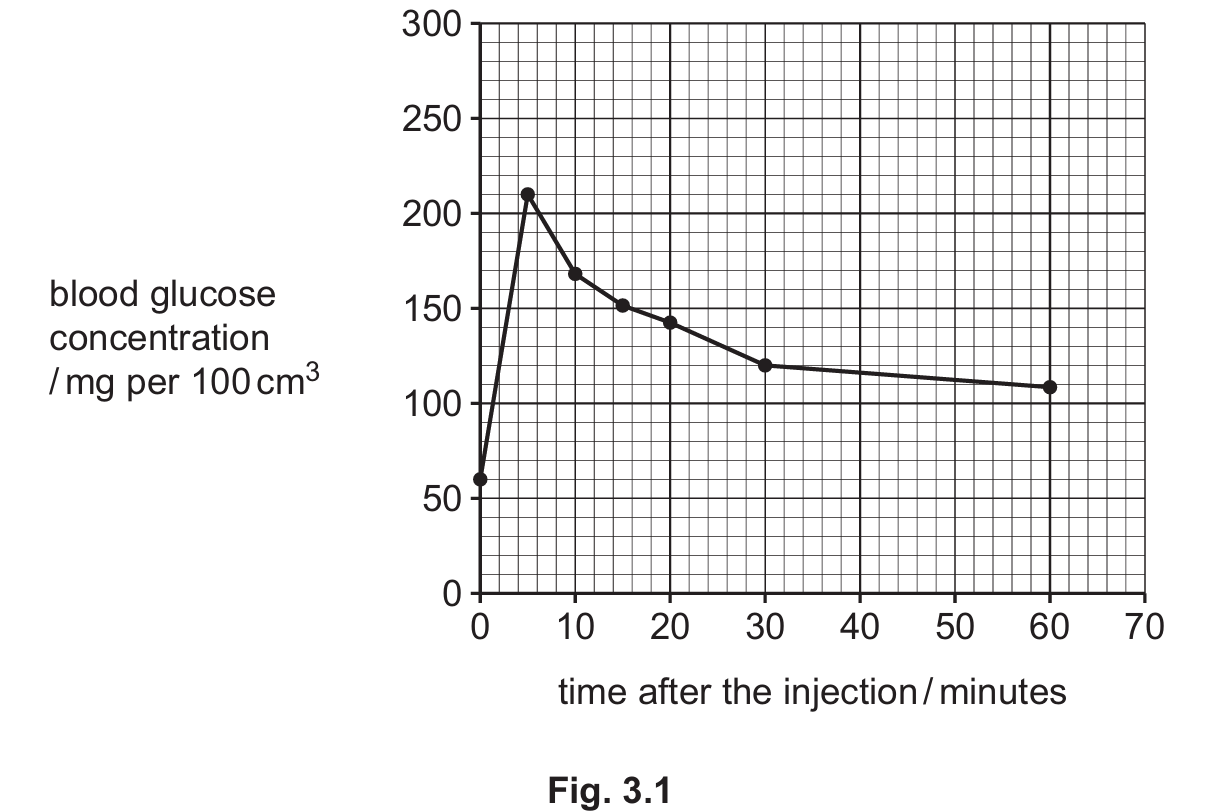
\(-43\%\) (decrease of \(43\%\)).
(See explanation below for calculation steps).
(d)
(Any three points):
- Adrenaline causes the breakdown (conversion) of glycogen (stored carbohydrate) into glucose.
- This results in increasing blood glucose concentration.
- This glucose is used in respiration to release energy.
- The released energy is used for muscle contraction (to fight or run away).
Part (a): Homeostatic Control
When blood glucose rises, the body aims to bring it back to a “set point.” This is the definition of homeostasis, specifically achieved via negative feedback (a mechanism that reverses a change). The pancreas detects high glucose and secretes insulin. Insulin signals the liver (and muscle cells) to absorb glucose and store it as the insoluble polysaccharide glycogen.
Part (b): Type 1 Diabetes
In Type 1 diabetes, the immune system destroys the cells in the pancreas that make insulin. Therefore, the primary treatment is replacing that missing hormone via insulin injections. Monitoring is crucial to ensure the dose matches the carbohydrate intake.
Part (c): Percentage Change Calculation
To find the percentage change, we extract the data from the graph (Fig 3.1):
1. Value at \(5\) minutes (Start): \(\approx 210~mg/100~cm^3\)
2. Value at \(30\) minutes (End): \(\approx 120~mg/100~cm^3\)
3. Formula: \(\text{Percentage Change} = \frac{\text{Final Value} – \text{Initial Value}}{\text{Initial Value}} \times 100\)
4. Calculation: $$ \frac{120 – 210}{210} \times 100 = \frac{-90}{210} \times 100 \approx -42.857\% $$ 5. Rounding: The question asks for two significant figures. $$ -42.857 \rightarrow -43\% $$ The negative sign indicates a decrease.
Part (d): Adrenaline and Survival
The “fight or flight” response requires immediate physical exertion. Muscles need ATP (energy) to contract rapidly. By breaking down stored glycogen back into glucose, adrenaline floods the blood with fuel. This fuel is delivered to muscles for respiration, providing the necessary energy to escape danger or fight.
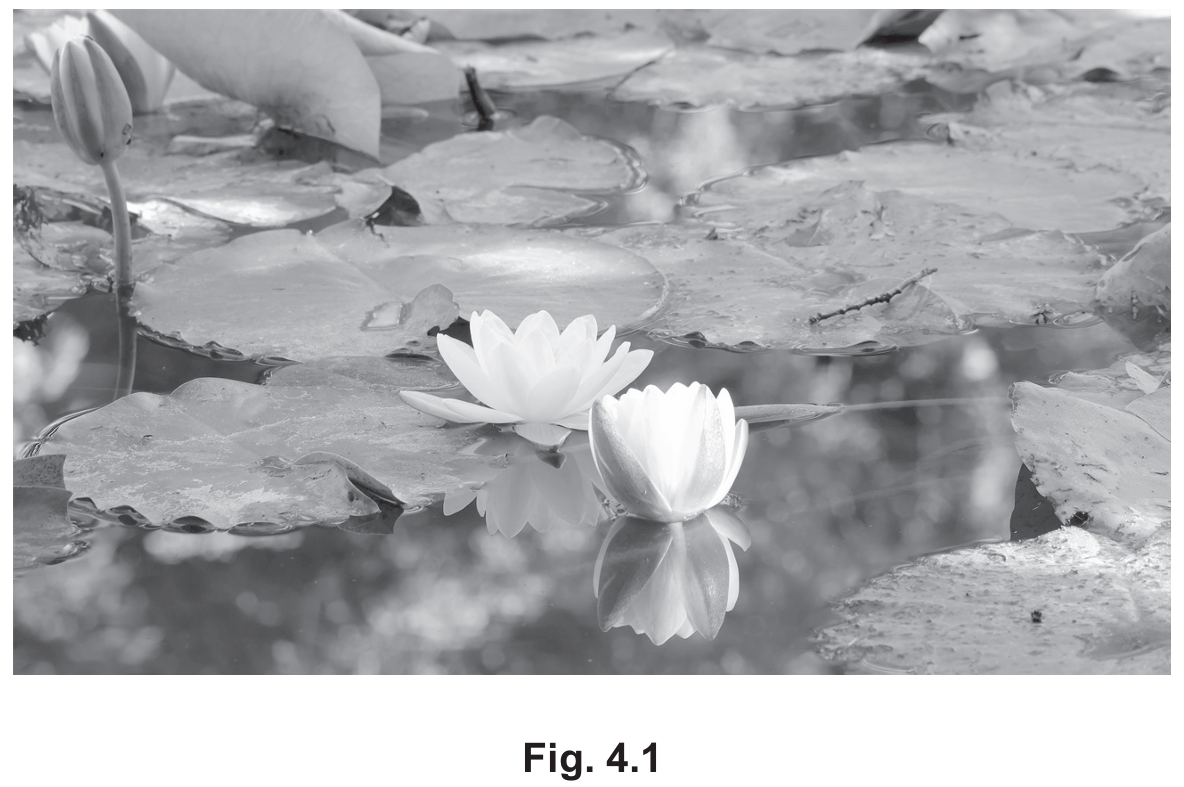
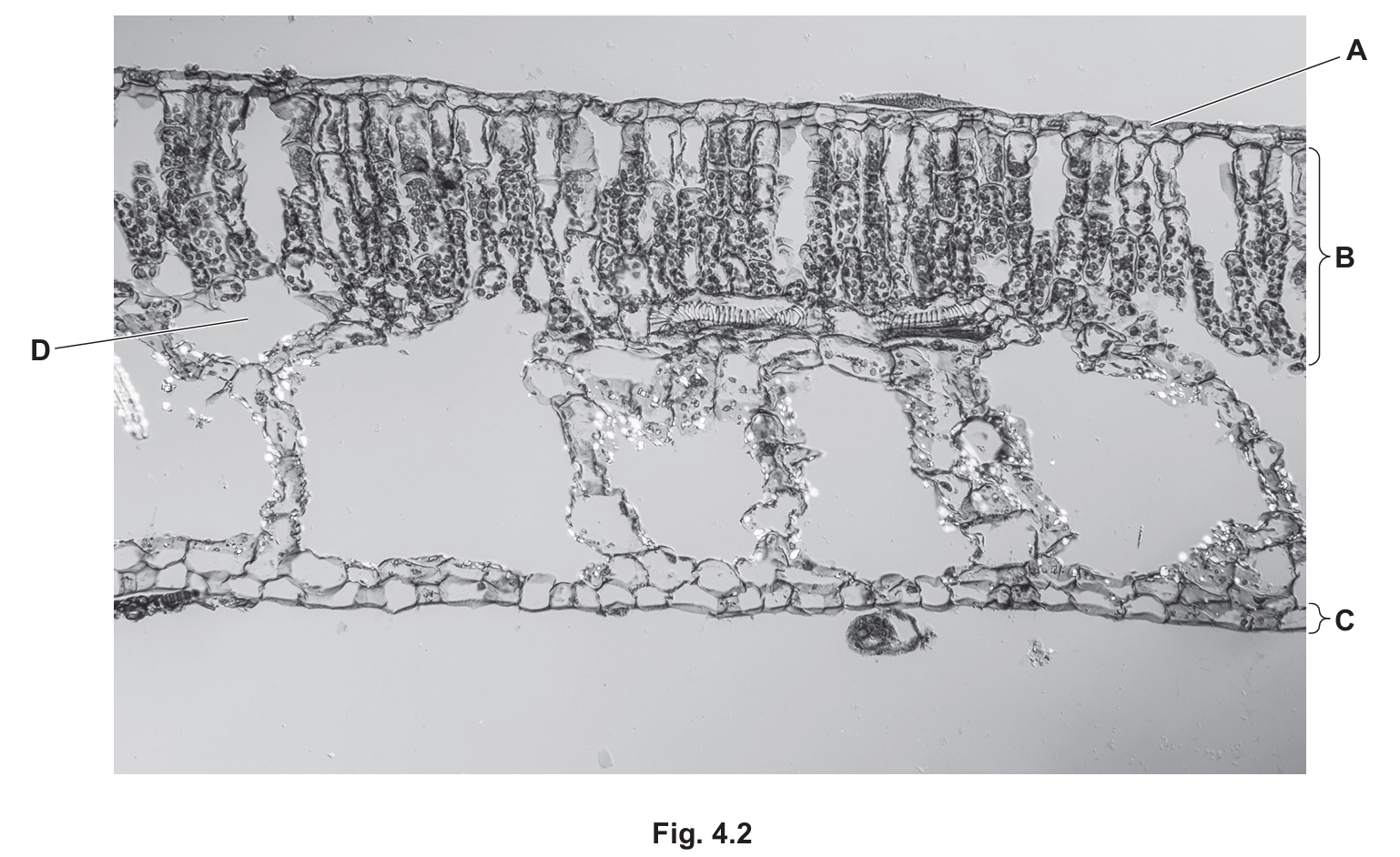
▶️ Answer/Explanation
(a) (i)
B: Palisade mesophyll
C: (Lower) epidermis
(a) (ii)
The area labelled D refers to the large air spaces (aerenchyma). Its functions include:
- Providing buoyancy to allow the leaf to float on the water surface to catch more light.
- Facilitating the diffusion of gases (oxygen and carbon dioxide) for photosynthesis and respiration.
(a) (iii)
The green pigment is chlorophyll. Its function is to trap light energy and transfer it into chemical energy for the synthesis of carbohydrates (photosynthesis).
(a) (iv)
Water lilies live in an aquatic environment where water availability is not a limiting factor. Therefore:
- They do not need a thick cuticle to prevent water loss.
- A thinner cuticle allows more light to penetrate to the photosynthetic palisade layer.
- It reduces the resources needed to produce the cuticle.
(b) (i)
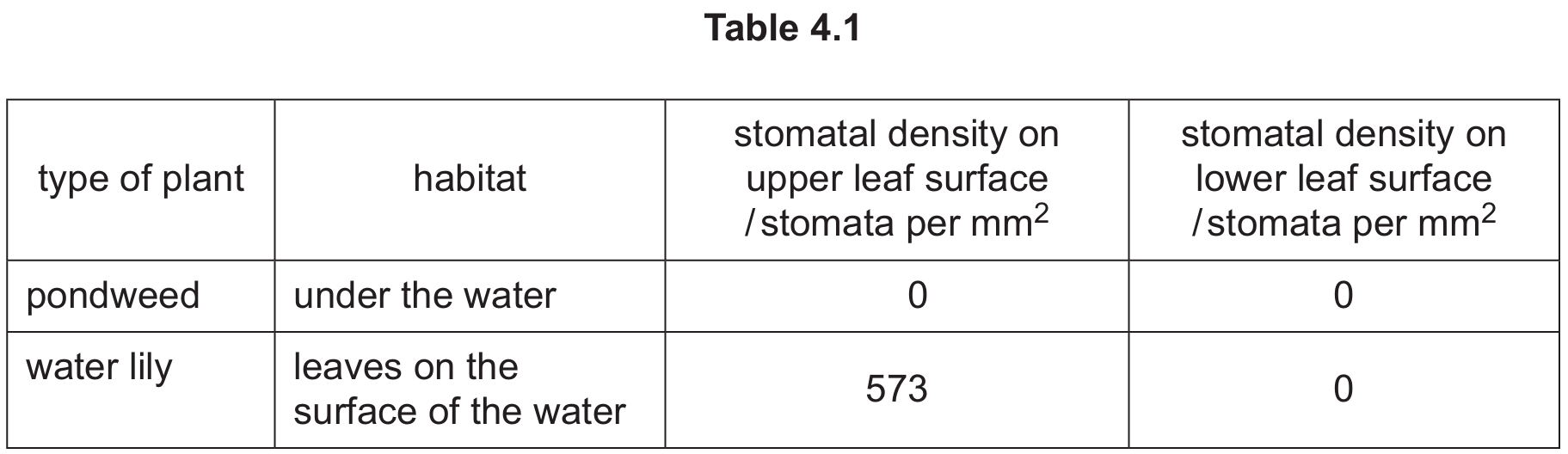
\( 57\,300 \) stomata per \( \text{cm}^2 \).
Calculation: \( 1 \text{ cm}^2 = 100 \text{ mm}^2 \). Therefore, \( 573 \times 100 = 57\,300 \).
(b) (ii)
- Pondweed (submerged): Has 0 stomata because it exchanges gases directly with the water across the leaf surface. Stomata would be ineffective under water.
- Water lily (floating): Has stomata only on the upper surface (573) to exchange gases with the air. The lower surface is in contact with water, where stomata would be blocked or flooded.
(c) (i)
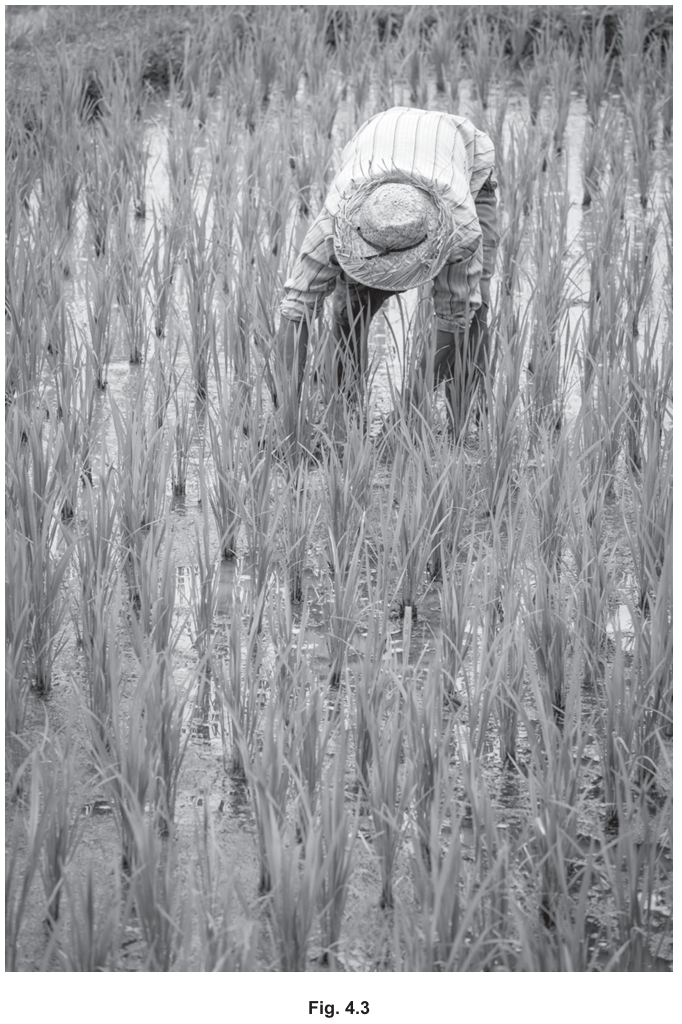
Characteristics visible include:
- Parallel veins in the leaves.
- Thin, strap-shaped leaves.
(c) (ii)
This question links respiration, active transport, and protein synthesis:
- Low oxygen limits aerobic respiration, reducing the energy (ATP) released.
- Active transport of mineral ions (like nitrates) by root hair cells requires this energy, so uptake is reduced.
- Nitrates are essential for making amino acids.
- Fewer amino acids mean the plant can synthesize fewer proteins, limiting growth.
- Additionally, anaerobic conditions promote denitrifying bacteria, which reduce soil nitrate levels further.
▶️ Answer/Explanation
(a)(i)
Bacteria (or prokaryotes).
Explanation: Antibiotics are chemical substances that disrupt the metabolism or cell wall structure of bacteria. They are ineffective against viruses.
(a)(ii)
To limit resistance, antibiotics should be used only when essential/necessary (e.g., for confirmed bacterial infections, not viral ones) and the appropriate antibiotic should be selected. Other measures include completing the full course prescribed and restricting their use in agriculture.
Explanation: Overuse or misuse of antibiotics creates a selection pressure where only resistant bacteria survive and reproduce, spreading the resistance genes.
(b)(i)
Genus.
Explanation: In the binomial system ($Genus$ $species$), the first name indicates the genus (generic name) and starts with a capital letter.
(b)(ii)
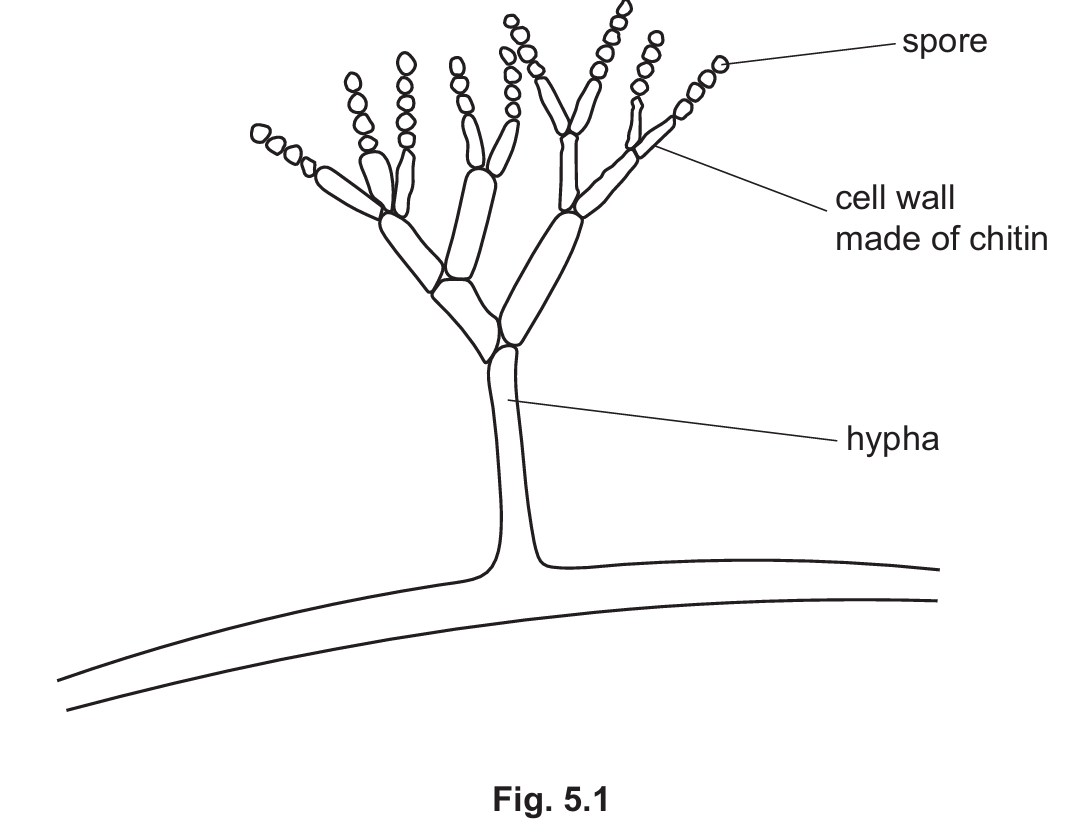
Fungi (or Kingdom Fungi).
Explanation: The diagram (Fig 5.1) shows characteristic fungal features: a cell wall made of chitin, hyphae (filamentous structures), and spores for reproduction.
(c)(i)
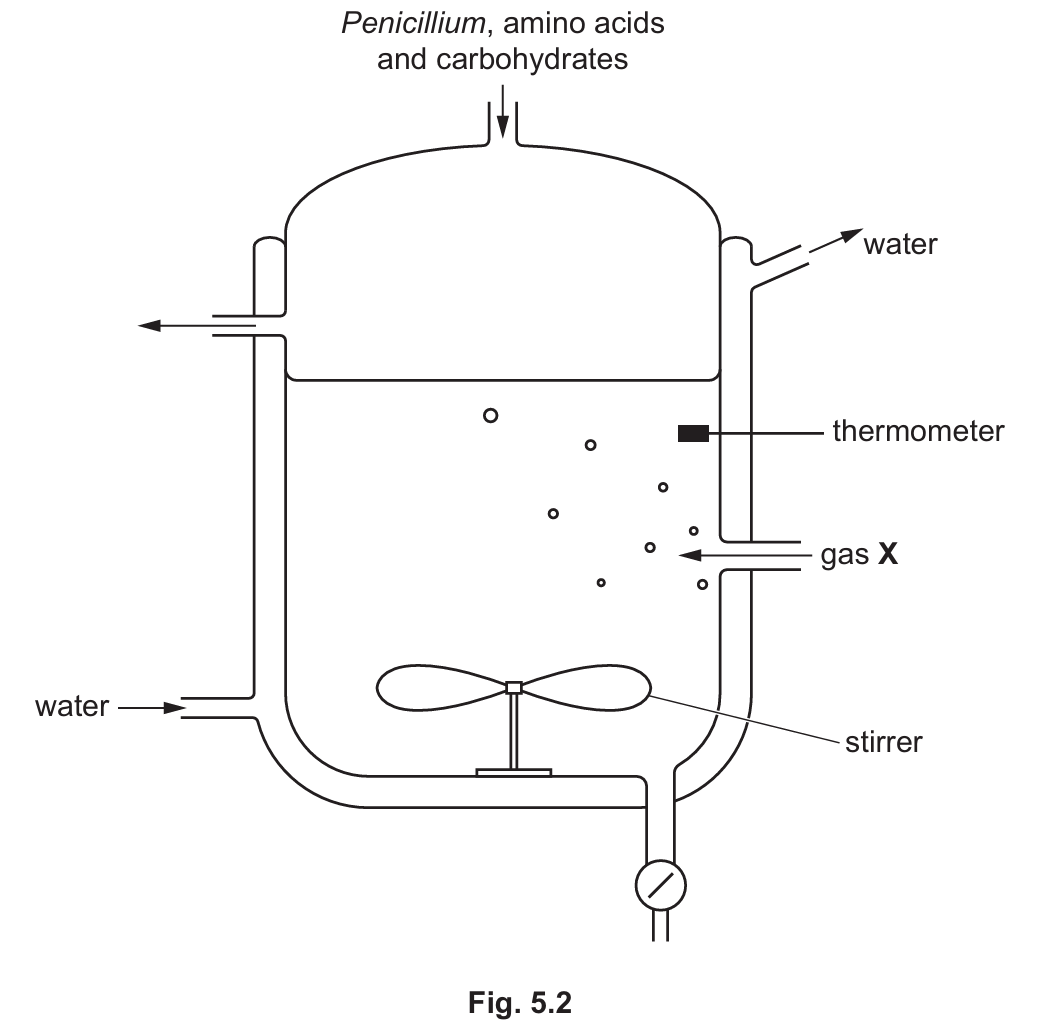
Acceptable answers include: insulin, mycoprotein, ethanol (alcohol), amino acids, or enzymes.
Explanation: Fermenters are used to grow microorganisms like genetically modified bacteria (for insulin) or fungi (for mycoprotein) on a large scale.
(c)(ii)
Oxygen.
Explanation: Penicillium is an aerobic fungus. It requires oxygen for aerobic respiration to generate the energy needed for growth and penicillin production.
(c)(iii)
Key conditions and control methods include:
- Temperature: Controlled using a water jacket (or water bath). The respiration of the fungus releases heat, so cold water is circulated to cool the tank and keep the temperature at the optimum for enzyme activity.
- pH: Controlled by adding buffers (or acids/alkalis). Metabolic activity can change pH, so it is monitored to ensure it stays at the optimum for enzymes.
- Nutrient supply: Essential nutrients (glucose/amino acids) are added to provide energy and raw materials for growth.
- Agitation/Mixing: Controlled by a stirrer (or paddles). This ensures that oxygen and nutrients are equally distributed throughout the mixture and prevents the fungus from settling.
- Hygiene: The fermenter is sealed and steam-cleaned to prevent contamination by other microorganisms.
(d)
Yeast.
Explanation: Yeast carries out anaerobic respiration (fermentation). In bread-making, the $CO_2$ produced makes the dough rise. In biofuel production, the ethanol produced is harvested as fuel.
▶️ Answer/Explanation
(a) (i)
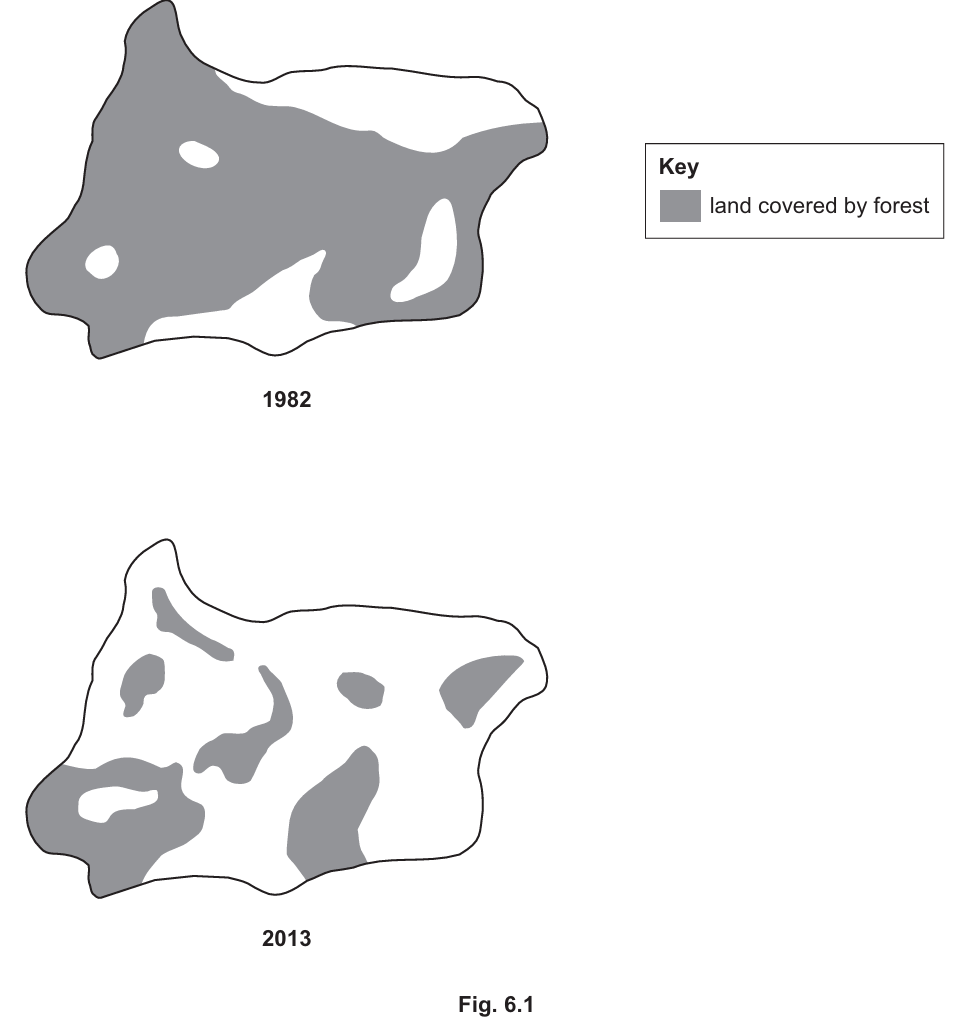
The changes observed in the diagrams are:
- There is less land covered by forest overall.
- The forest has become more fragmented (broken into smaller patches).
- There is specifically less forest around the coast.
(a) (ii)
Possible causes for this reduction (deforestation) include:
- Housing / Urbanization.
- Agriculture (farming/crops/livestock).
- Logging for timber, fuel, or paper.
- Extraction of natural resources (mining).
(b)
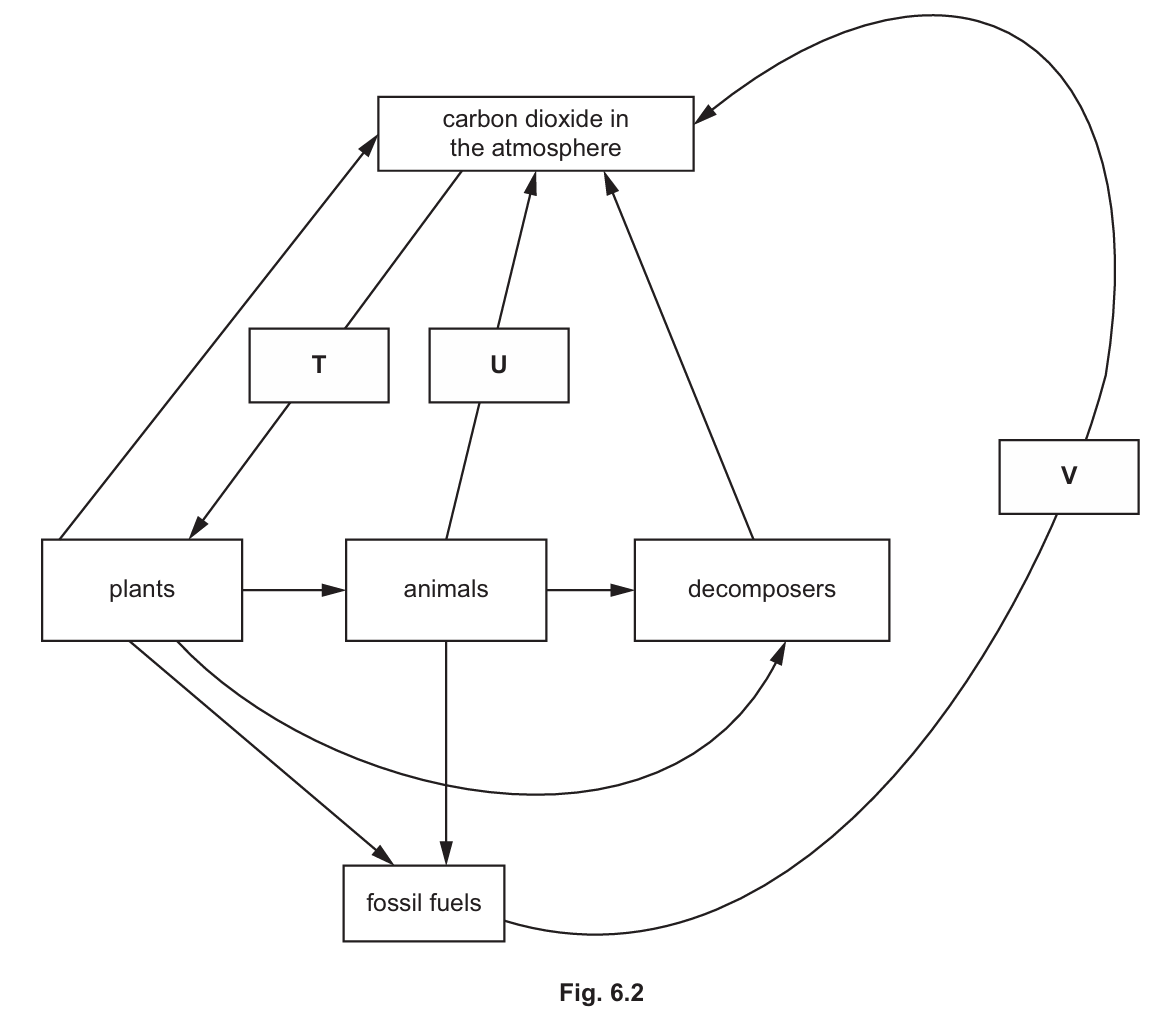
- T: Photosynthesis. This process removes carbon dioxide from the atmosphere and incorporates it into plants.
- U: Respiration (specifically aerobic respiration).This process releases carbon dioxide from animals back into the atmosphere.
- V: Combustion. This is the burning of fossil fuels, which releases stored carbon as carbon dioxide.
(c) (i)
Deforestation contributes to global warming through the greenhouse effect:
- Decreased Photosynthesis: Fewer trees mean less \(CO_2\) is removed from the atmosphere.
- Combustion/Decomposition: Burning or rotting felled trees releases stored carbon as \(CO_2\) into the atmosphere.
- Greenhouse Effect: The accumulated \(CO_2\) is a greenhouse gas that traps infrared (thermal) radiation emitted by the Earth, leading to an enhanced greenhouse effect and rising temperatures.
(c) (ii)
Other undesirable effects include:
- Loss of habitat and subsequent extinction of species or reduction in biodiversity.
- Soil erosion: Without roots to hold the soil, it is washed away, leading to infertile land.
- Flooding: Increased runoff occurs as there are fewer trees to intercept rain or absorb water.
- Disruption of the water cycle: Less transpiration leads to less water vapour in the atmosphere, potentially causing droughts or desertification.