Home / 0610_w25_qp_22

Question 1

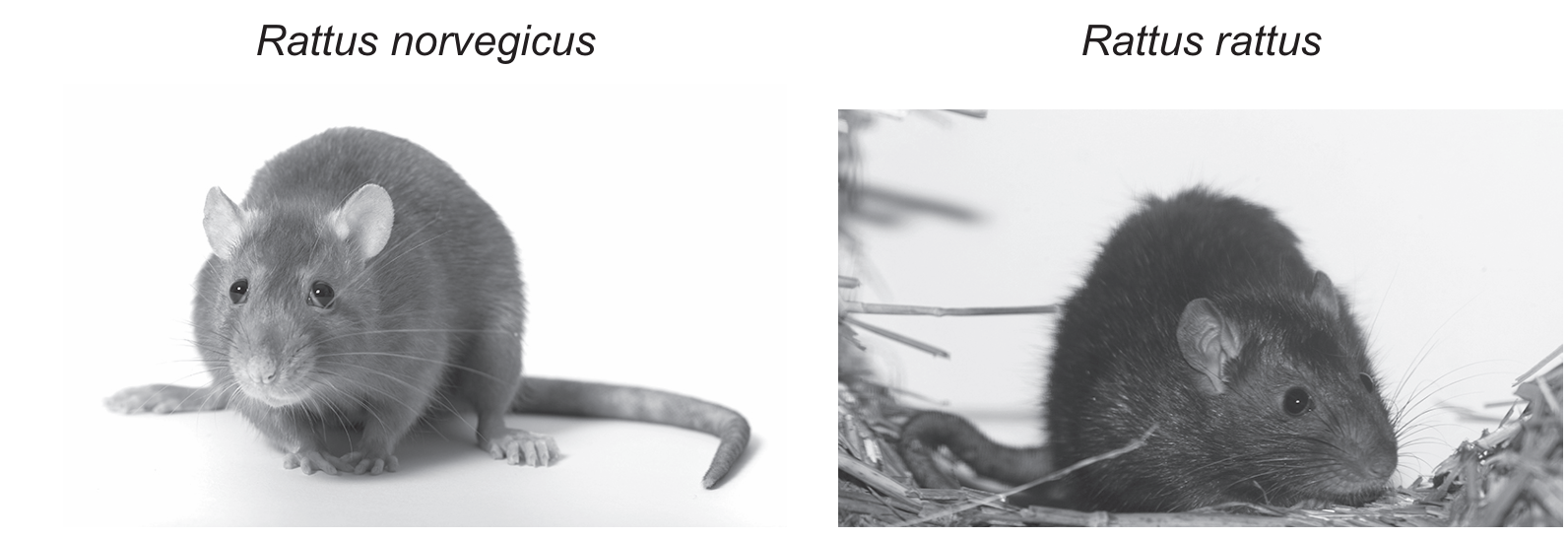
The photographs show two different rats

Which statement about the rats is correct?

(A) The rats belong to the same genus.
(B) The rats belong to the same species.
(C) The rats can breed together to produce fertile offspring.
(D) The rats do not share any of the same features.
▶️ Answer/Explanation
Binomial nomenclature uses two names: the first is the genus and the second is the species. Both rats share the first name, Rattus, meaning they belong to the same genus. They have different second names (norvegicus vs. rattus), which indicates they are different species. Because they are different species, they generally cannot breed to produce fertile offspring, making option (B) and (C) incorrect. Since they are in the same genus, they naturally share many biological features, making (D) incorrect.
Answer: (A)

Question 2

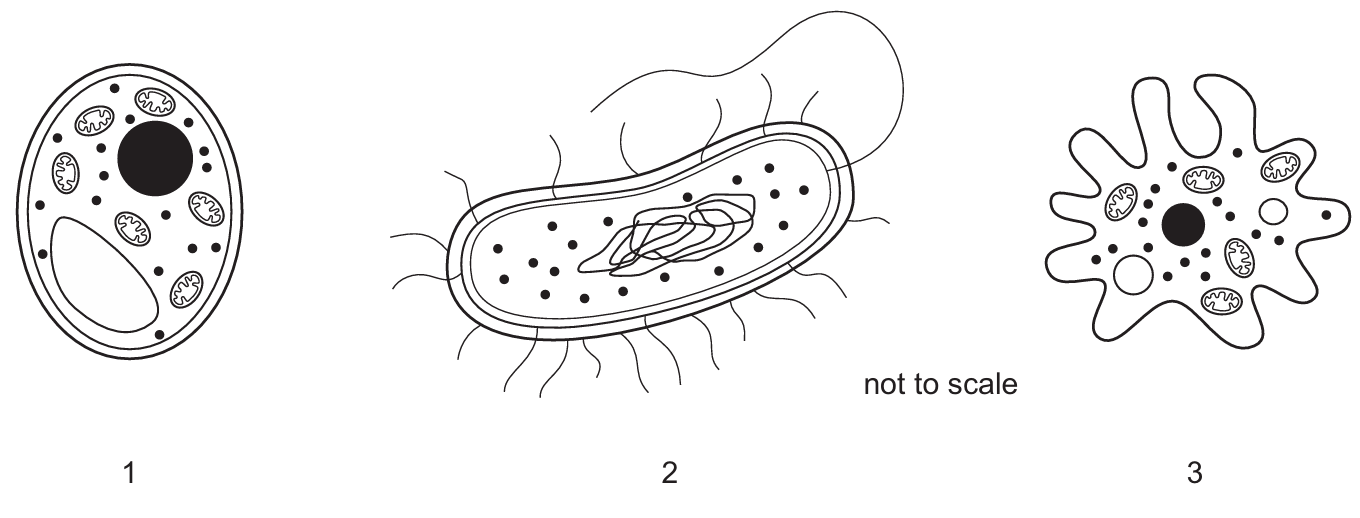
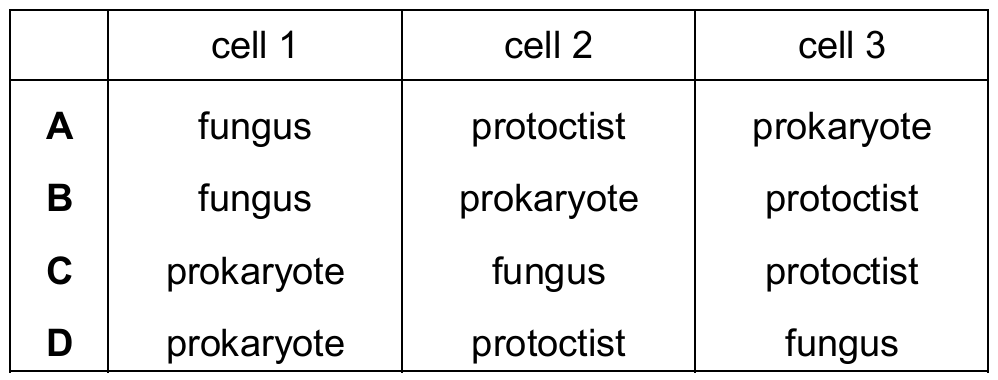
The diagrams show cells of organisms from three different kingdoms.

Which row shows the kingdoms for the organism cells labelled $1$, $2$ and $3$?

▶️ Answer/Explanation

Cell $1$ represents a fungus (specifically yeast), identifiable by its cell wall, nucleus, and large vacuole. Cell $2$ is a prokaryote (bacterium), characterized by the lack of a membrane-bound nucleus, a single loop of DNA, and the presence of flagella. Cell $3$ is a protoctist (like an Amoeba), as it is a eukaryotic unicellular organism containing a distinct nucleus and mitochondria but lacking a rigid cell wall. Matching these identifications to the table, only row B correctly categorizes all three organisms based on their cellular structures.

Answer: (B)

Question 3

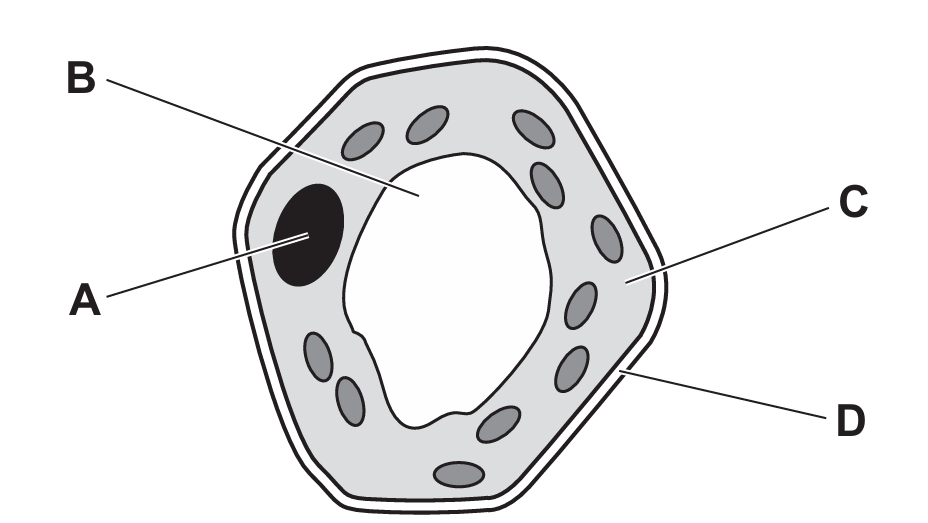
The diagram shows a plant cell.

A biologist wants to find out the number of chromosomes it contains.

Which labelled part should be examined more closely?

▶️ Answer/Explanation
Chromosomes are thread-like structures made of protein and a single molecule of DNA that serve to carry genomic information from cell to cell. In eukaryotic organisms like plants, these chromosomes are housed within the nucleus. Label A points directly to the nucleus, which acts as the control center of the cell and contains the genetic material. Label B indicates the large central vacuole, C points to the cytoplasm, and D represents the cell wall, none of which contain the primary set of chromosomes. Therefore, to count the number of chromosomes, a biologist must focus their examination on the nucleus.
Answer: (A)

Question 4

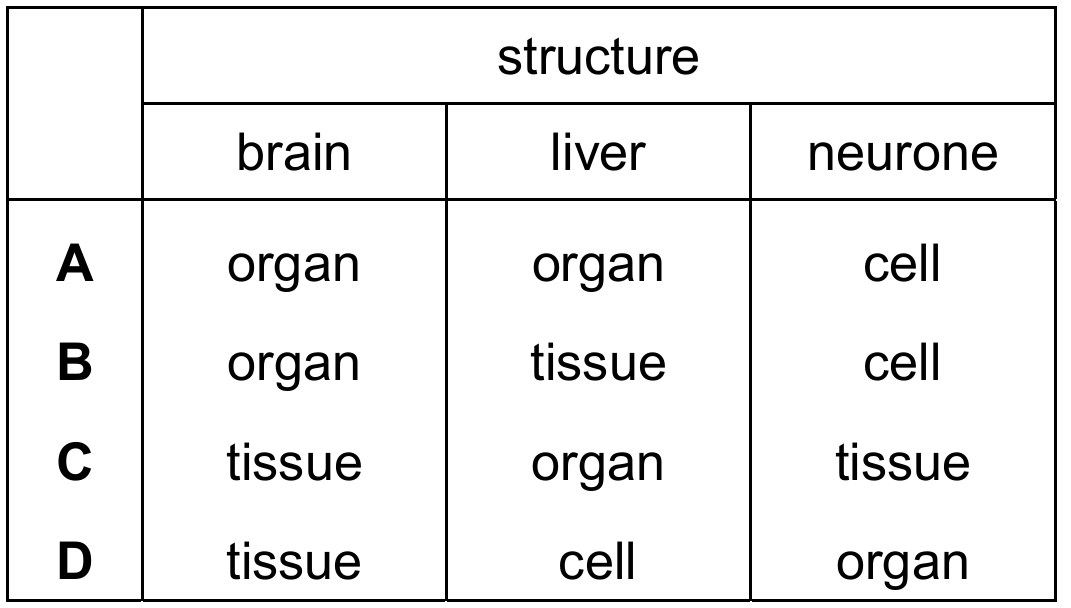
Which term describes each structure?

▶️ Answer/Explanation

Biological organization follows a hierarchy: cells group to form tissues, and tissues group to form organs. A neurone is a single nerve cell, which is the basic functional unit of the nervous system. The brain and the liver are both complex structures made of multiple types of tissues working together to perform specific physiological functions, classifying them both as organs. Row A correctly identifies both the brain and liver as organs and the neurone as a cell.

Answer: (A)

Question 5

The diagram shows the order of bases along part of one strand of DNA.

A—C—T—T—A—G—A—T

What is the order of bases on the complementary part of the other strand?

(A) A—C—T—T—A—G—A—T
(B) C—A—G—G—C—T—C—G
(C) T—A—G—A—T—T—C—A
(D) T—G—A—A—T—C—T—A
▶️ Answer/Explanation
DNA strands are held together by complementary base pairing rules. In a DNA molecule, the nitrogenous base Adenine ($A$) always pairs with Thymine ($T$), and Cytosine ($C$) always pairs with Guanine ($G$). To find the complementary sequence, we must replace each base in the original strand with its partner: $A$ becomes $T$, $C$ becomes $G$, $T$ becomes $A$, and $G$ becomes $C$. Following the given sequence A—C—T—T—A—G—A—T, the pairing results in T—G—A—A—T—C—T—A. This specific matching ensures the genetic code is copied accurately during replication.
Answer: (D)

Question 6

Which substance is an enzyme?

(A) fibrinogen
(B) mRNA
(C) pepsin
(D) saliva
▶️ Answer/Explanation
Pepsin is an active protease enzyme produced in the stomach that breaks down proteins into smaller peptides. While fibrinogen is a protein, it is a clotting factor rather than a catalyst. mRNA is a nucleic acid that carries genetic information, and saliva is a complex fluid that contains enzymes (like amylase) but is not an enzyme itself. A helpful naming convention in biology is that many enzymes end in the suffix “-in” or “-ase.” Therefore, pepsin fits the biological definition of a functional catalyst.
Answer: (C)

Question 7

Which function is performed in the duodenum?

(A) assimilation
(B) digestion
(C) egestion
(D) ingestion
▶️ Answer/Explanation
The duodenum is the first part of the small intestine where the most critical stages of chemical digestion occur. It receives chyme from the stomach and mixes it with bile from the gallbladder and digestive enzymes from the pancreas. These enzymes break down complex carbohydrates, proteins, and lipids into simpler molecules. While absorption begins later in the small intestine, the primary role of the duodenum is completing the breakdown of food. In contrast, ingestion occurs in the mouth, assimilation happens in body cells, and egestion occurs via the anus. Therefore, the duodenum is a site specifically dedicated to digestion.
Answer: (B)

Question 8

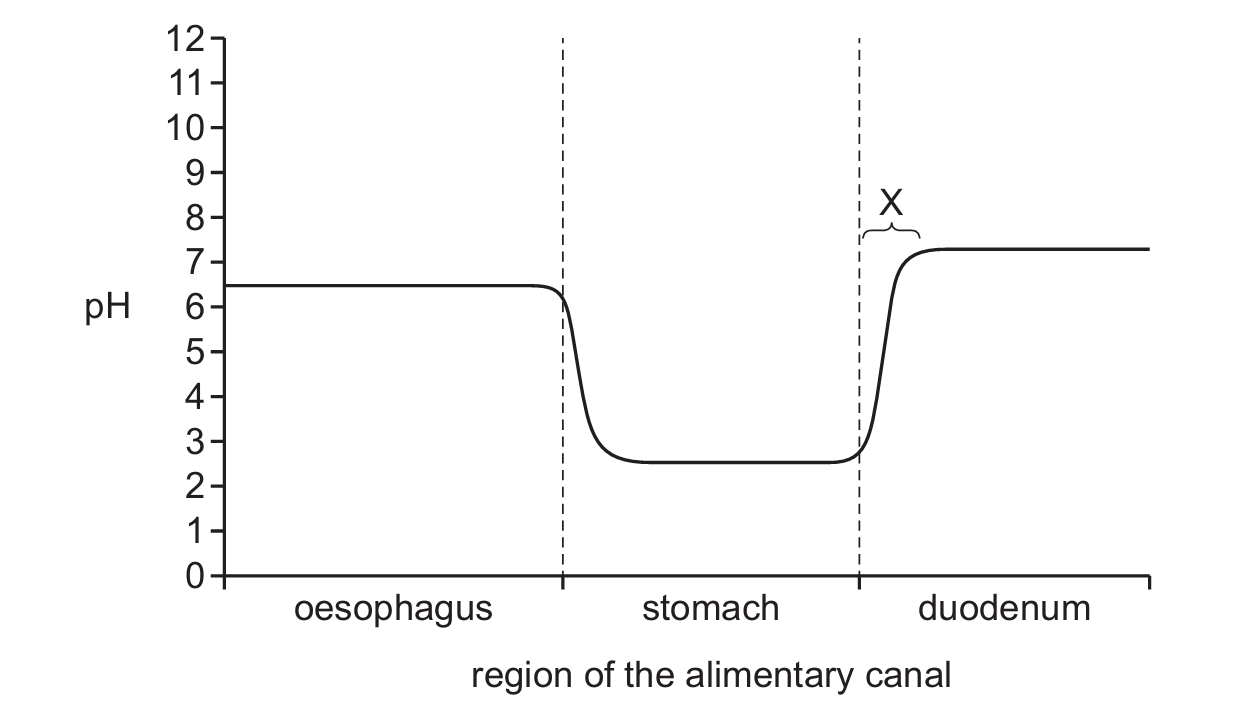
The graph shows the changes in $pH$ in the oesophagus, stomach and duodenum.

Which substance causes the change in $pH$ at the point labelled $X$?

(A) bile
(B) gastric juice
(C) glucagon
(D) trypsin
▶️ Answer/Explanation
The graph indicates that at point $X$, the $pH$ rises sharply from an acidic level (around $pH$ $2.5$) in the stomach to a more neutral or slightly alkaline level (around $pH$ $7$–$8$) in the duodenum. This neutralization is primarily caused by bile and pancreatic juice. Bile is an alkaline fluid produced by the liver that contains sodium hydrogencarbonate, which neutralizes the hydrochloric acid from the stomach. Gastric juice (B) would make the environment more acidic, while glucagon (C) is a hormone involved in blood sugar regulation, not digestion. Trypsin (D) is a protease enzyme that functions best in the alkaline environment created after the $pH$ has already shifted. Therefore, the substance responsible for the initial shift is bile.
Answer: (A)

Question 9

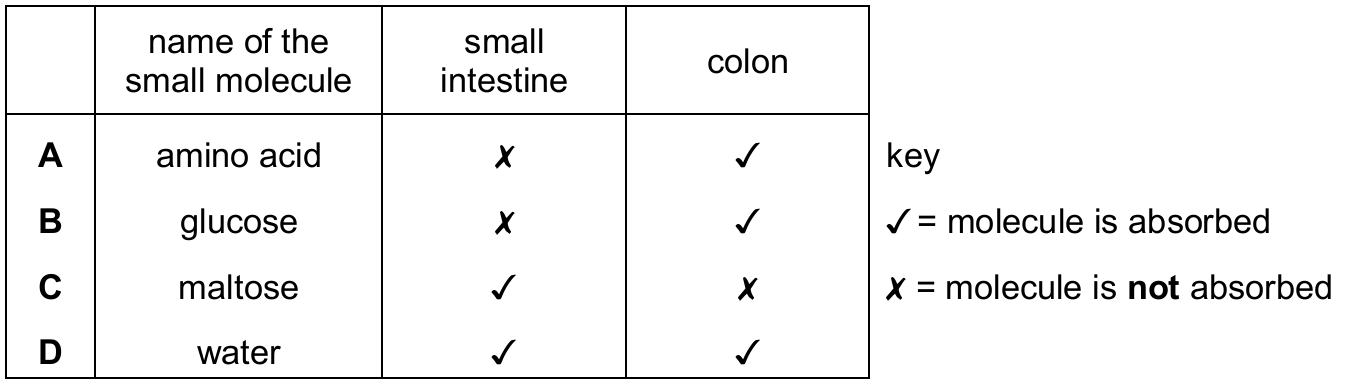
Which row names a small molecule and where that molecule is absorbed in the digestive system?

 
▶️ Answer/Explanation

To solve this, we must identify where specific molecules are absorbed. Amino acids and glucose are primarily absorbed in the small intestine, making rows A and B incorrect. Maltose is a disaccharide that must be broken down into glucose before absorption, so row C is incorrect. Water is unique because it is absorbed via osmosis in both the small intestine (where the majority of absorption occurs) and the colon (where remaining water is reclaimed). Therefore, row D correctly identifies a small molecule and its absorption sites.

Answer: (D)

Question 10

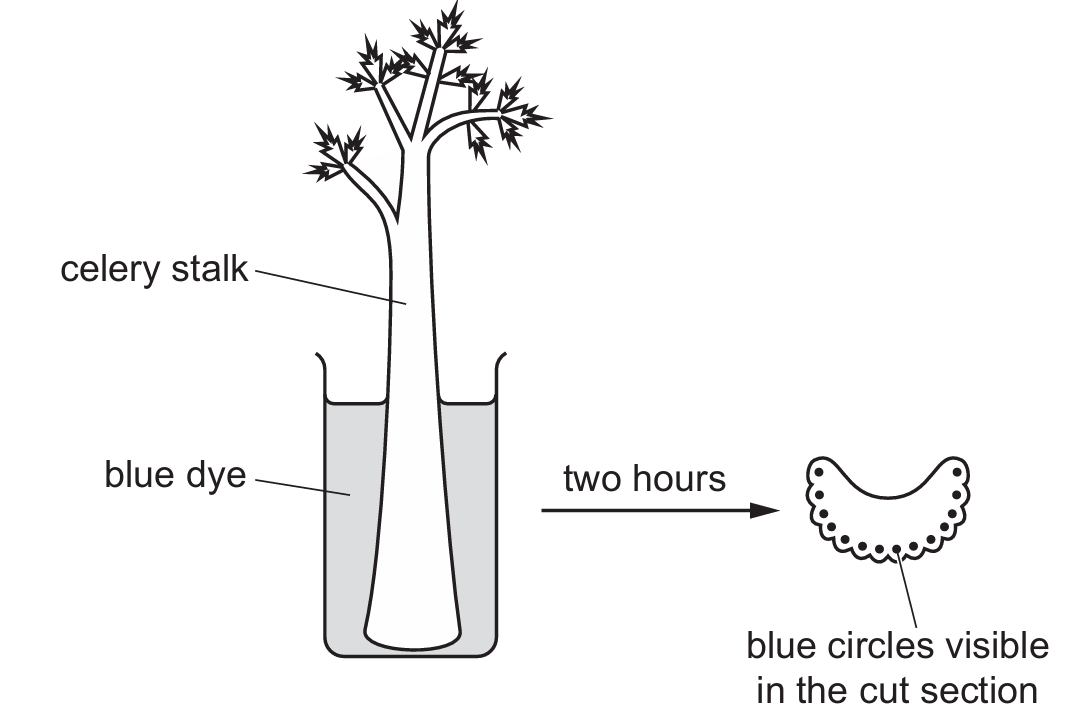
A student cut one stalk of celery from a celery plant.

They put the celery stalk into a beaker of blue dye.

The celery stalk was removed from the blue dye after two hours and was cut into sections.

What is shown by the blue circles in the cut sections of celery stalk?

(A) position of the cortex cells
(B) position of the palisade cells
(C) position of the phloem cells
(D) position of the xylem vessels
▶️ Answer/Explanation
The experiment demonstrates the transport of water and dissolved substances in plants. The blue dye acts as a tracer, moving upward through the stalk via transpiration pull. In a celery stalk, which is a modified petiole, the vascular bundles are arranged near the outer edge. The xylem vessels are specifically responsible for the conduction of water and minerals from the roots (or base) to the leaves. Since the dye is carried within the water stream, it stains the xylem tissue, making those specific vessels appear as blue circles in a cross-section. Phloem, cortex, and palisade cells do not primarily function as water-conducting tubes and would not show concentrated dye in this manner.
Answer: (D)

Question 11

Which process moves water from the surfaces of the mesophyll cells into the air spaces during transpiration?

(A) active transport
(B) circulation
(C) evaporation
(D) osmosis
▶️ Answer/Explanation
In the process of transpiration, water moves from the xylem to the mesophyll cells via osmosis. Once the water reaches the wet cell walls of the mesophyll, it changes state from a liquid to a gas; this specific transition is known as evaporation. The resulting water vapor then moves into the intercellular air spaces of the leaf. From these air spaces, the vapor diffuses out of the leaf through the stomata. Since the question specifically asks for the move from the cell surface to the air spaces, it describes the phase change of water.
Answer: (C)

Question 12

The mass of water lost from a plant was investigated. The leaves of the plant were covered with a type of grease that acts as a waterproof barrier. The environmental conditions remained the same throughout the experiment. The table shows the results of the investigation.

treatmentmass lost in seven days / $g$
no grease applied$12.0$
grease applied only to the upper surface of every leaf$8.7$
grease applied to both surfaces of every leaf$0.0$

What is the mean daily rate of water loss through the upper surface of the leaves?

(A) $0.47 \text{ g / day}$
(B) $1.24 \text{ g / day}$
(C) $1.71 \text{ g / day}$
(D) $3.30 \text{ g / day}$
▶️ Answer/Explanation
To find the water loss from the upper surface, we compare the “no grease” scenario (loss from both surfaces) to the “upper surface greased” scenario (loss from lower surface only). The difference is the amount lost through the upper surface over $7$ days: $12.0\text{ g} – 8.7\text{ g} = 3.3\text{ g}$. To calculate the mean daily rate, divide this total by the duration of the experiment: $3.3\text{ g} \div 7 \text{ days} \approx 0.4714\text{ g / day}$. Rounding to two decimal places gives $0.47\text{ g / day}$. This calculation isolates the transpiration occurring specifically through the stomata or cuticle on the top side of the leaf.
Answer: (A)

Question 13

What is translocation?

(A) the movement of amino acids and water from sink to source
(B) the movement of starch and water from source to sink
(C) the movement of sucrose and amino acids from source to sink
(D) the movement of sucrose and mineral ions from sink to source
▶️ Answer/Explanation

Translocation is the process by which organic molecules, primarily sucrose and amino acids, are transported through the phloem of a plant. This movement occurs from “sources,” such as photosynthesizing leaves, to “sinks,” such as growing roots or developing fruits. Unlike transpiration, which only moves water and minerals upward in the xylem, translocation can move substances in multiple directions depending on where the plant needs energy. Starch is not moved directly because it is insoluble; it must be converted to sucrose first. Therefore, the transport of sucrose and amino acids from source to sink defines the process.

Answer: (C)

Question 14

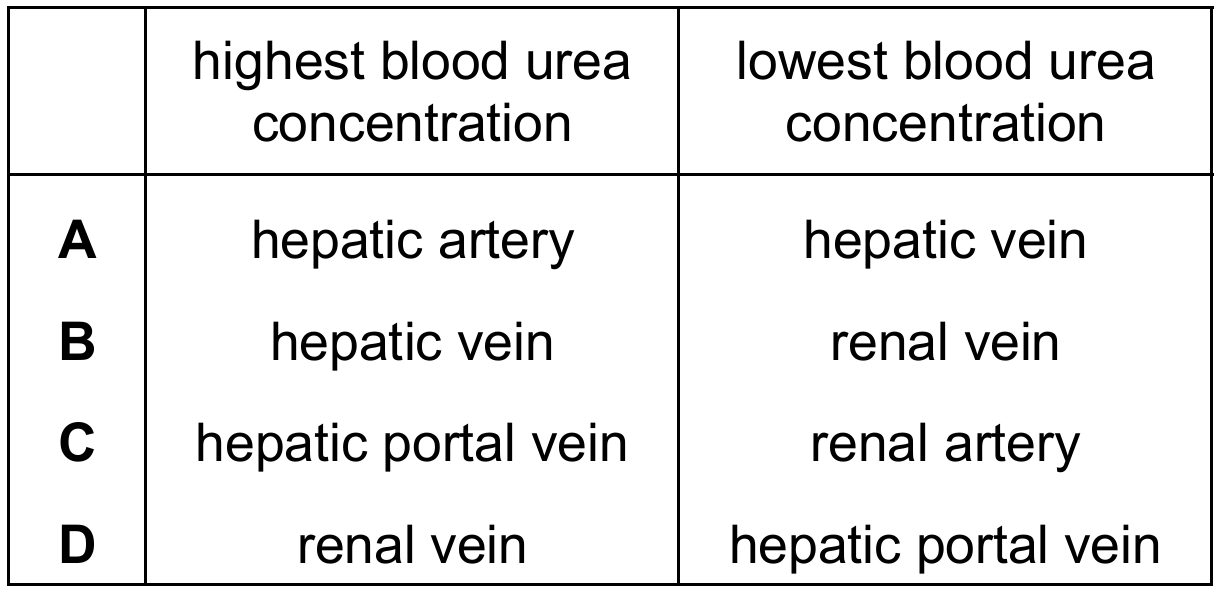
Which row names the blood vessel containing the highest blood urea concentration and the blood vessel containing the lowest blood urea concentration?

▶️ Answer/Explanation
The hepatic vein carries blood away from the liver, which is the primary organ responsible for deamination and the production of urea; therefore, blood leaving the liver has the highest urea concentration. Conversely, the renal vein carries blood away from the kidneys after it has been filtered. Since the kidneys remove urea from the blood to form urine, the blood returning to the circulation via the renal vein has the lowest urea concentration.
Answer: (B)

Question 15

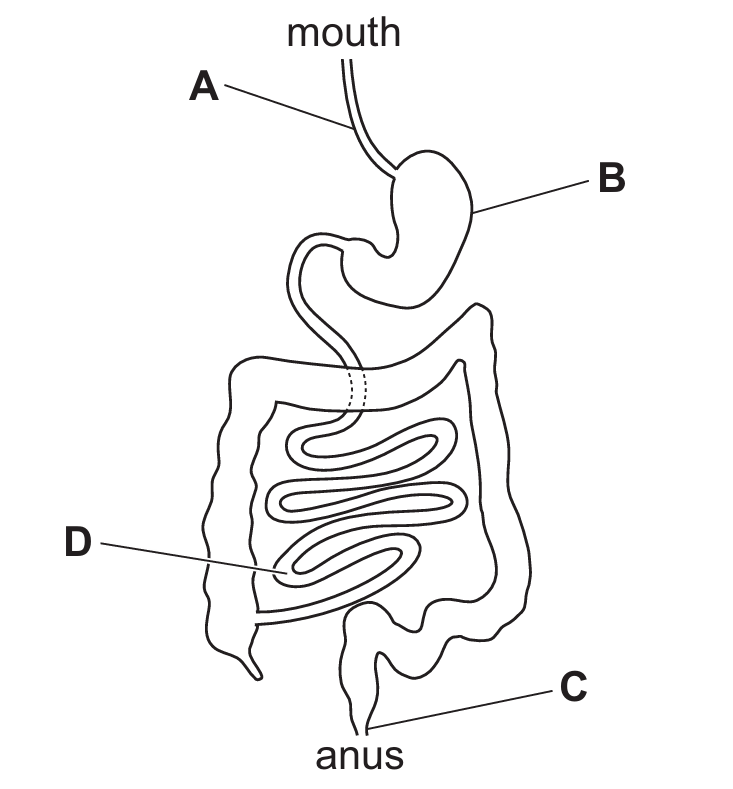
The diagram shows the human digestive system.

Where do cholera bacteria cause the secretion of chloride ions?

▶️ Answer/Explanation
Cholera is caused by the bacterium Vibrio cholerae, which infects the lining of the small intestine. The bacteria produce a toxin that triggers the epithelial cells to actively secrete chloride ions ($Cl^-$) into the intestinal lumen. This increase in ionic concentration lowers the water potential in the gut, causing water to move out of the blood and into the intestine by osmosis. In the provided diagram, label D points to the small intestine, whereas A is the esophagus, B is the stomach, and C is the large intestine/rectum area. This physiological process results in the severe watery diarrhea characteristic of the disease.
Answer: (D)

Question 16

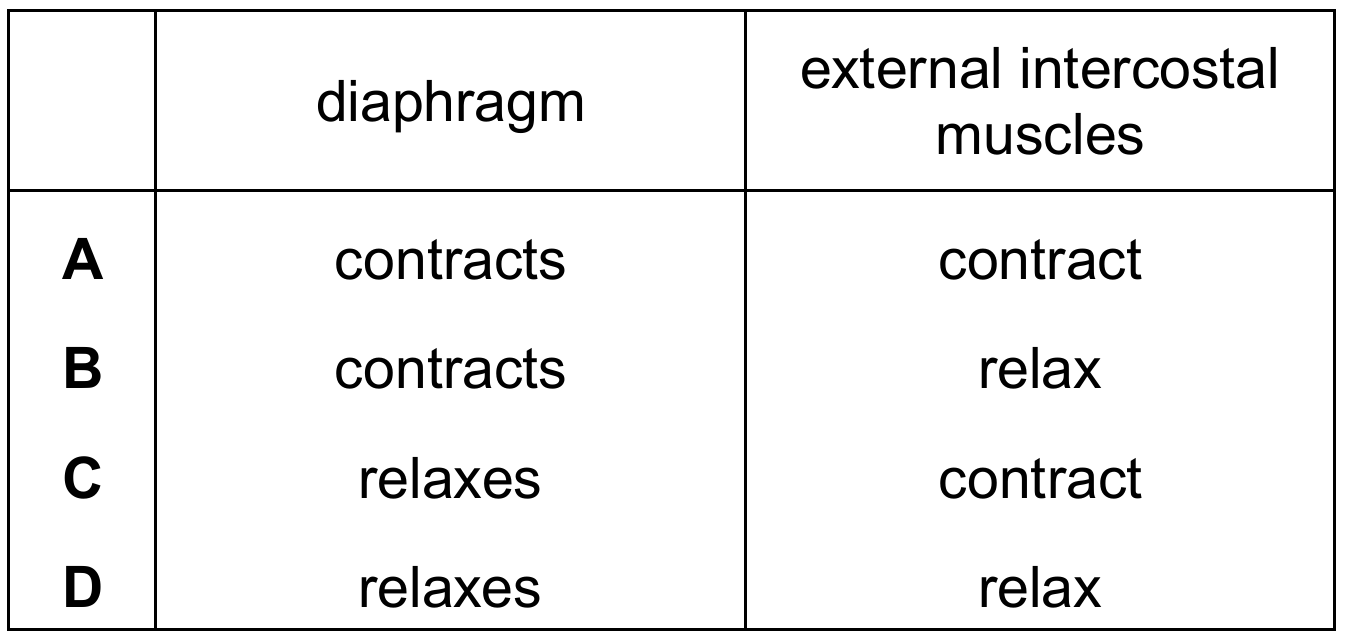
Which row describes what happens when breathing in?

▶️ Answer/Explanation
Breathing in, or inhalation, is an active process that requires the volume of the thorax to increase so that air pressure inside the lungs drops below atmospheric pressure. To achieve this, the diaphragm contracts and flattens downwards. Simultaneously, the external intercostal muscles contract, pulling the ribcage upwards and outwards. This dual action expands the thoracic cavity, allowing air to flow into the lungs. In contrast, relaxation of these muscles leads to exhalation. Therefore, row $A$ correctly identifies that both muscle groups must contract during inspiration.
Correct Answer: (A)

Question 17

A person exercised vigorously for $1$ minute and then rested for $1$ hour.

Which statements about lactic acid are correct?

$1$   During exercise, lactic acid is produced in the muscles and diffuses into the blood.
$2$   The blood transports lactic acid to the liver.
$3$   Lactic acid is broken down by anaerobic respiration.
(A) $1, 2$ and $3$
(B) $1$ and $2$ only
(C) $2$ and $3$ only
(D) $2$ only
▶️ Answer/Explanation

During vigorous exercise, muscle cells perform anaerobic respiration when oxygen supply is insufficient, producing lactic acid which then diffuses into the bloodstream (Statement $1$). The blood carries this lactic acid to the liver to be processed (Statement $2$). However, Statement $3$ is incorrect because lactic acid is broken down or converted back into glucose through aerobic metabolism (repaying the “oxygen debt”), not anaerobic. Since only statements $1$ and $2$ are scientifically accurate, the correct option is B.

Answer: (B)

Question 18

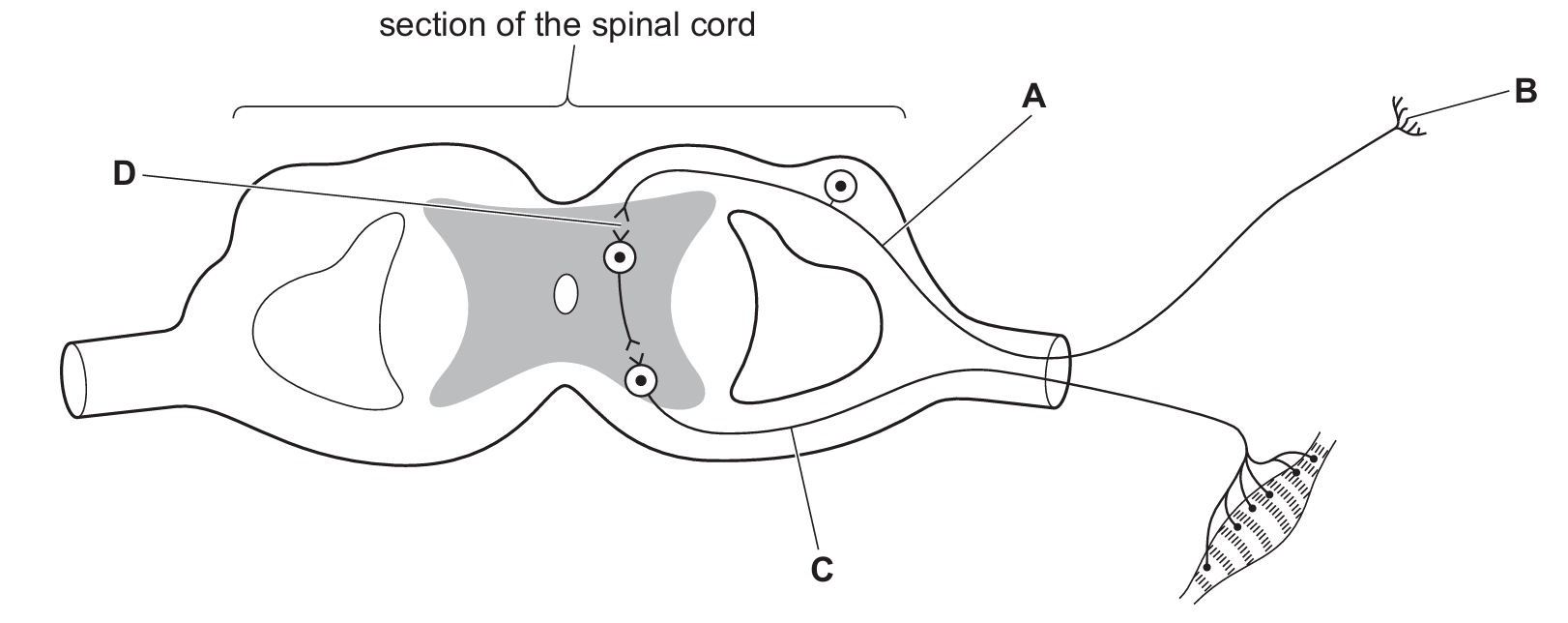
The diagram shows the parts of the nervous system involved in a reflex arc.

Which letter identifies a synapse?

 
▶️ Answer/Explanation
In a reflex arc, a synapse is the functional junction or gap between two neurons where chemical neurotransmitters transmit signals. In the provided diagram, A points to the sensory neuron, B indicates the receptor (sensory organ), and C points to the motor neuron. Letter D specifically points to the microscopic gap between the terminal end of the sensory neuron and the dendrites of the relay neuron within the spinal cord. Because D represents this critical site of communication between nerve cells, it correctly identifies a synapse.
Answer: (D)

Question 19

A person looks at a distant object in a dark area. The person then moves to a bright area and looks at a near object.

Which statement describes some of the changes that take place in the person’s eyes?

(A) The circular muscles of the iris contract, the pupil constricts, the ciliary muscles relax and the lens gets thicker.

(B) The radial muscles of the iris relax, the circular muscles of the iris contract, the pupil constricts and the lens gets thinner.

(C) The radial muscles of the iris relax, the pupil constricts, the ciliary muscles contract and the lens gets thicker.

(D) The radial muscles of the iris relax, the pupil dilates, the ciliary muscles relax and the lens gets thicker.

▶️ Answer/Explanation

This question involves two physiological mechanisms: the pupillary light reflex and accommodation.

1. Dark to Bright Area: To restrict the amount of light entering the eye, the pupil must constrict. This is achieved when the circular muscles of the iris contract and the radial muscles relax.
2. Distant to Near Object: To focus on a near object, the lens must become more convex (thicker) to increase refraction. This happens when the ciliary muscles contract, which releases tension on the suspensory ligaments, allowing the lens to bulge and get thicker.

Option C correctly identifies both the relaxation of radial muscles (for constriction in bright light) and the contraction of ciliary muscles leading to a thicker lens (for near vision).
Answer: (C)

Question 20

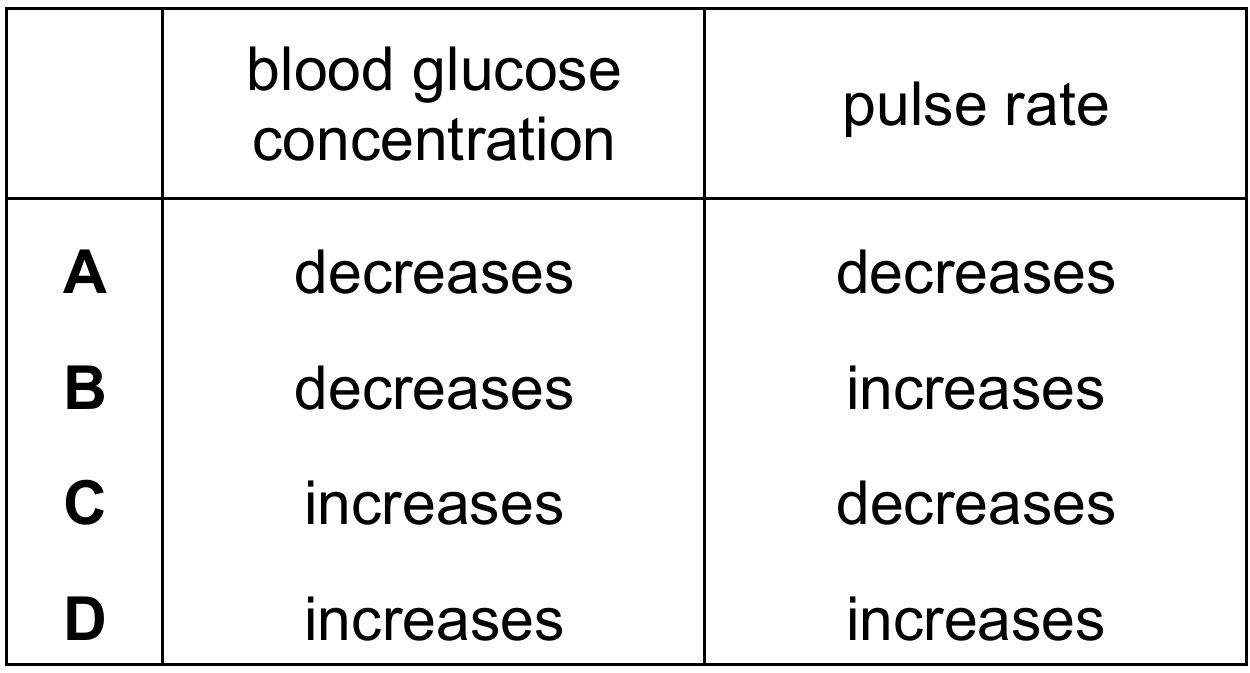
Which effect does adrenaline have on blood glucose concentration and pulse rate?

▶️ Answer/Explanation

Adrenaline is known as the “fight or flight” hormone, secreted by the adrenal glands during stressful or dangerous situations. It acts to increase the supply of oxygen and glucose to the brain and muscles. By stimulating the liver to convert glycogen into glucose, it increases the blood glucose concentration. Simultaneously, it stimulates the pacemaker of the heart, which increases the pulse rate to pump blood faster throughout the body. Therefore, both parameters show an upward trend to prepare the body for immediate physical action.

Answer: (D)

Question 21

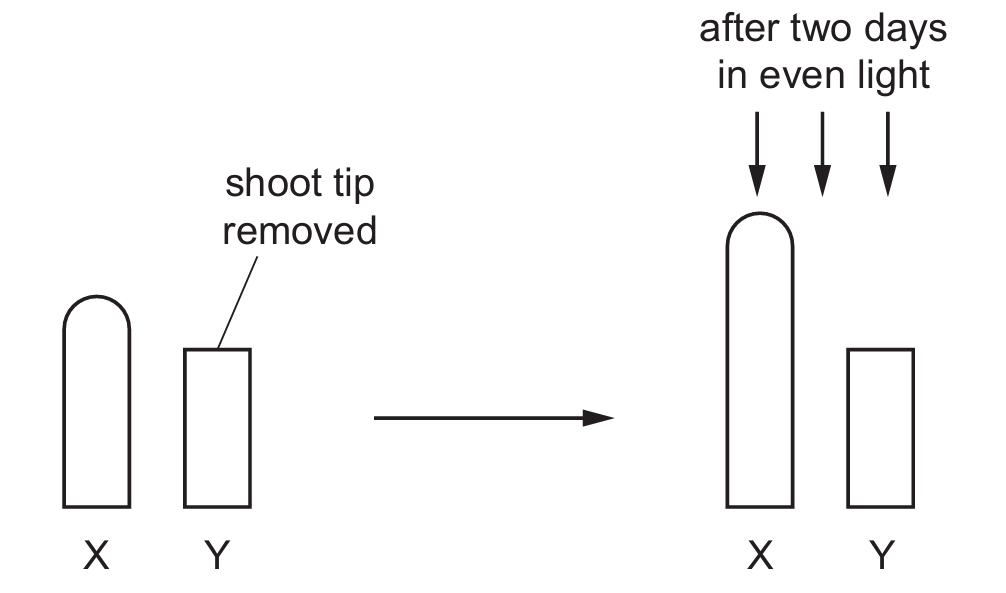
The diagram shows an experiment using two wheat shoot tips, X and Y.

Which statement is supported by the evidence provided by this experiment?

(A) Auxin moves through the plant by osmosis.
(B) Auxin is made in the shoot tip.
(C) Auxin is unequally distributed in response to light.
(D) Auxin inhibits cell elongation.
▶️ Answer/Explanation
The experiment likely involved removing or manipulating the shoot tip to observe growth changes. Since the provided answer key indicates (B), the evidence confirms that the shoot tip is the primary site of auxin synthesis. Without the tip, the source of auxin is removed, halting growth or the phototropic response. Auxin is a plant hormone that promotes cell elongation, not inhibits it, and it moves via active transport rather than osmosis. While light does cause unequal distribution, option (B) is the fundamental conclusion regarding the origin of the hormone based on tip-removal experimental setups.
Answer: (B)

Question 22

Which action would help to limit the development of antibiotic resistance in bacteria?

(A) Use antibiotics frequently to prevent infection by antibiotic-resistant bacteria.
(B) Use antibiotics only to treat bacterial infections.
(C) Use antibiotics to treat all types of infections.
(D) Use antibiotics to treat only viral infections.
▶️ Answer/Explanation
Antibiotic resistance occurs when bacteria evolve mechanisms to survive the drugs designed to kill them. This process is accelerated by the overuse and misuse of antibiotics. By using antibiotics only when necessary for bacterial infections (and not for viral ones like the flu), we reduce the selective pressure that allows resistant strains to multiply. Options (A) and (C) would actually speed up resistance by increasing exposure, while option (D) is incorrect because antibiotics have no effect on viruses. Limiting usage ensures these life-saving drugs remains effective for serious bacterial diseases.
Answer: (B)

Question 23

What is an example of asexual reproduction?

(A) a single bacterium dividing to produce two genetically identical bacteria
(B) a mammal giving birth to $4$ offspring
(C) a female bird laying $6$ eggs which will hatch into the same species
(D) a tomato plant producing fruits which contain many seeds
▶️ Answer/Explanation
Asexual reproduction is a process involving only one parent and results in offspring that are genetically identical to the parent. In option (A), binary fission in bacteria is a classic example where a single cell replicates its DNA and divides into two identical daughter cells. Options (B) and (C) involve specialized reproductive cells or mating, which are characteristics of sexual reproduction. Option (D) involves seeds, which are the product of pollination and fertilization, both of which are sexual processes in plants. Therefore, the division of a single bacterium is the only strictly asexual process listed.
Answer: (A)

Question 24

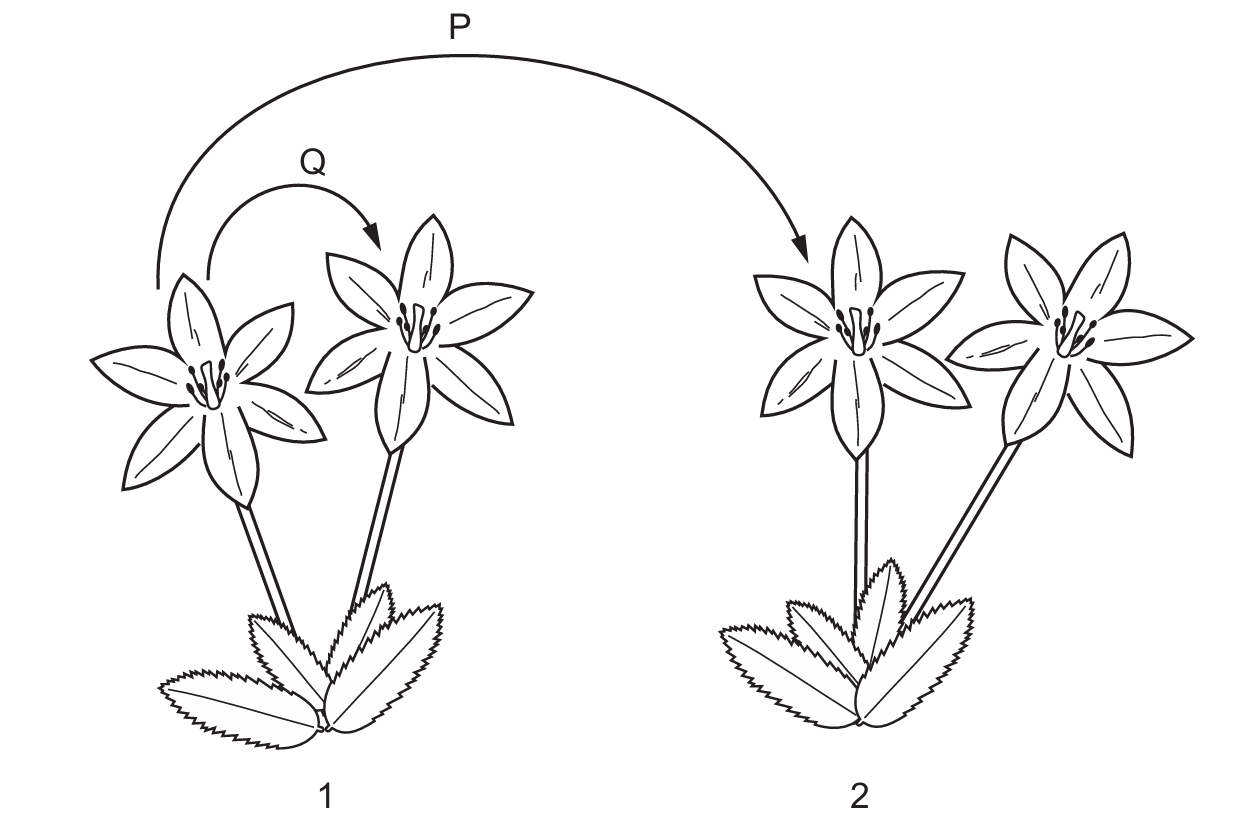
The diagram shows parts of two different plants, $1$ and $2$, of the same species. The transfer of pollen between the flowers of these two plants is shown by the arrows labelled $P$ and $Q$.

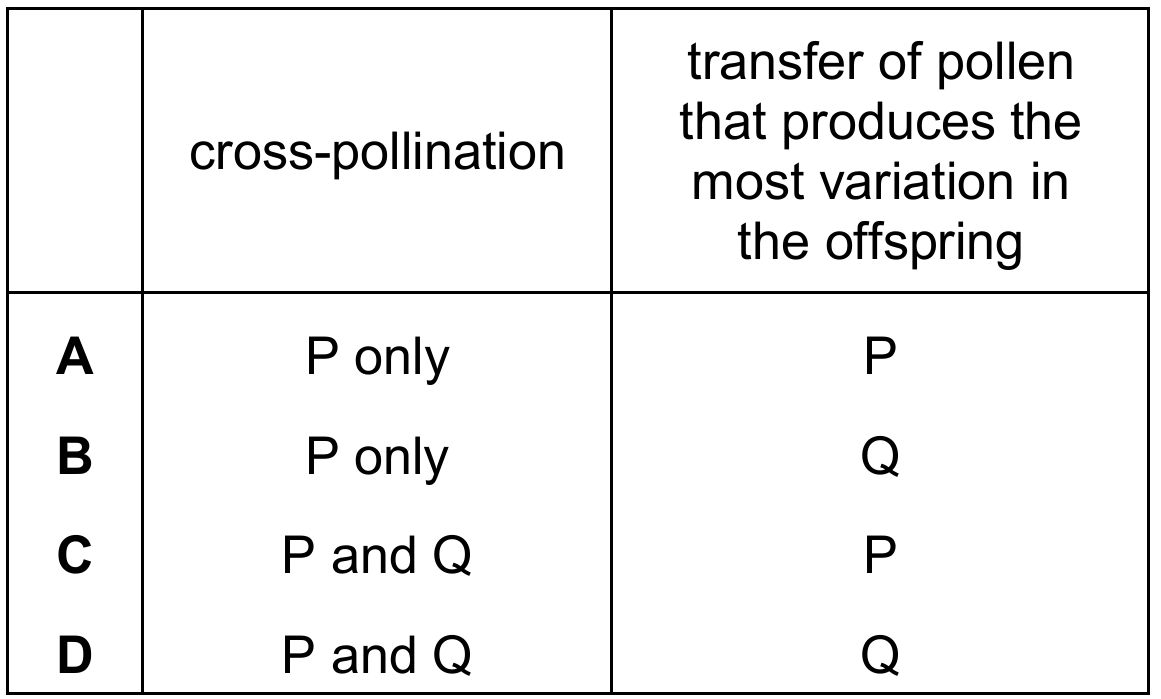
Which arrows show cross-pollination, and which transfer of pollen would produce the most variation in the offspring?

▶️ Answer/Explanation
Cross-pollination occurs when pollen is transferred from the anther of a flower on one plant to the stigma of a flower on a different plant of the same species. In the diagram, arrow $P$ represents cross-pollination, while arrow $Q$ represents self-pollination (transfer between flowers on the same plant). Since cross-pollination combines genetic material from two genetically distinct parents, it results in greater genetic variation among the offspring compared to self-pollination. Therefore, transfer $P$ is both the only instance of cross-pollination and the one that produces the most variation.
Answer: (A)

Question 25

Which substance is a hormone that is involved in the development and regulation of male secondary sexual characteristics?

(A) insulin
(B) glucagon
(C) lactase
(D) testosterone
▶️ Answer/Explanation

Testosterone is the primary male sex hormone produced mainly in the testes. It is responsible for the development of male secondary sexual characteristics such as increased muscle mass, deepening of the voice, and the growth of body hair during puberty.

In contrast, insulin and glucagon are hormones produced by the pancreas to regulate blood glucose levels. Lactase is not a hormone at all; it is an enzyme used to break down lactose in the digestive system. Therefore, testosterone is the only option that fits the biological role described.
Answer: (D)

Question 26

Which statement describes the net direction of movement of a substance across the placenta?

(A) Carbon dioxide moves from the mother’s blood to the fetus’s blood.
(B) Glucose moves from the fetus’s blood to the mother’s blood.
(C) Glycogen moves from the mother’s blood to the fetus’s blood.
(D) Urea moves from the fetus’s blood to the mother’s blood.
▶️ Answer/Explanation
The placenta acts as a selective barrier facilitating the exchange of materials between maternal and fetal blood. Nutrients like glucose and oxygen move from the mother to the fetus to support growth. Conversely, metabolic waste products produced by the fetus, such as urea and carbon dioxide, must be removed. These waste substances move down a concentration gradient from the fetal blood into the maternal blood for excretion by the mother’s system. Glycogen is a large, insoluble storage molecule and does not cross the placenta; instead, glucose is transported and then converted to glycogen within fetal tissues. Therefore, the movement of urea from fetus to mother is the only correct physiological description provided.
Answer: (D)

Question 27

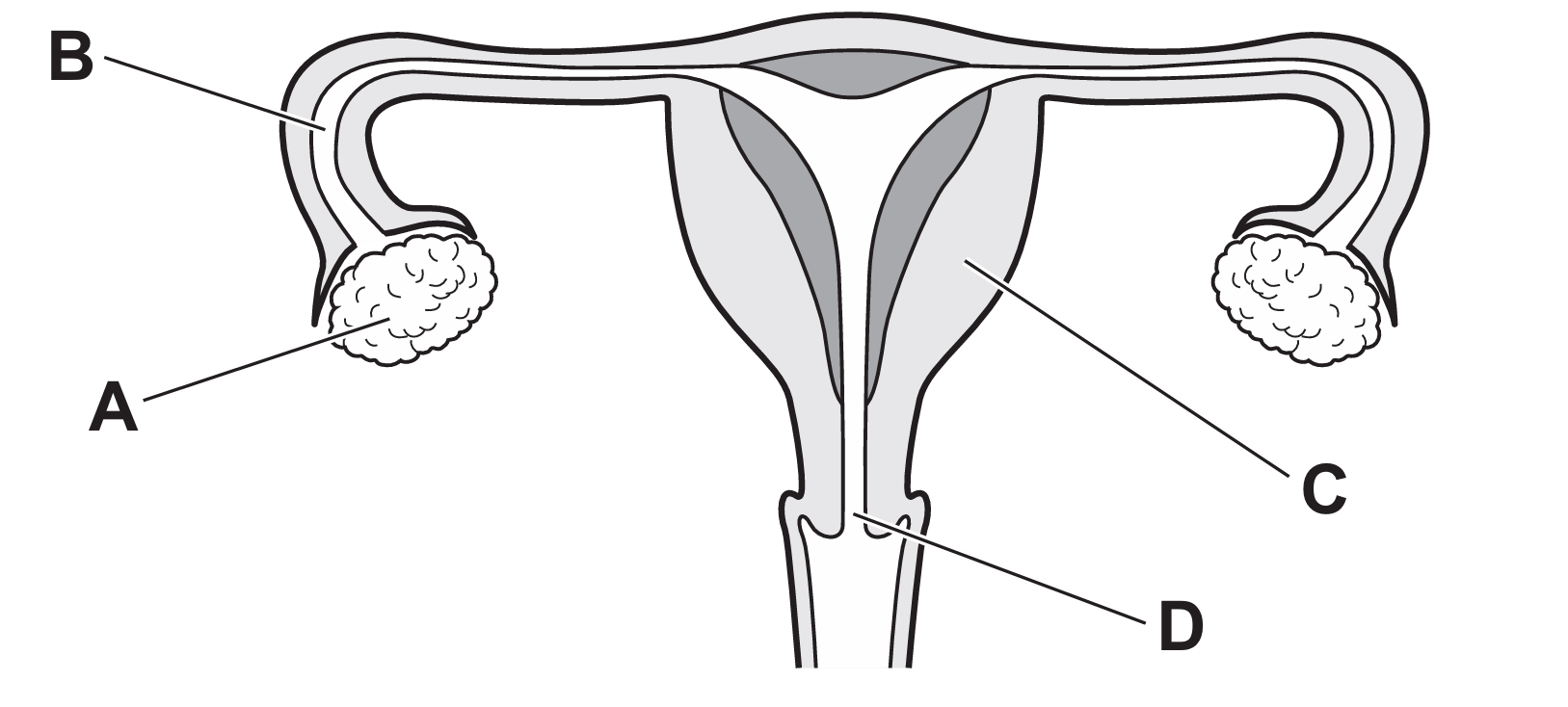
The diagram shows the human female reproductive system.

Which label identifies the uterus?

▶️ Answer/Explanation
The uterus, also known as the womb, is the muscular organ where a fertilized egg implants and develops into a fetus. In the provided diagram, Label C points to the thick-walled central cavity of the uterus. To provide context for the other labels: A represents the ovary, which produces eggs; B identifies the Fallopian tube (oviduct), where fertilization typically occurs; and D points to the cervix, which is the narrow neck-like passage forming the lower end of the uterus.
Answer: (C)

Question 28

Which methods can transmit HIV?

1    hugging a person infected with HIV
2    sharing a needle with a person infected with HIV
3    using a plate that a person infected with HIV has used
(A) $1, 2$ and $3$
(B) $1$ only
(C) $2$ and $3$ only
(D) $2$ only
▶️ Answer/Explanation
HIV (Human Immunodeficiency Virus) is transmitted through specific bodily fluids such as blood, semen, and breast milk. Sharing a needle (2) involves direct contact with infected blood, making it a high-risk transmission method. Conversely, HIV cannot survive long outside the body and is not spread through casual contact. Activities like hugging (1) or sharing plates and utensils (3) do not involve the exchange of the necessary bodily fluids to facilitate infection. Therefore, only statement $2$ is a valid method of transmission.
Answer: (D)

Question 29

Which chromosomes can be found in a single sperm?

(A) $X$ and $X$
(B) $X$ and $Y$
(C) $X$ or $X$
(D) $X$ or $Y$
▶️ Answer/Explanation

In humans, somatic cells are diploid and contain two sex chromosomes ($XY$ in males). During the process of meiosis, these pairs separate to form haploid gametes. Since a sperm cell is a gamete, it contains only half the genetic material of a normal cell, meaning it carries only one sex chromosome.

Approximately $50\%$ of sperm cells will carry an $X$ chromosome, and the other $50\%$ will carry a $Y$ chromosome. Therefore, any single sperm will contain either an $X$ or a $Y$ chromosome, but never both under normal biological conditions. Options suggesting “and” are incorrect because they imply the sperm is diploid for sex chromosomes.
Answer: (D)

Question 30

Why are lymphocytes the only cells that produce antibody proteins?

(A) Lymphocytes express all the genes in the nucleus.
(B) Lymphocytes have twice as many genes as other cells.
(C) Other cells do not have the genes for antibodies.
(D) The genes for antibodies are only expressed in lymphocytes.
▶️ Answer/Explanation
This question explores the principle of differential gene expression. Nearly every somatic cell in an organism contains the full genome, meaning they all possess the specific DNA sequences (genes) required to make antibodies. However, cells become specialized through “switching on” or expressing only certain genes while keeping others silenced. In this case, while a skin cell or muscle cell has the antibody gene, only lymphocytes (specifically B-cells) have the necessary transcription factors and regulatory signals to express that gene and produce the protein. Options A, B, and C are biologically incorrect because cells do not express all their genes at once, they generally share the same number of genes, and they all carry the antibody genetic code.
Answer: (D)

Question 31

During protein synthesis, what is the function of the ribosome?

(A) It assembles amino acids in a chain.
(B) It carries a copy of a gene to the cytoplasm.
(C) It contains the code for the synthesis of a protein.
(D) It determines the order of bases in the protein.
▶️ Answer/Explanation
The ribosome acts as the site of translation, where the genetic code is converted into a physical protein. It facilitates the docking of transfer RNA (tRNA) molecules, which carry specific amino acids, to the corresponding codons on a messenger RNA (mRNA) strand. As the ribosome moves along the mRNA, it catalyzes the formation of peptide bonds between adjacent amino acids. This process effectively links them together to form a polypeptide chain, which eventually folds into a functional protein. Other options refer to mRNA (B and C) or are factually incorrect regarding protein composition (D).
Answer: (A)

Question 32

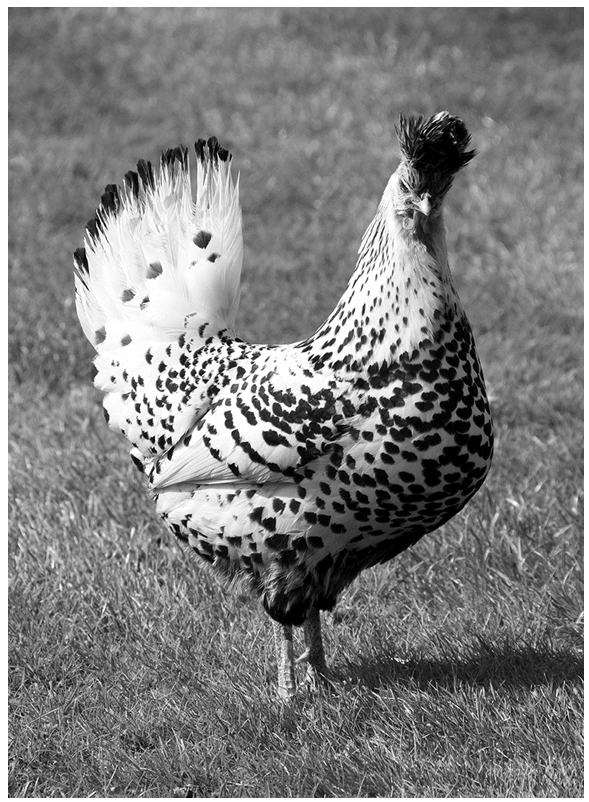
The photograph shows a speckled chicken. Speckled chickens have white feathers and black feathers.

When a chicken with only white feathers and a chicken with only black feathers are crossed, all of the offspring are speckled.

What would be the expected phenotypic ratio if a speckled chicken was crossed with a chicken with only white feathers?

(A) all offspring have only white feathers
(B) all offspring are speckled
(C) $1$ white feathers only : $1$ speckled
(D) $3$ white feathers only : $1$ speckled
▶️ Answer/Explanation

This is an example of codominance, where both the black ($B$) and white ($W$) alleles are expressed equally in the phenotype. The speckled chicken has the genotype $BW$, while the white chicken is $WW$. When these are crossed ($BW \times WW$), the resulting Punnett square yields two $BW$ (speckled) and two $WW$ (white) offspring. This results in a phenotypic ratio of $1$ white : $1$ speckled.

Answer: (C)

Question 33

What are stem cells?

(A) specialised cells that divide by meiosis to produce daughter cells
(B) specialised cells that divide by mitosis to produce daughter cells
(C) unspecialised cells that divide by meiosis to produce daughter cells
(D) unspecialised cells that divide by mitosis to produce daughter cells
▶️ Answer/Explanation

Stem cells are defined by their unique ability to remain unspecialised, meaning they do not yet have a specific structure or function like a muscle or nerve cell. They maintain their population and growth through mitosis, a process of cell division that results in two genetically identical daughter cells. Meiosis is excluded here because it is strictly for the production of gametes (sex cells) and reduces the chromosome number by half. Consequently, stem cells are the “blank slates” of the body that use mitotic division to either self-renew or differentiate into various specialised cell types.

Answer: (D)

Question 34

What are features of hydrophytes which have leaves that float?

(A) long root system
(B) many stomata on upper surface of leaves
(C) hairy leaves
(D) small air spaces in the spongy mesophyll
▶️ Answer/Explanation

Hydrophytes with floating leaves, like water lilies, have specialized adaptations for an aquatic environment. Unlike land plants that have stomata primarily on the underside to prevent water loss, floating leaves have many stomata on the upper surface to facilitate gas exchange directly with the atmosphere. They also possess large air spaces (aerenchyma) in the mesophyll rather than small ones to provide buoyancy. A long root system is unnecessary because water is abundant, and hairy leaves are typically an adaptation for xerophytes to trap moisture, which is not a concern here.

Answer: (B)

Question 35

Which unit could be used for the measurements needed to construct a pyramid of energy?

(A) $\text{kJ}$ per $\text{g}$ per $\text{m}^2$
(B) $\text{kJ}$ per $\text{kg}$ per year
(C) $\text{kJ}$ per $\text{m}^2$ per year
(D) $\text{kJ}$ per $\text{kg}$
▶️ Answer/Explanation

A pyramid of energy shows the flow of energy through trophic levels in an ecosystem. Unlike pyramids of numbers or biomass, which represent a “snapshot” in time, energy pyramids represent the rate of energy production. This requires three components: energy ($\text{kJ}$), area ($\text{m}^2$), and time (year). By measuring energy per unit area per unit time, we can accurately compare the efficiency of energy transfer between different levels, accounting for seasonal variations. Therefore, the standard unit is $\text{kJ}\text{ m}^{-2}\text{ yr}^{-1}$.

Answer: (C)

Question 36

Which process needs microorganisms to break down protein to produce ammonium ions?

(A) decomposition
(B) denitrification
(C) nitrification
(D) nitrogen fixation
▶️ Answer/Explanation
The process described is a key stage of the nitrogen cycle where organic matter is recycled. When organisms die or produce waste, decomposers like bacteria and fungi break down complex organic compounds, such as proteins and amino acids. During this decomposition (specifically a sub-process called ammonification), the nitrogen in these proteins is converted into inorganic $NH_{4}^{+}$ ions. The other options refer to different stages: nitrification converts ammonium to nitrates, denitrification converts nitrates back into nitrogen gas, and nitrogen fixation converts atmospheric $N_{2}$ into ammonia.
Answer: (A)

Question 37

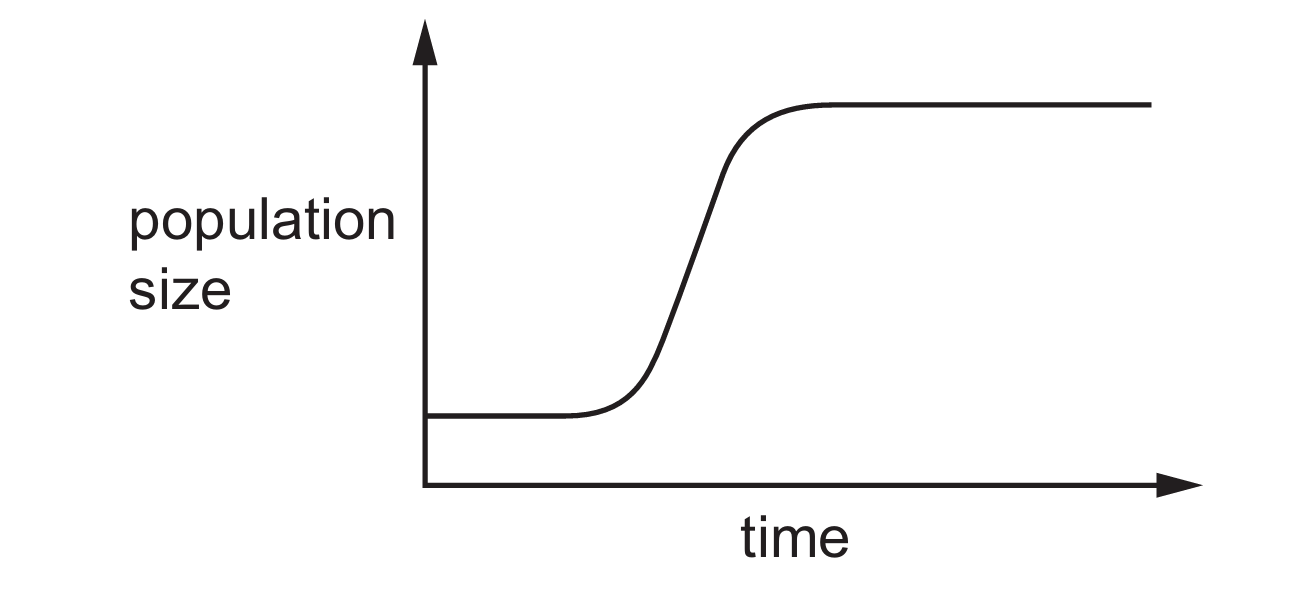
The graph shows part of a growth curve for a bacterial population.

What is not shown in the graph?

(A) the death phase
(B) the exponential phase
(C) the lag phase
(D) the stationary phase
▶️ Answer/Explanation
The provided graph illustrates the typical stages of population growth until resources become limiting. The initial flat section represents the lag phase (C), where bacteria adapt to their environment. The steep upward curve is the exponential phase (B), characterized by rapid doubling. The final horizontal plateau is the stationary phase (D), where the growth rate equals the death rate. The death phase (A), which would be indicated by a downward slope as nutrients are exhausted and toxic waste accumulates, is not visible on this specific plot. Therefore, the missing component is the decline.
Answer: (A)

Question 38

What is an advantage of large scale monocultures?

(A) increased biodiversity
(B) increased crop yield
(C) increased susceptibility to disease
(D) increased variation in the crop plant
▶️ Answer/Explanation
Large scale monoculture involves growing a single crop species over a vast area. This method allows farmers to use specialized machinery and standardized techniques, which significantly improves efficiency and leads to an increased crop yield. While it maximizes food production, it typically reduces biodiversity and increases the risk of total crop failure from a single disease. Since the plants are genetically similar, there is very little variation, making options A, C, and D disadvantages or incorrect descriptions rather than advantages.
Answer: (B)

Question 39

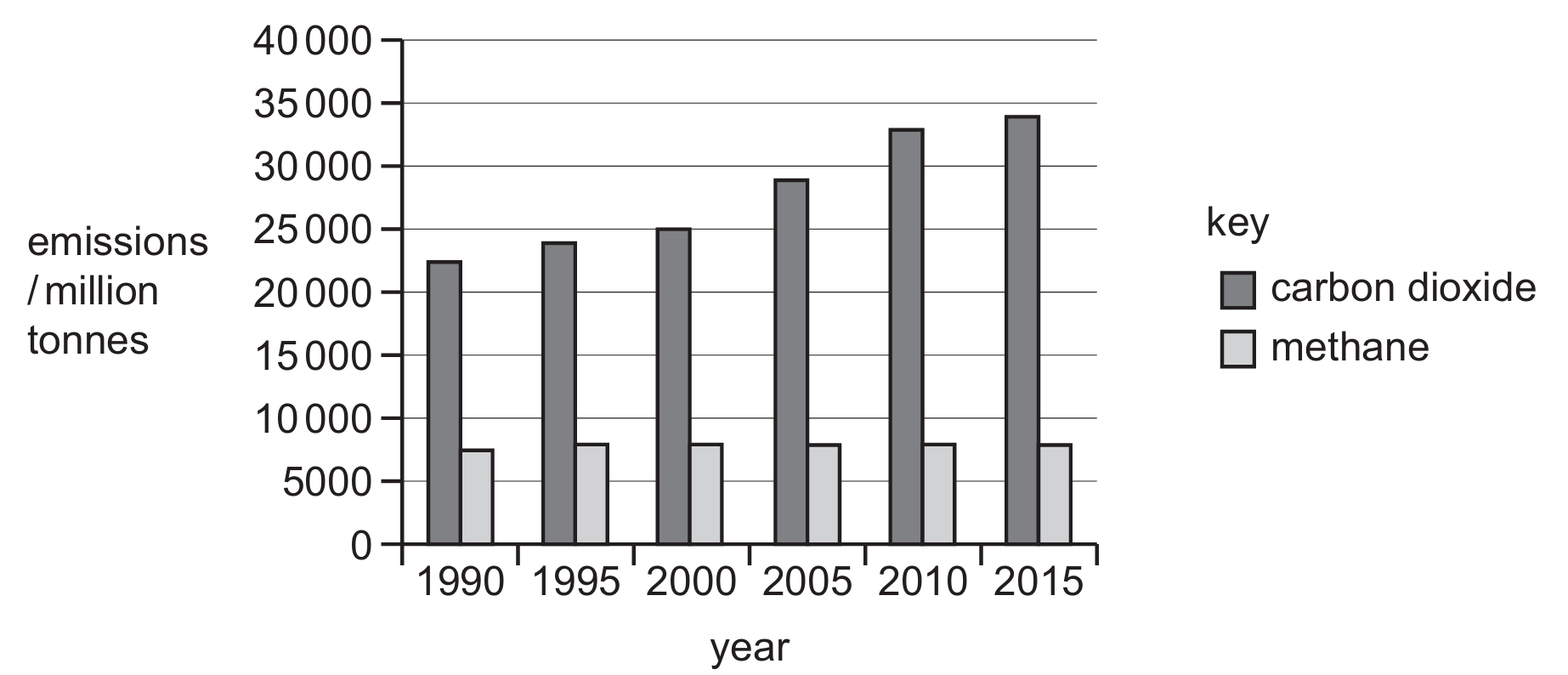
The graph shows the global emissions of carbon dioxide and methane from $1990$ to $2015$.

A student makes four statements about carbon dioxide and methane.

  • Carbon dioxide and methane were the only sources of greenhouse gases produced in $1990$.
  • Carbon dioxide emissions continue to rise to the present day.
  • Carbon dioxide has a greater effect on climate change than methane.
  • Methane emissions were lower than carbon dioxide emissions between $1990$ and $2015$.

How many statements are supported by these data?

(A) $1$
(B) $2$
(C) $3$
(D) $4$
▶️ Answer/Explanation
To determine how many statements are supported, we must look only at the provided graph:
1. The graph only shows $CO_{2}$ and methane; it does not prove they were the only gases produced.
2. The data ends at $2015$, so it cannot support a claim about the “present day” (e.g., $2026$).
3. The graph shows emission quantity, not the potency or effect on climate change.
4. Looking at the bars, the methane bars are significantly shorter than the carbon dioxide bars for every year shown ($1990–2015$).
Therefore, only the final statement is supported by the visual data provided.
Answer: (A)

Question 40

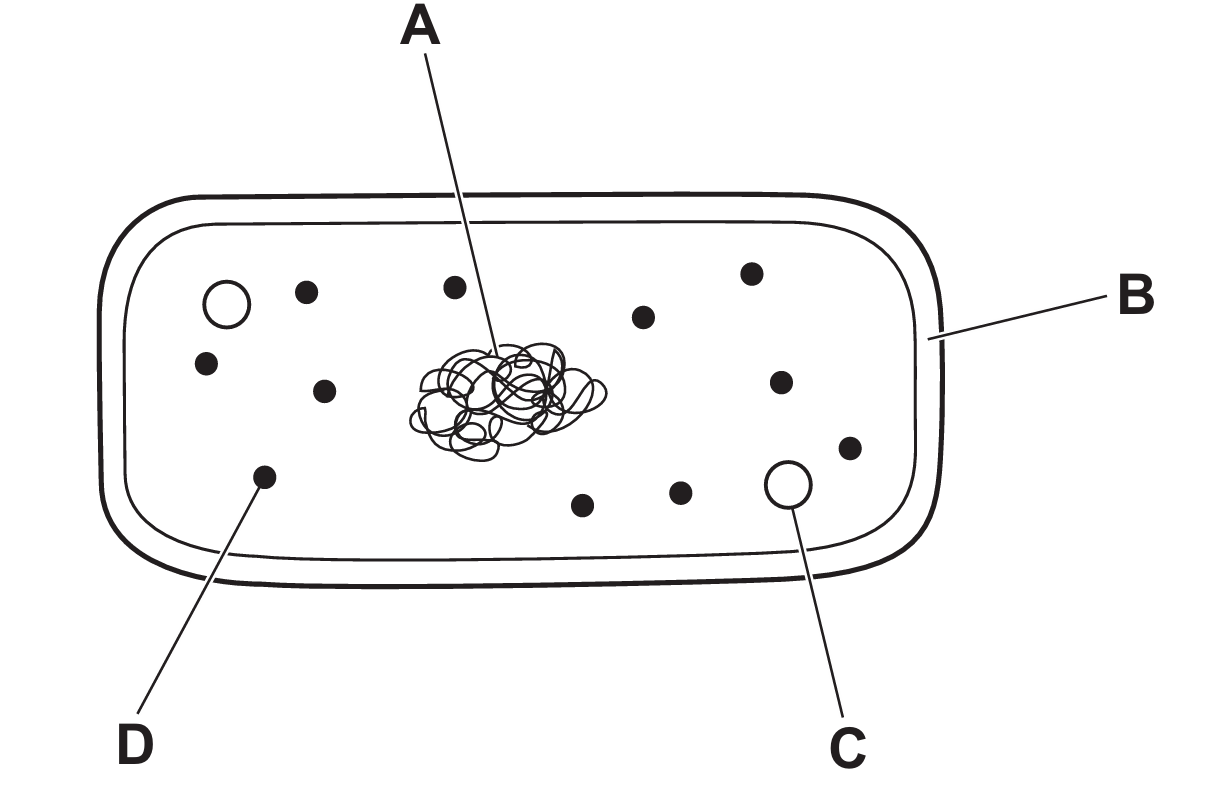
The diagram shows a bacterium.

Which structure is cut to form sticky ends during genetic modification?

▶️ Answer/Explanation
In genetic engineering, Structure C represents a plasmid, which is a small, circular piece of extra-chromosomal DNA. Plasmids are frequently used as vectors to carry foreign genes into a host cell. During the process, restriction enzymes are used to cut the plasmid at specific sequences, creating “sticky ends” (overhanging single-stranded DNA). These ends allow the gene of interest, which has been cut with the same enzyme, to anneal or bind complementary to the plasmid DNA. Structure A is the main nucleoid DNA, B is the cell wall/membrane, and D represents ribosomes, none of which are manipulated in this specific way for gene insertion.
Answer: (C)
Scroll to Top