
▶️ Answer/Explanation
(a)
The two parts are the genus and the species.
Explanation: The binomial system gives every organism a unique two-part scientific name. The first part is the genus (always capitalized), and the second part is the species (always lowercase).
(b)
Fungus (or Fungi).
Explanation: The question provides three key clues:
1. Multicellular: This eliminates bacteria and many protoctists.
2. Cell walls not made of cellulose: Plants have cellulose walls. Fungi have cell walls made of chitin.
3. Saprotrophic nutrition: Releasing enzymes externally and absorbing nutrients is the hallmark feeding method of fungi (saprophytic nutrition).
(c)(i)
Any two of the following:
- Cell wall
- Chloroplast
- Large permanent vacuole
Explanation: These are the three defining organelles present in typical plant cells but absent in animal cells. Animal cells may have small, temporary vacuoles, but never a large central one or a cell wall.
(c)(ii)
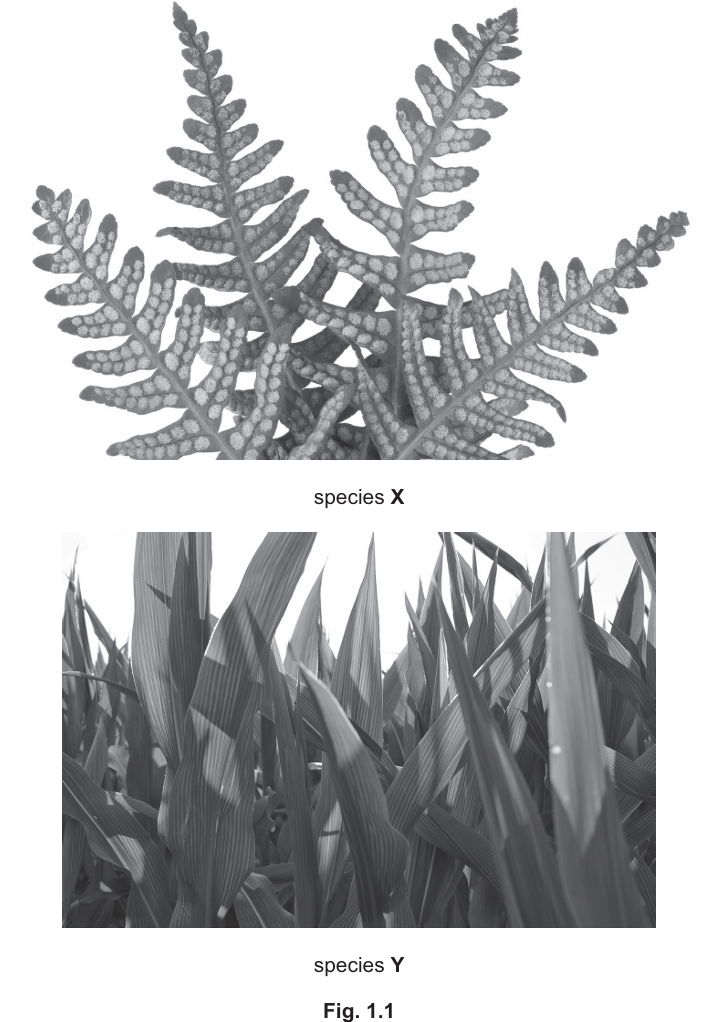
Species X:
- Group: Ferns
- Explanation: The image shows fronds (complex leaves) and visible spores (structures for reproduction) on the underside of the leaves.
Species Y:
- Group: Monocotyledons (Monocots) / Flowering Plants
- Explanation: The leaves are long and narrow with parallel veins. (Dicotyledons typically have broad leaves with a branching network of veins).
(c)(iii)
Scientists can compare the sequences of bases in DNA (or amino acids/genes).
Explanation: Species that share a more recent common ancestor will have DNA base sequences that are more similar. As species evolve and diverge over time, mutations accumulate; therefore, fewer differences in DNA indicate a closer evolutionary relationship.
▶️ Answer/Explanation
(a) (i)
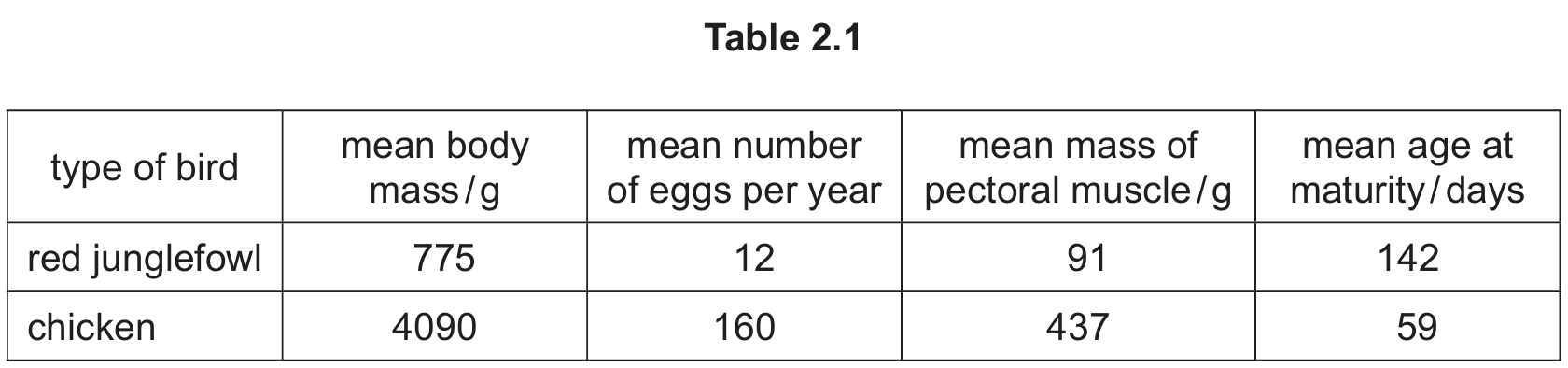
To calculate percentage change, use the formula: $$\frac{\text{final value} – \text{initial value}}{\text{initial value}} \times 100$$ Substitute the values from the table (Mass of chicken $= 4090$, Mass of red junglefowl $= 775$): $$\frac{4090 – 775}{775} \times 100 = \frac{3315}{775} \times 100 \approx 427.7419…$$ Rounding to three significant figures, the answer is 428%.
(a) (ii)
Farmers selectively breed for faster maturity to increase productivity and profit. Reasons include:
- Chickens produce eggs or offspring at a younger age (sooner).
- They reach a saleable size or meat weight more quickly.
- This reduces the time and cost of feeding them before they provide a return on investment.
(a) (iii)
This process involves artificial selection:
- The farmer identifies and selects the hens and roosters with the largest body mass.
- These selected birds are bred together.
- From the resulting offspring, the farmer again selects those with the largest body mass to breed.
- This process is repeated over many generations to gradually increase the average body mass of the flock.
(b)
This is a description of eutrophication:
- When chicken faeces (manure) are washed into the lake by rain (run-off), they add excess nitrates and other minerals to the water.
- This nutrient surplus causes rapid growth of aquatic plants and algae (an algal bloom).
- The surface algae block sunlight, causing submerged plants to die.
- Bacteria (decomposers) decompose the dead organic matter.
- These bacteria perform aerobic respiration, consuming the dissolved oxygen in the water.
- The lack of oxygen eventually causes the death of fish and other aquatic organisms that require oxygen to survive.
(c)
Urea production occurs in the liver through a process called deamination:
- The body cannot store excess amino acids absorbed from digestion.
- In the liver, the nitrogen-containing part (the amine group) is removed from the excess amino acids.
- This removed part is converted into urea, which is then transported to the kidneys for excretion.
▶️ Answer/Explanation
(a)
Water enters the plant through the root hair cells by osmosis. It then moves through the root cortex cells before reaching the xylem vessels.
(b)(i)
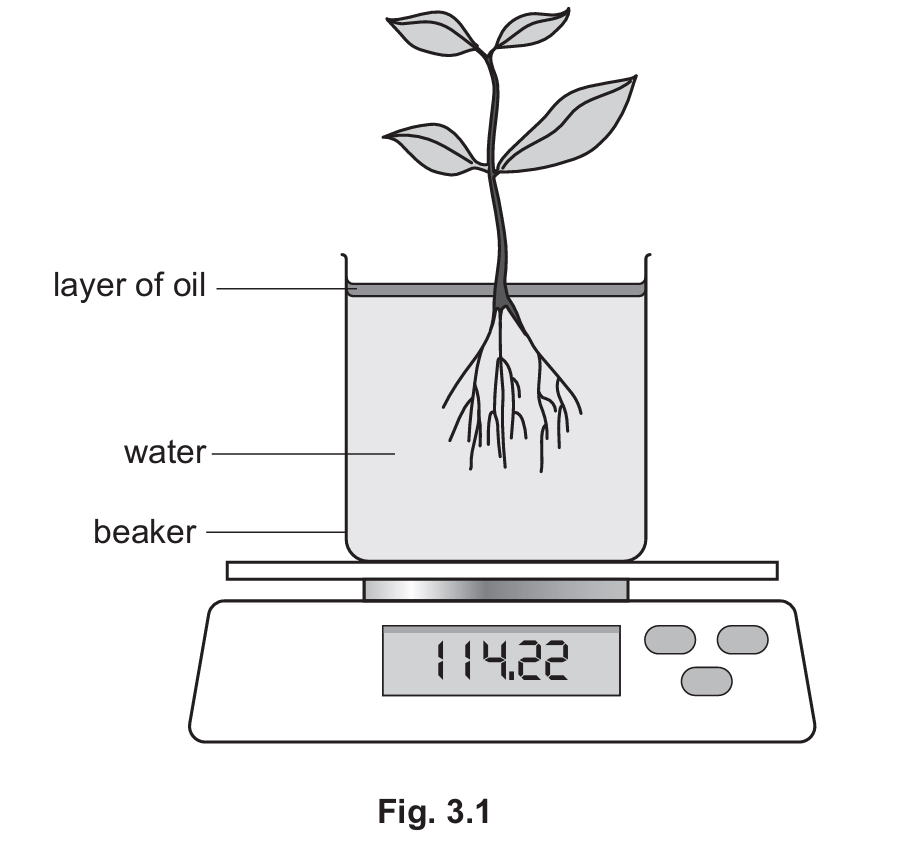
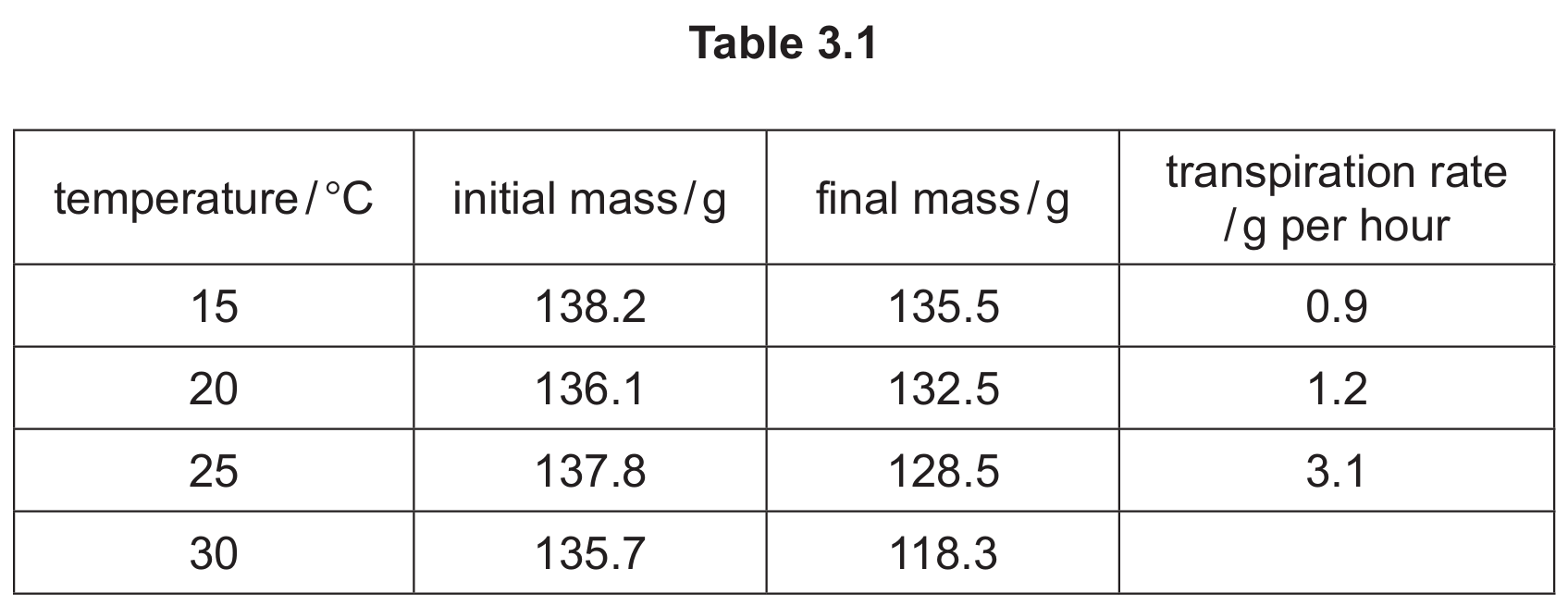
First, calculate the total mass lost: \(135.7 \text{ g} – 118.3 \text{ g} = 17.4 \text{ g}\).
The experiment lasted for 3 hours, so divide the total loss by the time:
\(\frac{17.4}{3} = \mathbf{5.8} \text{ g per hour}\).
(b)(ii)
Description: The rate of transpiration is higher at \(25^{\circ}\text{C}\) (\(3.1 \text{ g/hr}\)) compared to \(15^{\circ}\text{C}\) (\(0.9 \text{ g/hr}\)). As temperature increases, the rate of water loss increases.
Explanation: At higher temperatures, water molecules possess more kinetic energy. This increases the rate of evaporation from the surface of mesophyll cells into the air spaces. Consequently, the rate of diffusion of water vapour out of the leaf through the stomata increases.
(b)(iii)
Prediction: The transpiration rate will increase.
Explanation: Lower humidity outside the leaf increases the concentration gradient (or water potential gradient) between the moist air spaces inside the leaf and the dry air outside. A steeper gradient causes water vapour to diffuse out of the stomata more rapidly.
(b)(iv)
The xylem transports water and mineral ions.
Xylem cells form a long continuous tube (or vessel) with thick walls containing cellulose and lignin.
Water moves upwards in the xylem because of transpiration pull.
This draws up a column of water molecules, held together by forces of attraction (or cohesion) between water molecules.
(c)(i)
Wilting occurs when the rate of water loss (transpiration) is greater than the rate of water uptake by the roots. This causes water to move out of the plant cells by osmosis. The cells lose their turgor pressure (becoming flaccid) or undergo plasmolysis. Since non-woody plants rely on turgor pressure against cell walls for support, the loss of pressure causes the plant to droop.
(c)(ii)
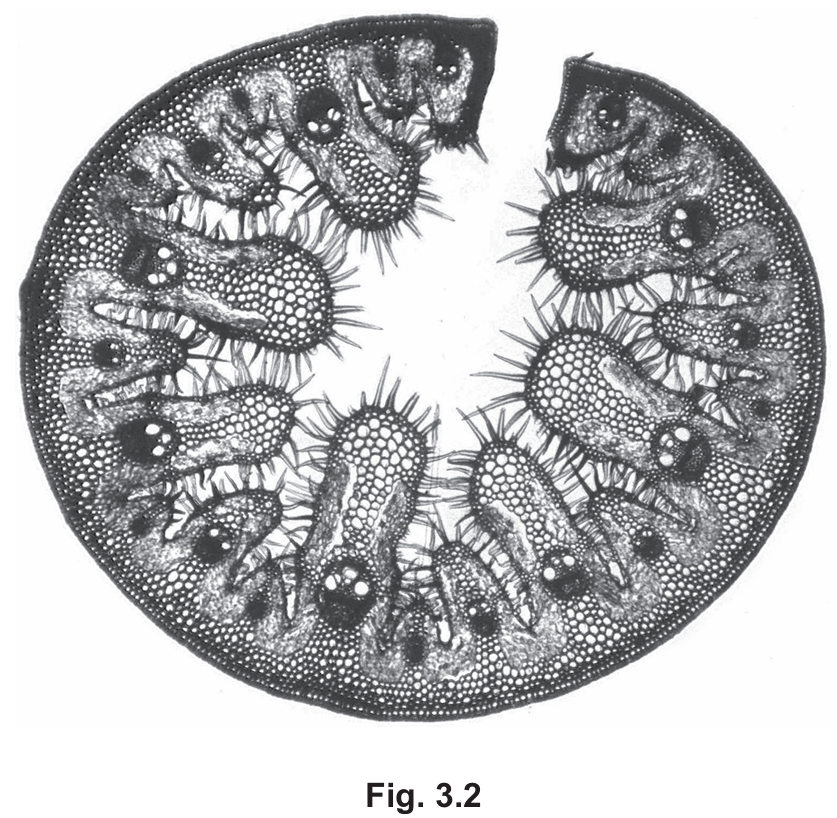
The marram grass leaf is rolled (or curled). This adaptation traps moist air (water vapour) inside the leaf roll near the stomata. This reduces the concentration gradient between the inside of the leaf and the immediate external environment, thereby reducing the rate of diffusion of water vapour out of the leaf. Other acceptable answers based on the image include the presence of hairs (which also trap moisture) or sunken stomata.
▶️ Answer/Explanation
(a) (i)
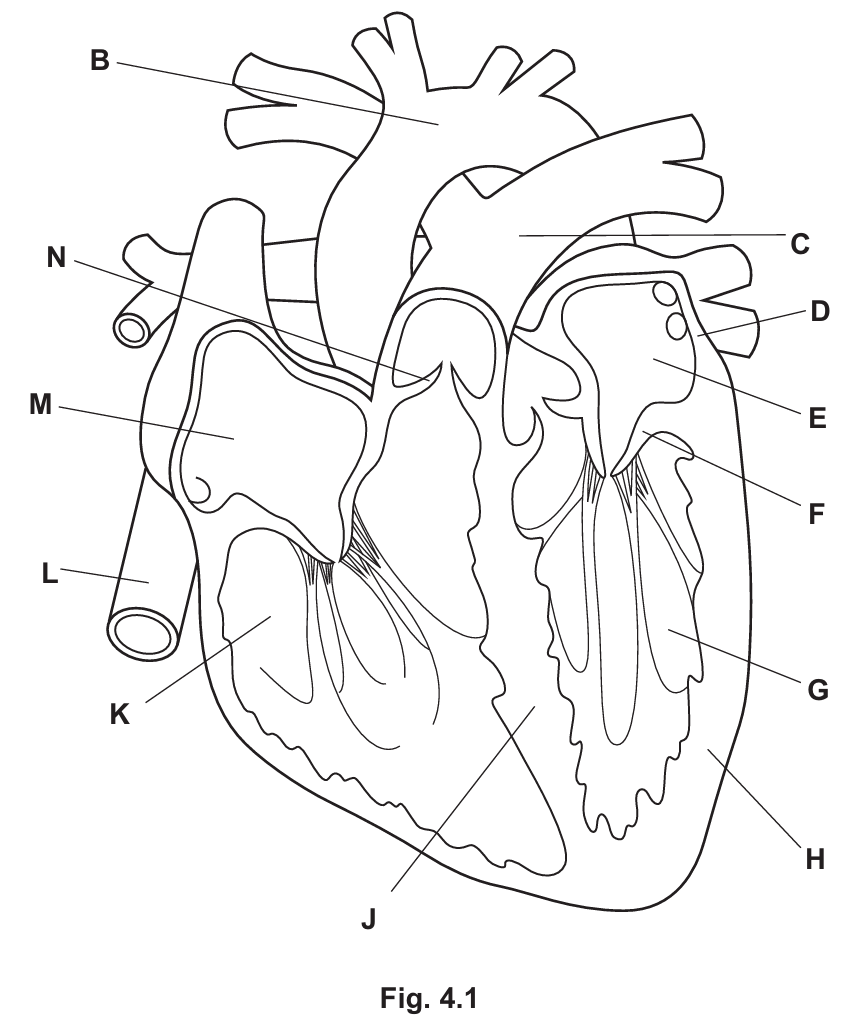
Structure separating oxygenated and deoxygenated blood: J (Septum)
An atrioventricular valve: F (Bicuspid/Mitral valve)
Explanation: The septum (J) divides the left and right sides of the heart to prevent the mixing of oxygenated and deoxygenated blood. The structure F is the valve situated between the left atrium and the left ventricle.
(a) (ii)
H (the left ventricle) has a much thicker muscular wall than D (the left atrium). This is because the ventricle needs to generate higher pressure to pump blood a longer distance (to the entire body/systemic circulation). The atrium only pumps blood a short distance into the ventricle.
(a) (iii)
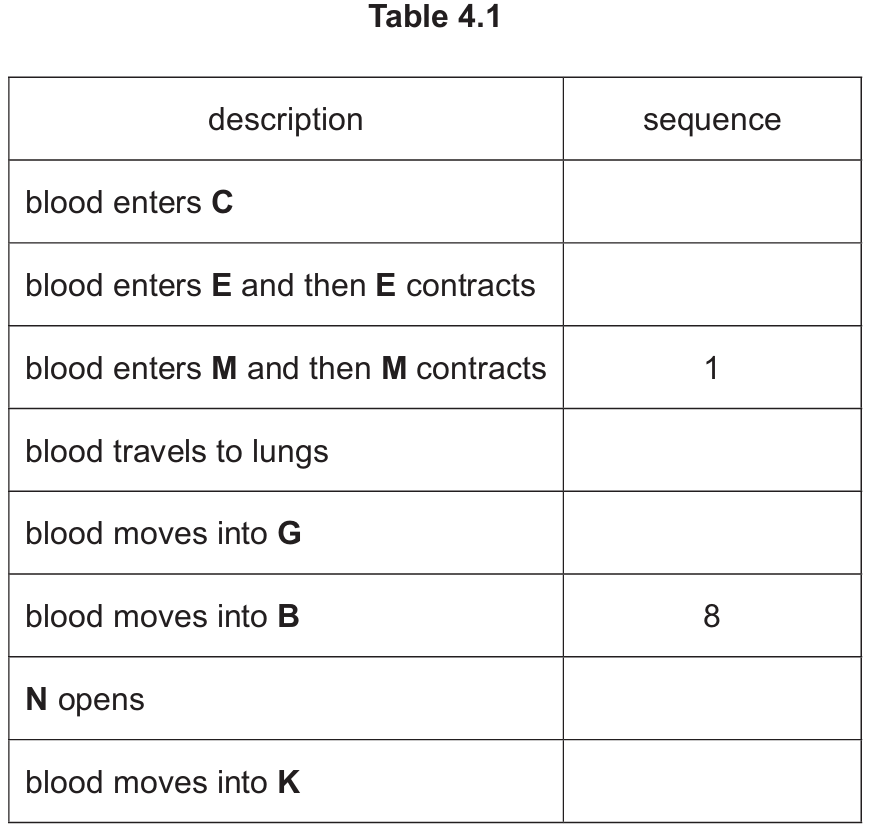
The correct sequence is as follows:
| description | sequence |
|---|---|
| blood enters C (Pulmonary Artery) | 4 |
| blood enters E and then E contracts (Left Atrium) | 6 |
| blood enters M and then M contracts (Right Atrium) | 1 |
| blood travels to lungs | 5 |
| blood moves into G (Left Ventricle) | 7 |
| blood moves into B (Aorta) | 8 |
| N opens (Pulmonary Valve) | 3 |
| blood moves into K (Right Ventricle) | 2 |
(b) (i)
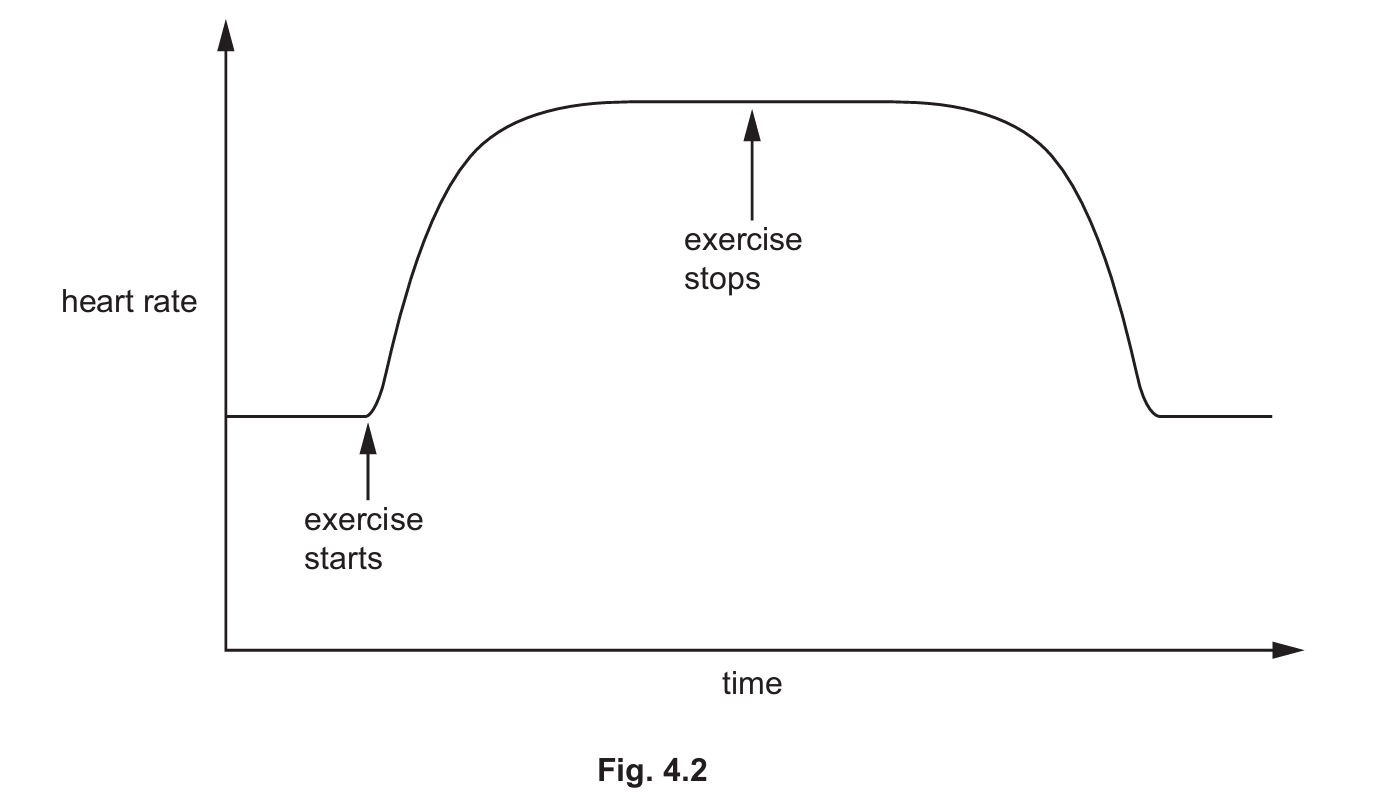
Exercise increases the heart rate. This occurs because:
• Muscles require more oxygen and glucose for increased aerobic respiration to release energy for contraction.
• Increased blood flow is needed to remove carbon dioxide (and lactic acid) produced by the muscles.
• Adrenaline may be released, stimulating the heart rate to rise.
(b) (ii)
Any three from:
• Diet (high in saturated fats, salt, or cholesterol)
• Smoking (tobacco)
• Stress (uncontrolled)
• Genetic predisposition (family history)
• Age (risk increases with age)
• Sex (males are generally at higher risk)
▶️ Answer/Explanation
(a) (i)
$$6CO_{2} + 6H_{2}O \rightarrow C_{6}H_{12}O_{6} + 6O_{2}$$
Explanation: Photosynthesis combines carbon dioxide and water to produce glucose and oxygen. The equation must be balanced with 6 molecules of carbon dioxide and 6 molecules of water producing one molecule of glucose and 6 molecules of oxygen. Light energy and chlorophyll are required conditions (often written above the arrow).
(a) (ii)
Magnesium (ion)
Explanation: Magnesium is the central mineral ion in the structure of the chlorophyll molecule. A deficiency in magnesium leads to chlorosis (yellowing of leaves) because chlorophyll cannot be produced.
(a) (iii)
Starch
Explanation: While glucose is the product of photosynthesis, it is soluble and reactive. Plants convert excess glucose into starch for storage because starch is large, insoluble, and compact, meaning it does not affect the water potential of the cell.
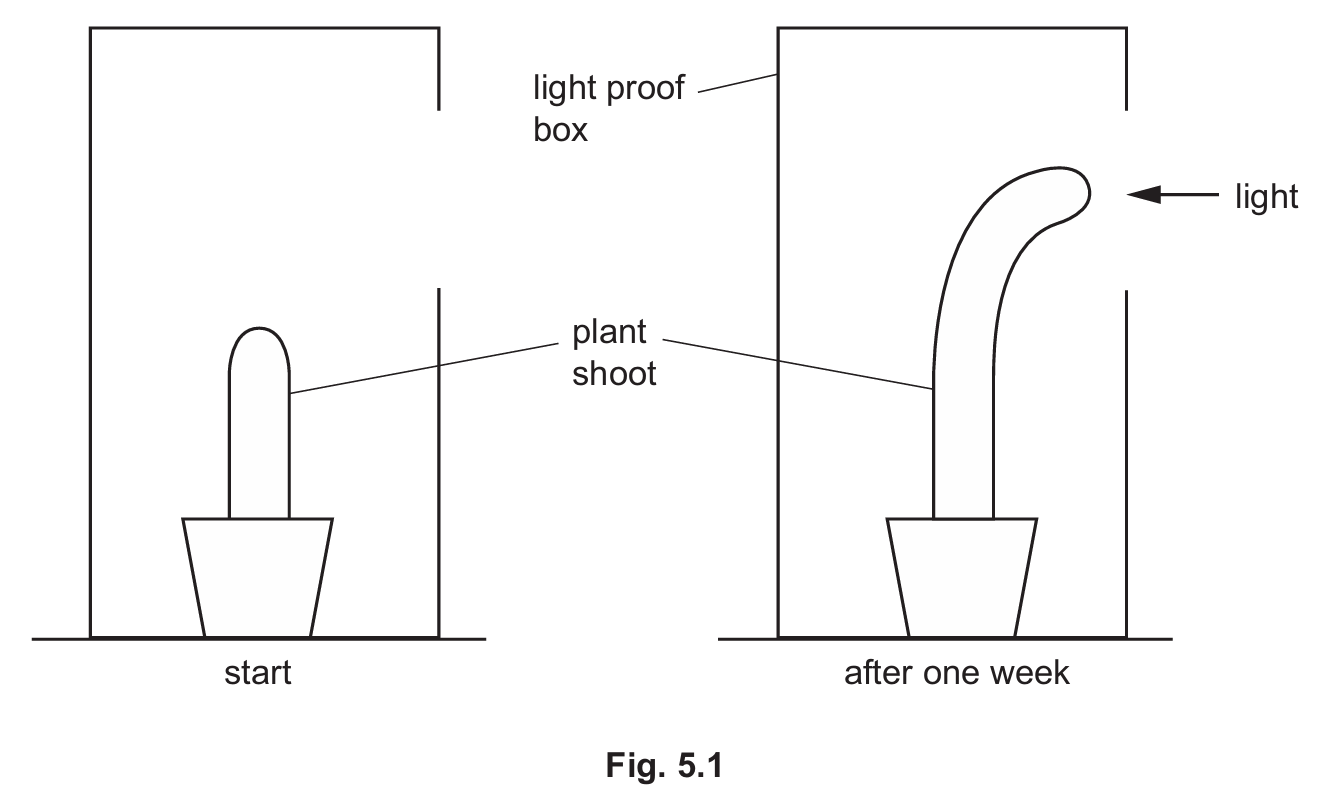
(b) (i)
Positive phototropism (or simply phototropism)
Explanation: “Photo” refers to light, and “tropism” is a growth response. Since the plant grows towards the stimulus (light), it is a “positive” response.
(b) (ii)
The response is controlled by a plant hormone called auxin. The process involves:
- Auxin is produced in the shoot tip.
- It moves down the stem by diffusion.
- Light causes auxin to move to the shaded side of the shoot (it is unequally distributed).
- A higher concentration of auxin stimulates cell elongation.
- The cells on the shaded side elongate (grow longer) more than the cells on the lit side, causing the shoot to bend towards the light.
(b) (iii)
It gives the plant a better chance of obtaining light.
Explanation: By growing towards the light source, the leaves are exposed to maximum light intensity. Light provides the energy needed for photosynthesis, allowing the plant to produce more glucose/food for survival and growth.
▶️ Answer/Explanation
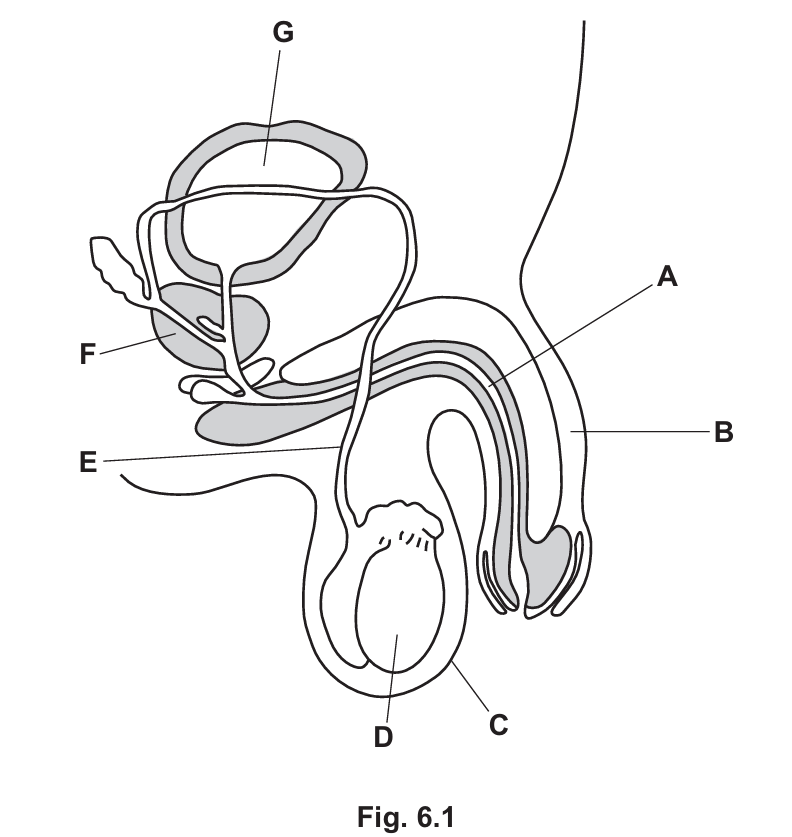
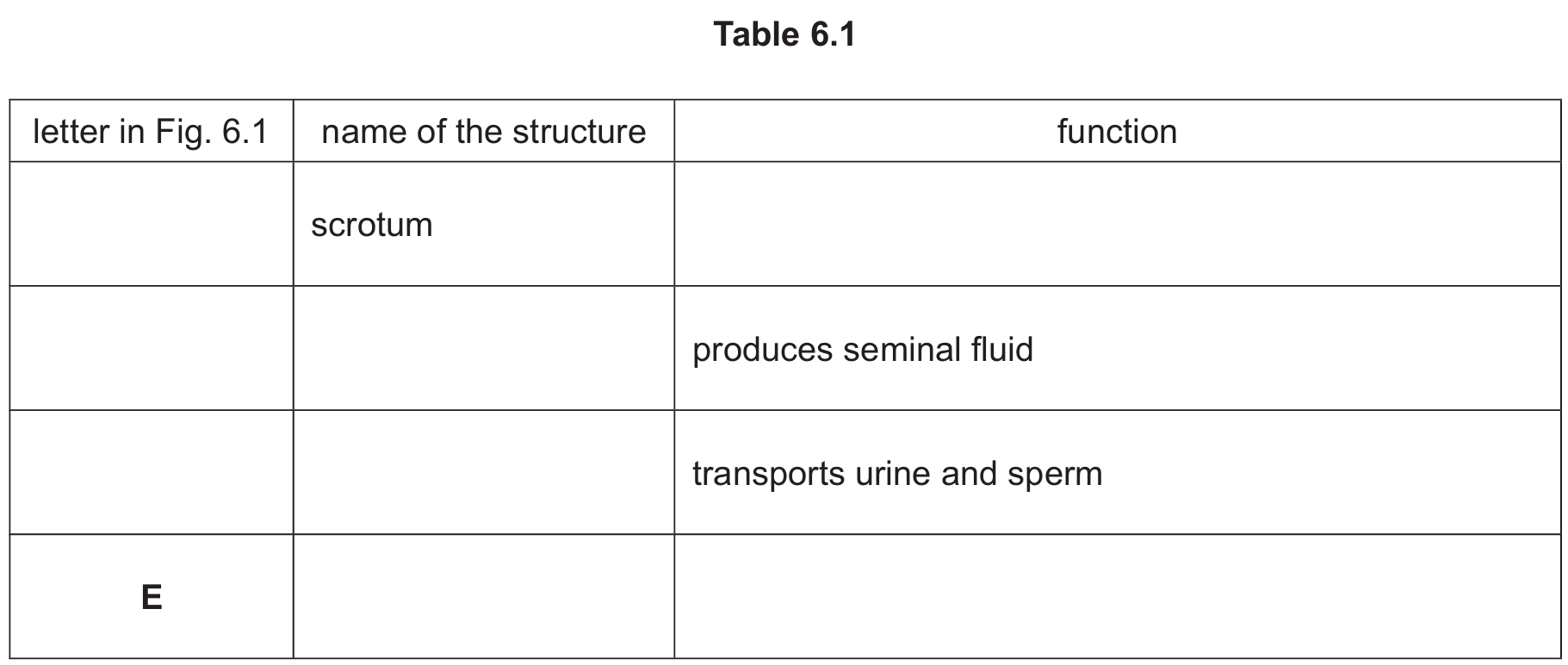
(a) The completed table is as follows:
| Letter | Name of Structure | Function |
|---|---|---|
| C | scrotum | contains / protects / holds testes |
| F | prostate gland | produces seminal fluid |
| A | urethra | transports urine and sperm |
| E | sperm duct / vas deferens | transports sperm (to urethra) |
Explanation:
Based on the diagram in Fig. 6.1:
- A (Urethra): The tube running through the penis that carries both urine (from the bladder) and sperm (from the sperm ducts) out of the body.
- C (Scrotum): The sac of skin that holds the testes (D) outside the main body cavity to maintain a lower temperature for optimal sperm production.
- E (Sperm duct): The tube that carries sperm from the testis towards the urethra.
- F (Prostate gland): The gland located just below the bladder that secretes fluid which nourishes and protects sperm, forming part of the semen.
(b)
Testosterone
Explanation: Testosterone is the primary male sex hormone produced by the testes. During puberty, rising levels of testosterone cause secondary sexual characteristics, such as the enlargement of the larynx which results in the voice deepening.
(c)
Any three of the following adaptive features:
- Flagellum / Tail: Enables the sperm to swim (motility) to reach the egg for fertilization.
- Mitochondria: Located in the mid-piece, they release energy (via aerobic respiration) required for swimming.
- Acrosome: A vesicle at the tip of the head containing enzymes (e.g., hyaluronidase) that digest the jelly coat/outer layers of the egg cell to allow penetration.
- Haploid nucleus: Contains half the genetic material (23 chromosomes in humans) to fuse with the haploid egg nucleus, restoring the diploid condition in the zygote.
- Streamlined shape: Reduces resistance/friction to facilitate faster swimming.