Home / 9700_w23_qp_42
Question 1

Topic: 12.1

(a) Some organisms carry out respiration in anaerobic conditions when oxygen is not available or when there is a low concentration of oxygen. In yeast and some plants, this is called ethanol fermentation. In mammals, it is called lactate fermentation.

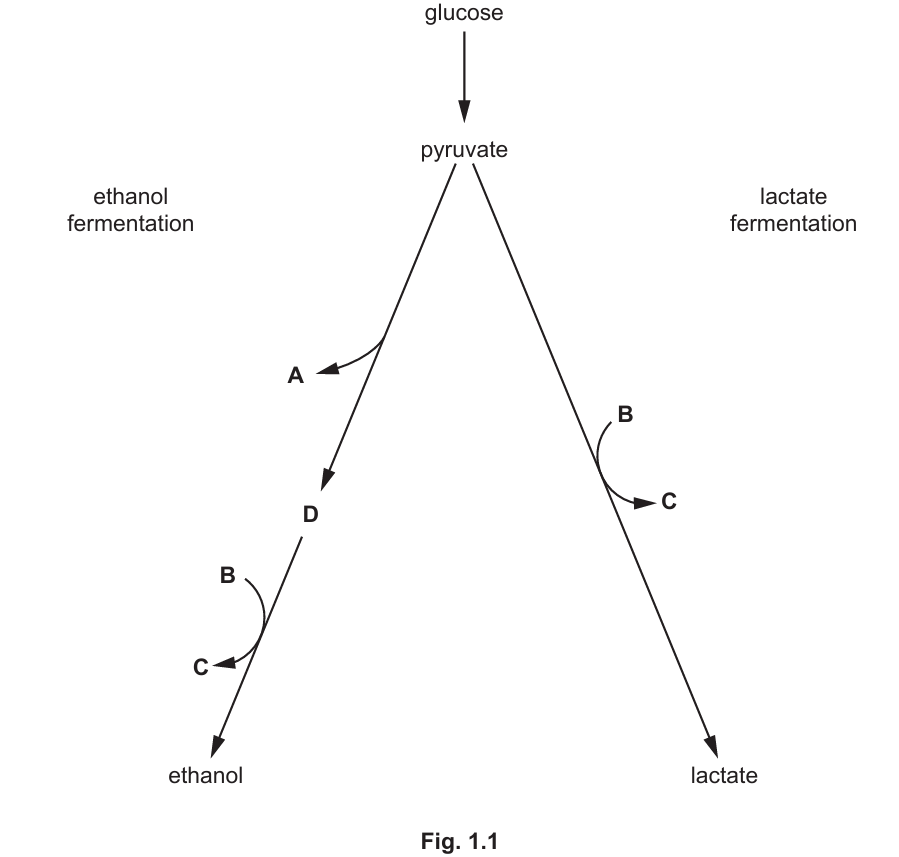
Fig. 1.1 outlines ethanol fermentation and lactate fermentation.

Identify substances A–D.

(b) Explain how processes such as ethanol fermentation and lactate fermentation allow cells to continue to function in the absence of oxygen.

(c) The cereal crop rice, Oryza sativa, grows in fields that are flooded with water. The roots of the rice plants are submerged in water that contains very little oxygen.

Describe and explain how rice plants are adapted to grow in flooded fields.

▶️ Answer/Explanation
Solution

(a)

A: carbon dioxide / CO₂
B: reduced NAD / NADH
C: NAD / NAD⁺
D: ethanol

Explanation: In ethanol fermentation (yeast and plants), pyruvate is decarboxylated to produce CO₂ (A) and acetaldehyde, which is then reduced by NADH (B) to form ethanol (D), regenerating NAD⁺ (C). In lactate fermentation (mammals), pyruvate is directly reduced by NADH to form lactate, regenerating NAD⁺.

(b)

1. These processes recycle NAD⁺ which is essential for glycolysis to continue
2. Glycolysis can produce a small amount of ATP (2 net ATP per glucose)
3. The ATP is produced by substrate-level phosphorylation
4. This allows cells to maintain basic functions when oxygen is limited

Explanation: Fermentation pathways are crucial for cells to generate energy anaerobically. While less efficient than aerobic respiration (producing only 2 ATP vs 38 ATP per glucose), they enable cells to survive oxygen deprivation. The key is NAD⁺ regeneration – NADH produced in glycolysis must be reoxidized to NAD⁺ to keep glycolysis running. Without this, glycolysis would stop when all NAD⁺ was converted to NADH.

(c)

1. Aerenchyma tissue (air channels) in roots and stems allows oxygen diffusion from aerial parts to submerged roots
2. High tolerance to ethanol due to high levels of alcohol dehydrogenase enzyme
3. Fast vertical growth to keep leaves above water for gas exchange
4. Adventitious roots that grow above water level for oxygen absorption

Explanation: Rice has evolved remarkable adaptations to thrive in flooded conditions. The aerenchyma tissue acts like snorkels, transporting oxygen from leaves to roots. Their high ethanol tolerance prevents toxic buildup from anaerobic respiration. Rapid stem elongation keeps photosynthetic tissues in air, while special root structures maximize oxygen uptake. These adaptations collectively allow rice to survive where other plants would drown.
Question 2

Topic: 16.1

Yeasts are unicellular organisms from the kingdom Fungi. Saccharomyces cerevisiae is one species of yeast that can carry out either asexual reproduction by mitosis or sexual reproduction by meiosis.

Budding in S. cerevisiae is a process where a small daughter cell forms as a bud on the parent cell. The bud contains a copy of the parent cell nucleus and it eventually separates from the parent cell to form a new cell.

S. cerevisiae can exist in two forms: haploid cells or diploid cells.

  • Haploid cells can be one of two different mating types: a and α.
  • Haploid cells can only mate with other haploid cells of the opposite mating type.

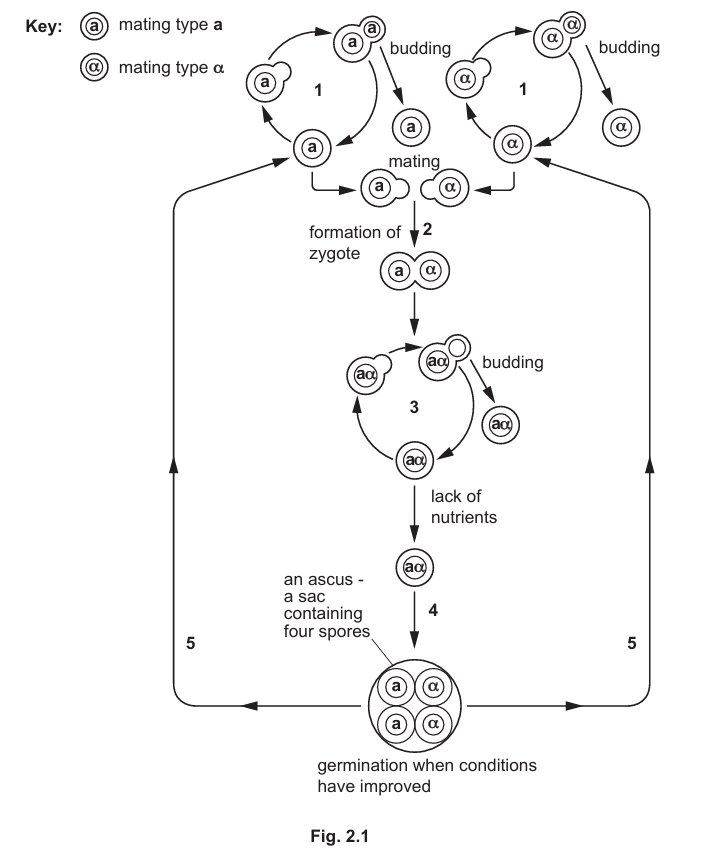
Fig. 2.1 shows the life cycle of S. cerevisiae with its asexual and sexual reproductive stages.

(a) With reference to Fig. 2.1, state the numbers of the stages 1-5 that:

  • involve mitosis ……
  • involve meiosis ……
  • produces new genetic variation ……
  • shows only haploid cells ……
  • shows only diploid cells ……

(b) When there is a lack of nutrients, cells made in stage 3 will carry out stage 4 to make spores, which germinate only when conditions improve.

Suggest and explain how the type of reproduction that makes spores during stage 4 is advantageous for S. cerevisiae in a changing environment.

(c) Haploid and diploid cells of S. cerevisiae can carry out asexual reproduction.

Suggest why a new harmful recessive mutation may not have a damaging effect on:

  • an asexually reproducing population of haploid cells of S. cerevisiae
  • an asexually reproducing population of diploid cells of S. cerevisiae.

(d) State two features, other than reproduction using spores, of the kingdom Fungi.

▶️ Answer/Explanation
Solution

(a)

  • involve mitosis: 1 / 3
  • involve meiosis: 4
  • produces new genetic variation: 2 / 4
  • shows only haploid cells: 1 / 5
  • shows only diploid cells: 3

Explanation: Mitosis occurs during budding (stages 1 and 3) where identical daughter cells are produced. Meiosis occurs during spore formation (stage 4) to produce haploid spores. Genetic variation arises from sexual reproduction (stage 2 – mating) and meiosis (stage 4). Haploid cells are present in stages 1 (budding of haploids) and 5 (germinated spores), while diploid cells are only present in stage 3 (budding of diploids).

(b)

The spore formation through sexual reproduction is advantageous because:

  • It creates genetic variation through crossing over and independent assortment during meiosis
  • Some spores will have advantageous combinations of alleles that allow survival in changing conditions
  • Spores can remain dormant during unfavorable conditions and germinate when conditions improve
  • This reproductive strategy prevents the entire population from being wiped out by environmental changes

Explanation: Sexual reproduction through spore formation introduces genetic diversity which is crucial for survival in changing environments. The spores are resistant structures that can withstand harsh conditions and germinate when conditions become favorable again. This ensures the survival of at least some individuals with beneficial traits, maintaining the population through difficult periods.

(c)

For haploid cells:

  • A harmful recessive mutation will be immediately expressed in haploid cells since there’s only one allele
  • The affected cell will likely die or be selected against, removing the mutation from the population
  • The rest of the population remains unaffected

For diploid cells:

  • A harmful recessive mutation may be masked by a dominant normal allele in heterozygotes
  • The mutation can persist in the population without being expressed
  • Only homozygous recessive individuals would show the harmful effects

Explanation: In haploid cells, all mutations are immediately exposed to selection pressure since there’s no second allele to mask their effects. This quickly removes harmful mutations from the population. In diploid cells, recessive mutations can “hide” in heterozygotes, allowing them to persist in the population at low frequencies without causing significant damage to most individuals.

(d)

Two features of the kingdom Fungi:

  1. Eukaryotic cells with chitin in their cell walls
  2. Heterotrophic nutrition (absorb nutrients from their environment)

Explanation: Fungi are distinct from other kingdoms by having chitin (a nitrogen-containing polysaccharide) in their cell walls instead of cellulose. They obtain nutrients by secreting digestive enzymes into their environment and absorbing the breakdown products, unlike plants that photosynthesize or animals that ingest food. Other notable features include their filamentous structure (hyphae forming mycelium) and being mostly multicellular (except yeasts like S. cerevisiae).

Question 3

Topic: 19.1

Research suggests that selective breeding began about 10 000 years ago. Selective breeding has been important in satisfying the global demand for food.

(a) The introduction of disease resistance to varieties of wheat is an example of selective breeding.

Outline the steps involved in the introduction of disease resistance to varieties of wheat.

(b) Suggest two possible disadvantages of selective breeding.

▶️ Answer/Explanation
Solution

(a)

The process of introducing disease resistance to wheat through selective breeding involves several key steps:

  1. First, identify wheat plants that show natural resistance to the specific disease (like rust or mildew). This is done by exposing plants to the disease and observing which ones survive.
  2. Select these resistant plants as parent plants for breeding. The selection is based on their ability to withstand the disease while maintaining other desirable traits.
  3. Cross-breed the selected resistant plants with high-yielding wheat varieties to combine disease resistance with good agricultural traits.
  4. Grow the offspring from these crosses and test them again for disease resistance and other important characteristics.
  5. Repeat this process over multiple generations, each time selecting the plants that show the best combination of disease resistance and other desired traits.
  6. After several generations of selection and breeding, the resistant traits become stable in the new wheat variety.
  7. Finally, the new disease-resistant wheat variety is cultivated on a large scale for agricultural production.

(b)

While selective breeding has many benefits, there are some significant disadvantages:

  1. Reduction in genetic diversity: Selective breeding focuses on specific traits, which leads to a smaller gene pool. This makes the population more vulnerable to new diseases or environmental changes because there’s less genetic variation to provide natural resistance.
  2. Inbreeding depression: Repeated breeding of closely related plants can lead to the expression of harmful recessive traits, reduced fertility, and decreased overall fitness of the population.
  3. Loss of other desirable traits: While focusing on one trait (like disease resistance), other important characteristics (such as taste or nutritional value) might be accidentally bred out of the population.
  4. Increased susceptibility to new threats: A genetically uniform population is more likely to be completely wiped out by a new disease or pest that evolves to overcome the bred resistance.

These disadvantages highlight the importance of maintaining genetic banks and using careful breeding strategies to preserve biodiversity while still improving crop traits.

Question 4

Topic: 19.2

(a) A marker gene can be used when a gene of interest is introduced into a plant by genetic engineering.

Describe and explain how the use of a marker gene coding for a fluorescent product can show that the introduced gene of interest is being expressed in plants.

(b) Give two advantages of genetically engineering herbicide resistance in crop plants such as soybean.

(c) DNA microarray analysis is a technique used in genetic technology that involves fluorescence. A DNA microarray has single-stranded probes attached to its surface. These probes hybridise to the fluorescently tagged single-stranded DNA that is added.

(i) Explain why DNA hybridisation occurs between the probe DNA and the added DNA.

(ii) A DNA microarray analysis can be used to identify the level of expression of some genes.

Describe and explain how the level of expression of some genes can be identified using the DNA microarray analysis technique.

▶️ Answer/Explanation
Solution

(a)

Answer:

  1. Marker gene is added along with the gene of interest (GOI)
  2. Both genes use the same promoter
  3. Both genes are transcribed and expressed together
  4. Both proteins are produced
  5. UV light is used to detect fluorescence
  6. Fluorescence indicates transcription/expression of the gene of interest

Detailed Explanation:

When genetic engineers introduce a new gene into a plant (the gene of interest), they often include a marker gene as part of the same genetic construct. These two genes share the same promoter sequence, which means they will both be activated under the same conditions. The marker gene produces a fluorescent protein that can be easily detected under UV light.

This system works because if the plant’s cellular machinery is successfully reading and expressing the marker gene (as evidenced by fluorescence), we can be confident that the gene of interest is also being expressed. The fluorescence serves as a visual indicator that the genetic modification was successful. This is particularly useful because the gene of interest might produce a protein that isn’t easily detectable, while the fluorescence provides a clear, visible signal.

(b)

Answer: Two advantages:

  1. Increased yield/productivity due to reduced competition from weeds
  2. Ability to use herbicides without damaging the crop plants

Detailed Explanation:

Herbicide-resistant crops offer significant agricultural benefits. First, farmers can apply herbicides to their fields to eliminate weeds without worrying about harming their crops. This leads to better weed control, which means the crops don’t have to compete with weeds for nutrients, water, and sunlight, resulting in higher yields.

Second, this technology can reduce labor costs and soil disturbance. Without herbicide resistance, farmers might need to use mechanical weed removal methods that require more labor and can damage soil structure through frequent tilling. Herbicide-resistant crops allow for more efficient, less labor-intensive weed management.

(c)(i)

Answer: DNA hybridisation occurs due to complementary base pairing between the probe DNA and the added DNA.

Detailed Explanation:

DNA hybridisation is possible because of the fundamental property of DNA strands to pair with their complementary sequences. The probe DNA on the microarray and the added DNA sample will bind together (hybridise) wherever their nucleotide sequences match perfectly or nearly perfectly. This occurs through hydrogen bonding between complementary base pairs – adenine (A) with thymine (T), and cytosine (C) with guanine (G). The specificity of this binding allows researchers to identify exactly which sequences are present in their sample.

(c)(ii)

Answer:

  1. mRNA is used to make single-stranded cDNA
  2. Fluorescent tag is attached to the cDNA
  3. Hybridisation occurs between cDNA and complementary probe DNA
  4. Lasers/UV light detect fluorescence
  5. Fluorescence intensity indicates gene expression level

Detailed Explanation:

DNA microarray analysis begins with extracting mRNA from cells, which represents the genes being actively expressed. This mRNA is reverse transcribed into complementary DNA (cDNA) and tagged with fluorescent markers. When this cDNA mixture is applied to the microarray, strands will bind to their complementary probe sequences on the chip.

After washing away unbound cDNA, the microarray is scanned with a laser that excites the fluorescent tags. The intensity of fluorescence at each probe spot corresponds to how much cDNA bound there, which in turn indicates how much mRNA was originally present for that gene. Brighter spots mean more gene expression. By comparing fluorescence patterns between different samples (e.g., healthy vs. diseased tissue), researchers can identify which genes are more or less active under different conditions.

Question 5

Topic: 16.3

The fruit fly, Drosophila melanogaster, has autosomal genes for body colour and wing shape.

Gene B/b is involved in the production of body colour:

  • B = dominant allele for brown body colour
  • b = recessive allele for black body colour.

Gene D/d is involved in wing shape:

  • D = dominant allele for straight wing
  • d = recessive allele for curved wing.

A dihybrid test cross was carried out between flies heterozygous for body colour and for wing shape and flies homozygous recessive for body colour and for wing shape.

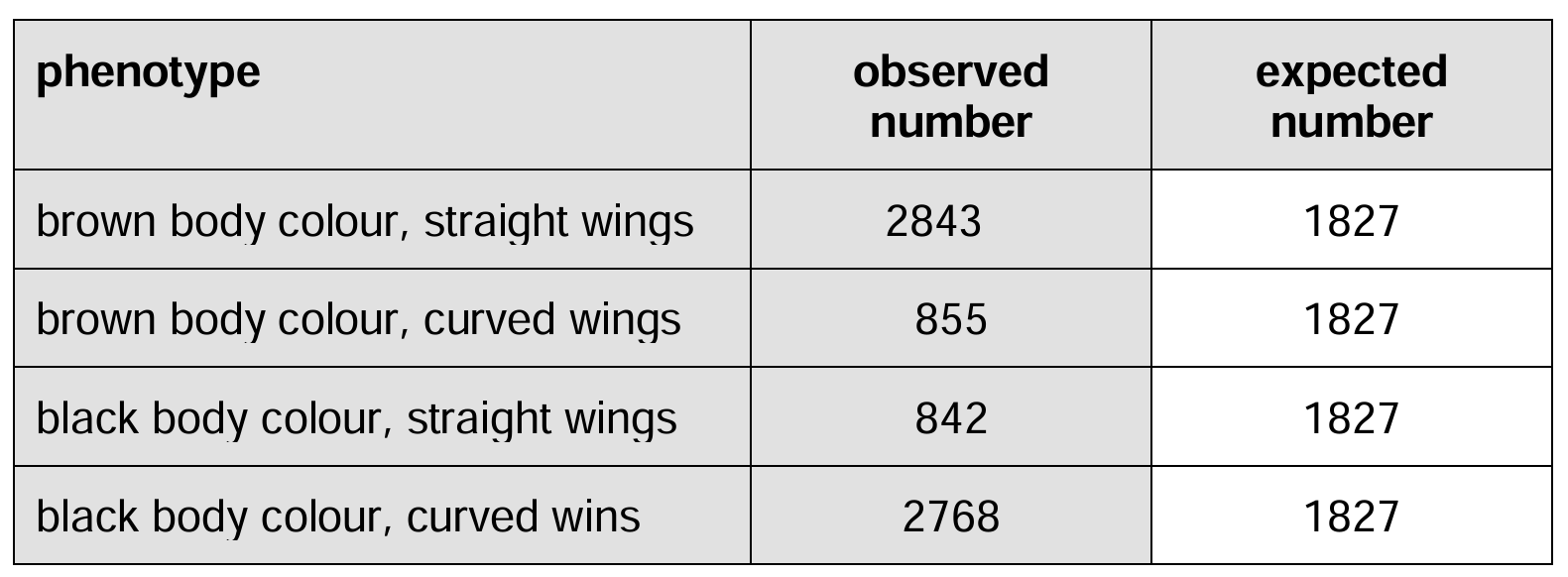
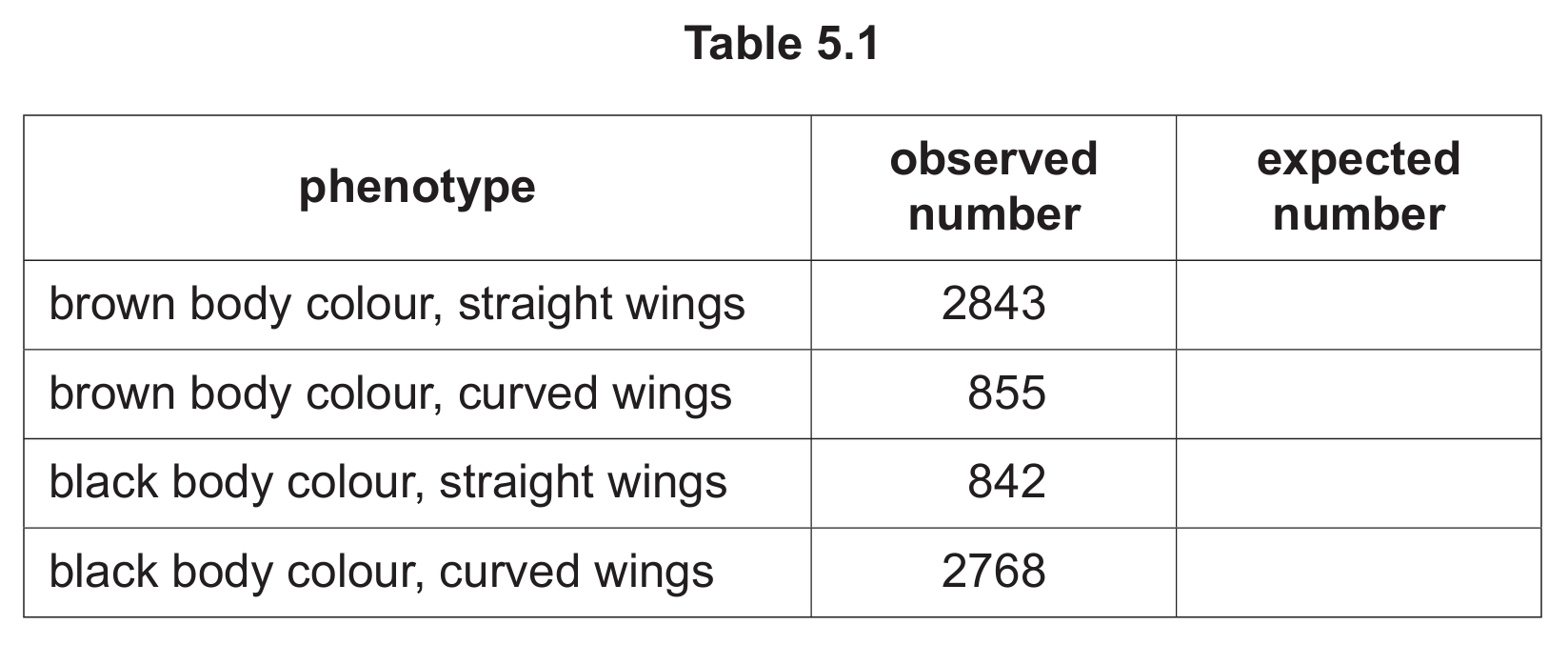
(a) Table 5.1 shows the number of offspring of each phenotype obtained in the test cross.

Use Table 5.1 to calculate the expected number of each phenotype if the two genes are on different autosomes. Write your answers in the table.

(b) A chi-squared (χ²) test was carried out to compare the observed results with the results that would be expected from a dihybrid cross involving genes on different autosomes.

The value of χ² = 2097.836.

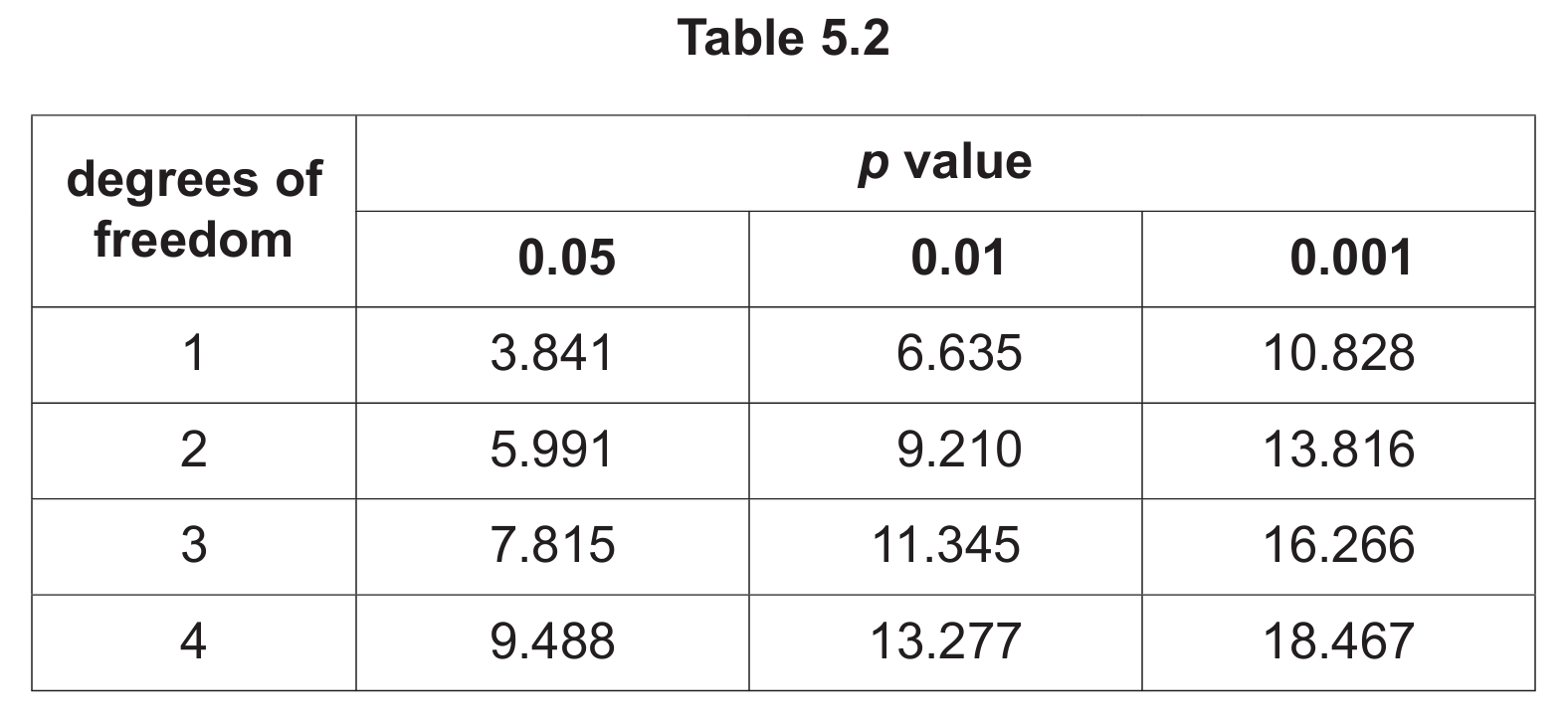
Table 5.2 shows the critical values for the χ² distribution.

Explain how the value of χ² and Table 5.2 can be used to assess the significance of the difference between the observed results and the expected numbers in Table 5.1.

(c) Suggest explanations for the observed results in Table 5.1.

▶️ Answer/Explanation
Solution

(a)

Explanation: For a dihybrid test cross with independent assortment (genes on different chromosomes), we would expect a 1:1:1:1 ratio of phenotypes. The total number of offspring is 2843 + 855 + 842 + 2768 = 7308. Dividing this by 4 gives the expected number for each phenotype: 7308 ÷ 4 = 1827.

(b)

Explanation: To assess the significance of the difference between observed and expected results:

  1. First determine the degrees of freedom (df). For this test, df = number of phenotypes – 1 = 4 – 1 = 3.
  2. Compare the calculated χ² value (2097.836) with the critical values in Table 5.2 for df = 3.
  3. The χ² value is much greater than all critical values (7.815 at p=0.05, 11.345 at p=0.01, and 16.266 at p=0.001).
  4. This means the probability that the difference is due to chance is less than 0.001 (0.1%).
  5. We reject the null hypothesis that the genes assort independently.
  6. The extremely large χ² value indicates a highly significant difference between observed and expected results.

(c)

Explanation: The observed results suggest:

  1. The two genes are likely linked (located on the same chromosome).
  2. The parental phenotypes (brown body with straight wings and black body with curved wings) are more frequent than expected, while recombinant phenotypes are less frequent.
  3. This indicates that the alleles B and D tend to be inherited together, as do b and d.
  4. The recombination frequency can be calculated from the recombinant phenotypes (brown/curved and black/straight): (855 + 842)/7308 × 100 = 23.2%.
  5. This suggests the genes are about 23.2 map units apart on the chromosome.
  6. The results show incomplete linkage, as some recombination still occurs during meiosis due to crossing over.
Question 6

Topic: 15.1

(a) (i) When blood glucose concentration decreases, glucagon is released by the pancreas into the blood and is transported to the cells.

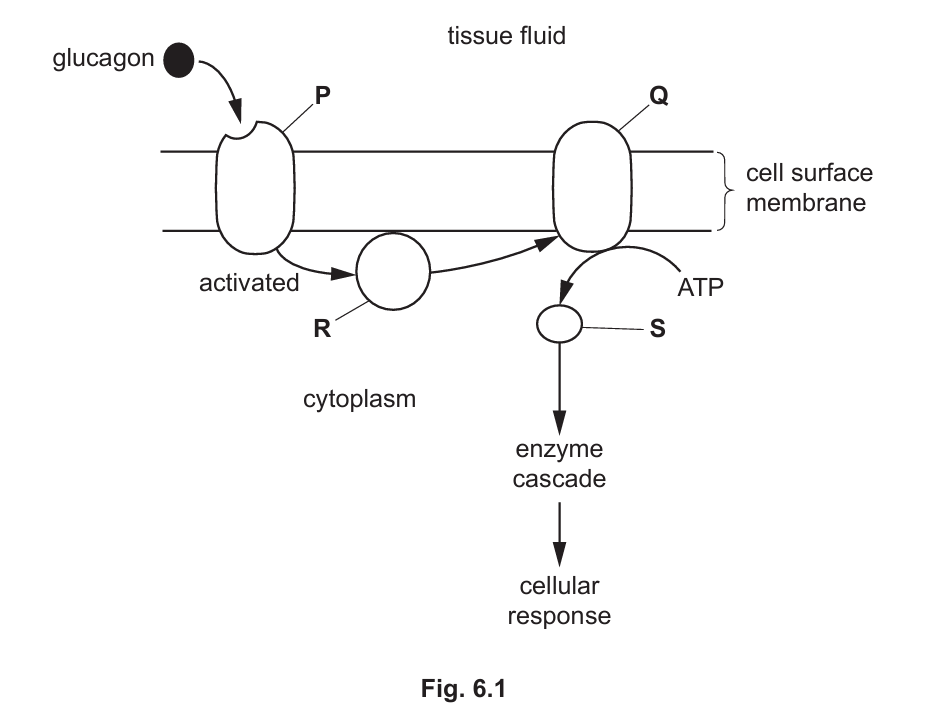
Fig. 6.1 outlines the effect of glucagon on liver cells.

Identify P, Q, R and S shown in Fig. 6.1.

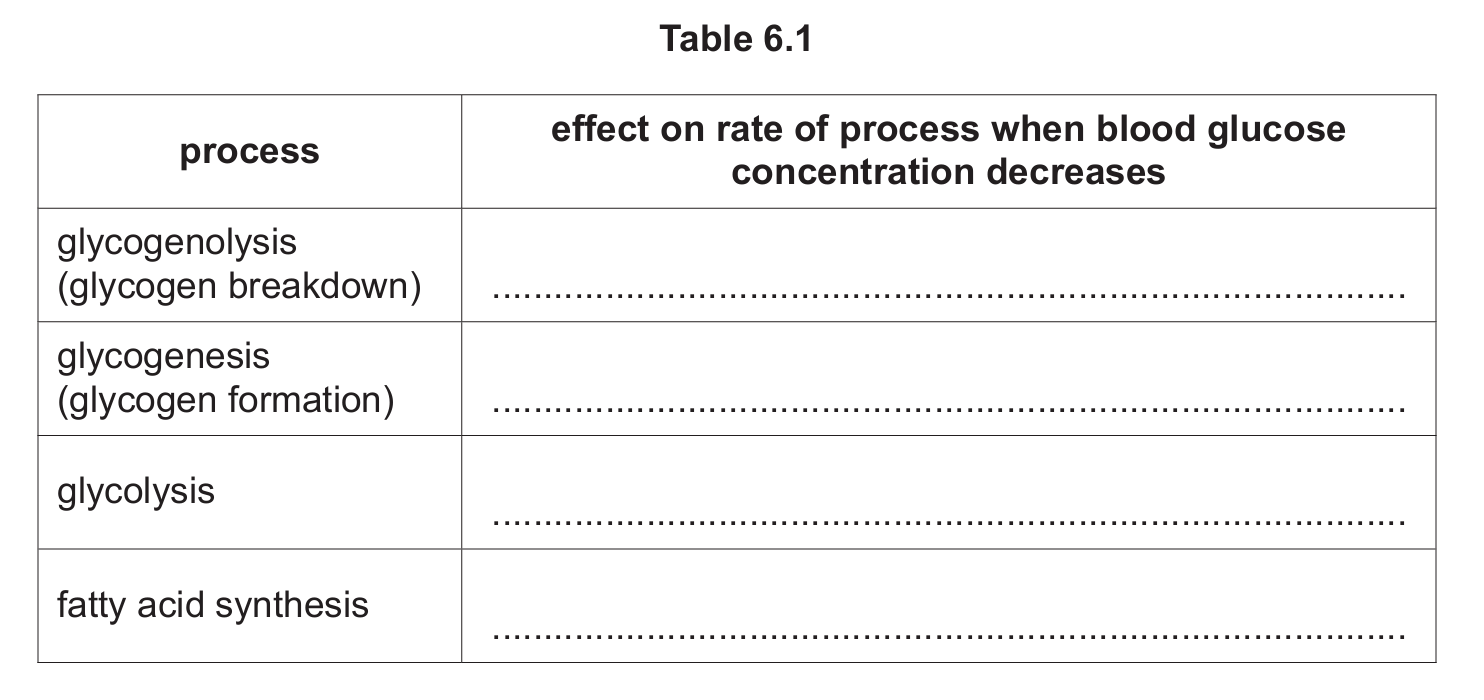
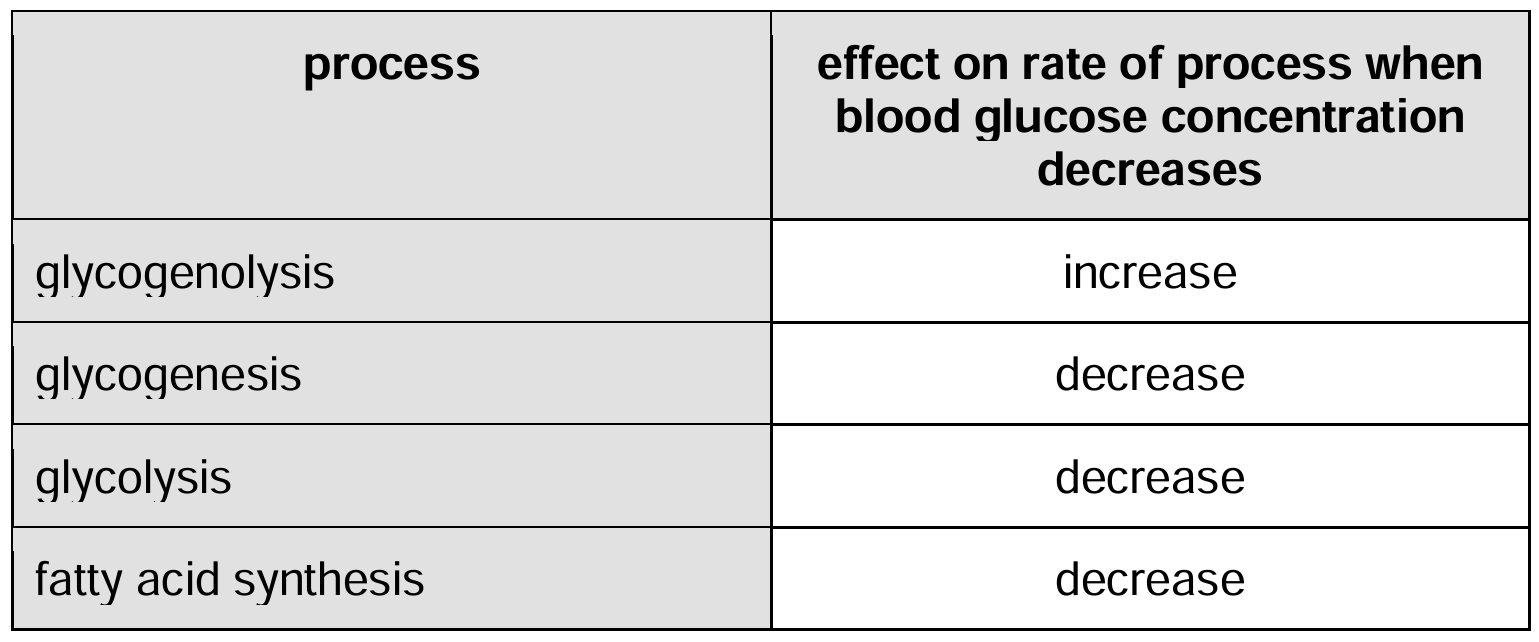
(ii) Table 6.1 shows four processes carried out by liver cells that are affected by a decrease in blood glucose concentration. Some of these are cellular responses from cell signalling by glucagon.

Complete Table 6.1 by stating whether the rate of each process increases or decreases when blood glucose concentration decreases.

(b) Type 2 diabetes is a condition affecting the homeostatic control of blood glucose concentration. In type 2 diabetes, target cells have a much lower response to insulin and some glucose is excreted in the urine.

Test strips can be used to measure the concentration of glucose in a sample of urine, but many people with type 2 diabetes measure blood glucose concentration using a biosensor.

Explain the principles of operation of a test strip for glucose and suggest advantages for a person with type 2 diabetes of using a biosensor instead of a test strip.

▶️ Answer/Explanation
Solution

(a)(i)

P: receptor

Q: adenylyl cyclase

R: G-protein

S: cyclic AMP (cAMP)

Explanation: The diagram shows the glucagon signaling pathway in liver cells. When glucagon binds to its receptor (P), it activates a G-protein (R), which then activates adenylyl cyclase (Q). Adenylyl cyclase converts ATP to cyclic AMP (S), which acts as a secondary messenger to trigger the cellular response.

(a)(ii)

Explanation: When blood glucose is low, the body needs to release stored glucose. Glycogenolysis increases to break down glycogen into glucose. The other processes decrease because they either store glucose (glycogenesis) or use glucose (glycolysis and fatty acid synthesis), which would further lower blood glucose levels.

(b)

Test strip operation:

1. The strip contains glucose oxidase and peroxidase enzymes.

2. When dipped in urine, glucose reacts with glucose oxidase to produce hydrogen peroxide.

3. The hydrogen peroxide then reacts with peroxidase to produce a color change.

4. The color intensity corresponds to glucose concentration and is matched to a chart.

Advantages of biosensors:

1. They provide quicker results than test strips.

2. They are more sensitive and accurate in measuring glucose levels.

3. They give immediate digital readings rather than requiring color interpretation.

4. Results can be stored electronically for tracking trends over time.

5. They are reusable, making them more cost-effective in the long term.

Explanation: Biosensors offer significant advantages for diabetes management by providing more precise, real-time data about blood glucose levels. This allows for better monitoring and adjustment of treatment. The digital nature of biosensors eliminates the subjectivity of interpreting color changes on test strips, and the ability to track trends helps in long-term disease management.

Question 7

Topic: 14.1

(a) There are many mitochondria located in the presynaptic knobs of neuromuscular junctions and in the sarcomeres of muscle fibres of striated muscle.

Explain the need for many mitochondria in the presynaptic knobs and in the sarcomeres.

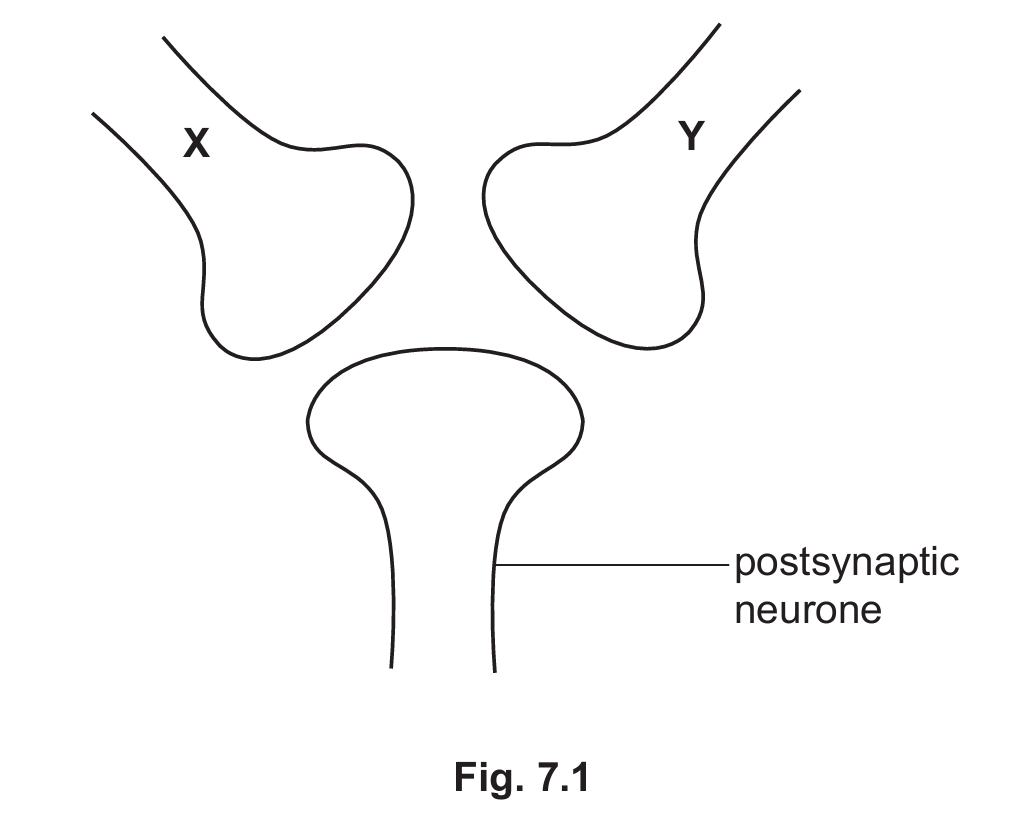
(b) Fig. 7.1 is a diagram of synapses between a postsynaptic neurone and two presynaptic neurones, X and Y.

  • Neurone X releases the neurotransmitter acetylcholine.
  • Neurone Y releases the neurotransmitter glutamate.
  • Both neurotransmitters bind to channel proteins in the membrane of the postsynaptic neurone.
  • Acetylcholine binding results in an influx (entry) of sodium ions.
  • Glutamate binding results in an influx of chloride ions.

A student made three statements:

  1. When only neurone X is stimulated, an action potential will occur in the postsynaptic neurone.
  2. When only neurone Y is stimulated, an action potential will occur in the postsynaptic neurone.
  3. When neurone X and neurone Y are stimulated at the same time, an action potential will not occur in the postsynaptic neurone.

Explain whether or not you agree with these statements.

(c) Multiple sclerosis is a condition in which the myelin sheath breaks down in some neurones.

Suggest the effect of multiple sclerosis on the transmission of action potentials in the affected neurones.

▶️ Answer/Explanation
Solution

(a)

Explanation: Mitochondria are needed in both locations because:

  1. In presynaptic knobs, mitochondria produce ATP which is required for:
    • Synthesis of neurotransmitters like acetylcholine
    • Active transport of ions to maintain resting potential
    • Exocytosis of synaptic vesicles containing neurotransmitters
  2. In sarcomeres, mitochondria provide ATP for:
    • Muscle contraction through the sliding filament mechanism
    • Active transport of calcium ions back into the sarcoplasmic reticulum
    • Detachment of myosin heads from actin filaments

Both locations have high energy demands that can only be met by numerous mitochondria.

(b)

Explanation:

  1. Agree with statement 1 because acetylcholine causes sodium ion influx leading to depolarization, which can reach threshold potential and trigger an action potential.
  2. Disagree with statement 2 because glutamate causes chloride ion influx leading to hyperpolarization, making it harder to reach threshold potential.
  3. Agree with statement 3 because simultaneous stimulation would balance the depolarizing (Na+) and hyperpolarizing (Cl-) effects, resulting in no net change in membrane potential.

(c)

Explanation: Multiple sclerosis affects action potential transmission by:

  1. Slowing down nerve impulse conduction because saltatory conduction (jumping between nodes of Ranvier) is disrupted.
  2. Causing action potentials to weaken or fail completely as the myelin damage leads to current leakage.
  3. Making local circuits shorter as depolarization must occur continuously along the axon rather than at nodes.

This explains symptoms like muscle weakness and coordination problems in MS patients.
Question 8

Topic: 13.1

(a) Non-cyclic photophosphorylation occurs in the light-dependent stage of photosynthesis.

Outline the main features of non-cyclic photophosphorylation.

(b) Some Calvin cycle intermediates are used to produce other molecules that are not part of the Calvin cycle.

Name two of these intermediates.

For each intermediate, state one example of the type of molecule that is produced.

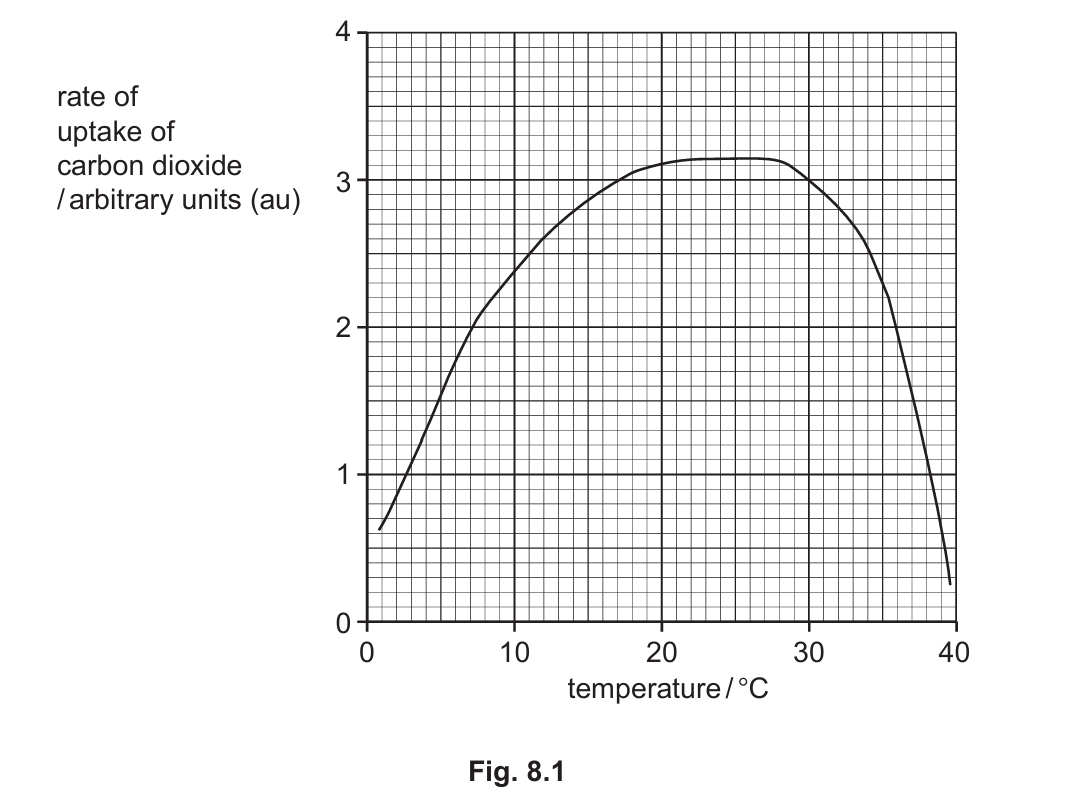
(c) Fig. 8.1 shows how the rate of uptake of carbon dioxide by a plant varies with temperature, at an optimum intensity of light on a clear day.

(i) Calculate the mean increase in rate of uptake of carbon dioxide as the temperature increases from 5°C to 20°C.

Show your working.

Give your answer to two decimal places.

(ii) Suggest why the rate of carbon dioxide uptake levels off and then decreases after 20°C.

(iii) On Fig. 8.1, draw a curve to show the uptake of carbon dioxide on a cloudy day.

▶️ Answer/Explanation
Solution

(a)

Key features of non-cyclic photophosphorylation:

  • Both photosystem I and photosystem II are involved in the process
  • Photoactivation of chlorophyll occurs when light energy excites electrons
  • Photolysis of water occurs, releasing oxygen as a byproduct
  • Electrons from photosystem II are passed through an electron transport chain to photosystem I
  • NADP is reduced to NADPH using electrons from photosystem I
  • ATP is synthesized via chemiosmosis as protons flow through ATP synthase
  • This is called non-cyclic because electrons follow a one-way path from water to NADP

Explanation: Non-cyclic photophosphorylation is the primary pathway of the light-dependent reactions where light energy is converted to chemical energy in the form of ATP and NADPH. The process begins when photons excite electrons in photosystem II, which are then passed through an electron transport chain, creating a proton gradient that drives ATP synthesis. Meanwhile, photosystem I receives electrons from the transport chain and uses them to reduce NADP to NADPH. The electrons lost from photosystem II are replaced by electrons from water molecules that are split (photolysis), releasing oxygen.

(b)

Two Calvin cycle intermediates and their products:

  • Glycerate-3-phosphate (GP) – used to make amino acids, fatty acids, and lipids
  • Triose phosphate (TP) – used to make hexose sugars (like glucose), starch, cellulose, amino acids, glycerol, and lipids

Explanation: While most Calvin cycle intermediates are used to regenerate RuBP or form glucose, some are diverted to synthesize other essential molecules. GP can be converted to amino acids like glycine and serine, or used in lipid synthesis. TP serves as the starting point for various carbohydrates and can also contribute to lipid formation through glycerol production.

(c)(i)

Calculation:

At 5°C: 1.55 arbitrary units (au)

At 20°C: 3.10 au

Difference: 3.10 – 1.55 = 1.55 au

Temperature change: 20 – 5 = 15°C

Mean increase: 1.55 ÷ 15 = 0.1033 au/°C

Final answer: 0.10 au °C-1 (to 2 decimal places)

Explanation: The mean rate of increase is calculated by finding the total change in CO2 uptake (1.55 au) divided by the temperature range (15°C). This gives the average increase in photosynthetic rate per degree Celsius over this temperature range.

(c)(ii)

Possible reasons for the decrease after 20°C:

  • Enzymes involved in photosynthesis (like rubisco) begin to denature at higher temperatures
  • Stomata may close to reduce water loss, limiting CO2 uptake
  • The rate of photorespiration increases relative to photosynthesis
  • Membranes may become more fluid, disrupting chloroplast structure
  • Increased respiration rate may offset photosynthetic gains

Explanation: While photosynthesis initially increases with temperature due to faster enzyme activity, beyond the optimum temperature (around 20°C in this case), several factors cause the rate to decline. Enzymes start losing their precise three-dimensional structure, reducing their catalytic efficiency. The plant may also close stomata to conserve water, which simultaneously limits CO2 availability. Additionally, the balance between photosynthesis and photorespiration shifts unfavorably at higher temperatures.

(c)(iii)

The curve for a cloudy day would:

  • Follow a similar shape but be lower than the clear day curve at all temperatures
  • Show reduced maximum CO2 uptake
  • Possibly have a lower optimum temperature

Explanation: On cloudy days, light intensity is reduced, which becomes the limiting factor for photosynthesis. This means that even at optimal temperatures, the plant cannot achieve the same maximum rate of CO2 uptake as on a clear day. The curve would therefore be displaced downward, showing lower rates at all temperatures while maintaining a similar overall pattern.

Question 9

Topic: 15.2

(a) Antidiuretic hormone (ADH) is involved in the maintenance of a constant blood water potential.

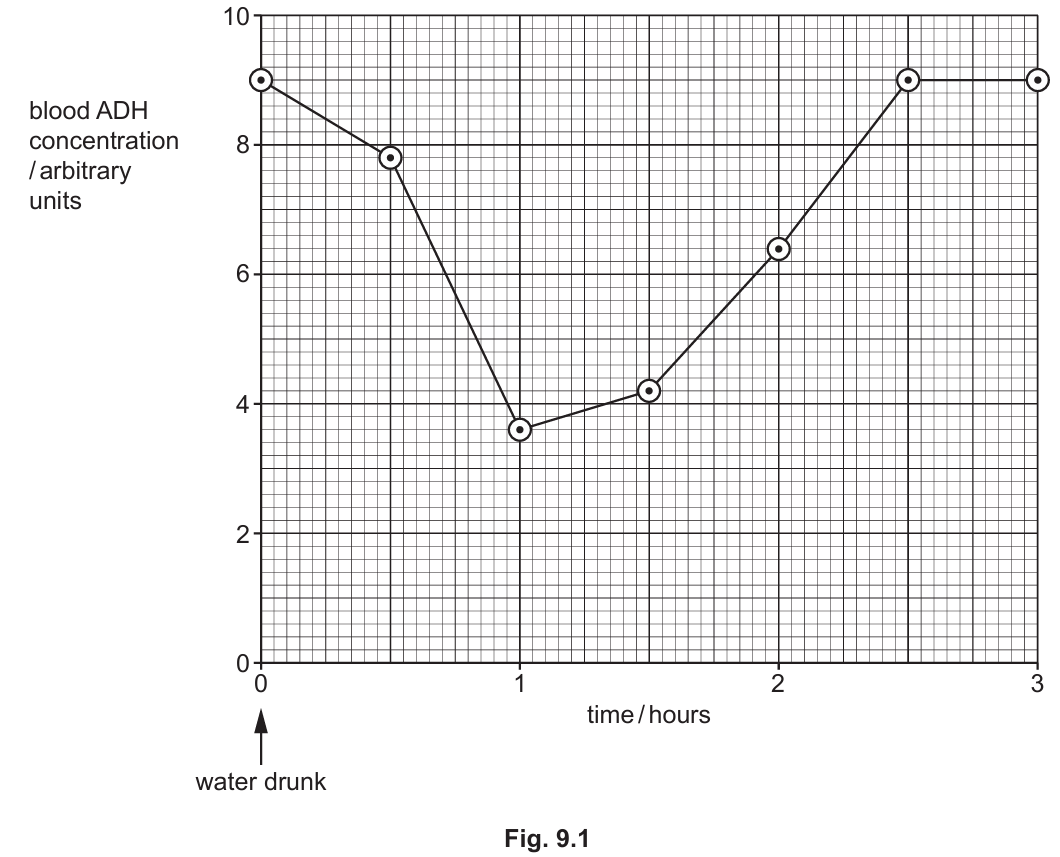
A student drank 0.5 dm3 of water and the concentration of ADH in their blood was measured every 30 minutes for 3 hours.

Fig. 9.1 shows the results of this investigation.

Explain the results shown in Fig. 9.1.

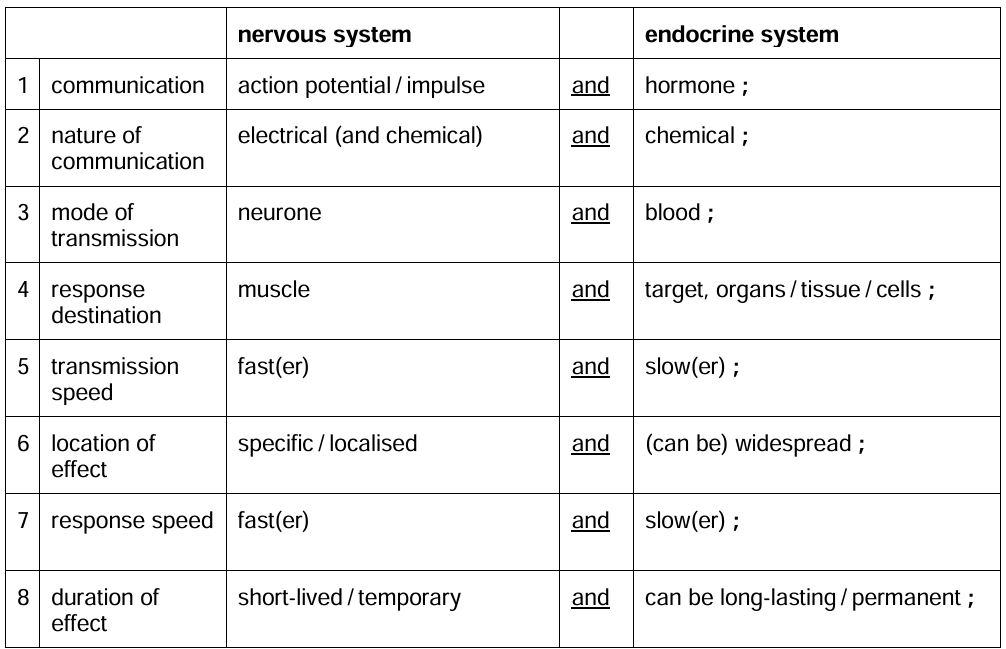
(b) Outline the differences between the endocrine system and the nervous system.

▶️ Answer/Explanation
Solution

(a) Explanation of ADH results:

When the student drank water, it caused an immediate increase in blood water potential (the blood became more dilute). This change was detected by osmoreceptors in the hypothalamus, which responded by reducing ADH secretion from the posterior pituitary gland.

With less ADH in the bloodstream, the kidney’s collecting ducts became less permeable to water, resulting in less water being reabsorbed back into the blood. This led to the production of more dilute urine, helping to eliminate the excess water.

As the excess water was excreted, the blood water potential gradually returned to its normal set point. This was detected by the osmoreceptors, which then increased ADH secretion again. The rising ADH levels made the collecting ducts more permeable to water again, reducing water loss in urine and completing the negative feedback loop.

The graph shows this beautifully: ADH levels drop sharply after water intake (as the body tries to get rid of excess water), then gradually return to normal as homeostasis is restored.

Key points:

  • Water intake → increased blood water potential
  • Osmoreceptors detect change → reduced ADH secretion
  • Less ADH → less water reabsorption → dilute urine
  • As water is excreted, blood concentration returns to normal
  • Negative feedback restores ADH to normal levels

(b) Differences between endocrine and nervous systems:

Key differences explained:

The endocrine system works through hormones released into the bloodstream, affecting target cells anywhere in the body. It’s slower but has longer-lasting effects, ideal for regulating processes like growth or metabolism.

The nervous system uses electrical impulses along neurons and chemical signals at synapses. It’s extremely fast (allowing for instant reactions) but short-lived, perfect for immediate responses like moving away from danger.

While both systems communicate information, they complement each other – the nervous system handles quick responses, while the endocrine system manages slower, sustained changes in the body.

Question 10

Topic: 18.2

(a) The passage outlines one method of estimating the size of an animal population.

Complete the passage by using the most appropriate scientific terms.

The size of a population of animals can be estimated using the mark-release-recapture method. A sample of animals is captured using a humane (harmless) trap and is counted. The animals are marked using a method that does not harm them. This can be done using a small tag or …… . The marked animals are released into the area where they were captured. Time is allowed for the marked animals to mix into the population. This period of time must be short so that emigration, immigration, migration or …… do not occur.

A second sample of animals is then captured and the number of marked and unmarked animals is counted. The population size can be estimated using the …… Index. For reliability, the method should be …… .

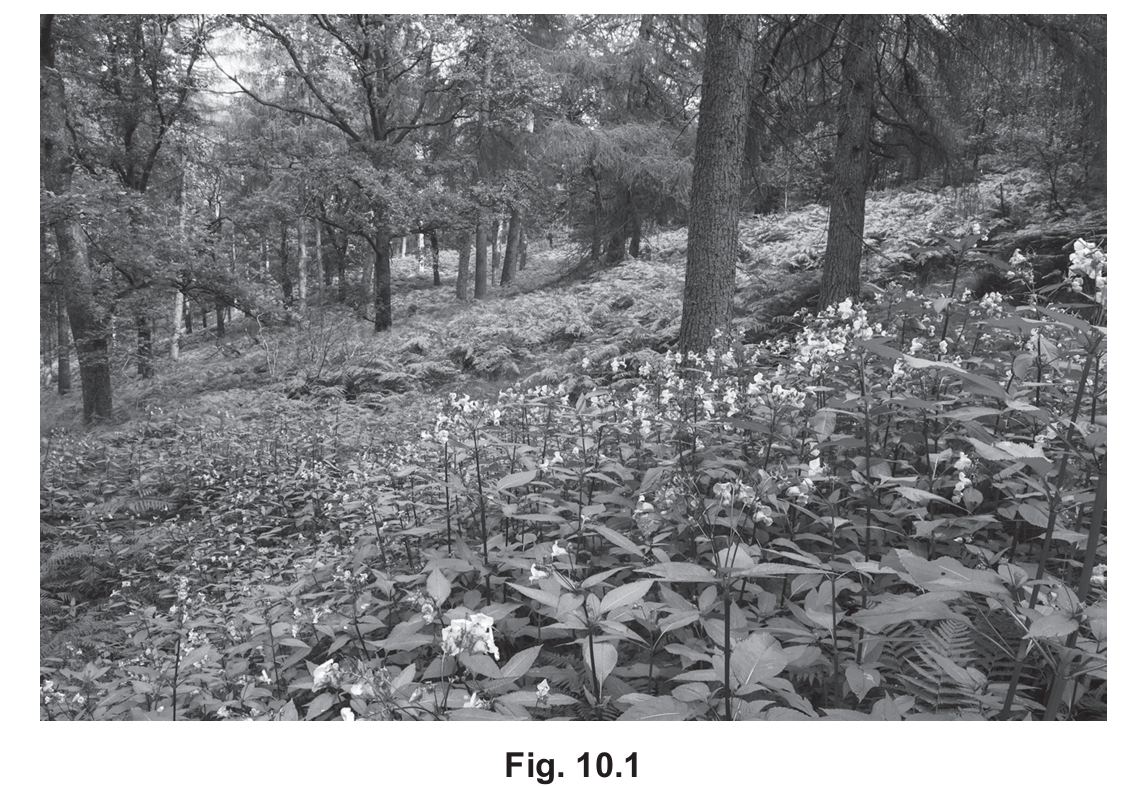
(b) Himalayan balsam, Impatiens glandulifera, is an annual plant native to Pakistan, India and Nepal. It was first introduced into the United Kingdom (UK) in 1839 because of its attractive flowers. Individual plants can produce thousands of mature seeds. These can be dispersed for long distances when the capsules that contain the seeds burst.

Fig. 10.1 shows Himalayan balsam growing in a woodland.

Himalayan balsam has now become established in the UK. It is listed as an invasive alien species and attempts are being made to eradicate (remove) the plant.

Not all alien plant species are considered to be invasive.

Suggest why Himalayan balsam has been listed as an invasive alien species in the UK.

▶️ Answer/Explanation
Solution

(a)

The size of a population of animals can be estimated using the mark-release-recapture method. A sample of animals is captured using a humane (harmless) trap and is counted. The animals are marked using a method that does not harm them. This can be done using a small tag or dye/paint/clipping fur/collar/electronic chip. The marked animals are released into the area where they were captured. Time is allowed for the marked animals to mix into the population. This period of time must be short so that emigration, immigration, migration or death/birth/reproduction do not occur.

A second sample of animals is then captured and the number of marked and unmarked animals is counted. The population size can be estimated using the Lincoln Index. For reliability, the method should be repeated/replicated.

Explanation: The mark-release-recapture method is a common ecological technique for estimating population sizes. The first blank requires a method of marking that doesn’t harm the animals – options include physical tags, dyes, or electronic markers. The second blank refers to population changes that could skew results if the time between marking and recapture is too long. The Lincoln Index is the specific formula used to calculate population size from this data. Repeating the method increases reliability by providing multiple data points.

(b)

Possible reasons why Himalayan balsam is considered invasive:

  • It has a negative impact on native ecosystems by outcompeting local plants for resources like light, space, and nutrients
  • Its rapid growth and high seed production (thousands per plant) allow it to spread quickly
  • The explosive seed dispersal mechanism enables long-distance spread beyond initial introduction sites
  • It forms dense stands that reduce biodiversity by shading out other plants
  • It may attract pollinators away from native species, disrupting pollination networks
  • Few native animals eat it, so it lacks natural predators to control its spread
  • It can alter soil chemistry and water flow patterns in invaded areas

Explanation: Himalayan balsam exhibits classic invasive species characteristics. Its high reproductive capacity and effective dispersal mechanism allow rapid colonization. The plant’s ability to form monocultures disrupts native ecosystems by reducing biodiversity. Unlike non-invasive alien species that coexist with natives, Himalayan balsam actively displaces them. The plant’s impacts extend beyond simple competition – it can alter entire ecosystem functions. These ecological impacts justify its classification as invasive and the need for eradication efforts.

Scroll to Top