
2.1.D.1 — Forces Overcome During Melting, Boiling, and Dissolving
During physical changes such as melting, boiling, and dissolving, particles do not change identity. Instead, these processes involve overcoming specific types of attractive forces between particles.
To create or evaluate a scientific claim about these processes, it is essential to distinguish between intermolecular forces and intramolecular forces.
Electrostatic Nature of Particle Attractions
All attractions among particles of matter arise from electrostatic interactions between charged particles (protons and electrons).
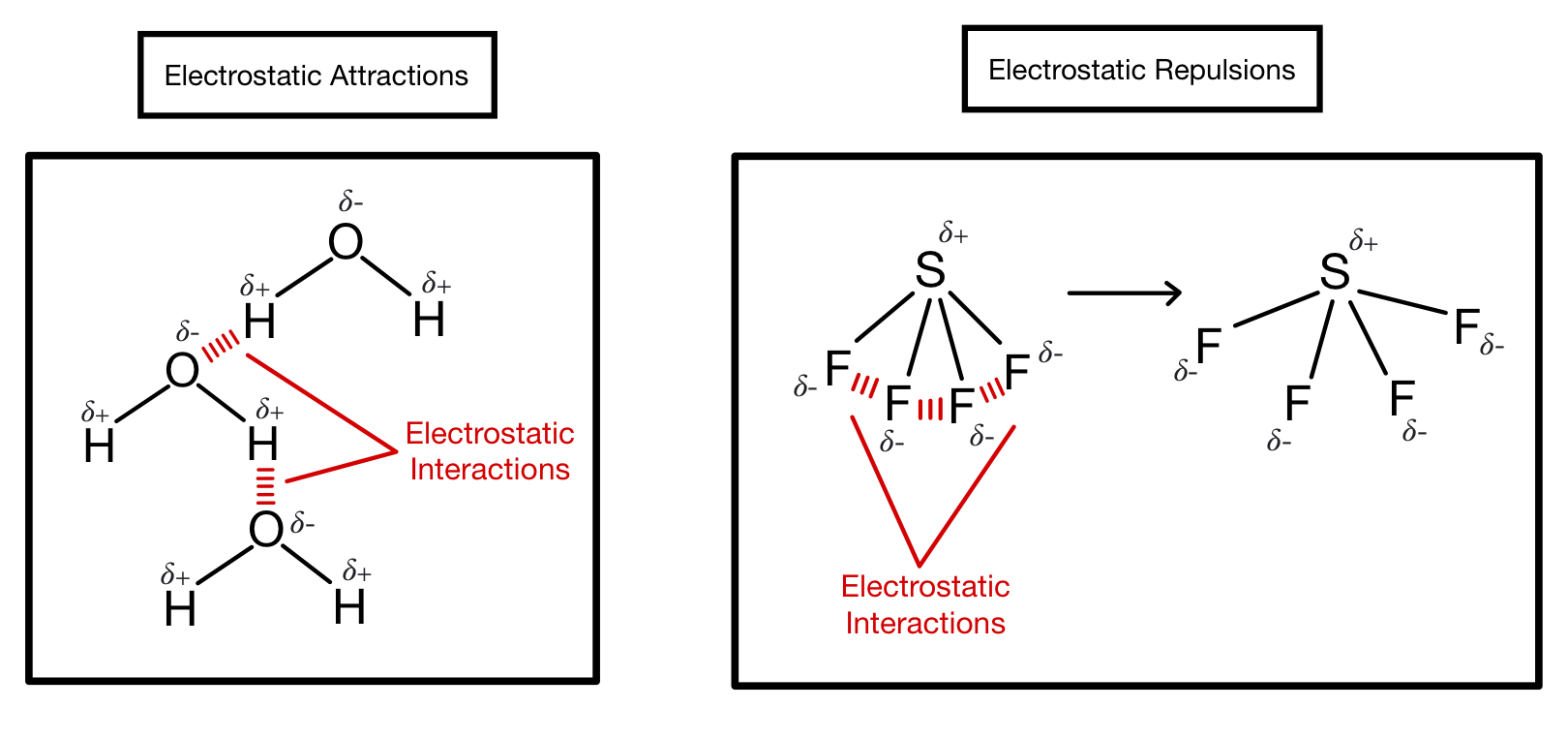
- Opposite charges attract
- Like charges repel
The strength and location of these electrostatic attractions determine a substance’s physical behavior.
Intermolecular vs. Intramolecular Forces
| Type of Force | Acts Between | Relative Strength | Role |
|---|---|---|---|
| Intermolecular | Separate particles | Weaker | Physical properties |
| Intramolecular | Atoms in a molecule | Stronger | Chemical identity |
Intermolecular Forces (IMF)
Intermolecular forces are attractions between separate particles (molecules, atoms, or ions).
They are responsible for many physical properties, including: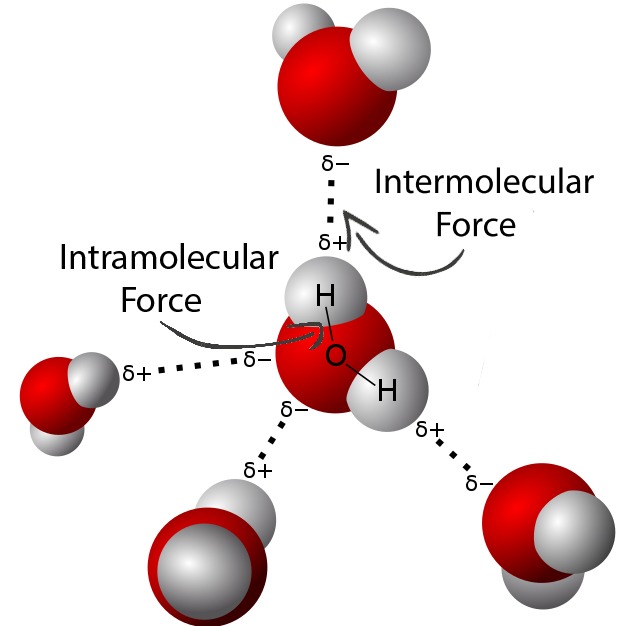
- Melting point
- Boiling point
- Surface tension
- Volatility
Intermolecular forces are the forces overcome during most physical changes.
Intramolecular Forces
Intramolecular forces are the forces that hold atoms together within a molecule (chemical bonds).
- Much stronger than intermolecular forces
- Only broken during chemical reactions
Intramolecular forces are not overcome during melting, boiling, or dissolving.
Forces Overcome During Phase Changes
Melting (Solid → Liquid)

- Some intermolecular forces are overcome
- Particles gain enough energy to slide past each other
- Intramolecular bonds remain intact
Boiling (Liquid → Gas)

- Most or all intermolecular forces are overcome
- Particles separate widely and move independently
- Molecular identity does not change
Forces Overcome During Dissolving
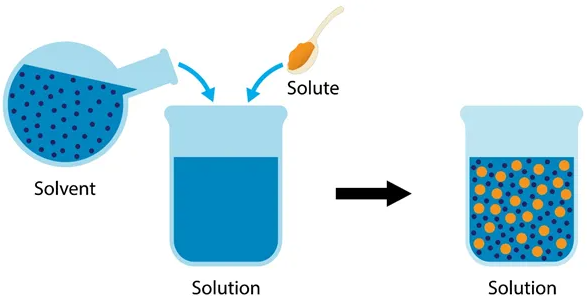
When a substance dissolves:
- Attractions between particles of the solute are overcome
- New attractions form between solute and solvent particles
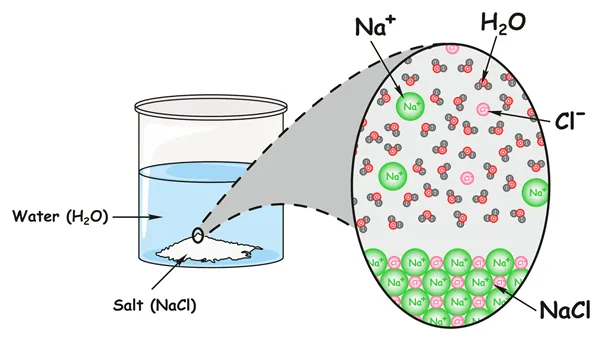
Dissolving involves intermolecular force rearrangement, not breaking intramolecular bonds.
Evaluating Claims About Forces
A correct claim must state that:
- Melting, boiling, and dissolving overcome intermolecular forces
- Intramolecular forces remain unchanged
- The processes are physical, not chemical
Claims suggesting that chemical bonds are broken during these processes are incorrect.
Example
Create a claim explaining which forces are overcome when ice melts into liquid water.
▶️ Answer / Explanation
When ice melts, intermolecular forces between water molecules are partially overcome.
The covalent bonds within each water molecule remain intact, so no intramolecular forces are broken.
Example
A student claims that boiling ethanol breaks the bonds between carbon, hydrogen, and oxygen atoms in each molecule. Evaluate this claim and justify your reasoning.
▶️ Answer / Explanation
The claim is incorrect.
Boiling only overcomes intermolecular forces between ethanol molecules. The intramolecular covalent bonds within each ethanol molecule remain intact, so the substance’s chemical identity does not change.