
1.2 Variety of Living Organisms – Common Features of Eukaryotic Organisms
📝 Introduction
- When scientists study living things, they group organisms according to their similarities and differences. This makes it easier to understand the huge variety of life on Earth.
- One important group is called eukaryotes.
- Humans, oak trees, mushrooms, and Amoeba may look completely different, but they all belong to this group because their cells share the same basic feature: they contain a nucleus surrounded by a membrane.
- Eukaryotic organisms are generally larger and more complex than prokaryotes (bacteria). Their cells contain specialised structures called organelles, each with a particular job.
🧠 What is a Eukaryote?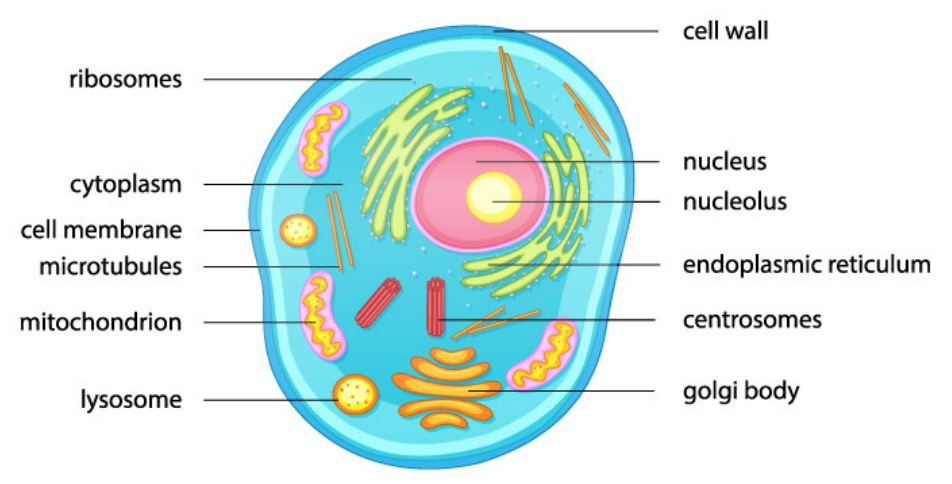
A eukaryote is an organism whose cells contain:
- A true nucleus
- DNA enclosed within the nucleus
- Membrane-bound organelles
Examples of organelles include:
| Organelle | Function |
|---|---|
| Nucleus | Controls cell activities and contains DNA |
| Mitochondria | Site of aerobic respiration |
| Chloroplasts | Site of photosynthesis |
| Vacuole | Storage of water and dissolved substances |
| Endoplasmic Reticulum | Transport of materials within the cell |
Why is the nucleus important?
- The nucleus acts like the control centre of the cell.
- It contains DNA, which carries the instructions needed for:
- Growth
- Repair
- Reproduction
- Protein production
- Without a nucleus, cells would not be able to control their activities properly.
🌱 Plants
What Are Plants?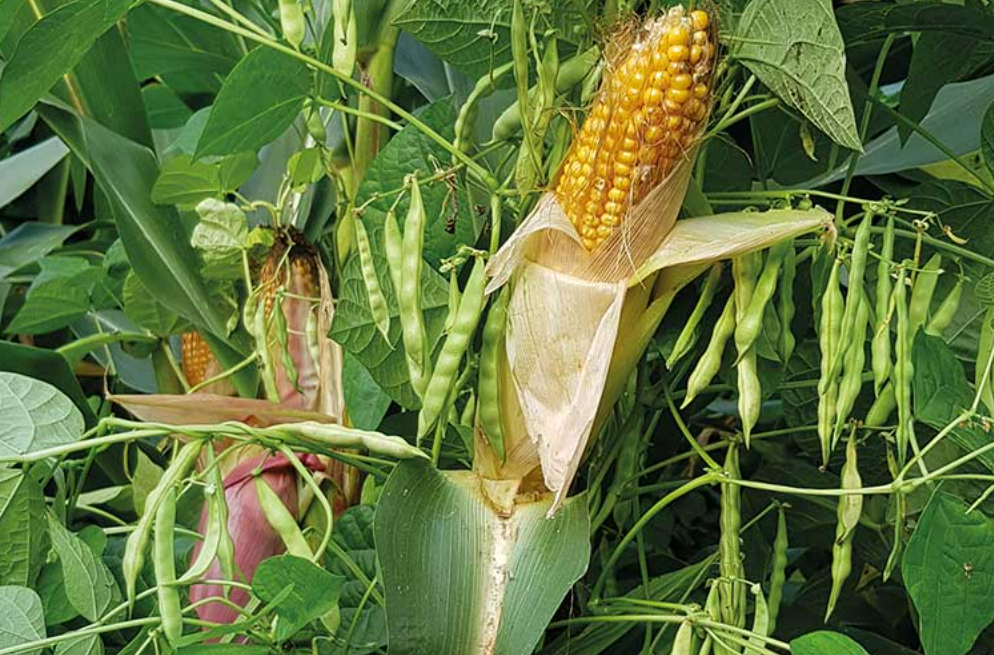
- Plants are multicellular eukaryotic organisms that can manufacture their own food through photosynthesis.
- Because they make food instead of consuming other organisms, they are known as producers.
- Plants form the base of almost every food chain and food web on Earth.
Without plants:
- Oxygen levels would fall
- Food chains would collapse
- Most life could not survive
⭐ Characteristics of Plants
1. Plants Are Multicellular
- Plants are made up of many cells.
- These cells work together and become specialised for particular jobs.
Examples:
| Cell Type | Function |
|---|---|
| Root Hair Cell | Absorbs water and minerals |
| Palisade Cell | Carries out photosynthesis |
| Xylem Cell | Transports water |
| Phloem Cell | Transports sugars |
Why is multicellularity useful?
- Different cells can specialise in different tasks.
This allows plants to:
- Grow larger
- Transport substances efficiently
- Survive in many environments
2. Plants Carry Out Photosynthesis
- Plants contain chloroplasts.
- Inside chloroplasts is a green pigment called chlorophyll.
- Chlorophyll absorbs light energy from the Sun.
- Plants use this energy to produce glucose.
Photosynthesis requires:
- Carbon dioxide from the atmosphere
- Water from the soil
- Light energy from the Sun
Products formed:
- Glucose
- Oxygen
Why is photosynthesis important?
Photosynthesis:
- Provides food for the plant
- Produces oxygen for living organisms
- Forms the basis of food chains
Without photosynthesis, most life on Earth would not exist.
3. Plant Cells Have Cellulose Cell Walls
- Plant cells possess two outer layers:
- Cell membrane
- Cell wall
- The cell wall is made from cellulose.
Functions of the cell wall
- Provides support
- Maintains shape
- Prevents bursting when water enters
- Helps plants remain upright
Why is support important?
- Plants cannot move to seek support.
- Therefore, strong cell walls help stems and leaves stay upright and exposed to sunlight.
4. Plants Store Carbohydrates
- Plants produce large amounts of glucose.
- Not all of this glucose is used immediately.
- Excess glucose is converted into storage carbohydrates.
Main storage carbohydrates
- Starch
- Sucrose
Why store food?
Plants need energy:
- During the night
- During winter
- When photosynthesis is not possible
Stored starch acts as an energy reserve.
🌽 Examples of Plants
Maize
- A cereal crop.
- Produces grains
- Rich in starch
- Important food source worldwide
Peas and Beans
- Leguminous plants.
- Produce protein-rich seeds
- Often used in human diets
- Improve soil fertility through nitrogen fixation
🦁 Animals
What Are Animals?
- Animals are multicellular eukaryotic organisms that obtain food from other organisms.
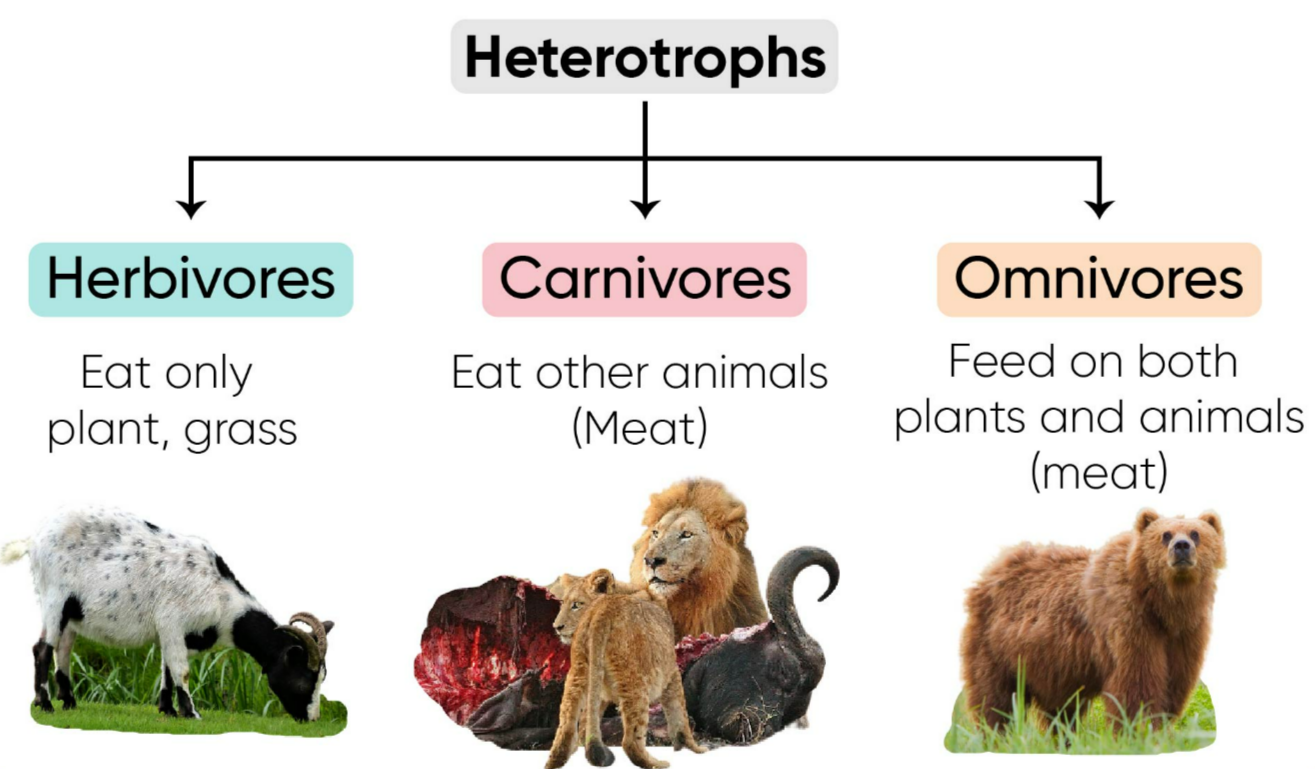
- Because they cannot make their own food, animals are called consumers.
- Animals occupy different positions in food chains.
Examples:
- Herbivores
- Carnivores
- Omnivores
⭐ Characteristics of Animals
1. Animals Are Multicellular
- Animals consist of many specialised cells.
- These cells are organised into:
Cells → Tissues → Organs → Organ Systems
Example:
Muscle cells → Muscle tissue → Heart → Circulatory system
Why is this organisation important?
It allows animals to perform complex activities such as:
- Movement
- Digestion
- Breathing
- Reproduction
2. Animal Cells Have No Chloroplasts
- Animal cells do not contain chloroplasts.
- Therefore, animals cannot photosynthesise.
What does this mean?
- Animals must obtain food by feeding on plants or other animals.
- This is called heterotrophic nutrition.
3. Animal Cells Have No Cell Walls
- Animal cells only possess a cell membrane.
Why is this useful?
Without rigid cell walls:
- Cells remain flexible
- Muscles can contract
- Animals can move
This flexibility is essential for active lifestyles.
4. Animals Show Nervous Coordination
- Animals possess a nervous system.
- The nervous system detects changes in the environment and coordinates responses.
Examples
- Pulling your hand away from a hot surface
- Running from danger
- Catching a ball
Why is nervous coordination important?
It helps animals:
- Survive
- Find food
- Avoid predators
- Reproduce successfully
5. Most Animals Can Move
- Movement is one of the most obvious characteristics of animals.
Animals move to:
- Search for food
- Escape predators
- Find shelter
- Locate mates
Movement increases chances of survival.
6. Animals Store Carbohydrates as Glycogen
- Excess glucose is converted into glycogen.
Glycogen is stored mainly in:
- Liver
- Muscles
Why glycogen?
- Glycogen can be broken down rapidly when energy is required.
- This provides a quick energy source during activity.
🍄 Fungi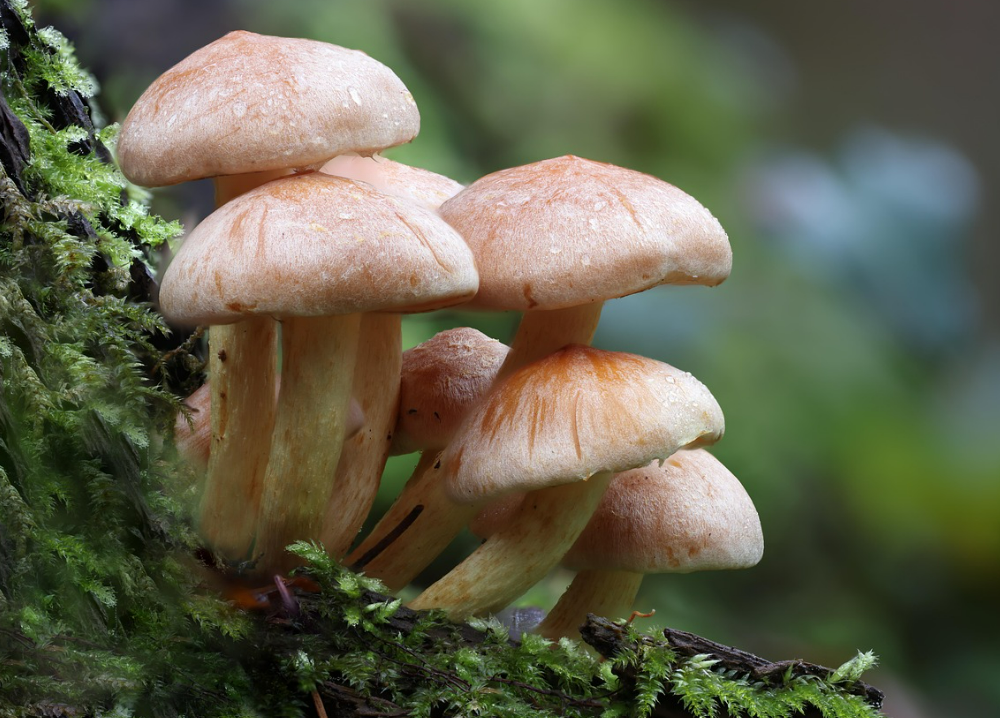
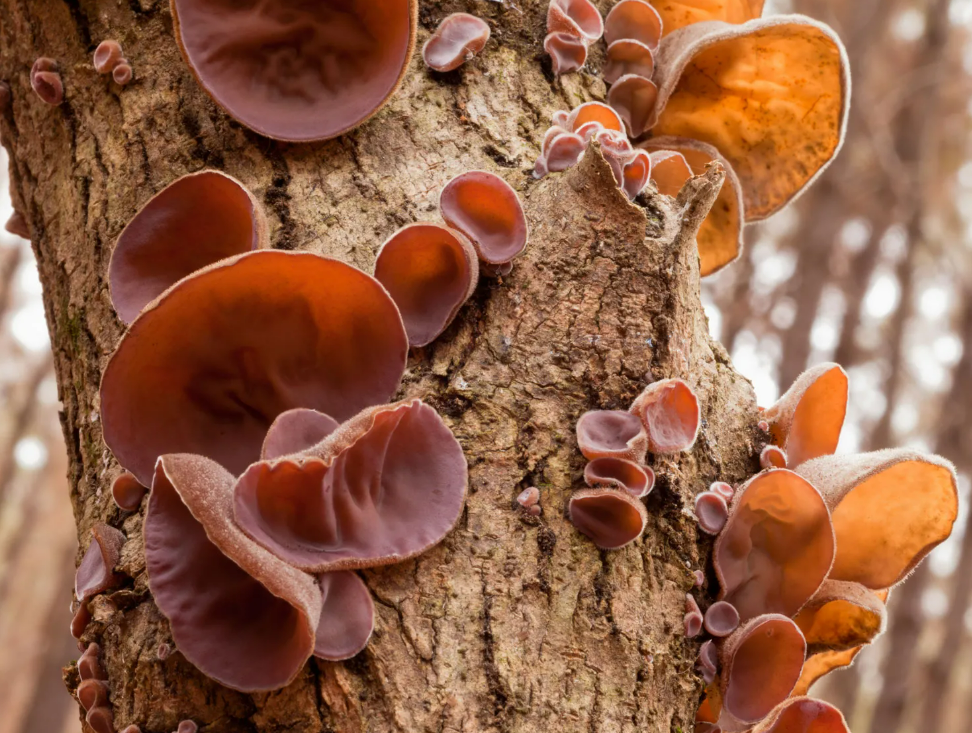
What Are Fungi?
- Fungi are eukaryotic organisms that obtain nutrients from organic matter.
- Unlike plants, fungi cannot make food through photosynthesis.
- Many fungi are decomposers and play a crucial role in recycling nutrients.
- Without fungi, dead organisms would accumulate in ecosystems.
⭐ Characteristics of Fungi
1. Fungi Do Not Photosynthesise
- Fungi lack chlorophyll.
- Because they do not contain chlorophyll, they cannot absorb sunlight to make food.
- Instead, they obtain nutrients from existing organic material.
2. Body Made of Hyphae
- Most fungi consist of thin thread-like structures called hyphae.
Hyphae:
- Are long and narrow
- Branch repeatedly
- Contain many nuclei
Why are hyphae useful?
- Their large surface area allows efficient absorption of nutrients.
3. Hyphae Form a Mycelium
- A network of hyphae is called a mycelium.
- The mycelium spreads through food sources.
- This increases contact with the material being digested.
4. Fungal Cell Walls Contain Chitin
- Unlike plants, fungi do not have cellulose cell walls.
- Instead, their cell walls are made of chitin.
Functions of chitin
- Provides strength
- Protects cells
- Maintains shape
5. Saprotrophic Nutrition
- Most fungi feed by saprotrophic nutrition.
Step-by-Step Process
Step 1: Digestive enzymes are released onto food.
Step 2: Food is broken down outside the fungus.
Step 3: Soluble nutrients are absorbed.
This is known as extracellular digestion because digestion happens outside the organism.
Why is this important?
It allows fungi to feed on:
- Dead plants
- Dead animals
- Decaying organic matter
6. Fungi Store Glycogen
- Like animals, fungi store carbohydrates as glycogen.
- This stored glycogen provides energy when needed.
🦠 Protoctists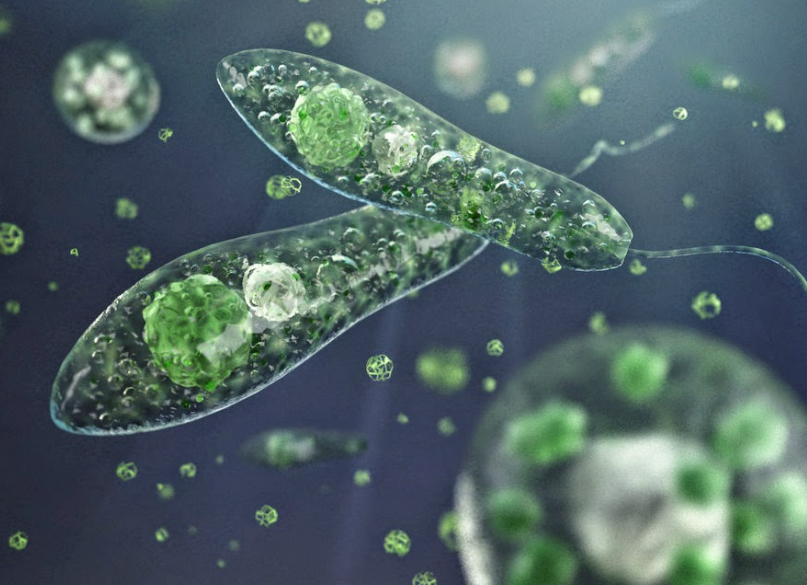
What Are Protoctists?
- Protoctists are a diverse group of eukaryotic organisms.
Most are:
- Microscopic
- Single-celled
- Aquatic
They do not fit neatly into the plant, animal, or fungal kingdoms.
⭐ Characteristics of Protoctists
1. Usually Single-Celled
- Most protoctists consist of only one cell.
Despite this, a single protoctist can:
- Move
- Feed
- Reproduce
- Respond to its environment
All life processes occur within one cell.
2. Some Are Plant-Like
- Examples such as Chlorella contain chloroplasts.
They can:
- Photosynthesise
- Produce glucose
- Release oxygen
3. Some Are Animal-Like
- Examples such as Amoeba do not contain chloroplasts.
- Instead, they obtain food from their surroundings.
- Amoeba moves using temporary projections called pseudopodia.
4. Some Are Pathogenic
- Certain protoctists cause disease.
A pathogen is a microorganism that causes illness.
Example: Plasmodium
- Plasmodium causes malaria.
- It is transmitted by female mosquitoes.
Why is malaria important?
- Malaria affects millions of people worldwide and remains one of the most significant infectious diseases.
📊Comparison Table
| Feature | Plants | Animals | Fungi | Protoctists |
|---|---|---|---|---|
| Cell Type | Eukaryotic | Eukaryotic | Eukaryotic | Eukaryotic |
| Number of Cells | Multicellular | Multicellular | Mostly multicellular | Mostly single-celled |
| Chloroplasts | Present | Absent | Absent | Present in some |
| Photosynthesis | Yes | No | No | Some |
| Cell Wall | Cellulose | None | Chitin | Variable |
| Movement | Usually fixed | Usually move | Usually fixed | Some move |
| Nutrition | Autotrophic | Heterotrophic | Saprotrophic | Variable |
| Carbohydrate Storage | Starch/Sucrose | Glycogen | Glycogen | Variable |
| Examples | Maize, Peas, Beans | Human, Housefly, Mosquito | Mucor, Yeast | Amoeba, Chlorella, Plasmodium |
🎯Remember:
- Plants → Cellulose + Starch
- Animals → No Cell Wall + Glycogen
- Fungi → Chitin + Saprotrophic Nutrition + Glycogen
- Protoctists → Usually Single-Celled + Mixed Characteristics
⚡ Quick Recap
All plants, animals, fungi, and protoctists are eukaryotes.
Eukaryotic cells contain a nucleus and membrane-bound organelles.
Plants contain chloroplasts and photosynthesise.
Animals lack chloroplasts and cell walls and usually move.
Fungi feed by saprotrophic nutrition using extracellular digestion.
Fungal cell walls contain chitin.
Protoctists are mostly microscopic and single-celled.
Amoeba is animal-like, Chlorella is plant-like, and Plasmodium causes malaria.