
1.4 Pathogens and Viruses
📝 Introduction
Living organisms constantly interact with microorganisms present in the environment. Many microorganisms play beneficial roles in ecosystems, food production, and nutrient recycling. However, some microorganisms are capable of causing disease and disrupting normal body functions. These harmful microorganisms are known as pathogens.
Pathogens are responsible for a wide range of diseases affecting humans, animals, and plants. Understanding pathogens is important because it helps explain how diseases develop, spread, and affect living organisms.
The main groups of pathogens studied in Biology are fungi, bacteria, protoctists, and viruses. Although all can cause disease, viruses are particularly unique because they do not possess the characteristics normally associated with living organisms.
🔑 What is a Pathogen?
A pathogen is any microorganism or infectious agent capable of causing disease in another organism.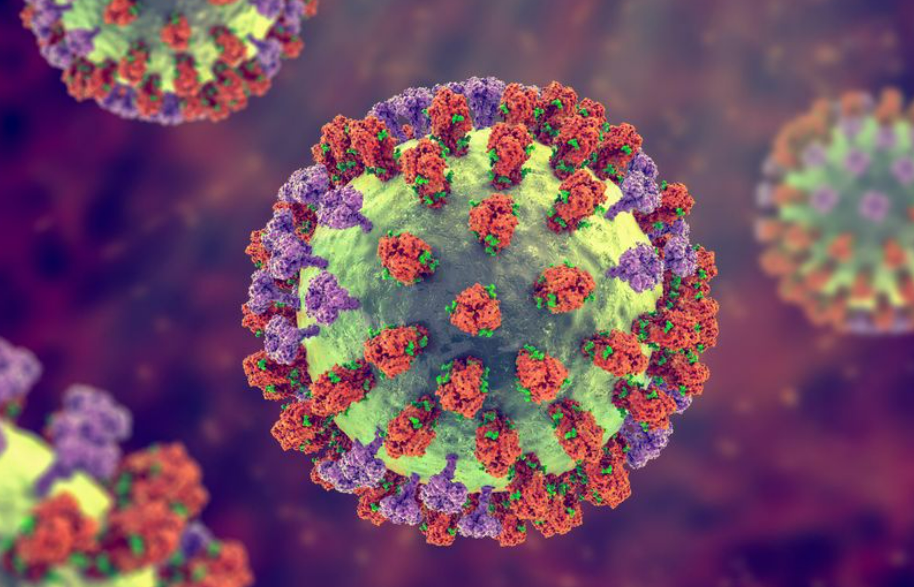
Pathogens invade a host organism, reproduce, and interfere with normal biological processes. Their activities often damage cells, tissues, or organs, leading to symptoms of disease.
Pathogens may infect:
- Humans
- Animals
- Plants
- Other microorganisms
Not all microorganisms are pathogens. Many microorganisms are harmless and some are highly beneficial. A microorganism is only considered a pathogen if it causes disease.
🌍 Major Groups of Pathogens
Biologists classify pathogens into four main groups:
| Group | Cell Type | Example |
|---|---|---|
| Fungi | Eukaryotic | Athlete’s Foot Fungus |
| Bacteria | Prokaryotic | Pneumococcus |
| Protoctists | Plasmodium | Eukaryotic |
| Viruses | Non-cellular | HIV |
Although these groups differ greatly in structure and biology, they all share one common feature: they are capable of causing disease.
🍄 Fungal Pathogens
What are Fungi?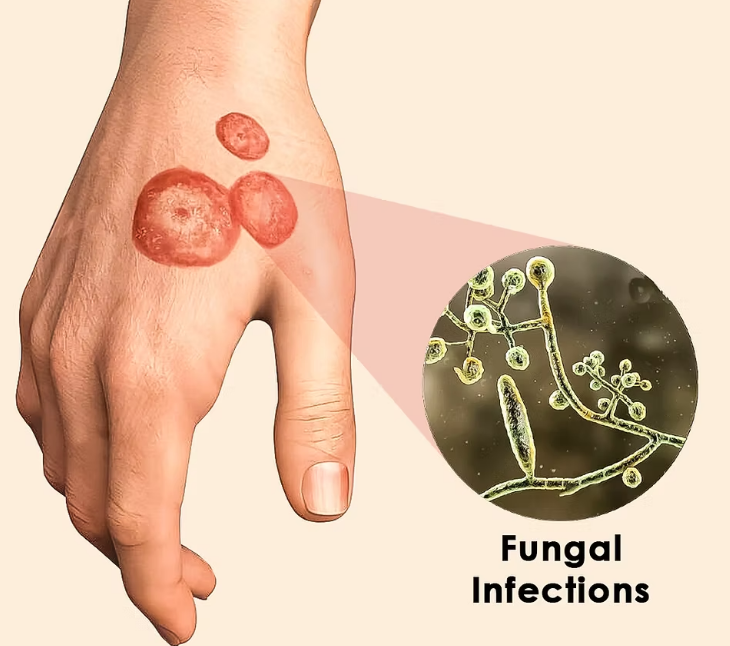
- Fungi are eukaryotic organisms whose cells contain a nucleus and membrane-bound organelles.
- Most fungi obtain nutrients by secreting digestive enzymes onto organic material and absorbing the products of digestion. This method of nutrition is called saprotrophic nutrition.
- Some fungi, however, obtain nutrients from living organisms and become pathogens.
Example: Athlete’s Foot
Athlete’s foot is a fungal infection affecting the skin, particularly between the toes.
Symptoms
- Redness
- Itching
- Cracking of skin
- Peeling skin
How Infection Occurs
- The fungus grows on the outer layers of skin and feeds on dead skin cells.
- Warm and moist environments such as swimming pools, locker rooms, and sweaty footwear encourage fungal growth.
Important Point – Fungal pathogens are eukaryotic organisms and are generally much larger and more complex than bacteria.
🦠 Bacterial Pathogens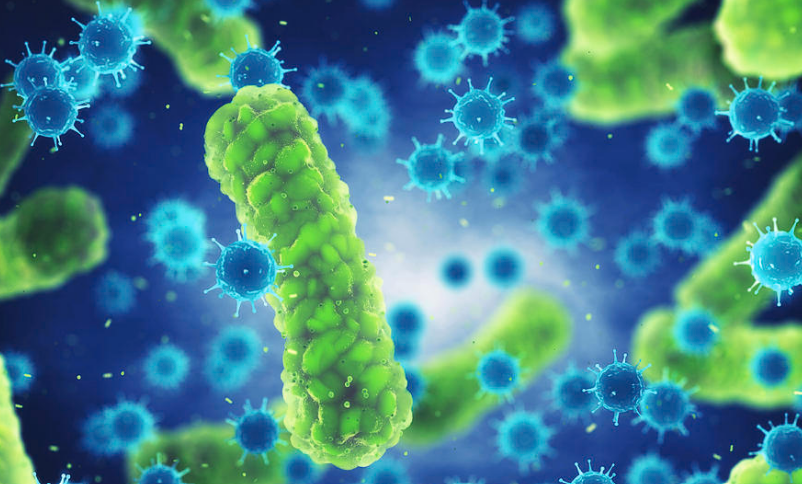
What are Bacteria?
- Bacteria are microscopic single-celled organisms belonging to the prokaryotes.
- Unlike eukaryotic cells, bacterial cells do not contain a nucleus. Their DNA is found freely within the cytoplasm.
- Many bacterial species are harmless or beneficial, but some cause disease.
How Bacteria Cause Disease
Pathogenic bacteria may:
Produce Toxins
- Many bacteria release poisonous chemicals called toxins.
- These toxins damage cells and tissues and interfere with normal body functions.
Direct Tissue Damage
- Some bacteria invade tissues and multiply rapidly, causing inflammation and destruction of cells.
Example: Pneumococcus
Pneumococcus is a bacterium responsible for pneumonia.
Effects on the Body
- Infection of lung tissue
- Inflammation of air sacs
- Difficulty breathing
- Reduced oxygen uptake
Importance
- Pneumonia can become serious because the lungs are responsible for gas exchange.
- When lung tissue becomes damaged, oxygen supply to body cells decreases.
Important Point – Bacteria are living cells capable of independent growth and reproduction.
🧫 Protoctist Pathogens
What are Protoctists?
- Protoctists are a diverse group of eukaryotic organisms.
- Most are microscopic and consist of a single cell.
- Some species are free-living, while others act as parasites.
Example: Plasmodium
- Plasmodium is the protoctist responsible for malaria.
- It is transmitted from one person to another by female mosquitoes.
Effects of Infection
After entering the bloodstream, Plasmodium infects red blood cells.
As the parasite reproduces:
- Red blood cells burst
- Fever develops
- Chills occur
- Oxygen transport is reduced
Repeated destruction of red blood cells can lead to severe illness.
Importance – Malaria remains one of the most widespread infectious diseases in tropical regions of the world.
Important Point – Plasmodium is a protoctist and not a bacterium or virus.
🧬 Viruses
What are Viruses?
- Viruses are extremely small infectious particles that can infect living organisms.
- They are fundamentally different from all other pathogens because they lack a cellular structure.
- Unlike fungi, bacteria, and protoctists, viruses are not made of cells.
⭐ Why are Viruses Not Considered Living?
- Living organisms normally perform essential life processes such as:
- Respiration
- Growth
- Nutrition
- Excretion
- Independent reproduction
- Viruses cannot perform any of these processes on their own.
- Outside a host cell they remain inactive particles.
- Only after entering a living cell can they reproduce.
- For this reason, viruses are usually described as non-living infectious particles.
🔬 Structure of a Virus
Viruses possess a very simple structure.
1. Protein Coat (Capsid)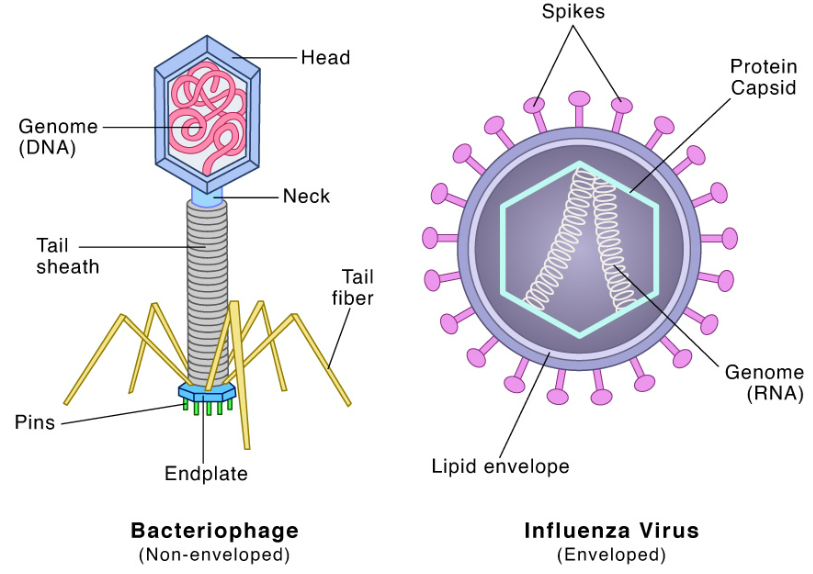
The outer covering of a virus is known as the capsid.
Functions
- Protects genetic material
- Maintains shape of virus
- Assists infection of host cells
The capsid is composed of protein molecules arranged in a specific pattern.
2. Genetic Material
- Inside the protein coat lies the virus’s genetic information.
- This genetic material may consist of: DNA or RNA
- A virus contains only one type of nucleic acid.
- Unlike living cells, viruses never contain both DNA and RNA simultaneously.
Function
The genetic material contains instructions for producing new virus particles inside the host cell.
🦠 Viral Reproduction
Viruses cannot reproduce independently.
The reproduction process begins when a virus enters a suitable host cell.
Step 1: Attachment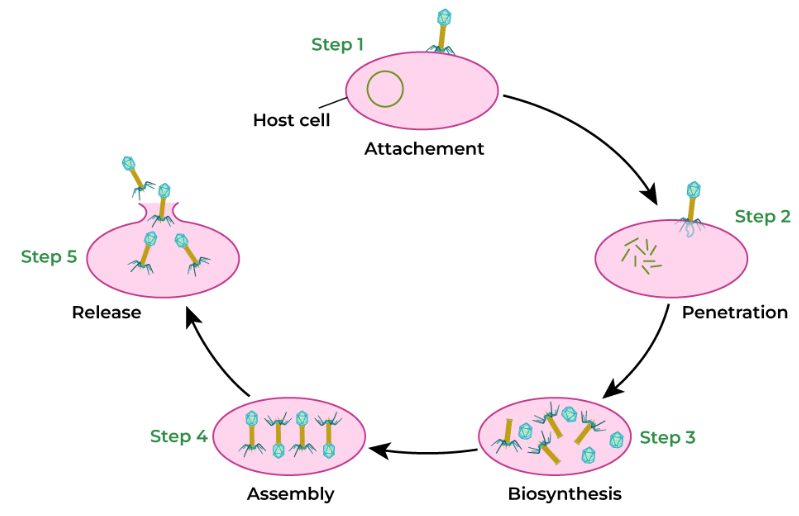
The virus attaches to the surface of a host cell.
Step 2: Entry
Viral genetic material enters the host cell.
Step 3: Takeover
The virus takes control of the host cell’s machinery.
Step 4: Replication
New viral DNA or RNA is produced.
New protein coats are manufactured.
Step 5: Assembly
New virus particles are assembled.
Step 6: Release
The host cell releases newly formed viruses, often causing damage or destruction to the cell.
Important Point
Viruses are described as obligate intracellular parasites because they can reproduce only inside living cells.
🌿 Tobacco Mosaic Virus (TMV)
Host
Tobacco plants and many other plant species.
Effects on Plants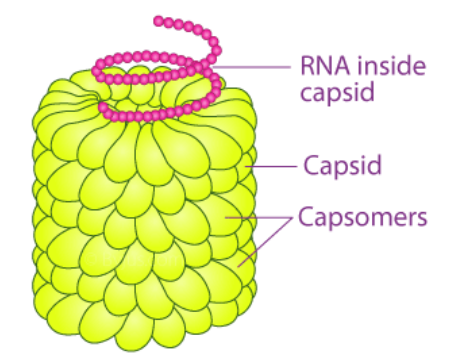
TMV infects leaf cells and interferes with chloroplast formation.
As a result:
- Chlorophyll production decreases
- Photosynthesis becomes less efficient
- Plant growth is reduced
Symptoms
Leaves develop:
- Yellow patches
- Green patches
- Mosaic-like appearance
This characteristic pattern gives the virus its name.
Importance – Reduced photosynthesis means less glucose production and lower crop yields.
🤒 Influenza Virus
Disease Caused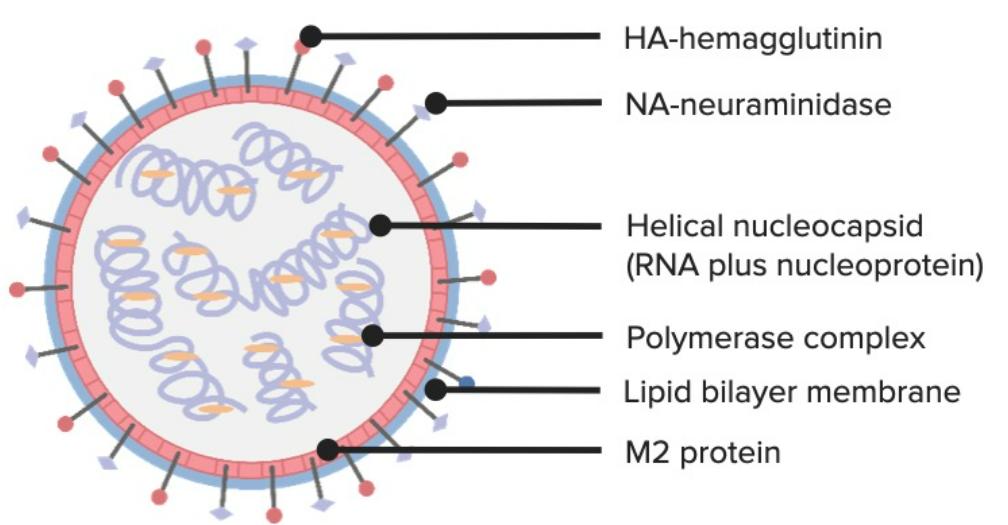
Influenza, commonly known as flu.
Effects on the Body
- The virus infects cells lining the respiratory tract.
This leads to:
- Fever
- Coughing
- Sore throat
- Headache
- Fatigue
The body’s immune response contributes to many of these symptoms.
Importance – Influenza spreads rapidly through airborne droplets released when infected individuals cough or sneeze.
🩸 Human Immunodeficiency Virus (HIV)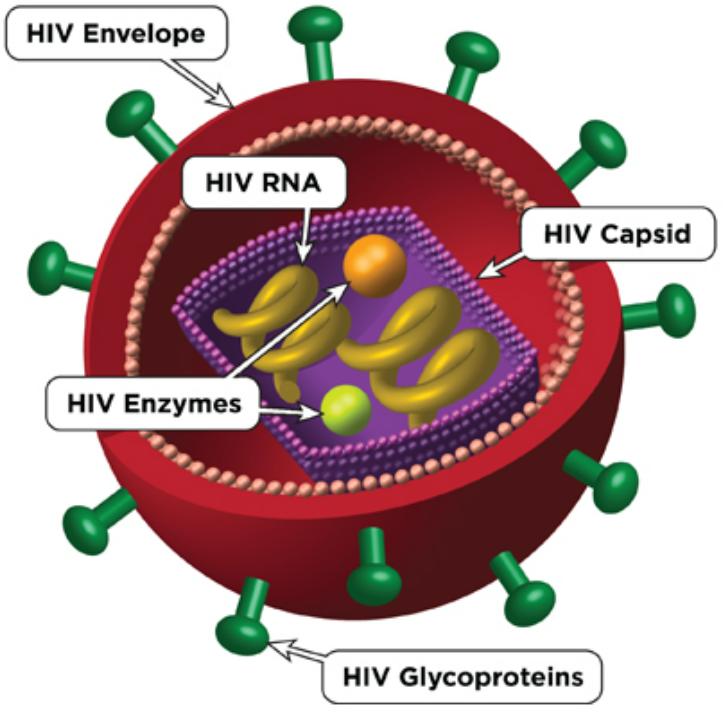
Disease Caused
AIDS (Acquired Immune Deficiency Syndrome)
How HIV Affects the Body
- HIV targets specific white blood cells that are essential for immune defence.
As these cells are destroyed:
- Immune responses become weaker
- Ability to fight infections decreases
- Risk of disease increases
Over time, the immune system may become severely compromised.
Importance – Because HIV weakens the body’s defence system, infections that would normally be controlled can become life-threatening.
📊 Summary Table
| Feature | Fungi | Bacteria | Protoctists | Viruses |
|---|---|---|---|---|
| Cell Type | Eukaryotic | Prokaryotic | Eukaryotic | Non-cellular |
| Living Organism | Yes | Yes | Yes | No |
| Nucleus Present | Yes | No | Yes | No |
| Cellular Structure | Present | Present | Present | Absent |
| Reproduction | Independent | Independent | Independent | Only inside host cells |
| Example | Athlete’s Foot Fungus | Pneumococcus | Plasmodium | HIV, Influenza, TMV |
⚡ Quick Recap
- Pathogens are disease-causing microorganisms or infectious agents.
- Four major pathogen groups are fungi, bacteria, protoctists, and viruses.
- Fungal pathogens obtain nutrients from living hosts and can cause infections such as athlete’s foot.
- Bacterial pathogens cause disease through toxin production and tissue damage.
- Plasmodium is a protoctist that causes malaria.
- Viruses are non-living infectious particles with no cellular structure.
- TMV damages plant leaves and reduces photosynthesis.
- Influenza virus causes flu by infecting the respiratory system.
- HIV attacks immune cells and can lead to AIDS.