
Balanced Diet
📝 Introduction
- A balanced diet means eating all the essential nutrients in the right proportions so that the body can grow, repair itself and stay healthy.
- No single food contains everything the body needs. That is why we should eat a variety of foods every day.
- Each nutrient has a different job. Together, they help the body function properly.
- Eating too much or too little of any nutrient can lead to health problems.
A balanced diet should include:
- Carbohydrates
- Proteins
- Lipids (fats and oils)
- Vitamins
- Minerals
- Water
- Dietary fibre
🍞 Carbohydrates
What are carbohydrates?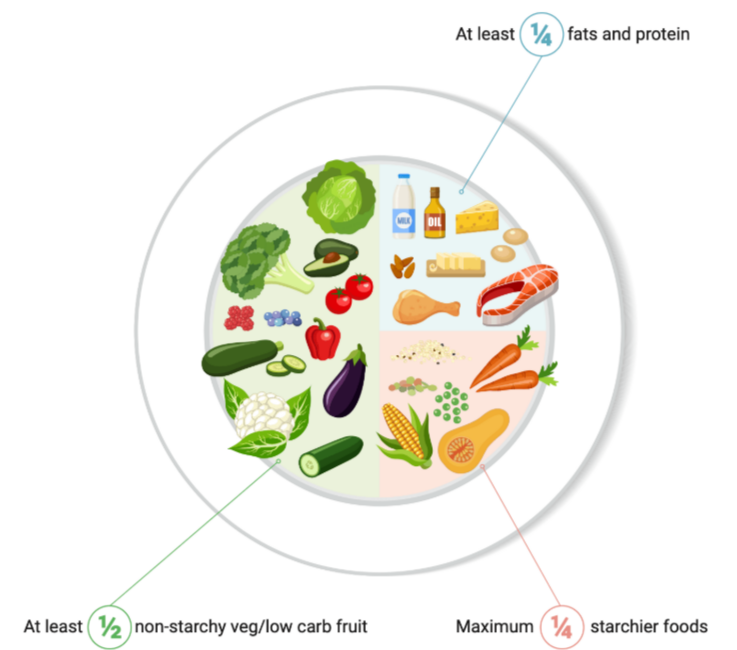
- Carbohydrates are the body’s main source of energy.
- During respiration, they are broken down into glucose, which releases energy for body activities.
- They provide quick energy needed for movement, growth and normal body functions.
Why are they important?
- Supply energy for muscles and organs.
- Fuel the brain and nervous system.
- Spare proteins from being used as an energy source.
- Excess carbohydrates are stored as glycogen in the liver and muscles. Any extra is converted into fat for long-term storage.
Food Sources
- Rice
- Bread
- Chapati
- Pasta
- Potatoes
- Cereals
- Fruits
Too little carbohydrate
- Low energy levels.
- Feeling tired and weak.
- Body starts using stored fat and proteins for energy.
Too much carbohydrate
- Extra glucose is stored as fat.
- Can lead to weight gain and obesity if energy intake is higher than energy use.
🍗 Proteins
What are proteins?
- Proteins are body-building nutrients.
- They are made from amino acids.
- Every cell in the body needs proteins for normal growth and repair.
Why are they important?
- Help the body grow.
- Repair damaged tissues.
- Make enzymes that control chemical reactions.
- Form hormones that regulate body functions.
- Produce antibodies that help fight diseases.
Food Sources
- Meat
- Fish
- Eggs
- Milk
- Cheese
- Beans
- Lentils
- Soy products
Too little protein
- Slow growth in children.
- Poor muscle development.
- Slow healing of wounds.
- Weak immune system.
🥑 Lipids (Fats and Oils)
What are lipids?
- Lipids include fats and oils.
- They are a concentrated source of stored energy.
Why are they important?
- Store energy for future use.
- Provide insulation to reduce heat loss.
- Protect delicate organs such as the kidneys and heart.
- Form part of cell membranes.
- Help absorb fat-soluble vitamins such as vitamins A, D, E and K.
Food Sources
- Butter
- Vegetable oils
- Nuts
- Seeds
- Cheese
- Avocado
- Oily fish
Too little lipid
- Less stored energy.
- Difficulty keeping warm.
- Poor absorption of some vitamins.
Too much lipid
- Can lead to obesity.
- Increases the risk of heart disease due to fat deposits in blood vessels.
🍊 Vitamins
What are vitamins?
- Vitamins are needed in small amounts, but they are essential for keeping the body healthy.
- They help many important chemical reactions happen normally.
Why are they important?
- Support normal growth.
- Keep tissues healthy.
- Help the immune system work properly.
- Prevent deficiency diseases.
🍽️ Common Examples
Vitamin C
- Helps make healthy skin and gums.
- Aids wound healing.
- Keeps blood vessels healthy.
- Deficiency causes scurvy.
Vitamin D
- Helps absorb calcium.
- Keeps bones and teeth strong.
- Deficiency may cause rickets in children.
Food Sources
- Fruits
- Vegetables
- Dairy products
- Eggs
- Oily fish
🦴 Minerals
What are minerals?
- Minerals are inorganic nutrients needed in small amounts.
- They help the body carry out many important functions.
Important Minerals
Calcium
- Needed for strong bones and teeth.
- Helps muscles contract normally.
- Needed for blood clotting.
Iron
- Needed to make haemoglobin in red blood cells.
- Helps transport oxygen around the body.
- Iron deficiency can cause anaemia.
Food Sources
- Milk
- Cheese
- Yogurt
- Red meat
- Spinach
- Beans
💧 Water
Why is water important?
- Water makes up a large part of the human body.
- Every cell needs water to survive.
Functions of water
- Acts as a solvent for many substances.
- Transports nutrients and waste in the blood.
- Helps chemical reactions take place inside cells.
- Controls body temperature through sweating.
- Prevents dehydration.
- Keeps cells functioning normally.
Sources
- Drinking water.
- Milk and juices.
- Fruits and vegetables with high water content.
🌾 Dietary Fibre (Roughage)
What is dietary fibre?
- Dietary fibre is mainly made of cellulose, which cannot be digested by humans.
- Although it is not digested, it is still an important part of a healthy diet.
Why is dietary fibre important?
- Adds bulk to food.
- Helps food move smoothly through the digestive system.
- Supports regular bowel movements.
- Prevents constipation.
- Helps maintain a healthy digestive system.
Food Sources
- Wholegrain bread
- Brown rice
- Oats
- Fruits
- Vegetables
- Beans
Too little fibre
- Constipation.
- Slow movement of food through the intestine.
- Poor digestive health.
⚖️ Why Must a Diet Be Balanced?
A balanced diet helps to:
- Provide enough energy for daily activities.
- Support normal growth and body repair.
- Keep bones, muscles and organs healthy.
- Maintain a healthy body weight.
- Reduce the risk of deficiency diseases.
- Help the immune system fight infections.
- Keep the digestive system working properly.
📊 Summary Table
| Nutrient | Main Function | Common Food Sources | Problems if Deficient |
|---|---|---|---|
| Carbohydrates | Main source of energy | Rice, bread, potatoes, pasta | Low energy, tiredness |
| Proteins | Growth and repair, enzymes, hormones | Meat, eggs, fish, beans | Poor growth, weak muscles |
| Lipids | Energy storage, insulation, organ protection | Butter, oils, nuts, cheese | Low energy reserves, poor insulation |
| Vitamins | Keep the body healthy and prevent deficiency diseases | Fruits, vegetables, dairy | Deficiency diseases such as scurvy or rickets |
| Minerals | Strong bones, healthy blood and normal body functions | Milk, spinach, meat | Weak bones, anaemia |
| Water | Transport, chemical reactions, temperature control | Water, fruits, vegetables | Dehydration |
| Dietary Fibre | Healthy digestion and prevents constipation | Whole grains, fruits, vegetables | Constipation |
⚡ Quick Recap
A balanced diet contains all nutrients in the correct proportions.
Carbohydrates provide the body’s main source of energy.
Proteins are needed for growth, repair and making enzymes and hormones.
Lipids store energy, insulate the body and protect organs.
Vitamins keep the body healthy and prevent deficiency diseases.
Minerals support healthy bones, teeth, blood and other body functions.
Water is needed for transport, chemical reactions and temperature control.
Dietary fibre keeps food moving through the gut and prevents constipation.