
Components of a Balanced Diet – Sources & Functions
📝 Introduction
- Our body needs different nutrients every day to stay healthy and work properly.
- Each nutrient has a specific function, so no single food can provide everything our body needs.
- Eating a variety of foods helps us get all the nutrients in the right amounts.
A balanced diet should include:
- Carbohydrates
- Proteins
- Lipids (fats and oils)
- Vitamins (A, C and D)
- Minerals (Calcium and Iron)
- Water
- Dietary fibre
🍞 Carbohydrates
Main Function
- Carbohydrates are the main source of energy for the body.
- They are broken down into glucose during digestion.
- Glucose is used in respiration to release energy.
- Any extra glucose is stored as glycogen in the liver and muscles.
- If glycogen stores become full, the remaining glucose is converted into fat.
Sources
- Rice
- Bread
- Chapati
- Pasta
- Potatoes
- Cereals
- Corn
- Sugar
- Fruits
Why are they important?
- Provide energy for daily activities.
- Supply energy to the brain and muscles.
- Help proteins perform their main job instead of being used for energy.
🍗 Proteins
Main Function
- Proteins are needed for growth and repair of body tissues.
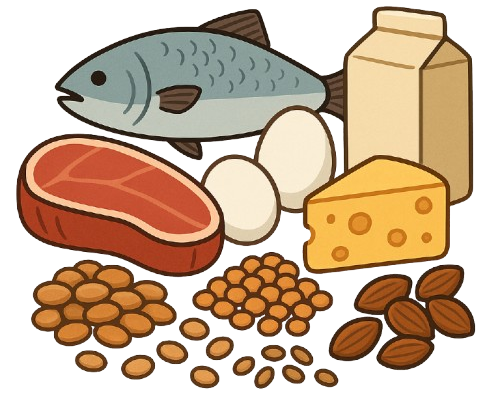
- They help replace worn-out or damaged cells.
- Proteins are also used to make:
- Enzymes
- Hormones
- Antibodies
- During long periods without enough carbohydrates or fats, proteins can also be used as an energy source.
Sources
- Meat
- Fish
- Eggs
- Milk
- Cheese
- Beans
- Lentils
- Soybeans
- Nuts
Why are they important?
- Build muscles and body tissues.
- Support normal growth.
- Help wounds heal faster.
- Protect the body against infections through antibodies.
🥑 Lipids (Fats and Oils)
Main Function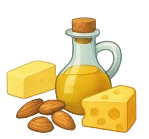
- Lipids are the body’s long-term energy store.
- They release more energy than carbohydrates when broken down.
- Fat is stored under the skin and around organs.
Sources
- Butter
- Vegetable oils
- Cheese
- Nuts
- Seeds
- Avocados
- Oily fish
Why are they important?
- Store energy for future use.
- Keep the body warm by reducing heat loss.
- Protect delicate organs from injury.
- Form part of cell membranes.
- Help absorb fat-soluble vitamins (A, D, E and K).
🥕 Vitamin A
Main Function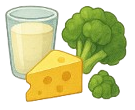
- Vitamin A helps keep the eyes healthy.
- It is especially important for seeing in dim light.
- It also helps maintain healthy skin and body tissues.
- Supports the immune system in fighting infections.
Sources
- Carrots
- Sweet potatoes
- Spinach
- Liver
- Milk
- Cheese
- Eggs
Why is it important?
- Maintains normal vision.
- Keeps skin healthy.
- Supports healthy growth.
- Helps the body resist infections.
🍊 Vitamin C
Main Function
- Vitamin C is needed to make collagen, an important protein found in skin, gums, blood vessels and connective tissues.
- It helps damaged tissues repair quickly.
Sources
- Oranges
- Lemons
- Strawberries
- Tomatoes
- Bell peppers
- Broccoli
- Kiwi fruit
Why is it important?
- Helps wounds heal.
- Keeps gums healthy.
- Maintains healthy skin.
- Strengthens connective tissues.
- Helps support the immune system.
☀️ Vitamin D
Main Function
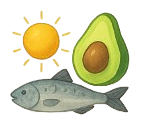
- Vitamin D helps the body absorb calcium from food.
- It is essential for building strong bones and teeth.
Sources
- Sunlight (made in the skin)
- Oily fish
- Egg yolk
- Fortified milk
- Butter
Why is it important?
- Helps calcium enter the blood.
- Keeps bones hard and strong.
- Supports healthy teeth.
- Helps normal bone growth in children.
🦴 Calcium
Main Function
- Calcium is the main mineral needed for healthy bones and teeth.
- It also helps muscles and nerves work normally.
Sources
- Milk
- Cheese
- Yogurt
- Green leafy vegetables
- Sardines
Why is it important?
- Builds strong bones.
- Keeps teeth healthy.
- Helps muscles contract.
- Helps blood clot after an injury.
- Supports normal nerve function.
🩸 Iron
Main Function
- Iron is needed to make haemoglobin, the red pigment inside red blood cells.
- Haemoglobin carries oxygen from the lungs to all body cells.
Sources
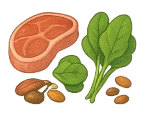
- Red meat
- Liver
- Spinach
- Beans
- Lentils
- Fortified cereals
Why is it important?
- Helps transport oxygen around the body.
- Supports respiration by delivering oxygen to cells.
- Helps reduce tiredness by maintaining healthy red blood cells.
💧 Water
Main Function
- Water is one of the most important substances in the body.
- Every cell depends on water to function properly.
Sources
- Drinking water
- Milk
- Fruit juices
- Fruits
- Vegetables
Why is it important?
- Acts as a solvent for many substances.
- Transports nutrients and waste in the blood.
- Helps chemical reactions happen inside cells.
- Regulates body temperature through sweating.
- Prevents dehydration.
- Keeps cells hydrated.
🌾 Dietary Fibre (Roughage)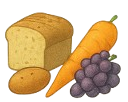
Main Function
- Dietary fibre is made mainly from cellulose found in plant cell walls.
- Humans cannot digest fibre, but it is still essential for a healthy digestive system.
Sources
- Wholegrain bread
- Brown rice
- Oats
- Fruits
- Vegetables
- Beans
- Cereals
Why is it important?
- Adds bulk to food.
- Helps food move through the intestines.
- Supports regular bowel movements.
- Prevents constipation.
- Maintains good digestive health.
🌟 Why Does the Body Need All These Nutrients Together?
A healthy diet should include all nutrients because each one has a different role.
- Carbohydrates provide energy.
- Proteins build and repair the body.
- Lipids store energy and protect organs.
- Vitamins keep body processes working normally.
- Minerals support healthy bones, blood and muscles.
- Water keeps every cell functioning.
- Dietary fibre keeps the digestive system healthy.
📊 Summary Table
| Nutrient | Main Sources | Main Functions |
|---|---|---|
| Carbohydrates | Rice, bread, potatoes, cereals | Main source of energy for respiration |
| Proteins | Meat, fish, eggs, beans, milk | Growth, repair, enzymes, hormones and antibodies |
| Lipids | Butter, oils, nuts, cheese | Energy storage, insulation, organ protection, cell membranes |
| Vitamin A | Carrots, spinach, liver, dairy | Healthy vision, skin and immune system |
| Vitamin C | Citrus fruits, tomatoes, peppers | Collagen production, wound healing, healthy gums |
| Vitamin D | Sunlight, oily fish, eggs | Helps absorb calcium, strong bones and teeth |
| Calcium | Milk, cheese, yogurt, leafy vegetables | Bones, teeth, blood clotting and muscle contraction |
| Iron | Red meat, liver, spinach, beans | Makes haemoglobin for oxygen transport |
| Water | Water, drinks, fruits, vegetables | Transport, chemical reactions and temperature control |
| Dietary Fibre | Whole grains, fruits, vegetables | Healthy digestion and prevents constipation |
⚡ Quick Recap
Carbohydrates → Main source of energy.
Proteins → Growth, repair, enzymes and antibodies.
Lipids → Store energy, insulate the body and protect organs.
Vitamin A → Healthy vision, skin and immunity.
Vitamin C → Collagen production and wound healing.
Vitamin D → Helps absorb calcium for strong bones.
Calcium → Healthy bones, teeth, muscles and blood clotting.
Iron → Makes haemoglobin to carry oxygen.
Water → Transport, chemical reactions and temperature control.
Dietary Fibre → Keeps the digestive system healthy and prevents constipation.