
▶️ Answer/Explanation
(a)(i) C (maltose)
(a)(ii) C (2 and 3 only)
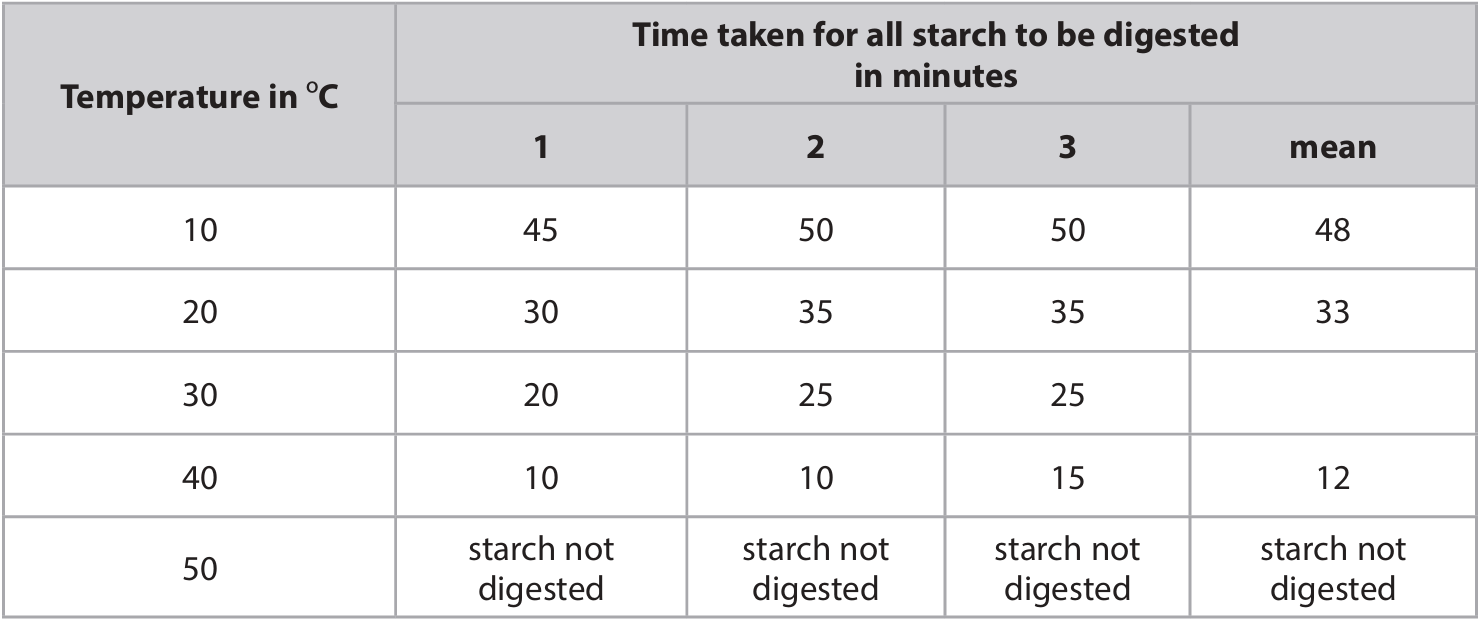
(b)(i) to reach temperature / bring to temperature / make sure at 10°C / equilibrate / warm up
(b)(ii) • add iodine (solution) (1)
• black / (dark) blue (colour) (1)
(c)(i) \(\frac{20 + 25 + 25}{3} = \frac{70}{3} = 23.333…\)
Mean time = 23 minutes (to two significant figures)
(c)(ii) An explanation that makes reference to two of the following:
• increased (kinetic) energy (1)
• faster movement (of enzyme and substrate) / more collisions / greater rate of collisions / more enzyme-substrate complexes (1)
• reaches optimum temperature for enzymes (1)
(c)(iii) An explanation that makes reference to two of the following:
• enzyme denatures / amylase denatures (1)
• active site changes shape / enzyme is not complementary to substrate (1)
• substrate / starch no longer binds / fits (1)
(c)(iv) An explanation that makes reference to two of the following:
• use smaller temperature intervals / use 5°C intervals / use 1°C intervals (1)
• between 30 and 40 / between 30 and 50 / between 40 and 50 / the rate may be faster at temperatures above or below 40 / optimal may not be at 40 (1)
• use smaller time intervals (1)
• as similar recorded times may actually be different (1)
▶️ Answer/Explanation
(a) \( C_6H_{12}O_6 + 6O_2 \rightarrow 6CO_2 + 6H_2O \)
(b)(i) An explanation that makes reference to two of the following:
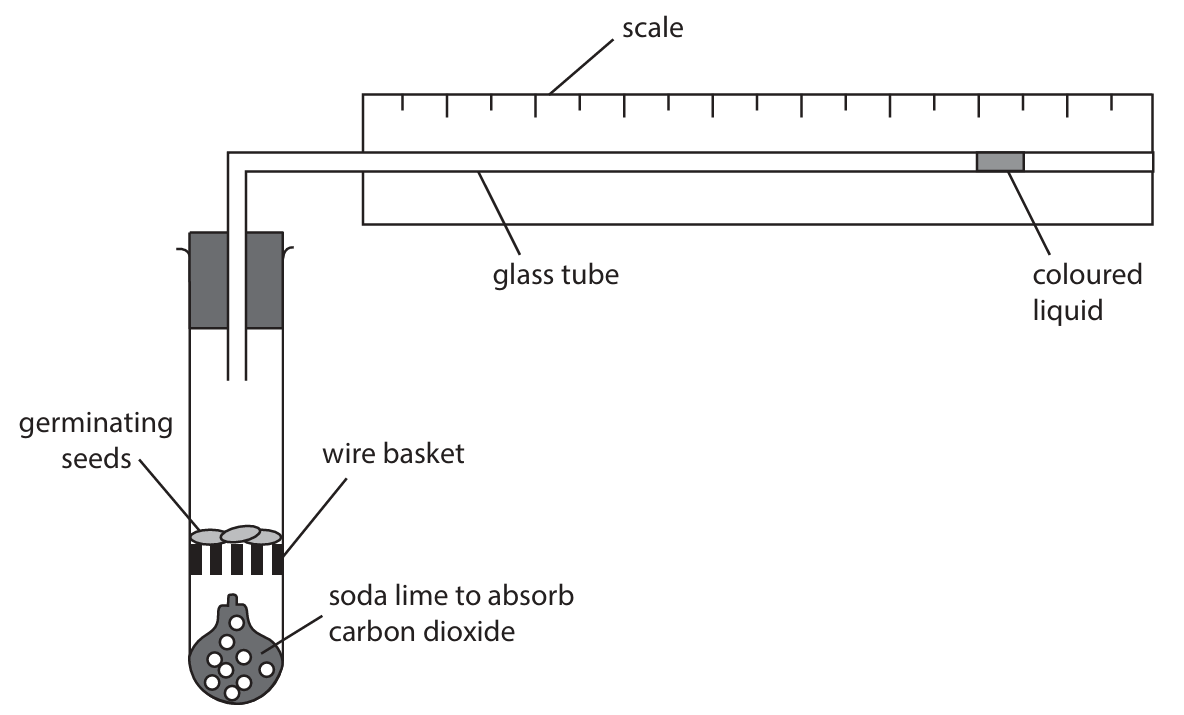
• The bubble would not move / \( CO_2 \) also moves / shifts the bubble (1)
• Carbon dioxide is produced/released (1)
• Only oxygen consumption is measured (1)
(b)(ii) • Use a water bath (1)
(c)(i) \( 22 + 25 + 24 = 71 \)
\( 71 \div 3 = 23.7 \) (or 24) mm (2)
(c)(ii) An explanation that makes reference to three of the following:
• Increases (kinetic) energy of molecules / molecules move faster (1)
• Collide more frequently / form more enzyme-substrate complexes (1)
• Respiration (rate) increases (1)
• More oxygen consumed / oxygen used faster (1)
• Reference to/nearer to optimum temperature for enzymes (1)



▶️ Answer/Explanation
(a) To ensure that the enzyme (lipase), substrate (lipid in milk), and all solutions reach the correct temperature (20°C) before starting the reaction.
Explanation: Enzymes are sensitive to temperature, and their activity is highly dependent on it. By placing both the test tube containing the substrate mixture and the beaker containing the enzyme in the water bath for 5 minutes, the student ensures that all components are at the same, precise temperature specified for that trial (e.g., 20°C). This is crucial because if the enzyme and substrate were at different temperatures when mixed, it would not give a true measure of the reaction rate at the intended temperature. The 5-minute duration allows sufficient time for thermal equilibrium to be reached throughout the solutions.
(b)(i) The time taken for the contents to lose their pink colour / The rate of reaction.
(b)(ii) Volume of lipase / Volume of milk / Volume of sodium carbonate solution / Number of drops of phenolphthalein / Concentration of solutions.
Explanation: The dependent variable is what is being measured, which in this case is the time it takes for the pink colour to disappear. This time is inversely related to the rate of the enzyme-catalyzed reaction. The student controls several variables to ensure a fair test. These include the volumes of lipase, milk, and sodium carbonate solution used each time, the number of drops of phenolphthalein indicator, and the concentrations of all solutions. By keeping these factors constant, any change in the reaction time can be confidently attributed to the independent variable, which is temperature.
(c) To act as a pH indicator, showing when all the lipid has been digested by signaling the pH change caused by the production of fatty acids.
Explanation: Phenolphthalein is a pH indicator that is pink in alkaline conditions (above pH ~8.3) and colorless in neutral or acidic conditions. Sodium carbonate solution is alkaline, making the initial mixture pink. As lipase digests the lipid (triglyceride) in milk, it produces fatty acids and glycerol. The fatty acids lower the pH of the solution. When enough fatty acids have been produced to neutralize the alkali and lower the pH below ~8.3, the phenolphthalein changes from pink to colorless. Therefore, the indicator provides a visual, qualitative endpoint for the reaction, allowing the student to measure how long the digestion takes under different conditions.
(d)
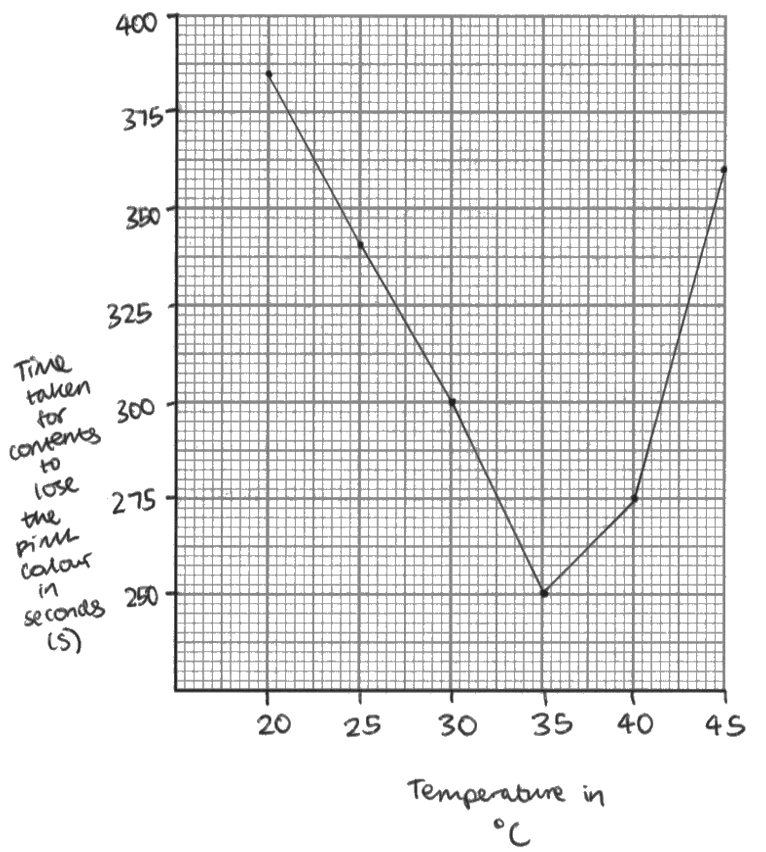
The student should plot a graph of temperature (independent variable) on the x-axis against time taken (dependent variable) on the y-axis. The points should be plotted accurately, and a line of best fit should be drawn. The graph will likely show that the time decreases as temperature increases from 20°C to 35°C (optimum), indicating an increase in reaction rate. After 35°C, the time increases (at 40°C and 45°C), indicating a decrease in reaction rate as the enzyme begins to denature.
(e) Increasing temperature (up to the optimum) gives molecules more kinetic energy. This causes them to move faster and collide more frequently and with more energy. This increases the rate of successful collisions between enzyme (lipase) and substrate (lipid) molecules, forming more enzyme-substrate complexes per second. Consequently, lipid is digested faster, fatty acids are produced more quickly, the pH drops faster, and the time taken for the colour to change decreases. However, beyond the optimum temperature (around 35-40°C in this case), the increased energy causes the vibrational energy within the enzyme molecule to become too high. This breaks the hydrogen bonds and other forces holding the enzyme’s specific 3D shape, particularly the active site. The active site changes shape and can no longer bind to the substrate molecule. The enzyme is denatured. With fewer functional enzymes available, the rate of reaction decreases, and the time taken for the colour change increases, as seen at 40°C and 45°C.
▶️ Answer/Explanation
(a)(i) Answer: B (carbon, hydrogen, and oxygen only)
Explanation: Carbohydrates are organic compounds composed solely of carbon (C), hydrogen (H), and oxygen (O) atoms. The general formula for many carbohydrates is Cₓ(H₂O)ᵧ, which is why they are called “carbohydrates” or “hydrates of carbon”. Lactose, the sugar in milk, is a disaccharide made up of these three elements. Options including nitrogen are incorrect as nitrogen is found in proteins and nucleic acids, not in carbohydrates.
(a)(ii) Answer: Use the biuret test.
Explanation: To test for protein in a sample of milk, you would perform the biuret test. First, add a few drops of sodium hydroxide solution (NaOH) to the milk sample to make it alkaline. Then, add a few drops of copper(II) sulfate solution. If protein is present, the solution will change color from blue to a violet or purple hue. This color change occurs due to the reaction between the peptide bonds in the proteins and the copper ions in an alkaline environment.
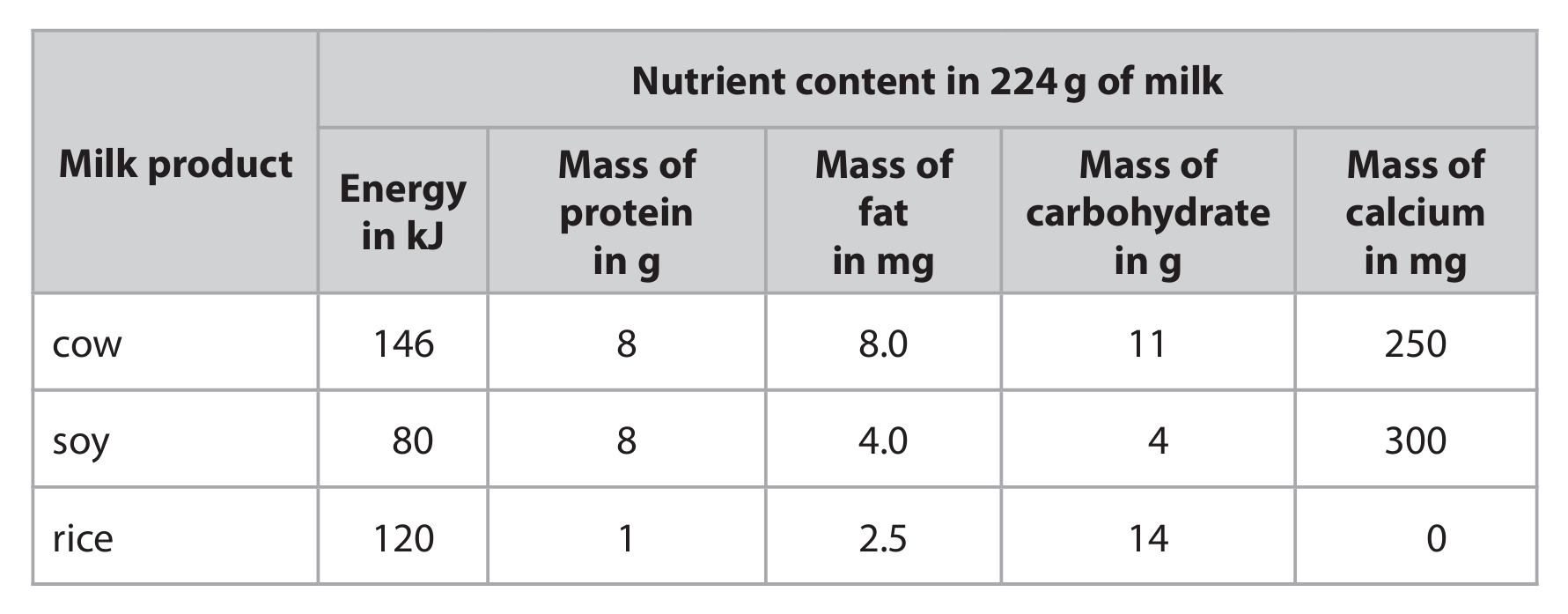
(b)(i) Answer: 1254.4 g (accept 1250 g or 1300 g)
Explanation: This is a simple proportionality calculation based on the data provided. The table states that 224 g of cow’s milk contains 250 mg of calcium. We need to find the mass (X) that contains 1400 mg.
The calculation is set up as: (224 g / 250 mg) = (X g / 1400 mg)
Solving for X: X = (224 g × 1400 mg) / 250 mg
First, calculate 224 × 1400 = 313,600
Then, divide by 250: 313,600 / 250 = 1254.4
Therefore, the mass of cow’s milk needed is 1254.4 grams. This can be rounded to 1250 g or 1300 g considering significant figures or practical measurement.
(b)(ii) Answer: When evaluating soy milk and rice milk as replacements for cow’s milk for children, we must compare their nutritional profiles to cow’s milk and consider the dietary needs of growing children.
Regarding Soy Milk: Soy milk has the same amount of protein as cow’s milk (8 g per 224 g serving), which is crucial for growth and repair in children. It also contains more calcium (300 mg vs. 250 mg). However, it provides significantly less energy (80 kJ vs. 146 kJ) and less fat (4.0 mg vs. 8.0 mg). While lower fat can be beneficial, fats are a dense energy source important for active children and for absorbing fat-soluble vitamins. The carbohydrate content is also lower (4 g vs. 11 g). The lower energy content might mean a child needs to consume more overall to meet their energy requirements, potentially leading to less room for other varied foods.
Regarding Rice Milk: Rice milk is a very poor source of protein compared to cow’s milk (1 g vs. 8 g). A severe lack of protein can lead to conditions like kwashiorkor, impairing growth and development. It contains no calcium, which is essential for building strong bones and teeth; a deficiency can lead to rickets. While its energy content (120 kJ) is closer to cow’s milk than soy milk is, and it has more carbohydrates (14 g), these are not sufficient to offset the critical lack of protein and calcium. The fat content is also lower (2.5 mg).
Conclusion: Soy milk, with its high protein and calcium content, is a much more suitable replacement for cow’s milk than rice milk. It is nutritionally closer, though attention may need to be paid to ensuring the child gets enough energy and fats from other dietary sources. Rice milk is not a suitable replacement due to its extremely low protein and zero calcium content, which would be detrimental to a child’s growth and development if used as a primary milk source.
▶️ Answer/Explanation
(a) (i)
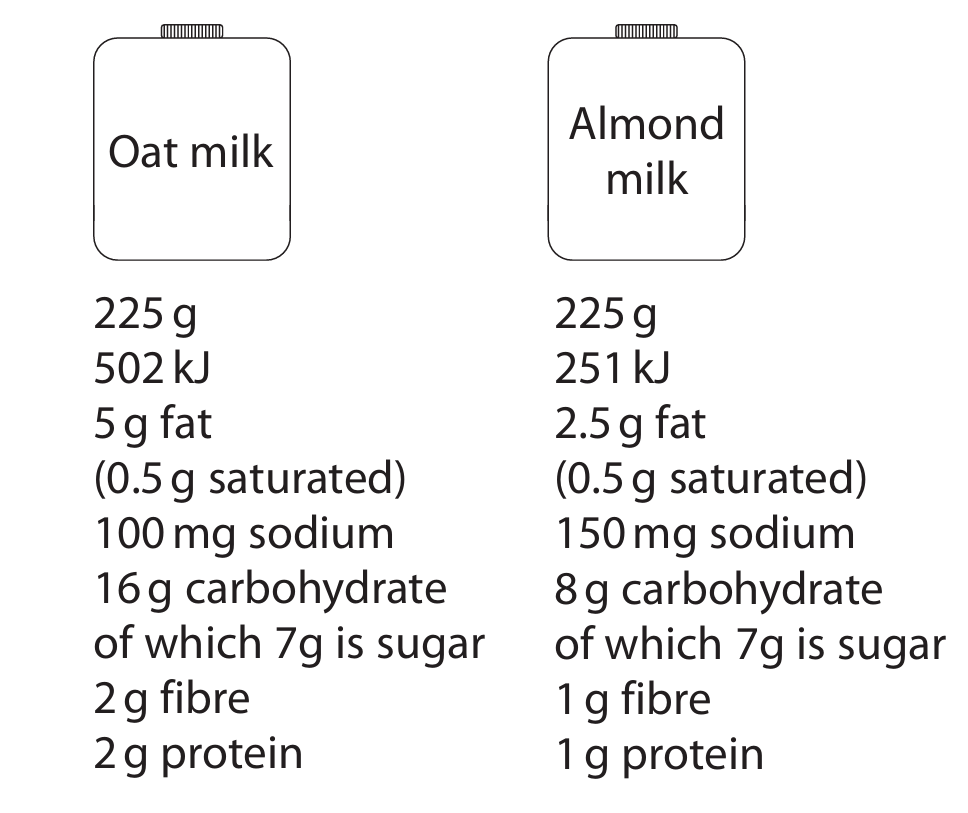
Almond milk would be the most suitable for a person trying to lose weight.
Explanation: Weight loss fundamentally depends on achieving a negative energy balance, where energy expenditure exceeds energy intake. When comparing the two milks per 225g serving, almond milk provides only 251 kJ of energy, which is half the energy content of oat milk (502 kJ). Consuming fewer calories from beverages can significantly contribute to an overall calorie deficit without requiring drastic changes to solid food intake.
Furthermore, almond milk contains only 2.5g of total fat, compared to 5g in oat milk. While the saturated fat content is the same (0.5g), a lower overall fat intake can be beneficial for weight management as fats are energy-dense. Almond milk also has half the carbohydrate content (8g vs. 16g) and half the protein content (1g vs. 2g). Although protein is important for satiety (feeling full), the difference of 1g is minimal in the context of an entire diet. The significantly lower energy (calorie) content of almond milk is the most decisive factor for weight loss. It is also important to note that both milks contain the same amount of sugar (7g), so there is no advantage for either on that point. A successful weight loss strategy involves the entire diet and exercise regimen, but choosing lower-calorie alternatives like almond milk can be a simple and effective step.
(a) (ii)
Explanation: A person might choose non-dairy milk like oat or almond milk over cow’s milk for several reasons. A very common reason is lactose intolerance, where an individual lacks sufficient amounts of the enzyme lactase needed to digest the lactose sugar found in cow’s milk, leading to digestive discomfort. Others may have a genuine milk allergy (an immune response to milk proteins). People following a vegan lifestyle abstain from all animal products, including cow’s milk. Some may also choose plant-based milks due to personal preferences, such as a desire to reduce saturated fat intake (though many plant milks are low in sat fat) or due to concerns about animal welfare in the dairy industry.
(b)
Explanation: To test a milk sample for glucose, a student could perform the Benedict’s test. First, they would place a sample of the milk in a clean test tube. It is often advisable to dilute the milk or filter it to reduce its opacity, which can make colour changes easier to see. Then, they would add an equal volume of Benedict’s reagent (a blue solution containing copper sulfate) to the test tube. The test tube would be placed in a water bath and heated at about 70-80°C for 5 minutes. If glucose (a reducing sugar) is present, the blue Benedict’s reagent will change colour. The final colour indicates the approximate concentration: green for a low concentration, yellow/orange for a medium concentration, and a brick-red precipitate for a high concentration of reducing sugar. The appearance of any colour other than blue indicates a positive test for reducing sugars like glucose.
(c)
Explanation: The special proteins in human breast milk that provide immunity are antibodies, specifically a type called IgA. These antibodies help protect the baby through a process called passive immunity. The mother’s body produces these antibodies in response to pathogens (like bacteria and viruses) she has encountered. The antibodies are then secreted into her breast milk. When the baby consumes the milk, these antibodies line the baby’s digestive and respiratory tracts. They work by recognizing and binding to specific antigens on the surface of pathogens. This binding can neutralize the pathogens, preventing them from infecting the baby’s cells, or it can clump them together (agglutination) making it easier for the baby’s immune cells to identify and destroy them. This provides crucial protection for the newborn while its own immune system is still developing and is not yet fully capable of fighting off infections on its own.
▶️ Answer/Explanation
(a)
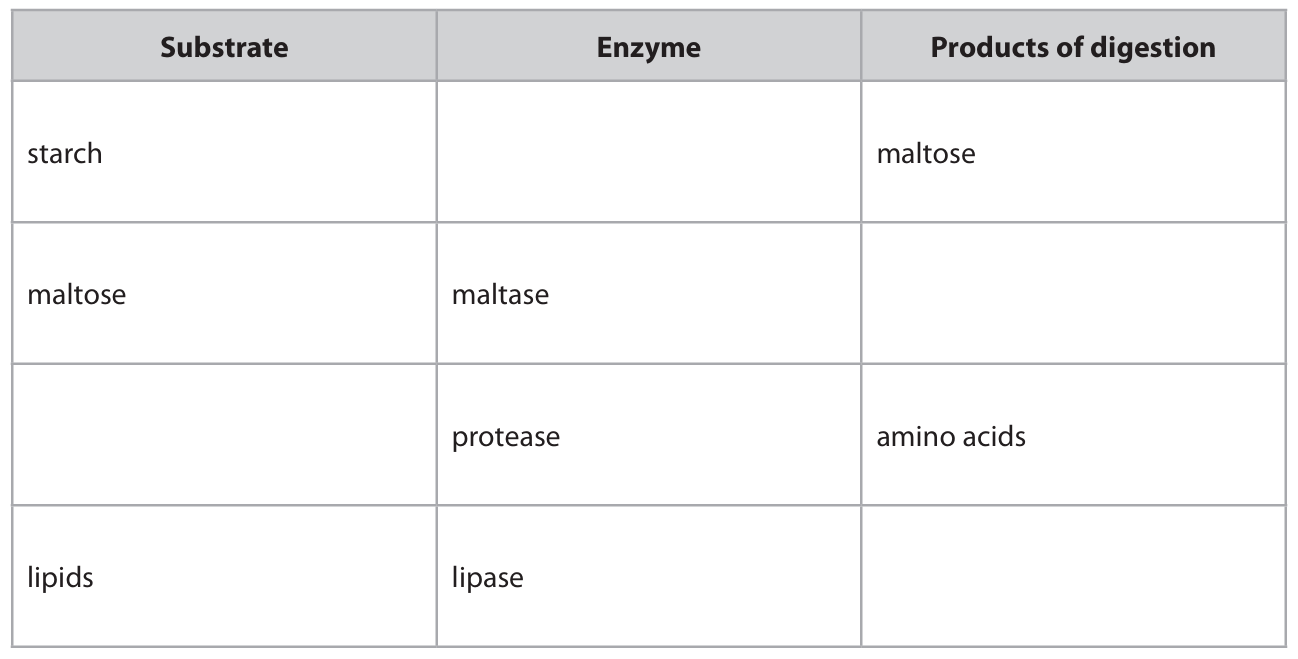
| Substrate | Enzyme | Products of digestion |
|---|---|---|
| starch | amylase | maltose |
| maltose | maltase | glucose |
| proteins / peptides / polypeptides | protease | amino acids |
| lipids | lipase | fatty acids / glycerol |
Explanation: The table is completed using knowledge of digestive enzymes and their specific substrates and products. Starch is broken down by the enzyme amylase into maltose. Maltose is further broken down by maltase into glucose. The enzyme protease breaks down proteins (or peptides/polypeptides) into amino acids. Finally, lipids are digested by the enzyme lipase into fatty acids and glycerol.
(b)
Designed Investigation:
To investigate the effect of vinegar (a weak acid) on the digestion of starch, one could set up the following experiment:
- Control Variable (C): Use different concentrations of vinegar (e.g., 0%, 1%, 5%, 10% vinegar solutions) or a range of pH values to treat the starch samples. This allows you to see how the acidity level affects the rate of digestion. (1 mark)
- Organism/Variable (O): Use the same mass of starch for each test. This could be in the form of a flour paste, a piece of bread, or a solution of known starch concentration. Keeping the amount of starch constant ensures that any differences observed are due to the vinegar and not the amount of substrate. (1 mark)
- Repeats (R): Repeat the experiment for each concentration of vinegar to ensure the results are reliable and to identify any anomalies. (1 mark)
- Measurement 1 (M1): Use iodine solution to test for the presence of starch at regular time intervals. Iodine turns blue-black in the presence of starch. (1 mark)
- Measurement 2 (M2): Measure the time it takes for the starch to be completely digested in each sample, indicated by the iodine test no longer turning blue-black (it remains orange/yellow). Alternatively, one could use Benedict’s test to measure the appearance of the sugar product (maltose) over time. (1 mark)
- Standardization (S1 & S2): Control all other variables to make it a fair test. This includes:
- Using a water bath to maintain the same temperature for all samples. (S1)
- Using the same volume and concentration of the amylase enzyme solution.
- Using the same volume of the vinegar solutions (if concentration is the variable).
- Allowing the same reaction time for each test before performing the iodine test. (S2)
(1 mark)
Explanation: This investigation is designed to be a fair test. The independent variable is the concentration of vinegar (acidity). The dependent variable is the time taken for starch digestion or the amount of product formed. By controlling all other factors (temperature, enzyme concentration, starch amount, volume), any change in the digestion rate can be confidently attributed to the effect of the vinegar. Iodine is used as a qualitative test for starch disappearance, providing a clear visual endpoint for the reaction. Repeats ensure the results are consistent.

▶️ Answer/Explanation
(a)(i) D
Explanation: The nucleus is the control center of the cell, containing genetic material. In the diagram, structure D is correctly identified as the nucleus. The other options are incorrect: A is the vacuole, B is the cytoplasm, and C is the cell membrane.
(a)(ii) A
Explanation: Human white blood cells do not contain a large, permanent vacuole, which is a characteristic feature of plant cells. Structure A represents the vacuole. The other structures – cytoplasm (B), cell membrane (C), and nucleus (D) – are all present in human white blood cells.
(a)(iii) D
Explanation: Starch is the main storage carbohydrate in plant cells, including root cells. Glucose (A) is a simple sugar used for energy, not storage. Glycerol (B) is a component of lipids, not a carbohydrate. Glycogen (C) is the storage carbohydrate in animal and fungal cells, not plants.
(b) magnification = ×400
Explanation: To calculate magnification, we use the formula:
Magnification = Image Size ÷ Actual Size
First, we measure the image width (from P to Q) in the diagram. Let’s assume the measured length is 50 mm.
Next, we convert the actual width from micrometers to millimeters for consistent units:
125 μm = 125 ÷ 1000 = 0.125 mm
Alternatively, we can convert the image size to micrometers:
50 mm = 50 × 1000 = 50,000 μm
Now we apply the formula:
Magnification = 50 mm ÷ 0.125 mm = 400
Or:
Magnification = 50,000 μm ÷ 125 μm = 400
Therefore, the magnification of the diagram is ×400.
▶️ Answer/Explanation
(a)(i)
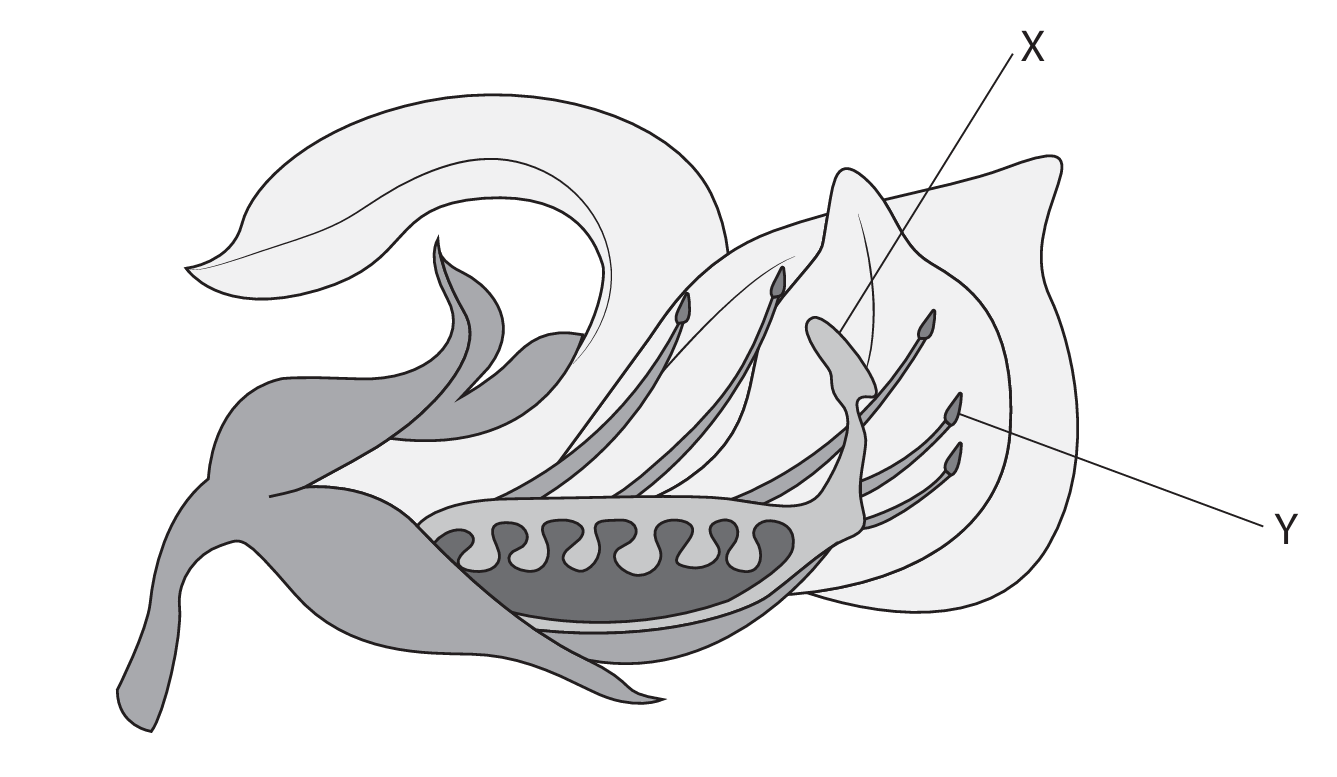
X: stigma
Y: anther
Explanation: In a typical pea flower, structure X is the stigma, which is the receptive tip of the carpel (female part) where pollen lands during pollination. Structure Y is the anther, which is the part of the stamen (male part) that produces and releases pollen grains.
(a)(ii)
Explanation: The flower is adapted for insect pollination. Two structures that indicate this are the large, brightly coloured petals and the positioning of the anthers and stigma within the flower. The large petals serve to attract insect pollinators like bees by being visually conspicuous. The anthers (structure Y) are positioned inside the flower, and the stigma (structure X) is also located within the flower and is not feathery. This internal positioning means that when an insect enters the flower to reach nectar, it will brush against both the anthers, picking up pollen, and the stigma, depositing pollen from previous flowers, thereby facilitating cross-pollination.
(b)(i)
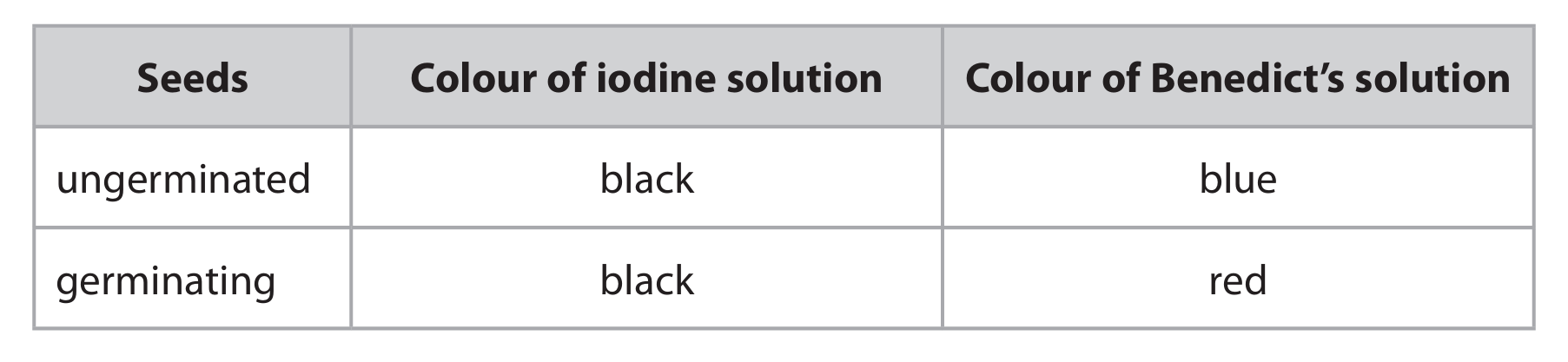
Ungerminated seeds: starch
Germinating seeds: starch and glucose/sugar/maltose
Explanation: The scientist identified starch in both seed types because the iodine test turned black, which is a positive result for starch. In the ungerminated seeds, Benedict’s test remained blue, indicating no reducing sugars were present. However, in the germinating seeds, Benedict’s test turned red, which is a positive result for reducing sugars like glucose, maltose, or other simple sugars.
(b)(ii)
Explanation: The difference arises because germination triggers metabolic activity. In ungerminated seeds, starch is the main storage carbohydrate; it’s insoluble and doesn’t affect the seed’s water potential, making it ideal for long-term storage. During germination, the seed takes up water, activating enzymes like amylase. These enzymes catalyze the breakdown (hydrolysis) of starch into smaller, soluble molecules like maltose and glucose. These sugars are then used as a respiratory substrate to produce energy (ATP) required for the growth of the embryonic plant until it can photosynthesize. Therefore, germinating seeds contain both the remaining starch and the newly produced sugars.
(b)(iii)
Explanation: The jars are left unsealed to allow for gas exchange. Germination is an active metabolic process that requires aerobic respiration to release energy for growth. Aerobic respiration consumes oxygen and produces carbon dioxide. An unsealed jar allows oxygen from the atmosphere to diffuse into the jar, ensuring the seeds have a constant supply for respiration. Simultaneously, it allows the waste product, carbon dioxide, to diffuse out, preventing its buildup, which could potentially be harmful or alter the pH. Sealing the jars would create anaerobic conditions, likely halting germination or forcing the seeds into less efficient anaerobic respiration, which would invalidate the investigation into the normal carbohydrate changes during germination.

▶️ Answer/Explanation
(a)(i) The plant is placed in the dark for 24 hours to destarch it.
Explanation: This step is crucial because plants continuously perform photosynthesis in light and store the produced glucose as starch. By placing the plant in complete darkness for 24 hours, photosynthesis stops. The plant then uses up its existing starch reserves for respiration over this period. This ensures that at the start of the actual experiment, there is no pre-existing starch in the leaves. Therefore, any starch detected later must have been produced specifically during the experimental conditions, allowing for a valid test of the variables (light and carbon dioxide).
(a)(ii) Leaf Y acts as a control to show that light is necessary for photosynthesis.
Explanation: Leaf Y has part of it covered with a black paper strip, blocking light, while the rest of the leaf is exposed. After the test, the covered part should test negative for starch (no photosynthesis), and the exposed part should test positive (photosynthesis occurred). This creates a direct comparison within the same leaf, demonstrating that the only difference (light availability) caused the difference in starch production. It effectively shows that light is essential for photosynthesis.
(a)(iii) The safe starch test involves boiling, ethanol treatment, and iodine application.
Explanation: The procedure must be done carefully due to the use of heat and flammable ethanol. First, the leaf is placed in boiling water for about 30 seconds using forceps. This kills the leaf and stops all chemical reactions, making the cell membranes more permeable. Next, the leaf is transferred to a test tube of boiling ethanol, which is best done using a water bath for safety (as ethanol is highly flammable). The ethanol dissolves the chlorophyll, decolorizing the leaf. The brittle leaf is then carefully rinsed in warm water to rehydrate it and make it pliable. Finally, iodine solution is spread over the leaf. Areas that contain starch will turn blue-black, while areas without starch will remain a yellowish-brown color. Safety glasses should be worn throughout.
(b) The results show light is required because only the illuminated parts of the leaves produce starch.
Explanation: After the experiment, when leaf Y is tested for starch, a clear pattern emerges. The section that was under the black paper strip (and therefore in darkness) will test negative for starch, showing a yellow/brown color with iodine. The sections of the same leaf that were exposed to light will test positive, turning blue-black with iodine. Since both parts of the leaf had access to carbon dioxide and were on the same plant, the only differing factor was light exposure. This direct comparison proves that light is a necessary condition for photosynthesis to occur and for starch to be produced.
(c) Plants store starch because it is insoluble and osmotically inactive.
Explanation: Glucose is soluble in water. If plants stored large quantities of glucose, it would significantly lower the water potential inside the storage cells (e.g., in roots or seeds). This would cause water to constantly enter the cells via osmosis, potentially leading to them bursting. Starch, on the other hand, is a large, insoluble polymer of glucose. It does not dissolve in water and therefore has no effect on the water potential of the cell. This allows plants to pack massive amounts of carbohydrate energy into a compact, stable, and osmotically neutral form for long-term storage without disrupting the cell’s water balance.
▶️ Answer/Explanation
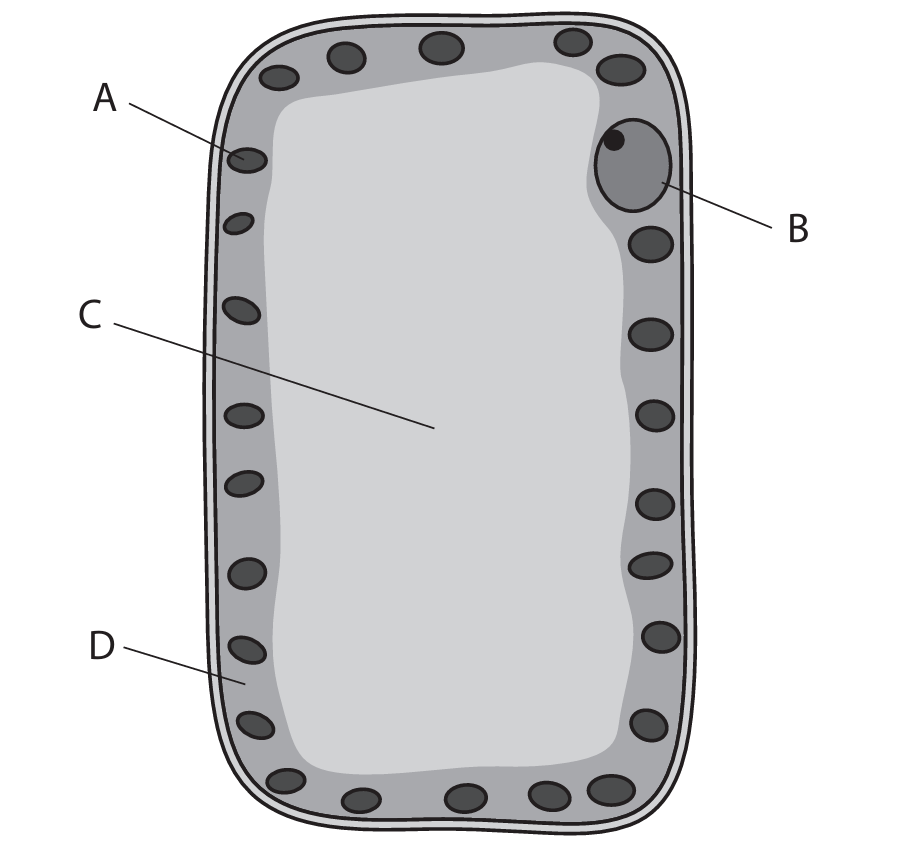
(a)(i) B (cell wall)
A is incorrect because it is not the cell membrane.
C is incorrect because it is not mitochondria.
D is incorrect because it is not the nucleus.
(a)(ii) D (starch)
A is incorrect because it is not chlorophyll.
B is incorrect because it is not glucose.
C is incorrect because it is not glycogen.
(b)(i) An answer that makes reference to the following points:
- A: (chloroplasts absorb light) for photosynthesis / absorb light energy to make carbohydrate / eq
- B: (nucleus) controls protein synthesis / contains DNA / contains genes / controls cell / eq
- C: (vacuole) contains cell sap eq
- D: (cytoplasm) where chemical reactions occur
Additional guidance: Allow starch / glucose / sugar for A; allow maintains turgor / stores water / salts / pigments / toxins for C; allow where protein synthesis occurs / respiration occurs / medium for reactions for D.
(b)(ii) An answer that makes reference to two of the following points:
- contains chloroplasts to absorb light / for photosynthesis eq
- long / arranged in a vertical plane / large surface area / rectangular shape, to absorb most light / eq
- large vacuole to store water

▶️ Answer/Explanation
(a) An explanation that makes reference to the following points:
- Amylase digests/catalyzes the breakdown of starch into maltose / glucose.
- These are reducing sugars, so the Benedict’s test will turn from blue to a red / green / yellow / orange precipitate.
(b) Rewritten method should include reference to at least four of the following control variables (1 mark each, max 4):
- Use the same volume and concentration of amylase solution.
- Use the same mass / size / volume / piece of bread.
- Use the same volume of water poured onto the bread.
- Allow the same amount of time for digestion before collecting the solution for testing.
- Use the same volume / concentration of Benedict’s reagent.
- Heat the Benedict’s test tubes for the same length of time and at the same temperature (e.g., in a water bath at \(80^\circ C\) for 2 minutes).
- Test a specific, stated range of temperatures (e.g., \(20^\circ C, 30^\circ C, 40^\circ C, 50^\circ C, 60^\circ C\)).
- Repeat each temperature and calculate a mean result.
(c) An answer that makes reference to four of the following points:
- Initially, as temperature increases, the rate of digestion increases.
- This is because particles (enzyme and substrate) have more kinetic energy, move faster, and collide more frequently.
- This continues until the optimum temperature is reached, where the rate is highest.
- Above the optimum temperature, the rate decreases rapidly.
- At high temperatures, the enzyme (amylase) denatures – the active site changes shape and the substrate (starch) can no longer bind.
- Therefore, the prediction is incorrect because the rate does not keep increasing indefinitely; it peaks and then falls (implied in the points above).
▶️ Answer/Explanation
(a)(i) C cytoplasm
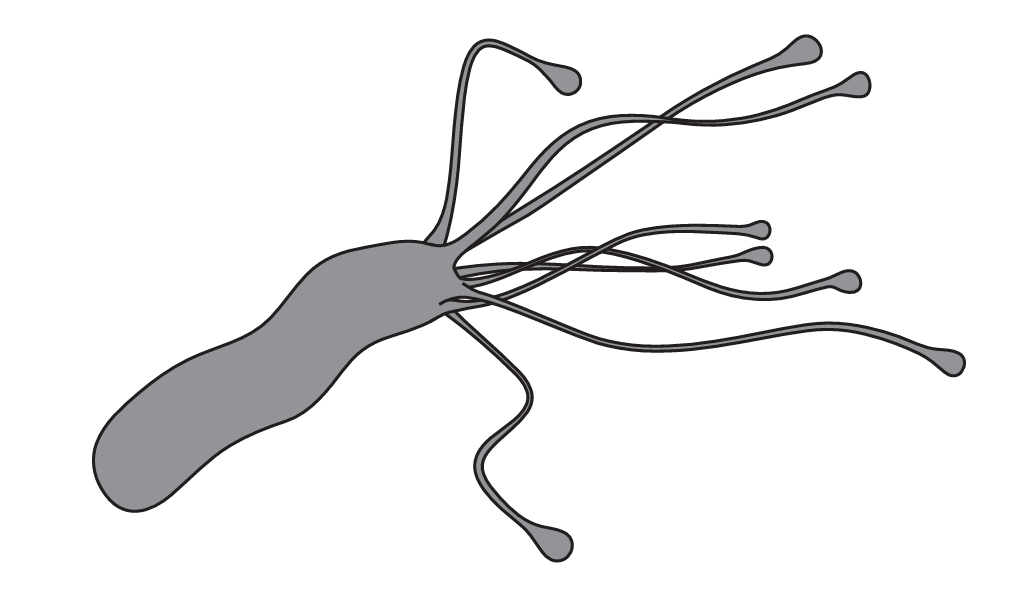
Explanation: Bacteria are prokaryotic cells, which means they lack a true nucleus (option D) and membrane-bound organelles. Their genetic material is found in the cytoplasm. Cellulose (option A) is a structural component of plant cell walls, and chitin (option B) is found in the cell walls of fungi and the exoskeletons of arthropods. Bacterial cell walls are typically made of peptidoglycan, not cellulose or chitin. Therefore, the only component from the list that is definitively found in a bacterial cell is the cytoplasm.
(a)(ii) C 7
Explanation: The stomach is highly acidic, with a pH typically around 1.5 to 3.5 due to hydrochloric acid. Neutralization means bringing the pH to a neutral level. On the pH scale, 7 is neutral. Urease produced by H. pylori breaks down urea to produce ammonia, which is alkaline, thereby neutralizing the stomach acid in its immediate vicinity and raising the pH towards 7. Options A (1) and B (2) are acidic, and option D (12) is strongly alkaline, none of which represent a neutral pH.
(a)(iii)
Explanation: According to the theory of evolution by natural selection, the evolution of urease production in H. pylori can be explained step-by-step. Initially, within a population of ancestral H. pylori bacteria, there would have been genetic variation. Some of this variation arose from random mutations in the bacterial DNA. One such mutation might have resulted in a bacterium that could produce the enzyme urease. This urease enzyme conferred a significant advantage in the harsh, acidic environment of the stomach. By neutralizing the acid around it, this bacterium was more likely to survive and live longer than its peers that lacked the mutation. With increased survival, this bacterium had a greater chance to reproduce asexually (through binary fission) and pass on the gene for urease production to its offspring. Over many generations, the allele for urease production became more and more common in the population because individuals possessing it were consistently selected for by the environmental pressure of stomach acidity. Eventually, the entire population of H. pylori evolved to produce urease.
(b)
Two conclusions:
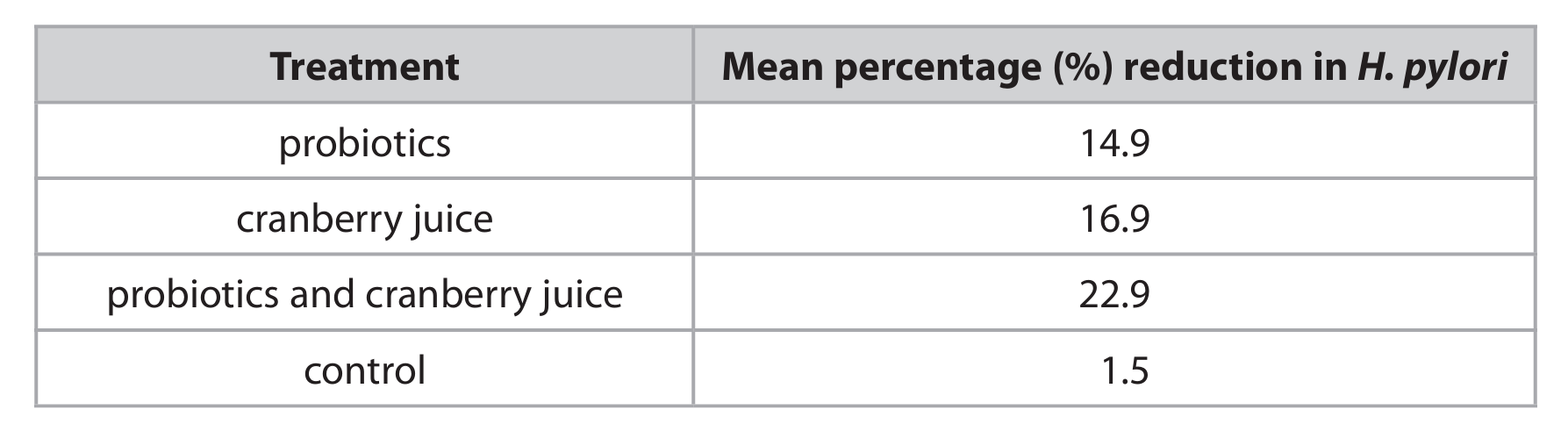
- All three treatments (probiotics, cranberry juice, and their combination) cause a greater reduction in H. pylori compared to the control, meaning they are all more effective than no treatment.
- The combination of probiotics and cranberry juice results in a greater reduction of H. pylori than either treatment used alone, suggesting a synergistic effect where the two work better together.
Explanation: By analyzing the data in the table, we can draw clear comparisons. The control group, which likely received a placebo or no treatment, showed only a 1.5% reduction, establishing a baseline. The probiotics alone led to a 14.9% reduction, and cranberry juice alone led to a 16.9% reduction. Both are substantially higher than the control, indicating they are effective treatments. However, when used together, the reduction jumps to 22.9%, which is higher than the sum of their individual effects if they were simply additive. This indicates that the two treatments may work well in combination, potentially enhancing each other’s effectiveness against H. pylori.

Most-appropriate topic codes (Edexcel IGCSE Biology):
• 6(a): Use of biological resources – Food production (Micro-organisms) — parts (d)(i), (d)(ii), (d)(iii)
• 3(h): Transport in humans – role of plasma/antibodies — part (b)
• Appendix 5: Suggested practical investigations — part (a)
▶️ Answer/Explanation
(a) Use the biuret test. Add equal volumes of biuret reagent to equal volumes of cow’s milk and human milk. The sample that develops a deeper/darker purple color contains more protein.
Explanation: The biuret test is a chemical test used to detect the presence of proteins. When biuret reagent (which contains copper sulfate in an alkaline solution) is added to a sample containing protein, it reacts with peptide bonds to produce a violet-purple color. The intensity of this color is proportional to the protein concentration. Since cow’s milk has a higher protein content (3.3 g) than human milk (1.3 g) for the same volume, the cow’s milk sample will show a more intense purple color when the same volume of biuret reagent is added to the same volume of each milk sample.
(b) Antibodies in milk help protect babies from infections by destroying pathogens like viruses and bacteria, providing passive immunity.
Explanation: Antibodies are specialized proteins that identify and neutralize foreign invaders like bacteria and viruses. When a baby consumes milk containing antibodies (especially colostrum, the first milk), these antibodies are absorbed in the baby’s gut and enter the bloodstream. They provide “passive immunity,” meaning the baby gains immediate, short-term protection against diseases that the mother has immunity to, before the baby’s own immune system is fully developed.
(c) Two ways are:
- As a source of energy for respiration.
- As an energy store.
Explanation: Lipids (fats) are a concentrated energy source. Babies have high energy demands for rapid growth and development. The lipids in milk are broken down to release energy through metabolic processes like respiration. Additionally, any excess energy from lipids can be stored in the body’s adipose tissue as a reserve for future use. Lipids are also important for insulating the body and for the development of the nervous system, including the myelin sheath that insulates nerve cells.
(d)(i) Lactose.
Explanation: Lactose is the main carbohydrate (a disaccharide sugar) found in milk. It is the primary food source for the bacteria used in yoghurt production.
(d)(ii) Lactobacillus or Streptococcus.
Explanation: These are the genera of bacteria commonly used in yoghurt production. They are lactic acid bacteria that ferment the lactose in milk.
(d)(iii) The milk is heated to a high temperature to kill any harmful bacteria (pathogens) present and to sterilize/pasteurize the milk, preventing competition for the added bacteria.
Explanation: The initial heating step serves two main purposes. Firstly, it acts as a pasteurization or sterilization process, eliminating potentially harmful microorganisms (pathogens) that could cause spoilage or disease. Secondly, by removing these competing microorganisms, it ensures that the specific yoghurt-making bacteria (Lactobacillus or Streptococcus) added later can grow without competition, fermenting the lactose efficiently to produce lactic acid, which gives yoghurt its characteristic tangy flavor and thick texture.
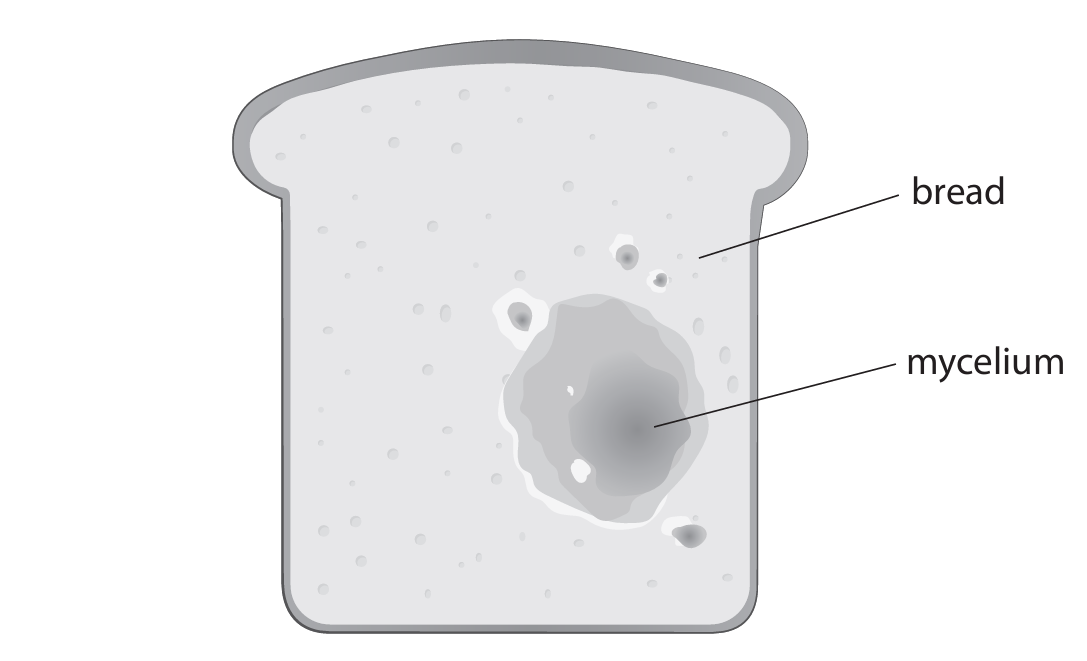
▶️ Answer/Explanation
(a) Add iodine solution to the bread sample. If starch is present, the color will change to blue-black.
Explanation: To test for starch, you would first obtain a small sample of the bread. Then, you would add a few drops of iodine solution directly onto the bread sample. Iodine solution is typically a brownish-yellow color. If starch is present in the bread, a chemical reaction occurs between the iodine and the starch molecules, resulting in a distinct color change to blue-black or sometimes a very dark blue-purple. This is a standard biochemical test for starch.
(b)(i) B fungus
Explanation: The diagram shows a mycelium, which is a characteristic feature of fungi. A mycelium is a network of fine, thread-like structures called hyphae that fungi use to absorb nutrients from their food source, in this case, the bread. Bacteria are single-celled and do not form mycelia. Protoctists are a diverse group, but none form a mycelium like this. Viruses are not considered living organisms and cannot grow on bread in this way.
(b)(ii) A amylase
Explanation: Starch is a large, complex carbohydrate polymer. To digest it, the fungus secretes the enzyme amylase. Amylase works by breaking down the chemical bonds in starch, converting it into smaller sugar molecules like maltose, which the fungus can then absorb and use for energy. Ligase is an enzyme involved in joining DNA fragments, not digesting food. Lipase breaks down lipids (fats), and protease breaks down proteins, neither of which is the correct enzyme for starch digestion.
▶️ Answer/Explanation
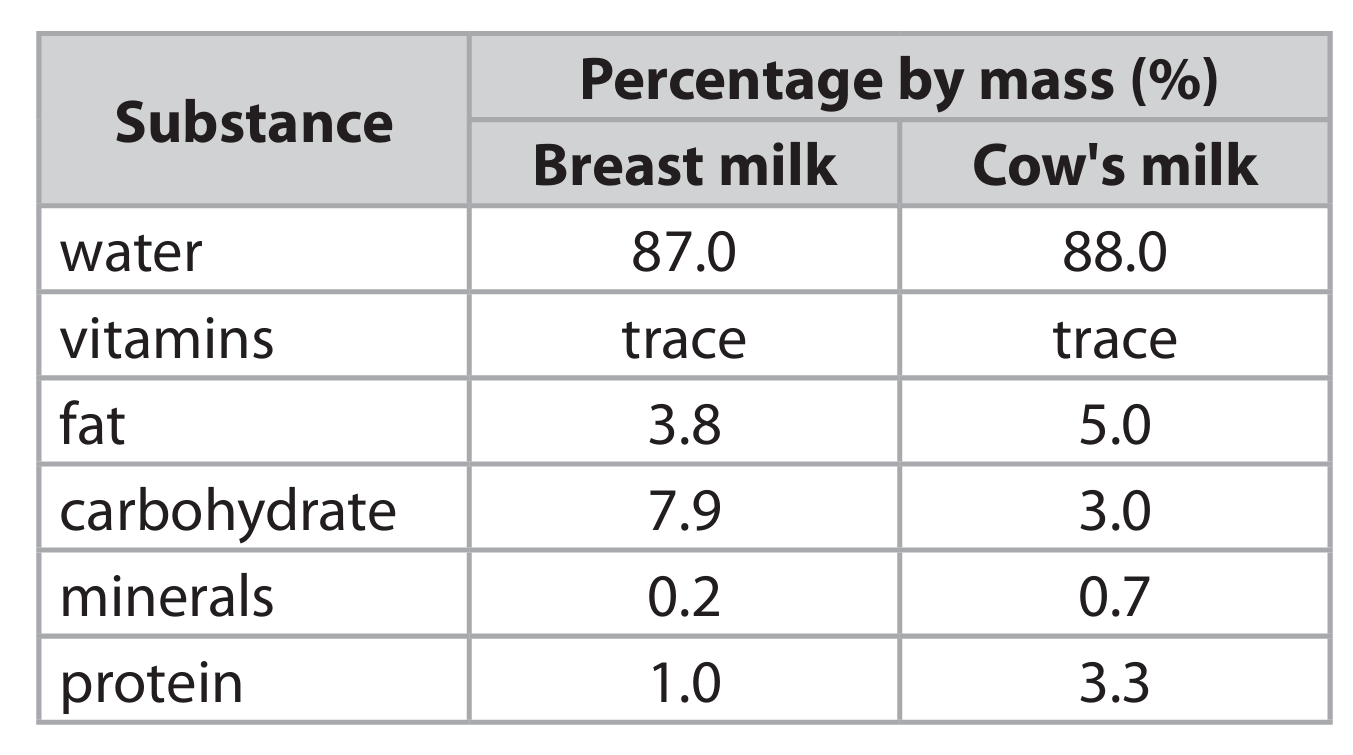
(a)
Discussion Points:
- Cow’s milk contains a higher percentage of fat (5.0%) compared to breast milk (3.8%). This could potentially contribute to a higher calorie intake and, if not managed, might increase the risk of obesity in babies.
- The protein content in cow’s milk (3.3%) is significantly higher than in breast milk (1.0%). A high protein load can be difficult for a young baby’s immature kidneys to process and may also increase the risk of future obesity.
- Minerals are more abundant in cow’s milk (0.7%) than in breast milk (0.2%). While minerals are essential, an excessive amount, particularly certain ones, might not be ideal for a baby’s developing system.
- Cow’s milk has a much lower carbohydrate content (3.0%) compared to breast milk (7.9%). Carbohydrates, primarily lactose, are a vital source of quick energy for a rapidly growing baby. The lower level in cow’s milk might not provide sufficient energy.
- The vitamin and water content are relatively similar between the two, which is positive.
- Beyond the table data, breast milk contains crucial antibodies from the mother that help protect the baby from infections. Cow’s milk lacks these human-specific antibodies.
- Furthermore, cow’s milk given to babies might sometimes contain traces of antibiotics used in cattle, which is not a concern with breast milk.
In summary, while cow’s milk shares some similarities, its significantly different macronutrient profile (higher fat/protein, lower carbs) and the absence of protective antibodies make it generally unsuitable as a direct alternative for young babies without proper modification, which is why infant formula (designed to mimic breast milk more closely) is recommended if breastfeeding isn’t possible.
(b)
Two ways to provide additional vitamin D:
- Dietary Supplements: Vitamin D drops or liquid supplements specifically designed for infants can be given directly to the child as advised by a healthcare professional.
- Fortified Foods: As the child starts weaning, incorporating foods fortified with vitamin D, such as certain infant cereals, fortified dairy products (like yogurt), or fortified spreads, can help increase their intake. Safe, short periods of sunlight exposure (e.g., 10-15 minutes a few times a week) also helps the body synthesize vitamin D, but this must be done with extreme care to avoid sunburn.
(c)
Testing for Protein using the Biuret Test:
- Place a small sample of the cow’s milk (about 2 cm³) into a clean test tube.
- Add an equal volume of sodium hydroxide solution (NaOH) to the test tube. Gently shake or swirl the tube to mix the contents thoroughly.
- Next, add a few drops of very dilute copper(II) sulfate solution (CuSO₄) to the mixture. Do not add excess. Gently shake the tube again to ensure it’s well mixed.
- Observation: If protein is present in the cow’s milk, the solution will change color from light blue to a purple or lilac/violet color. The intensity of the color can sometimes indicate the relative amount of protein present.
- A negative result, where no protein is present, would result in the solution remaining its original blue color (though the Biuret reagent itself is blue, the key change is to purple/lilac).
Note: Safety precautions, such as wearing goggles and handling chemicals carefully, should always be followed.