
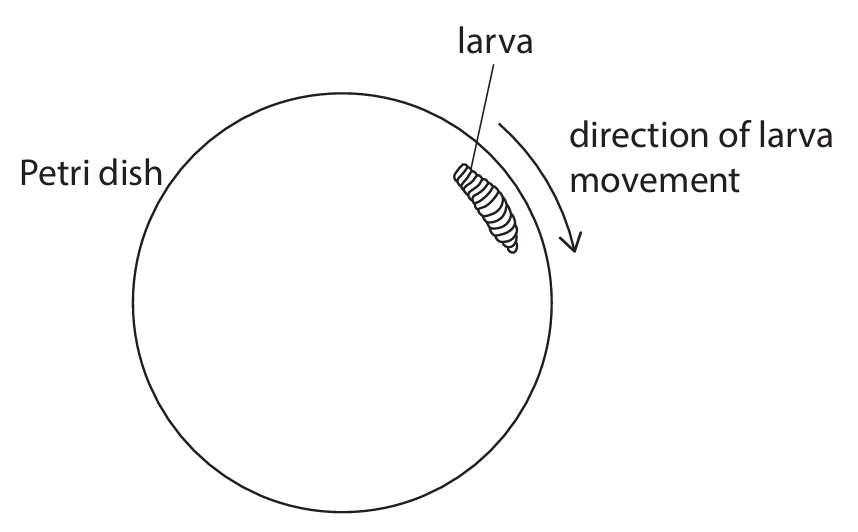
▶️ Answer/Explanation
An answer that makes reference to the following:
• C – change colour of light / wavelength of light / use different filters (1)
• O – same species / type / age / size / food (1) Ignore same larva unqualified
• R – use several larvae with each light colour / repeat (1) Ignore repeat with different colours
• M1 – measure distance larvae move / measure arc of dish / number of circuits (1) Accept measure how long it takes to move set distance for M1 and M2
• M2 – time / stated time (1) Accept time taken to do a number of laps for two marks (M1 and M2)
• S1 & S2 (two from) – same humidity / food / light intensity / temperature / of dish / surface of Petri / same dish (2) Accept clean dish between tests
Full sentence example: “I would change the colour of light using different filters while keeping the same species, age, and size of larvae, using several larvae for each colour and repeating the experiment. I would measure the distance moved along the Petri dish edge and time this movement, while controlling variables like temperature, humidity, and light intensity.”

▶️ Answer/Explanation
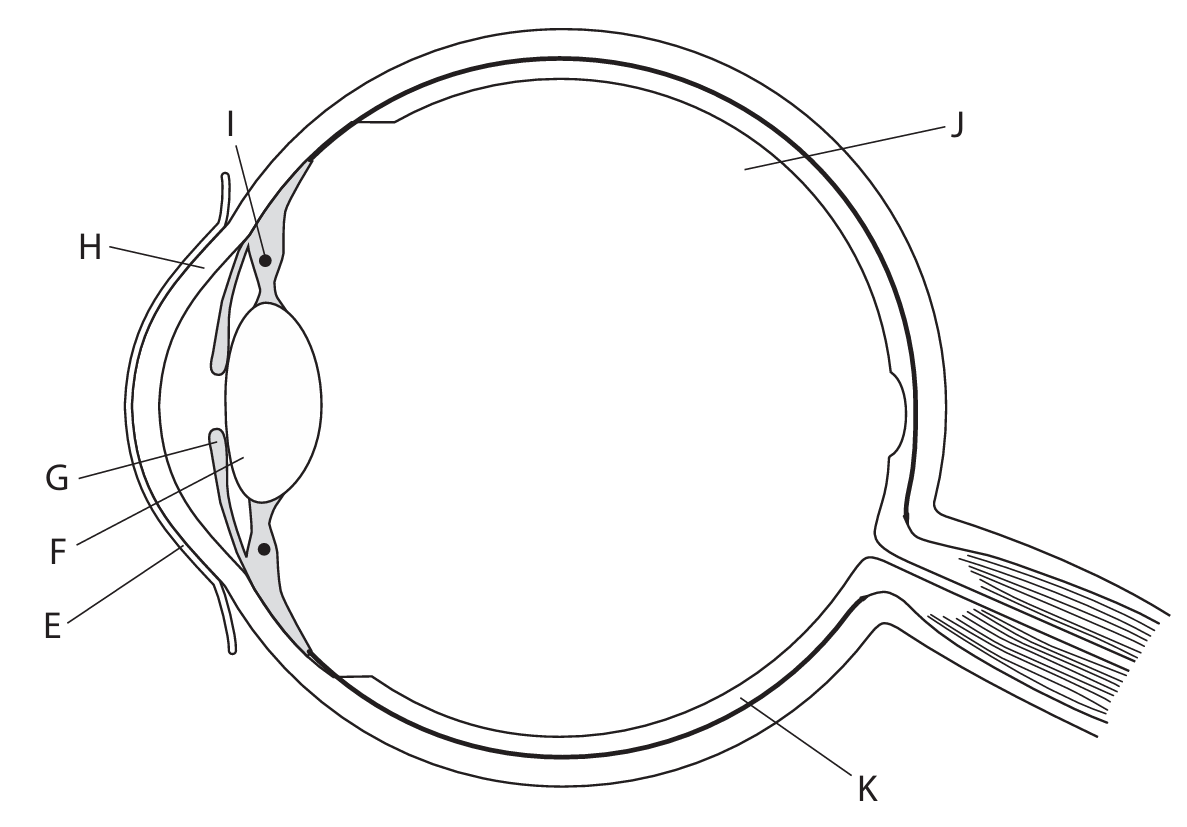
(a)(i) B (F and H)
A is not the answer as E and J do not refract light.
C is not the answer as G and K do not refract light.
D is not the answer as I and J do not refract light.
(a)(ii) C (G)
A is not the answer as E does not control the amount of light.
B is not the answer as F does not control the amount of light.
D is not the answer as H does not control the amount of light.
(a)(iii) D (K)
A is not the answer as H does not contain light sensitive cells.
B is not the answer as I does not contain light sensitive cells.
C is not the answer as J does not contain light sensitive cells.
(b) A description that makes reference to four of the following points:
- the ciliary muscle(s) contract / structure I contract(s) / eq (1)
- the tension in the suspensory ligament(s) is reduced / loosened / slackens / eq (1)
- the lens becomes thick(er) / wide(r) / fat(ter) / round(er) / more convex / eq (1)
- the light is refracted more / bent more / eq (1)
- accommodation (1)
Ignore relax.
(c)(i) An explanation that makes reference to two of the following points:
- lens becomes cloudy / opaque / misty / milky / eq (1)
- less light enters eye / eq (1)
- image dimmer / not formed / vision blurred / distorted / not clear / blindness / eq (1)
Ignore poor vision.
(c)(ii)
- glasses / contact lens / new lens inside eye / eye drops / eq (1)
Ignore laser eye surgery.

▶️ Answer/Explanation
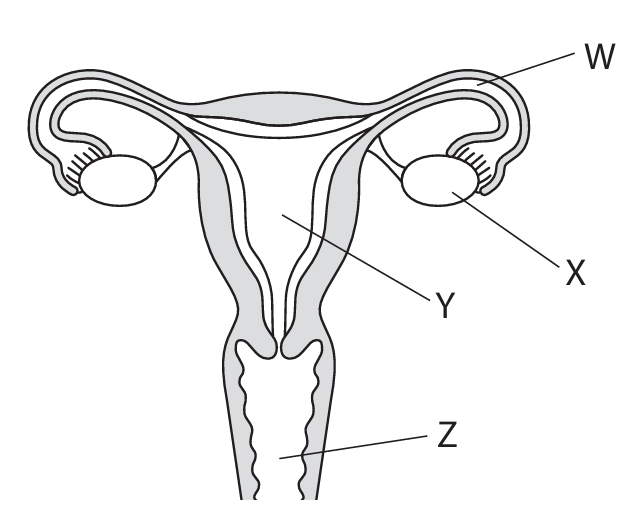
(a)(i) B (X)
A is incorrect as ovulation occurs in the ovary
C is incorrect as ovulation occurs in the ovary
D is incorrect as ovulation occurs in the ovary
(a)(ii) An answer that makes reference to two of the following:
• (progesterone is released) after ovulation / in second half of cycle / eq (1)
• maintains uterus lining / maintain endometrium / prevents menstruation / eq (1)
• so embryo can implant in the lining / to support an embryo / to support fetus / eq (1)
(a)(iii) An answer that makes reference to three of following:
• villi / villus (1)
• large surface (area) (1)
• (blood / capillaries) maintains gradient / makes steep gradient / eq (1)
• thin / short distance / maternal and fetal blood are close / eq (1)
• diffusion / active transport (1)
(b)(i) C (haploid number of 23 chromosomes)
A is incorrect as sperm are not diploid
B is incorrect as sperm are not diploid
D is incorrect as sperm have 23 chromosomes
(b)(ii) An answer that makes reference to five of the following:
• sperm movement decreases with concentration / eq (1)
• no further effect between 0.4 and 0.8 / levels off after 0.4 / eq (1)
• no effect on sperm concentration / small reduction / slight effect / unclear effect / fluctuates / eq (1)
• fertilisation would not occur (if sperm cannot swim) / eq (1)
• (sperm) needs to swim to oviducts / Fallopian tubes / fertilisation occurs in oviducts / Fallopian tubes / eq (1)
• (may not work as) some sperm can (always) move / reach eggs / reach oviducts (with any concentration) / eq (1)
• sample size is small / no repeats (so not reliable) / eq (1)
• may not have same effect in humans / may have side effects / health impacts / humans would needs bigger doses / eq (1)
• no mention of age of mice / eq (1)

▶️ Answer/Explanation
(a) A description that makes reference to four of the following points:
- receptor (generates impulse) / eq (1)
- (impulse) passes along sensory neurone (to relay / motor neurone / to CNS / spinal cord) (1)
- (sensory / relay / CNS / spinal cord) to motor neurone (1)
- to muscle / effector (1)
- crosses synapses (1)
- (using) neurotransmitters (1)
(b)(i) Graph marking points:
- S: linear scales for both axes (1)
- L: straight line joining points (1)
- A: axes correct way round (stimulus number on x-axis, time on y-axis) (1)
- A: axes both labelled, and with units on y axis (Time/seconds) (1)
- P: points plotted correctly (1)
(Graph should show a general decrease in time with increasing stimulus number, with a steeper decline after stimulus 5/6).
(b)(ii) A description that makes reference to the following points:
- (time) decreases / gets less / becomes shorter / eq (1)
- falls (more steeply) after 5 / from 6 touches / small decrease until 5 or 6 / eq (1)
(b)(iii) An explanation that makes reference to two of the following points:
- (few stimuli) could represent danger / allow escape / escapes predator / snail not eaten / helps snail survive / eq (1)
- (repeated stimuli) suggests no danger / no longer represents danger / snail recognises there is no threat / has learnt that there is no danger / eq (1)
- (when not staying in shell) snail can eat for longer / can continue moving / does not waste energy / eq (1)
▶️ Answer/Explanation
(a) An answer that makes reference to two of the following:
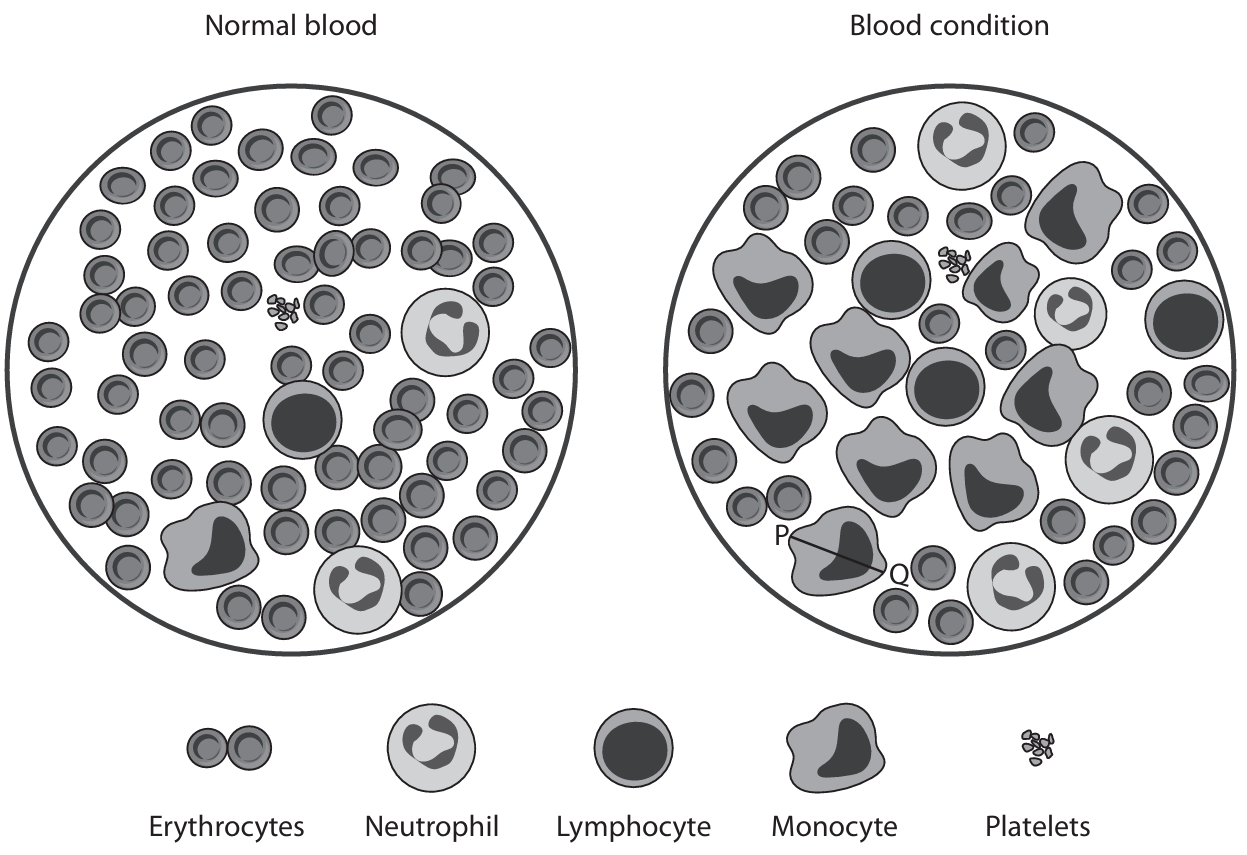
• More red cells / erythrocytes in the blood condition (1).
• Fewer lymphocytes in the blood condition (1).
• Fewer monocytes in the blood condition (1).
• Fewer neutrophils in the blood condition (1).
If no reference to a named white blood cell, allow “fewer white blood cells” for 1 mark.
(b)
• Measure the line P-Q from the diagram (e.g., 14 mm) (1).
• Convert actual length to mm: \( 25 \; \mu m = 25 / 1000 = 0.025 \; mm \).
• Magnification = Image size / Actual size = \( \frac{14}{0.025} \).
• Magnification = \( \times 560 \) (allow range 520–600) (1).
Full working required for full marks.
(c)
• Volume of blood in \( cm^3 \): \( 5.0 \; dm^3 = 5.0 \times 1000 = 5000 \; cm^3 \).
• Number of red blood cells = \( (5.0 \times 10^9) \times 5000 \).
• \( = 2.5 \times 10^{13} \) (2).
Answer must be in standard form.
(d) An answer that makes reference to four of the following logical points, showing cause and effect:
1. Condition shows more red cells, but they may contain less haemoglobin (e.g., in some anaemias) (1).
2. This leads to less oxygen transport (1).
3. Resulting in less energy / ATP production via respiration (1).
4. Causing symptoms like tiredness, shortness of breath, or lactic acid buildup (1).
5. Diagram shows fewer white blood cells (lymphocytes, monocytes, neutrophils), which could mean a reduced immune response (1).
6. Leading to fewer antibodies produced or less phagocytosis (1).
7. Therefore, the patient may be more susceptible to infections (1).
Answers should link the observed differences to physiological effects on the patient.
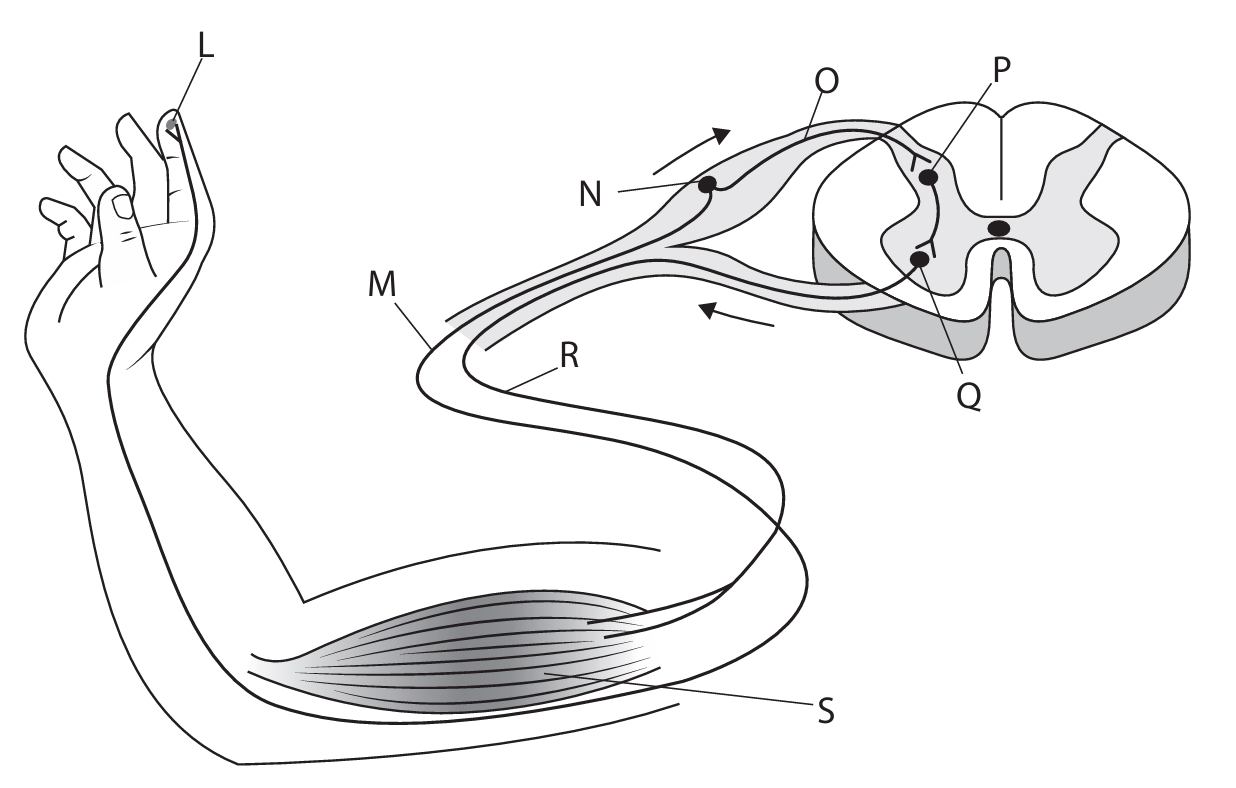
▶️ Answer/Explanation
(a)(i) A (L)
Explanation: In a reflex arc, the sensory receptor (e.g., a pain receptor in the skin) detects the stimulus. In the diagram, L is located at the point of stimulus (hand near heat).
B is not the answer as P is the cell body of the relay neurone.
C is not the answer as Q is the sensory neurone.
D is not the answer as S is the effector (muscle).
(a)(ii) D (P)
Explanation: The relay (or intermediate) neurone’s cell body is located in the spinal cord’s grey matter. P is shown within the central nervous system region.
A is not the answer as L is the sensory receptor.
B is not the answer as N is likely part of the motor pathway or synapse.
C is not the answer as M is the motor neurone’s cell body.
(a)(iii) C (R)
Explanation: The motor neurone carries the impulse from the central nervous system to the effector. R is shown connecting to the effector (muscle).
A is not the answer as L is the sensory receptor.
B is not the answer as M is the cell body of the motor neurone, not the entire neurone.
D is not the answer as S is the effector.
(a)(iv) D (S)
Explanation: The effector is the muscle (or gland) that carries out the response. S is labelled on the muscle in the arm.
A is not the answer as L is the sensory receptor.
B is not the answer as M is the cell body of the motor neurone.
C is not the answer as Q is the sensory neurone.
(b)(i)
Calculation:
180 cm = 1.8 m
Speed = 50 m/s
Time = Distance ÷ Speed = \( \frac{1.8}{50} \) = 0.036 s
Answer: 0.036 seconds or \( 3.6 \times 10^{-2} \) s
(b)(ii)
Explanation: The actual response time is longer than the simple impulse travel time because:
1. There is a delay at synapses between neurones (e.g., between sensory and relay, and relay and motor neurones).
2. This delay is due to chemical transmission involving the diffusion of neurotransmitters across the synaptic cleft.
3. Time is required for the sensory receptor to generate the initial nerve impulse in response to the stimulus.
4. Time is also needed for the effector (muscle) to contract after receiving the impulse.
Therefore, the total response time includes synaptic delays, impulse generation time, and muscle contraction time, not just the conduction speed along the neurones.
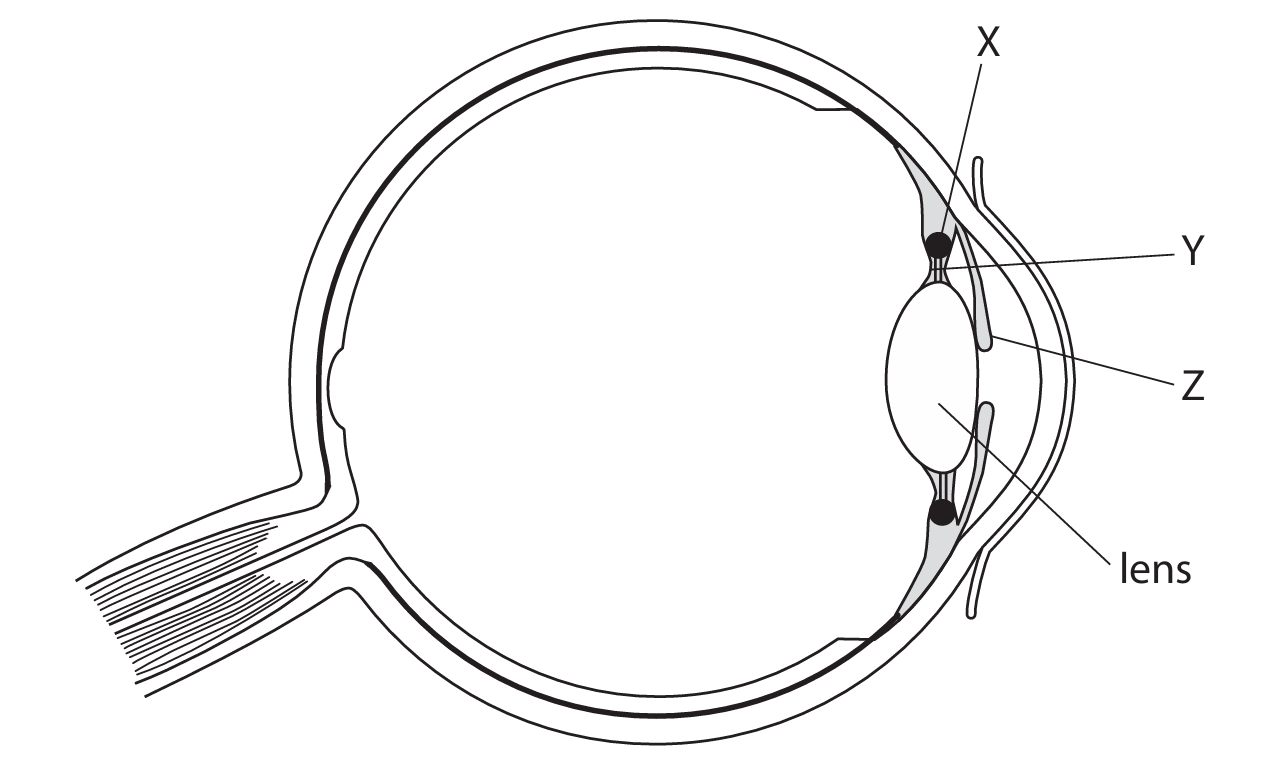

▶️ Answer/Explanation
(a) (i) iris
Explanation: Structure Z is the iris. The iris is the colored part of the eye that controls the size of the pupil, thereby regulating the amount of light that enters the eye.
(a) (ii) A description that makes reference to the following three points:
- X / ciliary muscle, contracts
- Y / suspensory ligaments go slack / loosen
- lens becomes thicker / more spherical / more convex
Detailed Explanation: When focusing on a near object, the ciliary muscles (X) contract. This contraction reduces the tension on the suspensory ligaments (Y), causing them to become slack or loosen. Because these ligaments are no longer pulling the lens taut, the natural elasticity of the lens causes it to become thicker, more spherical, and more convex. This change in shape increases the refractive power of the lens, allowing it to bend light rays more sharply and focus the image of the close object correctly onto the retina.
(b) (i) An explanation that makes reference to two of the following:
- less light can pass through / refraction affected
- to retina / fovea / rods / cones / photoreceptors
- so fewer impulses (to brain)
Detailed Explanation: A cataract causes the normally clear lens to become cloudy or opaque. This cloudiness scatters and blocks light, preventing a clear, sharp image from being formed. Less light can pass through the lens to reach the light-sensitive cells (rods and cones) in the retina at the back of the eye. Furthermore, the cloudiness disrupts the precise refraction (bending) of light rays that is necessary for focusing. As a result, the light rays are not properly focused onto the retina, leading to a blurred or dim image. This faulty image results in fewer or confused nerve impulses being sent to the brain via the optic nerve, causing unclear vision.
(b) (ii) An answer that makes reference to four of the following points based on the data:
- numbers (of cataracts) increase as exposure to sunlight increases (e.g., 2 at 7 hrs vs 35 at 12 hrs).
- group sizes are different (e.g., 100 at 7 hrs vs 540 at 12 hrs), which must be considered when interpreting raw numbers.
- the proportion/percentage of cases fluctuates/does not change much between 7 and 10 hours (approx 2%, 1.9%, 2.0%, 1.6%).
- the proportion/percentage rises more noticeably after 10/11 hours (3.2% at 11 hrs, 6.5% at 12 hrs).
- the large number of people in the study overall makes it somewhat reliable, OR it is less reliable as data is only from one country/climate.
- other factors like age, genetics, diet, or protective gear (sunglasses, hats) could affect the results and are not accounted for.
Detailed Comment: The data suggests a general trend where the number of people developing cataracts increases with higher mean daily hours of sunlight exposure, from 2 cases at 7 hours to 35 cases at 12 hours. However, because the group sizes vary significantly (e.g., 100 people vs 540 people), it’s more accurate to look at the percentage of each group affected. Calculating these percentages (7h: 2%, 8h: ~1.9%, 9h: 2%, 10h: ~1.6%, 11h: ~3.2%, 12h: ~6.5%) reveals that the risk appears relatively stable and low (around 2%) for exposures up to 10 hours. A more substantial increase in risk is observed beyond 10 hours, jumping to 3.2% at 11 hours and 6.5% at 12 hours, indicating a potential threshold effect. The 25-year duration and large total sample size add weight to the findings. However, the study is limited to agricultural workers in one South Asian country, so the results may not be directly applicable to populations in different climates, with different genetics, or with different sun protection behaviors. Other unmeasured factors, such as the exact intensity of UV exposure, age of the workers, dietary intake of antioxidants, and use of protective eyewear, could also influence cataract development and are not considered in this data table.
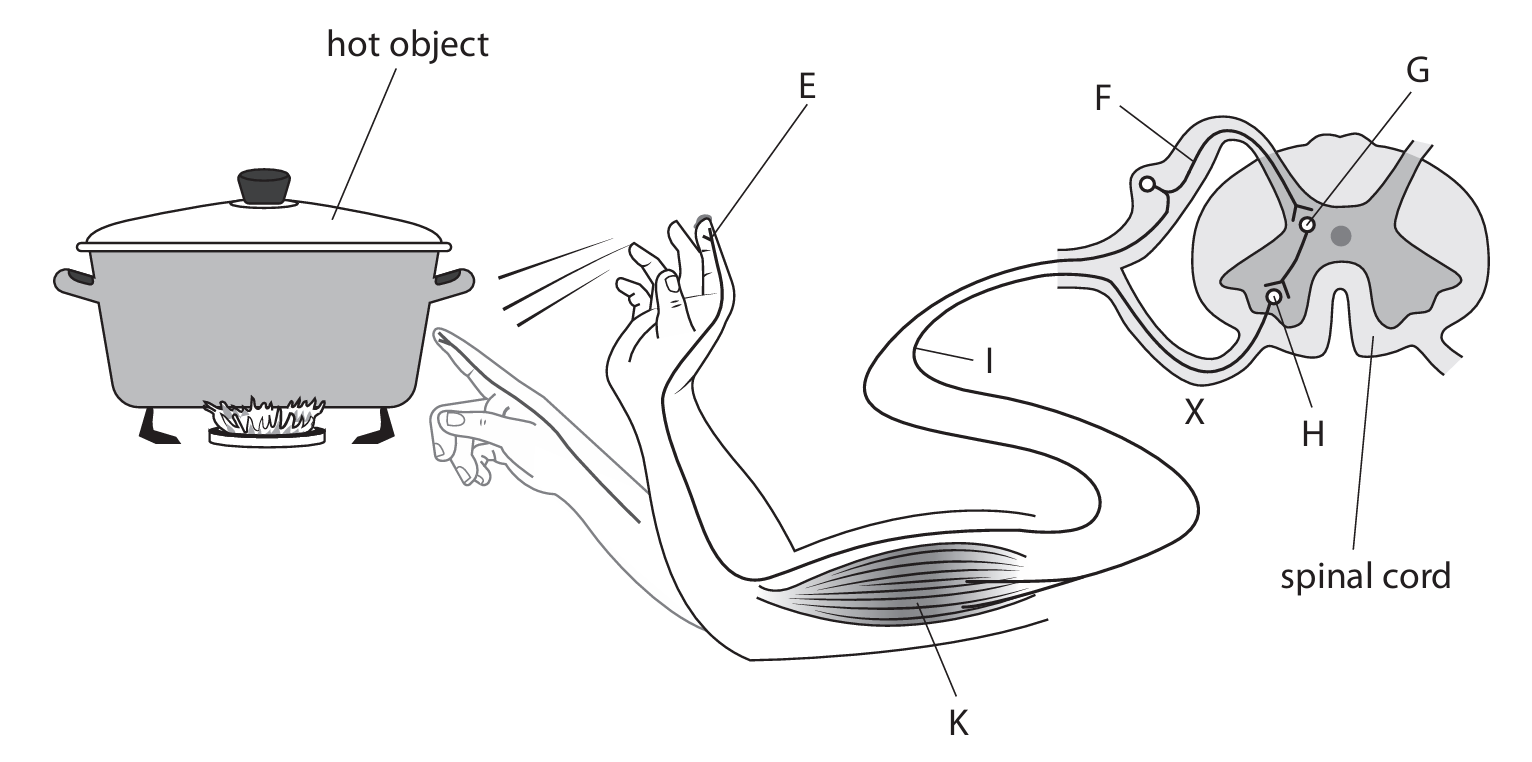
▶️ Answer/Explanation
(a)(i) Withdrawal reflex / Somatic reflex / Simple reflex / Involuntary reflex / Automatic reflex / Unconscious reflex.
(a)(ii) An arrow pointing away from the spinal cord (towards the muscle).
(a)(iii) A (E) – sensory receptor in the skin.
(a)(iv) C (I) – motor neurone.
(b)(i) \( 9.2 \times 10^{-3} \) s (or \( 9.17 \times 10^{-3} \) s).
(b)(ii) The impulse passes across a synapse via neurotransmitters released from the presynaptic neurone, which diffuse across the synaptic gap and bind to receptors on the postsynaptic neurone, triggering a new electrical impulse.
(c)(i) Pain prevents further movement or use of the injured part, reducing further damage and allowing time for healing.
(c)(ii) Medicines may affect pain receptors, sensory neurones, relay neurones in the spinal cord/brain, or synaptic transmission by blocking neurotransmitter release or receptor binding.

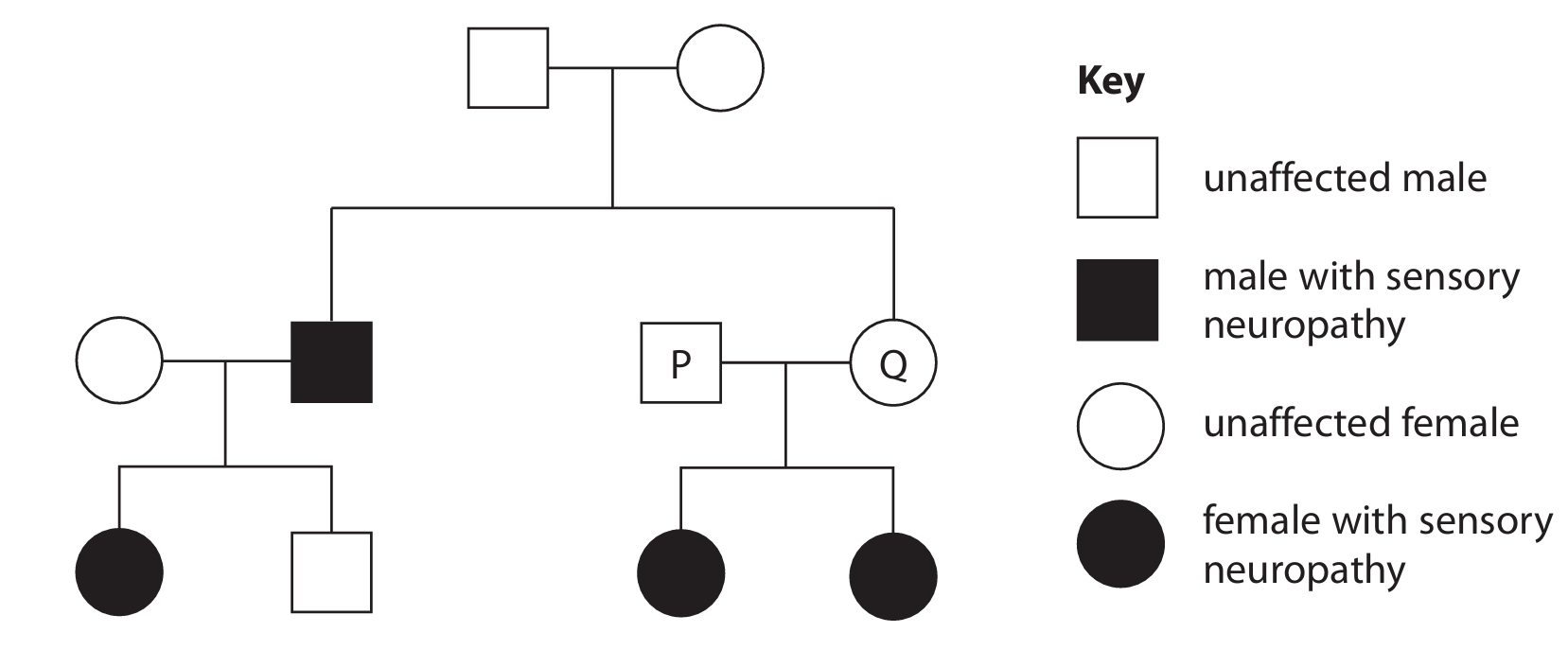
▶️ Answer/Explanation
(a)(i) Brain or Spinal Cord.
Explanation: The Central Nervous System (CNS) is composed of two main parts: the brain and the spinal cord. These structures are responsible for processing information and coordinating responses throughout the body.
(a)(ii) A description including four of the following points:
- A receptor in the skin detects the sharp object/stimulus.
- This generates an electrical impulse.
- The impulse travels along a sensory neurone to the CNS (spinal cord).
- In the spinal cord, the impulse may pass via a relay neurone across a synapse (using neurotransmitters).
- The impulse is then passed to a motor neurone.
- The motor neurone carries the impulse to an effector (a muscle in the leg).
- The muscle contracts, causing the foot to be withdrawn.
Explanation: This is an automatic, rapid, protective response called a reflex arc. It bypasses the brain to save time. The sensory neurone carries information towards the CNS, and the motor neurone carries the instruction away from the CNS to the muscle (the effector) which performs the action. Synapses ensure the impulse travels in one direction only.
(b)(i) B (XY)
Explanation: In mammals like dogs and humans, sex is determined by the X and Y chromosomes. Females have two X chromosomes (XX), and males have one X and one Y chromosome (XY). The Y chromosome carries genes that trigger male development.
(b)(ii) D (6)
Explanation: Sensory neuropathy is recessive (nn). Unaffected individuals must have at least one dominant allele (N). Any unaffected individual that has an affected offspring (nn) must be a carrier (heterozygous, Nn) because they had to pass on an ‘n’ allele to their affected child. By analyzing the pedigree, we can identify 6 such carriers (Nn).
(b)(iii) Probability = 1/8 or 0.125 or 12.5%
Genetic Diagram:
Parents: Nn (P) × Nn (Q)
Gametes: P produces N or n; Q produces N or n.
Q Gametes ↓ P → | N | n | +-------+-------+ N | NN | Nn | +-------+-------+ n | Nn | nn | +-------+-------+
Explanation: The Punnett square shows the cross between two heterozygous parents (Nn × Nn). The genotypic ratio of the offspring is 1 NN : 2 Nn : 1 nn. Therefore, the probability of an offspring having sensory neuropathy (nn) is 1/4. Sex determination is independent of this autosomal gene. The probability of an offspring being male is 1/2. To find the combined probability of being male AND having nn, we multiply the independent probabilities: (1/4) × (1/2) = 1/8.
(b)(iv) Selective breeding, also known as artificial selection, could be used to remove the harmful ‘n’ allele by carefully choosing which dogs breed together.
The process would involve:
- Testing: First, all potential breeding dogs would be genetically tested to determine their genotype for the sensory neuropathy gene (NN, Nn, or nn).
- Selection of Parents: Only dogs that are confirmed to be homozygous dominant (NN) – meaning they do not carry the harmful allele – would be selected as breeding stock. Dogs with the genotype Nn (carriers) or nn (affected) would be prevented from breeding.
- Repetition over Generations: This selective process would be repeated over many generations. By never allowing the ‘n’ allele to be passed on, its frequency in the population’s gene pool would decrease.
- Goal: Over time, the aim would be to eliminate the ‘n’ allele entirely from the breeding population, resulting in a population where all individuals are NN and therefore cannot have or pass on sensory neuropathy.
Potential Challenge: A significant challenge is that carriers (Nn) are phenotypically normal (unaffected). Without genetic testing, breeders might accidentally select carriers for breeding, which would perpetuate the allele in the population. Therefore, reliable genetic testing is crucial for this strategy to be successful.


▶️ Answer/Explanation
(a)(i) A red blood cell cannot be used to show a karyotype because it lacks a nucleus. The nucleus is the organelle that contains the chromosomes. Since red blood cells in mammals are anucleated (they lose their nucleus during development to make more space for hemoglobin), they do not contain any chromosomal material that can be photographed and arranged into a karyotype.
(a)(ii) The type of cell division that occurs in white blood cells is mitosis. Mitosis is the process of nuclear division in eukaryotic cells that results in two daughter cells each having the same number and kind of chromosomes as the parent nucleus. It is the division responsible for general growth and repair in the body.
(a)(iii) The karyotype in Diagram 1 can be identified as male because the 23rd pair of chromosomes consists of one X chromosome and one Y chromosome. In humans, females have two X chromosomes (XX), while males have one X and one Y chromosome (XY). The presence of the Y chromosome is the definitive indicator of a male karyotype.
(b)(i) The key difference between the two karyotypes is the number of chromosomes. Diagram 1 (the male) shows the normal human diploid number of 46 chromosomes. Diagram 2 (the female with Turner syndrome) shows only 45 chromosomes; specifically, there is only one sex chromosome present (a single X chromosome), denoted as 45,X.
The effects of Turner syndrome on the person are significant. Due to the missing X chromosome and the resulting hormonal deficiencies (particularly oestrogen), the individual will likely not undergo normal puberty. This leads to a lack of development of secondary sexual characteristics (such as breast development). Furthermore, the ovaries are typically underdeveloped (streak ovaries) and do not produce viable eggs, making the person infertile. There can also be other health implications, such as short stature and potential heart defects.
(b)(ii) The chromosomal difference in Turner syndrome (45,X) is most commonly produced by a process called non-disjunction. This is an error that can occur during the formation of the gametes (eggs or sperm) in one of the parents. Specifically, during meiosis, the paired sex chromosomes (X and X in a female, or X and Y in a male) fail to separate properly. If an egg or sperm that lacks a sex chromosome (is nullisomic) fuses with a normal gamete containing one X chromosome, the resulting zygote will have only one X chromosome, leading to Turner syndrome.

▶️ Answer/Explanation
(a)(i) B (fungi)
Explanation: Yeast is a single-celled organism that belongs to the kingdom Fungi. Unlike bacteria (prokaryotes), yeast are eukaryotic cells. They are not plants as they do not perform photosynthesis and lack chloroplasts, and they are not protoctists, which is a kingdom typically containing diverse, often unicellular, eukaryotes that don’t fit into the other kingdoms.
(a)(ii) B (chitin)
Explanation: The cell wall of a yeast cell is primarily made of a complex carbohydrate called chitin, which is also found in the exoskeletons of insects and the cell walls of other fungi. This is different from plant cell walls, which are made of cellulose (A). Sucrose (C) is a sugar and starch (D) is a storage polysaccharide; neither are structural components of cell walls.
(b)(i) The teacher would need additional apparatus to control and measure temperature. This includes a water bath (or a beaker of water heated by a Bunsen burner) to contain the test tube and allow for precise temperature variation. A thermometer is essential to accurately measure the temperature of the yeast and glucose solution. A stopwatch or timer is also needed to measure the rate of the reaction, for example, by timing how long it takes for a colour change to occur or measuring the rate of gas production if that was being monitored.
(b)(ii) The layer of liquid paraffin acts as a seal on the surface of the glucose solution. Its purpose is to prevent oxygen from the air dissolving into the solution. This creates anaerobic conditions, ensuring that any respiration detected is anaerobic respiration (fermentation) rather than aerobic respiration. This is crucial for investigating this specific type of respiratory pathway.
(b)(iii) A suitable chemical indicator would be limewater (calcium hydroxide solution). Alternatively, hydrogencarbonate indicator could be used.
Explanation: Limewater is used to test for the product carbon dioxide (CO₂) of respiration. CO₂ turns limewater cloudy. Hydrogencarbonate indicator changes colour (from red to yellow) in the presence of increased carbon dioxide levels.
(b)(iv) Diazine green is an indicator that is blue when oxygen is present and pink when it is absent (reduced). The initial blue colour indicates there is oxygen dissolved in the solution, and the yeast is likely respiring aerobically. As the yeast cells respire, they use up the oxygen in the solution for aerobic respiration. The change in colour from blue to pink indicates that the oxygen concentration is decreasing. Once the oxygen is depleted and the solution turns pink, it shows that the yeast has switched to anaerobic respiration (fermentation) to continue producing energy.
(c) The rate of respiration in yeast changes with temperature due to the effect on enzymes, which control the metabolic reactions of respiration.
As temperature increases from a low value, the kinetic energy of the enzyme and substrate molecules increases. This causes them to move faster and collide more frequently. More collisions lead to the formation of more enzyme-substrate complexes, which increases the rate of respiration.
This increase continues up to an optimum temperature, where the respiration rate is at its maximum because enzymes are working most efficiently.
Beyond this optimum temperature, the high energy causes the hydrogen and ionic bonds that hold the enzyme’s shape to break. This alters the specific 3D shape of the enzyme’s active site. The substrate can no longer fit into the denatured active site, meaning fewer enzyme-substrate complexes can form. This causes the rate of respiration to decrease rapidly and eventually stop.
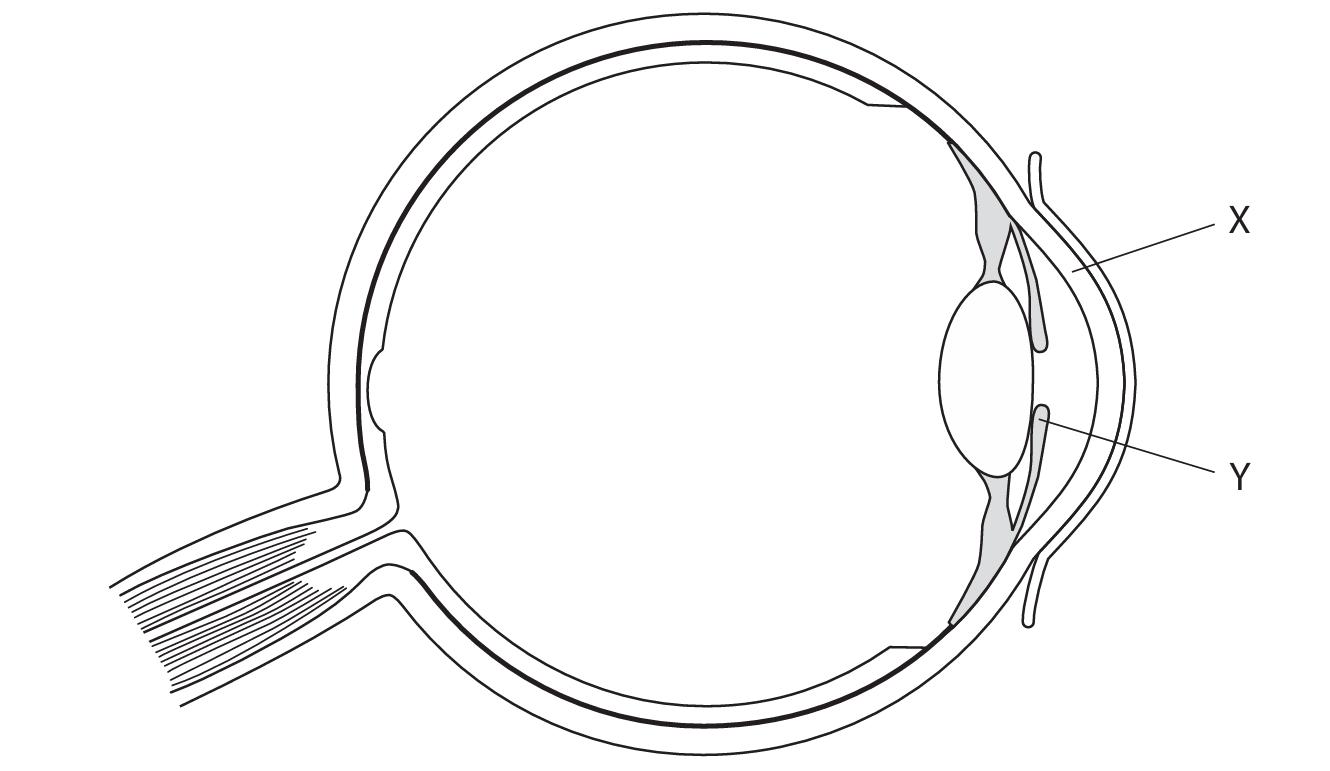
▶️ Answer/Explanation
(a)(i) B – cornea
Explanation: The cornea is the transparent layer at the very front of the eye that helps to focus light. The conjunctiva is a thin membrane covering the front of the eye and inner eyelids, the lens is behind the pupil, and the retina is at the back of the eye. Structure X is at the front, identifying it as the cornea.
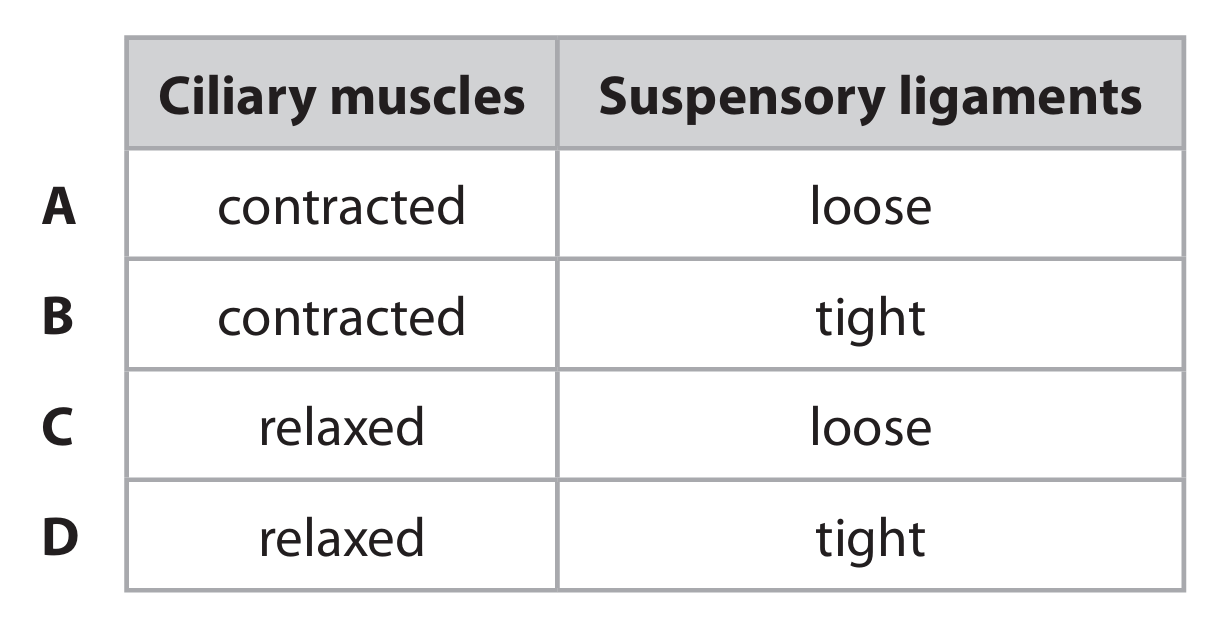
(a)(ii) A – contracted, loose
Explanation: When looking at a close object, the ciliary muscles contract. This contraction reduces the tension on the suspensory ligaments, causing them to become slack or loose. This allows the lens to become more rounded and thicker, increasing its refractive power to focus on near objects.
(a)(iii)
Explanation: Structure Y is the iris, which contains muscles that control the size of the pupil. When someone walks into a dark room, the light intensity decreases. In response, the radial muscles in the iris contract. Simultaneously, the circular muscles in the iris relax. This combined action causes the pupil to dilate (widen), allowing more light to enter the eye so that you can see better in the dim conditions.
(b)(i) 27 m/s
Explanation: First, we need to find the speed of the impulse for the person with multiple sclerosis (MS). Speed is calculated using the formula: speed = distance / time.
The total length of the neurones (distance) is 25 cm. We need to convert this to metres to match the units of the answer (m/s). 25 cm = 0.25 m.
The time taken for the impulse is 0.0050 s.
So, speedMS = distance / time = 0.25 m / 0.0050 s = 50 m/s.
The speed for a person without MS is given as 77 m/s.
The difference in speed is: 77 m/s – 50 m/s = 27 m/s.
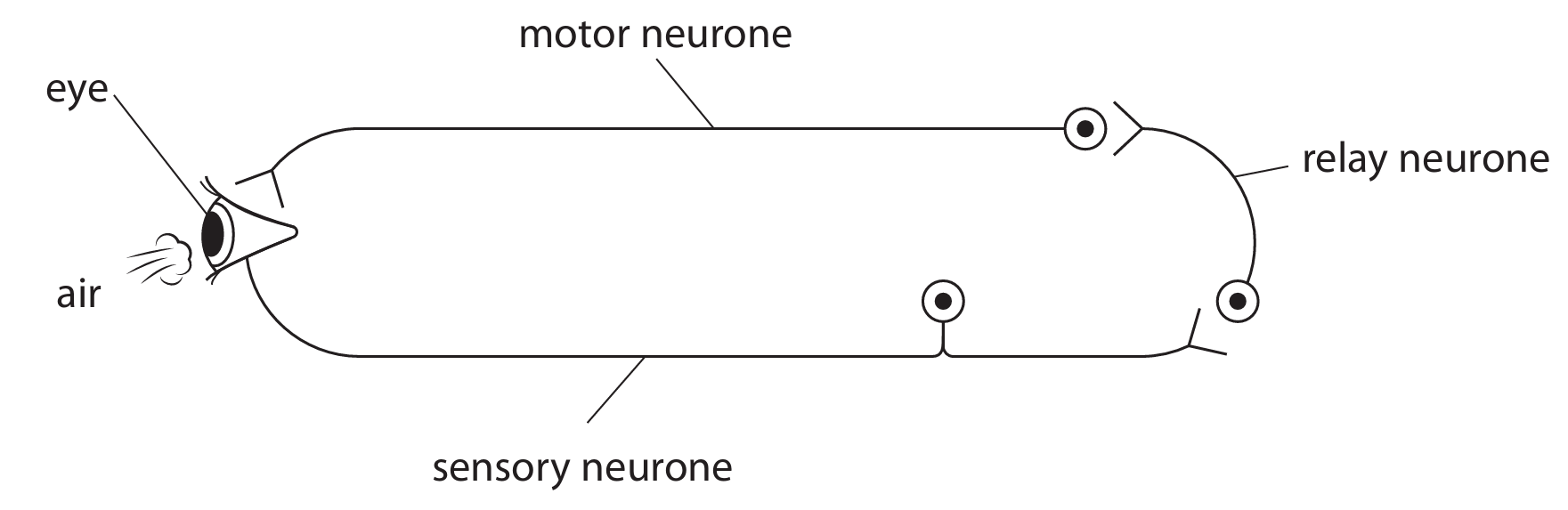
(b)(ii)
Explanation: The overall speed along the entire reflex arc (77 m/s) is slower than the speed along just the motor neurone (120 m/s) because the reflex arc includes synapses. Synapses are the junctions between neurones where impulses are transmitted using chemical messengers called neurotransmitters. This chemical diffusion process across the synaptic cleft is much slower than the electrical transmission of the impulse along a single neurone. Therefore, the presence of multiple synapses in the pathway (sensory to relay to motor) introduces delays, reducing the overall calculated speed of the reflex.
▶️ Answer/Explanation
Investigation Design:
To investigate whether light intensity affects the speed at which woodlice move, I would set up the following experiment:
Apparatus: I would need a choice chamber with two compartments, a lamp to create different light intensities, a ruler, a stopwatch, woodlice of the same species and similar size, and materials to control other variables like humidity.
Method:
- I would place several woodlice (e.g., 10) in the choice chamber and allow them to acclimatize for 5 minutes.
- I would set up the lamp at different distances (e.g., 10 cm, 20 cm, 30 cm) from one side of the chamber to create varying light intensities, while keeping the other side dark.
- For each light intensity, I would measure how quickly the woodlice move from one point to another. I could do this by marking a start line and finish line in the chamber and timing how long it takes each woodlouse to cross a certain distance (e.g., 10 cm).
- I would repeat each test at least three times to ensure reliability and calculate mean speeds.
- I would control other variables by maintaining constant temperature, humidity, and using woodlice of the same species and size.
- I would record my results in a table showing light intensity (distance from lamp) and average speed of movement.
Expected Analysis: If light intensity affects movement speed, I would expect to see faster movement in darker conditions (as woodlice prefer dark environments) and slower movement in brighter light. I could plot a graph of light intensity vs. speed to visualize any relationship.
Safety Considerations: I would handle the woodlice gently to avoid harming them and ensure the lamp doesn’t overheat the chamber.
▶️ Answer/Explanation
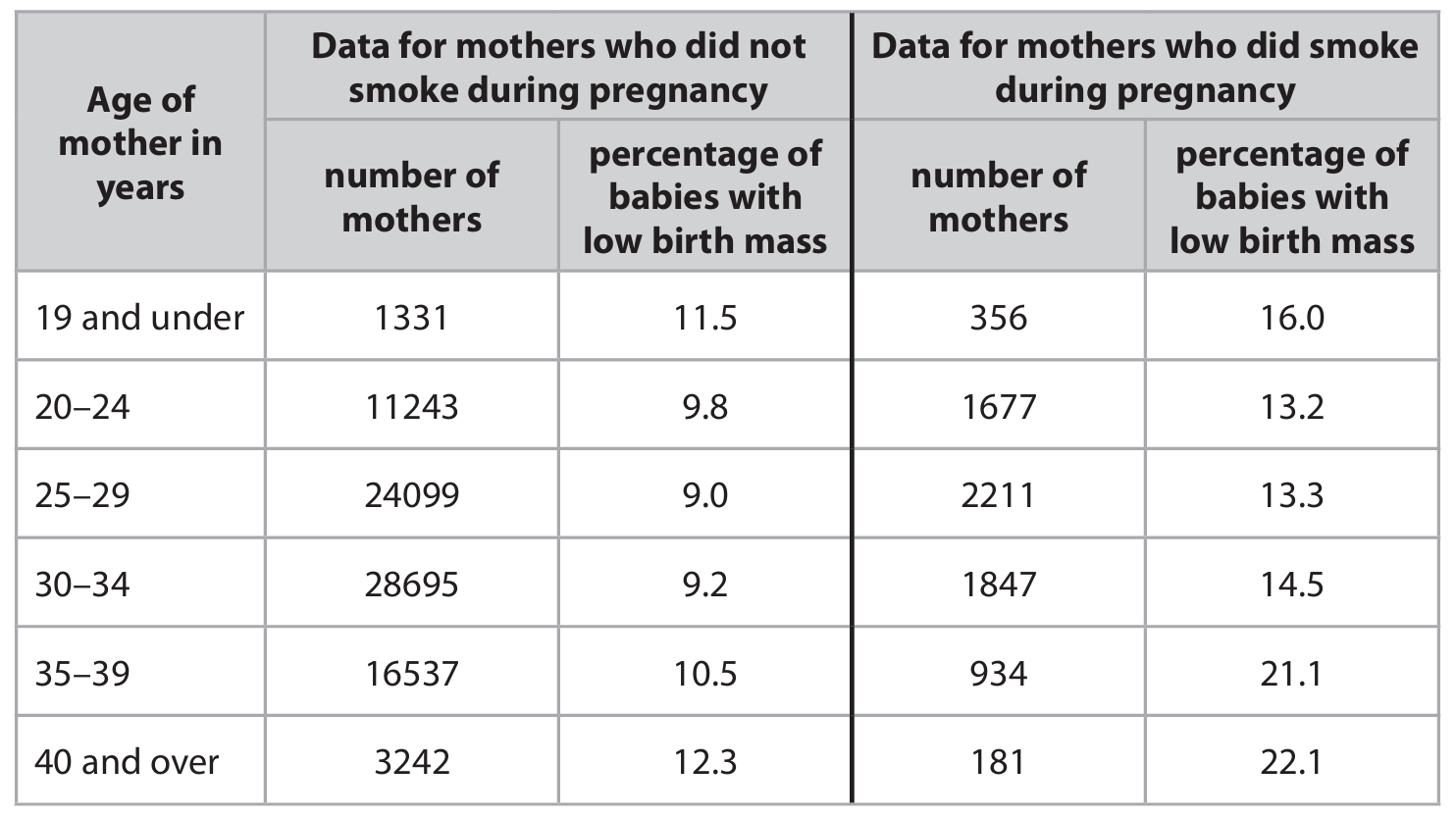
(a)(i) 21.1%
Explanation: To calculate the percentage of mothers aged 19 and under who smoked during pregnancy, we need to find the proportion of smokers in that age group. The number of smokers is 356, and the total number of mothers (smokers + non-smokers) is 1331 + 356 = 1687. The percentage is calculated as (356 ÷ 1687) × 100 = 21.1% (rounded to one decimal place).
(a)(ii) 12:1
Explanation: To determine the ratio of non-smokers to smokers, we first need to calculate the total number of non-smokers and smokers across all age groups. Total non-smokers = 1331 + 11243 + 24099 + 28695 + 16537 + 3242 = 85147. Total smokers = 356 + 1677 + 2211 + 1847 + 934 + 181 = 7206. The ratio of non-smokers to smokers is 85147:7206. To express this as n:1, we divide both sides by 7206: 85147 ÷ 7206 ≈ 11.82, which rounds to the nearest whole number as 12. So the ratio is 12:1.
(b)
Explanation: While the data shows a correlation between smoking and low birth mass, it would be premature to conclude that smoking is the main factor based solely on this data. Here’s a balanced analysis:
Evidence supporting the student’s conclusion:
- At every age group, the percentage of babies with low birth mass is higher for mothers who smoked compared to those who didn’t. For example, in the 35-39 age group, smokers had 21.1% low birth mass babies compared to 10.5% for non-smokers.
- The study involves a large sample size (over 92,000 mothers total), which adds credibility to the findings.
- Biologically, smoking reduces oxygen supply to the fetus due to carbon monoxide binding to hemoglobin more strongly than oxygen. This can impair fetal development and lead to lower birth weight.
Evidence challenging the student’s conclusion:
- The data shows that age is also a significant factor. For non-smokers, the percentage of low birth mass babies is higher at both extremes of age (11.5% for ≤19 and 12.3% for ≥40) compared to the middle age groups (9.0-10.5%).
- The effect of smoking appears to be more pronounced in older mothers. For mothers ≥40, smokers have 22.1% low birth mass compared to 12.3% for non-smokers – a difference of 9.8 percentage points, while for mothers 25-29, the difference is only 4.3 percentage points (13.3% vs 9.0%).
- The study doesn’t account for other potential factors that could influence birth mass, such as:
- Maternal nutrition and diet
- Maternal weight and overall health
- Alcohol consumption
- Quality of prenatal care
- Genetic factors
- Number of years the mother has been smoking
- The data is correlational, not experimental, so we cannot establish causation definitively.
In conclusion, while smoking appears to be a significant factor associated with low birth mass, the data suggests that it is not necessarily the main factor, as maternal age and other unmeasured variables also play important roles. A more comprehensive study controlling for these other factors would be needed to determine the primary cause of low birth mass.
▶️ Answer/Explanation
(a)(i) D oak tree
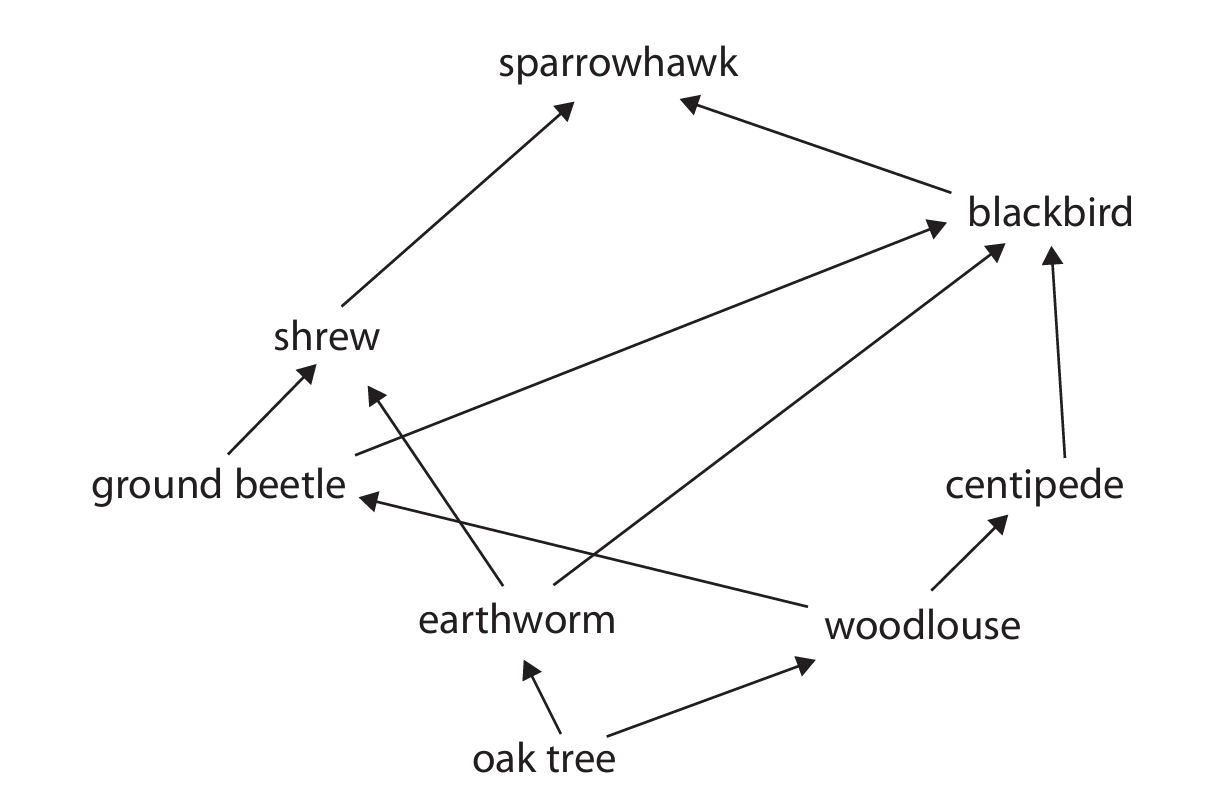
Explanation: Producers are organisms that can make their own food through photosynthesis. In this food web, the oak tree is the only organism that produces its own food using sunlight, making it the producer. The other options (blackbird, centipede, and earthworm) are all consumers that rely on eating other organisms for energy.
(a)(ii) A blackbird
Explanation: A secondary consumer eats primary consumers, while a tertiary consumer eats secondary consumers. The blackbird acts as both because it eats primary consumers like earthworms (making it a secondary consumer) and may also eat other secondary consumers like ground beetles (making it a tertiary consumer).
(b)(i)
Explanation: Plants cannot absorb all the light energy that reaches them because some light is reflected off their surfaces, particularly light of certain wavelengths that chlorophyll cannot absorb efficiently. Additionally, some light falls on non-photosynthetic parts of the plant like flowers or stems, or may not hit chloroplasts directly, reducing the overall energy absorption efficiency.
(b)(ii)
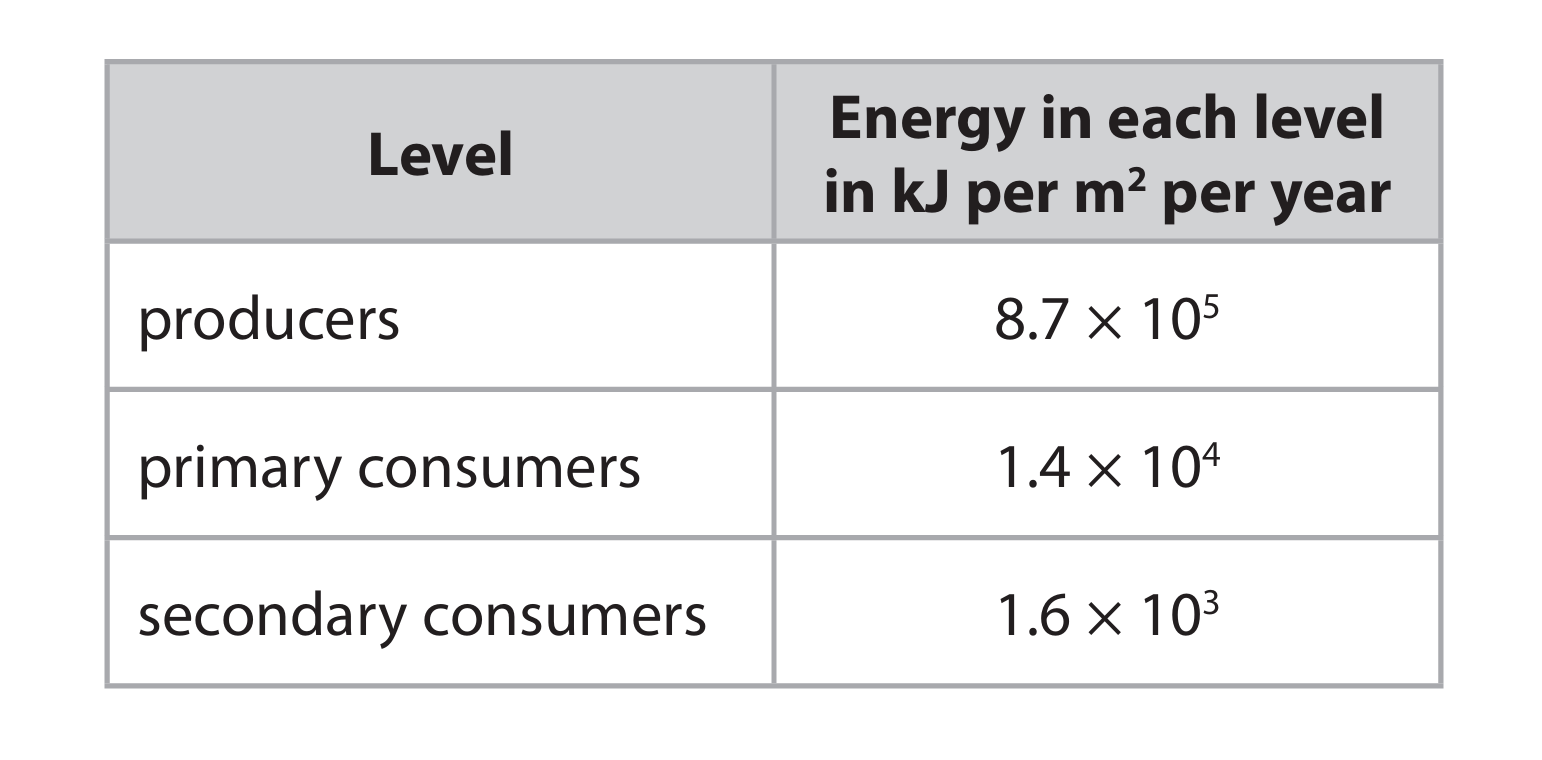
Explanation: To determine the efficiency of energy transfer, we calculate the percentage of energy transferred between trophic levels:
Producer to primary consumer: \( \frac{1.4 \times 10^4}{8.7 \times 10^5} \times 100 = 1.61\% \)
Primary to secondary consumer: \( \frac{1.6 \times 10^3}{1.4 \times 10^4} \times 100 = 11.43\% \)
The energy transfer between primary and secondary consumers (11.43%) is significantly more efficient than between producers and primary consumers (1.61%). Therefore, the student’s statement is incorrect.
(c)(i)
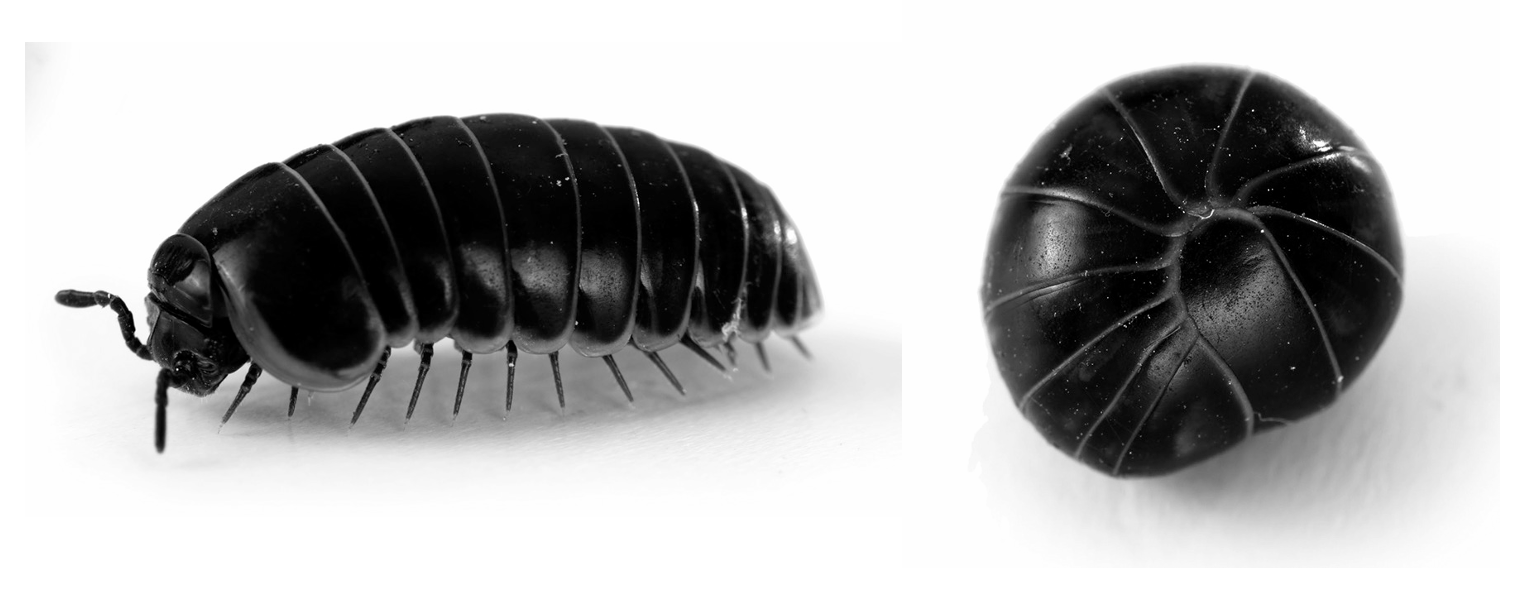
Explanation: A reflex response is an automatic, involuntary reaction to a stimulus that does not require conscious thought or involvement of the brain. It is a rapid, protective mechanism that helps organisms respond quickly to potential threats.
(c)(ii)
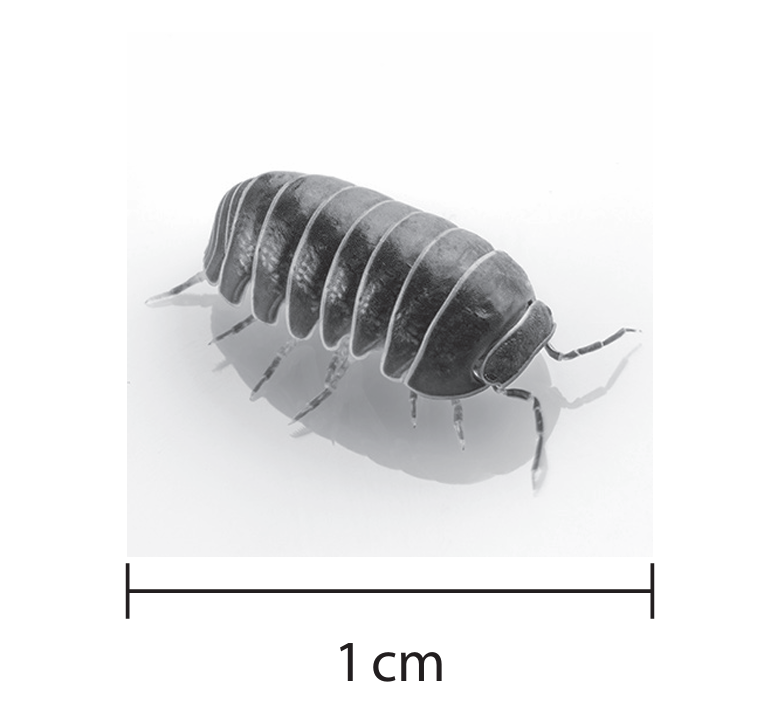
Explanation: This reflex response benefits the woodlouse by protecting it from predators. When curled into a ball, the woodlouse exposes only its hard exoskeleton, making it difficult for predators to attack or consume its vulnerable body parts.
(c)(iii)
Explanation: This reflex response could have evolved through natural selection via the following process:
1. Initially, genetic mutation created variation in the woodlouse population, with some individuals having a slight tendency to curl when threatened.
2. Woodlice that could curl into a ball had a survival advantage as they were better protected from predators.
3. These surviving woodlice reproduced and passed on the alleles responsible for this curling behavior to their offspring.
4. Over many generations, this reflex response became more common in the population as individuals with this trait continued to survive and reproduce more successfully than those without it.
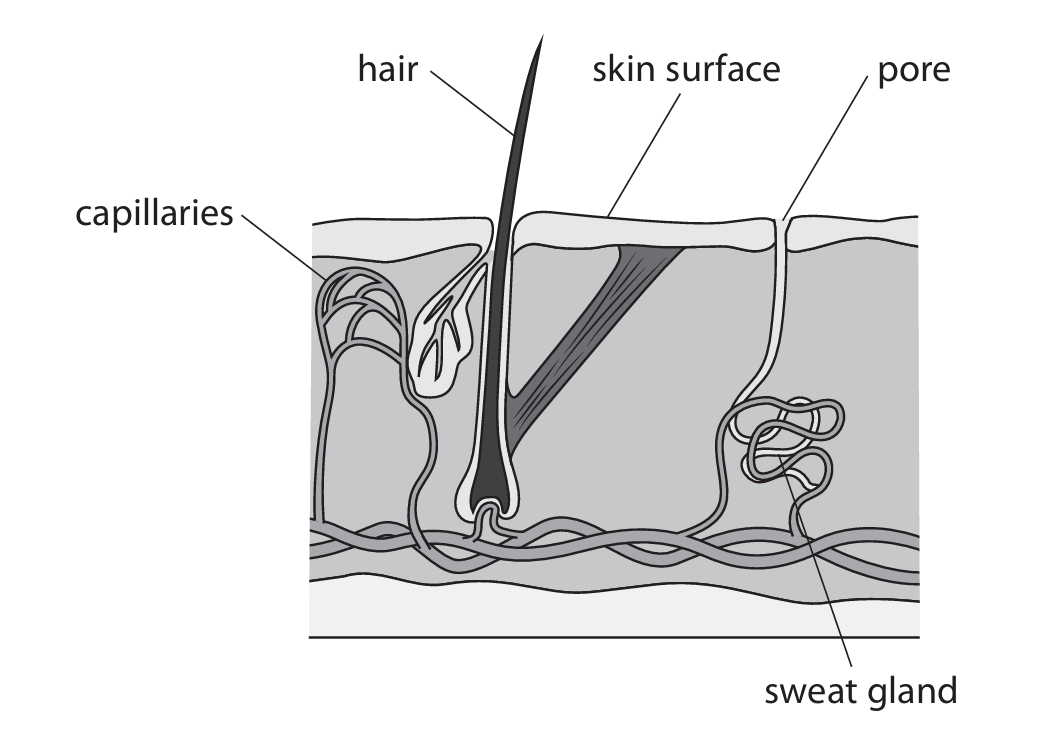
▶️ Answer/Explanation
(a) The skin is described as an organ because it is made up of different tissues working together to perform specific functions.
Explanation: An organ is defined as a structure composed of at least two different types of tissues that work together to perform a particular function. The skin includes epithelial tissue (epidermis), connective tissue (dermis), nervous tissue (sensory receptors), and muscular tissue (arrector pili muscles), all collaborating in roles like protection, sensation, and temperature regulation.
(b)(i) When body temperature increases, the skin capillaries help regulate temperature through a process called vasodilation.
Explanation: Here’s a step-by-step explanation of the process:
- The arterioles leading to the skin capillaries widen (vasodilation).
- This allows more blood to flow through the capillaries near the skin surface.
- As blood is warmer than the external environment, heat is transferred from the blood to the environment.
- This heat loss occurs primarily through radiation (and some convection).
- The result is a lowering of the blood temperature, which helps cool the entire body.
This mechanism is crucial for maintaining a constant internal body temperature, especially during exercise or in hot environments.
(b)(ii) A suitable investigation would be carefully controlled to test the hypothesis.
Explanation: Here is a detailed experimental design:
Aim: To determine if drinking a warm drink increases the rate of sweat production compared to drinking a cold drink.
Variables:
- Independent Variable: The temperature of the drink (e.g., warm water at 50°C vs. cold water at 5°C).
- Dependent Variable: The rate of sweat production.
- Control Variables: These must be kept constant to ensure a fair test.
- Volume of drink consumed (e.g., 250 cm³).
- Type of drink (e.g., plain water).
- The individual’s activity level before and during the test (e.g., resting).
- Room temperature and humidity.
- Clothing worn by the individual.
- The time of day.
- The initial body temperature of the individual.
Method:
- Select a group of healthy participants of similar age, fitness, and body mass.
- Ensure they rest in a room with a constant, comfortable temperature for 20 minutes before starting.
- For the test, one participant will drink the warm water, and another (or the same participant on a different day) will drink the cold water.
- Immediately after drinking, a pre-weighed piece of absorbent cotton wool or a small, dry cloth is placed on a specific part of the skin (e.g., the forearm).
- After a fixed time period (e.g., 10 minutes), the cotton wool/cloth is removed and immediately weighed.
- The increase in mass is calculated, which represents the mass of sweat produced in that area over that time.
- The rate of sweat production can then be calculated (e.g., mass of sweat per minute).
- The experiment is repeated with the other temperature of drink.
- The entire investigation should be repeated with multiple participants to improve reliability.
Conclusion: The average rate of sweat production after drinking the warm drink is compared to the average rate after drinking the cold drink. If the warm drink causes a significantly higher rate, it would support the suggestion.

▶️ Answer/Explanation
(a)(i) A
Explanation: The pancreas, labeled A in the diagram, is the gland that produces insulin. Insulin is a crucial hormone that regulates blood glucose levels by facilitating the uptake of glucose into cells. The other glands (B, C, D) have different primary functions and do not produce insulin.
(a)(ii) D
Explanation: The gland labeled D (which would be the ovary in a female) produces progesterone. Progesterone is a key hormone involved in the menstrual cycle and in maintaining pregnancy. Glands A, B, and C have different roles and do not produce progesterone.
(b)(i) 786:1
Explanation: To find the ratio of nervous communication speed to hormonal communication speed, we first need both speeds in the same units. Let’s convert the hormonal speed from cm/min to m/s. Hormonal speed is 420 cm/min. There are 100 cm in a meter and 60 seconds in a minute, so we calculate: \( \frac{420 , \text{cm/min}}{100 , \text{cm/m} \times 60 , \text{s/min}} = \frac{420}{6000} , \text{m/s} = 0.07 , \text{m/s} \).
The nervous speed is given as 55 m/s. The ratio of nervous to hormonal speed is therefore: \( \frac{55}{0.07} = 785.7 \), which rounds to approximately 786. So, the ratio is 786:1.
(b)(ii)
Explanation: Three key differences between the nervous and hormonal systems are:
- Mode of Transmission: The nervous system uses electrical impulses that travel along neurons (nerve cells). In contrast, the hormonal system uses chemical messengers (hormones) that are secreted into the bloodstream and travel in the plasma.
- Speed and Target: Nervous responses are very fast and are directed to specific, localized target cells (like a specific muscle). Hormonal responses are generally slower and the hormones can have widespread effects on many different target cells or organs throughout the body.
- Duration of Effect: The effects of nervous system communication are typically short-lived. For example, a nerve impulse causes a muscle to contract and then relax quickly. The effects of the hormonal system are often longer-lasting. For instance, the hormone insulin regulates blood sugar over a period of hours.

▶️ Answer/Explanation
(a)(i) The middle value.
Explanation: The median is a measure of central tendency that represents the middle number in a sorted, ascending or descending, list of numbers. If there is an odd number of observations, the median is the middle one. If there is an even number, it is the average of the two middle numbers. It effectively splits the data set into two halves.
(a)(ii) Median used as each age has wide/high range / not (influenced by) affected by / any reference to / reduces effect of extreme values / data is skewed / less affected by anomalies.
Explanation: The median is preferred over the mean in this context because the data for each age group likely has a wide range or might be skewed by extreme values (outliers). The median is not affected by very high or very low values, making it a more reliable measure of the typical vital capacity for each age group than the mean, which can be pulled up or down by outliers.
(a)(iii) A description that makes reference to two of the following:
- Increases (steeply) up to 20-25 years
- Levels off / peaks 20-25 years
- Decreases (steadily at constant rate) from 20-25 years
Explanation: The graph shows that vital capacity increases quite steeply as age increases from childhood up to the age range of 20-25 years. At this point, it reaches its peak and levels off, meaning it stays relatively constant for a short period. After this peak, from around 25 years onwards, the vital capacity begins to decrease steadily at a fairly constant rate as age continues to increase.
(a)(iv) An explanation that makes reference to two of the following:
- (Increases) (up to 20 years) as body / size / mass / chest cavity / lungs / muscle increases / grows / develops
- No / little change (from 20) no further growth / stop growing
- (Decreases) (from 25 years) as diaphragm / intercostal muscle weaker / lungs less elastic / less recoil
Explanation: The increase in vital capacity during childhood and adolescence (up to around 20 years) is due to physical growth. As the body grows, the chest cavity enlarges, and the lungs and associated muscles (like the diaphragm and intercostal muscles) develop and increase in size, allowing for a greater maximum volume of air to be expelled. From around 20 to 25 years, growth stops, so vital capacity remains relatively stable. The gradual decrease after 25 years is associated with the natural aging process, where the respiratory muscles can become weaker, and the lung tissue loses some of its elasticity, reducing the efficiency and maximum capacity of the lungs.
(a)(v) An answer that makes reference to two of the following:
- Smoking
- Lung disease / infection / condition / asthma / bronchitis / emphysema
- Fitness / how active you are
- Body size / height / mass / genetics
- Sex
- Altitude at which you live
- Pregnancy
- Pollution
Explanation: Many factors other than age can influence a person’s vital capacity. Lifestyle choices like smoking can damage lung tissue and reduce capacity. Pre-existing lung diseases or conditions like asthma also have a significant impact. A person’s fitness level is crucial; more active individuals typically have stronger respiratory muscles and better lung function. Physical attributes such as body size, height, and sex are also determining factors, as larger body size and male sex are generally associated with a higher vital capacity. Environmental factors like the altitude you live at or exposure to pollution can also affect lung function and development.
(b) A description that makes reference to three of the following:
- Count number of breaths per minute / number of breaths in stated time (at rest)
- Breathing rate count per minute / number of breaths in stated time after / during exercise
- Repeat / using more participants / use group
- Control age / sex / fitness of subjects / amount / period of exercise
Explanation: To investigate the effect of exercise on breathing rate, you would first need to measure the resting breathing rate. This is done by counting the number of breaths a student takes in one minute while they are at rest. One breath consists of one inhalation and one exhalation. Then, the student would perform a standardised exercise, such as running on the spot or stepping onto a bench for a set amount of time (e.g., 5 minutes). Immediately after the exercise, you would count their breathing rate again for one minute. To make the results more reliable, you should repeat the experiment with the same student on different days and also use a group of students to collect more data. It is important to control variables that could affect the results, such as the age, sex, and fitness level of the participants, as well as the type, duration, and intensity of the exercise they perform.

▶️ Answer/Explanation
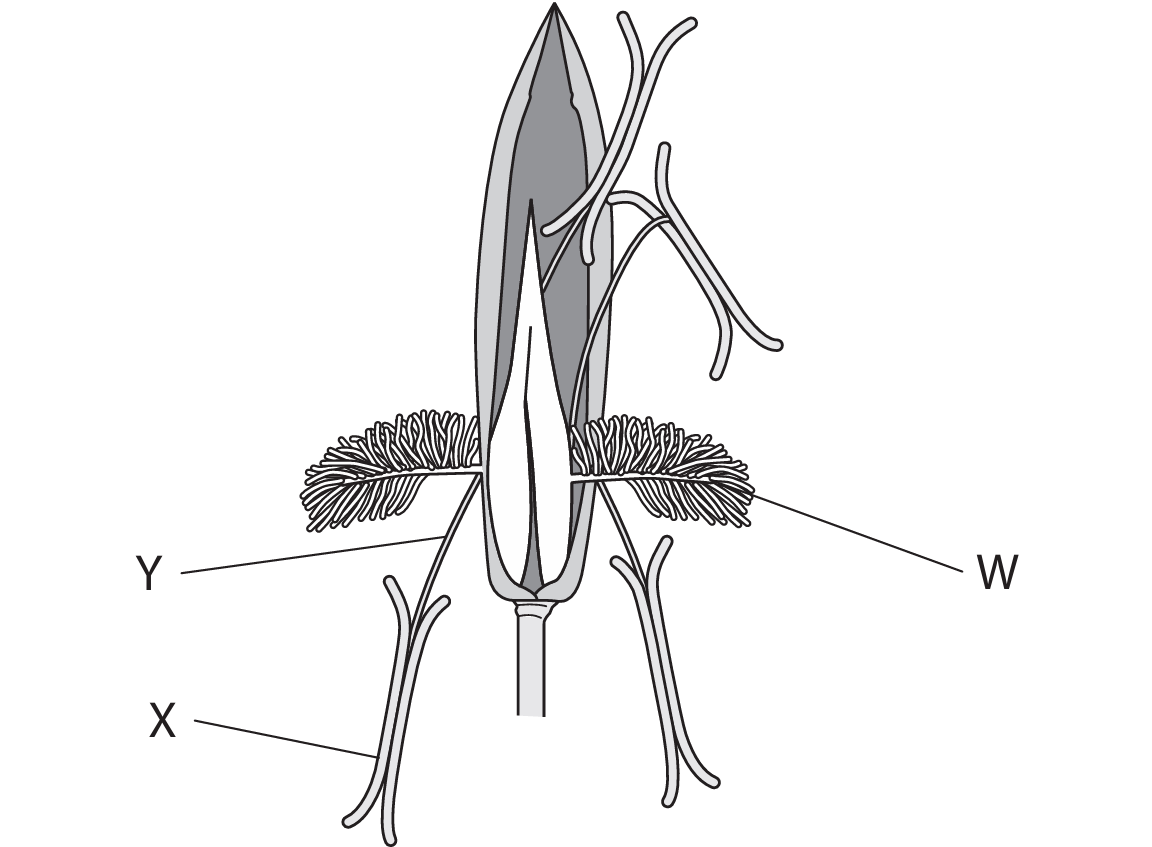
(a)(i)
Answer:
- W or stigma / feathery / large surface area / W stigma outside flower / exposed (to catch pollen)
- X or anther outside flower / exposed (to disperse pollen)
- Y or filament long / hinged / not rigid / can move (to disperse pollen)
Explanation: Wind-pollinated flowers have specific adaptations to ensure successful pollination without relying on insects. Structure W is the stigma, which is feathery and has a large surface area to effectively catch pollen grains floating in the air. It is positioned outside the flower to maximize exposure to wind-borne pollen. Structure X is the anther, which is also exposed outside the flower to allow pollen to be easily released and carried away by the wind. Structure Y is the filament, which is long and often hinged or flexible, allowing the anther to move freely in the wind, thereby enhancing pollen dispersal.
(a)(ii)
Answer: Two differences could be:
- Wind-pollinated flowers have smaller / dull / green flowers / petals / no petals
- Wind-pollinated flowers have no nectar / nectary
- Wind-pollinated flowers have no scent
- Wind-pollinated flowers have smaller / lighter / smooth pollen grains / more pollen produced
Explanation: Wind-pollinated flowers and insect-pollinated flowers have evolved different strategies. Wind-pollinated flowers typically have smaller, duller, often green petals, or may even lack petals altogether since they don’t need to attract insects visually. They do not produce nectar because there are no insects to reward, and they lack scent as aroma is unnecessary for attracting pollinators. Their pollen grains are smaller, lighter, and smooth to be easily carried by wind currents, and they produce pollen in much larger quantities to increase the chance of some grains reaching another flower.
(b)
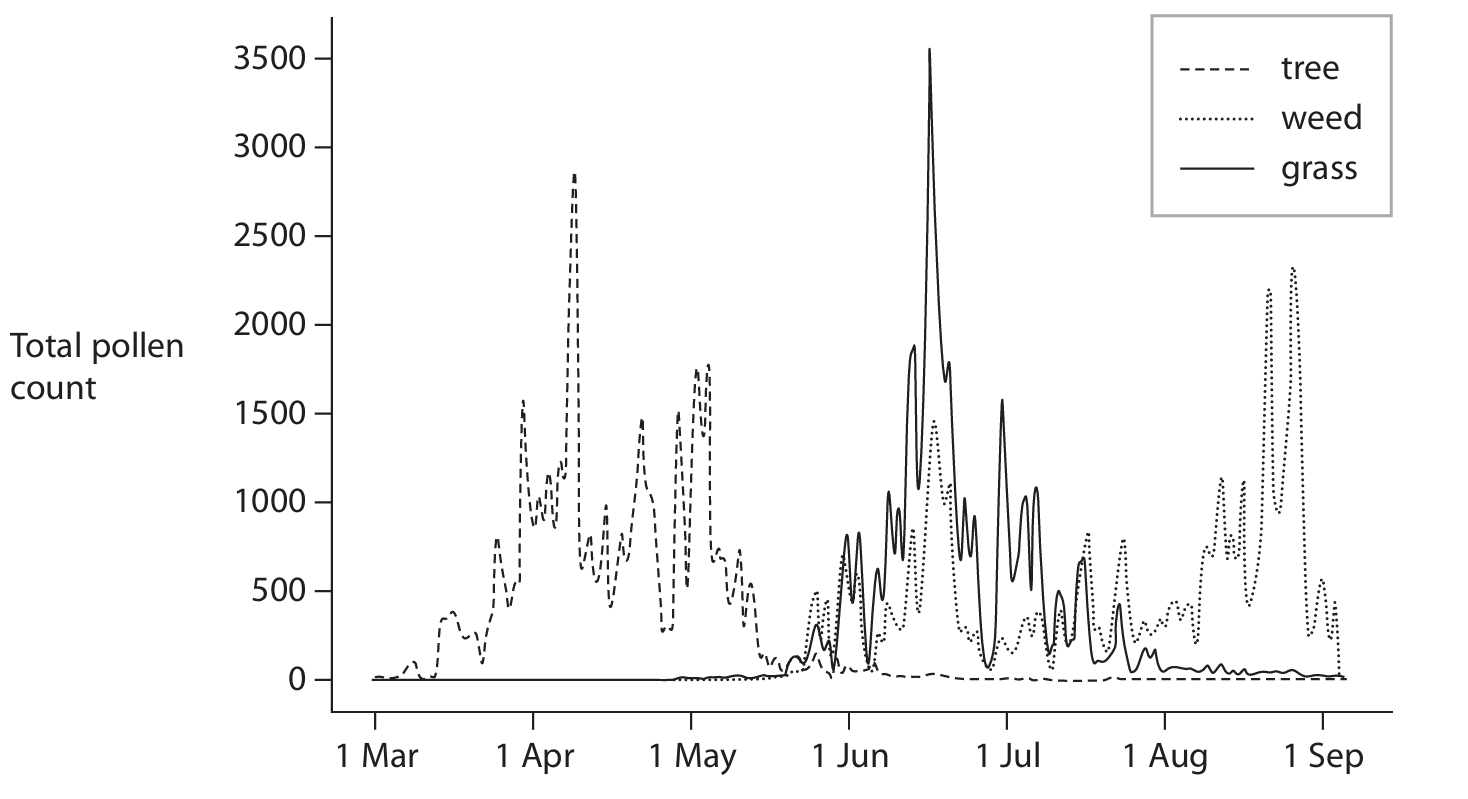
Answer: The discussion should include references such as:
- Link between pollen number and symptoms
- Person A allergic to tree pollen (only)
- Person B allergic to (mainly) grass pollen
- Person B some / mild allergy to tree and weed
- Person C allergic to all pollen / tree and grass and weed
- Person D no pollen allergy
- Person E allergic to (mainly) grass and weed
- Person E some / mild allergy to tree
- No species level data
- Only one year of data
Explanation: By correlating the pollen count graph with the symptom diaries, we can identify likely pollen allergies for each person. Person A experiences severe symptoms in April and May, which coincides with high tree pollen counts, suggesting a specific allergy to tree pollen. Person B has severe symptoms in June and July when grass pollen is highest, indicating a primary allergy to grass pollen, with mild symptoms in other months possibly due to lower levels of tree and weed pollen. Person C suffers from April to September, covering the peaks of all three pollen types, suggesting allergies to tree, grass, and weed pollen. Person D reports no symptoms, indicating no pollen allergies. Person E has severe symptoms from June to September, aligning with high grass and weed pollen, and mild symptoms earlier in the year possibly due to tree pollen. It’s important to note that this data is from only one year and doesn’t identify specific plant species, so conclusions should be considered preliminary.
(c)
Answer: An explanation that includes:
- Response to antigens / pathogen / allergen / bacteria / virus
- By white blood cells / phagocytes / lymphocytes
- Antibodies produced / phagocytosis / engulf
Explanation: An immune response is the body’s sophisticated defense mechanism against foreign substances called antigens, which can include pathogens like bacteria and viruses, or allergens like pollen. This process is primarily carried out by specialized white blood cells. Phagocytes are cells that engulf and destroy foreign particles through a process called phagocytosis. Lymphocytes are another type of white blood cell that produces antibodies – specific proteins that recognize and bind to particular antigens, marking them for destruction. In the case of hay fever, the immune system mistakenly identifies harmless pollen as a threat, triggering this response and causing the uncomfortable symptoms associated with allergies.
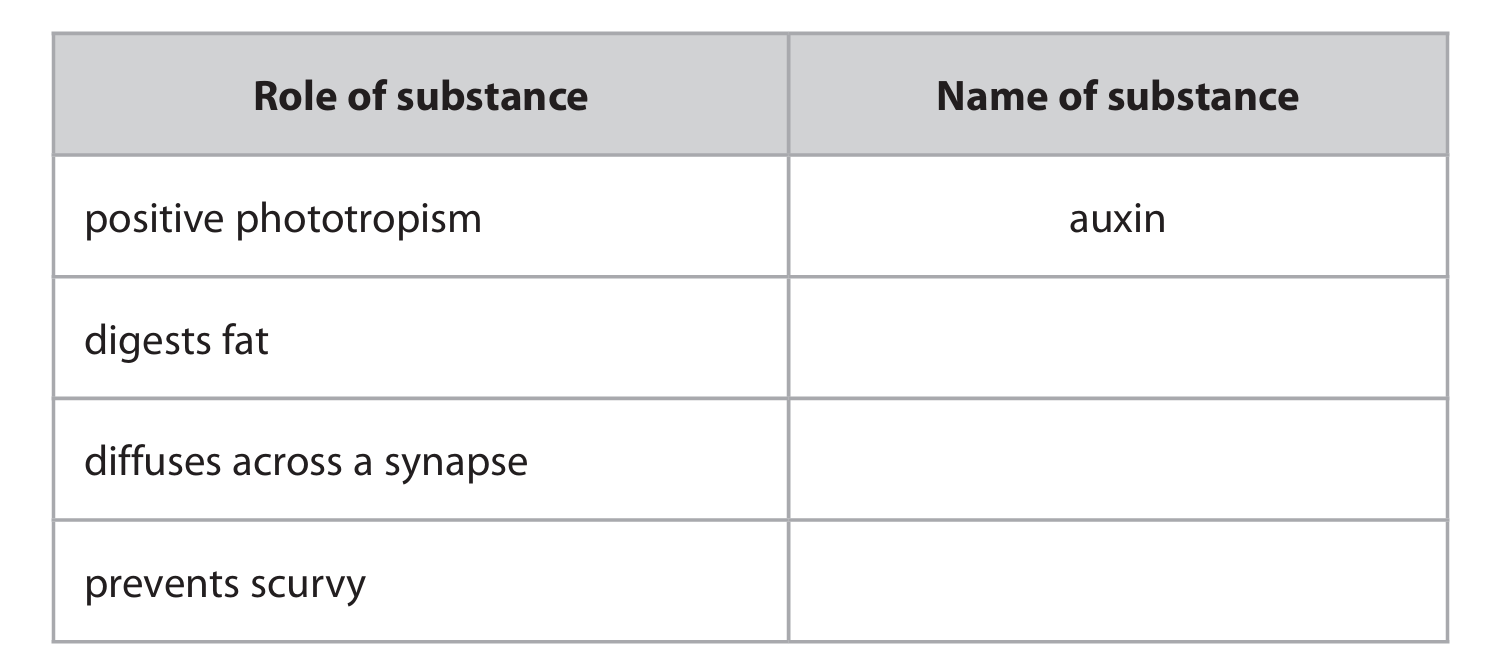
▶️ Answer/Explanation
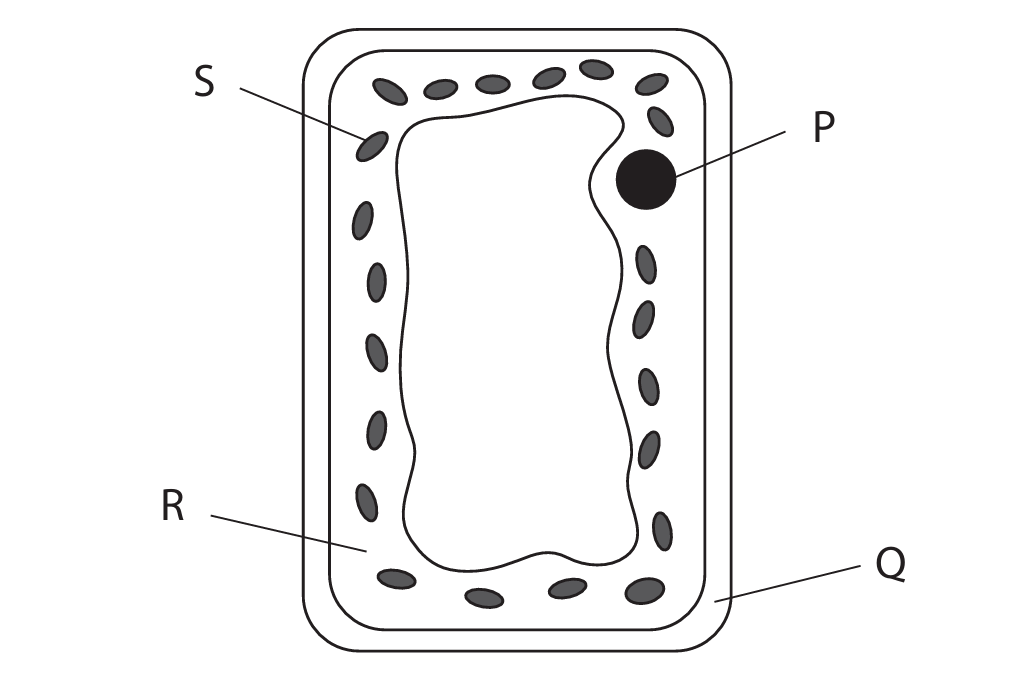
1 (a)(i) D S
Explanation: In plant cells, chlorophyll is found in the chloroplasts, which are represented by structure S in the diagram. Chloroplasts are the organelles responsible for photosynthesis and contain the green pigment chlorophyll that captures light energy.
1 (a)(ii) C magnesium
Explanation: Chlorophyll molecules contain magnesium ions at their center. The magnesium atom is coordinated to four nitrogen atoms in the porphyrin ring structure of chlorophyll, which is essential for its light-absorbing properties during photosynthesis.
1 (a)(iii) Chlorophyll absorbs/traps light energy for photosynthesis to produce carbohydrates.
Detailed Explanation: Chlorophyll plays a crucial role in photosynthesis by absorbing light energy, primarily from the blue and red regions of the visible spectrum. This absorbed light energy is then converted into chemical energy through the process of photosynthesis. During photosynthesis, carbon dioxide and water are converted into glucose and oxygen using this captured energy. The glucose produced can then be used by the plant for energy or converted into starch for storage.
1 (b) C a plant stem growing towards light
Explanation: Positive phototropism refers to the growth movement of a plant part toward a light source. Plant stems exhibit positive phototropism as they grow toward light, which maximizes their exposure to sunlight for photosynthesis. This directional growth is controlled by the hormone auxin, which accumulates on the shaded side of the stem, causing those cells to elongate more rapidly.
1 (c)
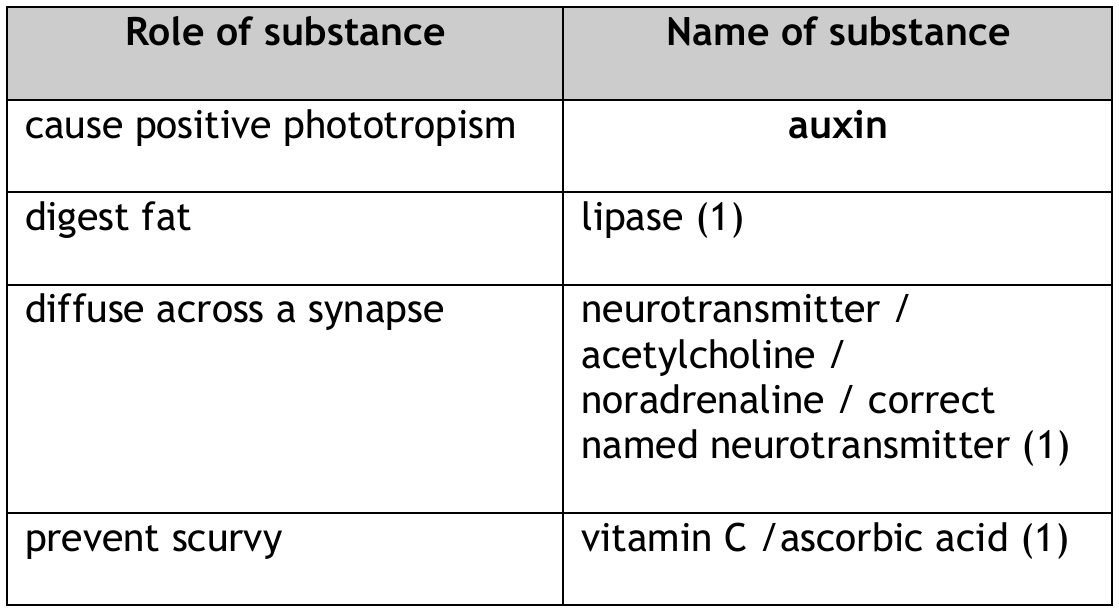
Detailed Explanation:
Lipase is an enzyme that breaks down fats (lipids) into fatty acids and glycerol during digestion. It’s produced by the pancreas and works in the small intestine.
Neurotransmitter is a chemical messenger that diffuses across the synaptic cleft (the gap between neurons) to transmit nerve impulses from one neuron to another. Examples include acetylcholine and noradrenaline.
Vitamin C (ascorbic acid) is essential for preventing scurvy, a disease characterized by bleeding gums, joint pain, and fatigue. Vitamin C is necessary for collagen synthesis, which is important for maintaining healthy connective tissues.

▶️ Answer/Explanation
(a) C Y
Explanation: The adrenal gland is correctly identified as structure Y in the diagram. The other options are incorrect because:
- A (W) is not the adrenal gland
- B (X) is not the adrenal gland
- D (Z) is not the adrenal gland
The adrenal glands are located above the kidneys and are responsible for producing adrenaline and other hormones.
(b) An organ is several/different tissues carrying out a particular function/purpose.
Explanation: An organ is defined as a structure composed of multiple different types of tissues that work together to perform a specific function or purpose in the body. In this case, the adrenal gland contains various tissues that collectively produce and secrete adrenaline and other hormones.
(c) The advantages include:
- Dilation of the pupil allows more light to enter the eye, improving vision and making the person more aware of their surroundings to better detect danger.
- Increased heart rate pumps more blood to vital organs, particularly the lungs and muscles, ensuring they receive adequate oxygen and nutrients.
- Narrowing small arteries in the intestine redirects blood flow away from digestion and toward the muscles, which are needed for physical response.
- Conversion of glycogen to glucose in the liver increases blood sugar levels, providing more immediate energy for muscle cells through respiration.
- These combined effects increase oxygen delivery to muscles, enhance glucose availability for energy production, support higher rates of respiration, reduce reliance on anaerobic respiration (which produces lactic acid), and ultimately help the person run faster or escape danger more effectively.
Detailed Explanation: When adrenaline is released during a dangerous situation, it triggers the “fight or flight” response. The pupil dilation enhances visual awareness, allowing the person to better assess threats. The increased heart rate ensures that oxygenated blood reaches critical areas like the brain and muscles more quickly. By diverting blood from the digestive system to the muscles, the body prioritizes immediate physical action over digestion. The conversion of stored glycogen into glucose provides a rapid energy source for muscle contraction. All these physiological changes work together to prepare the body for intense physical activity, whether that means fighting the threat or fleeing from it.

▶️ Answer/Explanation
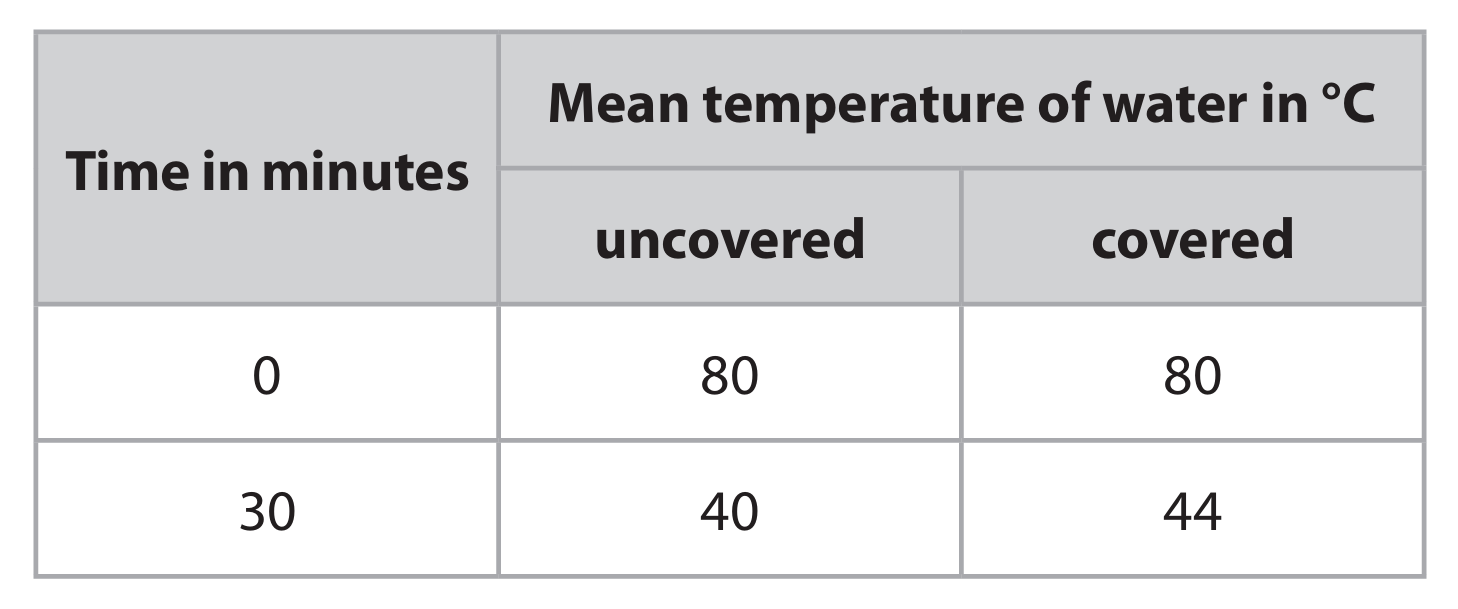
(a) Temperature
Explanation: The dependent variable is what is being measured in the experiment. In this case, the student is measuring how the temperature changes over time in both the covered and uncovered beakers. The temperature depends on whether the beaker is covered or not, making it the dependent variable in this investigation.
(b) To ensure a fair test by keeping the surface area and volume constant.
Explanation: Using the same volume of water (200 cm³) in each beaker ensures that the surface area to volume ratio remains constant. This is important because heat loss is affected by both volume and surface area. If different volumes were used, it wouldn’t be a fair comparison as the rate of heat loss would be influenced by the different volumes rather than just the covering condition.
(c) 5%
Explanation: Let’s calculate this step by step:
For the uncovered beaker:
Temperature decrease = 80°C – 40°C = 40°C
Percentage decrease = (40 ÷ 80) × 100 = 50%
For the covered beaker:
Temperature decrease = 80°C – 44°C = 36°C
Percentage decrease = (36 ÷ 80) × 100 = 45%
Difference = 50% – 45% = 5%
The uncovered beaker lost 5% more heat than the covered beaker over the 30-minute period.
(d) The conclusion has both supporting and limiting factors.
Explanation: While the results show that covering reduces heat loss (with the covered beaker maintaining 4°C higher temperature), suggesting animals might lose less heat indoors, there are several limitations to this conclusion:
- The difference is relatively small (only 5%), which may not be significant in real farming conditions
- This model oversimplifies real animals – animals can move, generate their own heat, and have fur or feathers for insulation
- Climate factors matter – in hot countries, keeping animals outdoors might actually be better to prevent overheating
- Other factors like disease spread (higher indoors), animal welfare, and feeding costs aren’t considered
- Animals kept indoors may use less energy maintaining body temperature, potentially allowing more energy for growth and production
(e) Use beakers/containers of different sizes with the same covering conditions.
Explanation: To investigate how body size affects heat loss, the student could modify the experiment by using beakers of different volumes (representing different body sizes) while keeping all other variables constant. For example, they could use 100 cm³, 200 cm³, and 300 cm³ beakers, all either covered or all uncovered, and measure the temperature decrease over the same time period. This would show how the surface area to volume ratio (which changes with size) affects the rate of heat loss, with smaller volumes (representing smaller animals) having a larger surface area to volume ratio and thus losing heat faster.

▶️ Answer/Explanation
(a)(i) A circle should be drawn around the axon terminals.
Explanation: The axon terminals are the end parts of the neurone that form synapses with the effector (e.g., a muscle). When the nerve impulse reaches the axon terminals, it triggers the release of neurotransmitters, which cross the synapse and stimulate the effector to respond.
(a)(ii) B motor
Explanation: A motor neurone carries electrical impulses from the central nervous system (CNS) to an effector, such as a muscle or gland. In this case, the neurone is part of a reflex arc that causes the finger to withdraw from the hot object, so it must be a motor neurone. Association neurones are found within the CNS, relay neurones connect sensory and motor neurones (also within the CNS), and sensory neurones carry impulses from receptors to the CNS.
(a)(iii) An explanation that makes reference to two of the following points:
- fast (1)
- no brain involvement / no thought / automatic / involuntary / eq (1)
- less damage / harm / eq (1)
Detailed Explanation: The withdrawal reflex is an involuntary and rapid response. Its main advantage is speed. Because the reflex arc bypasses the brain and involves only the spinal cord, the response happens much faster than if the brain had to process the information and decide on a response. This speed helps to minimize tissue damage by removing the finger from the harmful stimulus (the heat) as quickly as possible.
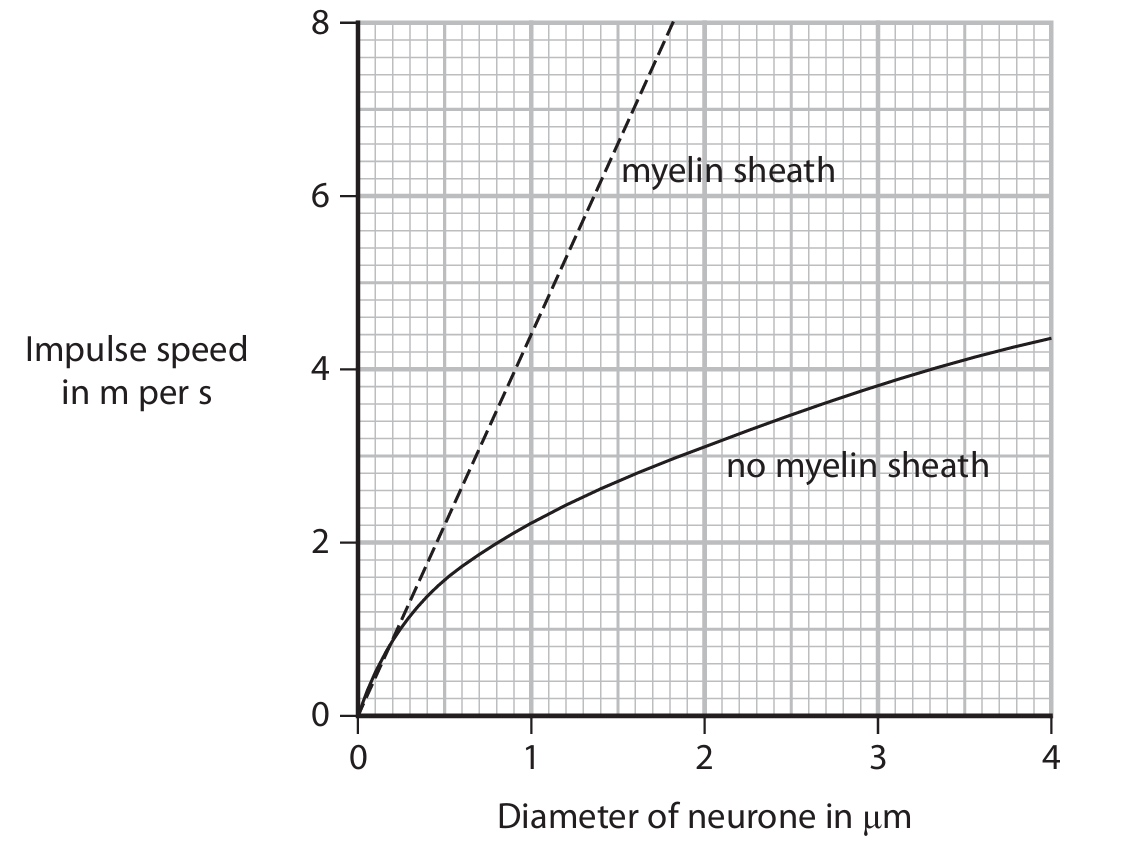
(b)(i) D wider neurones have faster impulses
Explanation: The graph shows that for both myelinated and unmyelinated neurones, as the diameter increases, the impulse speed also increases. Therefore, the conclusion that wider neurones have faster impulses is directly supported by the data. Option A is incorrect because the graph does not show that myelinated neurones are always faster (at very small diameters, the lines are close). Options B and C are not supported by the information in the graph.
(b)(ii) 4.4 m per s
Explanation: To find the speed, you locate 1.0 µm on the x-axis (Diameter of neurone). Then, you follow a vertical line up until it meets the line for “myelin sheath.” From that point, you move horizontally to the left to read the speed value on the y-axis (Impulse speed in m per s), which is 4.4 m/s.
(b)(iii) \(2.0 \times 10^{-1}\) s
Explanation: To calculate the time taken, we use the formula: \(\text{time} = \frac{\text{distance}}{\text{speed}}\).
First, ensure all units are consistent. The length is 90 cm, which is \(0.9\) m. The speed from part (b)(ii) is \(4.4\) m/s.
So, \(\text{time} = \frac{0.9}{4.4}\).
Performing the division: \(0.9 \div 4.4 = 0.204545…\) seconds.
Rounding to two significant figures (as appropriate for the data given) gives \(0.20\) seconds.
Finally, expressing \(0.20\) seconds in standard form is \(2.0 \times 10^{-1}\) s.


▶️ Answer/Explanation
(a)(i) The scientists could tell a maize seed had germinated by observing the emergence and growth of the radicle (the first root) or the plumule (the first shoot) from the seed. The seed coat may also split open as these structures begin to grow outwards.
(a)(ii) Two other abiotic variables that need to be controlled are:
- Temperature: Germination rates are highly dependent on temperature. All batches of seeds should be kept at the same, constant temperature throughout the investigation to ensure that any differences in germination are due to the salt concentration and not temperature fluctuations.
- Light: While some seeds require light to germinate and others don’t, consistency is key. The light intensity, duration (photoperiod), and quality should be the same for all seed batches to prevent light from being a confounding variable.
Other acceptable answers include: volume of solution, humidity, oxygen concentration, pH, or carbon dioxide levels.
(b)(i) To plot the line graph:
- The independent variable (salt concentration in mmol) should be plotted on the x-axis.
- The dependent variable (percentage germination) should be plotted on the y-axis.
- The scale should be linear and appropriate for the data range (0-320 mmol for x-axis, 0-100% for y-axis).
- Axes must be clearly labelled with the variable and its units (“Concentration of salt solution (mmol)” and “Percentage germination (%)”).
- Each data point from the table should be accurately plotted.
- Straight lines should be drawn with a ruler to connect each point sequentially.
(b)(ii) Increasing the concentration of the salt solution decreases the percentage germination of maize seeds. This happens because the salt solution creates a lower (more negative) water potential in the soil surrounding the seed compared to the water potential inside the seed. Water moves by osmosis from an area of higher water potential (inside the seed) to an area of lower water potential (the salty soil). As the salt concentration increases, this outward osmotic gradient strengthens, or the inward gradient weakens, resulting in less water being absorbed by the seed. Water is essential for germination as it rehydrates the seed tissues, activates enzymes that break down stored food reserves (like starch), and allows for the growth of the embryo. With insufficient water uptake, these metabolic processes are inhibited, leading to reduced or prevented germination.
(c)(i) Roots and stems respond differently to gravity. Roots are positively gravitropic (or positively geotropic), meaning they grow in the direction of the gravitational pull, downwards into the soil. Stems, on the other hand, are negatively gravitropic, meaning they grow against the direction of gravity, upwards away from the soil.
(c)(ii) Roots and stems also respond differently to light. Roots are negatively phototropic, meaning they grow away from a light source, which helps them remain buried in the soil. Stems are positively phototropic, meaning they grow towards a light source, which enables the leaves to maximize their exposure to sunlight for photosynthesis.
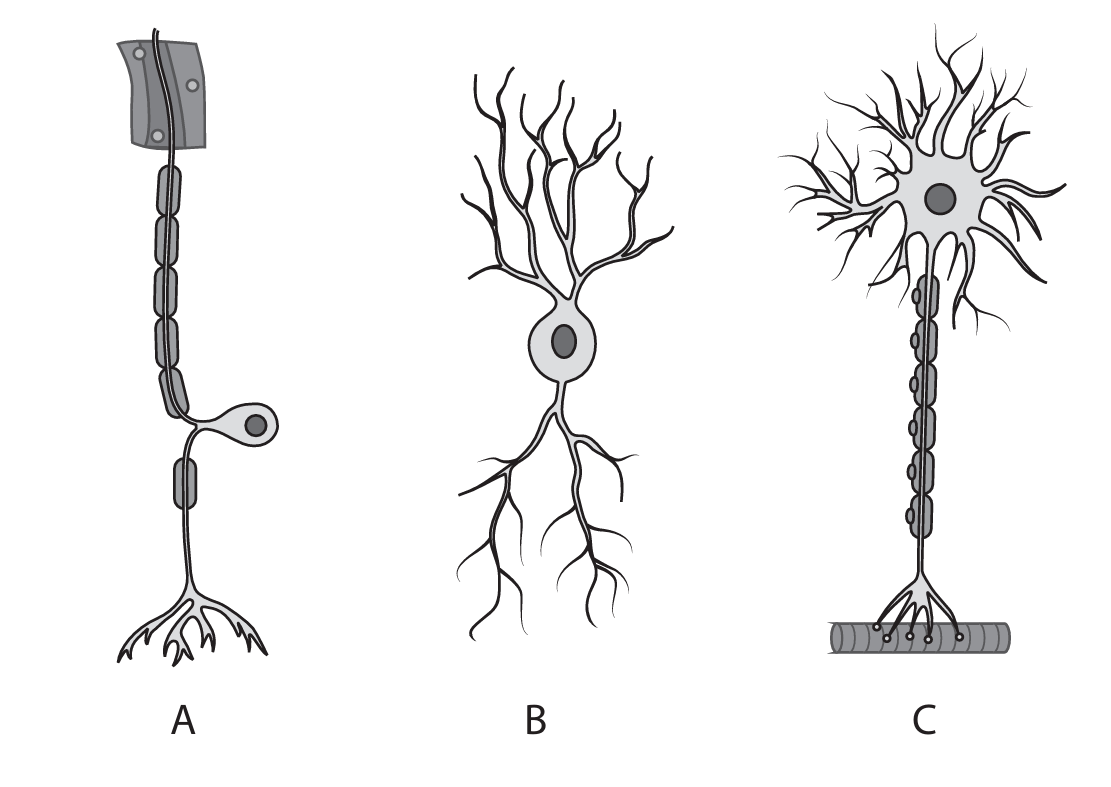
▶️ Answer/Explanation
(a)(i)
A: Sensory/afferent neurone
B: Relay/association neurone
C: Motor/efferent neurone
Explanation: Neurones are specialized nerve cells that transmit electrical impulses. Sensory neurones (A) carry impulses from receptors to the central nervous system. Relay neurones (B) are found within the central nervous system and connect sensory and motor neurones. Motor neurones (C) carry impulses from the central nervous system to effectors like muscles.
(a)(ii)
When a finger touches a hot object, sensory receptors in the skin detect the heat and generate a nerve impulse. The sensory neurone (A) carries this impulse from the finger to the spinal cord. In the spinal cord, the sensory neurone connects with a relay neurone (B), which then passes the impulse to a motor neurone (C). The motor neurone carries the impulse back to the muscles in the arm and hand, causing them to contract and pull the finger away from the hot object.
Explanation: This is an example of a reflex arc, which is an automatic, rapid response that doesn’t involve conscious thought. The pathway goes: receptor → sensory neurone → relay neurone (in spinal cord) → motor neurone → effector (muscle). This three-neurone system allows for quick protective responses to potentially harmful stimuli.
(b)(i)
The teacher would need to measure the total distance around the circle and the total time taken for the impulse to travel around the circle. To calculate speed using the formula speed = distance/time, both distance and time measurements are essential.
Explanation: Specifically, the teacher should measure the circumference of the circle (either by measuring the diameter and calculating, or by measuring the distance between students and multiplying by the number of students). The time is already measured from when student A starts the timer to when they stop it after feeling the squeeze return to them.
(b)(ii)
The teacher’s method is unlikely to give an accurate estimate of the speed of a nerve impulse. The main issue is that it measures reaction time rather than just nerve impulse speed, as there are delays at each synapse and in cognitive processing.
Explanation: There are several reasons why this method is inaccurate. First, there’s synaptic delay at each connection between students (approximately 0.5ms per synapse). Second, each student has processing time to recognize the squeeze and decide to squeeze the next hand. Third, the method involves conscious reaction rather than a true reflex. In a real nerve pathway, impulses travel much faster (up to 120 m/s in myelinated neurones) without these additional delays. A more accurate method would involve measuring reflex times in a controlled laboratory setting using specialized equipment.
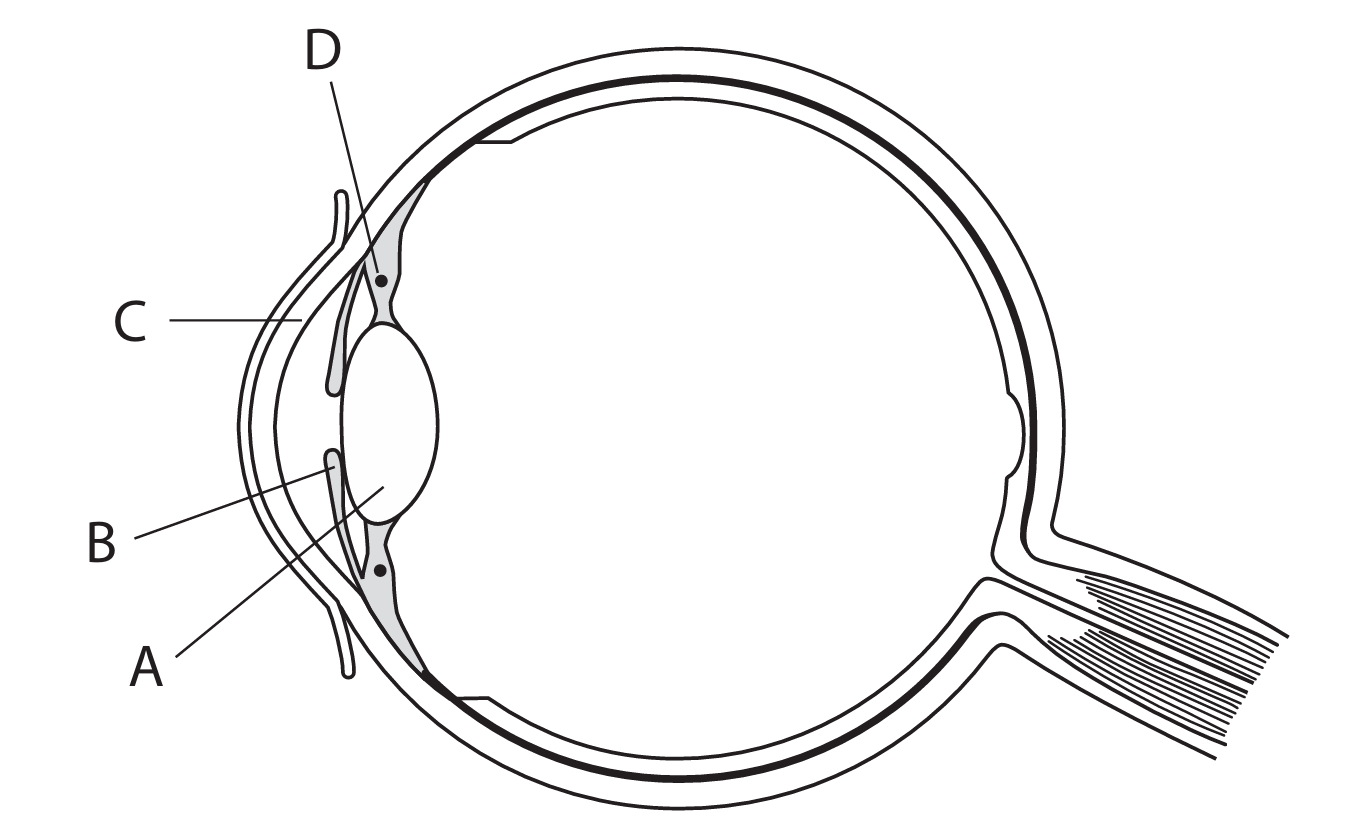
▶️ Answer/Explanation
(a)(i) The cornea (C) refracts/bends light rays. The ciliary muscles (D) contract. This causes the suspensory ligaments to slacken. The lens (A) becomes more rounded/thicker, increasing its refractive power to focus light from near objects onto the retina.
Explanation: Focusing on a near object requires the eye to increase its focusing power. This process is called accommodation. First, the cornea (structure C) performs the initial bending (refraction) of light rays entering the eye. To fine-tune the focus for a nearby object, the ciliary muscles (structure D) contract. This contraction reduces the tension on the suspensory ligaments, which are like tiny strings holding the lens. When these ligaments slacken, the natural elasticity of the lens (structure A) causes it to become more convex, meaning it becomes thicker and more rounded. This change in shape increases the lens’s refractive power, bending the light rays more sharply so that they converge precisely onto the retina, forming a clear image.
(a)(ii) In bright light, the circular muscles in the iris (B) contract and the radial muscles relax. This causes the pupil to constrict (become smaller), reducing the amount of light entering the eye and protecting the retina from damage.
Explanation: This is a protective reflex arc. When very bright light is detected by the retina, a nerve impulse is sent to the brain. The brain then sends an impulse to the iris (structure B). The iris contains two sets of muscles: circular muscles and radial muscles. In response to bright light, the circular muscles contract (like tightening a drawstring) while the radial muscles simultaneously relax. This combined action makes the pupil—the central hole in the iris—smaller (a process called constriction). By making the pupil smaller, the eye limits the quantity of intense light that can pass through to the sensitive retina, thereby preventing overstimulation and potential damage to the light-sensitive cells.
(b)(i) Lysozyme kills bacteria / microorganisms. This helps to prevent eye infections.
Explanation: The tear fluid is not just for lubrication; it’s also a part of the body’s first line of defense. Lysozyme is an enzyme that specifically targets and breaks down the cell walls of many types of bacteria. Bacterial cell walls are essential for their structure and survival. By breaking these walls down, lysozyme effectively kills the bacteria or prevents them from growing and multiplying. This antiseptic action helps to protect the surface of the eye from potential infections that could be caused by dust, debris, or other airborne pathogens.
(b)(ii) pH 7 is the optimum pH for lysozyme activity. It also prevents irritation or damage to the sensitive eye tissues.
Explanation: Enzymes are very sensitive to pH, and lysozyme is no exception. Its three-dimensional shape, particularly the shape of its active site, is ideal for breaking down bacterial cell walls at a neutral pH of 7. If the pH were too acidic or too alkaline, the enzyme could become denatured—its shape would change, and it would no longer function effectively, leaving the eye more vulnerable to infection. Furthermore, a neutral pH is gentle and non-irritating to the delicate cells on the surface of the eye (the cornea and conjunctiva). An acidic or alkaline fluid would cause significant discomfort, stinging, and could potentially damage these sensitive tissues.


▶️ Answer/Explanation
(a)
| Individual | Genotype |
|---|---|
| P | Dd |
| Q | Dd |
| R | Dd |
| S | dd |
Explanation: The condition is caused by a recessive allele (d) because both parents (P and Q) are unaffected but have an affected child (S, genotype dd). This means both parents must be heterozygous carriers (Dd). Child R is unaffected, so their genotype must be Dd (as given). Child S is affected, so their genotype is dd.
(b) \( \frac{1}{8} \) / 0.125 / 12.5%
Explanation: To find the probability that the third child is female AND has the condition, we consider two independent events:
1. Probability of being female: This is \( \frac{1}{2} \) (assuming equal chance of male or female).
2. Probability of having the condition (genotype dd): Both parents are Dd. A Punnett square for Dd × Dd gives: 25% DD (unaffected), 50% Dd (unaffected carriers), 25% dd (affected). So, the probability of being affected is \( \frac{1}{4} \).
To find the combined probability, we multiply the probabilities of the two independent events: \( \frac{1}{2} \times \frac{1}{4} = \frac{1}{8} \).
So, the probability is \( \frac{1}{8} \), 0.125, or 12.5%.
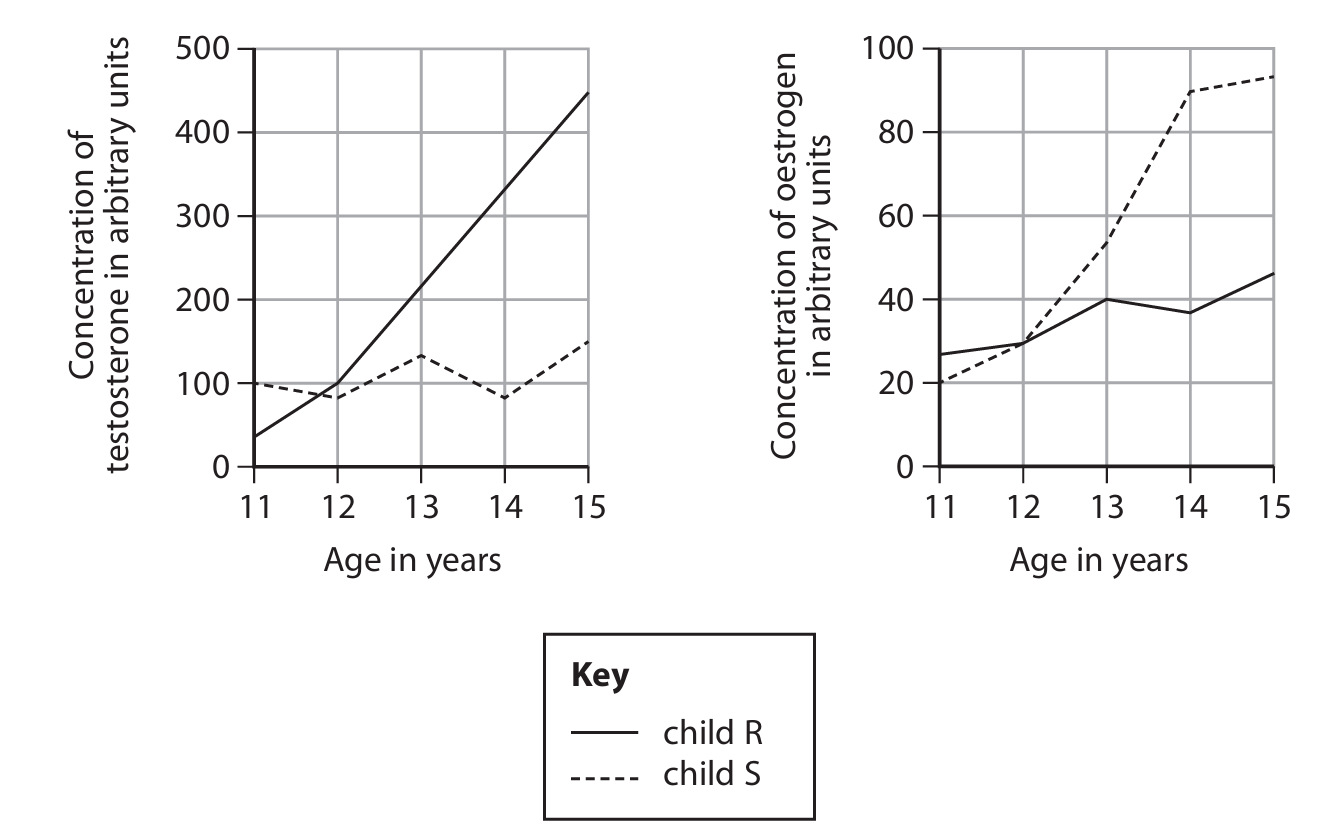
(c)
Explanation: The graphs show distinct hormonal profiles for Child R and Child S, indicating their different sexes and the onset of puberty.
Child R: Shows a significant increase in testosterone concentration with age, while oestrogen levels remain low. This pattern is characteristic of male puberty. Testosterone promotes the development of male secondary sexual characteristics, such as increased muscle mass, deepening of the voice, growth of facial and body hair, and the production of sperm.
Child S: Shows a significant increase in oestrogen concentration with age, while testosterone levels remain low. This pattern is characteristic of female puberty. Oestrogen promotes the development of female secondary sexual characteristics, such as the development of breasts, widening of the hips, the onset of menstruation, and the distribution of body fat.
In summary, the differing hormone profiles drive the development of sex-specific physical characteristics during adolescence for each child.
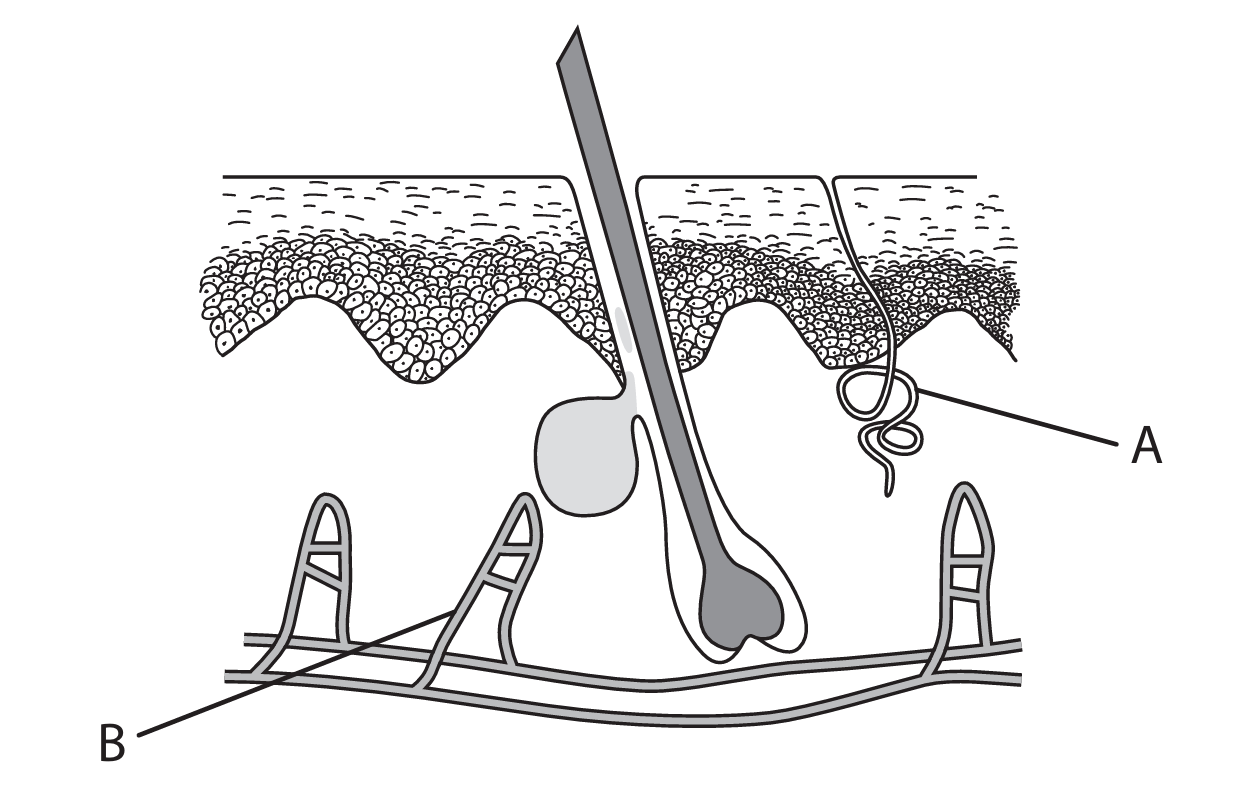
▶️ Answer/Explanation
(a) Homeostasis
Explanation: Homeostasis is the biological term that describes the process by which organisms maintain a relatively stable internal environment despite changes in external conditions. This involves regulating various factors such as body temperature, blood glucose levels, and water balance through feedback mechanisms.
(b)
Explanation: The withdrawal reflex is an automatic, rapid response that protects the body from harm. When a finger touches a hot object, here’s how the reflex arc functions:
First, specialized heat receptors in the skin of the finger detect the damaging stimulus (the heat). These receptors generate an electrical impulse.
This impulse travels along a sensory neurone towards the spinal cord (part of the central nervous system). At the junction (synapse) between the sensory neurone and a relay neurone in the spinal cord, the impulse triggers the release of chemical messengers called neurotransmitters, which diffuse across the gap.
The relay neurone then passes the signal to a motor neurone. The impulse travels along the motor neurone to the effector, which in this case is the muscles in the arm and hand.
Finally, the muscles contract, pulling the hand away from the hot object. This entire process happens incredibly quickly, without involving the brain for conscious thought, which helps to minimize tissue damage.
(c)(i)
Explanation: Structure A represents a sweat gland. As a person enters a cold environment, the activity of the sweat glands is significantly reduced. This means less sweat is produced and released onto the skin’s surface. Since the evaporation of sweat is a primary method the body uses to lose heat, reducing sweat production helps to conserve body heat and prevent the body from cooling down too much in the cold.
(c)(ii)
Explanation: Structure B represents a blood vessel near the skin’s surface. In response to cold, these blood vessels undergo vasoconstriction. This means the smooth muscles in the vessel walls contract, causing the diameter of the blood vessels to narrow. As a result, less warm blood flows from the body’s core to the skin’s surface. This reduces the amount of heat lost from the blood to the external environment through radiation and convection. By diverting blood away from the skin, more heat is retained in the core of the body, which is essential for maintaining the temperature of vital organs.
(d)
Explanation: The reduction in body hair in modern humans compared to their ancestors is a classic example of evolution by natural selection. Initially, there would have been genetic variation within the ancestral population regarding the amount of body hair, caused by random mutations.
In the warm climates where early humans likely lived and became more active (e.g., through persistence hunting), having less body hair would have been advantageous. It would have allowed for more efficient cooling through sweating, preventing overheating during physical exertion. Individuals with less body hair were therefore more likely to survive the heat and have the energy to hunt and gather food.
These individuals, being better adapted to their environment, had a higher chance of surviving to reproductive age and producing offspring. They passed on the alleles (genes) for reduced body hair to their children.
Over many generations, the allele for less body hair became more common in the population, while the allele for thick body hair became less common, as those individuals were at a selective disadvantage. This gradual change in the inherited characteristics of the population is evolution by natural selection.