Home / Edexcel iGCSE / Edexcel iGCSE Biology / Exam Style Questions

Edexcel iGCSE Biology 4BI1 - Paper 1B -Genetic modification- Exam Style Questions- New Syllabus

Question

Golden rice is an example of a genetically modified plant. Golden rice has been given a gene to make a substance called carotene.
This gene was taken from daffodil plants.

(a)(i) State the term for a genetically modified organism that has been given a gene from a different species. 
(ii) Describe how named enzymes are used to transfer a gene from one species to another species. 

(b) Carotene is converted into vitamin A after being consumed by humans. Non-genetically modified rice does not usually contain carotene.

(i) Vitamin A deficiency is common in some countries. Explain why growing golden rice may benefit people in these countries.
(ii) Suggest why some people may not agree with growing genetically modified crops such as golden rice. 

(c) Chemical pesticides can be used in rice fields to kill insect pests. Scientists investigate the effect that spraying pesticides in a rice field has on three types of organism.

The three types of organism investigated are:

  • insect pests
  • carnivorous beetles (predators of insect pests)
  • lizards (higher trophic level predators)

The scientists count the number of each type of organism in the rice field.
The scientists then spray the field with pesticide.
The number of each type of organism in the field are then counted every three months for a year.
The table shows the scientists’ results:

(i) Comment on the effects on the numbers of different organisms of spraying pesticides in a rice field. 
(ii) State two reasons why using biological control is better for the environment than using chemical pesticide. 

Most-appropriate topic codes (Edexcel IGCSE Biology):

5(c): Genetic modification (genetic engineering) — parts (a)(i), (a)(ii), (b)(i), (b)(ii)
5(a): Food production — parts (b)(i), (c)(ii)
4(b): Feeding relationships — part (c)(i)
4(d): Human influences on the environment — part (c)(i)
▶️ Answer/Explanation
Solution

(a)(i) • transgenic (1)

(a)(ii) A description that makes reference to three of the following:

  • plasmid (is used) (1)
  • restriction enzyme cuts gene / DNA / plasmid / eq (1)
  • ligase joins plasmid and gene / joins DNA / eq (1)
  • forming a recombinant plasmid / forming recombinant DNA / eq (1)

(b)(i) An answer that makes reference to two of the following:

  • less night blindness / fewer eye problems / better vision / eq (1)
  • rice is a common food / part of many diets / common crop / cheap (for consumers) to buy / eq (1)
  • cheap to grow / easy to grow / easy to get large yields / eq (1)
  • less health care needed / less damage to economy / eq (1)

(b)(ii) An answer that makes reference to two of the following:

  • (may grow in wild and) affect food chains / food webs / ecosystems / eq (1)
  • may compete with other species (in wild) / eq (1)
  • may interbreed with wild plants / genes may transfer into wild plants / eq (1)
  • people may think they are a risk to health / eq (1)
  • may be better to give people a more balanced diet / should use natural sources of carotene / eq (1)

(c)(i) An explanation that makes reference to four of the following:

  • all species decrease / eq (1)
  • insects increase after 3 months / from 6 months / eq (1)
  • beetles increase after 9 months / from 12 months / eq (1)
  • lizard numbers do not recover / stay low / do not increase / level off after 9 months / eq (1)
  • pesticide washes away / breaks down / eq (1)
  • pesticide passes along food chain to beetles / to lizards / eq (1)
  • insects become resistant / eq (1)
  • insects increase as there are fewer beetles eating them / beetles decrease as few insects to eat / lizards decrease as few beetles to eat / eq (1)
  • insects have short life cycles / lizards have long life cycle / eq (1)

(c)(ii) An answer that makes reference to two of the following:

  • (biological is) more specific / does not kill other species / eq (1)
  • (biological is) not toxic to humans / no residue left on plants / crops / eq (1)
  • (biological is) no development of resistance / eq (1)
  • (biological) lasts longer / no need to keep reapplying / eq (1)
  • no bioaccumulation / no biomagnification / does not pass along food chains / eq (1)
Question

Transgenic varieties of tomato plants have been produced that can photosynthesise more efficiently than natural varieties.

(a) To make the transgenic tomato plants, a gene is inserted into a vector that is then placed into tomato plant cells. Describe how a recombinant vector containing a gene can be produced.

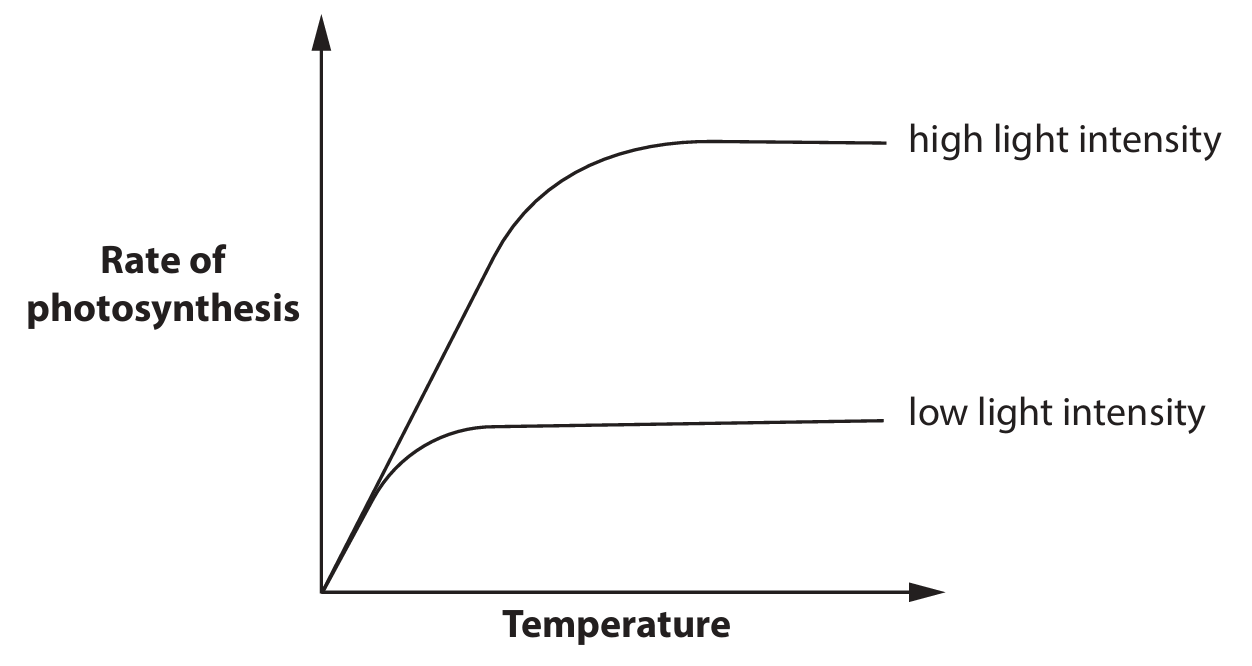
(b) The graph shows the effect of temperature on the rate of photosynthesis of tomato plants at two different light intensities.

Explain the effect of temperature on the rate of photosynthesis of the tomato plants at high and low light intensity.

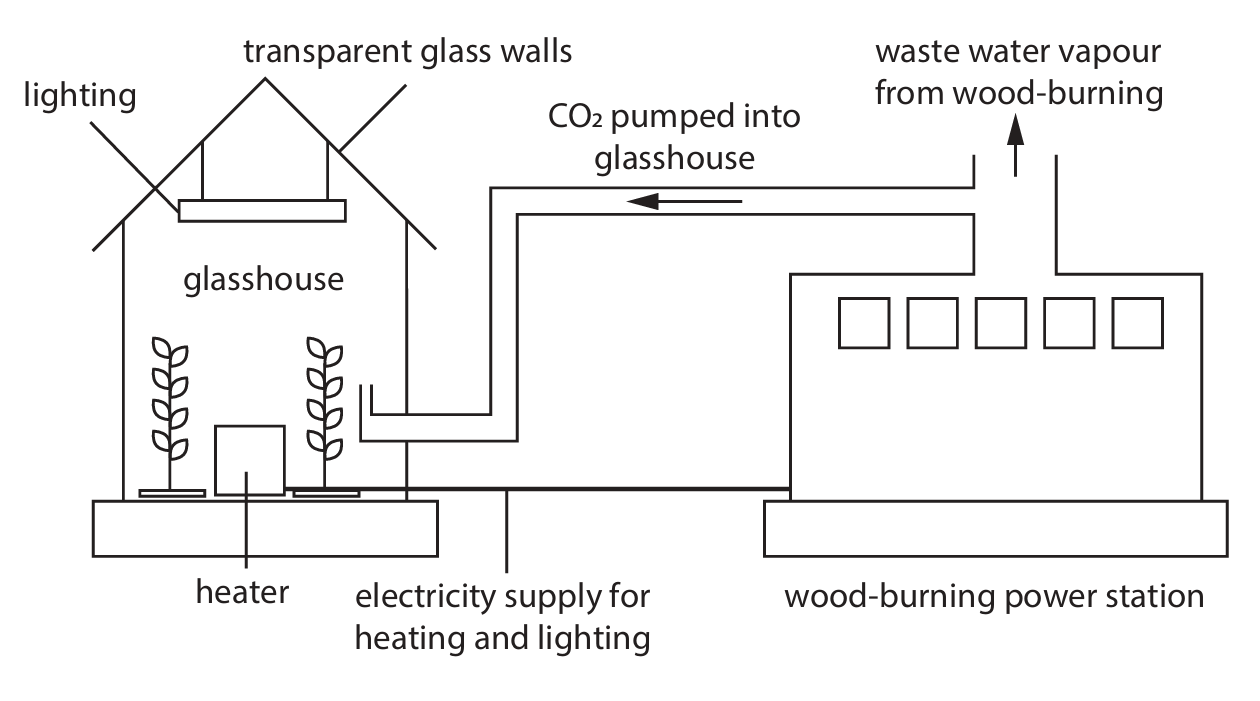
(c) The diagram shows a sustainable glasshouse system that is used in the United Kingdom to grow tomato plants throughout the year.

The glasshouse has artificial lighting and heating powered by electricity from a wood-burning power station. Carbon dioxide is pumped from the power station into the glasshouse.

Discuss the advantages of growing tomato plants in this glasshouse system. In your answer include the benefits for farmers and for the environment.

Most-appropriate topic codes (Edexcel IGCSE Biology):

6(c): Genetic modification (genetic engineering) — part (a)
2(e): Nutrition — Flowering plants — Photosynthesis and factors affecting rate — part (b)
6(a): Food production — Crop plants — Glasshouses — part (c)
5(d): Human influences on the environment — Greenhouse gases — part (c)
▶️ Answer/Explanation
Solution

(a) A description that makes reference to the following points:

  • Plasmid (used) as vector (1).
  • Restriction enzyme used to cut out gene / cut plasmid / cut DNA (1).
  • Ligase used to insert gene into plasmid / stick DNA / glue DNA / stick gene with DNA (1).

(b) An explanation that makes reference to three of the following points:

  • Increasing temperature increases the rate of photosynthesis (1).
  • Because particles have more (kinetic) energy / more frequent collisions / there is more enzyme activity (1).
  • (At low light intensity rate levels off) so light is limiting (1).
  • (At high light intensity) carbon dioxide limits rate / not enough carbon dioxide (1).
  • (At high light intensity) rate levels off because temperature is no longer limiting / other factors become limiting (1).

(c) An answer that makes reference to five of the following points:

  1. Light, carbon dioxide and (warm) temperature are supplied / provided (1).
  2. Therefore no factors for photosynthesis are limiting / all factors present for photosynthesis / there is more photosynthesis (1).
  3. So high yield / fast production / (to give high profit) / more tomatoes (1).
  4. No need to buy carbon dioxide / no need to buy electricity / wood is cheaper than fossil fuel / wood cheaper than buying electricity (1).
  5. Tomatoes protected from pests / disease / frost / cold / bad weather (1).
  6. Wood is renewable (energy) (1).
  7. Less use of fossil fuel (1).
  8. Carbon dioxide not released into atmosphere / is reused (1).
  9. Less greenhouse effect / less climate change / less ice cap melting (1).
  10. Less release of sulfur dioxide / less acid rain (1).
Question

Scientists have developed transgenic crop plants that are resistant to herbicides (weedkillers).

(a) (i) State what is meant by the term transgenic.

(ii) Suggest why growing herbicide-resistant crop plants is beneficial to farmers.

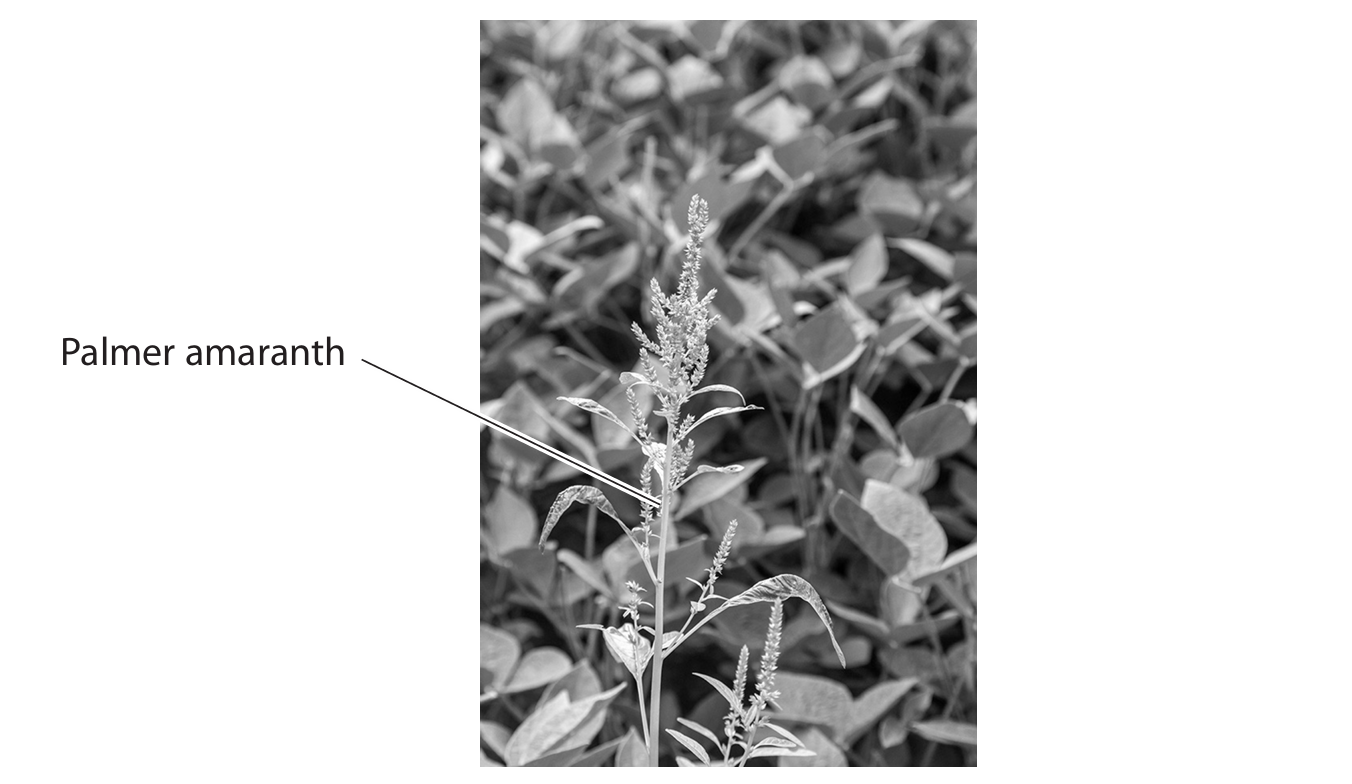
(b) The photograph shows a weed called Palmer amaranth that is often found in fields growing soybeans.

Palmer amaranth is a weed that has become resistant to many different herbicides.

In some populations of Palmer amaranth plants, a recessive allele (r) makes the plants resistant to herbicide. A dominant allele (R) makes the plants not resistant to herbicide.

(i) Give the possible genotypes of Palmer amaranth plants that are not resistant to herbicides.

(ii) A Palmer amaranth plant that is resistant to herbicides is crossed with a Palmer amaranth plant that is heterozygous for herbicide resistance.

Draw a genetic diagram to show the genotypes of the parents, the gametes they produce, and the genotypes and the phenotypes of the offspring.

(iii) Give the probability of the cross in (b)(ii) producing a plant that is resistant to herbicide.

(iv) Explain how Palmer amaranth plants have evolved to become resistant to herbicides in areas where herbicides are used frequently.

(v) In plants such as Palmer amaranth, where the allele for herbicide resistance is recessive, no non-resistant weeds occur after five years of using herbicides.

In other plants, where the allele for herbicide-resistance is dominant, some non-resistant weeds occur after five years of using herbicides.

Explain this difference in the number of non-resistant weeds after five years of using herbicides.

Most-appropriate topic codes (Edexcel IGCSE Biology):

5(c): Genetic modification (genetic engineering) — part (a)(i)
5(a): Food production — part (a)(ii)
3(b): Inheritance — parts (b)(i), (b)(ii), (b)(iii), (b)(v)
3(b): Evolution by natural selection — part (b)(iv)
▶️ Answer/Explanation
Solution

(a) (i) The term transgenic refers to an organism that contains genetic material (genes or alleles or DNA) that has been transferred from a different species.

Explanation: Transgenic organisms are created through genetic engineering techniques. This involves isolating a specific gene from one species (e.g., a gene for herbicide resistance from a bacterium) and inserting it into the genome of a different species (e.g., a crop plant like soybean). The resulting plant is not just genetically modified; it contains functional DNA from another species.

(a) (ii) Growing herbicide-resistant crops is beneficial because it allows farmers to spray herbicides to kill weeds without harming the crop plants. This reduces competition for resources like water, light, and minerals, leading to increased crop growth and higher yields. It also reduces the need for manual weeding, saving time and labor costs.

Explanation: Weeds compete fiercely with crops. Herbicides are effective weed killers, but they would normally kill the crop as well. By making the crop resistant, the herbicide selectively removes only the unwanted plants (weeds). With less competition, the crop plants can grow more efficiently and produce a larger harvest, which is economically advantageous for the farmer.

(b) (i) The possible genotypes for plants that are not resistant are RR (homozygous dominant) and Rr (heterozygous).

Explanation: The dominant allele (R) confers non-resistance. For a dominant trait to be expressed, an organism only needs at least one copy of the dominant allele. Therefore, both the homozygous dominant (RR) and heterozygous (Rr) genotypes will result in a plant that is not resistant to the herbicide.

(b) (ii)

Parental Phenotypes: Resistant         ×         Heterozygous (Not Resistant)
Parental Genotypes:     rr                     ×                   Rr
Gametes:                   r                               R   or   r

Offspring:

 Rr
rRr
(Not Resistant)
rr
(Resistant)
rRr
(Not Resistant)
rr
(Resistant)

Explanation: The resistant parent must be homozygous recessive (rr) and can therefore only produce gametes carrying the ‘r’ allele. The heterozygous parent (Rr) can produce two types of gametes: 50% carrying the ‘R’ allele and 50% carrying the ‘r’ allele. The Punnett square shows the possible combinations of these gametes. The expected offspring are 50% Rr (not resistant) and 50% rr (resistant).

(b) (iii) The probability is 0.5 (or ½ or 50% or 2/4).

Explanation: As shown in the genetic diagram above, half of the possible offspring genotypes are ‘rr’, which is the genotype for herbicide resistance.

(b) (iv) Palmer amaranth evolved resistance through natural selection. Initially, within a large population of weeds, a random mutation created the recessive ‘r’ allele for resistance, introducing variation. When herbicides are used frequently, they act as a strong selection pressure. Plants without the resistance allele (RR and Rr) are killed. Only the resistant plants (rr) survive. These surviving resistant plants reproduce, passing the ‘r’ allele on to their offspring. Over many generations, the frequency of the ‘r’ allele in the population increases significantly, leading to a population that is largely resistant to the herbicide.

Explanation: This process is a classic example of evolution by natural selection. The herbicide does not create the resistance mutation; it merely selects for individuals that already possess it, allowing them to survive and become the predominant type in the environment.

(b) (v) The difference arises because dominant and recessive alleles are expressed differently. For a recessive resistance allele (r), only homozygous (rr) plants are resistant. When herbicides are used, all non-resistant plants (RR and Rr) are killed. No plants carrying the dominant ‘R’ allele survive, so it is eliminated from the population. After five years, only resistant (rr) plants remain.

For a dominant resistance allele (let’s call it D), both homozygous (DD) and heterozygous (Dd) plants are resistant and survive the herbicide. The non-resistant plants (dd) are killed. However, if two heterozygous (Dd) resistant plants reproduce, they can produce offspring with the genotype dd, which are non-resistant. These non-resistant weeds will appear in the population as long as the heterozygous genotype exists and reproduces.

Explanation: With recessive resistance, the herbicide eliminates all carriers of the non-resistant trait. With dominant resistance, the non-resistant allele (d) can “hide” undetected in the heterozygous (Dd) plants, which survive the herbicide spray. This hidden allele can then be passed on and expressed in future generations when two heterozygotes cross.
Question

Genetically modified bacteria are used to produce the hormone insulin.

(a) Explain how these genetically modified bacteria are produced.

(b) Explain the role of insulin in the human body.

(c) Some people are unable to produce insulin. This condition is called diabetes mellitus. People with diabetes mellitus control the condition by using insulin injections, controlling their diet, and monitoring how much they exercise.

(i) Explain why the insulin is injected rather than taken by mouth.

(ii) State why people with diabetes mellitus need to monitor how much they exercise.

(iii) State how people with diabetes mellitus may need to modify their diet compared with people who do not have diabetes mellitus.

Most-appropriate topic codes (Edexcel IGCSE Biology):

5(c): Genetic modification (genetic engineering) — part (a)
2(j): Co-ordination and response — part (b)
2(e): Nutrition — part (c)(i), (c)(iii)
2(f): Respiration — part (c)(ii)
▶️ Answer/Explanation
Solution

(a)

Explanation: Genetically modified bacteria are produced using a process that involves isolating the human insulin gene and inserting it into a bacterial plasmid. First, the restriction enzyme is used to cut the gene/DNA that codes for the production of human insulin. The same restriction enzyme is then used to cut open a bacterial plasmid. This creates complementary pairings or ‘sticky ends’ on both the insulin gene and the plasmid. The ligase enzyme is then used to join or insert the insulin gene into the plasmid. Finally, this modified plasmid (now a vector) is inserted into, or taken up by, a bacterium. The bacterium then uses this new genetic information to produce human insulin.

(b)

Explanation: Insulin is a hormone that plays a crucial role in regulating blood glucose levels. When blood glucose concentration increases, for example after a meal, insulin is released. It causes the liver and muscles to take up glucose from the blood and convert it into glycogen for storage. This process reduces the high blood glucose level back to normal.

(c)(i)

Explanation: Insulin is a protein. If it were taken by mouth, it would be digested and broken down in the stomach and small intestine by protease enzymes like pepsin and trypsin. These enzymes would break the insulin down into its constituent amino acids, destroying its structure and function before it could ever be absorbed into the bloodstream to lower blood sugar. Injection delivers the insulin directly into the subcutaneous tissue, allowing it to be absorbed into the bloodstream intact.

(c)(ii)

Explanation: People with diabetes need to monitor their exercise because physical activity uses glucose as a source of energy. This increased glucose use can cause their blood glucose level to become too low, a dangerous condition known as hypoglycaemia.

(c)(iii)

Explanation: People with diabetes mellitus often need to control or limit the amount of carbohydrates, sugars, and glucose in their diet to help manage their blood sugar levels. They might also replace simple sugars with complex carbohydrates like starch.

Question

Biological washing powders contain protease enzymes to digest proteins in clothing stains.

Scientists have produced recombinant plasmids containing a gene for a protease enzyme that works at high temperatures. The plasmids have been inserted into bacteria so that the bacteria produce the protease enzyme.

(a) Describe how named enzymes are used to produce a recombinant plasmid containing a gene for a protease.

(b) Design an investigation to find the best temperature for removing protein stains by using washing powder that contains protease enzyme.

Include experimental details in your answer and write in full sentences.

Most-appropriate topic codes (Edexcel IGCSE Biology):

5(c): Genetic modification (genetic engineering) — part (a)
2(c): Biological molecules (enzymes) — part (b)
▶️ Answer/Explanation
Solution

(a)

Explanation: Two specific enzymes are used in genetic engineering to produce recombinant plasmids:

1. Restriction enzymes (restriction endonucleases) are used to cut DNA at specific recognition sequences. The same restriction enzyme is used to cut both the plasmid vector and the DNA containing the protease gene. This creates complementary “sticky ends” on both DNA fragments, allowing them to join together through base pairing.

2. DNA ligase is then used to permanently join the protease gene into the plasmid by forming phosphodiester bonds between the sugar-phosphate backbones of the DNA fragments. This creates a stable recombinant plasmid containing the protease gene, which can then be inserted into bacteria for mass production of the enzyme.

(b)

Explanation: To design a valid investigation to find the optimal temperature for protease enzyme activity in stain removal:

1. Control variables: Maintain consistency in all factors except temperature. Use the same concentration of enzyme/washing powder, same type of washing powder, same pH (using a buffer solution), same volume of water, same type of material/cloth, same size of material, same type of protein stain (e.g., blood), same mass/area of stain, and same washing movements or agitation method.

2. Temperature range: Test a wide range of temperatures (e.g., 10°C, 20°C, 30°C, 40°C, 50°C, 60°C, 70°C) to identify the optimum temperature for enzyme activity.

3. Measurement method: Either measure the time taken to completely remove the stain or measure the area/size of stain remaining after a fixed time period (e.g., 10-30 minutes). Alternatively, measure the mass of protein removed or use colorimetry to quantify stain removal.

4. Repetition and reliability: Repeat the experiment multiple times at each temperature, calculate mean values, and identify/remove any anomalies to ensure results are reliable and reproducible.

5. Controls: Include a negative control with no enzyme/washing powder to show that any stain removal is due to the enzyme activity rather than other factors.

This systematic approach would allow identification of the temperature at which the protease enzyme is most effective at removing protein stains, which is likely to be around 40-60°C for most proteases before denaturation occurs at higher temperatures.

Question

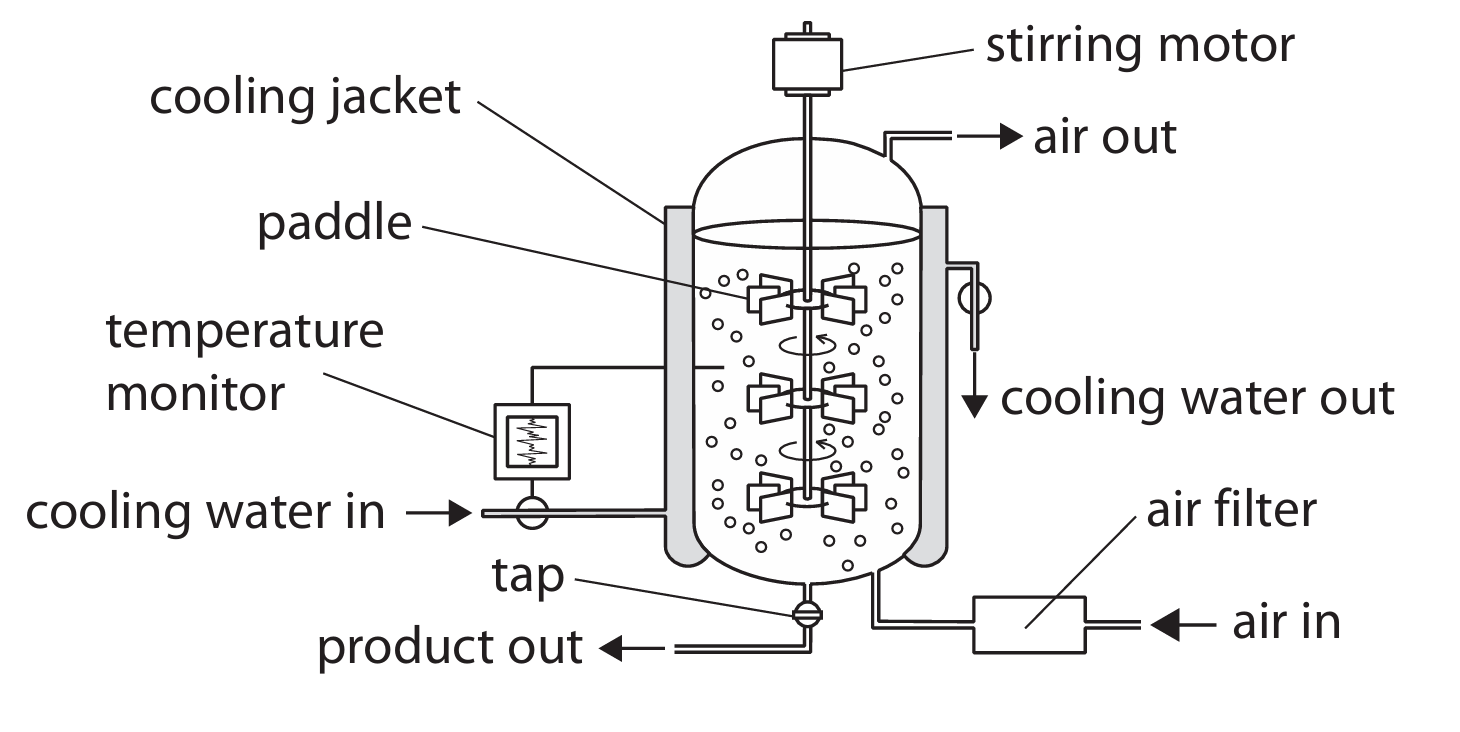
Mycoprotein is protein produced by fungi that can be made into meat substitutes. Large amounts of fungus are grown in fermenters to produce the mycoprotein. The diagram shows a typical mycoprotein fermenter.

(a) (i) Explain why air is bubbled into the fermenter.

(ii) Explain why the fermenter is cleaned using steam before the fungus and nutrients are added.

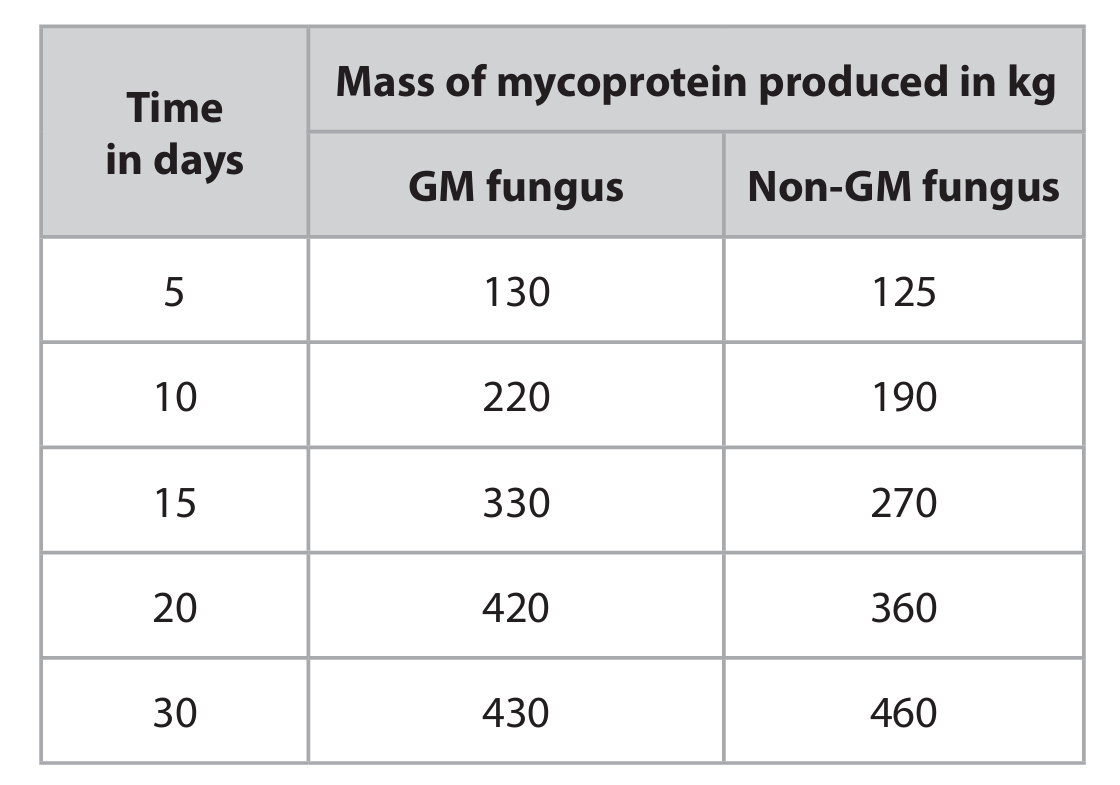
(b) A scientist investigates the production of mycoprotein by a genetically modified (GM) fungus and a non-genetically modified fungus (non-GM). The scientist claims that the GM fungus will be better for large-scale production of mycoprotein. The scientist measures the mass of mycoprotein produced by the fungi in fermenters for 30 days. The table shows the scientist’s results.

(i) Plot a line graph to show how the mass of mycoprotein changes over the 30 days for each type of fungus. Use a ruler to join the points with straight lines.

(ii) The scientist claims that the GM fungus will be better for large-scale production of mycoprotein than the non-GM fungus. Comment on the scientist’s claim.

(iii) The table shows the nutritional composition of mycoprotein and the nutritional composition of lamb.

Discuss whether eating mycoprotein is more healthy than eating lamb for a growing human.

Most-appropriate topic codes (Edexcel IGCSE Biology):

5(a): Food production — Micro-organisms — parts (a)(i), (a)(ii), (b)(i), (b)(ii)
5(c): Genetic modification (genetic engineering) — part (b)(ii)
2(e): Nutrition — Humans — part (b)(iii)
4(a): The organism in the environment — part (b)(ii) – data interpretation
▶️ Answer/Explanation
Solution

(a)(i) Air is bubbled into the fermenter to provide oxygen. The oxygen is required by the fungus for aerobic respiration. Aerobic respiration is the process that breaks down glucose to release energy, which the fungus needs for growth and to produce mycoprotein. Without a sufficient oxygen supply, the fungus might resort to less efficient anaerobic respiration, which would slow down its growth and reduce the yield of mycoprotein.

(a)(ii) The fermenter is cleaned with steam to sterilize it. Steam cleaning kills any pathogens or other unwanted microorganisms that might be present. This is crucial to prevent contamination of the culture. If other microorganisms were present, they could compete with the fungus for nutrients, potentially produce harmful toxins, or spoil the mycoprotein product, affecting its safety and quality. Steam is used because it is an effective sterilizing agent that, after condensing to water, does not leave behind chemical residues that could affect the product.

(b)(i) A line graph should be plotted with ‘Time (days)’ on the x-axis and ‘Mass of mycoprotein produced (kg)’ on the y-axis. Two lines should be drawn: one for the GM fungus and one for the non-GM fungus. The points for the GM fungus are (5,130), (10,220), (15,330), (20,420), (30,430). The points for the non-GM fungus are (5,125), (10,190), (15,270), (20,360), (30,460). These points should be joined with straight lines. A key must be included to distinguish between the two lines.

(b)(ii) The scientist’s claim is only partially supported by the data. The GM fungus does grow faster and produce more mycoprotein in the first 20 days (420 kg vs 360 kg), which could be advantageous for large-scale production if a quick yield is desired. However, by day 30, the non-GM fungus has produced a higher final yield (460 kg vs 430 kg). Furthermore, the GM fungus’s production appears to be leveling off or slowing down significantly after day 20, while the non-GM fungus is still increasing. Therefore, whether the GM fungus is “better” depends on the specific production goals: it is better for a shorter, faster production cycle, but the non-GM fungus is better for maximizing the total yield over a longer period.

(b)(iii) Whether mycoprotein is healthier than lamb for a growing human involves a trade-off between different nutritional components.

Arguments for mycoprotein being healthier:

  • Mycoprotein contains significantly less fat (3.0g vs 25.5g per 100g) and no cholesterol (0.0g vs 0.1g). A diet lower in saturated fats and cholesterol is associated with a reduced risk of obesity and heart disease.
  • Mycoprotein contains much more fibre (6.0g vs 0.7g). Fibre is essential for healthy digestion, preventing constipation, and may help reduce the risk of bowel cancer.
  • Mycoprotein contains more calcium (0.048g vs 0.010g). Calcium is vital for the development of strong bones and teeth in a growing human.

Arguments against mycoprotein being healthier:

  • Lamb contains almost twice as much protein (20.2g vs 10.5g). Protein is crucial for growth, muscle development, and repair of tissues, which are all very important for a growing individual.
  • Lamb contains significantly more iron (0.0025g vs 0.00039g). Iron is essential for producing haemoglobin and preventing anaemia, which can cause fatigue and impair development.

Conclusion: Mycoprotein offers advantages for long-term cardiovascular and digestive health due to its low fat and high fibre content. However, for a growing human who has high requirements for protein and iron to support rapid growth and development, lamb provides these key nutrients in much greater quantities. Therefore, a balanced diet incorporating both sources might be most beneficial, or mycoprotein would need to be consumed in much larger quantities or fortified to meet the protein and iron needs of a growing human.
Question

Yeast cells can be genetically modified to produce the proteins found on the outside of viruses.

(a) (i) Yeast is a single-celled organism. A yeast cell has a nucleus, and the cell wall is made of chitin. Which group of organisms does yeast belong to?

  • A. animals
  • B. fungi
  • C. plants
  • D. protoctists

(ii) Give a reason why viruses are not considered to be living organisms.

(b) A species of yeast is genetically modified to produce a protein found on the outside of a hepatitis B virus. This protein is used to make vaccines to prevent people being infected with hepatitis B. The gene for this protein is inserted into a plasmid. This plasmid is then used to modify the yeast cells. Give the roles of two named enzymes used to produce plasmids containing the gene for the hepatitis B protein.

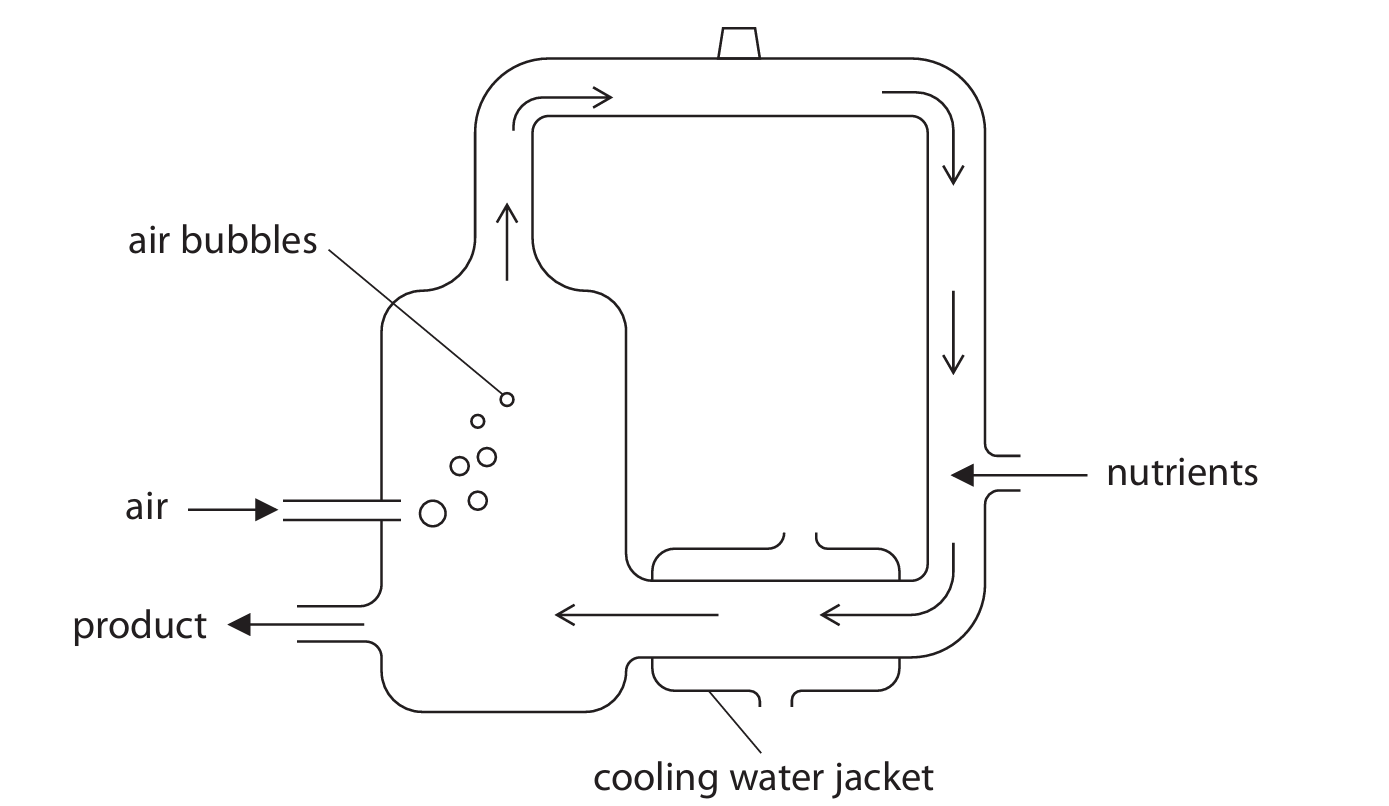
(c) The diagram shows an industrial fermenter that can be used to grow large quantities of genetically modified yeast.

(i) Explain the function of the temperature monitor and cooling jacket.

(ii) Explain why air is needed in the fermenter.

(iii) Explain why the air is filtered before going into the fermenter.

Most-appropriate topic codes (Edexcel IGCSE Biology):

1(b): Variety of living organisms — part (a)(i)
1(b): Variety of living organisms — part (a)(ii)
5(c): Genetic modification (genetic engineering) — part (b)
5(a): Food production — parts (c)(i), (c)(ii), (c)(iii)
▶️ Answer/Explanation
Solution

(a)(i) B (fungi)

Explanation: Yeast is classified as a fungus because it is a single-celled organism with a nucleus (making it eukaryotic) and a cell wall made of chitin. Animals do not have cell walls, plants have cell walls made of cellulose, and protoctists do not typically have chitin in their cell walls.

(a)(ii) Viruses do not carry out all seven life processes independently / They cannot reproduce without a host cell.

Explanation: Living organisms are typically defined by characteristics such as growth, respiration, sensitivity, movement, excretion, nutrition, and reproduction. Viruses lack many of these; most notably, they cannot reproduce on their own and require a host cell to replicate. They also do not carry out metabolic processes like respiration.

(b) Restriction enzymes and Ligase.

Explanation: In genetic engineering, specific enzymes are used to insert a gene into a plasmid. Restriction enzymes are used to cut the DNA at specific sequences, both to remove the desired gene (e.g., for the hepatitis B protein) and to open up the plasmid. Ligase is then used to join the pieces of DNA together, effectively inserting the new gene into the plasmid by forming bonds between the sugar-phosphate backbones of the DNA strands.

(c)(i) The temperature monitor and cooling jacket work together to maintain an optimal temperature.

Explanation: The fermentation process, which involves yeast respiration and other chemical reactions, releases heat. If the temperature rises too high, it can denature the enzymes inside the yeast cells, slowing down or stopping the production of the desired protein. The temperature monitor detects the temperature inside the fermenter. If it gets too high, the cooling system is activated, and cool water is circulated through the cooling jacket, which absorbs the excess heat and carries it away, thus maintaining a constant, ideal temperature for the yeast to thrive.

(c)(ii) Air is needed to provide oxygen for aerobic respiration.

Explanation: Yeast, like many organisms, can respire aerobically (with oxygen) to produce energy. Aerobic respiration is much more efficient than anaerobic respiration, yielding more energy (ATP) per glucose molecule. This abundant energy allows the genetically modified yeast cells to grow rapidly and produce large quantities of the viral protein. Without oxygen, the yeast would switch to less efficient anaerobic respiration, resulting in slower growth and lower product yield.

(c)(iii) The air is filtered to prevent contamination.

Explanation: Unfiltered air contains bacteria, fungi (other than the desired yeast), and other microorganisms. If these contaminants entered the fermenter, they would compete with the genetically modified yeast for nutrients and space. Furthermore, they could potentially produce unwanted waste products or even consume the desired protein, drastically reducing the yield and purity of the vaccine product. The filter acts as a physical barrier, ensuring that only sterile air enters the fermenter, which is crucial for maintaining a pure and efficient culture.
Question

Scientists have developed genetically modified (GM) crops in order to increase food production by increasing crop yields.

(a) (i) Some GM crops are described as transgenic.
Explain what is meant by the term transgenic.

(ii) Give the role of two named enzymes in the production of GM organisms.

(b) Some GM crops that are available to farmers are resistant to herbicides (weedkillers).
Other GM crops are resistant to diseases caused by viruses and to damage by insects.
Some people are for the use of GM crops because they may be beneficial to ecosystems.
Some people are against the use of GM crops because they could harm ecosystems.
Discuss these opinions for and against the use of GM crops.

Most-appropriate topic codes (Edexcel IGCSE Biology):

5(c): Genetic modification (genetic engineering) — parts (a)(i), (a)(ii)
5(a): Food production — part (b)
4(d): Human influences on the environment — part (b)
▶️ Answer/Explanation
Solution

(a) (i) Transgenic refers to an organism that contains genetic material from a different species that has been artificially introduced.

Explanation: When scientists create transgenic crops, they isolate a specific gene from one species (like a bacterium) that has a desirable trait, such as pest resistance. This gene is then inserted into the DNA of the crop plant. The resulting plant is called transgenic because its genome now includes functional DNA from another, often very different, organism.

(a) (ii)

1. Restriction enzyme (or endonuclease): Cuts DNA at specific sequences.

2. Ligase: Joins pieces of DNA together.

Explanation: The process of creating a GM organism relies heavily on specific enzymes. First, a restriction enzyme is used like molecular scissors. It recognizes a specific, short sequence of DNA and cuts the DNA strand at that point. This is used to cut out the desired gene from the source organism’s DNA and to cut open the plasmid (a small, circular piece of DNA from a bacterium) that will act as a vector. Once the gene is isolated and the plasmid is prepared, the enzyme ligase acts like molecular glue. It seals the ends of the desired gene into the plasmid vector, creating a recombinant DNA molecule. This recombinant plasmid can then be inserted into the host organism’s cells.

(b)

Arguments for GM crops being beneficial to ecosystems:

  • Herbicide-resistant crops allow farmers to spray herbicides that kill weeds without harming the crop itself. This can lead to reduced use of insecticides if the weeds, which often harbour pests, are better controlled.
  • Crops engineered to be resistant to insects (e.g., by producing their own pesticide, like Bt corn) mean farmers don’t need to spray broad-spectrum chemical insecticides. This reduces harm to non-target species, such as pollinators like bees, and prevents the bioaccumulation of these chemicals in the environment.
  • Virus-resistant crops can prevent the spread of plant viruses to other, non-GM crops or wild plant species nearby.

Arguments against GM crops due to potential harm to ecosystems:

  • There is a concern that the introduced genes could transfer to wild relatives through cross-pollination. For example, a gene for herbicide resistance could spread to a weed species, creating “superweeds” that are very difficult to control.
  • If a GM crop is very vigorous or resistant, it could potentially outcompete native plant species, reducing biodiversity and disrupting local food chains.
  • While insect-resistant crops reduce spraying, the constant production of insecticide by the plant itself could, in theory, accelerate the evolution of resistance in pest populations or harm beneficial insect populations.
  • The system of herbicide-resistant crops often encourages increased use of specific herbicides, which could have negative effects on soil health and nearby waterways.

Explanation: The discussion around GM crops and ecosystems is complex and involves weighing potential benefits against risks. Proponents argue that GM technology can lead to more targeted pest control, reducing the overall chemical load on the environment. Opponents worry about unintended and irreversible consequences, such as gene flow to wild species or harm to beneficial organisms, which could upset the delicate balance of an ecosystem. A thorough discussion considers both the direct and indirect, long-term ecological impacts.

Question

Bacteria are genetically modified to make human proteins.

(a) Which part of a bacterium is used in genetic modification?

  • A) cell wall
  • B) nucleoid
  • C) plasmid
  • D) RNA

(b) The passage describes the use of an industrial fermenter to grow genetically modified bacteria.

Complete the passage by writing a suitable word in each blank space.

The hormone called ______ is needed to control the blood glucose levels in humans.

Bacteria have been genetically modified to produce this hormone.

The fermenter is cleaned with ______ before adding a nutrient broth that contains the genetically modified bacteria.

This cleaning provides aseptic conditions that prevent ______ from other bacteria.

Paddles are used to ______ the contents.

A gas called ______ is bubbled into the fermenter.

The ______ is controlled by using a cooling jacket.

Most-appropriate topic codes (Edexcel IGCSE Biology):

6(c): Genetic modification (genetic engineering) — part (a)
6(a): Use of an industrial fermenter — part (b)
3(j): Co-ordination and response (hormones) — part (b), first blank
▶️ Answer/Explanation
Solution

(a) C (plasmid)
A is incorrect because it is not the cell wall
B is incorrect because it is not the nucleoid
D is incorrect because it is not RNA

(b)
The hormone called insulin is needed to control the blood glucose levels in humans.
Bacteria have been genetically modified to produce this hormone.
The fermenter is cleaned with steam / hot water before adding a nutrient broth that contains the genetically modified bacteria.
This cleaning provides aseptic conditions that prevent contamination / competition from other bacteria.
Paddles are used to mix / stir / agitate the contents.
A gas called oxygen / \(O_2\) is bubbled into the fermenter.
The temperature is controlled by using a cooling jacket.

Acceptable alternatives for blank 2: disinfectant, bleach, sterilising fluid, alcohol, ethanol.
Acceptable alternatives for blank 3: infection.

Question

Plants can be genetically modified (GM) to produce insect poison.

They are modified using a bacterium called Agrobacterium.

This bacterium has a plasmid that contains recombinant DNA.

(a) Describe how the plasmid is modified to contain recombinant DNA.

(b) A farmer can use either of these methods to improve his crop yield.

● grow GM plants that produce the insect poison

● grow non-GM plants and use pesticides

The farmer decides to grow the GM plants rather than using pesticides.

Discuss the decision made by the farmer.

Most-appropriate topic codes (Edexcel IGCSE Biology):

6(c): Genetic modification (genetic engineering) — part (a)
6(a): Food production — part (b)
6(d): Cloning — context of plant biotechnology (implied)
▶️ Answer/Explanation
Solution

(a)

Answer: The plasmid is modified by using the same restriction enzyme to cut both the plasmid and the target gene, creating complementary sticky ends. The gene for making the insect poison is then inserted into the plasmid. Finally, the ligase enzyme is used to join the gene into the plasmid, forming recombinant DNA.

Detailed Explanation:

The process of creating recombinant DNA involves several key steps. First, scientists use a specific restriction enzyme to cut open the plasmid from the Agrobacterium bacterium. This same enzyme is also used to cut out the target gene from another organism – in this case, the gene that codes for the insect poison. The restriction enzyme creates what are called “sticky ends” on both the plasmid and the target gene, which are complementary in shape.

Next, the target gene containing the insect poison code is inserted into the opened plasmid. The complementary sticky ends allow the gene to fit precisely into the plasmid. Finally, an enzyme called ligase is used to permanently join the gene into the plasmid, essentially “gluing” the pieces together. This creates what we call recombinant DNA – DNA that contains genetic material from different sources.

(b)

Answer: The farmer’s decision can be supported because GM plants are specific in killing only target insects, reduce the need for pesticide application, and avoid issues like pesticide resistance and environmental contamination. However, concerns include potential cross-pollination with other species, possible harm to beneficial insects, development of insect resistance to the GM poison, consumer reluctance to buy GM crops, and dependence on seed companies due to patents.

Detailed Explanation:

The farmer’s decision to grow GM plants instead of using pesticides has both advantages and disadvantages that need careful consideration.

Arguments supporting the decision: GM plants that produce their own insect poison are highly specific – they typically target only the particular insect pests that damage that crop, unlike broad-spectrum pesticides that can kill beneficial insects too. This specificity helps preserve the ecosystem balance in the farm environment. GM plants also significantly reduce the need for repeated pesticide applications, saving the farmer time, labor, and money. Since the plants continuously produce the insect poison, there’s no need for frequent respraying. Additionally, insects can develop resistance to conventional pesticides over time, requiring stronger or different chemicals, whereas GM plants offer a different mode of action. Pesticides can also contaminate soil and water systems and enter food chains through bioaccumulation, potentially causing health problems for humans and wildlife.

Arguments against the decision: There are valid concerns about GM crops. The pollen from GM plants could potentially cross-pollinate with related wild species or non-GM crops, spreading the modified genes unintentionally. The insect poison produced by GM plants might harm beneficial insect pollinators like bees if they come into contact with the pollen. Just as with pesticides, insects could eventually develop resistance to the poison produced by GM plants. Many consumers are hesitant to buy GM products due to health or environmental concerns, which could affect marketability. Furthermore, GM seeds are often patented, making farmers dependent on seed companies for their supply each planting season.

In conclusion, while GM crops offer significant advantages in pest control efficiency and reduced chemical use, the farmer must carefully weigh these benefits against the potential environmental and market concerns.

Question

Genetic modification is a process used to improve crop yield.

(a) Describe the role of a named vector in the process of genetic modification.

(b) Weeds are plants that grow where they are not wanted. Removing weeds reduces competition for mineral ions and improves crop yield.

(i) Name the mineral ion used to make chlorophyll.

(ii) Two different methods can be used to remove weeds to improve crop yield.

  • Method A pull weeds out of the ground by hand
  • Method B spray weeds with a chemical that kills them

Design an investigation to find out which method produces the highest crop yield. Include experimental details in your answer and write in full sentences.

Most-appropriate topic codes (Edexcel IGCSE Biology):

5(c): Genetic modification (genetic engineering) — part (a)
2(e): Nutrition (Flowering plants) — part (b)(i)
5(a): Food production (Crop plants) — part (b)(ii)
2: Biology content (Experimental skills):part (b)(ii)
▶️ Answer/Explanation
Solution

(a) A plasmid is a commonly used vector in genetic modification. Its role is to carry or transfer the recombinant DNA (which contains the desired gene) into the host organism.

Explanation: In genetic modification, a vector acts as a vehicle to introduce foreign genetic material into a cell. A plasmid, which is a small, circular DNA molecule found in bacteria, is one such vector. Scientists can insert the gene of interest into the plasmid. This recombinant plasmid is then introduced into the target organism’s cells. Once inside, the plasmid delivers the new gene, which can be incorporated into the organism’s genome, allowing it to express the desired trait, such as pest resistance or higher yield.

(b)(i) Magnesium / \( \text{Mg}^{2+} \)

Explanation: Chlorophyll, the green pigment essential for photosynthesis, has a magnesium ion (\( \text{Mg}^{2+} \)) at the center of its porphyrin ring. This magnesium ion is crucial for capturing light energy. Without sufficient magnesium, plants cannot produce enough chlorophyll, leading to chlorosis (yellowing of leaves) and reduced photosynthetic capacity.

(b)(ii)

Investigation Design:

To determine which weed removal method produces the highest crop yield, a controlled investigation should be set up. First, select several plots of land in the same field to ensure similar soil type, sunlight exposure, and initial conditions. Designate some plots for Method A (hand-pulling weeds) and others for Method B (spraying with a chemical weed killer). It is crucial to use the same species of crop plant across all plots to ensure valid comparison.

The investigation should be repeated across multiple fields or plots to ensure the results are reliable and not due to chance. After a specified time period, such as one full growing season, the crop yield should be measured. This can be done by harvesting the crops from a defined area (e.g., using a quadrat) in each plot and measuring the total mass of the yield. Other variables that could affect plant growth, such as temperature, water availability, light intensity, and soil mineral content, must be carefully controlled and kept the same for all plots to ensure that any difference in yield is due to the weed removal method and not other factors.

Explanation: This experimental design incorporates key scientific principles. Using the same crop species and controlling environmental variables isolates the independent variable (the weed removal method). Replication increases reliability, and measuring the final yield (the dependent variable) quantitatively assesses the methods’ effectiveness. Controlling for factors like water and minerals ensures that the plants are only competing with the weeds for these resources, directly testing the hypothesis that reducing weed competition improves yield.

Question

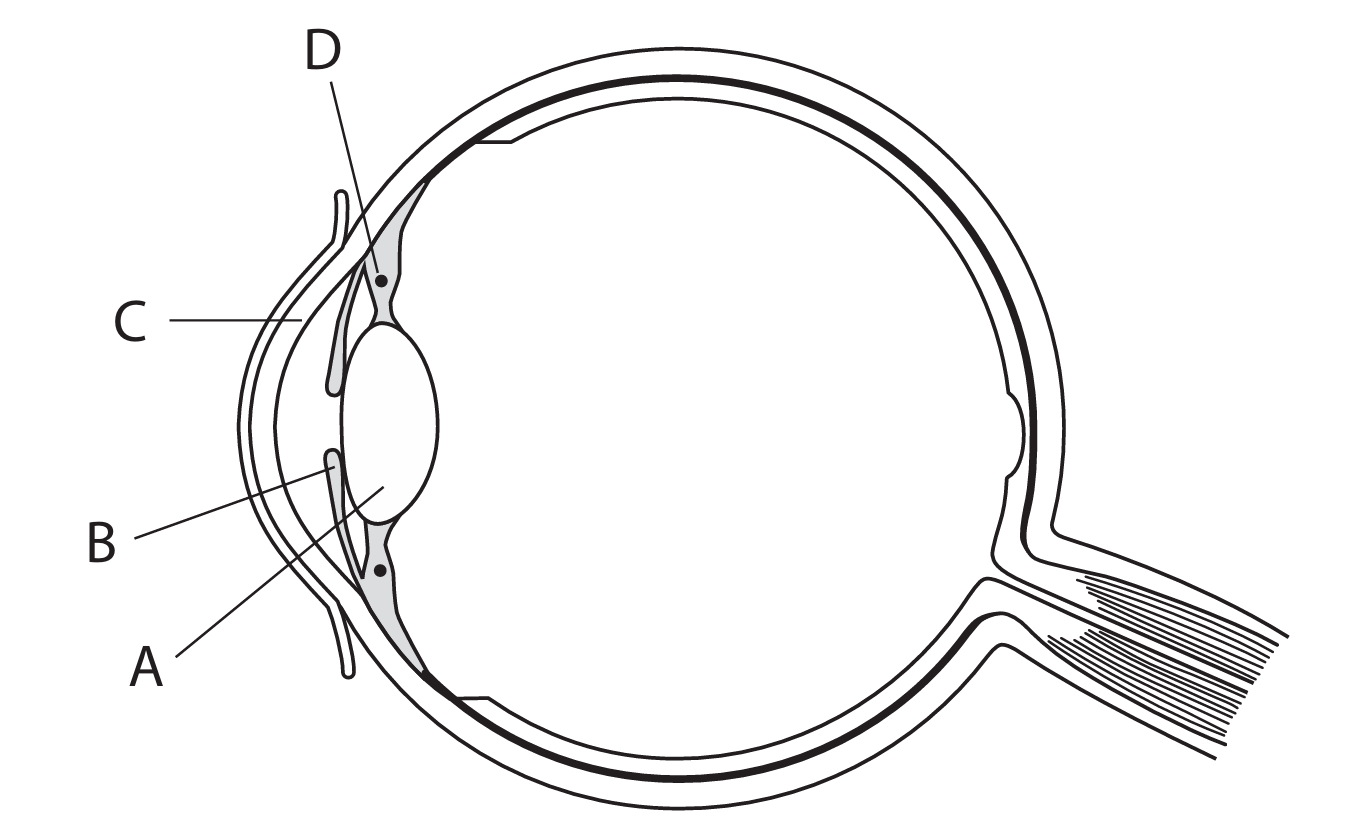
The diagram shows a section through the human eye.

(a) (i) Describe the role of structures A, C and D in focusing light from a near object onto the retina.

(a) (ii) Bright light can damage the retina.
Explain how a reflex involving structure B protects the retina from this damage.

(b) (i) There are tear glands that release liquid into the eye.
This liquid contains an enzyme called lysozyme that breaks down cell walls.
Suggest why the liquid contains lysozyme.

(b) (ii) Suggest why the liquid is maintained at pH 7.

Most-appropriate topic codes (Edexcel IGCSE Biology):

2(j): Co-ordination and response – the eye, accommodation and pupil reflex — parts (a)(i), (a)(ii)
5(c): Enzymes and their role as biological catalysts — part (b)(ii)
5(f): Defence against disease – the non-specific immune system — part (b)(i)
▶️ Answer/Explanation
Solution

(a)(i) The cornea (C) refracts/bends light rays. The ciliary muscles (D) contract. This causes the suspensory ligaments to slacken. The lens (A) becomes more rounded/thicker, increasing its refractive power to focus light from near objects onto the retina.

Explanation: Focusing on a near object requires the eye to increase its focusing power. This process is called accommodation. First, the cornea (structure C) performs the initial bending (refraction) of light rays entering the eye. To fine-tune the focus for a nearby object, the ciliary muscles (structure D) contract. This contraction reduces the tension on the suspensory ligaments, which are like tiny strings holding the lens. When these ligaments slacken, the natural elasticity of the lens (structure A) causes it to become more convex, meaning it becomes thicker and more rounded. This change in shape increases the lens’s refractive power, bending the light rays more sharply so that they converge precisely onto the retina, forming a clear image.

(a)(ii) In bright light, the circular muscles in the iris (B) contract and the radial muscles relax. This causes the pupil to constrict (become smaller), reducing the amount of light entering the eye and protecting the retina from damage.

Explanation: This is a protective reflex arc. When very bright light is detected by the retina, a nerve impulse is sent to the brain. The brain then sends an impulse to the iris (structure B). The iris contains two sets of muscles: circular muscles and radial muscles. In response to bright light, the circular muscles contract (like tightening a drawstring) while the radial muscles simultaneously relax. This combined action makes the pupil—the central hole in the iris—smaller (a process called constriction). By making the pupil smaller, the eye limits the quantity of intense light that can pass through to the sensitive retina, thereby preventing overstimulation and potential damage to the light-sensitive cells.

(b)(i) Lysozyme kills bacteria / microorganisms. This helps to prevent eye infections.

Explanation: The tear fluid is not just for lubrication; it’s also a part of the body’s first line of defense. Lysozyme is an enzyme that specifically targets and breaks down the cell walls of many types of bacteria. Bacterial cell walls are essential for their structure and survival. By breaking these walls down, lysozyme effectively kills the bacteria or prevents them from growing and multiplying. This antiseptic action helps to protect the surface of the eye from potential infections that could be caused by dust, debris, or other airborne pathogens.

(b)(ii) pH 7 is the optimum pH for lysozyme activity. It also prevents irritation or damage to the sensitive eye tissues.

Explanation: Enzymes are very sensitive to pH, and lysozyme is no exception. Its three-dimensional shape, particularly the shape of its active site, is ideal for breaking down bacterial cell walls at a neutral pH of 7. If the pH were too acidic or too alkaline, the enzyme could become denatured—its shape would change, and it would no longer function effectively, leaving the eye more vulnerable to infection. Furthermore, a neutral pH is gentle and non-irritating to the delicate cells on the surface of the eye (the cornea and conjunctiva). An acidic or alkaline fluid would cause significant discomfort, stinging, and could potentially damage these sensitive tissues.
Question

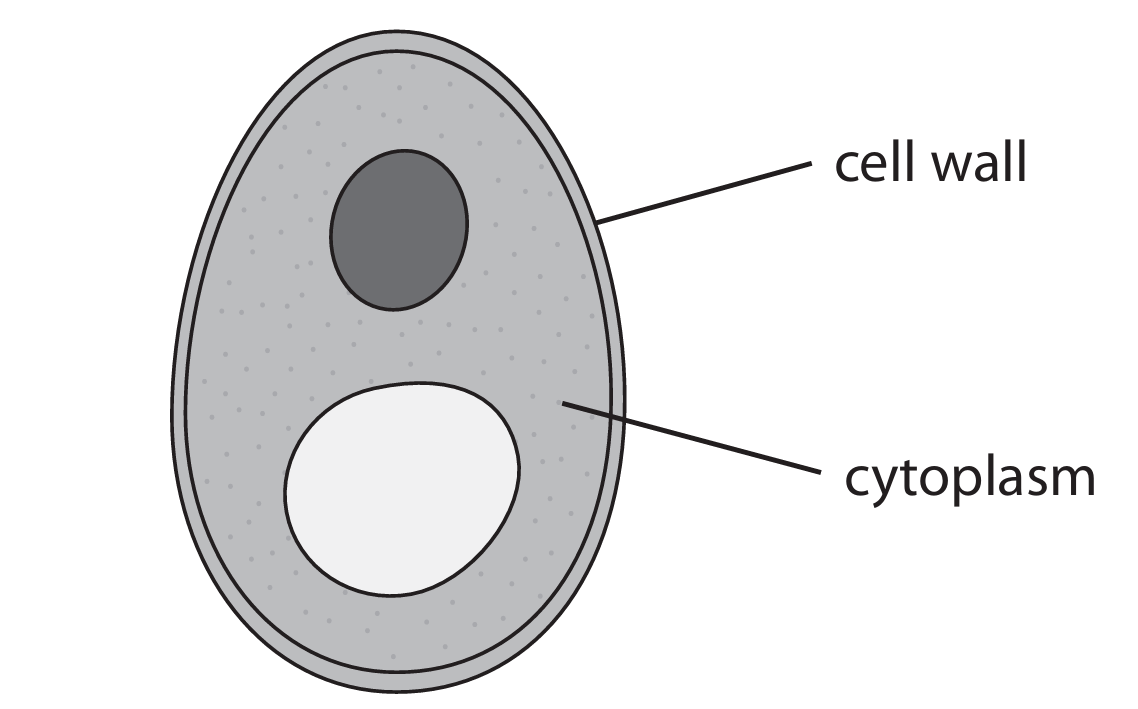
The diagram shows a yeast cell.

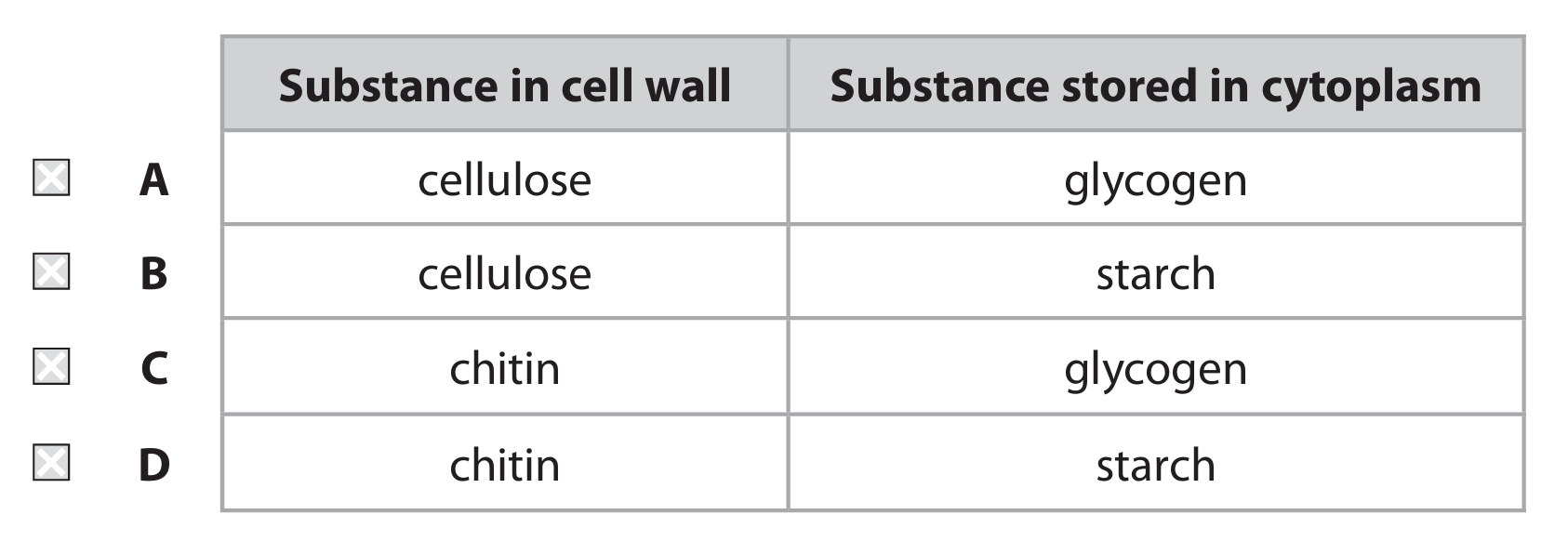
(a) (i) Which row of the table is correct for this yeast cell?

(ii) Which type of organism is a yeast cell?

  • A. a bacterium
  • B. a fungus
  • C. a plant
  • D. a protoctist

(b) Biofuel is made from ethanol.

Scientists use genetically modified (GM) yeast to produce biofuel.

The GM yeast contains an enzyme that digests plant cell walls to produce glucose.

The yeast uses the glucose in respiration to produce ethanol.

(i) Which of these equations shows the respiration in the yeast?

  • A. glucose → ethanol
  • B. glucose → ethanol + carbon dioxide
  • C. glucose + oxygen → ethanol
  • D. glucose + oxygen → ethanol + carbon dioxide

(ii) Name an enzyme used by scientists to genetically modify the yeast.

(iii) The GM yeast is a recombinant strain.

State what is meant by the term recombinant.

(iv) Suggest why biofuel produced using glucose from plants could reduce global warming.

(c) The graph shows the mass of ethanol produced by GM yeast and by normal yeast over a period of 3 days.

(i) Calculate the percentage increase in the mass of ethanol produced by GM yeast compared to normal yeast after 1 day.

(ii) Give two reasons why the rate of ethanol production decreases after 1 day.

Most-appropriate topic codes (Edexcel IGCSE Biology):

1(b): Variety of living organisms — part (a)(i), (a)(ii)
5(a): Food production — part (b)
2(f): Respiration — part (b)(i)
5(c): Genetic modification (genetic engineering) — parts (b)(ii), (b)(iii)
4(d): Human influences on the environment — part (b)(iv)
4: Mathematical skills (Arithmetic and numerical computation):part (c)(i)
2(f): Respiration — part (c)(ii)
▶️ Answer/Explanation
Solution

(a)(i) C (chitin and glycogen)

Explanation: Yeast is a fungus, and fungal cell walls are primarily composed of chitin, not cellulose which is found in plants. For energy storage, fungi like yeast store glycogen in their cytoplasm, similar to animals, rather than starch which is typical of plants.

(a)(ii) B (a fungus)

Explanation: Yeast is classified as a unicellular fungus. It is not a bacterium (which are prokaryotic), a plant (which are multicellular and photosynthetic), or a protoctist (which is a diverse group including algae and protozoa).

(b)(i) B (glucose → ethanol + carbon dioxide)

Explanation: The respiration described is anaerobic respiration (fermentation) in yeast. The correct chemical equation for this process is glucose being broken down into ethanol and carbon dioxide, without the use of oxygen. Option A is incomplete, and options C and D involve oxygen, which characterizes aerobic respiration.

(b)(ii) Restriction enzyme / endonuclease / ligase

Explanation: To genetically modify the yeast, scientists use enzymes like restriction endonucleases (which cut DNA at specific sequences) and DNA ligase (which joins DNA fragments together). These enzymes are essential tools in genetic engineering for inserting new genes into an organism’s genome.

(b)(iii) Contains new / foreign DNA / gene from another organism.

Explanation: A recombinant organism is one that has had its genetic material altered by the insertion of DNA from a different source. In this case, the GM yeast has been modified to contain a gene from another organism that codes for an enzyme capable of digesting plant cell walls.

(b)(iv)

Explanation: Biofuel from plants can help reduce global warming primarily because it is part of a carbon-neutral cycle. The carbon dioxide released when the biofuel is burned is approximately equal to the carbon dioxide that the plants absorbed from the atmosphere during photosynthesis. This contrasts with burning fossil fuels, which releases carbon that has been locked away for millions of years, thereby increasing the net concentration of CO₂ in the atmosphere. Additionally, using biofuels can reduce our dependence on fossil fuels, leading to lower overall emissions of greenhouse gases.

(c)(i) 76% (accept range 69-80%)

Explanation: To calculate the percentage increase, we use the formula: \[ \text{Percentage Increase} = \frac{\text{Mass from GM yeast} – \text{Mass from normal yeast}}{\text{Mass from normal yeast}} \times 100\% \] From the graph, after 1 day, the mass from GM yeast is approximately 2.2 g and from normal yeast is approximately 1.25 g. \[ \text{Increase} = 2.2 – 1.25 = 0.95 \text{ g} \] \[ \text{Percentage Increase} = \frac{0.95}{1.25} \times 100\% = 76\% \] Slight variations in reading the graph values can lead to answers between 69% and 80% being accepted.

(c)(ii)

Explanation: The rate of ethanol production decreases after 1 day likely due to two main factors. First, the glucose (substrate) that the yeast uses for respiration begins to run out or become depleted, slowing down the metabolic process. Second, the ethanol produced is actually toxic to the yeast in high concentrations. As ethanol builds up in the surrounding environment, it can inhibit the yeast’s enzymes and eventually kill the cells, leading to a decline in the production rate.

Scroll to Top