

▶️ Answer/Explanation
(a)(i) Graph requirements:
- Linear scale for both axes with at least two large squares on y-axis and at least half of x-axis
- Straight lines between points
- Axes with time on horizontal and mass on vertical
- Plots correct (± half square)
- Axes labelled and with units (minimum: mass/g and time/min)
(a)(ii) A description that makes reference to the following:
- Mass increases (1)
- Levels off after 25 minutes / at 27 g / eq (1)
(a)(iii) An explanation that makes reference to two of the following:
- Water moved into bag (by osmosis/diffusion) / eq (1)
- (Water moves) from a high water potential to a low water potential / from high concentration (of water) to low concentration (of water) / from dilute to concentrated / eq (1)
- Until pressure prevented more water entering / bag was full / bag was turgid / eq (1)
(b)(i) A description that makes reference to two of the following:
- Use a water bath (1)
- With a thermostat / use a (Bunsen) burner and thermometer / eq (1)
- Eye protection / eq / use tongs / gloves / eq (1)
(b)(ii) An explanation that makes reference to three of the following:
- Osmosis is faster / eq (1)
- Tubing fills faster / mass increases faster / so increase in mass will be steeper / will level off earlier / eq (1)
- More (kinetic) energy (1)
- So particles / water, will move faster / eq (1)

Most-appropriate topic codes (Edexcel IGCSE Biology):
- 2(e): Nutrition – Flowering plants — parts (a), (b), (c)
- 2(d): Movement of substances into and out of cells — part (d)
- 2(f): Respiration — parts (b), (d)
- 3(h): Transport – Flowering plants — parts (c), (d)
- Appendix 5: Suggested practical investigations — part (b)
▶️ Answer/Explanation
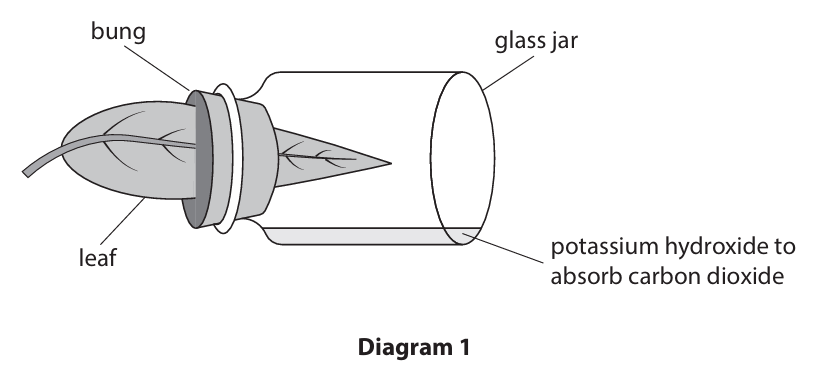
(a) Energy conversion during photosynthesis:
from light/solar energy to chemical energy
(b)(i) To remove all starch from the plant’s leaves:
• Keep the plant in darkness for 12/24/48 hours
• This allows all starch to be used up in respiration
(b)(ii) Diagram 2 results:
• Left side (outside flask): black/blue/starch present
• Right side (inside flask): yellow/orange/brown/no starch
The part exposed to carbon dioxide (outside flask) tests positive for starch, while the part without carbon dioxide (inside flask) tests negative.
(c) Functions of two named mineral ions:
Nitrate ions: needed for amino acids/proteins/enzymes/DNA
Magnesium ions: needed for chlorophyll/chloroplasts/photosynthesis
Other acceptable pairs:
• Iron: for chlorophyll/chloroplasts/photosynthesis/respiration
• Phosphate: for DNA/ATP/cell membranes
• Calcium: for cell walls/cell membranes
• Potassium: for water balance/enzymes/photosynthesis/respiration
(d) Why plants in waterlogged soil cannot absorb mineral ions:
• Mineral ions are absorbed by active transport
• Waterlogged soil has no/less oxygen
• Therefore, there is no/less respiration
• Resulting in no/less energy/ATP for active transport
▶️ Answer/Explanation
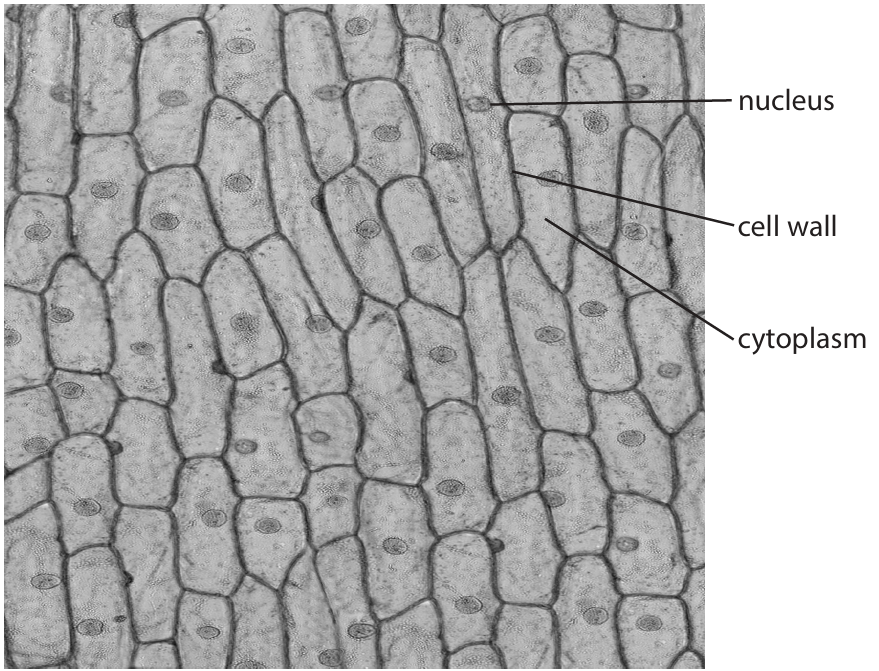
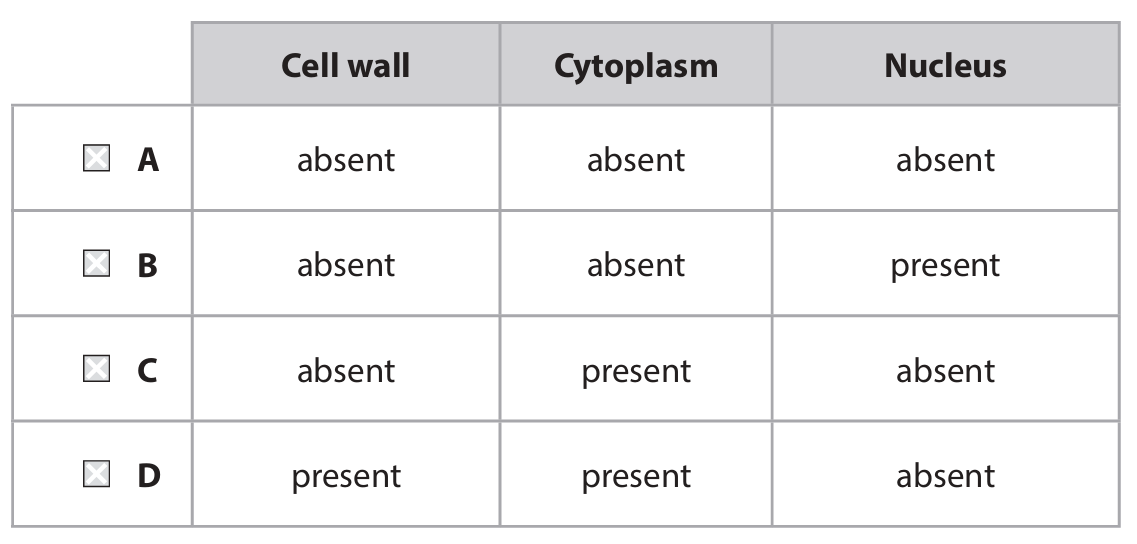
(a)(i) C (absent, present, absent)
A is incorrect because red blood cells have cytoplasm.
B is incorrect because human red blood cells do not have a nucleus.
D is incorrect because red blood cells do not have a cell wall.
(a)(ii) D (tissue)
A is incorrect because organs have more than one cell type.
B is incorrect because organisms have more than one cell type.
C is incorrect because systems have more than one cell type.
(b)(i) A description that makes reference to the following:
• use a syringe / pipette / beaker / (measuring) cylinder / eq (1)
• mix 5 cm\(^3\) of (10%) sucrose solution with 5 cm\(^3\) water / eq (1)
Accept other correct measuring apparatus.
Accept take 5 cm\(^3\) sucrose and make up to 10 cm\(^3\) with water / add equal volumes of water and sucrose and use 10 cm\(^3\) / eq.
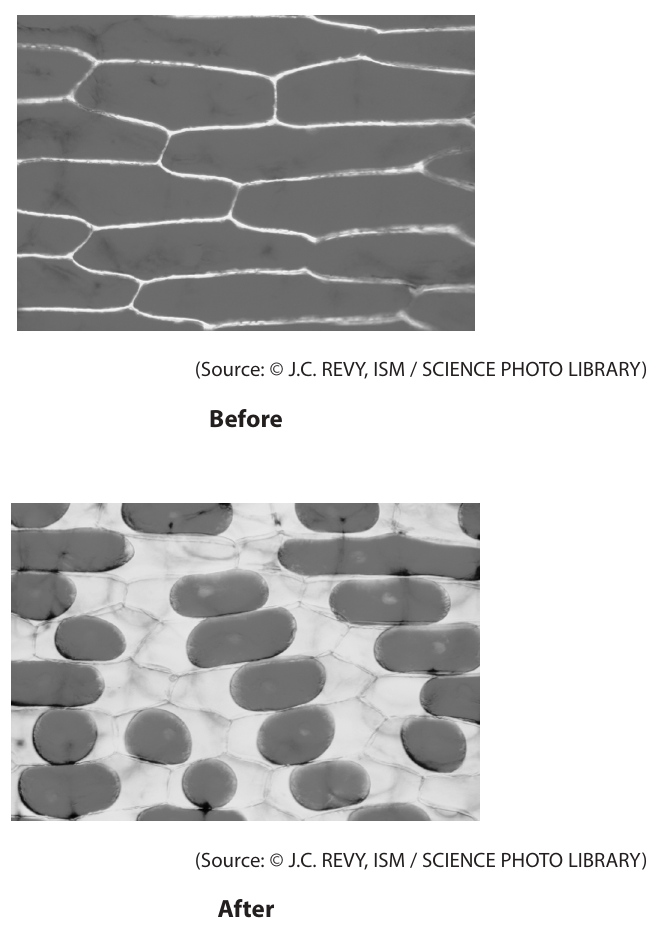
(b)(ii) An explanation that makes reference to three of the following:
• water leaves (the cells) / eq (1)
• by osmosis (1)
• from a high(er) water potential to a lower water potential / from higher water concentration to lower water concentration / from dilute solution to concentrated solution / eq (1)
• membrane detaches from cell wall / cell is flaccid / cytoplasm shrinks / cytoplasm volume decreases / cells are plasmolysed / eq (1)
Accept lose water.
Accept water moves from a high concentration to a low concentration.
Ignore cell shrinks.


▶️ Answer/Explanation
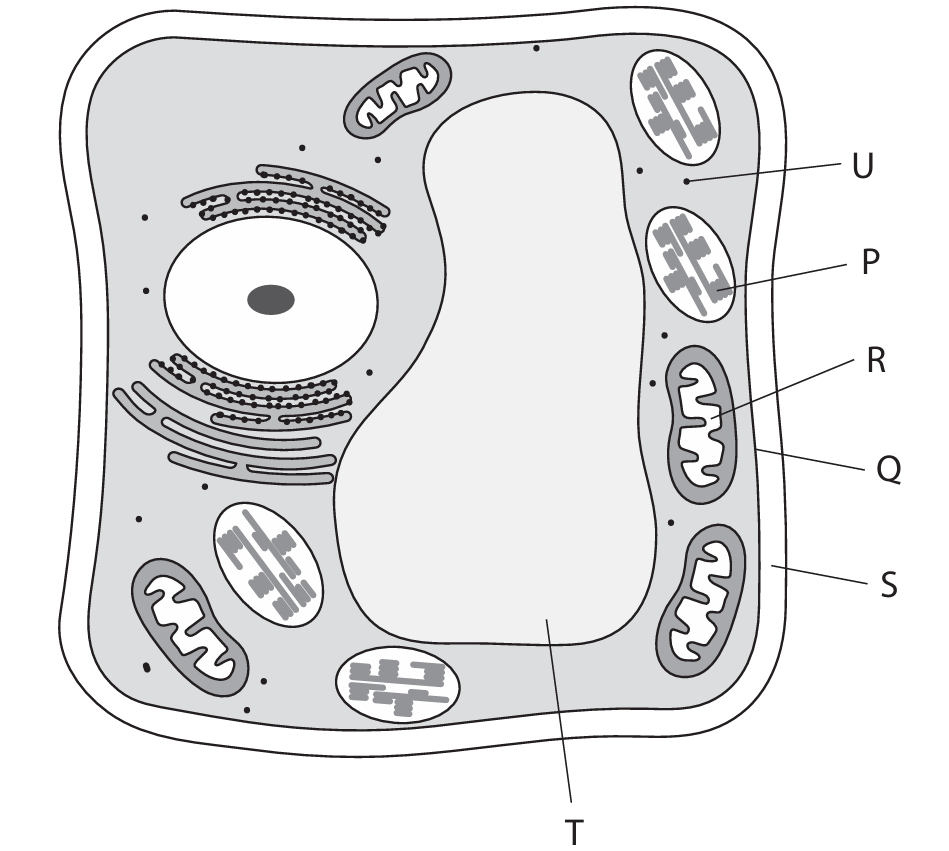
(a)(i) D (T)
The vacuole is a large, permanent organelle in plant cells, typically the largest visible structure.
(a)(ii) A (P)
Photosynthesis occurs in chloroplasts, which are shown as oval structures labelled P.
(a)(iii) C (S)
The cell wall is the rigid outer layer surrounding the cell membrane, labelled S.
(a)(iv) C (ribosome)
Ribosomes are the site of protein synthesis.
(b) 113 : 1
Surface area = \(6 \times (0.053)^2 = 0.016854 \, \text{mm}^2\)
Volume = \((0.053)^3 = 0.000148877 \, \text{mm}^3\)
Ratio = \( \frac{0.016854}{0.000148877} \approx 113.2 \) → 113 : 1
(c)(i) Water enters the red blood cell by osmosis because distilled water has a higher water potential. The cell lacks a cell wall, so it swells and bursts (haemolysis).
(c)(ii) Water leaves the red blood cell by osmosis because the salt solution has a lower water potential. Without a cell wall, the cell shrinks and shrivels (crenation).


▶️ Answer/Explanation
(a)(i) Osmosis is the net movement of water molecules from a region of higher water potential (dilute solution) to a region of lower water potential (concentrated solution) through a partially permeable membrane.
Explanation: This definition highlights two key points: the movement is specific to water molecules (solvent), and it occurs across a membrane that allows only certain molecules to pass through. The driving force is the water potential gradient, not the solute concentration gradient directly.
(a)(ii) The independent variable is the contents of the test tube / the type of solution the potato cylinder is placed in.
Explanation: This is the variable that the student deliberately changes to observe its effect. The three different environments (concentrated sucrose, distilled water, air) are the conditions being tested.
(b)(i) Surface area = \( (2 \times 3.14 \times 0.25 \times 5.0) + (2 \times 3.14 \times (0.25)^2) = 7.85 + 0.3925 = 8.2425 \) cm² ≈ 8.24 cm² (accept 8.2 to 8.25)
Explanation: The formula calculates the total surface area of a cylinder. The first part, \(2\pi rl\), is the curved surface area. The second part, \(2\pi r^2\), is the area of the two circular ends. Substituting the values (r=0.25 cm, l=5.0 cm, π=3.14) gives the result.
(b)(ii) A larger surface area increases the rate of osmosis.
Explanation: Osmosis occurs across the surface membrane of the potato cells. A larger surface area provides more space for water molecules to move through the partially permeable membrane at any given moment, thus increasing the overall rate of the process.
(b)(iii) Temperature.
Explanation: Temperature must be controlled because it affects the kinetic energy of water molecules. Higher temperatures would increase the rate of osmosis, not due to the independent variable, but as an unwanted external factor, which would make the results unreliable.
(c)(i)
- Distilled water: The potato cylinder gained mass because the distilled water has a higher water potential than the potato cells. Water entered the cells by osmosis.
- Concentrated sucrose solution: The potato cylinder lost mass because the sucrose solution has a lower water potential than the potato cells. Water left the cells by osmosis.
- Air: The potato cylinder lost a small amount of mass, likely due to evaporation of water from its surface into the dry air in the test tube.
Explanation: The changes in mass are directly caused by the net movement of water in or out of the potato cells, which depends on the water potential gradient between the potato tissue and its surroundings. The air acts as a very concentrated solution, drawing out a little water.
(c)(ii) Percentage change in mass = \( \frac{\text{change in mass}}{\text{original mass}} \times 100 = \frac{-0.3}{2.1} \times 100 = -14.29\% \)
Percentage change in length = -14.29%
Change in length = \( \frac{-14.29}{100} \times 5.0 \, \text{cm} = -0.7145 \, \text{cm} \)
Final length = Original length + Change = \( 5.0 \, \text{cm} + (-0.7145 \, \text{cm}) = 4.2855 \, \text{cm} \approx 4.29 \, \text{cm} \) (accept 4.3 cm)
Explanation: The calculation assumes the percentage change in length is identical to the percentage change in mass. First, the percentage change in mass is calculated. This same percentage is then applied to the original length to find the change in length, which is subtracted from the original length to find the final, shorter length.
▶️ Answer/Explanation
(a) Fungi do not carry out photosynthesis. Their body is usually organised into a mycelium made from thread-like structures called hyphae.
Fungal cell walls are made of chitin.
Fungi feed by extracellular secretion of enzymes onto food material and absorption of the organic products. This is known as saprotrophic nutrition.
Explanation: Fungi are heterotrophic organisms that decompose organic matter. Their body structure consists of a network of hyphae that form a mycelium. The cell walls contain chitin, a strong polysaccharide also found in insect exoskeletons. Fungi digest food externally by secreting enzymes that break down complex molecules into simpler ones, which are then absorbed. This feeding method is called saprotrophic nutrition.
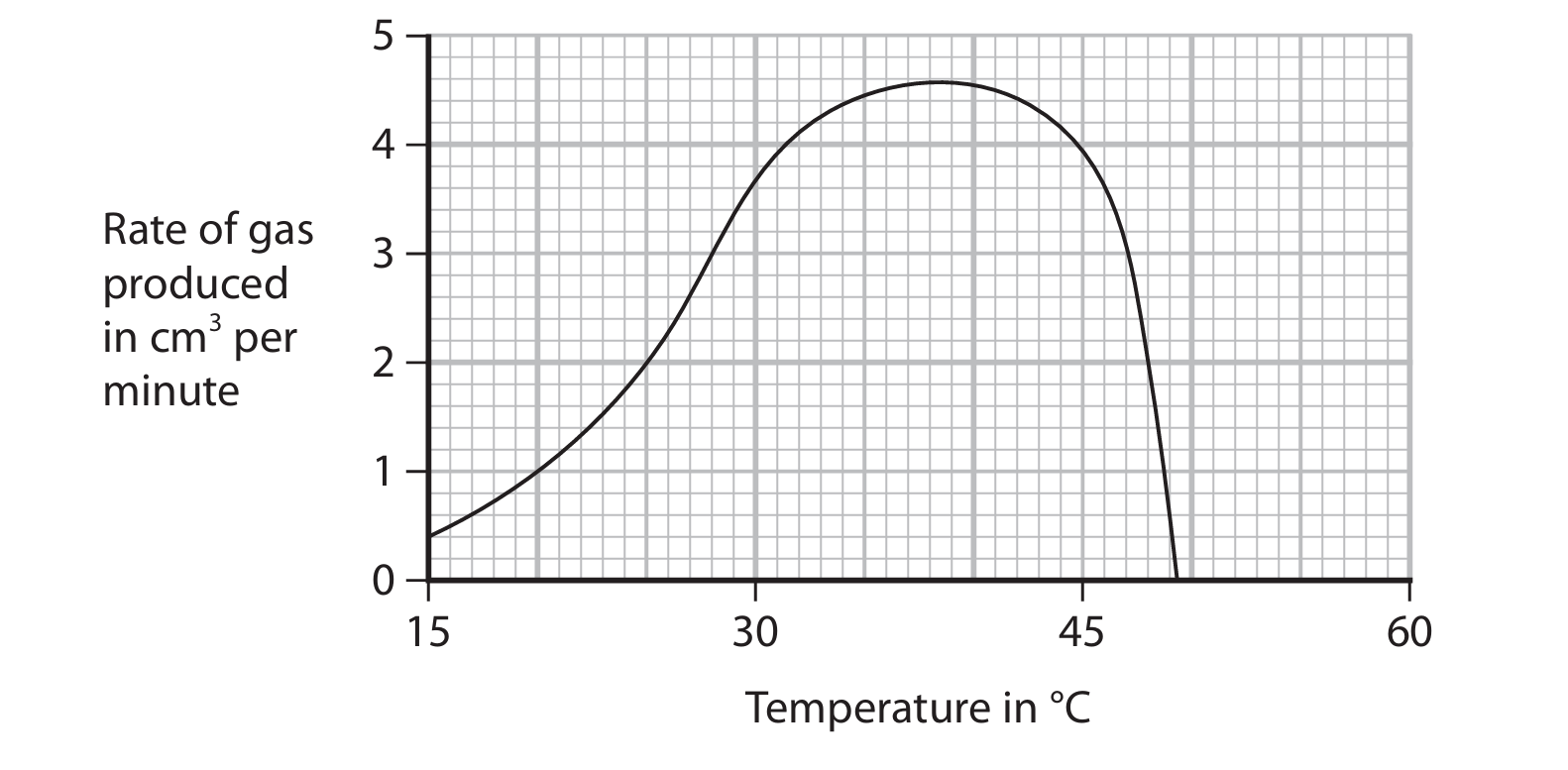
(b)(i) Carbon dioxide / CO2
Explanation: During anaerobic respiration (fermentation), yeast converts glucose into ethanol and carbon dioxide. The gas bubbles produced are CO2, which is what the student measures in this experiment.
(b)(ii) An explanation that makes reference to the following:
- Increasing (kinetic) energy / molecules move more
- More collisions / more enzyme-substrate complexes formed
- Above 37/40°C / optimum / eventually / at higher temperature enzyme denatures / change in active site / substrate and enzyme can no longer bind
Explanation: As temperature increases from low to moderate levels, the rate of gas production increases because the reactant molecules (enzymes and substrates) have more kinetic energy. This causes them to move faster and collide more frequently, leading to more enzyme-substrate complexes and a higher reaction rate. However, beyond the optimum temperature (around 37-40°C for many enzymes), the enzyme structure begins to denature. The hydrogen bonds holding the enzyme’s shape break, causing the active site to change shape. When this happens, substrates can no longer fit into the active site, and the reaction rate decreases dramatically.
(b)(iii) A description that makes reference to two of the following:
- Use (collect gas in) measuring cylinder / (gas) syringe
- Measure volume / cm3 in time / or time to produce volume
Explanation: To measure the rate of gas production, the student should collect the gas produced in a gas syringe or by displacing water in an inverted measuring cylinder. The volume of gas collected should be measured at regular time intervals (e.g., every minute). The rate can then be calculated as volume of gas produced per unit time (e.g., cm3/min). This method allows for quantitative measurement of the respiration rate at different temperatures.
▶️ Answer/Explanation
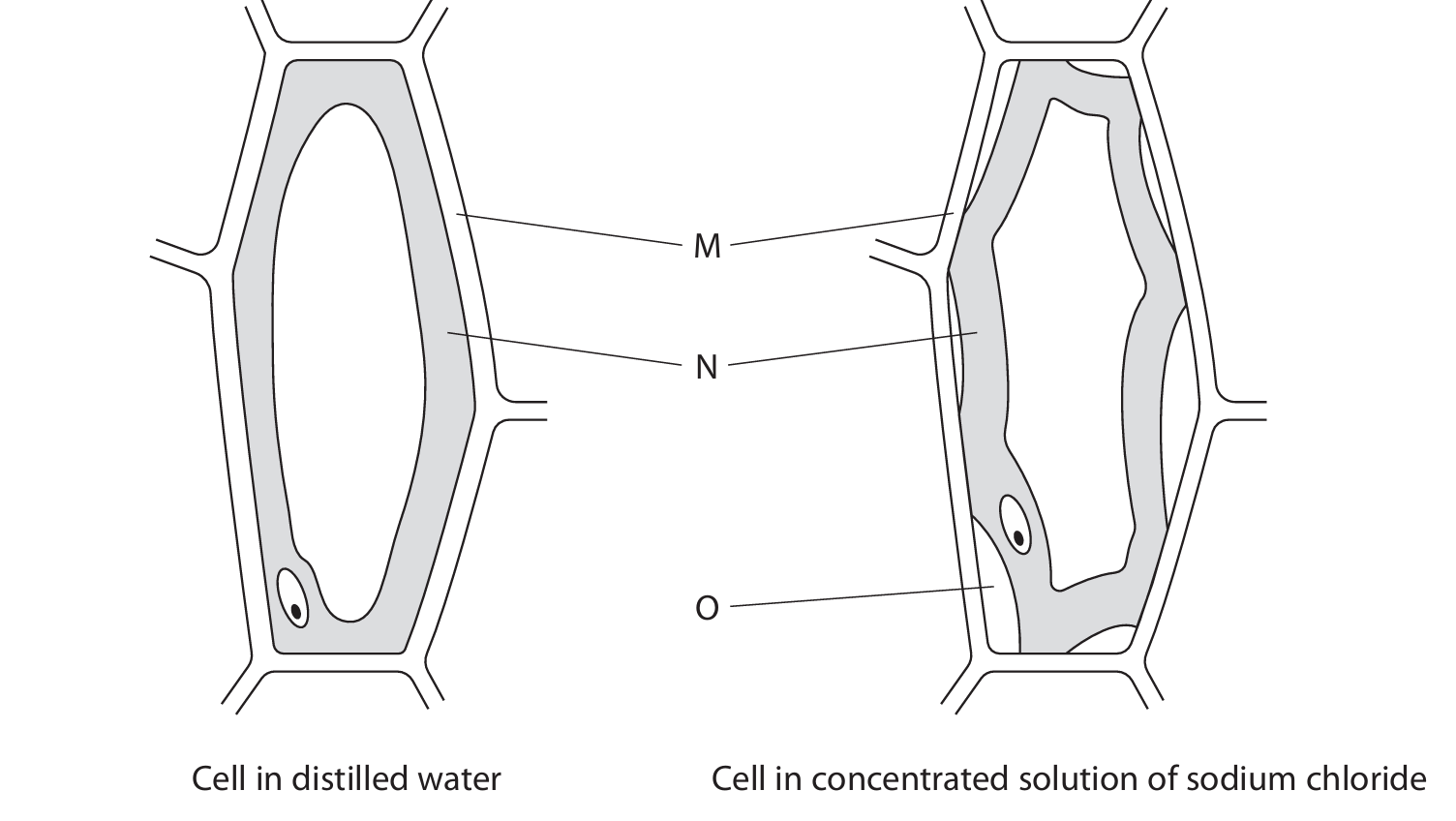
(a)(i) B cell wall
Explanation: Structure M is the rigid outer layer that maintains the cell’s shape. In both diagrams, this structure remains unchanged, which is characteristic of the cell wall. The cell wall provides structural support and prevents the cell from bursting, unlike the cell membrane which is more flexible.
(a)(ii) C cytoplasm
Explanation: Structure N is the gel-like substance inside the cell where most cellular activities occur. It contains the cell organelles and is enclosed by the cell membrane. In the cell placed in concentrated sodium chloride solution, the cytoplasm appears to have shrunk away from the cell wall, which is a key observation in this experiment.
(b)(i) Sodium chloride (solution) / salt solution / bathing solution
Explanation: The gap labelled O appears when a plant cell is placed in a hypertonic solution (like concentrated sodium chloride). This gap contains the external solution that the cell was bathed in, which in this case is the sodium chloride solution. The cell loses water to this external solution through osmosis.
(b)(ii)
Explanation: The differences occur due to osmosis – the movement of water across a partially permeable membrane from a region of higher water potential to a region of lower water potential.
In distilled water (a hypotonic solution):
- Water enters the cell by osmosis because the distilled water has higher water potential than the cell contents
- The cytoplasm pushes against the cell wall, making the cell appear turgid (swollen and firm)
- The cell membrane remains pressed against the cell wall
In concentrated sodium chloride solution (a hypertonic solution):
- Water leaves the cell by osmosis because the salt solution has lower water potential than the cell contents
- The cytoplasm shrinks away from the cell wall, creating a gap (O)
- The cell becomes plasmolysed (flaccid and shrunken)
- This process is called plasmolysis and demonstrates the movement of water out of the cell
(c)
Explanation: To investigate how different salt concentrations affect plant cells, you could conduct the following experiment:
- Obtain thin epidermal layers from onion or rhubarb stem – these are ideal because they’re only one cell thick and transparent
- Prepare several different concentrations of sodium chloride solution (e.g., 0%, 2%, 5%, 10%) using distilled water and sodium chloride crystals
- Place equal volumes of each concentration into separate watch glasses or petri dishes
- Add a piece of epidermal tissue to each solution and leave them all for the same amount of time (e.g., 15 minutes)
- Remove each tissue sample and mount on microscope slides
- Observe each slide under a microscope at medium magnification
- Draw or photograph the cells to record their appearance
- Compare the degree of plasmolysis in each concentration – cells in higher salt concentrations will show more shrinkage
This experiment would clearly demonstrate that as salt concentration increases, more water leaves the cells by osmosis, causing increasing plasmolysis.
▶️ Answer/Explanation
(a)

Explanation:
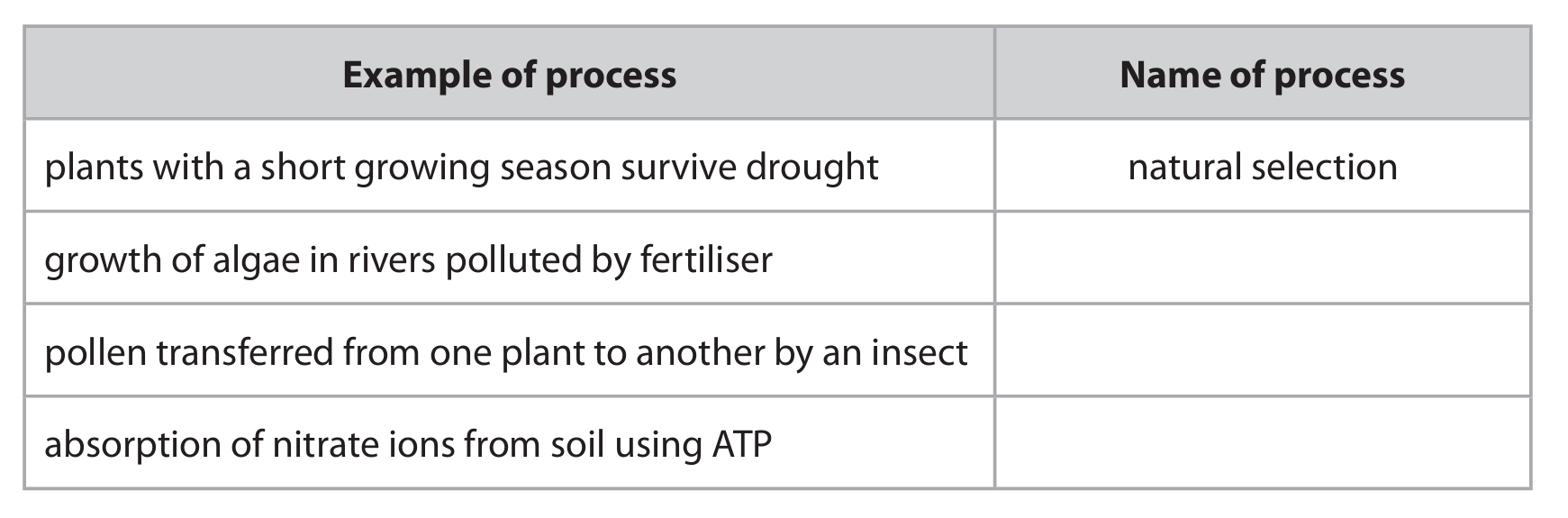
Eutrophication is the process where water bodies become enriched with nutrients (like fertilisers), leading to excessive growth of algae and other aquatic plants. This depletes oxygen in the water, harming other aquatic life.
Insect pollination occurs when insects transfer pollen from the anther of one flower to the stigma of another, facilitating fertilization in plants.
Active transport is the movement of ions or molecules across a cell membrane from a region of lower concentration to a region of higher concentration, requiring energy in the form of ATP.
(b)(i)
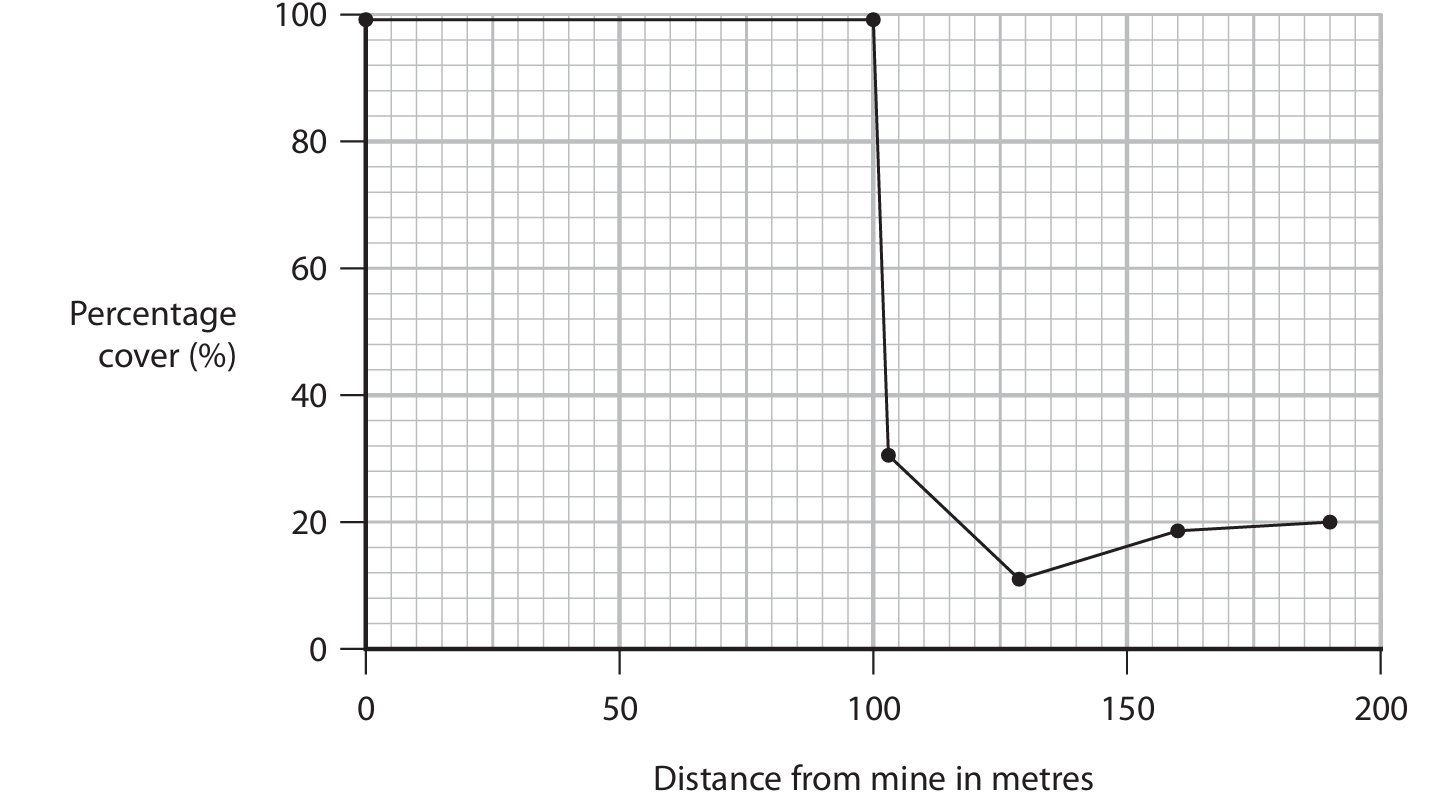
Explanation: Natural selection could explain the pattern seen in the graph between 0-100 meters from the mine through the following mechanism:
Initially, the high zinc concentration near the mine would be toxic to most individual grass plants. However, within the population, there might be genetic variation due to random mutations. A few individual grass plants might possess alleles that make them resistant to zinc toxicity. These resistant individuals would be more likely to survive and reproduce in the zinc-contaminated soil near the mine. They would pass these advantageous resistant alleles to their offspring. Over generations, the proportion of zinc-resistant grass plants in the population near the mine would increase. This results in a population that is better adapted to the high zinc levels, allowing the grass species to have a higher percentage cover closer to the mine (0-100m) than might be initially expected, as seen in the graph. The process involves variation, selection pressure (zinc), survival of the fittest (resistant plants), and inheritance of the resistant trait.
(b)(ii)
Explanation: To compare the population size of the grass species at 50m and 100m from the mine, the scientist could use a systematic sampling method like a belt transect or random quadrat sampling along a line.
First, a measuring tape would be laid out running perpendicular from the mine edge, passing through both the 50m and 100m points. For a belt transect, quadrats (e.g., 1m x 1m squares) would be placed contiguously along the tape between, for example, 45m-55m and 95m-105m to cover each area. Alternatively, for random sampling, multiple random coordinates within a 10m band centered on 50m and another band centered on 100m could be generated, and a quadrat placed at each coordinate.
Within each quadrat, the scientist would estimate the percentage cover of the specific grass species. This is a measure of how much of the ground within the quadrat is occupied by the vertical projection of its leaves and stems. This process would be repeated multiple times (e.g., 10-20 quadrats) at each distance to obtain a representative sample and calculate a mean percentage cover. The mean percentage cover at 50m can then be statistically compared to the mean percentage cover at 100m to determine if there is a significant difference in the population size of the grass species between the two distances.


▶️ Answer/Explanation
(a)(i) The scientists could tell a maize seed had germinated by observing the emergence and growth of the radicle (the first root) or the plumule (the first shoot) from the seed. The seed coat may also split open as these structures begin to grow outwards.
(a)(ii) Two other abiotic variables that need to be controlled are:
- Temperature: Germination rates are highly dependent on temperature. All batches of seeds should be kept at the same, constant temperature throughout the investigation to ensure that any differences in germination are due to the salt concentration and not temperature fluctuations.
- Light: While some seeds require light to germinate and others don’t, consistency is key. The light intensity, duration (photoperiod), and quality should be the same for all seed batches to prevent light from being a confounding variable.
Other acceptable answers include: volume of solution, humidity, oxygen concentration, pH, or carbon dioxide levels.
(b)(i) To plot the line graph:
- The independent variable (salt concentration in mmol) should be plotted on the x-axis.
- The dependent variable (percentage germination) should be plotted on the y-axis.
- The scale should be linear and appropriate for the data range (0-320 mmol for x-axis, 0-100% for y-axis).
- Axes must be clearly labelled with the variable and its units (“Concentration of salt solution (mmol)” and “Percentage germination (%)”).
- Each data point from the table should be accurately plotted.
- Straight lines should be drawn with a ruler to connect each point sequentially.
(b)(ii) Increasing the concentration of the salt solution decreases the percentage germination of maize seeds. This happens because the salt solution creates a lower (more negative) water potential in the soil surrounding the seed compared to the water potential inside the seed. Water moves by osmosis from an area of higher water potential (inside the seed) to an area of lower water potential (the salty soil). As the salt concentration increases, this outward osmotic gradient strengthens, or the inward gradient weakens, resulting in less water being absorbed by the seed. Water is essential for germination as it rehydrates the seed tissues, activates enzymes that break down stored food reserves (like starch), and allows for the growth of the embryo. With insufficient water uptake, these metabolic processes are inhibited, leading to reduced or prevented germination.
(c)(i) Roots and stems respond differently to gravity. Roots are positively gravitropic (or positively geotropic), meaning they grow in the direction of the gravitational pull, downwards into the soil. Stems, on the other hand, are negatively gravitropic, meaning they grow against the direction of gravity, upwards away from the soil.
(c)(ii) Roots and stems also respond differently to light. Roots are negatively phototropic, meaning they grow away from a light source, which helps them remain buried in the soil. Stems are positively phototropic, meaning they grow towards a light source, which enables the leaves to maximize their exposure to sunlight for photosynthesis.
▶️ Answer/Explanation
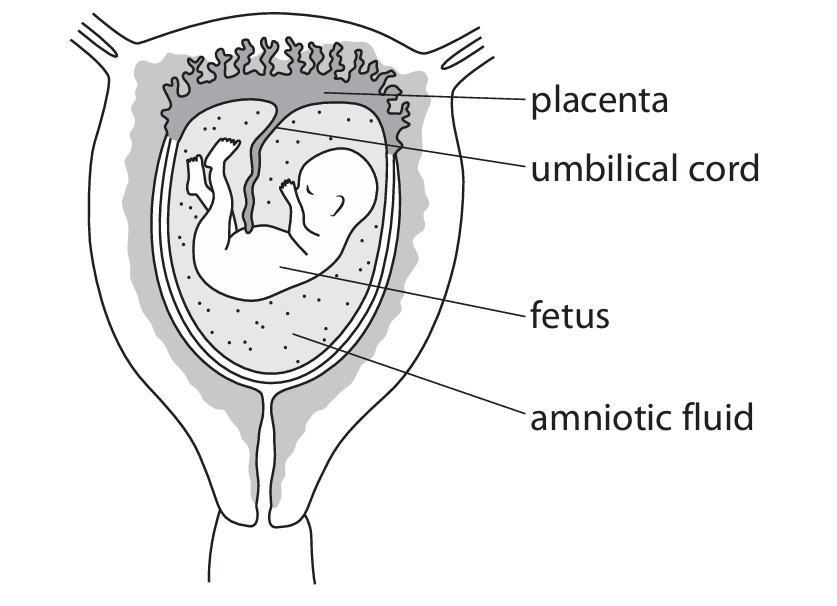
(a)(i) An explanation that makes reference to three of the following points:
• oxygen
• glucose
• respiration
• energy / ATP
Example answer: The blood contains glucose and oxygen. These are used by the fetus’s cells in respiration to release energy in the form of ATP. This ATP provides the energy required for active transport processes to occur.
(a)(ii) An explanation that makes reference to two of the following points:
• antibodies (from mother)
• (bind to) antigens
• to kill bacteria / pathogen / virus eq
Example answer: Antibodies from the mother’s blood cross the placenta. These antibodies bind to antigens on pathogens, marking them for destruction or neutralizing them, which helps protect the fetus from infection.
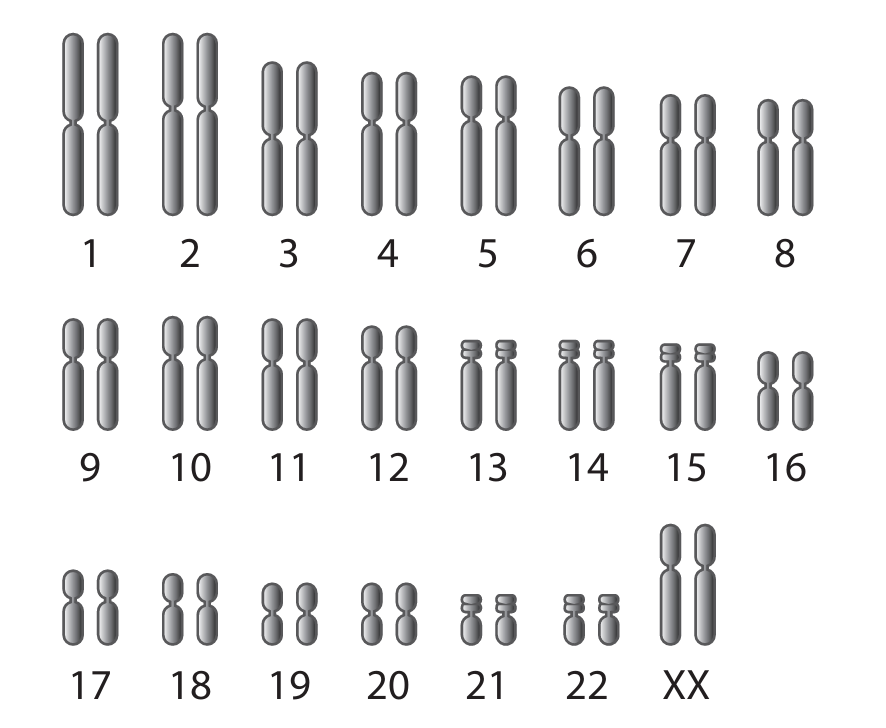
(b) An answer that makes reference to two of the following points:
• fetus is female / a girl
• cells contain 46 chromosomes / 23 pairs / has a diploid number / has two sets of chromosomes / normal number of chromosomes / eq
• chromosomes have different lengths / sizes / shapes
Example answer: 1. The fetus is female because the sex chromosomes are XX. 2. The cell has the normal diploid number of 46 chromosomes (23 pairs).
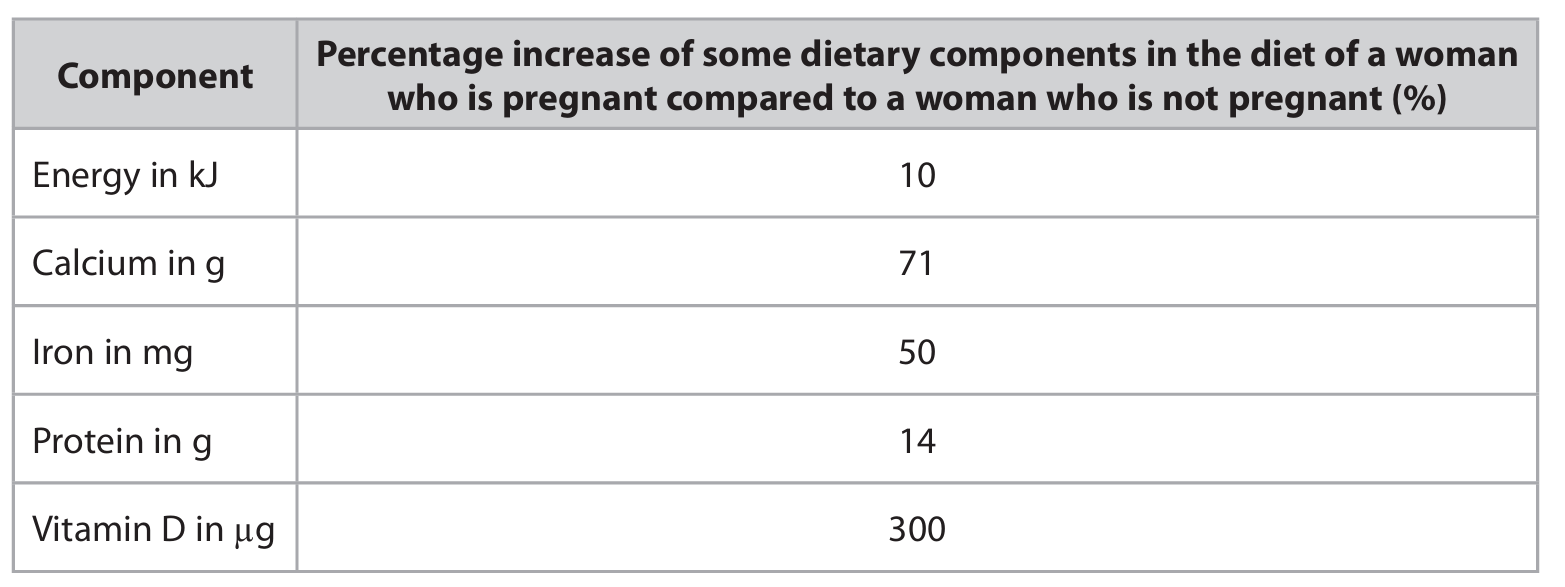
(c)(i) An answer that makes reference to four of the following points:
• calcium for bone / teeth growth / bone / teeth development / prevent rickets
• protein to grow / for enzymes / antibodies / eq
• iron for haemoglobin / red blood cells / prevent anaemia
• vitamin D for bone growth / bone development / calcium absorption / strong bones
• more energy as baby is heavy / mother becomes heavy / more energy for fetal development / to carry baby / eq
Example answer: Extra calcium and vitamin D are required for the development of the fetus’s bones and teeth. Additional iron is needed to make haemoglobin for the increased blood volume and to prevent anaemia. More protein is required for the growth of fetal tissues and the production of enzymes and antibodies. Increased energy is needed as the mother’s body works harder and carries extra weight.
(c)(ii)
• \(9.0 \text{ mg} = 50\%\) more
• \(100\% = 9.0 \times 2 = 18 \text{ mg}\)
• Total needed \(= 18 + 9 = 27 \text{ mg}\)
Award full marks for correct numerical answer without working.
Final Answer: \(27 \text{ mg}\)