
▶️ Answer/Explanation
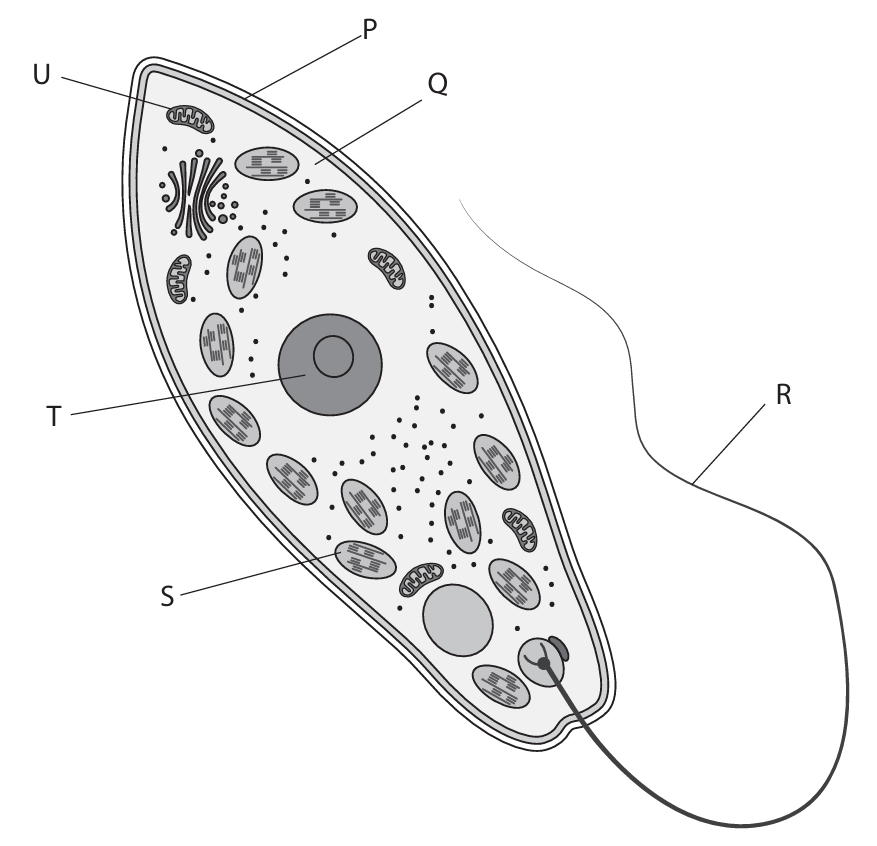
(a)(i) C (protocysts)
A is not the answer as Euglena is not in bacteria
B is not the answer as Euglena is not in fungi
D is not the answer as Euglena is not in viruses
(a)(ii) D (U)
A is not the answer as P is the membrane
B is not the answer as R is the flagellum
D is not the answer as T is the nucleus
(a)(iii) D (T)
A is not the answer as P is the membrane
B is not the answer as Q is the cytoplasm
C is not the answer as R is the flagellum
(a)(iv) A (P)
B is not the answer as Q is the cytoplasm
C is not the answer as R is the flagellum
D is not the answer as U is the mitochondrion
(b) C (S)
A is not the answer as P is the cell membrane
B is not the answer as Q is the cytoplasm
D is not the answer as T is the nucleus
(c) • structure / part of a cell with particular function / purpose / role (s) /eq
(d) An explanation that makes reference to three of the following:
• mitochondria / U (1)
• (mitochondrion) respiration / releases energy / provides ATP / eq (1)
• flagellum / R / tail / eq (1)

▶️ Answer/Explanation
(a)(i) A (Mucor is a eukaryotic organism with cell walls made of chitin)
B is incorrect as Mucor does not have cellulose
C is incorrect as Mucor is not a prokaryote
D is incorrect as Mucor is not a prokaryote
(a)(ii) B (1)
A is incorrect as Mucor has cytoplasm
C is incorrect as Mucor does not have chloroplasts or starch
D is incorrect as Mucor does not have chloroplasts or starch
(a)(iii)
• \(3.14 \times 45^2 = 6358.5\)
• to two sig figs = 6400
(b)(i) An answer that makes reference to two of the following:
• asexual produces genetically identical offspring / clones (1)
• asexual has no fertilisation / no gametes (1)
• asexual only has one parent cell (1)
• asexual uses (only) mitosis / asexual does not use meiosis (1)
(b)(ii) An explanation that makes reference to the following:
• sexual reproduction produces (genetic) variation (1)
• some may survive environmental changes / not all killed by disease / are more adaptable / natural selection can occur (1)
▶️ Answer/Explanation
(a)(i) C (2 and 3 only)
A is incorrect because chitin is not present in either.
B is incorrect because chitin is not present in either.
D is incorrect because both have chloroplasts.
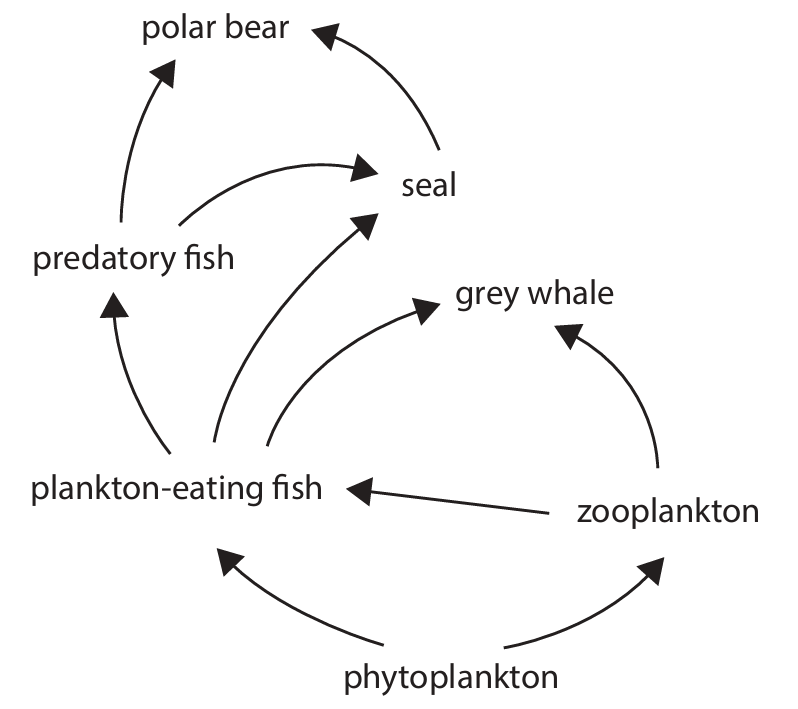
(a)(ii) Any two of: polar bear, seal, grey whale, predatory fish.
(a)(iii) phytoplankton → zooplankton → plankton-eating fish → predatory fish → seal → polar bear
One mark for correct organisms in order. One mark for correct arrow direction.
(b)(i) 950%
Working:
Increase = \(12.6 – 1.2 = 11.4\ \text{mg per dm}^3\)
Percentage Increase = \(\frac{11.4}{1.2} \times 100 = 950\%\)
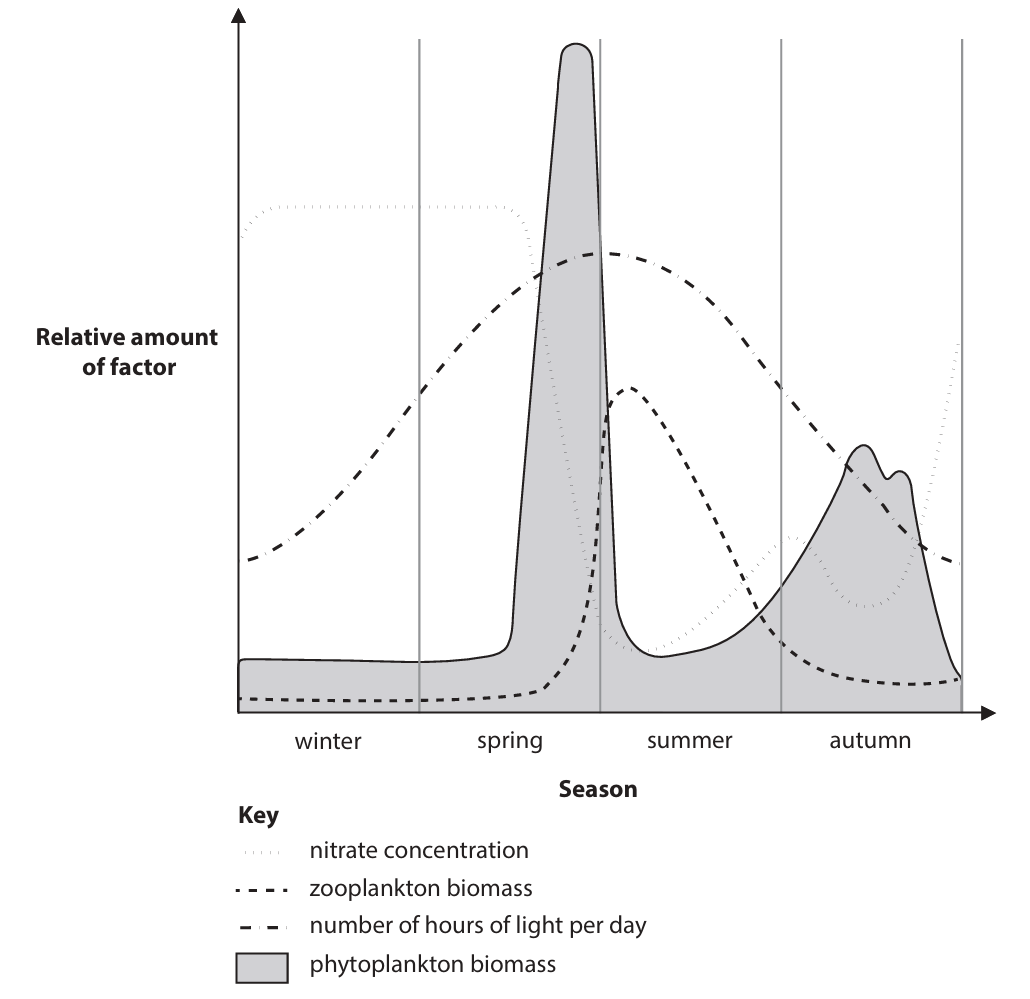
(b)(ii) An answer that makes reference to points such as:
• Phytoplankton biomass is low in winter due to low light and temperature, reducing photosynthesis.
• Biomass increases in spring as light intensity and duration increase, enhancing photosynthesis.
• Increased photosynthesis produces more glucose, allowing phytoplankton growth.
• Zooplankton biomass increases after phytoplankton increase, as they feed on phytoplankton.
• Phytoplankton decrease in late summer/autumn as zooplankton population peaks and consume them, and light/nitrate levels fall.
• Nitrate concentration decreases in spring/summer as phytoplankton absorb nitrates to make amino acids and proteins.
• The biomass of both is limited by abiotic factors (light, nitrates) and biotic factors (predation).
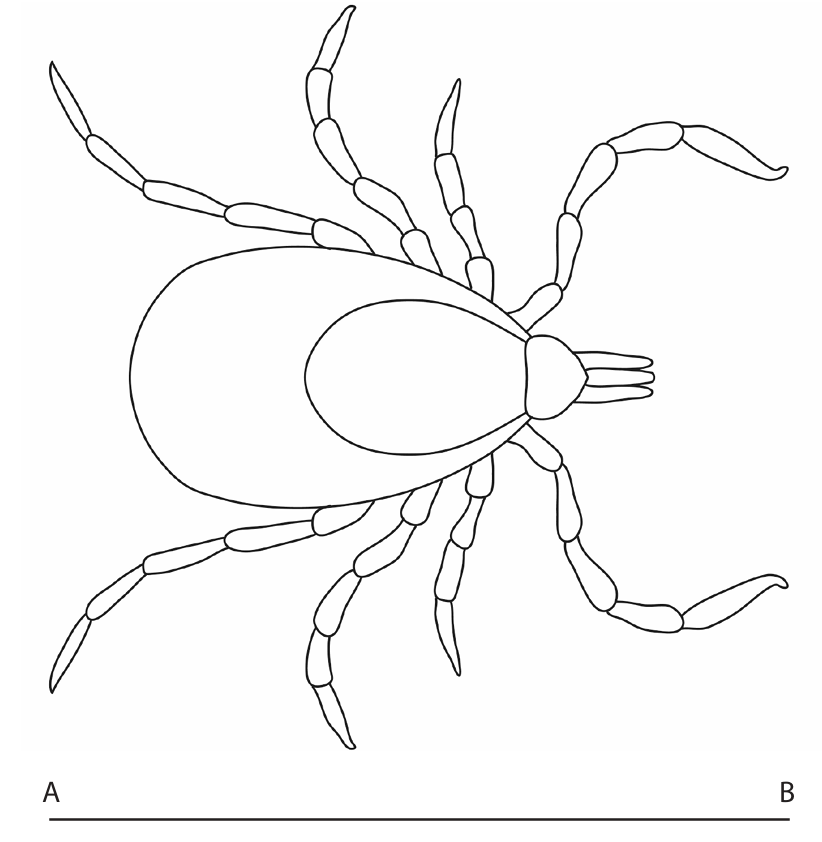
▶️ Answer/Explanation
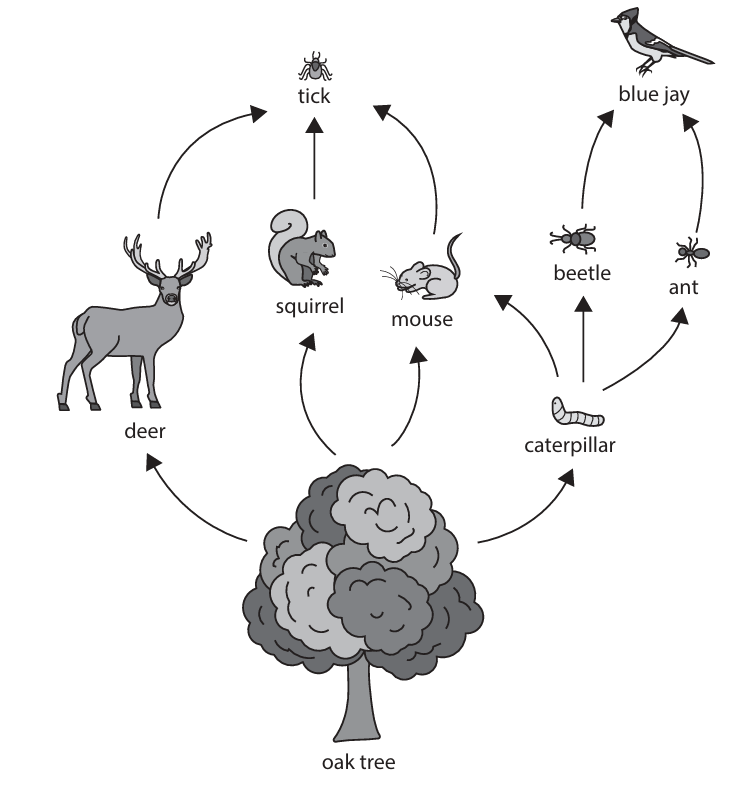
(a)(i) C (oak tree)
A is not the answer as beetle is not the producer
B is not the answer as deer is not the producer
D is not the answer as tick is not the producer
(a)(ii)
oak tree → caterpillar → mouse → tick
Allow 1 mark for correct order. No credit for pyramids.
(a)(iii) D (mouse)
A is not correct as the ant is not at two levels
B is not correct as the blue jay is not at two levels
C is not correct as the caterpillar is not at two levels
(b)(i)
Measurement of line = \(10.4 \text{ cm} = 104 \text{ mm}\)
Magnification = \(\frac{\text{image size}}{\text{actual size}} = \frac{104}{3.5}\)
Magnification = \(29.7\) (range \(29.0 – 30.0\) accepted)
Allow 1 mark for correct measurement of line (10.3-10.5 cm or 103-105 mm) with units.
(b)(ii)
An explanation makes reference to four of the following points (substance + matching function):
• Glucose (1) — for energy / respiration (1)
• Iron (1) — for haemoglobin / red blood cells (1)
• Amino acids (1) — for protein (synthesis) / growth (1)
• Fatty acids / lipids (1) — for energy / insulation (1)
• Water (1) — for keeping body hydrated / transport / solvent (1)
• Vitamin C (1) — for prevents scurvy (1)
Allow named vitamin or mineral for one mark each. Function must match substance.
(b)(iii)
An answer that makes reference to two of the following:
• Tick picks up / bites / sucks up / absorbs blood from infected animal / animal with disease (1)
• Bacteria / virus / pathogen is present in the blood (1)
• Tick then feeds on / bites a new / uninfected animal (1)
• Pathogen is transferred to the new host (1)
Allow ‘transfer’ if reference to biting is included.



▶️ Answer/Explanation
(a)(i) B (chitin)
Explanation: The cell walls of fungal cells, including yeast, are primarily composed of chitin, a strong and flexible polysaccharide. Cellulose is found in plant cell walls, while glycogen and starch are storage polysaccharides and are not structural components of cell walls.
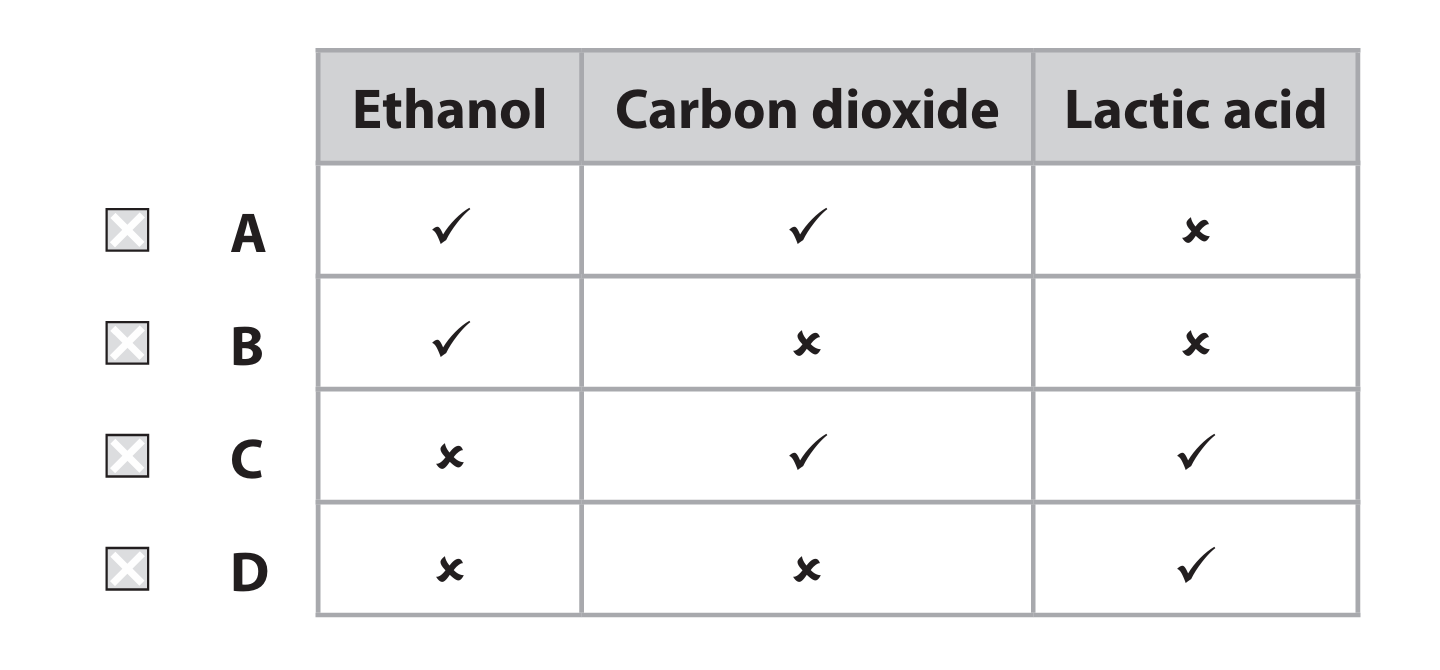
(a)(ii) A
Explanation: Yeast undergoes alcoholic fermentation during anaerobic respiration. The products of this process are ethanol and carbon dioxide. Lactic acid is not produced; it is a product of anaerobic respiration (lactic acid fermentation) in certain bacteria and animal muscle cells.
(b)(i) To stop oxygen getting in / to prevent aerobic respiration.
Explanation: The layer of paraffin oil acts as a barrier, sealing the yeast and glucose mixture from the air. This prevents oxygen from dissolving into the solution, ensuring that the yeast is forced to respire anaerobically (ferment) rather than aerobically, which would produce different products and potentially a different rate of gas production.
(b)(ii) Use a water bath. Monitor the temperature with a thermometer.
Explanation: To maintain a constant temperature, the test tube containing the yeast mixture should be placed in a water bath set to the desired temperature (e.g., 25°C or 37°C). The large volume of water helps to buffer against rapid temperature changes. The student should then use a thermometer to regularly check the temperature of the water bath (or the mixture itself) and make minor adjustments if necessary to keep it constant throughout the experiment.
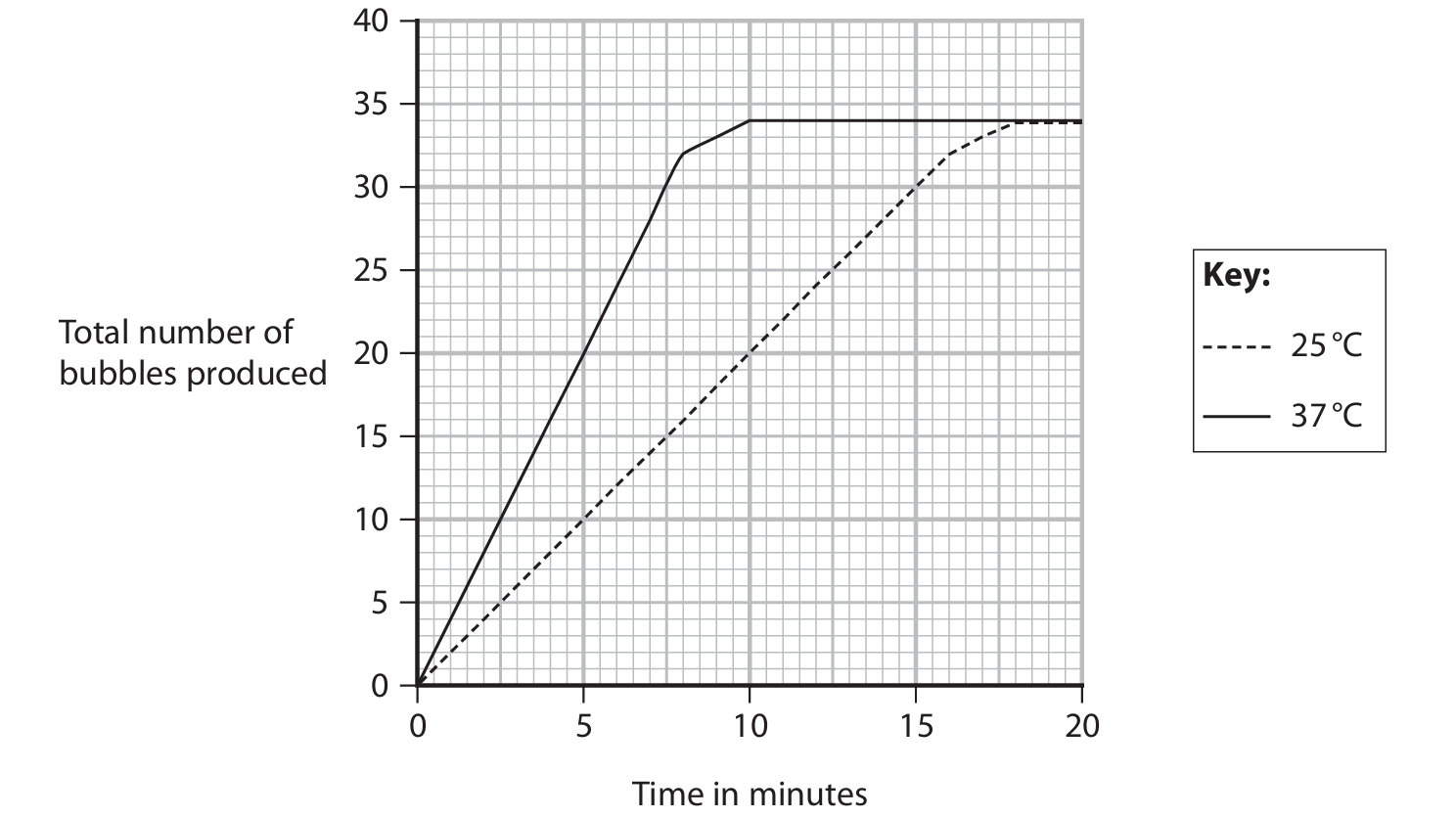
(b)(iii) 4 bubbles per minute
Explanation: The calculation for rate is: Rate = Total number of bubbles / Time. According to the graph, at 37°C, the total number of bubbles produced by 8 minutes is 32. Therefore, the rate is 32 bubbles / 8 minutes = 4 bubbles per minute.
(b)(iv) The total number increases up to around 16–18 minutes and then levels off. This is because initially glucose is not limiting, but later it runs out or the yeast is poisoned by ethanol.
Explanation: The graph line for 25°C shows a steady increase in the cumulative number of bubbles up to a certain point (around 16–18 minutes), after which the line becomes horizontal. The initial increase indicates that anaerobic respiration is occurring at a constant rate, as there is plenty of glucose substrate available. The leveling off occurs because the glucose supply eventually becomes depleted. Additionally, the ethanol produced as a waste product can reach a concentration that becomes toxic to the yeast cells, inhibiting further respiration and stopping bubble production.
(b)(v) The rate is faster at 37°C. This is because 37°C is closer to the optimum temperature for enzymes involved in respiration.
Explanation: The graph shows a steeper gradient (more bubbles produced in the same time) for the 37°C line compared to the 25°C line between 0 and 10 minutes. Enzyme‑controlled reactions, like those in respiration, have an optimum temperature. 37°C is closer to this optimum than 25°C. The increased thermal energy at 37°C causes enzymes and substrate molecules to move faster and collide more frequently and with more energy. This increases the rate of successful collisions and the formation of enzyme‑substrate complexes, thus speeding up the reaction. The faster rate also means the glucose substrate is used up more quickly at 37°C, which is why the curve begins to level off earlier.
(b)(vi) Collect and measure the volume of gas produced instead of counting bubbles. Use a gas syringe or a measuring cylinder in a water trough.
Explanation: Counting bubbles is an inaccurate method because bubbles can vary significantly in size. A small bubble and a large bubble would each count as one, giving a misleading measure of the actual quantity of gas produced. A more accurate method would be to replace the delivery tube in the diagram with one that leads into an inverted measuring cylinder (or burette) filled with water, or to use a gas syringe. This apparatus would collect the gas and allow the student to measure its volume directly, which is a more reliable and quantitative measure of the rate of respiration.
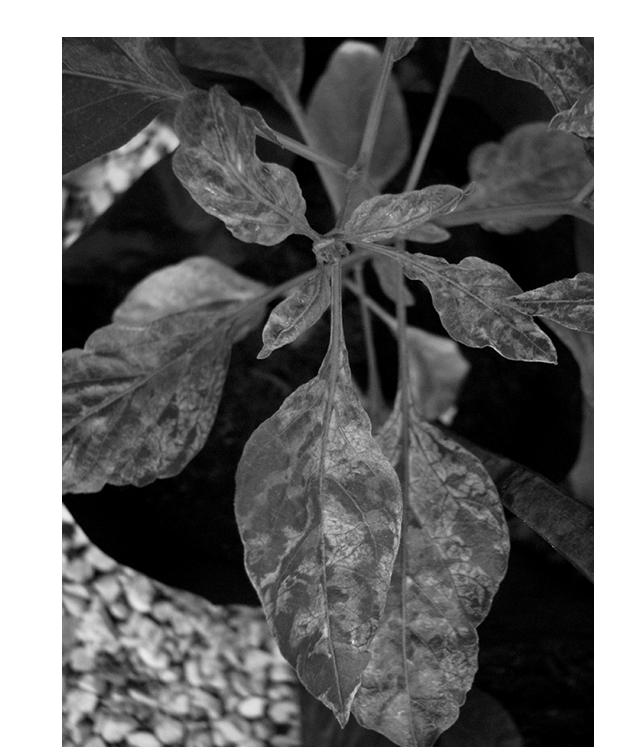
▶️ Answer/Explanation
(a)(i) C (protein)
Explanation: The outer coat or capsid of a virus is primarily made up of protein subunits called capsomeres. This protein coat protects the viral genetic material inside (which, in this case, is RNA). Cellulose (A) is a polysaccharide that makes up plant cell walls. Chitin (B) is a polysaccharide found in the exoskeletons of insects and fungal cell walls. Starch (D) is a carbohydrate storage molecule in plants. Viruses do not contain these substances in their structure.
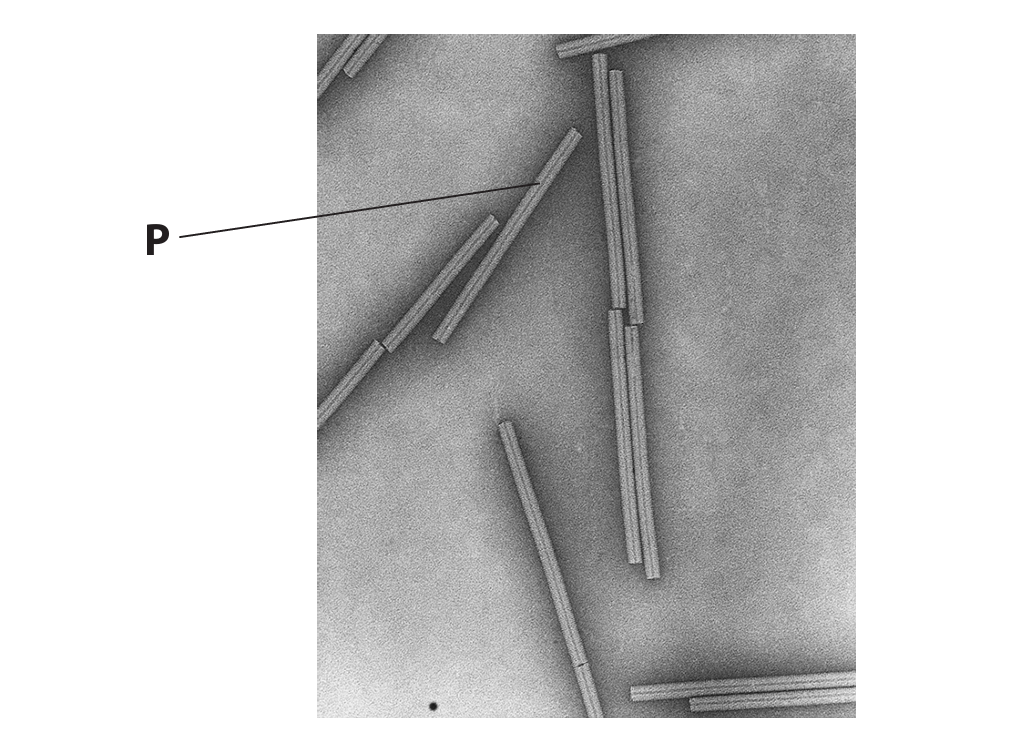
(a)(ii) Magnification = × 76,700 (or approximately × 77,000)
Explanation: To calculate magnification, we use the formula:
Magnification = Size of Image ÷ Size of Real Object
First, measure the length of the virus particle in the photograph (the image size). Assuming the measured length is 23 mm (this value can vary slightly between 22–24 mm).
Convert to micrometers (μm): 23 mm = 23,000 μm.
Actual size = 0.3 μm.
Magnification = 23,000 μm ÷ 0.3 μm ≈ 76,667.
Therefore, magnification ≈ × 76,700 (or × 77,000 rounded).
(b) Infected plants grow more slowly due to a cascade of effects caused by the virus halting chloroplast production. Chloroplasts are the organelles where photosynthesis occurs. Photosynthesis is the process that uses light energy to convert carbon dioxide and water into glucose, providing the plant with chemical energy and the building blocks for growth.
With fewer or no chloroplasts, the plant cannot perform photosynthesis effectively. This leads to a severe reduction in glucose production. Glucose is crucial for respiration (releasing energy for cellular processes) and for synthesizing starch and cellulose. A deficiency in energy and structural materials directly impedes growth.

▶️ Answer/Explanation
(a)(i) B (fungi)
Explanation: Yeast is a single-celled organism that belongs to the kingdom Fungi. Unlike bacteria (prokaryotes), yeast are eukaryotic cells. They are not plants as they do not perform photosynthesis and lack chloroplasts, and they are not protoctists, which is a kingdom typically containing diverse, often unicellular, eukaryotes that don’t fit into the other kingdoms.
(a)(ii) B (chitin)
Explanation: The cell wall of a yeast cell is primarily made of a complex carbohydrate called chitin, which is also found in the exoskeletons of insects and the cell walls of other fungi. This is different from plant cell walls, which are made of cellulose (A). Sucrose (C) is a sugar and starch (D) is a storage polysaccharide; neither are structural components of cell walls.
(b)(i) The teacher would need additional apparatus to control and measure temperature. This includes a water bath (or a beaker of water heated by a Bunsen burner) to contain the test tube and allow for precise temperature variation. A thermometer is essential to accurately measure the temperature of the yeast and glucose solution. A stopwatch or timer is also needed to measure the rate of the reaction, for example, by timing how long it takes for a colour change to occur or measuring the rate of gas production if that was being monitored.
(b)(ii) The layer of liquid paraffin acts as a seal on the surface of the glucose solution. Its purpose is to prevent oxygen from the air dissolving into the solution. This creates anaerobic conditions, ensuring that any respiration detected is anaerobic respiration (fermentation) rather than aerobic respiration. This is crucial for investigating this specific type of respiratory pathway.
(b)(iii) A suitable chemical indicator would be limewater (calcium hydroxide solution). Alternatively, hydrogencarbonate indicator could be used.
Explanation: Limewater is used to test for the product carbon dioxide (CO₂) of respiration. CO₂ turns limewater cloudy. Hydrogencarbonate indicator changes colour (from red to yellow) in the presence of increased carbon dioxide levels.
(b)(iv) Diazine green is an indicator that is blue when oxygen is present and pink when it is absent (reduced). The initial blue colour indicates there is oxygen dissolved in the solution, and the yeast is likely respiring aerobically. As the yeast cells respire, they use up the oxygen in the solution for aerobic respiration. The change in colour from blue to pink indicates that the oxygen concentration is decreasing. Once the oxygen is depleted and the solution turns pink, it shows that the yeast has switched to anaerobic respiration (fermentation) to continue producing energy.
(c) The rate of respiration in yeast changes with temperature due to the effect on enzymes, which control the metabolic reactions of respiration.
As temperature increases from a low value, the kinetic energy of the enzyme and substrate molecules increases. This causes them to move faster and collide more frequently. More collisions lead to the formation of more enzyme-substrate complexes, which increases the rate of respiration.
This increase continues up to an optimum temperature, where the respiration rate is at its maximum because enzymes are working most efficiently.
Beyond this optimum temperature, the high energy causes the hydrogen and ionic bonds that hold the enzyme’s shape to break. This alters the specific 3D shape of the enzyme’s active site. The substrate can no longer fit into the denatured active site, meaning fewer enzyme-substrate complexes can form. This causes the rate of respiration to decrease rapidly and eventually stop.
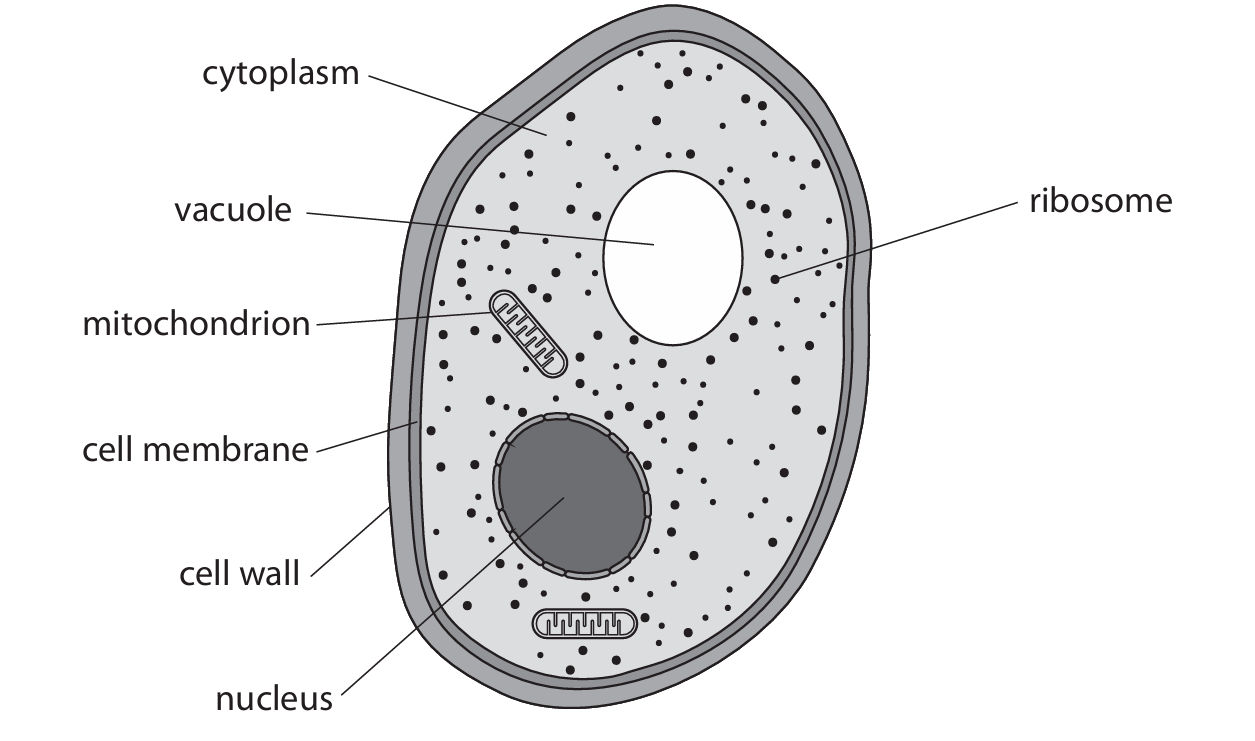
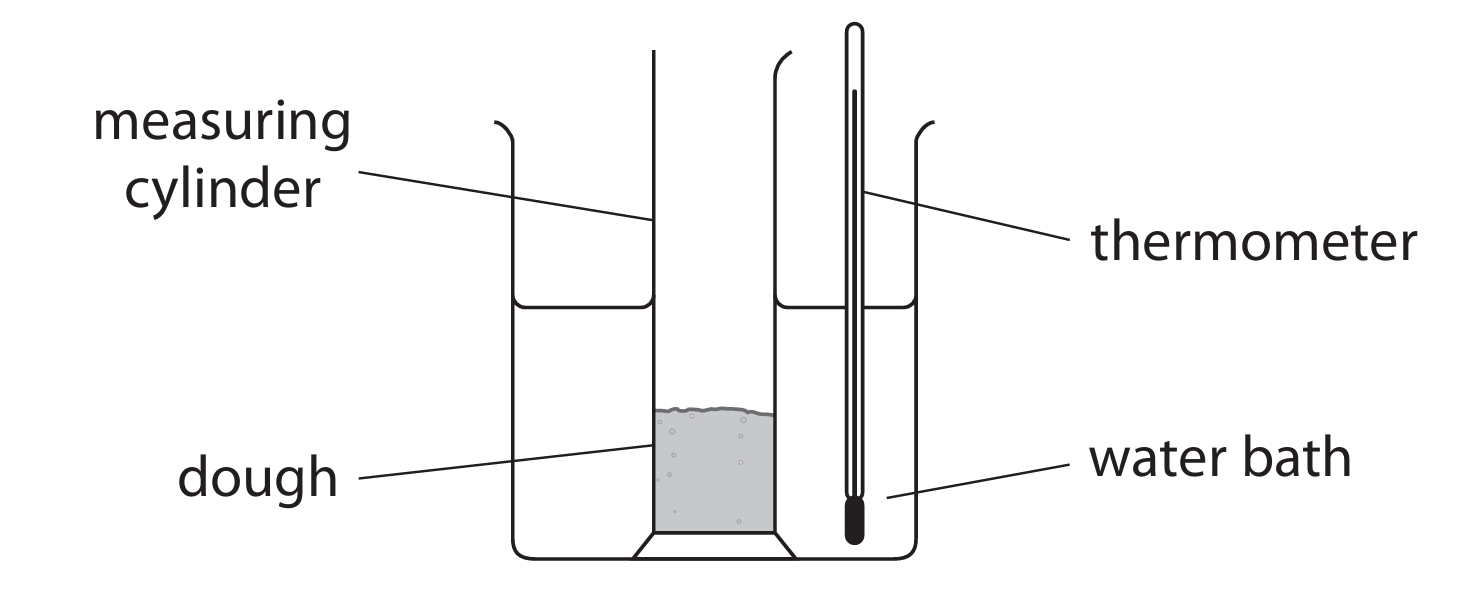

▶️ Answer/Explanation
(a)(i) A mitochondrion
Explanation: Aerobic respiration is the process that releases energy from glucose in the presence of oxygen. In eukaryotic cells, like yeast cells, this process occurs specifically in the mitochondria. The mitochondria are often called the “powerhouses” of the cell because they generate most of the cell’s supply of ATP, the energy currency. The nucleus (B) contains genetic material, the ribosome (C) is the site of protein synthesis, and the vacuole (D) is used for storage; none of these are the primary site for aerobic respiration.
(a)(ii) B chitin
Explanation: The cell wall of fungi, which includes yeast, is primarily made of a complex carbohydrate called chitin. Chitin is a strong and flexible polysaccharide that also forms the exoskeletons of insects. Cellulose (A) is the material that makes up plant cell walls. Glycogen (C) is a polysaccharide used for energy storage in animals and fungi, and starch (D) is used for energy storage in plants.
(a)(iii) A cell membrane
Explanation: Prokaryotic cells, such as bacteria, lack membrane-bound organelles. Therefore, they do not have a true nucleus (C), mitochondria (B), or vacuoles (D) like eukaryotic cells do. However, all cells, both prokaryotic and eukaryotic, are surrounded by a cell membrane (also called the plasma membrane). This phospholipid bilayer controls the movement of substances in and out of the cell and is a fundamental structure for life.
(b)(i) 80%
Explanation: The percentage increase is calculated using the formula:
\[ \text{Percentage Increase} = \left( \frac{\text{Final Value} – \text{Initial Value}}{\text{Initial Value}} \right) \times 100\]
Plugging in the values from the experiment at 35°C:
\[ \left( \frac{45 – 25}{25} \right) \times 100 = \left( \frac{20}{25} \right) \times 100 = 0.8 \times 100 = 80\%\]
So, the dough increased in height by 80% after two hours at 35°C.
(b)(ii) Yeast respires anaerobically (a process called fermentation) using the sugar in the dough as a substrate. This respiration produces carbon dioxide (\(CO_2\)) gas. The gas bubbles become trapped within the stretchy, elastic network of gluten proteins in the dough. As more and more gas is produced, these bubbles expand, causing the entire dough mixture to inflate and rise in height.
(b)(iii) Temperature affects the rate of enzyme-controlled reactions, such as respiration in yeast. At 25°C, the temperature is further from the optimum temperature for the yeast’s enzymes. The yeast cells and their enzymes have less kinetic energy, leading to fewer successful collisions between enzymes and substrates. This results in a slower rate of respiration, less carbon dioxide gas being produced, and consequently, a smaller rise in the dough (40% increase) compared to the rise at 35°C (80% increase).
(b)(iv) At 65°C, the temperature is likely too high and has denatured the enzymes in the yeast. Denaturation is a process where the enzyme’s active site changes shape permanently, and it can no longer bind to its substrate. With the enzymes denatured, respiration stops entirely or occurs at a very minimal rate. Very little carbon dioxide is produced, so the dough rises very little (only 8%). In contrast, at 35°C, the temperature is likely close to the optimum for the yeast’s enzymes, allowing for a high rate of respiration and gas production, leading to the greatest rise.
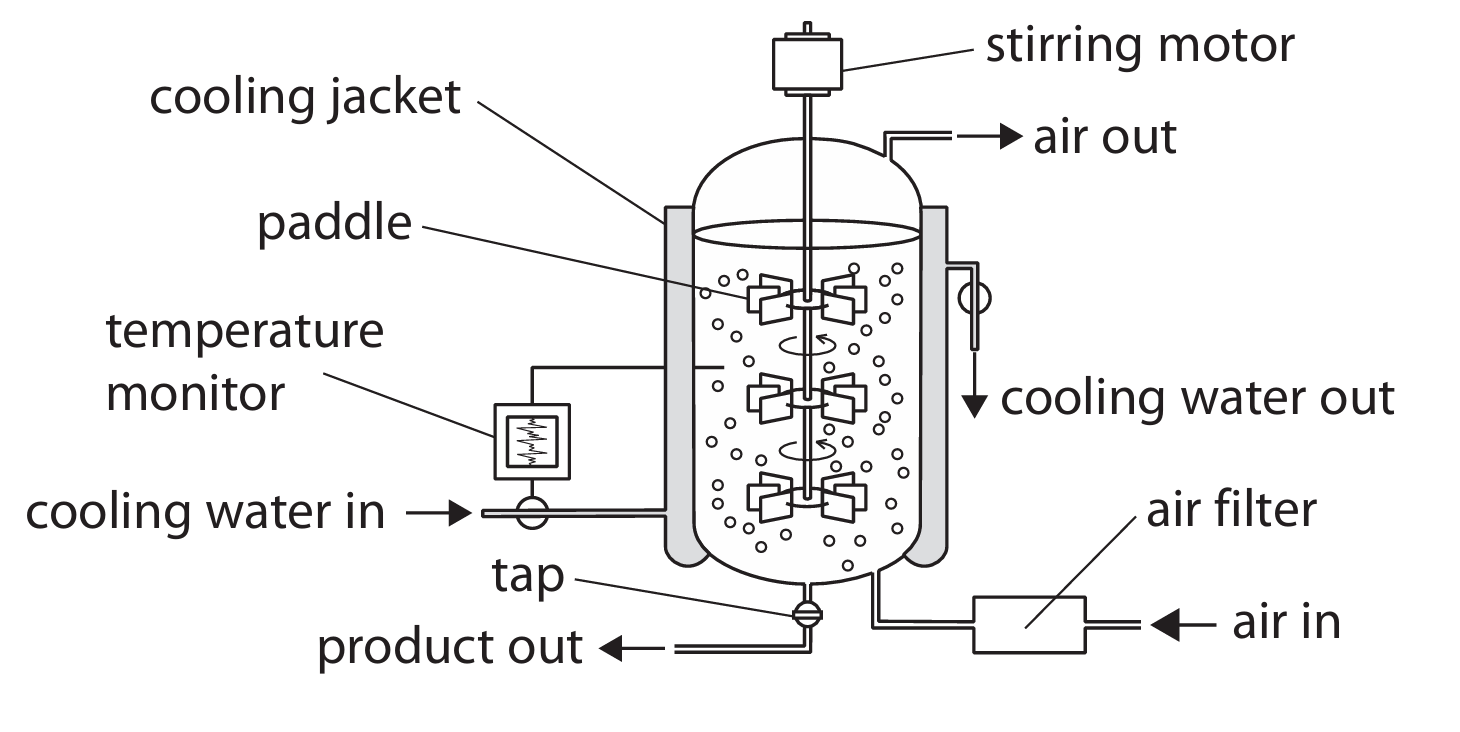
▶️ Answer/Explanation
(a)(i) B (fungi)
Explanation: Yeast is classified as a fungus because it is a single-celled organism with a nucleus (making it eukaryotic) and a cell wall made of chitin. Animals do not have cell walls, plants have cell walls made of cellulose, and protoctists do not typically have chitin in their cell walls.
(a)(ii) Viruses do not carry out all seven life processes independently / They cannot reproduce without a host cell.
Explanation: Living organisms are typically defined by characteristics such as growth, respiration, sensitivity, movement, excretion, nutrition, and reproduction. Viruses lack many of these; most notably, they cannot reproduce on their own and require a host cell to replicate. They also do not carry out metabolic processes like respiration.
(b) Restriction enzymes and Ligase.
Explanation: In genetic engineering, specific enzymes are used to insert a gene into a plasmid. Restriction enzymes are used to cut the DNA at specific sequences, both to remove the desired gene (e.g., for the hepatitis B protein) and to open up the plasmid. Ligase is then used to join the pieces of DNA together, effectively inserting the new gene into the plasmid by forming bonds between the sugar-phosphate backbones of the DNA strands.
(c)(i) The temperature monitor and cooling jacket work together to maintain an optimal temperature.
Explanation: The fermentation process, which involves yeast respiration and other chemical reactions, releases heat. If the temperature rises too high, it can denature the enzymes inside the yeast cells, slowing down or stopping the production of the desired protein. The temperature monitor detects the temperature inside the fermenter. If it gets too high, the cooling system is activated, and cool water is circulated through the cooling jacket, which absorbs the excess heat and carries it away, thus maintaining a constant, ideal temperature for the yeast to thrive.
(c)(ii) Air is needed to provide oxygen for aerobic respiration.
Explanation: Yeast, like many organisms, can respire aerobically (with oxygen) to produce energy. Aerobic respiration is much more efficient than anaerobic respiration, yielding more energy (ATP) per glucose molecule. This abundant energy allows the genetically modified yeast cells to grow rapidly and produce large quantities of the viral protein. Without oxygen, the yeast would switch to less efficient anaerobic respiration, resulting in slower growth and lower product yield.
(c)(iii) The air is filtered to prevent contamination.
Explanation: Unfiltered air contains bacteria, fungi (other than the desired yeast), and other microorganisms. If these contaminants entered the fermenter, they would compete with the genetically modified yeast for nutrients and space. Furthermore, they could potentially produce unwanted waste products or even consume the desired protein, drastically reducing the yield and purity of the vaccine product. The filter acts as a physical barrier, ensuring that only sterile air enters the fermenter, which is crucial for maintaining a pure and efficient culture.
▶️ Answer/Explanation
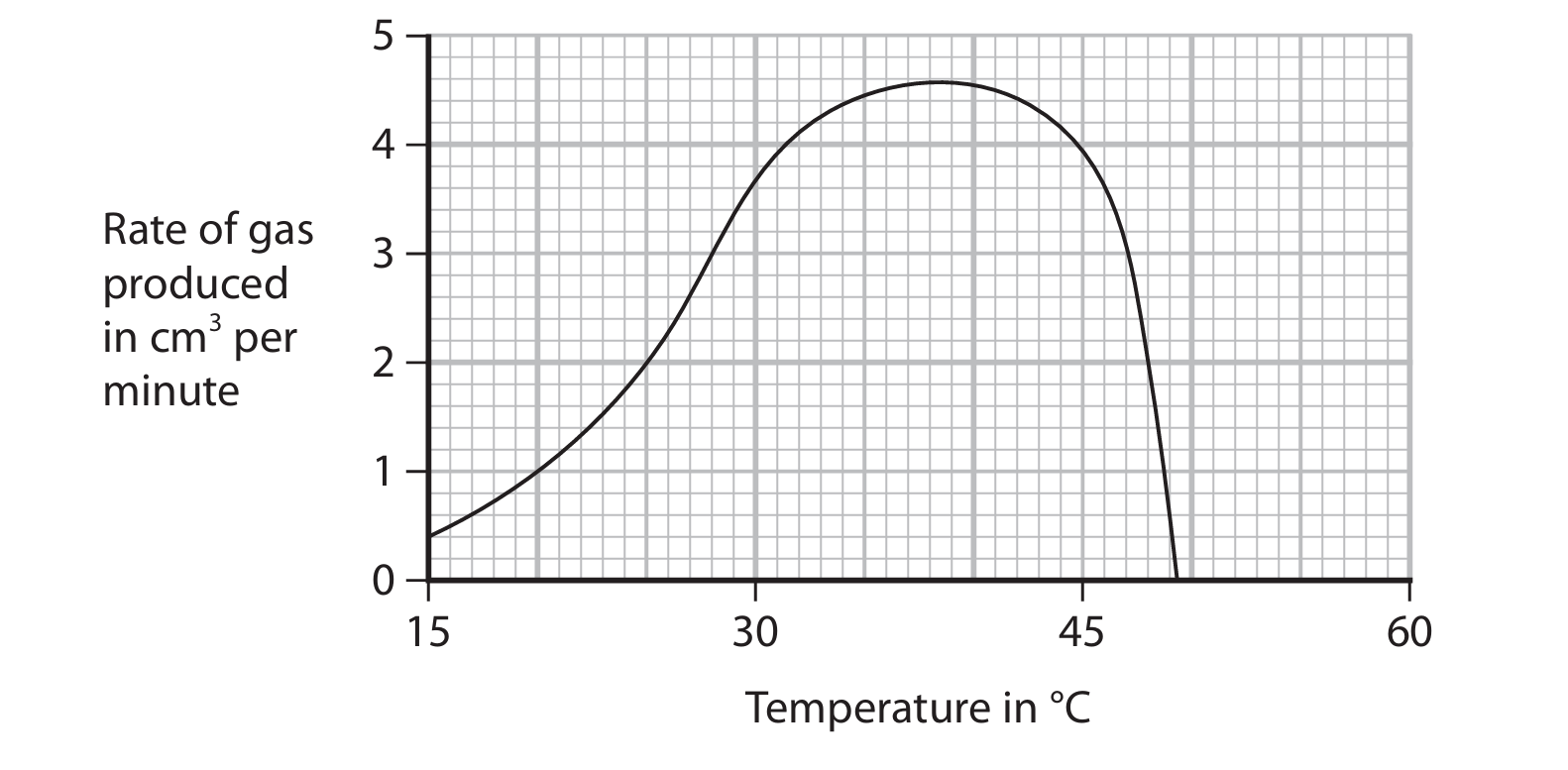
(a) Fungi do not carry out photosynthesis. Their body is usually organised into a mycelium made from thread-like structures called hyphae.
Fungal cell walls are made of chitin.
Fungi feed by extracellular secretion of enzymes onto food material and absorption of the organic products. This is known as saprotrophic nutrition.
Explanation: Fungi are heterotrophic organisms that decompose organic matter. Their body structure consists of a network of hyphae that form a mycelium. The cell walls contain chitin, a strong polysaccharide also found in insect exoskeletons. Fungi digest food externally by secreting enzymes that break down complex molecules into simpler ones, which are then absorbed. This feeding method is called saprotrophic nutrition.
(b)(i) Carbon dioxide / CO2
Explanation: During anaerobic respiration (fermentation), yeast converts glucose into ethanol and carbon dioxide. The gas bubbles produced are CO2, which is what the student measures in this experiment.
(b)(ii) An explanation that makes reference to the following:
- Increasing (kinetic) energy / molecules move more
- More collisions / more enzyme-substrate complexes formed
- Above 37/40°C / optimum / eventually / at higher temperature enzyme denatures / change in active site / substrate and enzyme can no longer bind
Explanation: As temperature increases from low to moderate levels, the rate of gas production increases because the reactant molecules (enzymes and substrates) have more kinetic energy. This causes them to move faster and collide more frequently, leading to more enzyme-substrate complexes and a higher reaction rate. However, beyond the optimum temperature (around 37-40°C for many enzymes), the enzyme structure begins to denature. The hydrogen bonds holding the enzyme’s shape break, causing the active site to change shape. When this happens, substrates can no longer fit into the active site, and the reaction rate decreases dramatically.
(b)(iii) A description that makes reference to two of the following:
- Use (collect gas in) measuring cylinder / (gas) syringe
- Measure volume / cm3 in time / or time to produce volume
Explanation: To measure the rate of gas production, the student should collect the gas produced in a gas syringe or by displacing water in an inverted measuring cylinder. The volume of gas collected should be measured at regular time intervals (e.g., every minute). The rate can then be calculated as volume of gas produced per unit time (e.g., cm3/min). This method allows for quantitative measurement of the respiration rate at different temperatures.

▶️ Answer/Explanation
(a)(i) Sickle shaped red blood cells stick to each other / caught / trapped in walls of blood vessels.
Explanation: In sickle cell anaemia, the red blood cells become rigid and crescent-shaped instead of being flexible and biconcave. These abnormally shaped cells are less flexible and can get stuck to each other or to the walls of small blood vessels. This creates blockages that restrict blood flow to various parts of the body, leading to pain and potential tissue damage.
(a)(ii) An explanation that includes:
- Cold temperatures reduce blood flow / cause more sickling
- Less oxygen at high altitude
- Less respiration / more anaerobic respiration
- More lactic acid
- Less energy / ATP
Explanation: Cold temperatures cause blood vessels to constrict, reducing blood flow and potentially triggering more red blood cells to sickle. At high altitudes, the lower oxygen concentration means less oxygen is available to tissues. This reduced oxygen supply leads to less efficient aerobic respiration in cells, forcing them to rely more on anaerobic respiration which produces lactic acid. The combination of reduced energy production (ATP) from less efficient respiration and the buildup of lactic acid exacerbates symptoms like tiredness and joint pain.
(b)(i) Only expressed when homozygous / two copies / no dominant allele present / not expressed in heterozygote.
Explanation: A recessive allele is one whose effect is masked or “hidden” when a dominant allele is present. For a recessive trait to be physically expressed in an individual, that person must inherit two copies of the recessive allele (one from each parent), making them homozygous recessive. If they have one dominant and one recessive allele (heterozygous), the dominant allele will determine the trait, and the recessive allele will not be visible but can be passed to offspring.
(b)(ii) 0.375 or 3/8 or 37.5%
Explanation: First, we need to find the probability of the child not having sickle cell anaemia. Since both parents are heterozygous (HbA Hbs), we can use a Punnett square:
Parental genotypes: HbA Hbs × HbA Hbs
Possible offspring genotypes:
- HbA HbA (normal) – 1/4 probability
- HbA Hbs (carrier, no disease) – 2/4 probability
- Hbs Hbs (sickle cell anaemia) – 1/4 probability
Probability of not having sickle cell anaemia = 1/4 + 2/4 = 3/4
Probability of being female = 1/2
Since these are independent events, we multiply the probabilities:
3/4 × 1/2 = 3/8 = 0.375 = 37.5%
(c) D protoctist
Explanation: Malaria is caused by parasites belonging to the genus Plasmodium, which are single-celled eukaryotic organisms classified as protoctists (or protists). These are not bacteria (which are prokaryotic), fungi, or plants. The Plasmodium parasite is transmitted to humans through the bite of infected Anopheles mosquitoes.
(d) B haemoglobin
Explanation: Haemoglobin is the iron-containing protein pigment found in red blood cells that gives them their characteristic red color. Its crucial function is to bind with oxygen in the lungs and transport it to tissues throughout the body, while also helping to carry some carbon dioxide back to the lungs. Chlorophyll is found in plants, iron is a mineral component of haemoglobin but not the pigment itself, and magnesium is not the primary pigment in red blood cells.
(e) Two differences:
- Red blood cells are smaller than white blood cells
- Red blood cells have no nucleus while white blood cells do
- Red blood cells are biconcave in shape while white blood cells are spherical or irregular
Explanation: Red blood cells (erythrocytes) and white blood cells (leukocytes) have distinct structural differences that relate to their different functions. Red blood cells are smaller and lack a nucleus, which allows more space for haemoglobin and makes them more flexible for moving through narrow capillaries. Their biconcave disc shape provides a large surface area for efficient gas exchange. In contrast, white blood cells are generally larger, have a nucleus (essential for their immune functions), and can change shape to engulf pathogens or move through tissues.
▶️ Answer/Explanation
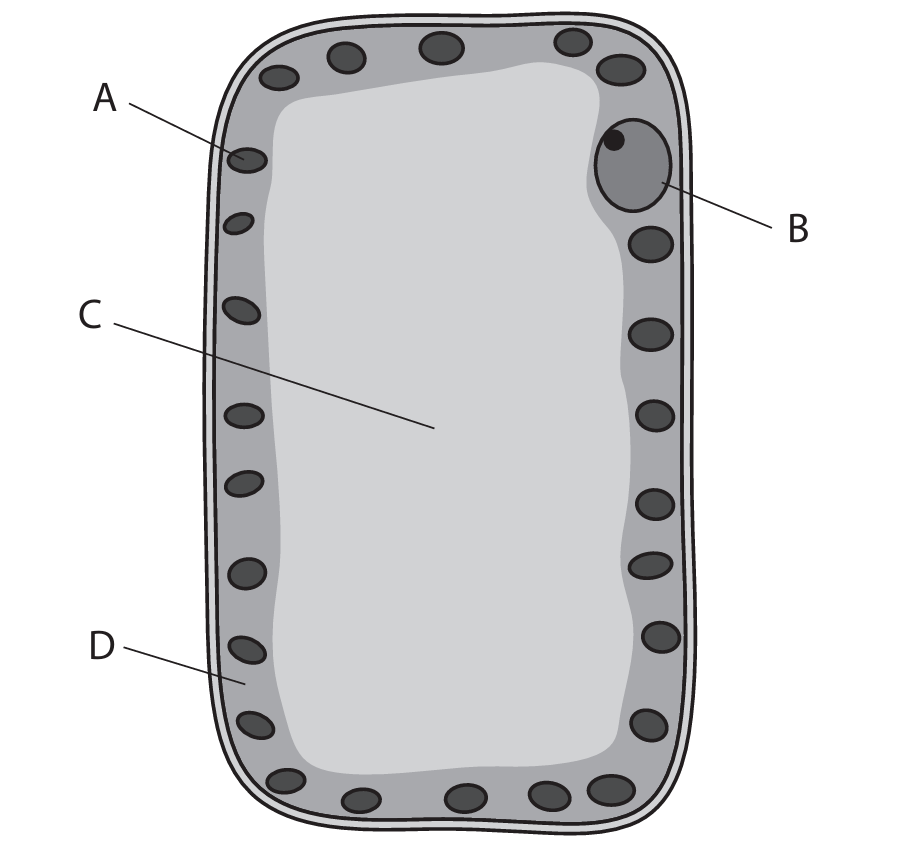
(a)(i) B (cell wall)
A is incorrect because it is not the cell membrane.
C is incorrect because it is not mitochondria.
D is incorrect because it is not the nucleus.
(a)(ii) D (starch)
A is incorrect because it is not chlorophyll.
B is incorrect because it is not glucose.
C is incorrect because it is not glycogen.
(b)(i) An answer that makes reference to the following points:
- A: (chloroplasts absorb light) for photosynthesis / absorb light energy to make carbohydrate / eq
- B: (nucleus) controls protein synthesis / contains DNA / contains genes / controls cell / eq
- C: (vacuole) contains cell sap eq
- D: (cytoplasm) where chemical reactions occur
Additional guidance: Allow starch / glucose / sugar for A; allow maintains turgor / stores water / salts / pigments / toxins for C; allow where protein synthesis occurs / respiration occurs / medium for reactions for D.
(b)(ii) An answer that makes reference to two of the following points:
- contains chloroplasts to absorb light / for photosynthesis eq
- long / arranged in a vertical plane / large surface area / rectangular shape, to absorb most light / eq
- large vacuole to store water
▶️ Answer/Explanation
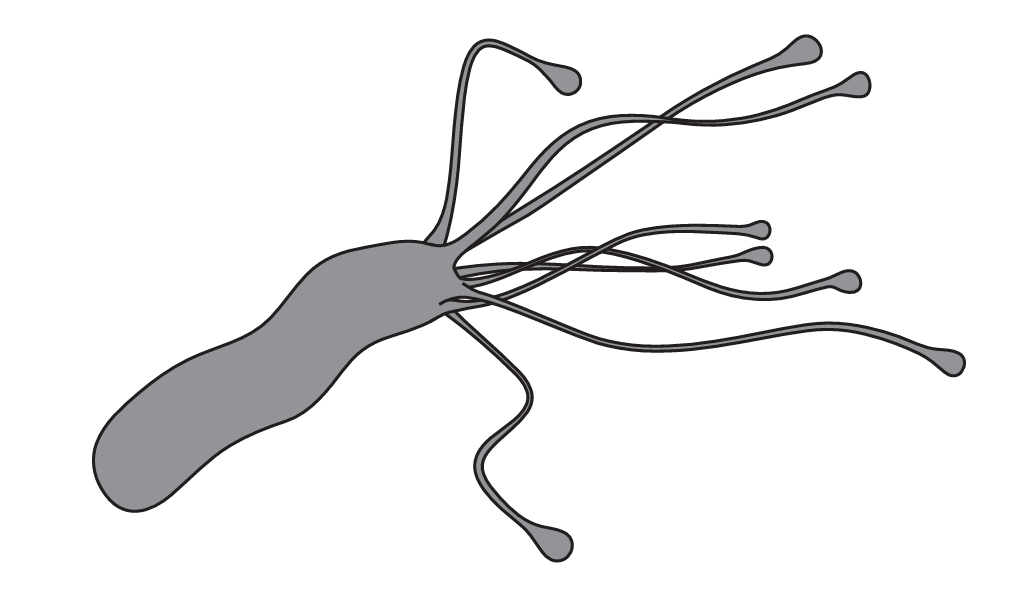
(a)(i) C cytoplasm
Explanation: Bacteria are prokaryotic cells, which means they lack a true nucleus (option D) and membrane-bound organelles. Their genetic material is found in the cytoplasm. Cellulose (option A) is a structural component of plant cell walls, and chitin (option B) is found in the cell walls of fungi and the exoskeletons of arthropods. Bacterial cell walls are typically made of peptidoglycan, not cellulose or chitin. Therefore, the only component from the list that is definitively found in a bacterial cell is the cytoplasm.
(a)(ii) C 7
Explanation: The stomach is highly acidic, with a pH typically around 1.5 to 3.5 due to hydrochloric acid. Neutralization means bringing the pH to a neutral level. On the pH scale, 7 is neutral. Urease produced by H. pylori breaks down urea to produce ammonia, which is alkaline, thereby neutralizing the stomach acid in its immediate vicinity and raising the pH towards 7. Options A (1) and B (2) are acidic, and option D (12) is strongly alkaline, none of which represent a neutral pH.
(a)(iii)
Explanation: According to the theory of evolution by natural selection, the evolution of urease production in H. pylori can be explained step-by-step. Initially, within a population of ancestral H. pylori bacteria, there would have been genetic variation. Some of this variation arose from random mutations in the bacterial DNA. One such mutation might have resulted in a bacterium that could produce the enzyme urease. This urease enzyme conferred a significant advantage in the harsh, acidic environment of the stomach. By neutralizing the acid around it, this bacterium was more likely to survive and live longer than its peers that lacked the mutation. With increased survival, this bacterium had a greater chance to reproduce asexually (through binary fission) and pass on the gene for urease production to its offspring. Over many generations, the allele for urease production became more and more common in the population because individuals possessing it were consistently selected for by the environmental pressure of stomach acidity. Eventually, the entire population of H. pylori evolved to produce urease.
(b)
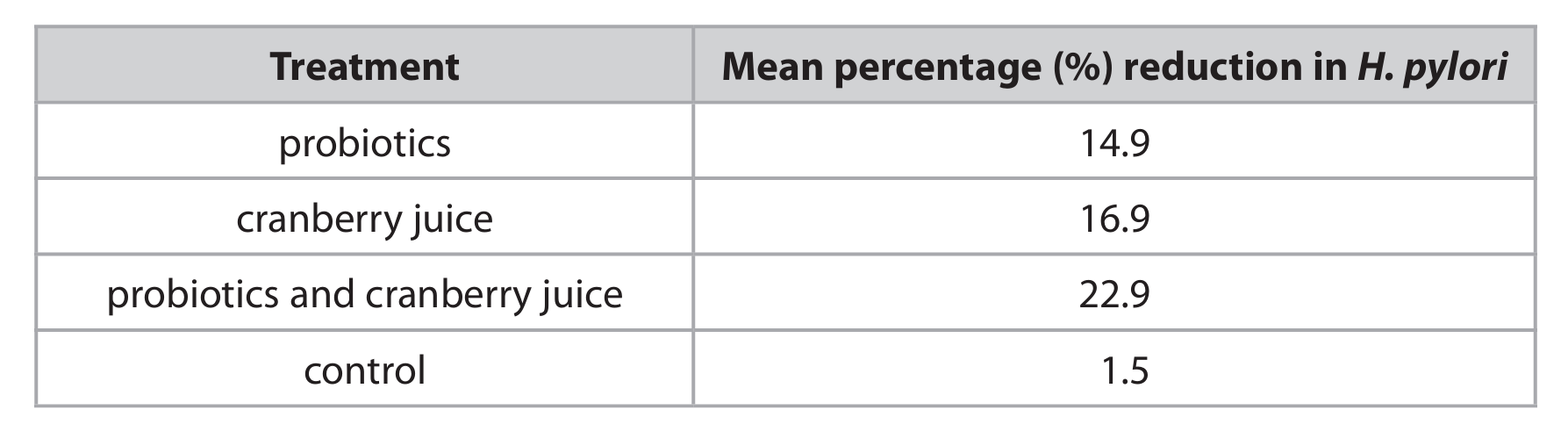
Two conclusions:
- All three treatments (probiotics, cranberry juice, and their combination) cause a greater reduction in H. pylori compared to the control, meaning they are all more effective than no treatment.
- The combination of probiotics and cranberry juice results in a greater reduction of H. pylori than either treatment used alone, suggesting a synergistic effect where the two work better together.
Explanation: By analyzing the data in the table, we can draw clear comparisons. The control group, which likely received a placebo or no treatment, showed only a 1.5% reduction, establishing a baseline. The probiotics alone led to a 14.9% reduction, and cranberry juice alone led to a 16.9% reduction. Both are substantially higher than the control, indicating they are effective treatments. However, when used together, the reduction jumps to 22.9%, which is higher than the sum of their individual effects if they were simply additive. This indicates that the two treatments may work well in combination, potentially enhancing each other’s effectiveness against H. pylori.
▶️ Answer/Explanation
(a) Add iodine solution to the bread sample. If starch is present, the color will change to blue-black.
Explanation: To test for starch, you would first obtain a small sample of the bread. Then, you would add a few drops of iodine solution directly onto the bread sample. Iodine solution is typically a brownish-yellow color. If starch is present in the bread, a chemical reaction occurs between the iodine and the starch molecules, resulting in a distinct color change to blue-black or sometimes a very dark blue-purple. This is a standard biochemical test for starch.
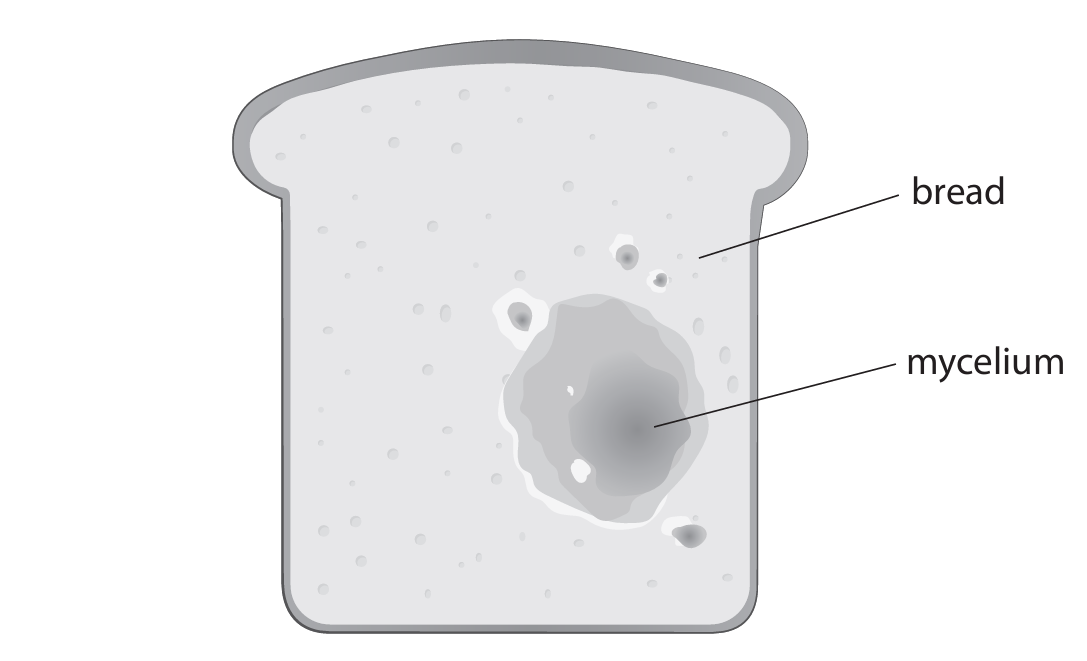
(b)(i) B fungus
Explanation: The diagram shows a mycelium, which is a characteristic feature of fungi. A mycelium is a network of fine, thread-like structures called hyphae that fungi use to absorb nutrients from their food source, in this case, the bread. Bacteria are single-celled and do not form mycelia. Protoctists are a diverse group, but none form a mycelium like this. Viruses are not considered living organisms and cannot grow on bread in this way.
(b)(ii) A amylase
Explanation: Starch is a large, complex carbohydrate polymer. To digest it, the fungus secretes the enzyme amylase. Amylase works by breaking down the chemical bonds in starch, converting it into smaller sugar molecules like maltose, which the fungus can then absorb and use for energy. Ligase is an enzyme involved in joining DNA fragments, not digesting food. Lipase breaks down lipids (fats), and protease breaks down proteins, neither of which is the correct enzyme for starch digestion.

▶️ Answer/Explanation
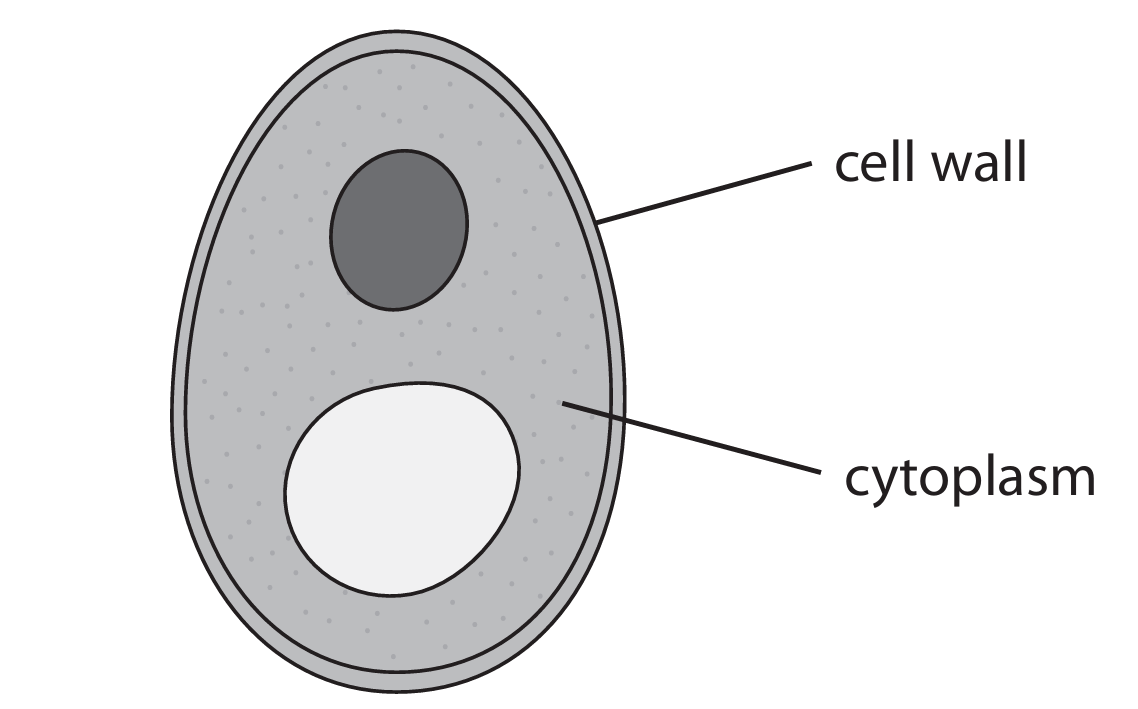
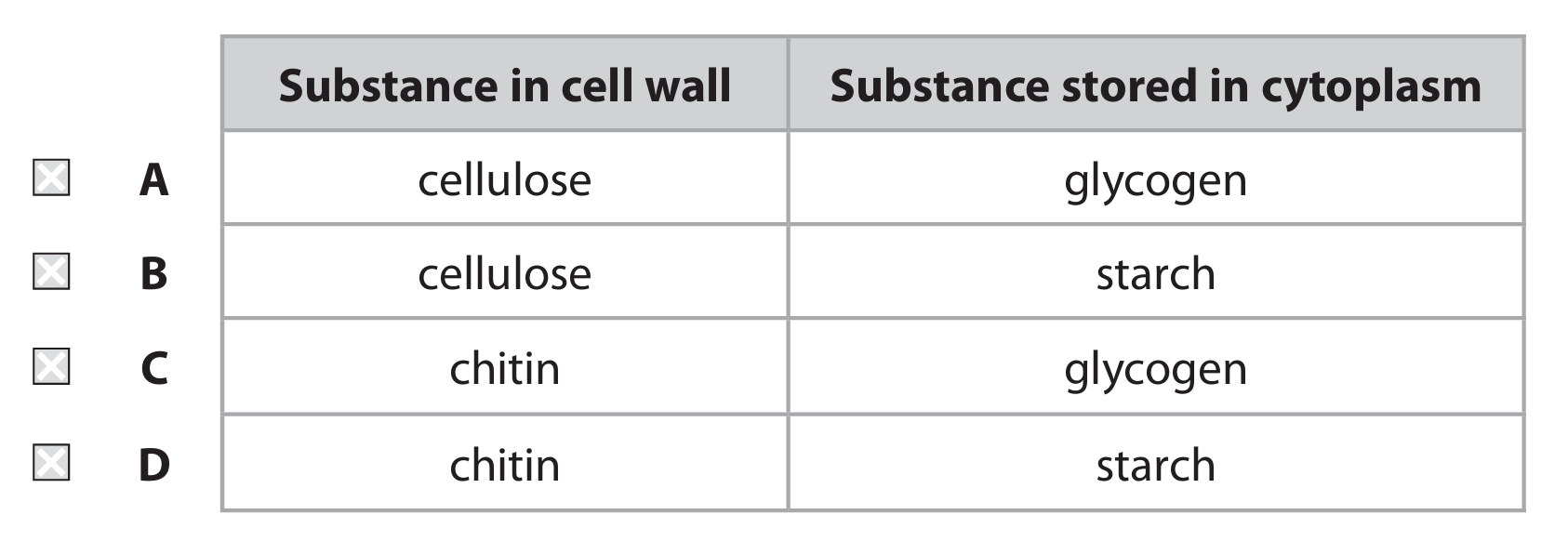
(a)(i) C (chitin and glycogen)
Explanation: Yeast is a fungus, and fungal cell walls are primarily composed of chitin, not cellulose which is found in plants. For energy storage, fungi like yeast store glycogen in their cytoplasm, similar to animals, rather than starch which is typical of plants.
(a)(ii) B (a fungus)
Explanation: Yeast is classified as a unicellular fungus. It is not a bacterium (which are prokaryotic), a plant (which are multicellular and photosynthetic), or a protoctist (which is a diverse group including algae and protozoa).
(b)(i) B (glucose → ethanol + carbon dioxide)
Explanation: The respiration described is anaerobic respiration (fermentation) in yeast. The correct chemical equation for this process is glucose being broken down into ethanol and carbon dioxide, without the use of oxygen. Option A is incomplete, and options C and D involve oxygen, which characterizes aerobic respiration.
(b)(ii) Restriction enzyme / endonuclease / ligase
Explanation: To genetically modify the yeast, scientists use enzymes like restriction endonucleases (which cut DNA at specific sequences) and DNA ligase (which joins DNA fragments together). These enzymes are essential tools in genetic engineering for inserting new genes into an organism’s genome.
(b)(iii) Contains new / foreign DNA / gene from another organism.
Explanation: A recombinant organism is one that has had its genetic material altered by the insertion of DNA from a different source. In this case, the GM yeast has been modified to contain a gene from another organism that codes for an enzyme capable of digesting plant cell walls.
(b)(iv)
Explanation: Biofuel from plants can help reduce global warming primarily because it is part of a carbon-neutral cycle. The carbon dioxide released when the biofuel is burned is approximately equal to the carbon dioxide that the plants absorbed from the atmosphere during photosynthesis. This contrasts with burning fossil fuels, which releases carbon that has been locked away for millions of years, thereby increasing the net concentration of CO₂ in the atmosphere. Additionally, using biofuels can reduce our dependence on fossil fuels, leading to lower overall emissions of greenhouse gases.
(c)(i) 76% (accept range 69-80%)
Explanation: To calculate the percentage increase, we use the formula: \[ \text{Percentage Increase} = \frac{\text{Mass from GM yeast} – \text{Mass from normal yeast}}{\text{Mass from normal yeast}} \times 100\% \] From the graph, after 1 day, the mass from GM yeast is approximately 2.2 g and from normal yeast is approximately 1.25 g. \[ \text{Increase} = 2.2 – 1.25 = 0.95 \text{ g} \] \[ \text{Percentage Increase} = \frac{0.95}{1.25} \times 100\% = 76\% \] Slight variations in reading the graph values can lead to answers between 69% and 80% being accepted.
(c)(ii)
Explanation: The rate of ethanol production decreases after 1 day likely due to two main factors. First, the glucose (substrate) that the yeast uses for respiration begins to run out or become depleted, slowing down the metabolic process. Second, the ethanol produced is actually toxic to the yeast in high concentrations. As ethanol builds up in the surrounding environment, it can inhibit the yeast’s enzymes and eventually kill the cells, leading to a decline in the production rate.