
▶️ Answer/Explanation
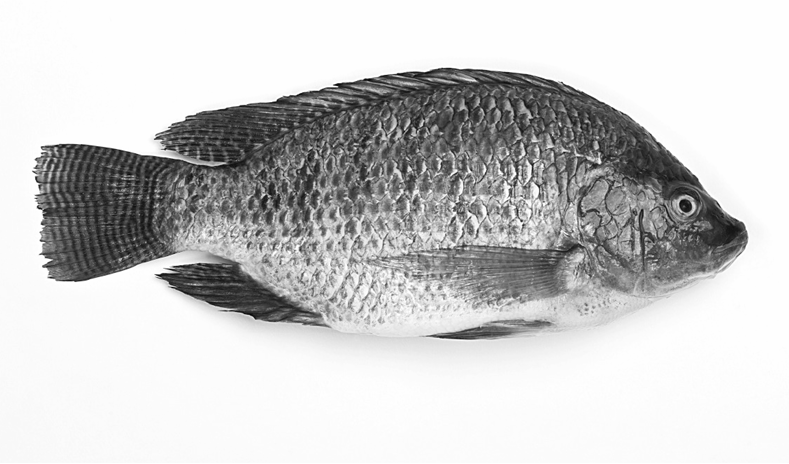
(a)(i) \(1 : 2.4 : 1\)
Accept \(1: 2.375: 1\)
(a)(ii) A description that makes reference to the following points:
• ethanol / alcohol and add water (1)
• goes white / cloudy / white emulsion forms / milky / eq (1)
OR
• add Sudan III (1)
• red colour (in top layer) (1)
Accept alternative method: rub on paper / eq (1); paper goes transparent / clear / eq (1)
(a)(iii) • growth / repair / enzymes / build muscle / antibodies / eq (1)
(b)(i) • \(357 \, \text{g per month}\) (2)
Correct answer gains both marks.
Accept one mark for:
\(2500\) (increase) or division by \(7\) or \((3750-1250)\) or \(357.14…\)
(b)(ii) • \(3002 / 3000 \, \text{g}\) (1)
(b)(iii) An answer that makes reference to two of the following points (1 mark each):
• (GM fish) grow more / bigger / faster / eq
• produce less faeces / can digest more efficiently / absorb more / eq
• less respiration / lower metabolic rate / eq
• move less / slower swimming / eq
• eat more food / less food wasted / eq
(b)(iv) • temperature / light (intensity) / oxygen / salinity / pH / eq (1)
(b)(v) An evaluation that makes reference to the following points (up to 5 marks):
1. GM fish grow bigger/faster/harvest sooner / eq (1)
2. less food wasted / more food eaten / eq (1)
3. less faeces / urea / excretion / ammonia / eq (1)
4. less decomposition / fewer decomposers / eq (1)
5. less nitrification / fewer nitrifying bacteria / eq (1)
6. less eutrophication / algal growth / plant growth / eq (1)
7. less oxygen loss / more oxygen in water / eq (1)
8. due to less (bacterial) respiration / (more oxygen for) respiration of animals / eq (1)
9. no information about disease spread / pathogen spread / eq (1)
10. GM fish are (genetically) similar so may be more likely to catch/spread disease / eq (1)
11. not repeated / need more experiments / no idea of sample size / eq (1)
12. (GM) fish that escape may harm food chains / outcompete wild fish / may breed with wild fish / eq (1)
13. did not measure nitrates / eq (1)
▶️ Answer/Explanation
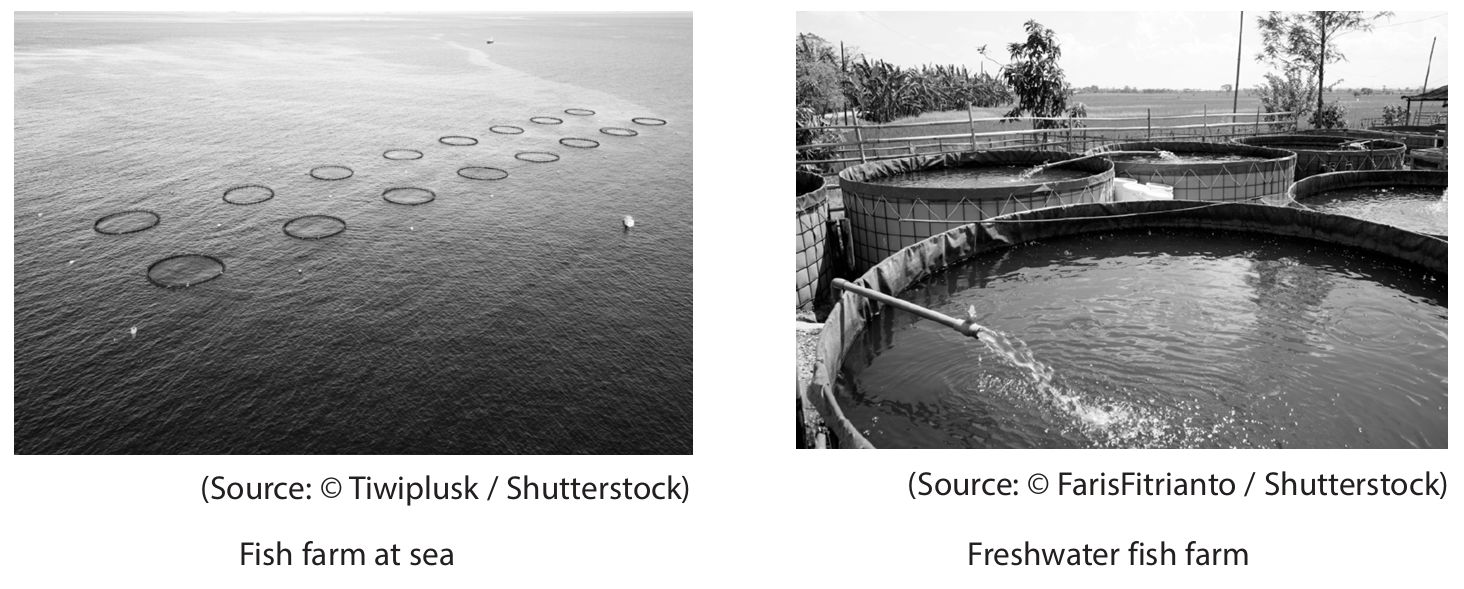
(a) • drowning / being washed overboard / sinking / storms / (bad) weather / attacked / killed by sharks by predators / eq (1)
(b) An explanation that makes reference to three of the following points: (3)
1. only based on forecasts / model / not happened yet / can’t predict future / 30 years is a long way off / not guaranteed / eq (1)
2. other (scientists) have different view / only an opinion / government policy may change / eq (1)
3. amount of sea farms may change / may not work / unproven / untested / eq (1)
4. peoples’ tastes may changes / diet / choices / demand for fish may change / eq (1)
5. effect of climate change / sea temperature rising / levels rising / global warming /eq (1)
6. effect of pollution / eq (1)
(c) An explanation that makes reference to three of the following points: (3)
1. (fish) faeces / waste / uneaten food /eq (1)
2. nitrate / phosphate levels increase / eq (1)
3. leads to algal growth / eutrophication / (eq)
4. less oxygen (for respiration)/ oxygen used (by bacteria) / eq (1)
5. chemicals / hormones /eq (1)
6. bacteria / decomposers / eq (1)
(d)(i) A description that makes reference to two of the following points: (2)
1. pesticide / insecticide / fungicide / eq (1)
2. antibiotics / vaccinate fish / eq (1)
3. selective breeding / GM fish / eq (1)
4. separating / isolating diseased fish / removing sick / dead fish / eq (1)
5. low stocking density /eq (1)
(d)(ii) An explanation that makes reference to two of the following points: (2)
1. pesticide / insecticide / fungicide/ antibiotic / kill other organisms / disrupt food chain /eq (1)
2. (pesticide / insecticide / fungicide / antibiotics ) can (bio)accumulate / eq (1)
3. (antibiotics) lead to antibiotic resistance / eq (1)
4. selective bred / GM organisms may escape and interbreed / eq (1)
(e) An explanation that makes reference to two of the following points: (2)
1. deep water / greater volume / eq (1)
2. (so) dilution / reduces concentration / eq (1)
3. fast water flowing / eq (1)
4. (so) dispersed / carried away / eq (1)
(f) An answer that includes: (1)
• further from shore / further from land / isolated / longer distance to travel / no population nearby / need to use boat to reach / take a long time to get there / eq (1)
(g) An answer that includes one of: (1)
• is cheaper / use cheaper food (readily available) / surplus food / crop waste /eq (1)
• more efficient energy transfer / eq (1)
• will not eat each other / other fish / eq(1)
(h) An explanation that makes reference to two of the following points: (2)
• less fuel / less transport of equipment /supplies / workers / less food miles / eq (1)
• less energy used / less electricity / less machinery (in running / building) / eq (1)
• less carbon dioxide released (from burning the fossil fuel) / eq (1)
Total = 17 marks
▶️ Answer/Explanation
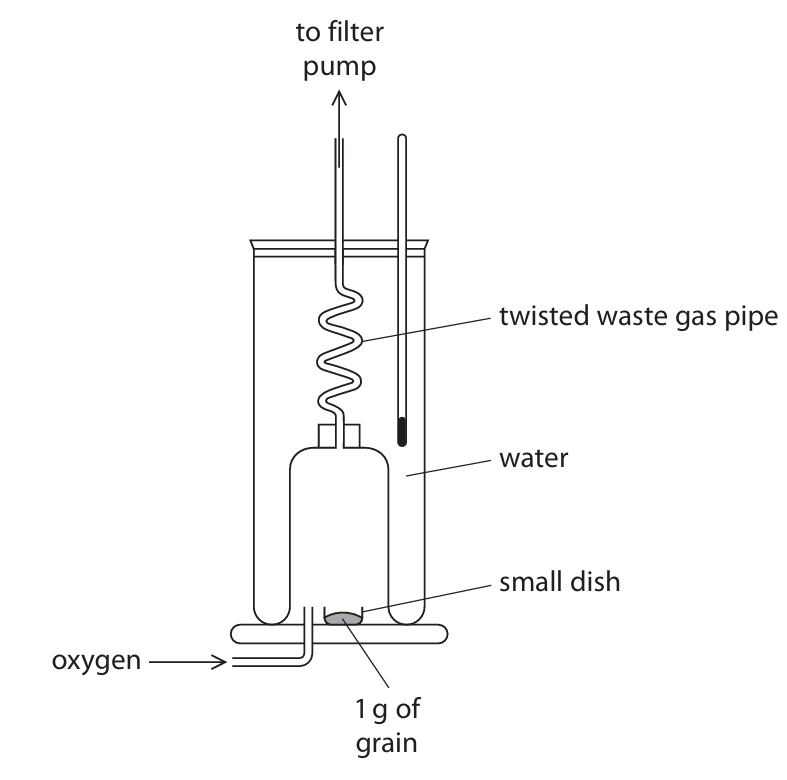
(a) The scientists can calculate the energy released by 1 g of grain using the formula: Energy = mass of water × specific heat capacity of water × temperature change.
Explanation: First, they need to calculate the temperature change (ΔT) by subtracting the initial temperature from the final temperature. Then, they multiply this temperature change by the mass of water (20 g, since 20 cm³ of water has a mass of 20 g) and by the specific heat capacity of water (4.2 J/g°C). This gives the energy in joules. To find the energy per gram of grain, they would divide this value by 1 (since they used 1 g of grain). The formula can be written as: E = m × c × ΔT, where m = 20 g, c = 4.2 J/g°C, and ΔT = final temperature – initial temperature.
(b) Repeat the experiment multiple times and calculate the mean.
Explanation: To ensure reliability, scientists should repeat the experiment several times for each type of grain. By calculating the average (mean) of these repeated measurements, they can reduce the effect of random errors and obtain a more reliable result that better represents the true value.
(c)(i) The twisted pipe has a larger surface area, allowing more heat to be transferred to the water.
Explanation: A twisted waste gas pipe increases the surface area that comes into contact with the water compared to a straight pipe. This enhanced surface area allows for more efficient heat transfer from the hot waste gases to the water, ensuring that more of the energy released from burning the grain is captured and measured. This results in a more accurate measurement of the energy content.
(c)(ii) Oxygen ensures complete combustion of the grain.
Explanation: Burning the grain in pure oxygen rather than air ensures that the grain undergoes complete combustion. In air, which contains only about 21% oxygen, incomplete combustion might occur, leading to soot formation and the release of less energy. Pure oxygen guarantees that all the combustible material in the grain is fully oxidized, releasing the maximum possible amount of energy, which provides a more accurate measurement of the grain’s energy content.
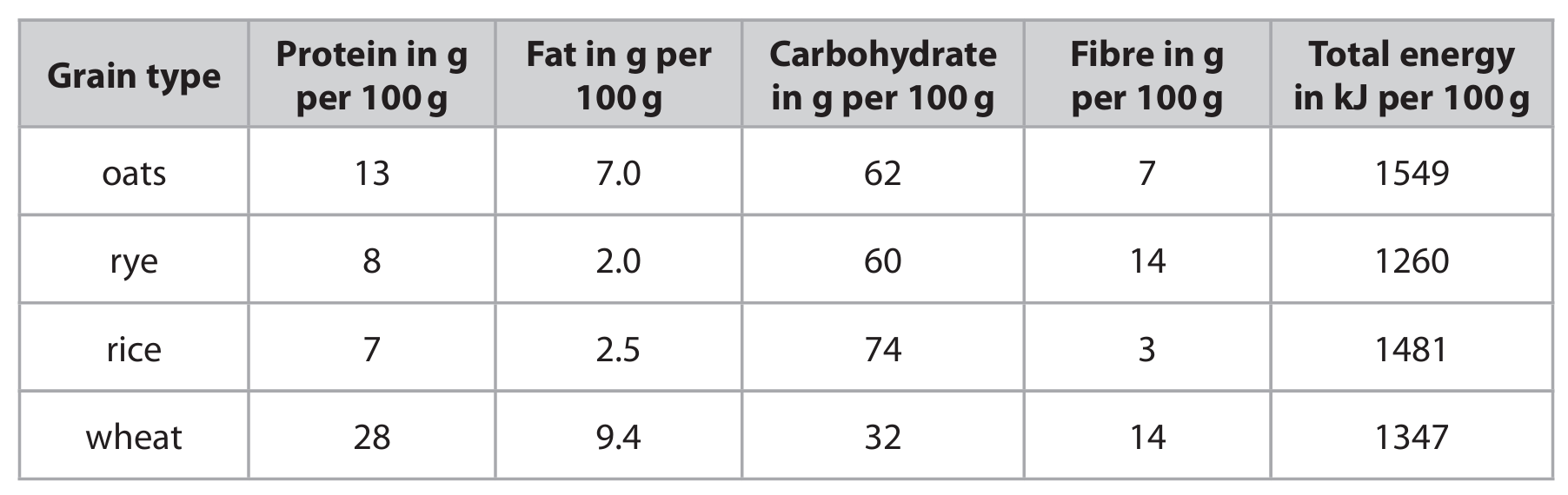
(d)(i) Mass = 4.55 g
Explanation: According to the table, rice contains 7 g of protein per 100 g. To find the mass of protein in 65 g of rice, we set up a proportion: (7 g protein / 100 g rice) = (x g protein / 65 g rice). Solving for x: x = (7 × 65) / 100 = 455 / 100 = 4.55 g. Therefore, 65 g of rice contains 4.55 g of protein.
(d)(ii)
Oats: Oats are highly suitable because they have high carbohydrate (62 g/100 g) and fat (7 g/100 g) content, providing sustained energy release for endurance activities. They also contain a moderate amount of protein (13 g/100 g) for muscle repair. However, the relatively high fat content might be a concern if consumed in large quantities over time.
Rye: Rye has moderate carbohydrates (60 g/100 g) but low fat (2 g/100 g) and protein (8 g/100 g), making it less ideal as a primary energy source. Its high fiber content (14 g/100 g) is beneficial for digestive health but might cause gastrointestinal discomfort during intense exercise if consumed in large amounts shortly before running.
Rice: Rice is excellent for quick energy due to its very high carbohydrate content (74 g/100 g) and low fiber (3 g/100 g), which allows for easy digestion. However, it has low protein (7 g/100 g) and fat (2.5 g/100 g), so it should be complemented with other protein sources for muscle recovery.
Wheat: Wheat has the highest protein content (28 g/100 g), which is beneficial for muscle repair and growth. However, its relatively low carbohydrate content (32 g/100 g) makes it less optimal as a primary energy source for endurance activities compared to oats or rice. The high fiber content (14 g/100 g) is good for general health but might not be ideal immediately before exercise.
Overall: For a long-distance athlete who needs sustained energy, oats would be the best choice due to their balanced macronutrient profile with high carbohydrates and moderate fat and protein. Rice could be good for quick energy before a race. Wheat is valuable for muscle repair but lower in energy, and rye is the least suitable due to its lower energy density.
▶️ Answer/Explanation
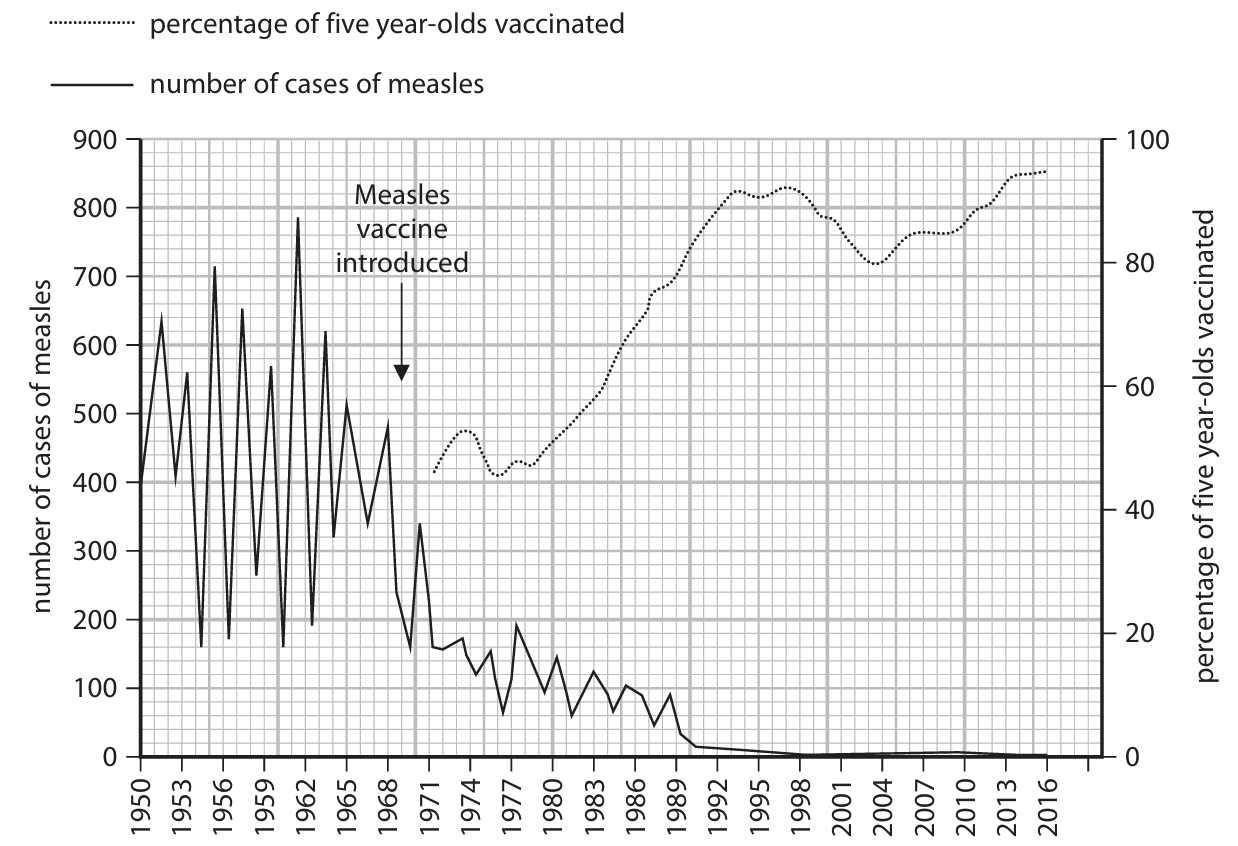
(a) Difference = approximately 105% (range: 94-106%)
Explanation: To calculate this difference, we need to find the percentage change for each time period separately and then find the difference between them.
For 1950-1965: Cases increased from approximately 400-420 to 510-520. Using the midpoint values (410 to 515):
Percentage change = \(\frac{515 – 410}{410} \times 100 = \frac{105}{410} \times 100 ≈ 25.6\%\)
For 1968-1983: Cases decreased from approximately 480-490 to 120-130. Using the midpoint values (485 to 125):
Percentage change = \(\frac{125 – 485}{485} \times 100 = \frac{-360}{485} \times 100 ≈ -74.2\%\)
Difference = |25.6 – (-74.2)| = 99.8% (approximately 100%)
The exact answer may vary slightly depending on the precise values read from the graph, but should fall within the range of 94-106%.
(b) The relationship shows that as vaccination rates increase, measles cases decrease significantly.
Explanation: The graph demonstrates an inverse relationship between vaccination rates and measles cases. Before widespread vaccination (pre-1968), cases were high and fluctuated significantly. After the introduction of vaccination, cases began to decline steadily as vaccination rates increased.
For example, in the early 1970s when vaccination rates were around 50-60%, cases dropped to about 100-200 thousand. By the 1990s, when vaccination rates reached 80-90%, cases fell dramatically to very low levels (less than 20 thousand). This shows that vaccination provides herd immunity, reducing the virus’s ability to spread through the population.
The relationship is not perfectly linear because other factors like vaccination campaigns, public awareness, and natural immunity from previous infections also play a role. However, the overall trend clearly shows that higher vaccination coverage leads to fewer measles cases.
(c) Vaccinations are not used on immunocompromised children because they may not develop proper immunity and could develop the disease.
Explanation: Children with compromised immune systems (due to treatments like chemotherapy or immunosuppressive drugs) have reduced ability to produce antibodies and memory cells in response to vaccines. Vaccines contain weakened or inactivated pathogens that stimulate the immune system to create protection.
In immunocompromised children, their weakened immune systems may not be able to mount an effective response to the vaccine, leaving them unprotected. Even more concerning, there’s a risk that the weakened pathogen in the vaccine could cause the actual disease in these vulnerable children.
Instead of vaccination, these children rely on herd immunity – the protection provided when enough people in the community are vaccinated to prevent the disease from spreading. This is why high vaccination rates in the general population are so important, as they protect those who cannot be vaccinated themselves.

▶️ Answer/Explanation
(a) C (respiration)
Explanation: Respiration is the metabolic process that breaks down glucose to release energy, which is stored in ATP molecules. Active transport uses ATP but does not produce it. Diffusion is a passive process and does not require or produce ATP. Transpiration is the loss of water vapor from plants and is not directly involved in ATP production.
(b)(i)
Explanation: Intensive farming often involves the heavy use of fertilizers. Deforestation removes trees whose roots help bind the soil. The combination of these factors leads to soil erosion. When it rains, eroded soil and excess fertilizers (rich in minerals like nitrates and phosphates) are washed into rivers and eventually into estuaries and the sea. These minerals act as nutrients for dinoflagellates, allowing their populations to grow rapidly, a process known as eutrophication.
(b)(ii)
Explanation: After the glowing events, large numbers of dinoflagellates die. Their bodies are decomposed by bacteria and other microorganisms. These decomposers respire as they break down the organic matter, a process that consumes oxygen. The large algal bloom may also block light, reducing photosynthesis and oxygen production by other organisms. The high rate of oxygen consumption by decomposers leads to a decrease in dissolved oxygen levels.
(c) C (nitrifying)
Explanation: Nitrifying bacteria are specifically responsible for converting ammonia into nitrites and then into nitrates in the nitrogen cycle. Decomposer bacteria break down organic matter into ammonia. Denitrifying bacteria convert nitrates back into nitrogen gas. Nitrogen-fixing bacteria convert atmospheric nitrogen gas into ammonia.
(d)(i) 70 dinoflagellates per hour
Explanation: The total number of non-glowing dinoflagellates eaten in 2 hours was 2100. The total eaten per hour is \( 2100 \div 2 = 1050 \) dinoflagellates per hour. This is the rate for all 15 copepods. The mean rate per copepod is \( 1050 \div 15 = 70 \) dinoflagellates per hour per copepod.
(d)(ii)
Explanation: A random mutation gave some dinoflagellates the allele to glow. This created variation. When predators were present, dinoflagellates that glowed were less likely to be eaten (as the glow attracted the predators’ own predators). These dinoflagellates had a higher survival rate and were more likely to reproduce, passing the advantageous allele for glowing to their offspring. Over many generations, the frequency of the glowing allele increased in the population, leading to the evolution of this trait.
(e)
Explanation: It would reduce reliance on electricity generated from burning fossil fuels. The dinoflagellates photosynthesize during the day, taking in carbon dioxide (\(CO_2\)) from the atmosphere. At night, they produce light through bioluminescence without burning fuels. Therefore, this method produces no direct air pollutants and contributes less to the greenhouse effect, making it a more sustainable and carbon-neutral alternative.
▶️ Answer/Explanation
(a)
Explanation: Selective breeding involves a deliberate process to enhance desirable traits. To produce fish that grow rapidly, fish farmers would first identify and select parent fish that already exhibit fast growth rates. These selected fish are then bred together. From their offspring, the fastest-growing individuals are again selected to be the parents for the next generation. By repeating this process over many generations, the alleles (gene variants) responsible for rapid growth become more common in the population, leading to a stock of fish that consistently grows quickly.
(b)
Explanation: The conversion of ammonia to nitrates is a natural biological process called nitrification. This process is carried out by specific types of bacteria known as nitrifying bacteria. These bacteria are autotrophs that obtain energy by oxidizing nitrogen compounds. The process occurs in two main stages. First, bacteria such as Nitrosomonas convert ammonia (NH₃) into nitrites (NO₂⁻). Then, other bacteria, like Nitrobacter, convert these nitrites into nitrates (NO₃⁻). Nitrates are a form of nitrogen that can be more easily utilized by plants and algae.
(c)
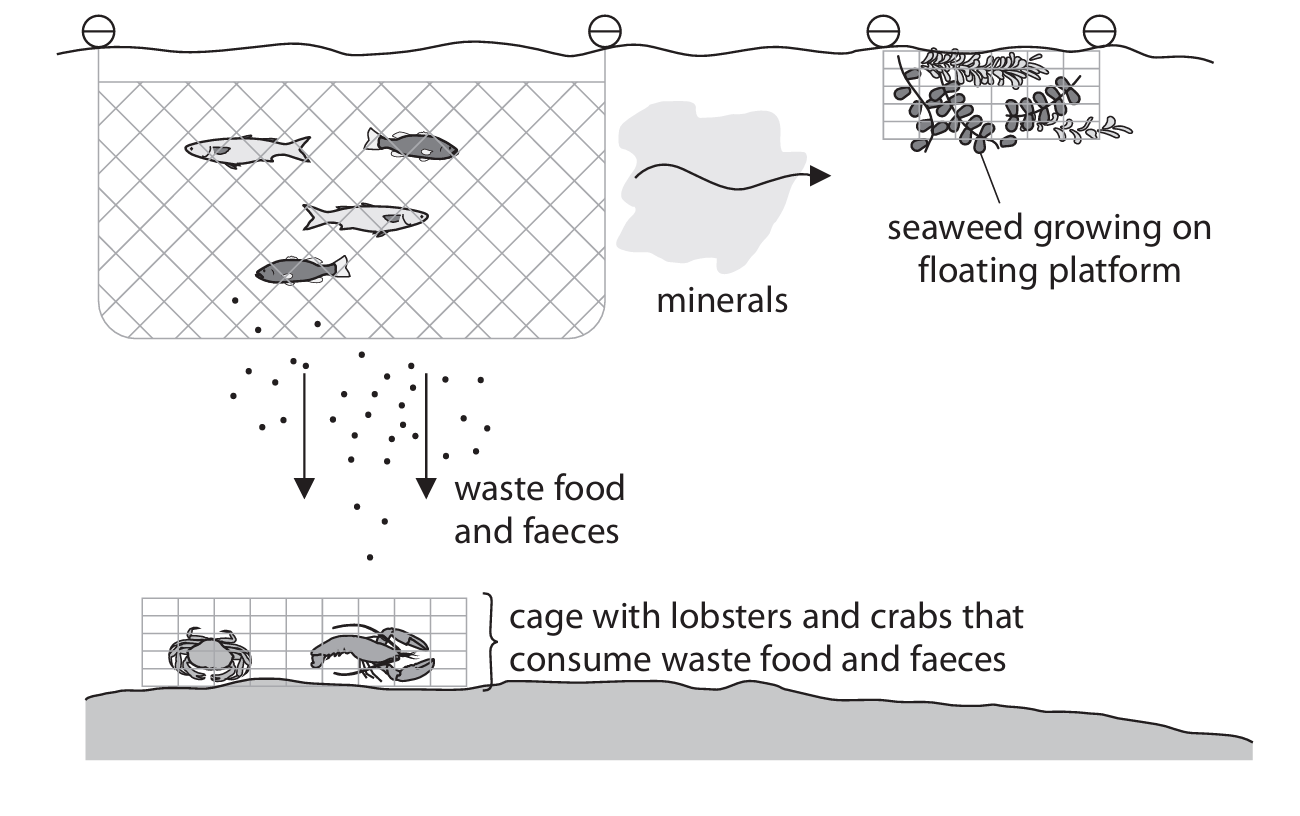
Explanation: The multi-trophic level aquaculture system is designed to create a more balanced and efficient ecosystem, which directly addresses pollution and profitability.
Reducing Pollution:
- The system significantly reduces solid waste pollution because lobsters and crabs consume the waste food and faeces produced by the main fish stock. This means less organic matter accumulates on the seabed.
- With less waste material available, there is a reduction in the population of decomposing bacteria. This is beneficial because these bacteria consume large amounts of oxygen during respiration; therefore, lower bacterial numbers help to maintain higher oxygen levels in the water, preventing oxygen depletion that can kill aquatic life.
- Furthermore, the seaweed plays a crucial role in reducing dissolved nutrient pollution. It absorbs nitrates, phosphates, and other minerals from the water that would otherwise act as fertilizers, potentially causing excessive algal growth (algal blooms) and eutrophication. The seaweed also releases oxygen through photosynthesis, further improving water quality.
Increasing Profits:
- This system creates additional saleable products. The farmer can now harvest and sell not only the main fish but also the lobsters, crabs, and seaweed, diversifying their income streams.
- It also reduces costs. There is no need to purchase extra feed for the lobsters and crabs, as they consume the waste from the fish. Similarly, the seaweed obtains its minerals naturally from the water, eliminating the need for artificial fertilizers.
- Healthier fish, resulting from the improved water quality (higher oxygen, lower disease risk), are likely to grow better and have lower mortality rates, leading to higher yields and reduced losses.
▶️ Answer/Explanation
(a)
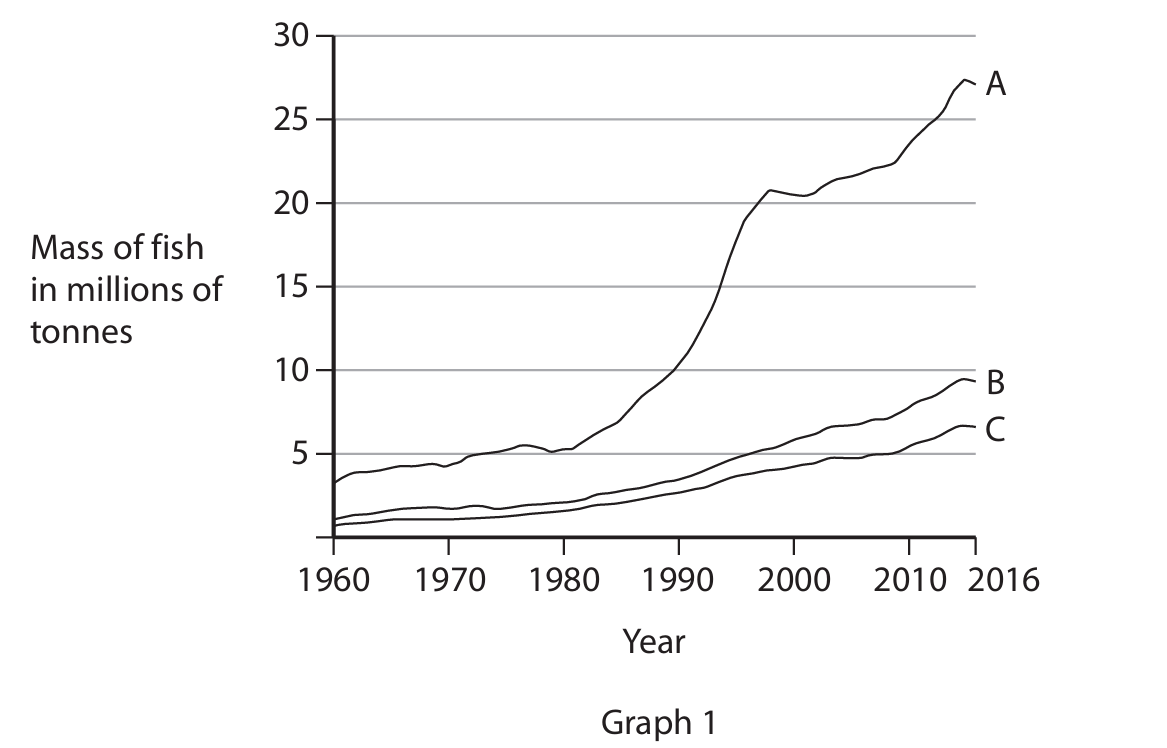
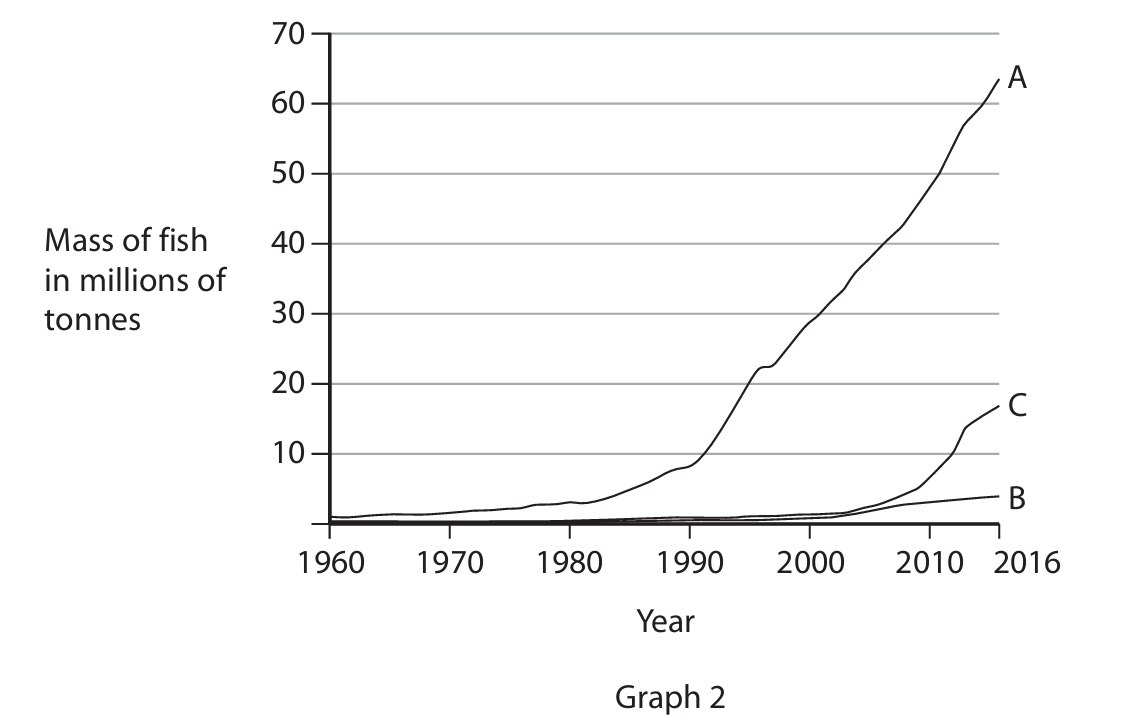
Answer: The mass of fish caught by traditional fishing increased in all three countries from 1960 to 2016, with the increases being roughly proportional across the countries. The mass of fish produced by fish farming also increased significantly in all three countries over the same period, with Country A showing the most dramatic increase. In Countries A and C, the tonnage produced by fish farming eventually surpassed that caught by traditional fishing, whereas in Country B, the tonnage from traditional fishing remained higher. Country A consistently had the highest production values for both methods.
Detailed Explanation:
When analyzing the graphs, we can observe several key trends. Firstly, looking at Graph 1 (traditional fishing), all three lines for countries A, B, and C trend upwards from 1960 to 2016. This indicates a general increase in the mass of fish caught using traditional methods over this 56-year period. The lines for the three countries appear to rise at a similar rate, suggesting the increases were by almost the same proportion in each country.
Secondly, Graph 2 (fish farming) reveals an even more pronounced upward trend for all three countries. The practice of fish farming has grown substantially. The line for Country A is particularly steep, showing it experienced the greatest growth in farmed fish production among the three. Country C also shows stronger growth in farming compared to Country B.
Thirdly, comparing the two graphs reveals a shift in production methods. For Country A, the tonnage from fish farming (Graph 2) becomes higher than the tonnage from traditional fishing (Graph 1) from a certain point onwards. The same is true for Country C. However, for Country B, the mass from traditional fishing remains greater than that from farming throughout the period shown. Country A is the dominant producer, having the highest values on both graphs for most of the timeline.
It is important to note that the graphs do not provide information on the sustainability of these practices, the specific species of fish involved, or whether the data is adjusted for population size (per capita).
(b)
Answer: Methods include: separating species/sizes to prevent predation; providing high-protein feed in small, frequent quantities; using antibiotics/fungicides to control disease; filtering water to remove waste and dead fish; aerating water to maintain oxygen levels; and using selective breeding or genetic modification to improve yield.
Detailed Explanation:
To maximise fish production in a farmed environment, a fish farmer can employ several specific techniques that control the conditions to favor rapid and healthy growth.
Firstly, managing the fish population is crucial. Different species of fish should be kept separate to prevent them from preying on each other. Similarly, fish of vastly different sizes or ages should also be separated, as larger fish will often eat smaller ones. Using nets or separate tanks can achieve this.
Secondly, diet is a key factor. Fish should be fed a high-protein diet to support fast growth. To prevent excess food from accumulating and decomposing in the water (which pollutes it and reduces oxygen), the food should be provided in small quantities but more frequently.
Thirdly, disease control is essential in the dense populations typical of fish farms. The use of antibiotics (to combat bacterial infections) and fungicides (to combat fungal infections) can help to reduce mortality rates and keep the fish healthy.
Fourthly, maintaining high water quality is vital. This involves filtering the water to remove fish faeces, uneaten food, and algal blooms. Dead fish must be removed promptly to prevent the spread of disease. Furthermore, water must be aerated using pumps or waterfalls to ensure oxygen levels remain high enough to support a large population of fish, especially since warm water holds less oxygen.
Finally, the genetic stock of the fish can be improved. Selective breeding, where fish with desirable traits like fast growth or disease resistance are bred together, can gradually enhance the overall productivity of the farm. In some cases, genetic modification (GM) might be used to introduce such traits more directly.
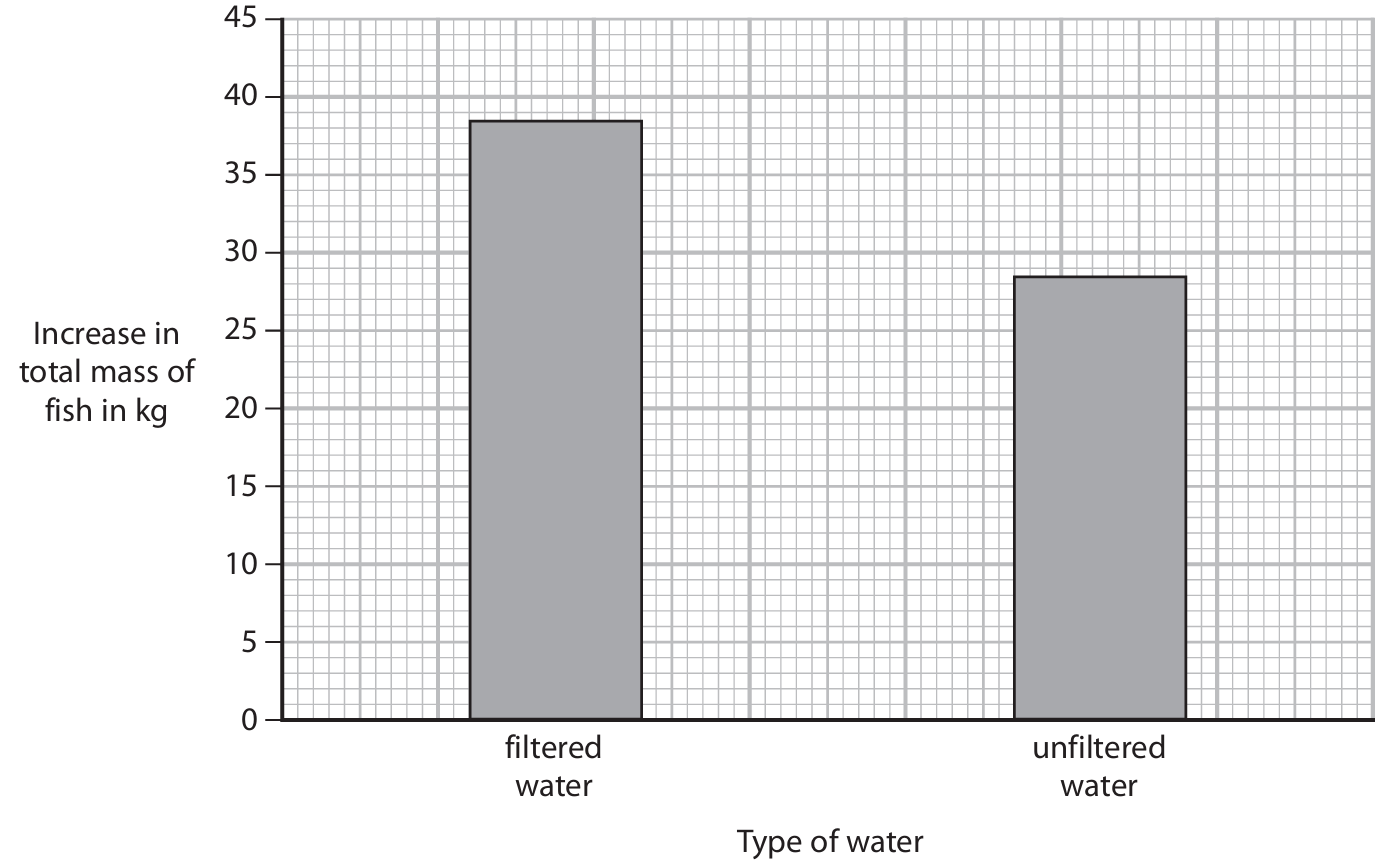
▶️ Answer/Explanation
(a) 0.056 kg per day
Explanation:
First, we need to find the mean rate of increase for the fish in the unfiltered water. From the graph, the total increase in mass for unfiltered water is 28.5 kg over 180 days.
Mean rate for unfiltered water = Total mass increase / Number of days = 28.5 kg / 180 days = 0.1583 kg/day (approximately 0.158 kg/day).
The mean rate for filtered water is given as 0.214 kg/day.
Difference = Mean rate (filtered) – Mean rate (unfiltered) = 0.214 kg/day – 0.158 kg/day = 0.056 kg/day.
So, the difference in the mean rate of increase is 0.056 kg per day.
(b)
Explanation:
Unfiltered water, containing more bacteria, can negatively impact fish growth in several ways. Firstly, bacteria are living organisms that respire. An increase in bacterial population leads to higher rates of respiration in the water, which consumes more dissolved oxygen. This results in less oxygen being available for the fish.
Secondly, with less oxygen available, the fish cannot respire as effectively. Respiration provides energy for all life processes, including growth. Reduced respiration means less energy is available for growth, leading to a smaller increase in mass.
Finally, some bacteria can be pathogenic (disease-causing). A higher bacterial load increases the risk of the fish contracting diseases, which can damage tissues like the gills (impairing gas exchange) and divert energy away from growth towards fighting infection.
(c) Species / type of fish OR Mass of fish (at the start)
Explanation:
A biotic variable is a living factor. The scientist controlled biotic variables by using the same species of fish and placing the same mass of fish in each pond at the beginning of the investigation. This ensures that any difference in growth is due to the water quality (the independent variable) and not because of differences in the type or initial size of the fish used.
(d) Use a net / cage OR Shoot predators OR Make noise
Explanation:
Interspecific predation is when one species (a predator) hunts and eats another species (the prey). In this case, predators from other species might eat the fish in the ponds. To control this, the scientist could physically separate the fish from potential predators by placing them inside a protective net or cage within the pond. Alternatively, more direct methods like shooting predators or using deterrents like making noise to scare them away could be employed to prevent them from preying on the fish.
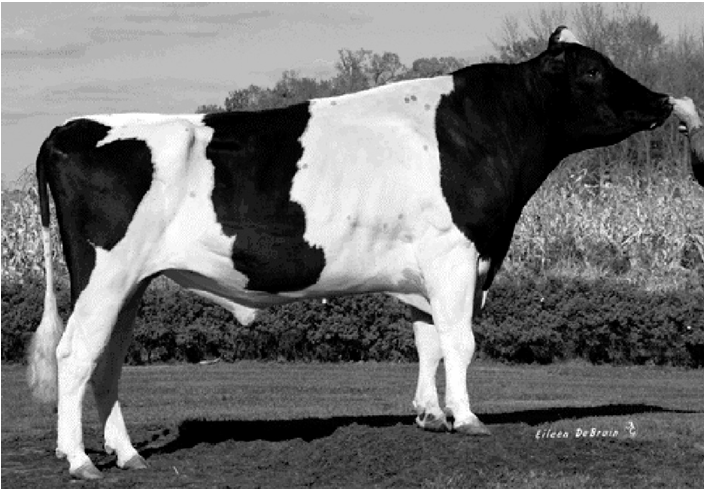
▶️ Answer/Explanation
(a)
• so semen contained sperm / (bull is) (sexually) mature / sperm in semen / gone through puberty / fully developed.
(b)
An explanation that includes two of the following points:
• collect semen / sperm from penis of bull (1)
• insert straw into / inject semen (into cow) (1)
• put (it / semen / sperm) in vagina / uterus / womb / cervix (1)
(c)(i)
• preserve (sperm) / keep (sperm) alive / viable / prevent growth of microorganisms / slow down metabolism.
(c)(ii)
• provide females (produce milk) / will produce cows.
(d)
\( 500\,000 \div 2.4 \text{ million} = 0.2083 \)
Percentage = \( 0.2083 \times 100 = 20.83\% \) (allow 1 mark for ÷ 2.4 million).
(e)
A description that makes reference to three of the following points:
• use semen (from each bull) to fertilise (many / similar) cows (1)
• collect / measure milk yields (1)
• from each daughter / offspring of these cows / mother of bull (1)
• select bull with highest (average) milk yield (across all daughters) (1)
(f)
An explanation that makes reference to two of the following points:
• (milk that contains) (most) fat (1)
• (most) protein (1)
• (most) vitamins (1)
• (milk that contains) (most) calcium (1)
(g)(i)
A description that makes reference to four of the following points:
• nucleus from (body) cell of bull (1)
• insert this nucleus into enucleated egg cell (1)
• electric shock (1)
• mitosis / cell division (1)
• embryo into uterus / womb (1)
• surrogate mother (1)
(g)(ii)
An explanation that makes reference to two of the following points:
• genetically identical / no genetic variation / same (combination of) alleles (1)
• quicker process (1)