
▶️ Answer/Explanation
(a) An answer that makes reference to one of the following points:
• maintenance of constant (internal) conditions in body / eq (1)
• control / regulating / maintaining internal conditions / eq (1)
• control / regulating / maintaining internal environment / eq (1)
• keeping conditions in body the same / within a (narrow) range / eq (1)
(b) • 250 (1)
Calculation: \( \frac{300000}{1200} = 250 \)
(c)(i) A (cell wall and cytoplasm only)
B is not the answer as bacteria do not have nuclei
C is not the answer as bacteria do not have nuclei
D is not the answer as bacteria do not have nuclei
(c)(ii) An explanation that makes reference to the following points:
1. fertilisers / animal waste / minerals / nitrates / phosphates (run off / leach) / eq (1)
2. algal growth / eutrophication / eq (1)
3. less light (penetrates) / competition for light / less photosynthesis / eq (1)
4. decomposition / decay (of dead algae / plants / organisms / organic waste / manure / faeces / sewage) eq (1)
5. less oxygen / only anaerobic species grow / eq (1)
6. bacteria respire / other species cannot respire / reduced respiration / eq (1)
7. pesticides kill organisms / eq (1)
(d)(i) An answer that makes reference to one of the following points:
• eggs / ova / follicles, do not mature / do not grow / eq (1)
• (FSH is required to) mature eggs / ova / follicles (1)
• (low FSH leads to) less oestrogen / (FSH) stimulates oestrogen release (1)
(d)(ii) An answer that makes reference to one of the following points:
• no ovulation occurs / egg not released / ova not released / eq (1)
• LH / it stimulates ovulation / LH / it stimulates egg release / eq (1)
• (lower LH leads to) less progesterone / LH / it stimulates progesterone (1)
(e)(i) An explanation that makes reference to two of the following points:
• less water absorbed / less water enters blood / less water enters capillaries / eq (1)
• (water moves by) osmosis (1)
• water potential in blood is high(er) / water potential in gut / faeces / lumen is low(er) / eq (1)
(e)(ii) An explanation that makes reference to three of the following points:
1. mutation (1)
2. (only resistant bacteria) survive / are not killed / non-resistant bacteria die / eq (1)
3. bacteria reproduce / multiply / eq (1)
4. pass on allele / gene / mutation / eq (1)
(f)(i) An explanation that makes reference to two of the following points:
• (denitrifying bacteria convert) nitrate into nitrogen (1)
• so less eutrophication / less algal growth / more oxygen in river / lower BOD / eq (1)
• wood chips have large surface area (for bacteria) / wood chips are biodegradable (so do not pollute) / eq (1)
(f)(ii) An explanation that makes reference to two of the following points:
1. trees / roots absorb water / trees intercept water / eq (1)
2. (more) transpiration (1)
3. less runoff / slows down water flow / more soil permeability / more infiltration / eq (1)
4. less soil erosion / roots hold onto soil / roots stabilise soil / eq (1)
5. rivers do not get blocked (with soil) / eq (1)
▶️ Answer/Explanation
(a) B (1 and 3 only)
A is incorrect as yeast has no nervous system
C is incorrect as yeast has no nervous system
D is incorrect as yeast has no nervous system
(b) An explanation that makes reference to three of the following:
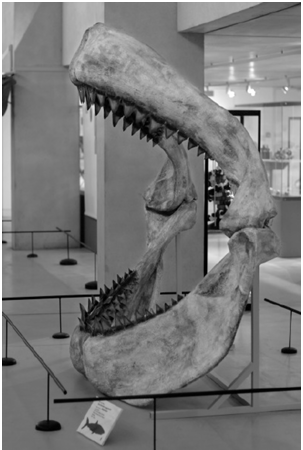
• competition (between megalodon and whales) (1)
• whales ate more food / eq (1)
• whales better adapted / swam faster / better at feeding / better at hunting / eq (1)
• whales survived / eq (1)
• whales reproduced more / had more offspring / eq (1)
Accept less food left for megalodon / no food / megalodon starve. Accept megalodon less well adapted. Accept megalodon did not survive/died (out). Ignore extinct.
(c) (i) A description that makes reference to two of the following:
• acid rain (1)
• deforestation / death of trees / death of plants / eq (1)
• death of fish / death of animals in lakes / loss of species in lakes or rivers / eq (1)
Accept sulphuric acid. Accept damages plants/trees. Accept loss of food chains/biodiversity.
(ii) An explanation that makes reference to three of the following:
• (less) photosynthesis (1)
• so less glucose / sugar / starch / eq (1)
• fewer producers / fewer plants / less mass of producers / producers die / plants do not grow as much / eq (1)
• less food for consumers / less energy for consumers / eq (1)
Ignore ‘cannot produce food’ for mp2. Accept fewer consumers/herbivores/carnivores.
(d) (i) An answer that makes reference to two of the following:
• prevents osmosis / less osmosis (1)
• so water will not enter cells / eq (1)
• so cells do not burst / eq (1)
Accept osmosis would occur if in water. Accept cells burst if in water.
(ii) A description that makes reference to four of the following:
• place diploid nucleus into enucleated egg cell / place body cell nucleus into enucleated egg cell / eq (1)
• electric shock / eq (1)
• mitosis / cell division / eq (1)
• place embryo into uterus / womb (1)
• of surrogate (mother) (1)
Accept fuse body cell with enucleated egg. Accept empty egg cell for enucleated egg cell.
(e) A description that makes reference to three of the following:
Negative:
• mammoth population increases / over-population occurs / eq (1)
• mammoth eats too much food / less food for other species / eq (1)
Positive:
• less global warming / less greenhouse effect / eq (1)
• decomposition of faeces / decay of dead mammoths (1)
• more amino acid / protein / DNA / chlorophyll synthesis in plants / eq (1)
• (soil nutrients means) more plants / increased plant growth / eq (1)
Accept high mammoth reproduction rate. Accept overeats prey / prey could go extinct. Accept less greenhouse gas. Accept better plant growth.
▶️ Answer/Explanation
(a) B (bacteria, fungi, and protoctists)
Explanation: Pathogens are disease-causing microorganisms. While viruses like rabies are one type, other major groups also contain pathogenic species. Bacteria include pathogens like those causing tuberculosis and cholera. Fungi include pathogens responsible for athlete’s foot and ringworm. Protoctists (protists) include pathogenic organisms like Plasmodium which causes malaria and Entamoeba which causes dysentery. Therefore, all three groups – bacteria, fungi, and protoctists – include pathogens.
(b)(i)
Explanation: The rabies vaccine contains weakened or inactivated forms of the rabies virus or its antigens. When this vaccine is administered to dogs, it stimulates their immune system without causing the actual disease. The immune system recognizes these viral antigens as foreign invaders and produces specific antibodies against them. Specialized white blood cells called lymphocytes are activated during this process. Some of these lymphocytes develop into memory cells that remain in the body long-term. If the vaccinated dog is later exposed to the actual rabies virus, these memory cells recognize the pathogen immediately and trigger a rapid, strong immune response. This secondary response produces antibodies much faster and in greater quantities, effectively neutralizing the virus before it can establish an infection and cause disease.
(b)(ii)
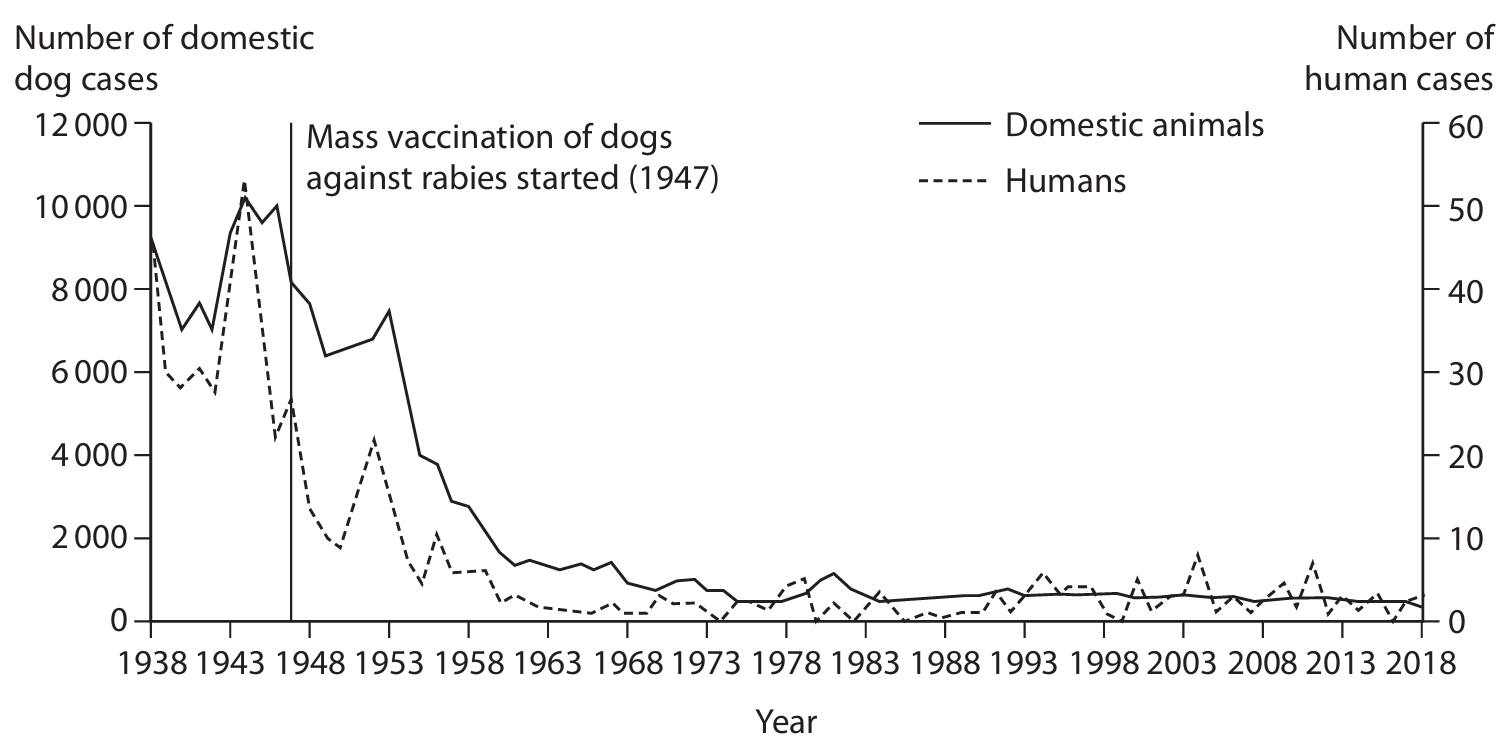
Explanation: The graph shows a clear correlation between the vaccination of domestic dogs and the decline in human rabies cases. Before mass vaccination began in 1947, both dog and human rabies cases were relatively high. After vaccination programs were implemented, we observe a continuous and dramatic decline in rabies cases in both dogs and humans throughout the 1950s and beyond. This strong correlation suggests that most human rabies cases were originating from infected domestic dogs rather than wild animals. The data shows that as dog vaccination reduced the reservoir of infection in the canine population, human cases consequently decreased. However, the graph also indicates that human rabies cases didn’t disappear completely but plateaued at low levels, suggesting that some transmission still occurs from wild animals or unvaccinated dogs. This demonstrates that while vaccinating domestic dogs significantly reduces human rabies risk, it doesn’t completely eliminate it due to other potential sources of infection.
(b)(iii)
Explanation: When the RNA vaccine is injected, cells take up the RNA molecules that code for parts of the rabies virus protein coat. Inside the cell, these RNA molecules move to the ribosomes, which are the cellular structures responsible for protein synthesis. The process of translation then occurs, where the genetic code on the RNA is read and converted into a sequence of amino acids. Transfer RNA (tRNA) molecules with specific anticodons bind to complementary codons on the mRNA, each bringing with it a specific amino acid. As the ribosome moves along the mRNA strand, it facilitates the formation of peptide bonds between adjacent amino acids, creating a growing polypeptide chain. This chain folds into the three-dimensional structure of the viral protein. These viral proteins then act as antigens, stimulating the immune system to produce antibodies against rabies without exposure to the actual virus, thus providing protection against future infection.
▶️ Answer/Explanation
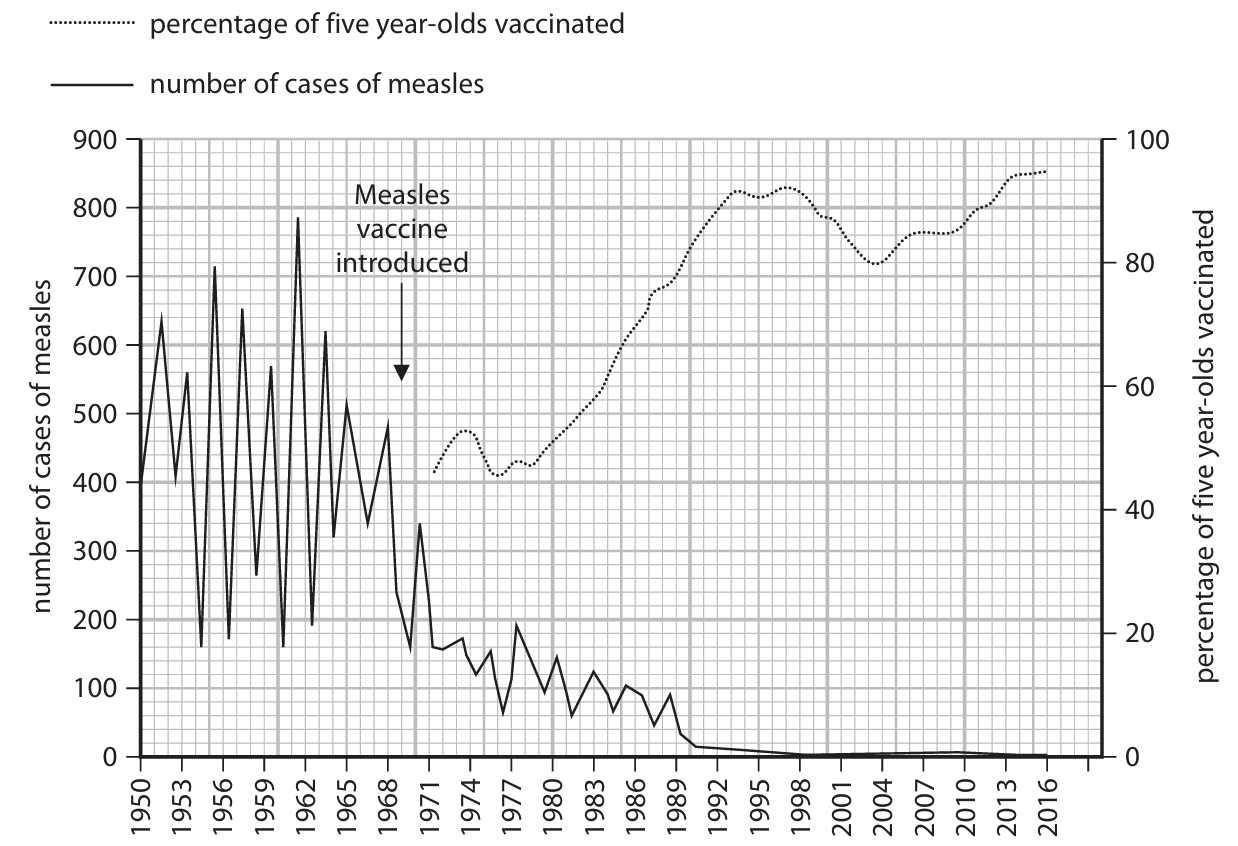
(a) Difference = approximately 105% (range: 94-106%)
Explanation: To calculate this difference, we need to find the percentage change for each time period separately and then find the difference between them.
For 1950-1965: Cases increased from approximately 400-420 to 510-520. Using the midpoint values (410 to 515):
Percentage change = \(\frac{515 – 410}{410} \times 100 = \frac{105}{410} \times 100 ≈ 25.6\%\)
For 1968-1983: Cases decreased from approximately 480-490 to 120-130. Using the midpoint values (485 to 125):
Percentage change = \(\frac{125 – 485}{485} \times 100 = \frac{-360}{485} \times 100 ≈ -74.2\%\)
Difference = |25.6 – (-74.2)| = 99.8% (approximately 100%)
The exact answer may vary slightly depending on the precise values read from the graph, but should fall within the range of 94-106%.
(b) The relationship shows that as vaccination rates increase, measles cases decrease significantly.
Explanation: The graph demonstrates an inverse relationship between vaccination rates and measles cases. Before widespread vaccination (pre-1968), cases were high and fluctuated significantly. After the introduction of vaccination, cases began to decline steadily as vaccination rates increased.
For example, in the early 1970s when vaccination rates were around 50-60%, cases dropped to about 100-200 thousand. By the 1990s, when vaccination rates reached 80-90%, cases fell dramatically to very low levels (less than 20 thousand). This shows that vaccination provides herd immunity, reducing the virus’s ability to spread through the population.
The relationship is not perfectly linear because other factors like vaccination campaigns, public awareness, and natural immunity from previous infections also play a role. However, the overall trend clearly shows that higher vaccination coverage leads to fewer measles cases.
(c) Vaccinations are not used on immunocompromised children because they may not develop proper immunity and could develop the disease.
Explanation: Children with compromised immune systems (due to treatments like chemotherapy or immunosuppressive drugs) have reduced ability to produce antibodies and memory cells in response to vaccines. Vaccines contain weakened or inactivated pathogens that stimulate the immune system to create protection.
In immunocompromised children, their weakened immune systems may not be able to mount an effective response to the vaccine, leaving them unprotected. Even more concerning, there’s a risk that the weakened pathogen in the vaccine could cause the actual disease in these vulnerable children.
Instead of vaccination, these children rely on herd immunity – the protection provided when enough people in the community are vaccinated to prevent the disease from spreading. This is why high vaccination rates in the general population are so important, as they protect those who cannot be vaccinated themselves.

▶️ Answer/Explanation
(a) C (respiration)
Explanation: Respiration is the metabolic process that breaks down glucose to release energy, which is stored in ATP molecules. Active transport uses ATP but does not produce it. Diffusion is a passive process and does not require or produce ATP. Transpiration is the loss of water vapor from plants and is not directly involved in ATP production.
(b)(i)
Explanation: Intensive farming often involves the heavy use of fertilizers. Deforestation removes trees whose roots help bind the soil. The combination of these factors leads to soil erosion. When it rains, eroded soil and excess fertilizers (rich in minerals like nitrates and phosphates) are washed into rivers and eventually into estuaries and the sea. These minerals act as nutrients for dinoflagellates, allowing their populations to grow rapidly, a process known as eutrophication.
(b)(ii)
Explanation: After the glowing events, large numbers of dinoflagellates die. Their bodies are decomposed by bacteria and other microorganisms. These decomposers respire as they break down the organic matter, a process that consumes oxygen. The large algal bloom may also block light, reducing photosynthesis and oxygen production by other organisms. The high rate of oxygen consumption by decomposers leads to a decrease in dissolved oxygen levels.
(c) C (nitrifying)
Explanation: Nitrifying bacteria are specifically responsible for converting ammonia into nitrites and then into nitrates in the nitrogen cycle. Decomposer bacteria break down organic matter into ammonia. Denitrifying bacteria convert nitrates back into nitrogen gas. Nitrogen-fixing bacteria convert atmospheric nitrogen gas into ammonia.
(d)(i) 70 dinoflagellates per hour
Explanation: The total number of non-glowing dinoflagellates eaten in 2 hours was 2100. The total eaten per hour is \( 2100 \div 2 = 1050 \) dinoflagellates per hour. This is the rate for all 15 copepods. The mean rate per copepod is \( 1050 \div 15 = 70 \) dinoflagellates per hour per copepod.
(d)(ii)
Explanation: A random mutation gave some dinoflagellates the allele to glow. This created variation. When predators were present, dinoflagellates that glowed were less likely to be eaten (as the glow attracted the predators’ own predators). These dinoflagellates had a higher survival rate and were more likely to reproduce, passing the advantageous allele for glowing to their offspring. Over many generations, the frequency of the glowing allele increased in the population, leading to the evolution of this trait.
(e)
Explanation: It would reduce reliance on electricity generated from burning fossil fuels. The dinoflagellates photosynthesize during the day, taking in carbon dioxide (\(CO_2\)) from the atmosphere. At night, they produce light through bioluminescence without burning fuels. Therefore, this method produces no direct air pollutants and contributes less to the greenhouse effect, making it a more sustainable and carbon-neutral alternative.
▶️ Answer/Explanation
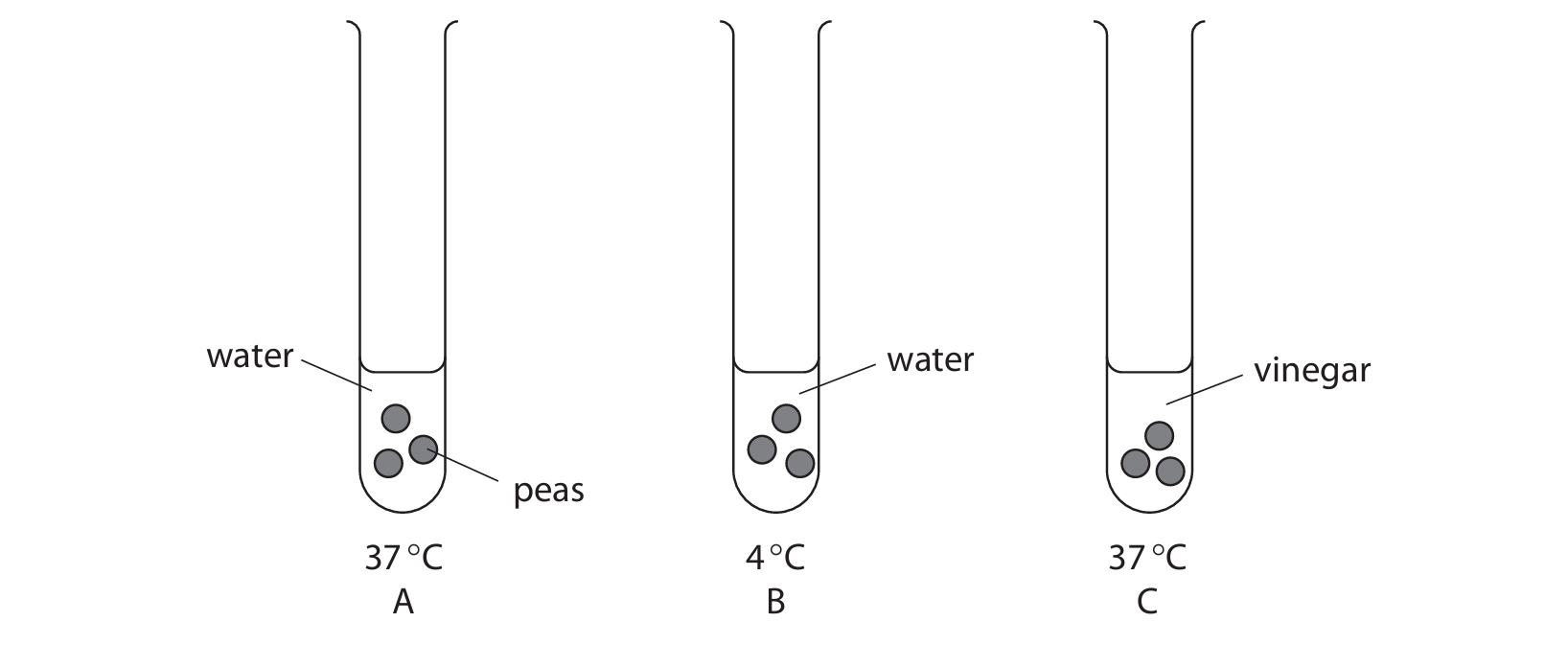
(a) Saprotrophic fungi like mould obtain their food through extracellular digestion. They secrete enzymes onto the dead or decaying organic matter. These enzymes break down complex molecules like carbohydrates and proteins into simpler, soluble substances. The fungus then absorbs these digested nutrients through its hyphae.
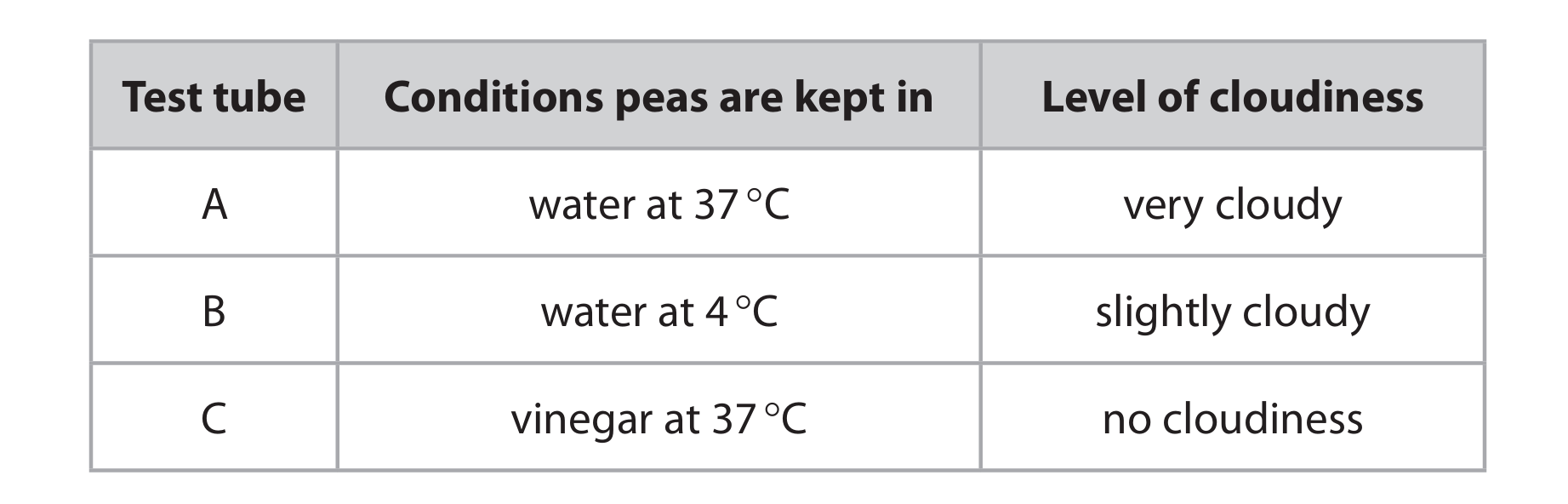
(b)(i) The main problem is that judging cloudiness is subjective and qualitative rather than quantitative. Different people might interpret “very cloudy,” “slightly cloudy,” and “no cloudiness” differently. There’s no precise, numerical measurement, which makes it difficult to compare results accurately or for other scientists to repeat the experiment exactly.
(b)(ii) The peas in water at 4°C showed only slight cloudiness because the low temperature significantly slowed down fungal growth. At 4°C, the enzymes in the saprotrophic fungi work much more slowly due to reduced kinetic energy, leading to fewer enzyme-substrate collisions. This results in less digestion of the peas, less fungal respiration, and therefore less spoilage and cloudiness.
(b)(iii) The peas in vinegar at 37°C showed no cloudiness because the acidic conditions denatured the enzymes of the saprotrophic fungi. Vinegar, being a weak acid, lowers the pH. This change in pH alters the shape of the enzymes’ active sites, preventing them from binding to their substrates and catalyzing the digestive reactions. Consequently, fungal growth is inhibited or the fungi are killed, preventing spoilage and resulting in clear solution.
▶️ Answer/Explanation
(a) (i) D (protoctists)
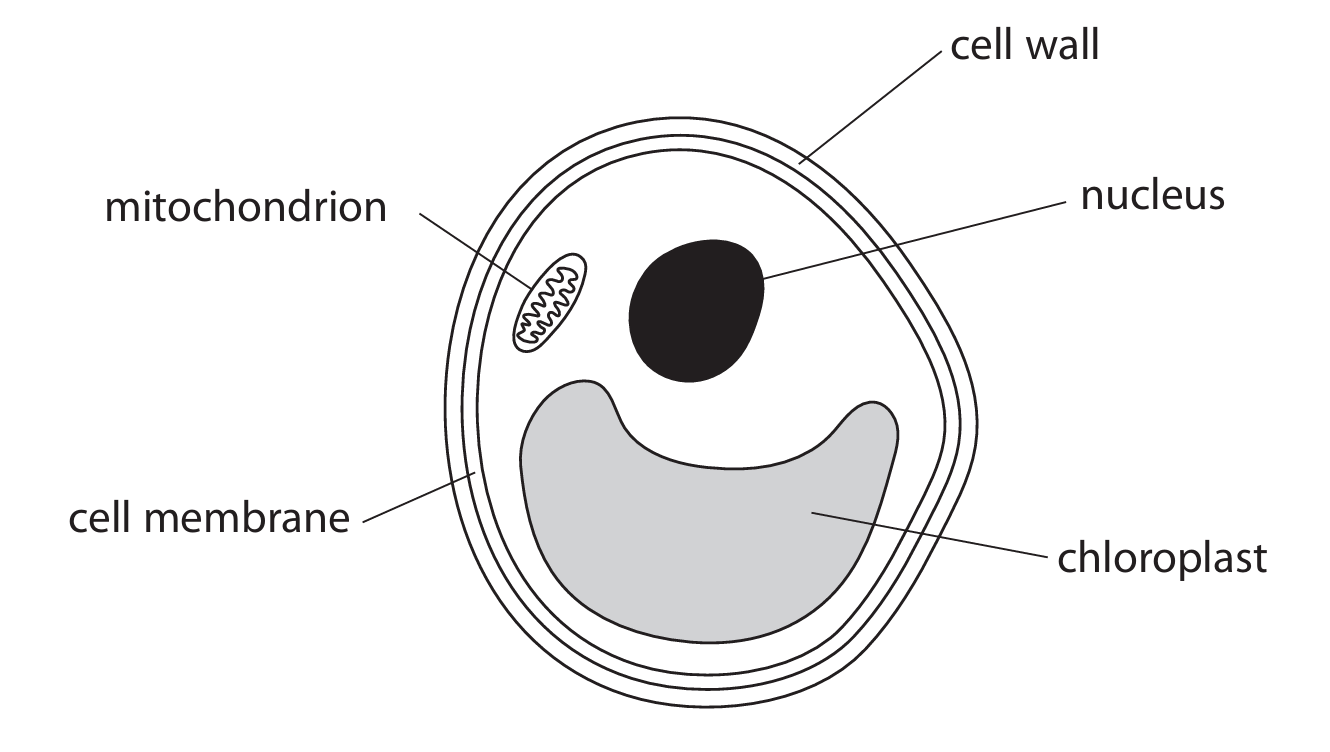
Explanation: Chlorella is a single-celled, photosynthetic organism with a nucleus and chloroplasts. It is not an animal (A) because it has chloroplasts and a cell wall. It is not a bacterium (B) because it has a true nucleus and membrane-bound organelles like chloroplasts and mitochondria. It is not a plant (C) because it is unicellular, whereas plants are multicellular. Therefore, it belongs to the kingdom Protoctista (D), which contains various unicellular and simple multicellular eukaryotes, including algae.
(a) (ii) B (cell membrane and mitochondrion)
Explanation: Animal cells have a cell membrane and mitochondria. They do not have chloroplasts (so A and C are incorrect) and they do not have a cell wall (so D is incorrect). Both animal cells and Chlorella require mitochondria for respiration to release energy.
(b) 6CO2 + 6H2O → C6H12O6 + 6O2
Explanation: The balanced equation for photosynthesis shows that six molecules of carbon dioxide (6CO2) and six molecules of water (6H2O), in the presence of light energy and chlorophyll, react to produce one molecule of glucose (C6H12O6) and six molecules of oxygen (6O2). The reactants must be placed on the left-hand side of the arrow.
(c) (i)
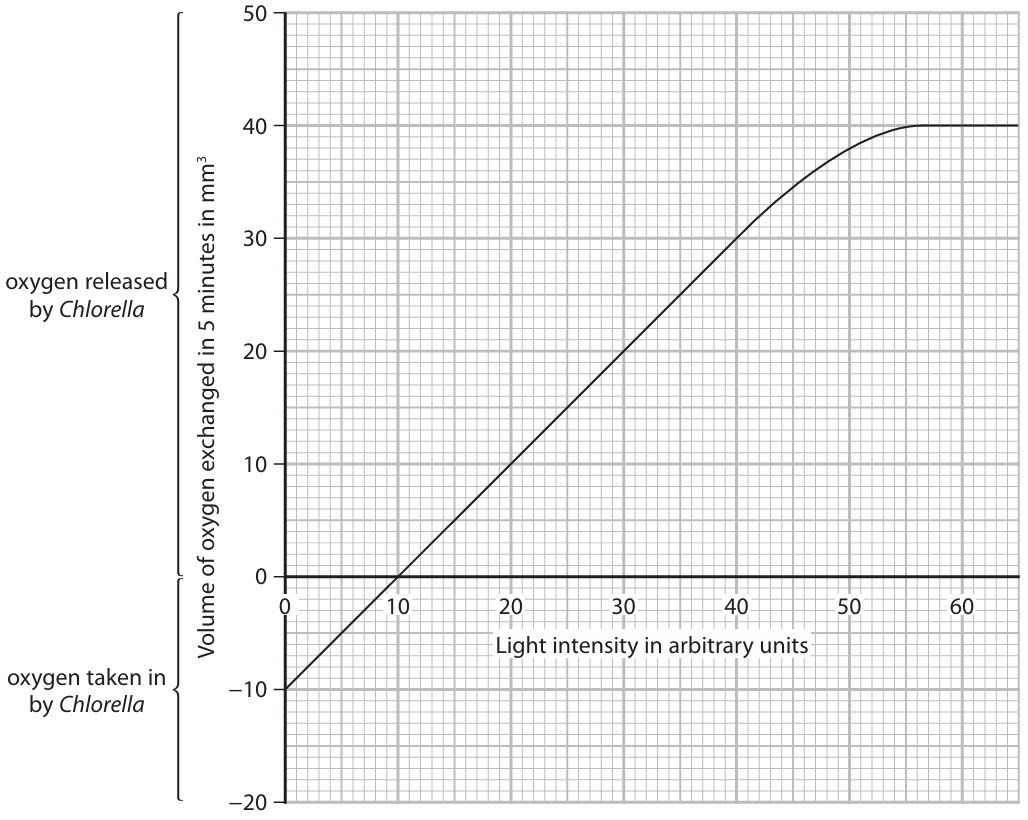
Explanation: At low light intensities (below 10 arbitrary units), the rate of photosynthesis is very low because there is insufficient light energy. However, respiration continues at all times to release energy for cell processes. Therefore, the oxygen produced by photosynthesis is less than the oxygen consumed by respiration. This results in a net uptake of oxygen from the surroundings, which is why the graph shows a negative value for oxygen exchange (indicating net intake).
(c) (ii)
Explanation: As light intensity increases from 10 arbitrary units, the rate of photosynthesis also increases because light is a key factor for the light-dependent reactions. At 10 arbitrary units, the compensation point is reached where the rate of photosynthesis equals the rate of respiration, so there is no net gas exchange. Above this point, the rate of photosynthesis becomes greater than the rate of respiration. This means more oxygen is produced by photosynthesis than is consumed by respiration, leading to a net release of oxygen, which is shown by the positive values on the graph. The curve eventually levels off because another factor, such as carbon dioxide concentration or temperature, becomes limiting and prevents the rate of photosynthesis from increasing further, even with more light.
(c) (iii) 48 mm3
Explanation: The graph shows the net oxygen released, which is the oxygen from photosynthesis minus the oxygen used in respiration. At 50 arbitrary units, the net oxygen released is approximately 38 mm³. We are told that the oxygen taken in (used in respiration) is 10 mm³ (this value is consistent across light intensities as respiration rate is relatively constant). To find the gross oxygen produced by photosynthesis, we add the oxygen used in respiration to the net oxygen released: 38 mm³ + 10 mm³ = 48 mm³.
(d)
Explanation: To investigate the effect of light intensity on carbon dioxide exchange, you could set up the following experiment. Place equal volumes or masses of Chlorella in several test tubes containing the same volume of hydrogen-carbonate indicator solution. Seal the tubes. Hydrogen-carbonate indicator changes color with carbon dioxide concentration: it turns yellow when carbon dioxide levels are high, red at atmospheric levels, and purple when carbon dioxide levels are low. You would then place the tubes at different distances from a light source to create different light intensities (e.g., 10 cm, 20 cm, 30 cm away). A control tube with no Chlorella should be set up to show that any color change is due to the organism. You would also need to control other variables, such as temperature and the initial concentration of the algae and indicator. After leaving the tubes for a set period, you would observe and record the final color of the indicator in each tube. In high light, photosynthesis would be high, so carbon dioxide would be absorbed, and the indicator would turn purple. In low light or darkness, respiration would dominate, releasing carbon dioxide, and the indicator would turn yellow.

▶️ Answer/Explanation
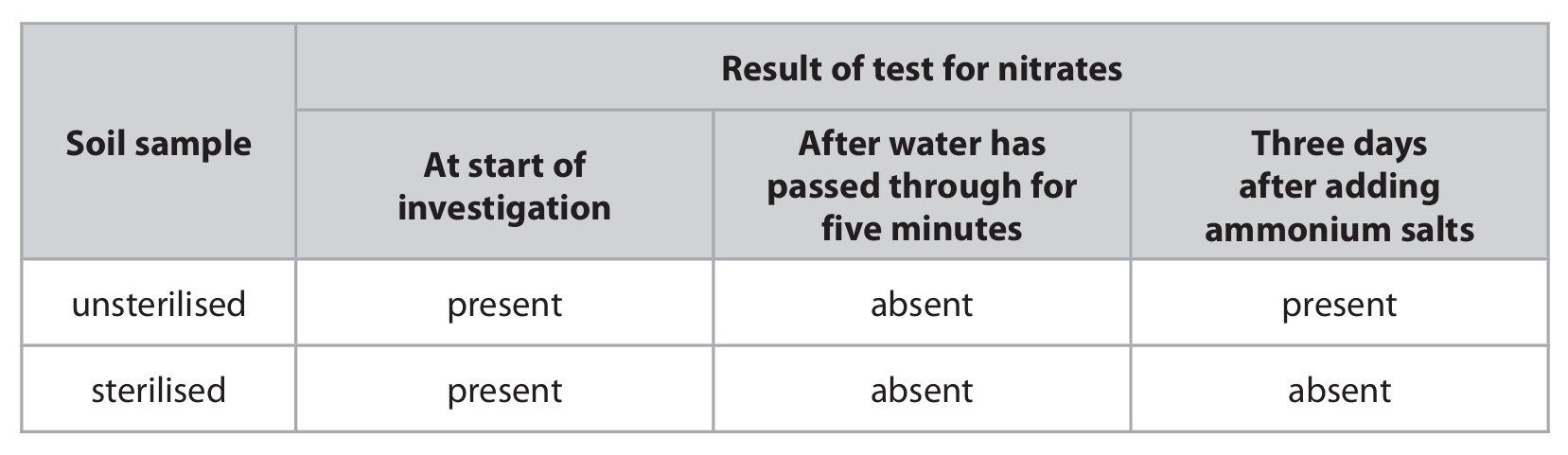
(a) Whether the soil sample was sterilised or unsterilised / The presence or absence of bacteria.
Explanation: The independent variable is the factor that the investigator deliberately changes. In this experiment, the student intentionally sterilized one soil sample (by heating it) while leaving the other unsterilized. This manipulation directly alters the presence of living microorganisms, particularly bacteria, in the soil, which is the key factor being tested for its effect on the nitrogen cycle (specifically, the conversion of ammonium to nitrate).
(b)(i) To remove or wash away any nitrates that were initially present in the soil. This ensures that any nitrate detected after adding the ammonium salts must have been produced from the ammonium during the investigation, making the test fair and valid.
Explanation: The initial tests showed that nitrate was present in both soil samples at the start. By thoroughly rinsing the soil with water for five minutes, the student aimed to leach out these pre-existing nitrates. This step is crucial for the validity of the experiment. If nitrates were not removed, it would be impossible to tell if nitrates found later came from the original soil or were newly produced from the added ammonium salts. This washing step creates a “clean slate,” ensuring that any nitrate detected after the ammonium addition is indeed a product of the processes being studied.
(b)(ii)
- Nitrates are present in the unsterilised soil but absent in the sterilised soil three days after adding ammonium salts.
- This shows that nitrates were produced in the unsterilised soil from the added ammonium salts.
- The conversion of ammonium to nitrate is called nitrification and is carried out by nitrifying bacteria.
- The sterilised soil, which was heated, had its bacteria killed, so no nitrification could occur, and thus no nitrates were produced.
Explanation: The contrasting results for the two soil samples three days after adding ammonium salts are very revealing. The unsterilised soil tested positive for nitrates, indicating that the ammonium ions \( (NH_4^+) \) were converted into nitrate ions \( (NO_3^-) \). This biological process, known as nitrification, is performed by specific types of bacteria called nitrifying bacteria (e.g., Nitrosomonas and Nitrobacter). In contrast, the sterilised soil, which was heated to 100°C, tested negative for nitrates. The heating process killed all living bacteria. The absence of nitrate production in this sample provides strong evidence that living bacteria are essential for the nitrification process to occur. The experiment effectively demonstrates the role of microorganisms in this crucial stage of the nitrogen cycle.
▶️ Answer/Explanation
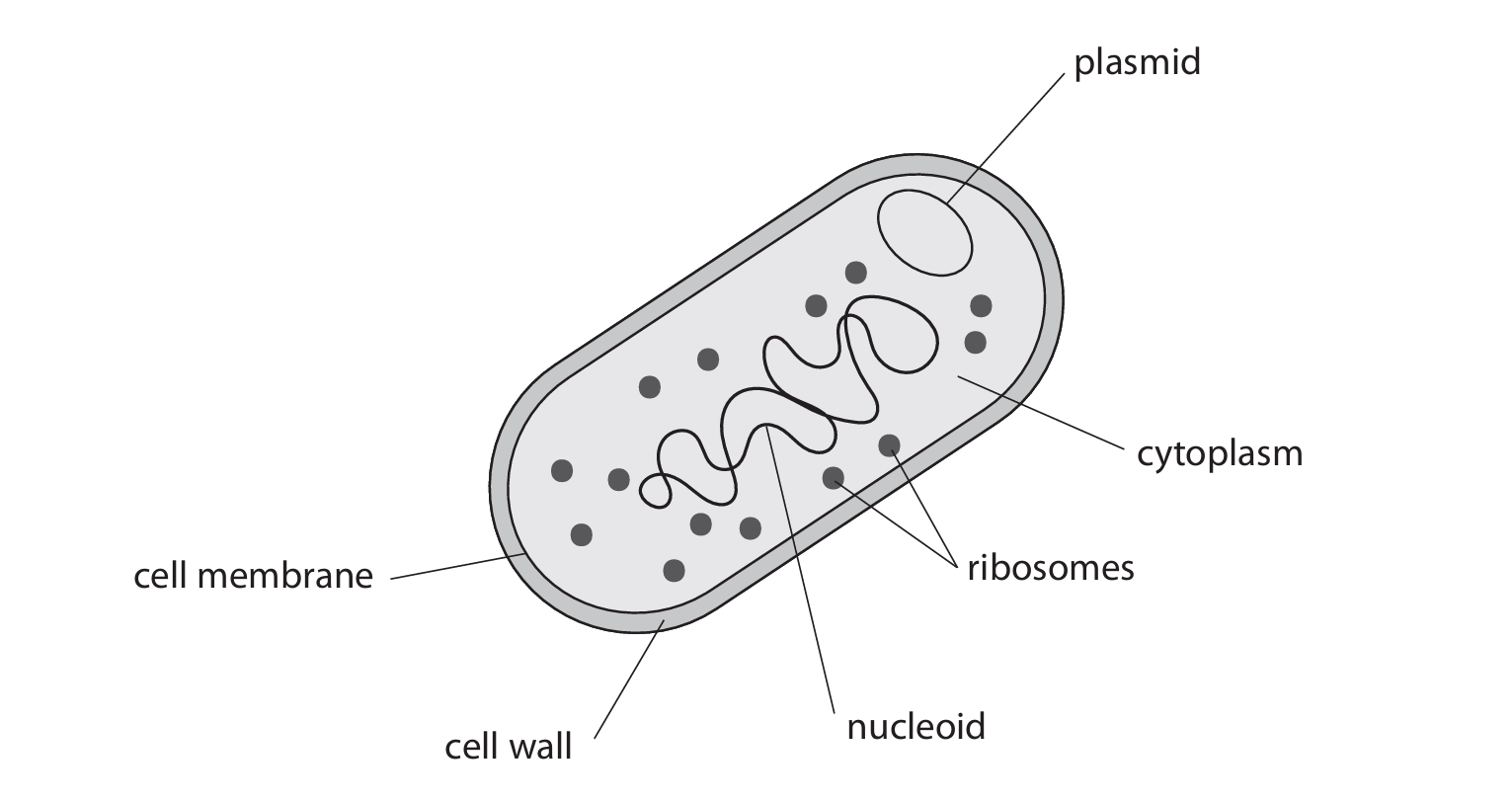
(a) 1. Cell membrane
2. Ribosomes
(Also accept: Cytoplasm)
Explanation: Prokaryotic cells, like this bacterium, and eukaryotic cells share some fundamental structures necessary for basic life functions. The cell membrane is a universal feature, acting as a semi-permeable barrier that controls the movement of substances in and out of the cell. Ribosomes are also found in both, as they are essential for protein synthesis, although bacterial ribosomes are slightly smaller. Cytoplasm is another correct answer, as it is the gel-like substance that fills the cell and houses the organelles and other cellular components.
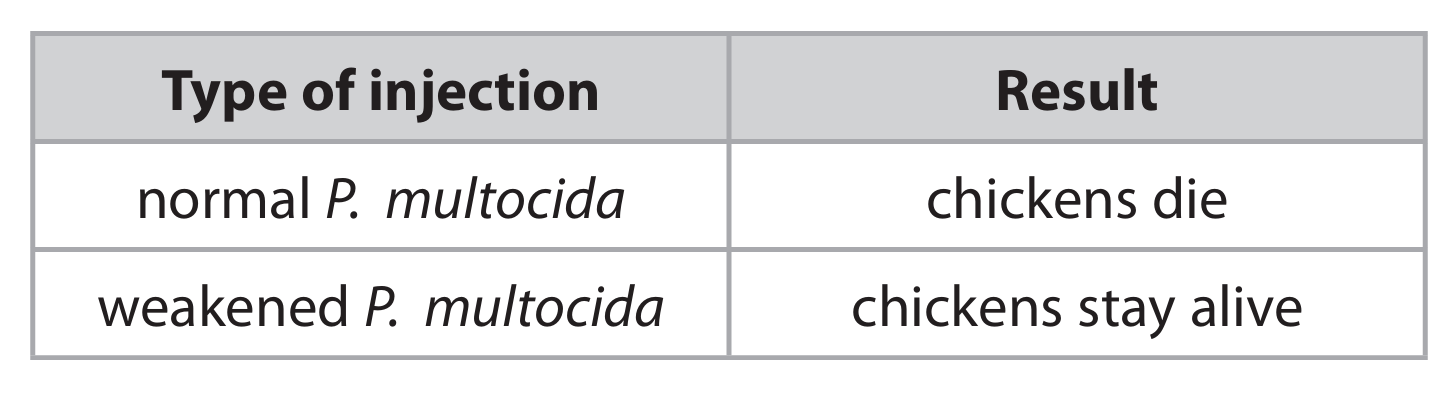
(b)(i) B they are pathogens
Explanation: The results show that the normal form of the bacterium causes disease (chickens die), while the weakened form does not. An organism that causes disease is defined as a pathogen. While the bacteria are likely decomposers and microscopic, these specific results do not provide direct evidence for those conclusions. The results definitively show they are living organisms capable of causing disease.
(b)(ii)
Explanation: The initial injection with weakened P. multocida acted as a vaccination. These weakened bacteria contained the same antigens (specific proteins on their surface) as the normal, harmful bacteria. When injected, the chicken’s immune system recognized these antigens as foreign and mounted a primary immune response. This involved the production of specific antibodies to fight the infection and, crucially, the creation of memory cells. When the chickens were later injected with the normal, pathogenic bacteria, these memory cells recognized the antigens immediately. This triggered a much faster and stronger secondary immune response, producing a large number of the correct antibodies very quickly to destroy the bacteria before they could cause disease and kill the chicken.
▶️ Answer/Explanation
(a) C (ultrafiltration)
A is incorrect because digestion is not a process in the kidneys.
B is incorrect because mutation is not a process in the kidneys.
D is incorrect because vaccination is not a process in the kidneys.
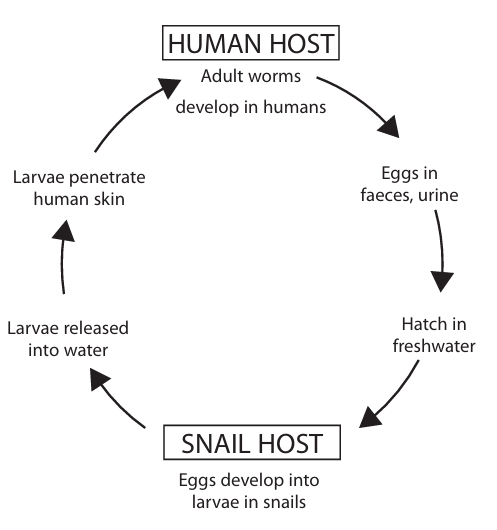
(b) An answer that makes reference to three of the following points:
• treat drinking water / boil water (before drinking) / do not drink water / drink bottled water / eq (1)
• sanitation / no faeces in water / no urine in water / eq (1)
• remove snails / eq (1)
• vaccination (1)
Additional guidance: Allow “do not go in infected rivers or lakes / cover skin when in water / avoid contact with affected water / only wash in clean water”.
(c) An answer that makes reference to two of the following points:
• red blood cells / rbc (1)
• white blood cells / wbc (1)
• lymphocytes (1)
• phagocytes / macrophages (1)
(d) D (4800 mg)
Calculation: \(120\ \text{kg} \times 0.040\ \text{g/kg} = 4.8\ \text{g} = 4800\ \text{mg}\)
A is incorrect because it is the wrong value.
B is incorrect because it is the wrong value.
C is incorrect because it is the wrong value.
(e) \(1920\) people
Working:
• \(8 \times 10^{-4}\% = 0.0008\%\)
• \(0.0008\% \text{ of } 240,000,000 = 0.000008 \times 240,000,000 = 1920\)
Allow 1 mark for: \(19200000 / 1920000 / 192000 / 192200 / 192 / 19.2 / 1.92 / 0.192 / 0.0192\)
Award full marks for correct numerical answer without working.
(f) A (a circle of DNA)
B is incorrect because it is not RNA.
C is incorrect because it is not a protein.
D is incorrect because it is not RNA.
(g) An explanation that makes reference to three of the following points:
• antigen (1)
• memory cells / lymphocytes (1)
• (secondary) immune response (1)
• more antibodies / antibodies made sooner / faster / faster immune response / eq (1)
(h)(i) • (a treatment with) no plasmid / no protein / only water / saline / eq (1)
Allow placebo vaccine / a placebo / plasmid with no gene / plasmid with no DNA / different DNA.
(h)(ii) An answer that makes reference to three of the following points:
• reduced numbers / eq (1)
• by 19 or by 47% / about 50% (1)
• schistosomes / worms, still present in body (1)
• no idea of group size / needs to be repeated (1)
• no idea of age / sex / health (1)
Additional Guidance:
Allow “reduces numbers of worms / worms decrease / lower number of worms after vaccine”.
Allow “more worms in control group”.
Allow “does not completely get rid of them”.
Allow “more testing / more people tested”.