
Electrostatic Phenomena and the Movement of Electrons
Electrostatic phenomena are effects caused by stationary electric charges. These effects can be fully explained by the movement of electrons between materials.
Only electrons move during electrostatic processes. Protons remain fixed inside atomic nuclei.
Key Idea
- Electrons carry negative charge.
- Electrostatic effects occur due to the transfer or redistribution of electrons.
- Total charge is always conserved.
Charging by Friction
When two insulating materials are rubbed together:

- Electrons move from one material to the other.
- The material that gains electrons becomes negatively charged.
- The material that loses electrons becomes positively charged.
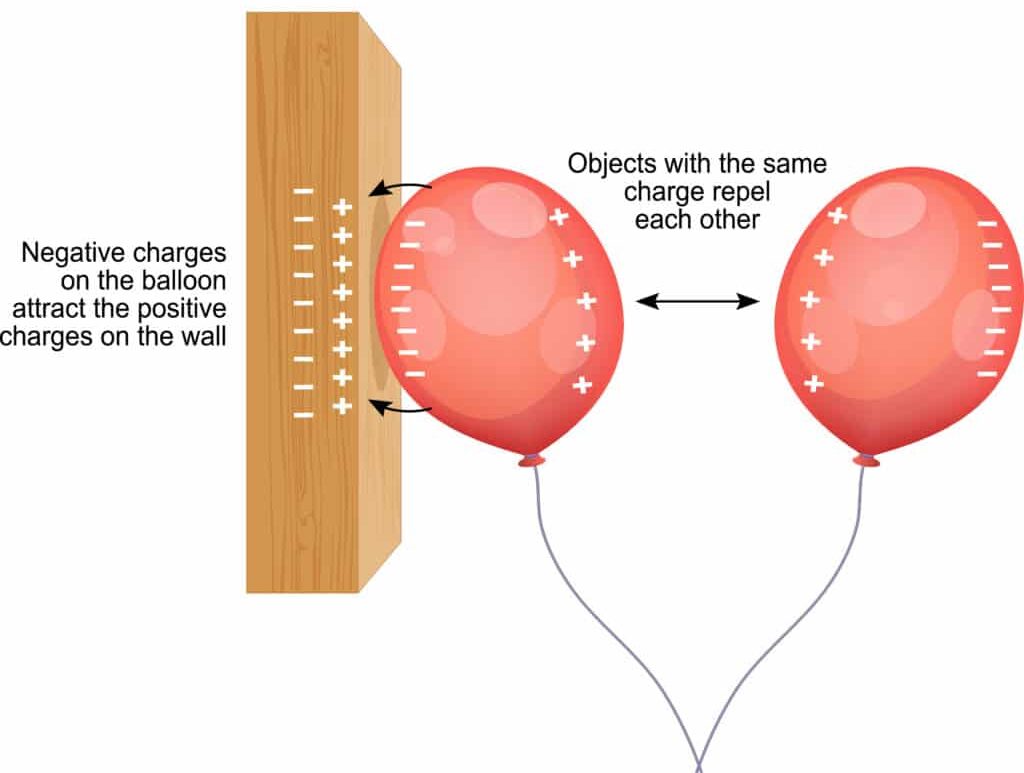
This explains why rubbing a balloon on hair causes the balloon to stick to walls.
Charging by Contact
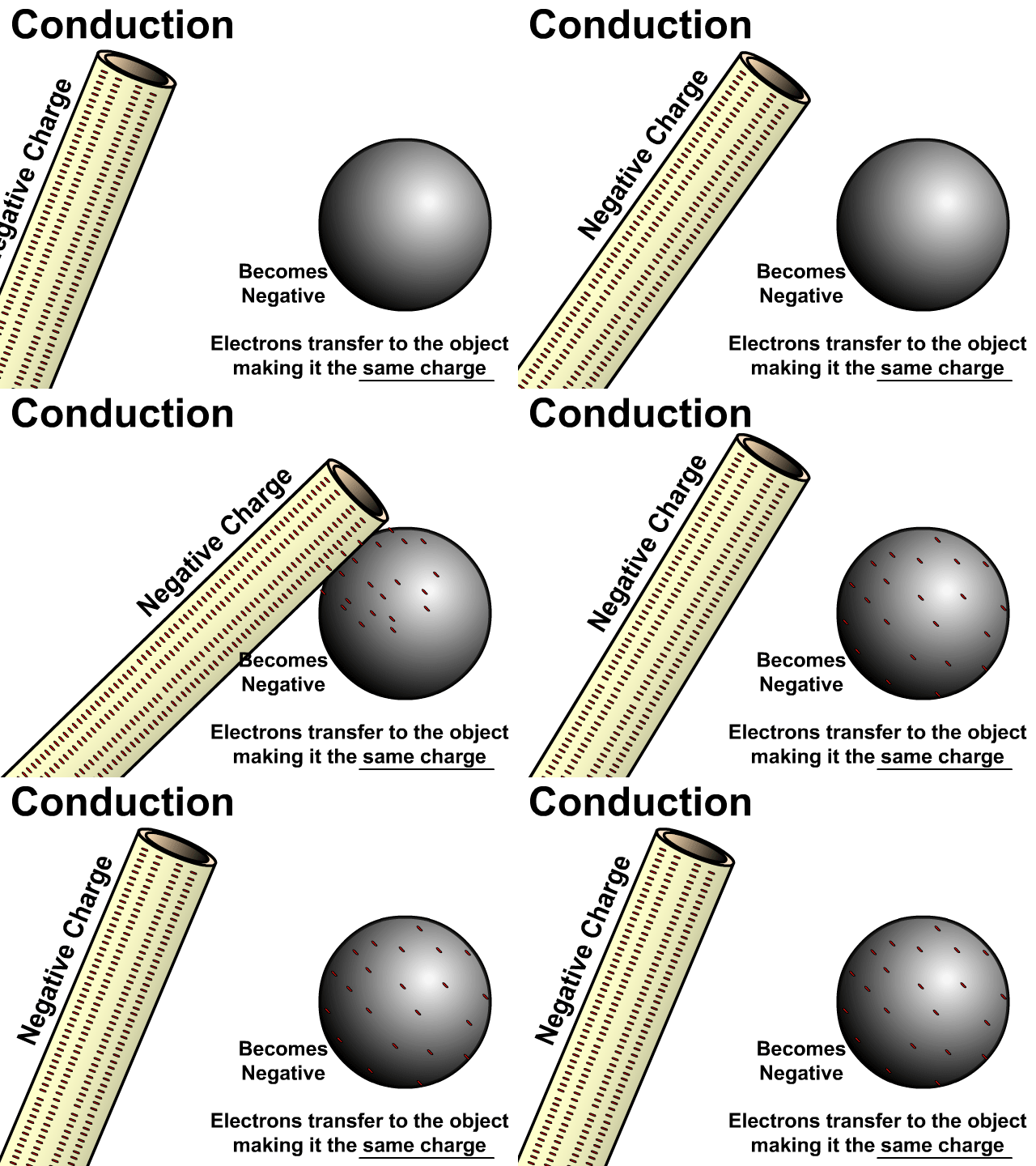
- A charged object touches a neutral object.
- Electrons move between the objects.
- The neutral object becomes charged.
The charge spreads because electrons repel each other.
Charging by Induction
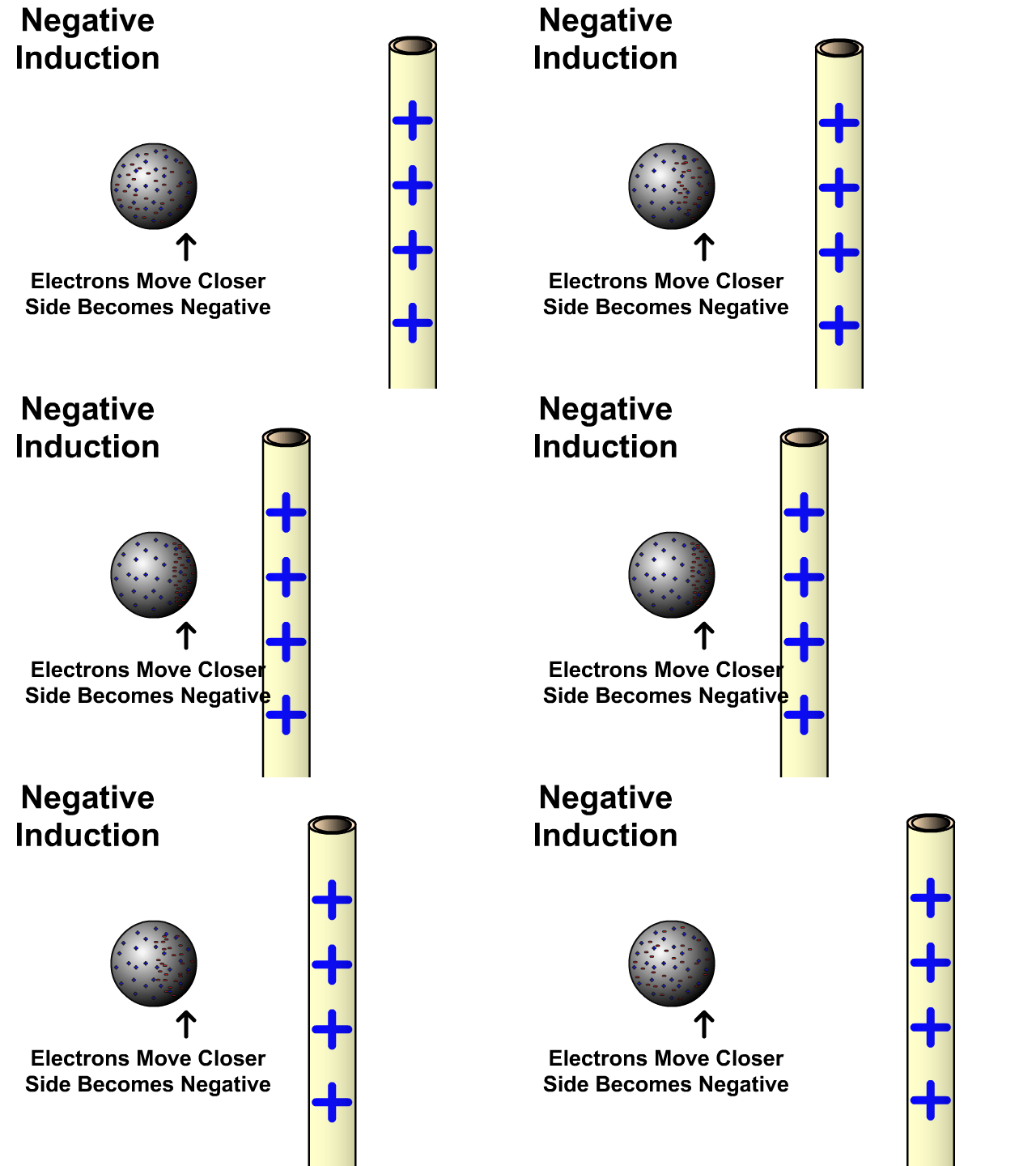
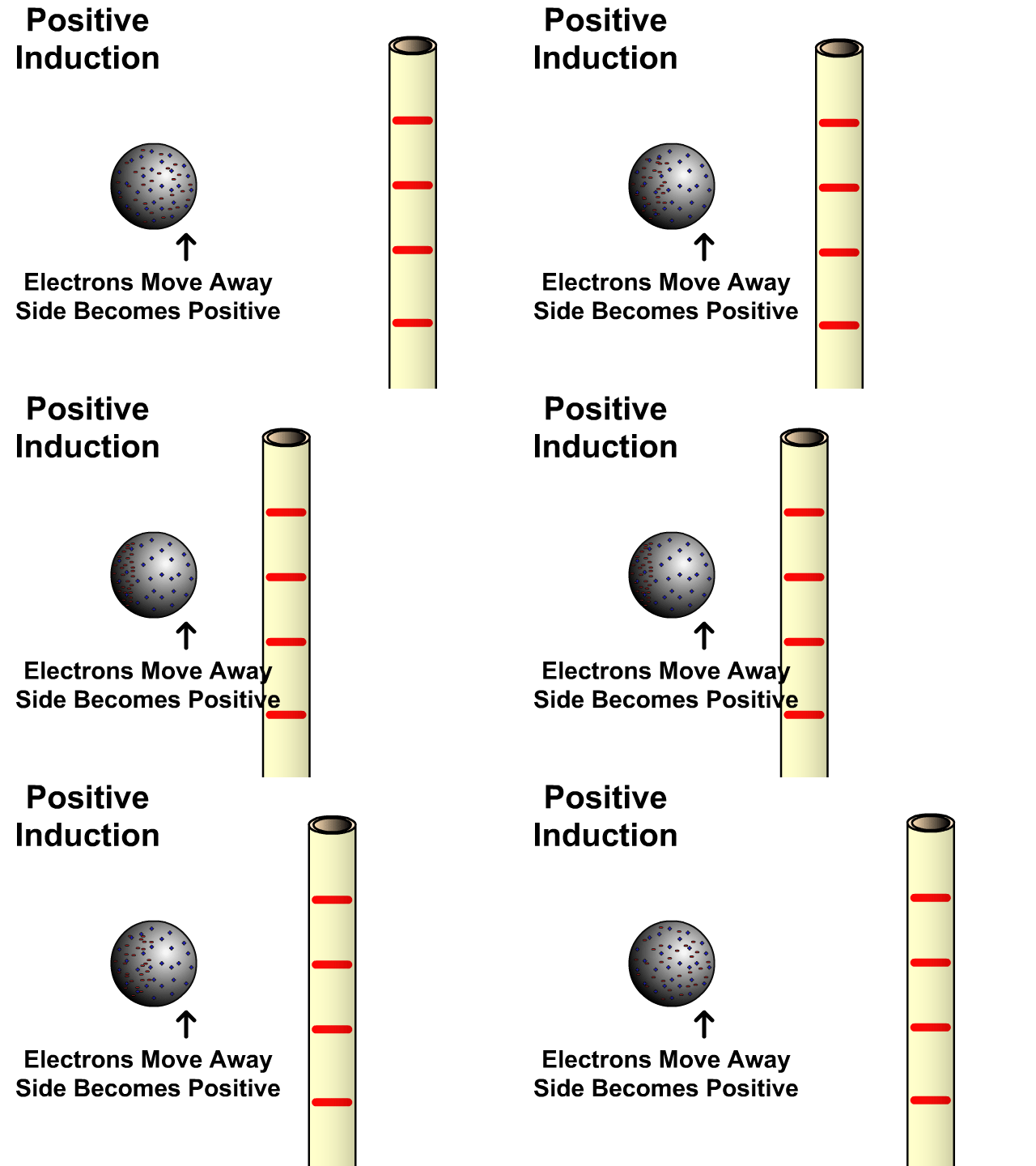
- A charged object is brought near a neutral conductor.
- Electrons in the conductor move due to repulsion or attraction.
- This causes charge separation without contact.
The object becomes charged if it is then earthed.
Attraction and Repulsion Explained by Electron Movement
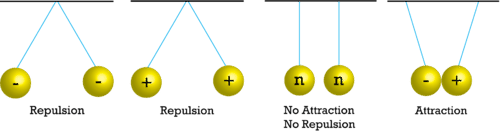
- Like charges repel: excess electrons repel each other.
- Unlike charges attract: electrons are attracted to positive regions.
Neutral objects can be attracted to charged objects due to polarisation.
Why Insulators Hold Static Charge
- Electrons cannot move freely.
- Charge remains on the surface.
- This allows static electricity to build up.
Link to Charge Formula
Charge transferred depends on electron flow:
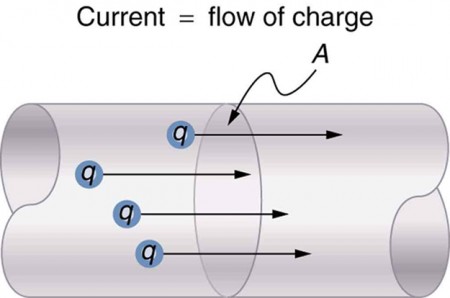
\( \mathrm{Q = I \times t} \)
- In electrostatics, electrons move briefly, not continuously.
- No complete circuit is required.
Examples of Electrostatic Phenomena
- Balloons sticking to walls.
- Clothes sticking together after drying.
- Sparks when touching a metal object after walking on carpet.
Key Idea
- Electrostatic effects are caused by electron movement.
- Only electrons are transferred.
- Charge is conserved.
Important Points to Remember
- Protons never move between objects.
- Electrons cause attraction and repulsion.
- Static charges remain until discharged.
Example
A balloon sticks to a wall after being rubbed on hair. Explain this using the movement of electrons.
▶️ Answer / Explanation
Electrons move from the hair to the balloon.
The balloon becomes negatively charged.
The wall becomes polarized, causing attraction.
Example
Explain why two negatively charged rods repel each other.
▶️ Answer / Explanation
Both rods have excess electrons.
Electrons repel each other, causing repulsion.
Dangers of Electrostatic Charges
Electrostatic charges can build up on objects due to the movement of electrons, especially when materials rub together or move through air. If this charge is suddenly discharged, it can produce a spark.
In situations involving flammable substances, such sparks can be extremely dangerous.
How Electrostatic Charges Become Dangerous
- Charge builds up on an object due to friction or movement.
- Electrons suddenly flow to another object or to Earth.
- This rapid movement produces a spark.
- The spark can ignite flammable gases or vapours.
Example: Fuelling Aircraft
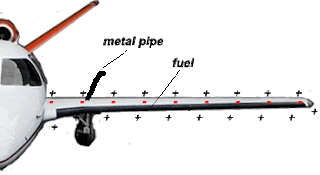
- Fuel flowing through pipes causes friction.
- This friction transfers electrons and builds up charge.
- Fuel vapour around the aircraft is highly flammable.
- A spark could ignite the vapour, causing fire or explosion.
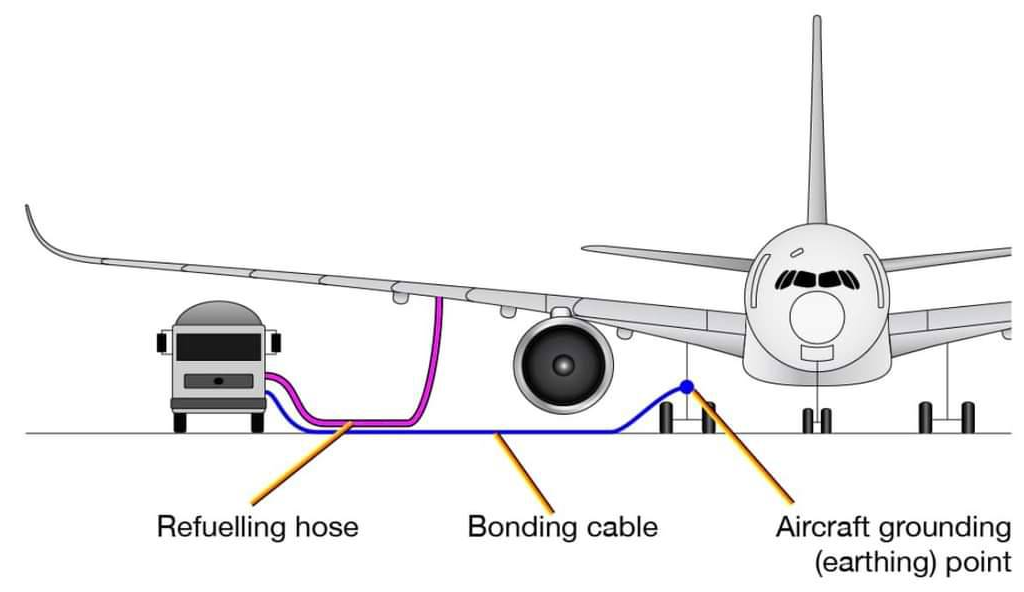
To prevent this, aircraft and fuel hoses are earthed before fuelling.
Example: Fuel Tankers
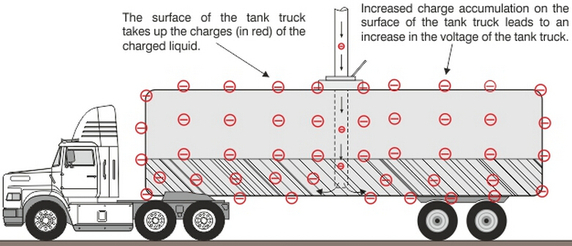
- Tankers moving fuel can become charged.
- Static charge may build up on the tanker body.
- A sudden discharge could create a spark.
- This spark could ignite petrol vapour.
Tankers are earthed using metal cables to safely remove excess charge.
Other Everyday Dangers
- Sparks when touching metal after walking on carpet.
- Dust explosions in flour mills.
- Damage to sensitive electronic components.
Why Sparks Occur (Electron Explanation)
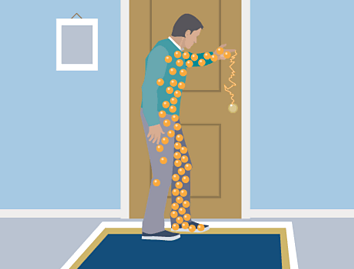
- Electrons build up on an object.
- They suddenly move to a region of lower potential.
- This rapid electron flow heats the air.
- The heated air glows, producing a spark.
Reducing the Dangers of Electrostatic Charge
- Earthing: allows electrons to flow safely to Earth.
- Bonding: connecting objects so no potential difference exists.
- Humid air: reduces charge build-up.
Link to Charge Concept
Static electricity involves charge build-up:
\( \mathrm{Q = I \times t} \)
- In static situations, charge builds without a continuous current.
- Sudden discharge causes sparks.
Key Idea
- Electrostatic charge can build up on objects.
- Sudden discharge produces sparks.
- Sparks can ignite flammable substances.
Important Points to Remember
- Static electricity can be dangerous.
- Earthing removes excess charge safely.
- Fuel vapours ignite easily.
Example
Explain why aircraft are earthed before refuelling.
▶️ Answer / Explanation
Static charge can build up on the aircraft.
Earthing allows electrons to flow safely to Earth.
This prevents sparks that could ignite fuel vapour.
Example
State one danger of electrostatic charge during fuel transfer.
▶️ Answer / Explanation
A spark could be produced.
This could ignite flammable fuel vapour.
Uses of Electrostatic Charges
Electrostatic charges are used in many everyday technologies to control the movement of tiny particles such as powder, ink droplets, or toner. These applications rely on the attraction and repulsion of electric charges.
Key Principle
- Like charges repel.
- Unlike charges attract.
- Charged particles can be moved and controlled using electric fields.
Use of Electrostatic Charges in Photocopiers
Photocopiers use electrostatic charges to transfer toner onto paper.
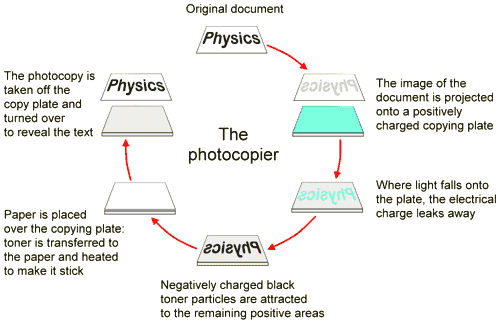
Process:
- A metal drum is given a uniform electric charge.
- Light reflected from the original document discharges certain areas.
- Charged toner powder sticks to the charged areas of the drum.
- The toner is transferred to oppositely charged paper.
- Heat fuses the toner permanently onto the paper.
Why Electrostatics Are Useful
- Allows precise placement of toner.
- Produces sharp, clear images.
- No ink is required.
Use of Electrostatic Charges in Inkjet Printers
Inkjet printers use electrostatic forces to control ink droplets.
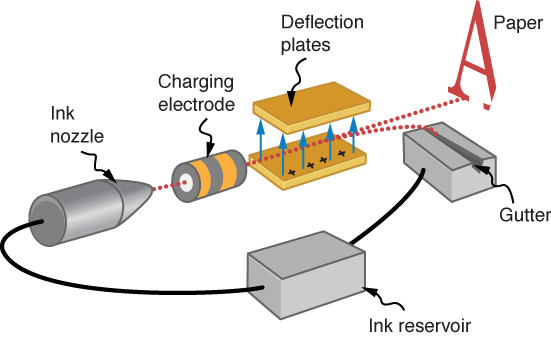
Process:
- Ink droplets are given an electric charge.
- Charged plates create an electric field.
- The electric field deflects the droplets.
- Droplets land at precise positions on the paper.
This allows accurate printing of text and images.
Other Uses of Electrostatic Charges

- Electrostatic paint spraying: paint is attracted to the object, reducing waste.
- Powder coating: charged powder sticks evenly to surfaces.
- Smoke precipitators: remove charged dust particles from exhaust gases.
Electron Explanation
- Particles are given a positive or negative charge.
- Electric fields move charged particles.
- Attraction and repulsion control particle motion.
Link to Charge Concept
Electrostatic effects involve charge build-up:
\( \mathrm{Q = I \times t} \)
- Charge is transferred without continuous current.
- Static charges control particle movement.
Key Idea
- Electrostatic forces can move tiny particles.
- This allows precise control in printers and copiers.
- Attraction and repulsion are essential.
Important Points to Remember
- Electrostatic charges are temporary.
- Used where fine control is needed.
- Widely used in modern technology.
Example
Explain how electrostatic charges are used in a photocopier.
▶️ Answer / Explanation
Electrostatic charges are used to attract toner powder to charged areas.
The toner is then transferred to oppositely charged paper.
Example
State one advantage of using electrostatic paint spraying.
▶️ Answer / Explanation
Paint is attracted to the object, reducing waste.