
Asymmetric Information
Asymmetric information occurs when one party in a transaction has more or better information than the other, leading to inefficient market outcomes.
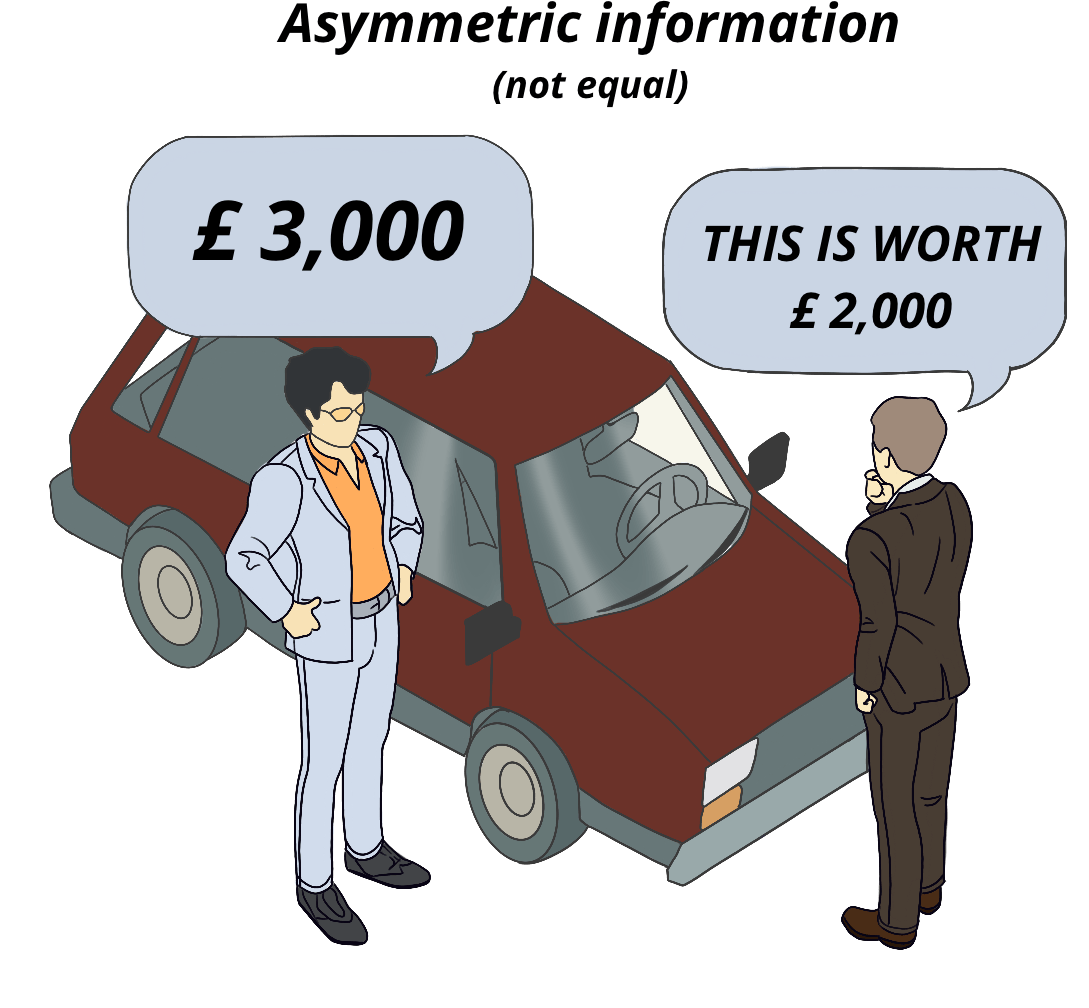
Unequal information → Poor decisions → Market inefficiency
Explanation:
- Usually exists between buyers and sellers or insurers and consumers.
- The better-informed party can take advantage of the less-informed party.
- Leads to market failure and inefficient allocation of resources.
1. Adverse Selection
Adverse selection occurs when one party has more information before a transaction, leading to the selection of undesirable outcomes.
Explanation: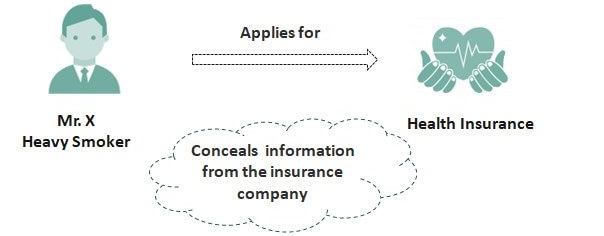
- The uninformed party cannot distinguish between high-quality and low-quality goods or customers.
- As a result, they may make decisions that attract higher-risk or lower-quality participants.
- This leads to inefficient market outcomes.
Why It Occurs:
- Hidden information before the transaction.
- Difficulty in verifying quality or risk.
- Lack of transparency.
Impact:
- High-quality products or low-risk individuals may leave the market.
- Market may become dominated by low-quality goods (“market for lemons”).
- Can lead to market breakdown.
2. Moral Hazard
Moral hazard occurs when one party changes behaviour after a transaction because they do not bear the full consequences of their actions.
Explanation: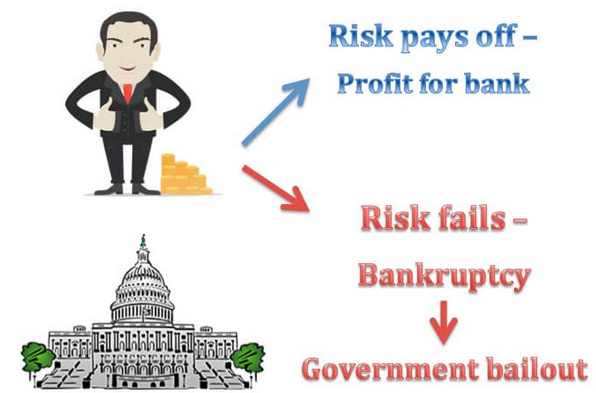
- Occurs when individuals take greater risks because they are protected.
- The other party cannot fully observe or control their behaviour.
- Leads to inefficient outcomes.
Why It Occurs:
- Hidden actions after the transaction.
- Lack of monitoring or accountability.
- Protection from consequences (e.g. insurance).
Impact:
- Increased risk-taking behaviour.
- Higher costs for firms or insurers.
- Reduced efficiency in markets.
Key Differences:
| Aspect | Adverse Selection | Moral Hazard |
|---|---|---|
| Timing | Before transaction | After transaction |
| Problem | Hidden information | Hidden actions |
| Result | Wrong participants selected | Risky behaviour increases |
Economic Significance:
- Both lead to market failure.
- Reduce efficiency and welfare.
- May require government intervention or regulation.
Key Ideas:
- Asymmetric information leads to inefficiency.
- Adverse selection occurs before transactions.
- Moral hazard occurs after transactions.
- Important in insurance, finance, and labour markets.
Example 1
Explain adverse selection using the example of the used car market.
▶️ Answer / Explanation
Sellers know more about the quality of cars than buyers.
Buyers cannot distinguish between good and bad cars.
They offer an average price, causing sellers of high-quality cars to leave the market.
This results in a market dominated by low-quality cars.
Example 2
Evaluate how moral hazard can arise in the insurance market.
▶️ Answer / Explanation
Once individuals are insured, they may take greater risks.
For example, a person with car insurance may drive less carefully.
This increases the likelihood of claims.
Insurance companies face higher costs.
Thus, moral hazard leads to inefficiency in the market.