
Consumer Nudges (HL Only)
Consumer nudges are policies that influence consumer behaviour in a predictable way without restricting choice or significantly changing prices.
A nudge is a subtle change in the way choices are presented that encourages individuals to make decisions that improve their welfare.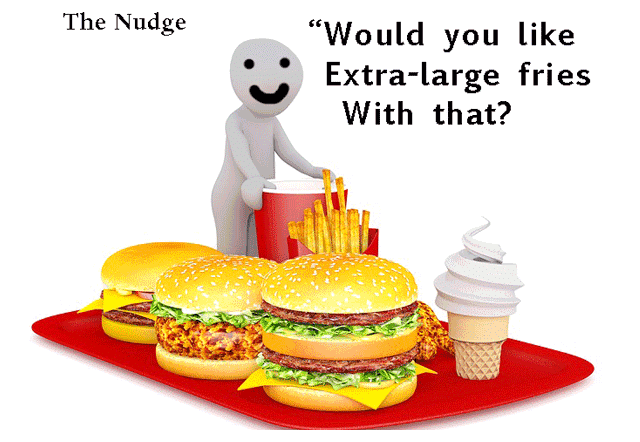
Nudge → Guide behaviour without force
Key Characteristics
- Does not ban options or impose strict rules.
- Maintains freedom of choice.
- Based on behavioural economics.
- Targets irrational decision-making.
Why Nudges are Needed
- Consumers do not always behave rationally.
- They may suffer from:
- Imperfect information
- Habitual behaviour
- Present bias (short-term thinking)
- This can lead to overconsumption of demerit goods or underconsumption of merit goods.
Types of Consumer Nudges
1. Default Choice Nudges
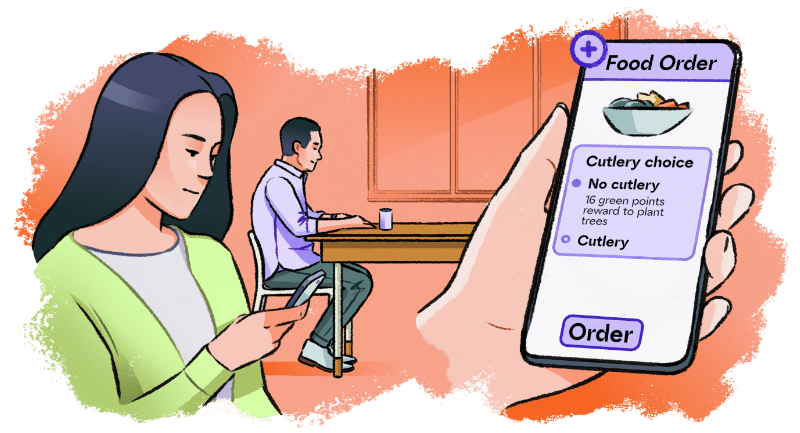
- Setting a preferred option as the default.
- Example: Automatic enrolment in pension schemes.
2. Information Nudges
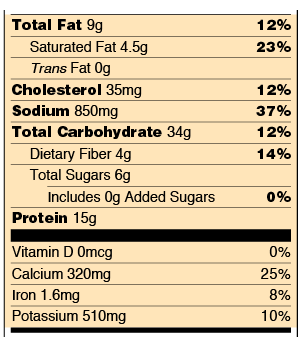
- Providing clearer or more visible information.
- Example: Calorie labels on food products.
3. Framing and Presentation
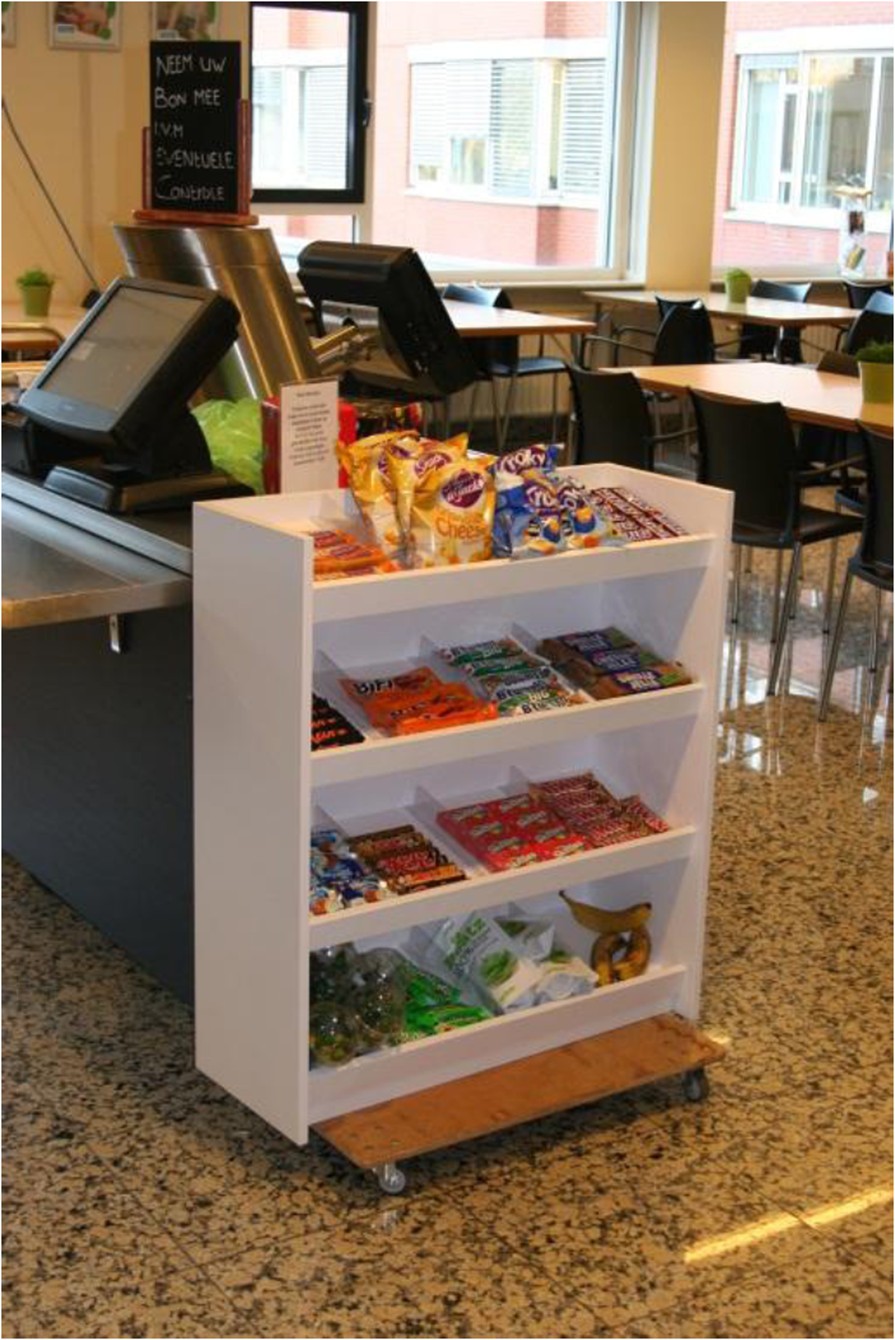
- Changing how choices are displayed.
- Example: Placing healthy foods at eye level.
Economic Effects
- Encourages better decision-making.
- Helps correct behavioural market failures.
- Influences consumption without changing price signals.
Advantages
- Low cost compared to taxes or subsidies.
- Maintains consumer freedom.
- Can be effective in changing behaviour gradually.
Disadvantages
- May be less effective than strong policies.
- Impact may be limited or temporary.
- Ethical concerns about manipulating choices.
Example 1
Explain how default options can influence consumer behaviour.
▶️ Answer / Explanation
Consumers tend to stick with default choices due to inertia.
If pension enrolment is automatic, more people remain enrolled.
This increases savings without forcing decisions.
Thus, behaviour is influenced without removing choice.
Example 2
Evaluate the effectiveness of nudges compared to taxes.
▶️ Answer / Explanation
Nudges are less intrusive and preserve freedom of choice.
They are cheaper to implement.
However, they may not significantly change behaviour.
Taxes directly increase prices and may be more effective.
Thus, nudges are useful but often need to be combined with other policies.