
Possible Relationship Between Economic Growth and Economic Development
Economic growth refers to an increase in a country’s real output or real GDP over time.
Economic development refers to improvements in living standards, quality of life, and human well-being, including social and environmental progress.
Economic growth and economic development are closely related, but they are not the same concept. Economic growth may contribute to development, but growth alone does not always guarantee improvements in living standards or equality.
- Economic growth = Increase in output
- Economic development = Improvement in quality of life and well-being
Key Point:
- Economic growth can support development by increasing income and employment.
- Development is broader than growth because it includes social and environmental factors.
- Growth without equality or sustainability may not improve development.
- Development may also support long-term economic growth.
How Economic Growth May Promote Economic Development
Higher Incomes and Living Standards
Economic growth increases national income and output.
- People may experience higher wages and employment.
- Consumption of goods and services may increase.
- Material living standards may improve.
Higher income can therefore contribute to improved quality of life.
Greater Government Revenue
Economic growth often increases tax revenue for governments.
- Governments can invest more in healthcare and education.
- Infrastructure and public services may improve.
- Poverty reduction programs may expand.
These improvements contribute to economic development.
More Employment Opportunities
Economic growth may increase demand for labor.
- Unemployment may decrease.
- Household incomes may rise.
- Poverty levels may fall.
Employment growth therefore supports social and economic progress.
Investment and Technological Progress
Economic growth often encourages investment and innovation.
- Firms may invest in technology and infrastructure.
- Productivity and efficiency may increase.
- Long-term development opportunities improve.
Technological progress may therefore improve both growth and development.
Why Economic Growth May Not Always Lead to Development
Income Inequality
The benefits of growth may not be shared equally.
- Income gains may go mainly to wealthy groups.
- Poverty may remain despite higher GDP.
- Regional inequalities may increase.
Growth without equity may therefore limit development.
Environmental Damage
Rapid economic growth may create environmental problems.
- Pollution and resource depletion may increase.
- Climate change risks may rise.
- Future living standards may be harmed.
Unsustainable growth may reduce long-term development.
Poor Social Outcomes
A country may experience strong growth without improvements in health or education.
- Public services may remain weak.
- Access to healthcare and education may stay unequal.
- Human development may remain low.
Therefore, growth alone is not sufficient for development.
Economic Growth Can Be Unsustainable
Growth based on non-renewable resources or excessive borrowing may not last.
- Future economic stability may weaken.
- Long-term development may suffer.
Sustainable development requires balanced long-term growth.
How Economic Development May Promote Economic Growth
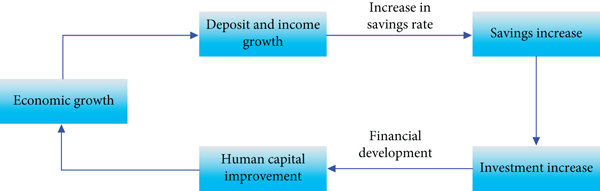
The relationship between growth and development works in both directions.
- Better education improves labor productivity.
- Improved healthcare increases efficiency and workforce participation.
- Political stability encourages investment.
- Infrastructure development supports production and trade.
Development therefore supports long-term economic growth.
Comparison Between Economic Growth and Economic Development:
| Aspect | Economic Growth | Economic Development |
|---|---|---|
| Main Meaning | Increase in real GDP/output | Improvement in living standards |
| Focus | Output and income | Human well-being and sustainability |
| Measurement | GDP growth rate | Multiple social and economic indicators |
| Environmental Consideration | Not always included | Important consideration |
| Relationship | May support development | May support future growth |
Summary of the Relationship:
| Economic Growth May Lead To | Economic Development May Lead To |
|---|---|
| Higher incomes | Higher productivity |
| More employment | Greater investment |
| Higher tax revenue | Long-term economic stability |
| Improved infrastructure | Stronger human capital |
| Better living standards | Sustainable economic growth |
Evaluation
- Economic growth is important because it provides resources for development.
- However, growth alone does not guarantee improvements in equality, health, education, or sustainability.
- Development requires balanced economic, social, and environmental progress.
- Sustainable and inclusive growth is more likely to promote long-term development.
Example 1
Explain how economic growth may contribute to economic development.
▶️ Answer / Explanation
Economic growth increases a country’s real output and national income.
This may increase employment opportunities and household incomes.
Governments may also collect more tax revenue, allowing greater investment in healthcare, education, and infrastructure.
These improvements can raise living standards and human well-being.
Therefore, economic growth may support economic development through higher incomes and better public services.
Example 2
Using an example, explain why economic growth may not always lead to economic development.
▶️ Answer / Explanation
A country may experience rapid GDP growth from industrial expansion or natural resource extraction.
However, if income gains mainly benefit wealthy groups while poverty and inequality remain high, overall development may be limited.
In addition, pollution and environmental degradation may reduce quality of life.
For example, rapid industrial growth may increase air pollution and health problems.
Therefore, economic growth alone does not guarantee broad improvements in living standards or sustainability.