
Strategies to Promote Economic Growth and/or Economic Development
Governments and international organizations use different strategies to promote economic growth and economic development. These strategies aim to increase productivity, improve living standards, reduce poverty, and achieve sustainable long-term development.
Different countries may use different approaches depending on their level of development, institutional quality, resources, and economic conditions.
Trade Strategies
Trade strategies aim to improve economic performance through international trade and integration into global markets. 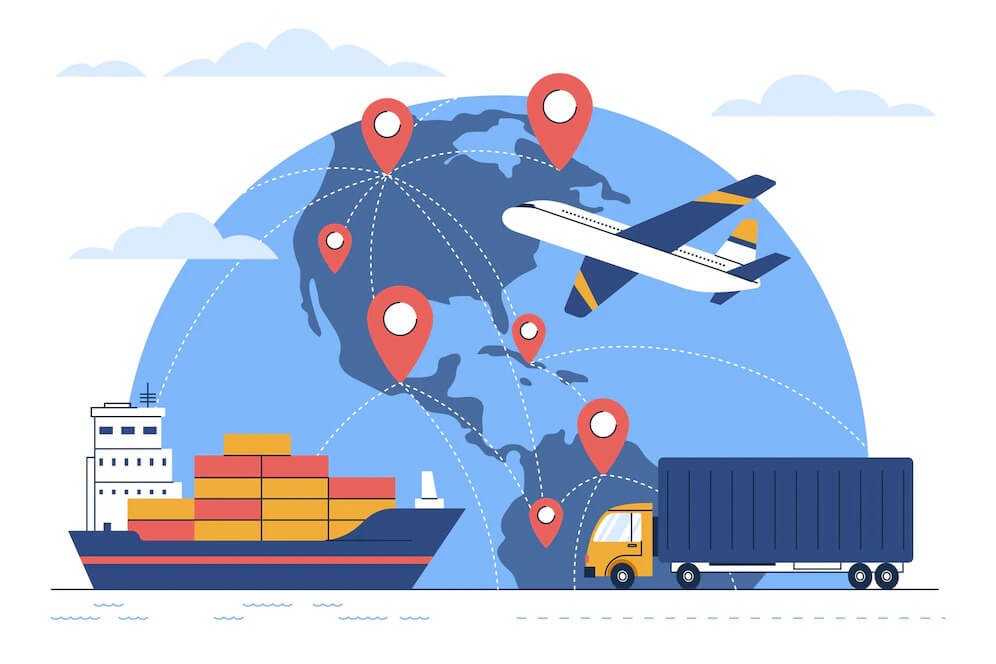
Import Substitution
Import substitution is a strategy that encourages domestic production of goods previously imported.
Main Objectives:
- Protect domestic industries.
- Reduce dependence on imports.
- Promote industrialization and employment.
Advantages:
- Supports infant industries.
- May increase domestic employment.
- Reduces import dependence.
Disadvantages:
- Domestic firms may become inefficient.
- Consumers may face higher prices and less choice.
- Lack of competition may reduce innovation.
Export Promotion
Export promotion encourages production for international markets.
Main Objectives:
- Increase export earnings.
- Improve economic growth and employment.
- Encourage specialization and economies of scale.
Advantages:
- Access to larger international markets.
- Greater foreign exchange earnings.
- Increased efficiency and competitiveness.
Disadvantages:
- Dependence on world demand.
- Exposure to global economic downturns.
- Risk of overdependence on specific exports.
Economic Integration
Economic integration involves cooperation between countries through trade agreements or trading blocs.
Main Objectives:
- Reduce trade barriers.
- Increase market access.
- Promote regional economic cooperation.
Advantages:
- Larger markets and economies of scale.
- Greater trade and investment opportunities.
- Improved political and economic cooperation.
Disadvantages:
- Loss of some national policy independence.
- Unequal benefits between members.
- Trade diversion may occur.
Diversification
Diversification involves expanding the range of industries and products within an economy.
Many developing countries diversify away from dependence on primary sector production.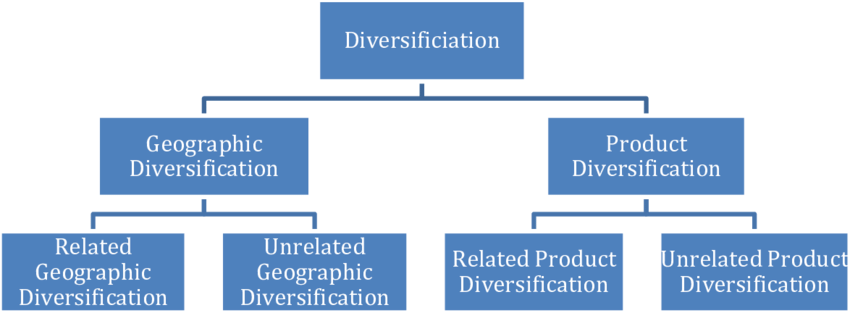
Main Objectives:
- Reduce economic vulnerability.
- Increase value-added production.
- Create employment opportunities.
Advantages:
- Reduces dependence on one sector or export product.
- Improves economic stability.
- Encourages industrialization and technological progress.
Disadvantages:
- Requires investment and skilled labor.
- Industrial transition may take time.
- Some industries may remain internationally uncompetitive.
Social Enterprise
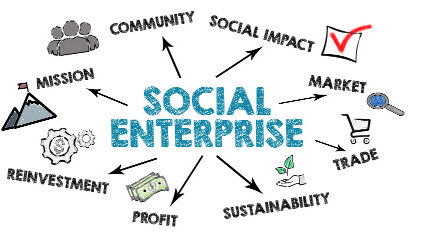
A social enterprise is a business that aims to achieve social or environmental objectives while also generating revenue.
Main Objectives:
- Reduce poverty and inequality.
- Improve community well-being.
- Promote sustainable development.
Advantages:
- Addresses social problems directly.
- Encourages local employment and inclusion.
- Supports sustainable and ethical business practices.
Disadvantages:
- Limited access to finance.
- May face difficulties expanding operations.
- Balancing profit and social goals may be challenging.
Market-Based Policies
Market-based policies rely mainly on market forces and reduced government intervention to promote efficiency and economic growth.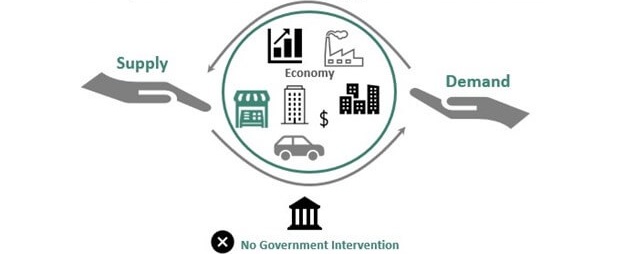
Trade Liberalization
Trade liberalization involves reducing trade barriers such as tariffs and quotas.
Main Objectives:
- Increase competition and efficiency.
- Expand trade opportunities.
- Lower prices for consumers.
Advantages:
- Greater consumer choice.
- Lower prices and increased efficiency.
- Encourages specialization and comparative advantage.
Disadvantages:
- Domestic industries may struggle against foreign competition.
- Structural unemployment may increase.
- Infant industries may fail.
Privatization
Privatization involves transferring ownership of state-owned enterprises to the private sector.
Main Objectives:
- Increase efficiency and competition.
- Reduce government spending.
- Encourage private investment.
Advantages:
- May improve productivity and efficiency.
- Reduces financial burden on government.
- Encourages innovation.
Disadvantages:
- Essential services may become more expensive.
- Job losses may occur.
- Private monopolies may develop.
Deregulation
Deregulation involves reducing government rules and restrictions on businesses.
Main Objectives:
- Increase competition and efficiency.
- Encourage entrepreneurship and investment.
- Reduce business costs.
Advantages:
- Greater business flexibility.
- Encourages innovation and competition.
- May attract investment.
Disadvantages:
- Reduced consumer and worker protection.
- Environmental standards may weaken.
- Market failures may increase.
Interventionist Policies
Interventionist policies involve active government involvement in the economy to promote economic growth, reduce inequality, and improve living standards.
These policies are often used to correct market failures and support long-term economic development.
Redistribution Policies
Redistribution policies aim to reduce income and wealth inequality.
Tax Policies
Governments may use progressive taxation to redistribute income.
Main Objectives:
- Reduce inequality.
- Increase government revenue.
- Fund public services and welfare programs.
Advantages:
- Improves equity and social inclusion.
- Supports poverty reduction.
- Funds education, healthcare, and infrastructure.
Disadvantages:
- High taxes may reduce incentives to work or invest.
- Tax evasion may increase.
Transfer Payments
Transfer payments are government payments to individuals such as pensions, unemployment benefits, and welfare support.
Advantages:
- Reduce poverty and inequality.
- Improve living standards.
- Support vulnerable groups.
Disadvantages:
- Increase government spending.
- May reduce work incentives if poorly designed.
Minimum Wages
A minimum wage sets the legal minimum pay workers must receive.
Advantages:
- Raises incomes of low-paid workers.
- Reduces poverty.
- Improves living standards.
Disadvantages:
- May increase unemployment if set too high.
- Firms may reduce hiring.
Provision of Merit Goods
Merit goods are goods and services that are considered socially desirable and often underprovided by markets.
Education Programs
Governments invest in education to improve human capital.
Main Objectives:
- Increase literacy and skills.
- Improve productivity and employment.
- Promote innovation and long-term growth.
Advantages:
- Raises labor productivity.
- Supports technological progress.
- Reduces poverty and inequality.
Disadvantages:
- Requires large government spending.
- Benefits may take time to appear.
Health Programs
Governments invest in healthcare systems and public health programs.
Advantages:
- Improves worker productivity.
- Reduces disease and mortality rates.
- Improves quality of life.
Disadvantages:
- Healthcare systems may be expensive to maintain.
- Resource shortages may limit effectiveness.
Infrastructure Provision
Governments may invest in:
- Energy systems.
- Transport networks.
- Telecommunications.
- Clean water and sanitation.
Advantages:
- Reduces business costs.
- Encourages investment and trade.
- Improves living standards and productivity.
Disadvantages:
- Requires very large investment.
- Projects may face corruption or inefficiency.
Inward Foreign Direct Investment (FDI)
Inward FDI occurs when foreign firms invest in businesses or production facilities within a country.
Main Objectives:
- Increase investment and employment.
- Transfer technology and skills.
- Promote industrialization.
Advantages:
- Creates jobs and income.
- Introduces advanced technology.
- Increases export potential.
Disadvantages:
- Profits may leave the country.
- Domestic firms may struggle to compete.
- Environmental damage may occur.
Foreign Aid
Foreign aid refers to financial, technical, or humanitarian assistance provided by governments or organizations to developing countries.
Humanitarian Aid / Development Aid
Humanitarian aid provides emergency assistance during crises.
Development aid supports long-term economic development.
Advantages:
- Reduces poverty and suffering.
- Supports healthcare, education, and infrastructure.
- Provides emergency relief during disasters.
Disadvantages:
- May create aid dependence.
- Corruption may reduce effectiveness.
- Political conditions may be attached.
Debt Relief
Debt relief reduces or cancels debt owed by developing countries.
Advantages:
- Reduces debt repayment burdens.
- Allows greater spending on development.
- Improves economic stability.
Disadvantages:
- May encourage irresponsible borrowing.
- Does not solve all structural problems.
Official Development Assistance (ODA)
ODA refers to government aid designed to promote development and welfare.
ODA often funds infrastructure, healthcare, education, and poverty reduction programs.
Non-Governmental Organizations (NGOs)
NGOs are independent organizations that provide development and humanitarian assistance.
Advantages:
- Target local community needs.
- Provide healthcare, education, and relief services.
- May operate efficiently at grassroots level.
Disadvantages:
- Limited funding and scale.
- Coordination problems may occur.
Multilateral Development Assistance
Multilateral development assistance refers to financial and technical support provided by international organizations to promote economic growth and development.
These organizations assist countries facing poverty, financial instability, debt problems, and development challenges.
The World Bank
They provides loans, grants, and technical assistance to developing countries.
Main Objectives:
- Reduce poverty.
- Promote economic development.
- Support infrastructure, healthcare, and education projects.
Advantages:
- Provides long-term development funding.
- Supports infrastructure and human capital projects.
- Offers technical expertise and policy advice.
Disadvantages:
- Projects may increase debt burdens.
- Conditions attached to loans may be controversial.
- Some projects may create environmental or social problems.
International Monetary Fund (IMF)
The (IMF) provides financial support and policy advice to countries facing balance of payments or financial crises.
Main Objectives:
- Promote international monetary stability.
- Provide emergency financial assistance.
- Support macroeconomic stability.
Advantages:
- Provides emergency financial support.
- Helps stabilize economies during crises.
- Restores confidence in financial systems.
Disadvantages:
- IMF conditions may require austerity policies.
- Public spending cuts may reduce living standards.
- Economic growth may slow in the short run.
Institutional Change
Institutional change involves improving economic, political, and social institutions to support development.
Strong institutions improve efficiency, encourage investment, and support long-term economic growth.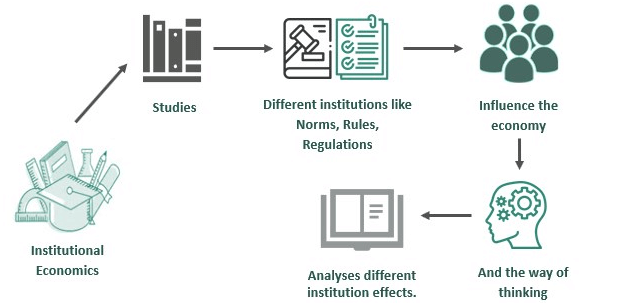
Improved Access to Banking
Expanding access to financial services allows more people and businesses to participate in economic activity.
Microfinance
Microfinance provides small loans and financial services to low-income individuals and small businesses.
Advantages:
- Supports entrepreneurship and self-employment.
- Increases financial inclusion.
- May reduce poverty.
Disadvantages:
- Interest rates may sometimes be high.
- Small loans may not fully solve poverty problems.
Mobile Banking
Mobile banking uses mobile technology to provide financial services.
Advantages:
- Improves access to banking in rural areas.
- Encourages saving and financial transactions.
- Reduces transaction costs.
Disadvantages:
- Requires technological infrastructure.
- Access may remain limited in very poor regions.
Increasing Women’s Empowerment
Women’s empowerment involves increasing women’s access to education, employment, healthcare, property rights, and political participation.
Advantages:
- Increases labor force participation.
- Improves human capital and productivity.
- Reduces poverty and inequality.
- Improves family health and education outcomes.
Disadvantages / Challenges:
- Cultural and social resistance may exist.
- Progress may take time.
Reducing Corruption
Reducing corruption improves efficiency and trust in institutions.
Advantages:
- Improves allocation of public resources.
- Encourages domestic and foreign investment.
- Strengthens governance and legal systems.
Challenges:
- Institutional reforms may be politically difficult.
- Corruption may be deeply entrenched.
Property Rights
Property rights protect ownership of land, businesses, and assets.
Advantages:
- Encourage investment and entrepreneurship.
- Allow assets to be used as collateral for loans.
- Increase economic security and confidence.
Disadvantages / Challenges:
- Legal enforcement may be weak in some countries.
- Property disputes may occur.
Land Rights
Land rights provide legal ownership or access to land.
Advantages:
- Encourage investment in agriculture and land improvement.
- Improve security for farmers and households.
- Increase access to finance.
Disadvantages / Challenges:
- Land reform may create political conflict.
- Implementation may be difficult.
Evaluation
- Institutional reforms are important for long-term economic development.
- Financial inclusion and women’s empowerment can significantly improve productivity and living standards.
- International organizations may provide important support, but conditions attached to assistance may create challenges.
- Successful development usually requires combining institutional, economic, and social reforms together.
Example 1
A developing country depends heavily on exporting coffee beans and cocoa. The government decides to promote export-oriented manufacturing industries and improve transport infrastructure.
Explain how these strategies may promote economic growth and economic development.
▶️ Answer / Explanation
Export promotion encourages firms to produce goods for international markets.
This may increase export earnings, employment, and foreign exchange revenues.
Manufacturing industries often create higher value-added output compared to primary products such as coffee and cocoa.
Diversification also reduces dependence on unstable commodity prices.
Improved transport infrastructure lowers production and distribution costs.
This increases efficiency and attracts domestic and foreign investment.
Higher investment and employment may increase incomes and living standards.
Therefore, export promotion and infrastructure development may support both economic growth and long-term economic development.
Example 2
A government introduces free secondary education, expands healthcare programs, and increases the minimum wage.
Explain how these interventionist policies may reduce poverty and promote development.
▶️ Answer / Explanation
Free education improves literacy, skills, and human capital.
A more educated workforce increases labor productivity and employment opportunities.
Healthcare programs improve worker health and reduce disease, increasing economic efficiency.
A higher minimum wage increases incomes for low-paid workers and may reduce poverty.
Higher incomes can improve living standards and access to essential goods and services.
These policies may also reduce inequality and improve social well-being.
However, large government spending may increase budget deficits, and excessively high minimum wages may increase unemployment.
Overall, interventionist policies can promote economic development by improving human capital and reducing poverty.
Example 3
A low-income country receives loans from the :contentReference[oaicite:0]{index=0} to improve clean water systems and receives support from the :contentReference[oaicite:1]{index=1} during a financial crisis.
Explain how multilateral development assistance may help promote development.
▶️ Answer / Explanation
The World Bank may provide long-term funding for infrastructure projects such as clean water and sanitation systems.
Improved access to clean water reduces disease and improves public health.
This increases labor productivity and living standards.
The IMF may provide emergency financial assistance during a balance of payments crisis.
This can stabilize the economy, restore investor confidence, and prevent severe economic instability.
However, IMF assistance may require austerity policies such as reducing government spending or increasing taxes.
These conditions may reduce living standards in the short run.
Therefore, multilateral development assistance may support economic development, although policy conditions may create challenges.
Example 4
A country introduces microfinance programs for rural households, strengthens property rights, and promotes women’s empowerment through education and employment opportunities.
Explain how these institutional changes may help break poverty traps and promote economic development.
▶️ Answer / Explanation
Microfinance provides small loans to low-income households and entrepreneurs.
This allows people to start businesses, increase income, and improve living standards.
Strong property rights increase confidence among investors and allow assets to be used as collateral for loans.
Women’s empowerment increases labor force participation and improves human capital.
Educated women are more likely to earn income and improve family health and education outcomes.
These changes increase productivity, investment, and economic inclusion.
As incomes rise, households may save and invest more, helping break poverty cycles.
Therefore, institutional reforms and social inclusion policies may strongly support long-term economic development.