
Sustainable Development Goals (SDGs)
The Sustainable Development Goals (SDGs) are a set of global goals created by the :contentReference[oaicite:0]{index=0} to promote sustainable development around the world.
The SDGs were adopted in 2015 as part of the 2030 Agenda for Sustainable Development.
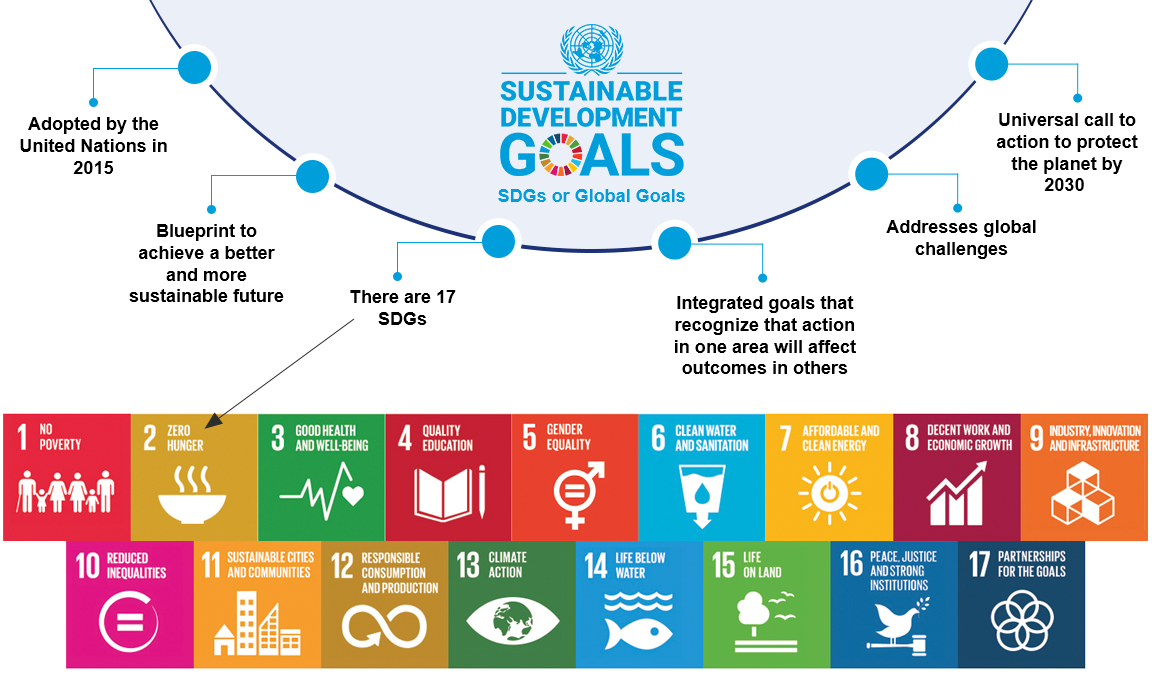
The goals aim to improve economic well-being, reduce inequality and poverty, and protect the environment while ensuring sustainable long-term development.
The SDGs apply to all countries, including both developed and developing economies.
SDGs = Global goals for economic, social, and environmental sustainability by 2030
- The SDGs aim to improve global living standards.
- They combine economic, social, and environmental objectives.
- International cooperation is important for achieving the goals.
- The goals focus on long-term sustainable development.
Main Objectives of the SDGs
- Reduce poverty and inequality.
- Improve health and education.
- Promote sustainable economic growth.
- Protect the environment and natural resources.
- Promote peace, justice, and global cooperation.
The SDGs recognize that economic development and environmental protection are closely connected.
The 17 Sustainable Development Goals
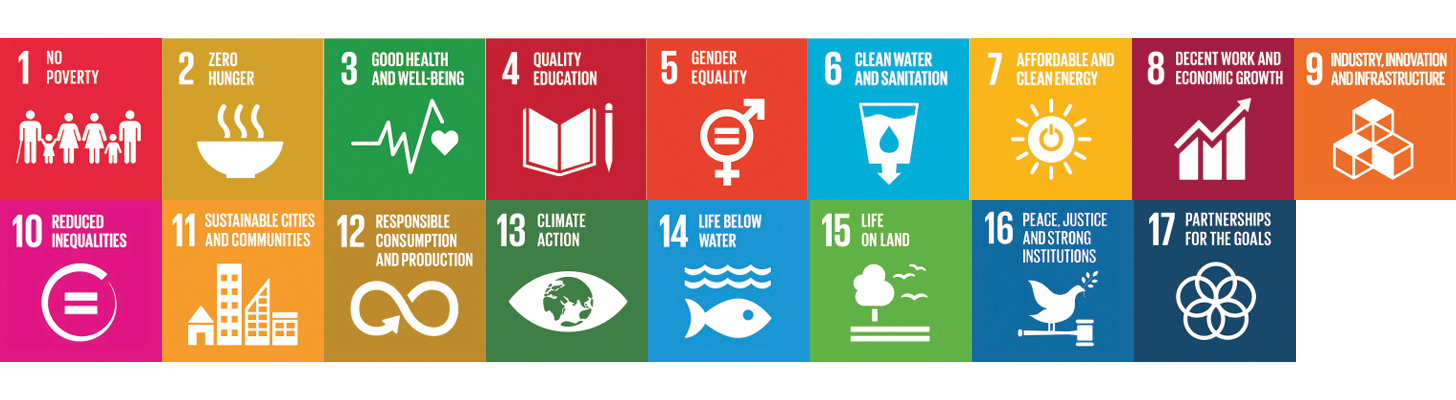
| Goal Number | Sustainable Development Goal |
|---|---|
| 1 | No Poverty |
| 2 | Zero Hunger |
| 3 | Good Health and Well-Being |
| 4 | Quality Education |
| 5 | Gender Equality |
| 6 | Clean Water and Sanitation |
| 7 | Affordable and Clean Energy |
| 8 | Decent Work and Economic Growth |
| 9 | Industry, Innovation, and Infrastructure |
| 10 | Reduced Inequalities |
| 11 | Sustainable Cities and Communities |
| 12 | Responsible Consumption and Production |
| 13 | Climate Action |
| 14 | Life Below Water |
| 15 | Life on Land |
| 16 | Peace, Justice, and Strong Institutions |
| 17 | Partnerships for the Goals |
Economic Importance of the SDGs
- Encourage long-term economic growth and stability.
- Promote investment in education, healthcare, and infrastructure.
- Improve labor productivity and living standards.
- Support sustainable use of resources.
Sustainable economic development helps improve quality of life over time.
Environmental Importance of the SDGs
- Reduce pollution and environmental degradation.
- Promote renewable energy and sustainable production.
- Protect biodiversity and ecosystems.
- Address climate change.
Environmental sustainability is essential for future generations.
Social Importance of the SDGs
- Reduce poverty and inequality.
- Improve healthcare and education access.
- Promote gender equality and human rights.
- Encourage social inclusion and fairness.
The SDGs aim to improve overall human well-being globally.
Challenges in Achieving the SDGs
- Limited financial resources in some countries.
- Conflicts between economic growth and environmental protection.
- Political instability and weak institutions.
- International disagreements and unequal development levels.
- Climate change and environmental pressures.
Achieving the SDGs requires cooperation between governments, firms, and international organizations.
Summary of the SDGs:
| Dimension | Main Focus |
|---|---|
| Economic | Growth, employment, infrastructure |
| Social | Poverty reduction, education, equality |
| Environmental | Climate action, resource protection |
| Global Cooperation | International partnerships and support |
Evaluation
- The SDGs provide a global framework for sustainable development.
- The goals are interconnected, meaning progress in one area often supports others.
- Achieving the SDGs requires long-term commitment and international cooperation.
- Some countries face greater challenges due to poverty, conflict, or limited resources.
Example 1
Explain how the Sustainable Development Goals promote long-term economic development.
▶️ Answer / Explanation
The SDGs encourage investment in education, healthcare, infrastructure, and sustainable industries.
These investments improve labor productivity, employment opportunities, and living standards.
For example, better education increases human capital and economic efficiency.
The SDGs also encourage environmental protection to ensure long-term resource availability.
Therefore, the SDGs promote sustainable economic development by balancing growth with social and environmental goals.
Example 2
Using an example, explain why international cooperation is important for achieving the SDGs.
▶️ Answer / Explanation
Many global problems such as climate change, poverty, and pollution affect multiple countries.
For example, reducing greenhouse gas emissions requires coordinated action from many governments.
Developing countries may also require financial and technological support from wealthier nations.
International organizations and partnerships help countries share resources, knowledge, and policies.
Therefore, international cooperation is essential for successfully achieving the SDGs.