
The Multidimensional Nature of Economic Development
Economic development refers to improvements in the quality of life and well-being of people in a country. Unlike economic growth, which focuses mainly on increases in real output or real GDP, economic development is multidimensional because it includes economic, social, political, and environmental improvements.
Development therefore involves not only producing more goods and services, but also improving living standards, reducing poverty and inequality, expanding opportunities, and increasing human well-being.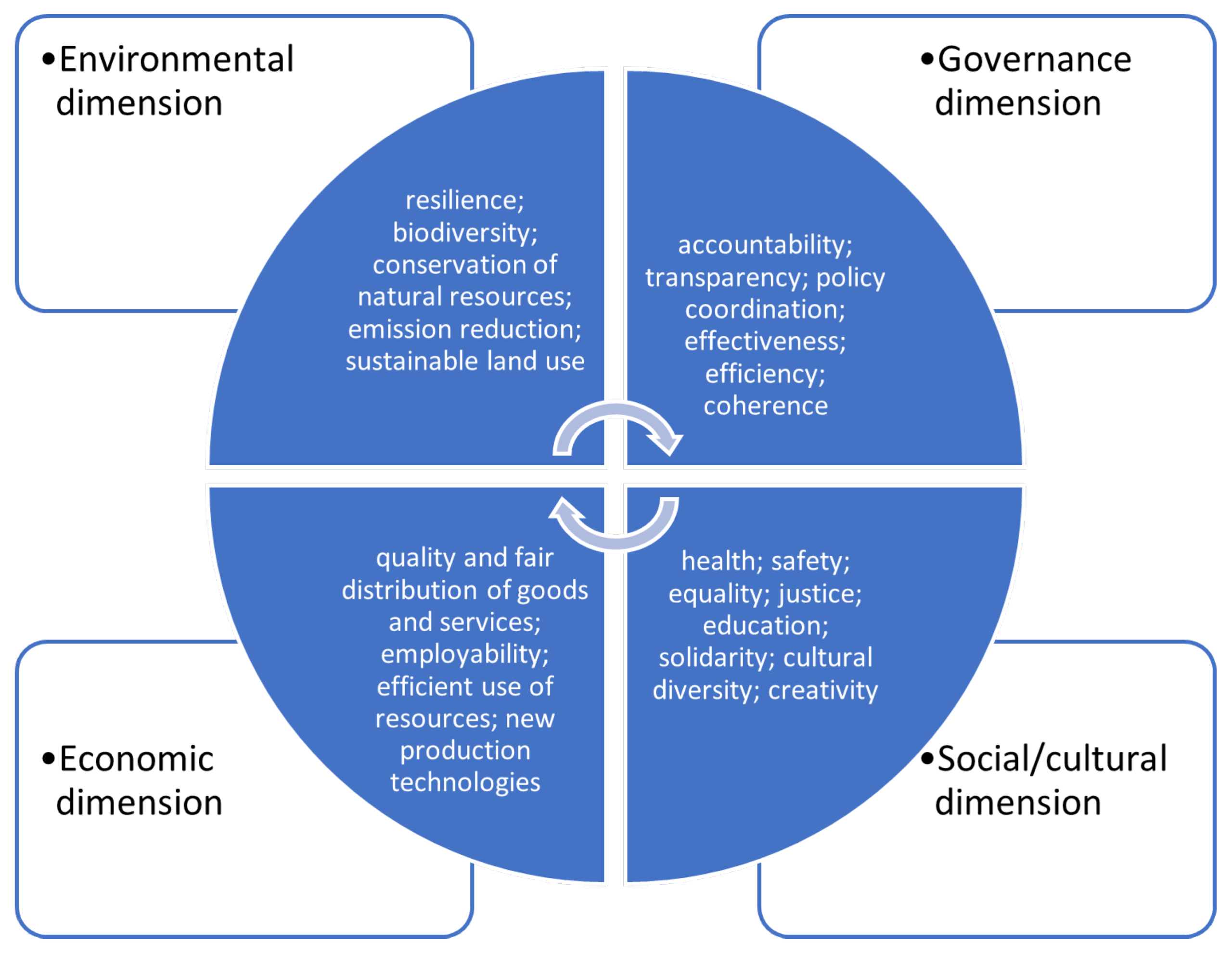
- Development is broader than economic growth.
- Development includes social and environmental progress.
- Higher income alone does not guarantee development.
- Development focuses on human well-being and sustainability.
Economic Dimension of Development
The economic dimension focuses on improving material living standards and economic opportunities.
- Higher real GDP per capita.
- Increased employment opportunities.
- Higher incomes and productivity.
- Improved infrastructure and technology.
- Diversification of the economy.
Economic growth is an important part of development because it provides resources for improving living standards.
Social Dimension of Development
The social dimension focuses on improvements in human welfare and quality of life.
- Better healthcare and nutrition.
- Improved education and literacy.
- Access to clean water and sanitation.
- Reduction in poverty and inequality.
- Improved housing and public services.
Social development improves people’s capabilities and opportunities.
Political Dimension of Development
Political development involves improving governance, rights, and institutional quality.
- Political stability and security.
- Protection of human rights.
- Reduced corruption.
- Effective legal and political institutions.
- Greater participation in decision-making.
Strong institutions help support long-term economic and social development.
Environmental Dimension of Development
The environmental dimension focuses on sustainability and protection of natural resources.
- Reducing pollution and environmental degradation.
- Protecting ecosystems and biodiversity.
- Using resources sustainably.
- Reducing greenhouse gas emissions.
Development should occur without damaging the environment for future generations.
Indicators of Economic Development
Because development is multidimensional, economists use many indicators to measure it.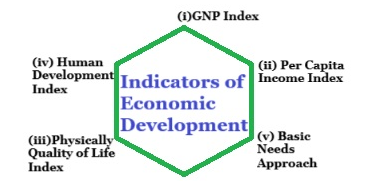
Economic Indicators:
- Real GDP per capita.
- Employment and income levels.
Social Indicators:
- Life expectancy.
- Literacy rates.
- Infant mortality rates.
- Access to healthcare and education.
Composite Indicators:
- Human Development Index (HDI).
- Multidimensional Poverty Index (MPI).
These indicators provide a broader understanding of development than income alone.
Difference Between Economic Growth and Economic Development
| Aspect | Economic Growth | Economic Development |
|---|---|---|
| Meaning | Increase in real output or GDP | Improvement in living standards and well-being |
| Focus | Quantity of output | Quality of life |
| Measurement | GDP or GDP per capita | Economic, social, and environmental indicators |
| Scope | Narrow | Broad and multidimensional |
| Sustainability | Not always considered | Important consideration |
Importance of the Multidimensional Approach
- A country may experience economic growth without improving living standards for all people.
- Income inequality and poverty may remain high despite higher GDP.
- Environmental damage may reduce long-term welfare.
- Human development requires improvements in health, education, and opportunities.
Development therefore requires balanced progress across multiple dimensions.
Summary of the Multidimensional Nature of Development:
| Dimension | Main Focus |
|---|---|
| Economic | Income, employment, productivity |
| Social | Health, education, equality |
| Political | Governance, rights, stability |
| Environmental | Sustainability and resource protection |
Evaluation
- Economic growth is necessary but not sufficient for development.
- Development requires improvements in living standards and opportunities.
- Environmental sustainability is increasingly important for long-term development.
- Development policies should balance economic, social, political, and environmental goals.
Example 1
Explain why economic growth alone may not lead to economic development.
▶️ Answer / Explanation
Economic growth increases a country’s real output and income.
However, if income gains are distributed unequally, poverty and inequality may remain high.
A country may also experience environmental degradation or poor healthcare and education despite higher GDP.
Therefore, economic growth alone does not guarantee improvements in living standards or human well-being.
Economic development requires broader social and environmental progress in addition to growth.
Example 2
Using an example, explain the environmental dimension of economic development.
▶️ Answer / Explanation
The environmental dimension of development focuses on protecting natural resources and ensuring sustainability.
For example, a country may invest in renewable energy instead of relying heavily on fossil fuels.
This reduces pollution and greenhouse gas emissions while still supporting economic activity.
Sustainable environmental policies help protect resources for future generations.
Therefore, environmental sustainability is an important part of economic development.