
Types of Fuels
Fuels are substances that release energy when they undergo combustion (burning). This energy is used for heating, electricity generation, and transportation.
What is Combustion?
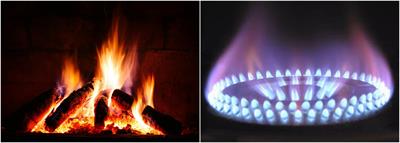
Combustion is a chemical reaction between a fuel and oxygen that releases energy in the form of heat and often light.
\( \mathrm{Fuel + O_2 \rightarrow CO_2 + H_2O + energy} \)
Classification of Fuels
Fuels can be classified based on their physical state and source.
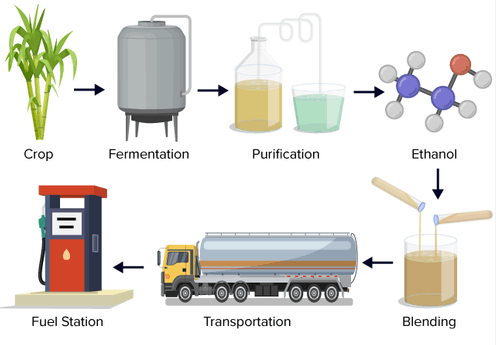
1. Solid Fuels
| 2. Liquid Fuels
| 3. Gaseous Fuels
|
Renewable and Non-Renewable Fuels
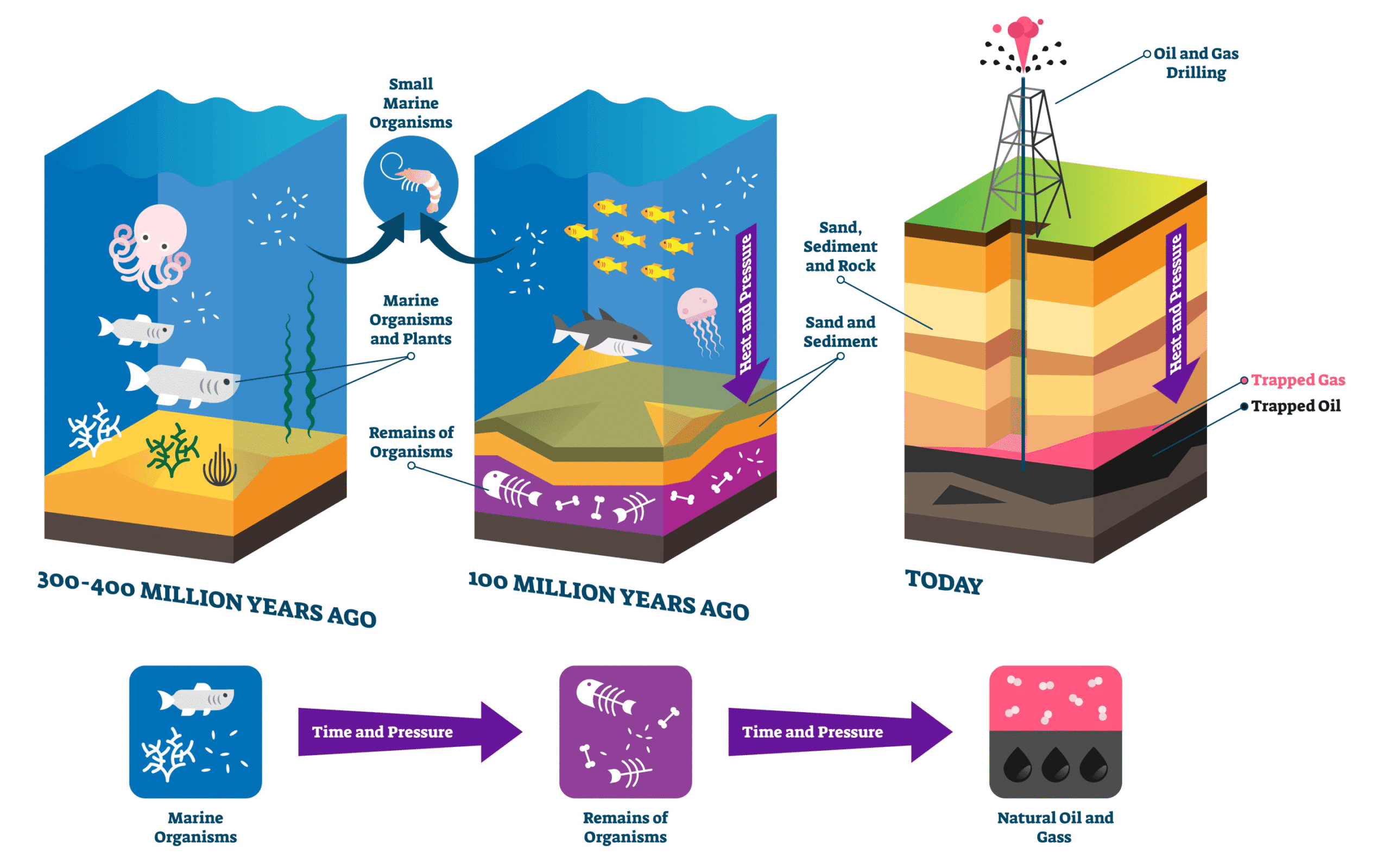
Non-renewable fuels
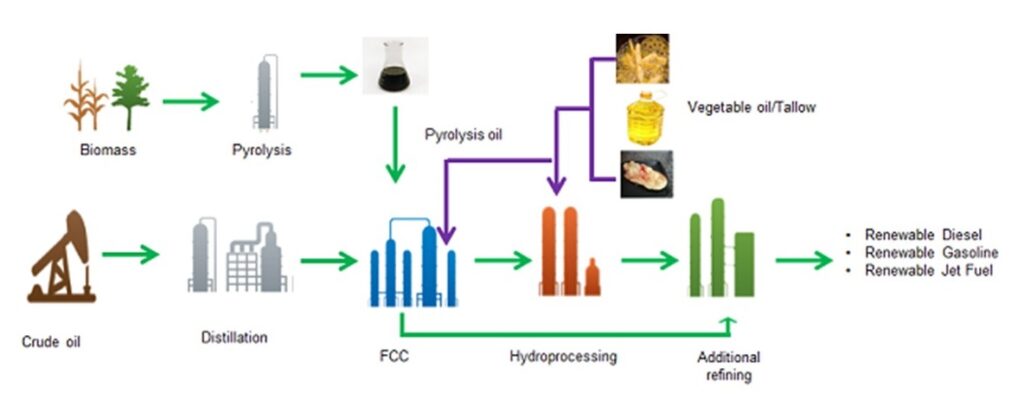
| Renewable fuels
|
Characteristics of a Good Fuel
- High energy output (high calorific value)
- Easy to store and transport
- Burns cleanly with minimal pollution
- Safe and economical
Environmental Impact
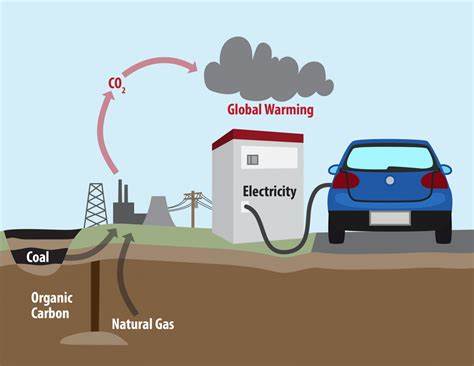
- Burning fossil fuels produces \( \mathrm{CO_2} \), contributing to climate change
- Incomplete combustion produces carbon monoxide (CO), a toxic gas
- Air pollution from smoke and particulates
Complete vs Incomplete Combustion
Complete combustion (excess oxygen):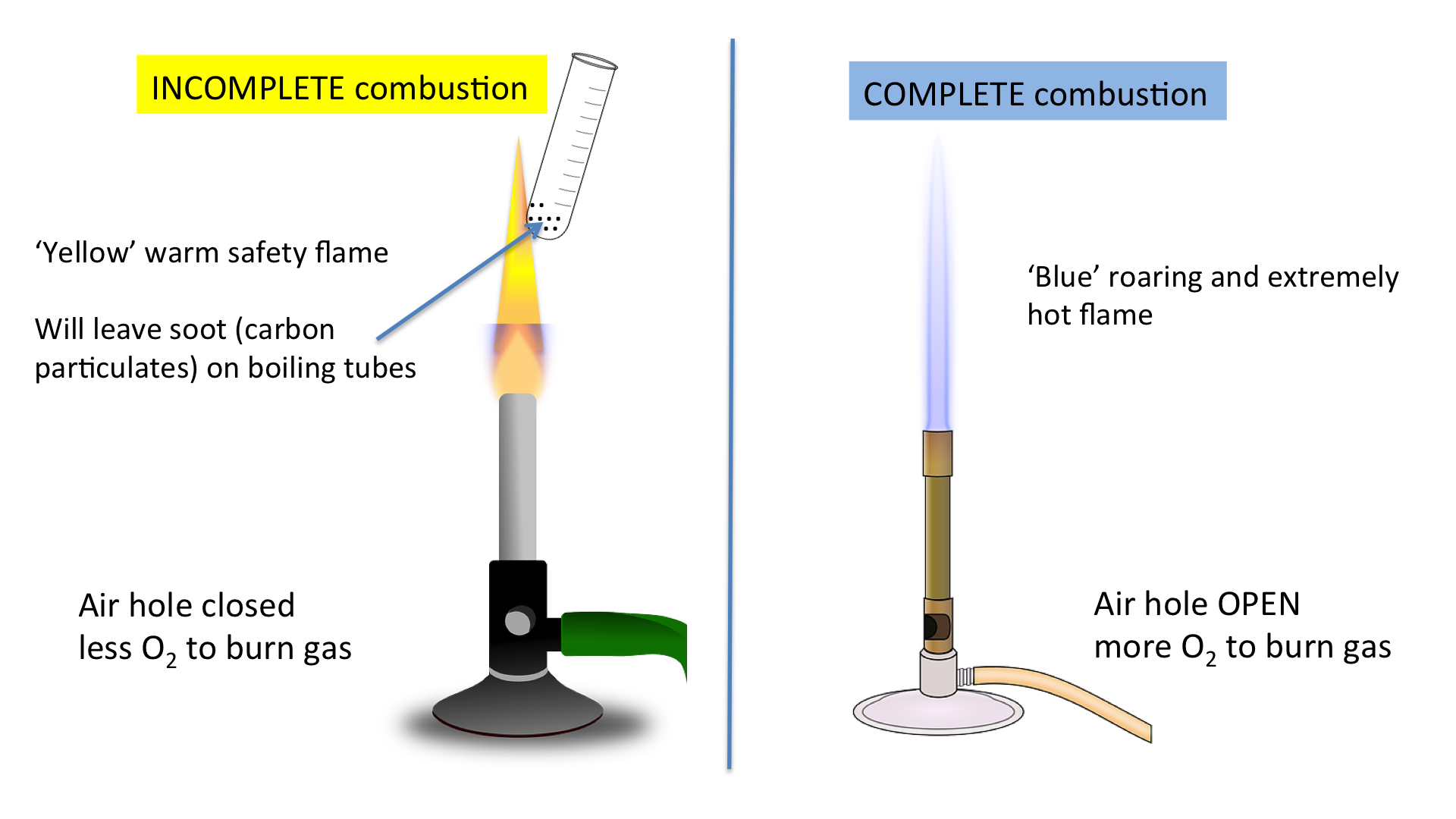
\( \mathrm{CH_4 + 2O_2 \rightarrow CO_2 + 2H_2O} \)
Incomplete combustion (limited oxygen):
\( \mathrm{CH_4 + O_2 \rightarrow CO + H_2O} \)
Real-World Applications
- Fuels power vehicles and industries
- Used for cooking and heating
- Electricity generation in power plants
Example 1:
Why are gaseous fuels considered more efficient than solid fuels?
▶️ Answer/Explanation
They burn more completely
Produce less smoke and residue
Conclusion: Cleaner and more efficient combustion.
Example 2:
Explain the difference between renewable and non-renewable fuels.
▶️ Answer/Explanation
Renewable fuels can be replenished quickly
Non-renewable fuels take millions of years to form
Conclusion: Renewable fuels are more sustainable.
Example 3 :
Explain why incomplete combustion is dangerous and how it can be prevented.
▶️ Answer/Explanation
Step 1: Problem
Produces carbon monoxide (CO)
Step 2: Danger
CO is toxic and prevents oxygen transport in blood
Step 3: Prevention
Ensure sufficient oxygen supply
Use proper ventilation
Conclusion: Complete combustion is safer and more efficient.