
CIE iGCSE Co-Ordinated Science B10. Diseases and immunity Exam Style Questions Paper 3
Question
Topic codes:
• Topic B2.1 — Cell structure (Part (a) & (b))
• Topic B10.1 — Diseases and immunity (Part (c), (d), (e) & (f))
▶️ Answer/Explanation
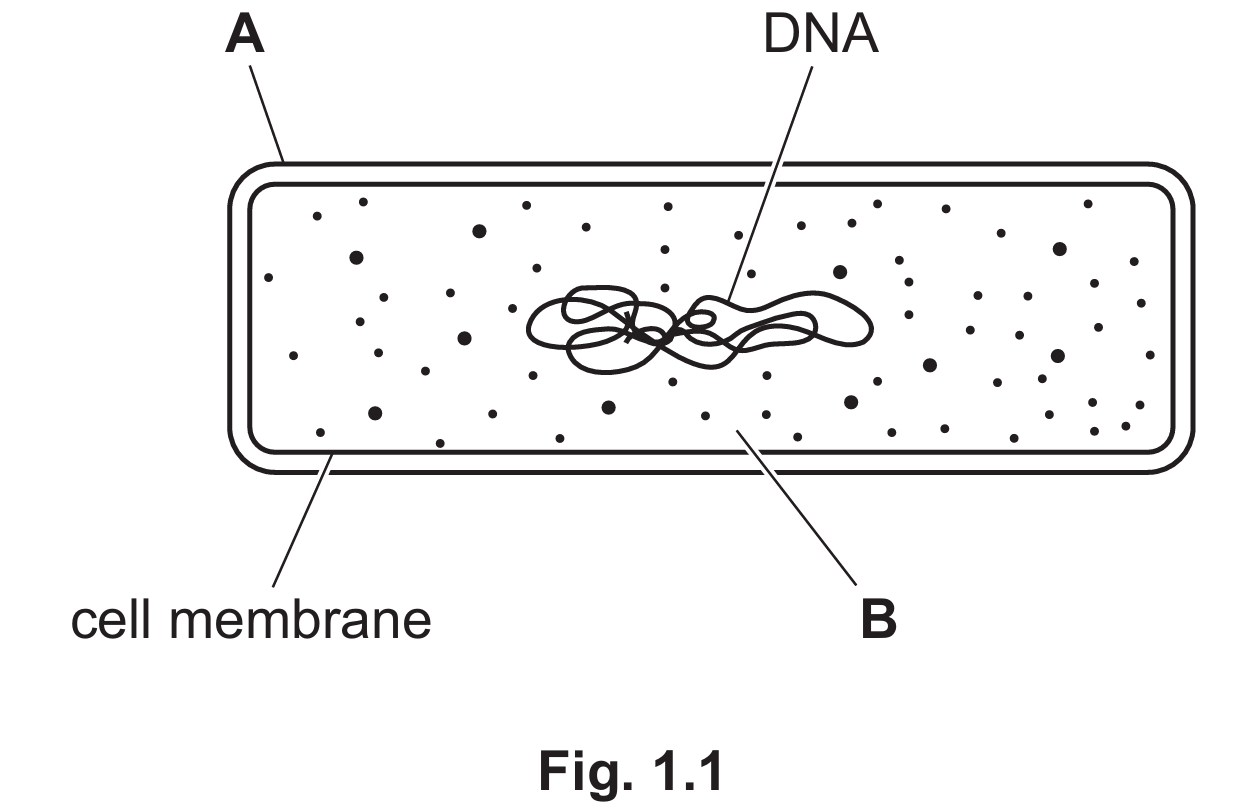
(a) Cell wall
The bacterial cell wall provides structural support and protection to the cell.
(b) The cell membrane controls what enters and leaves the cell.
The cell membrane is selectively permeable, allowing certain substances to pass through while blocking others.
(c) A pathogen is a disease-causing organism.
Pathogens include bacteria, viruses, fungi and protists that can cause infectious diseases.
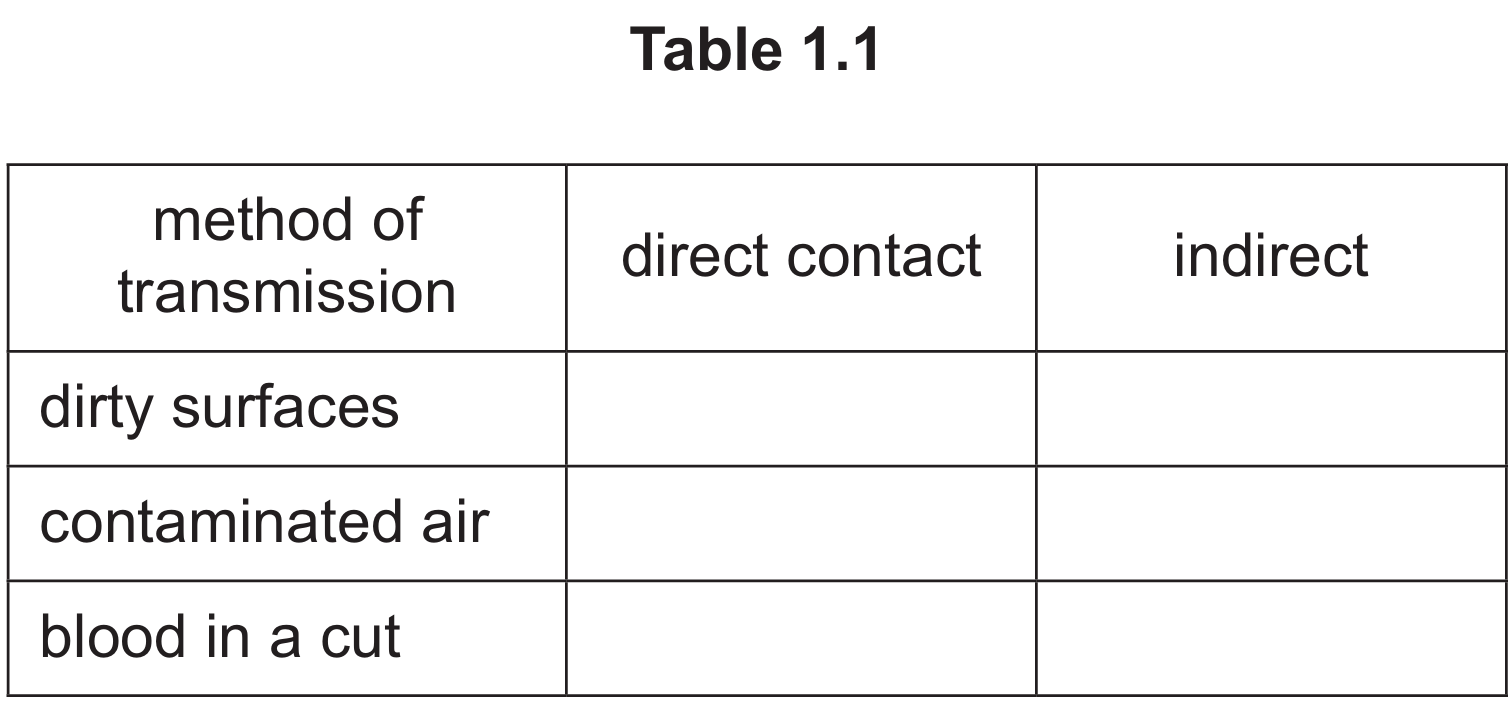
(d) Table 1.1 completed:
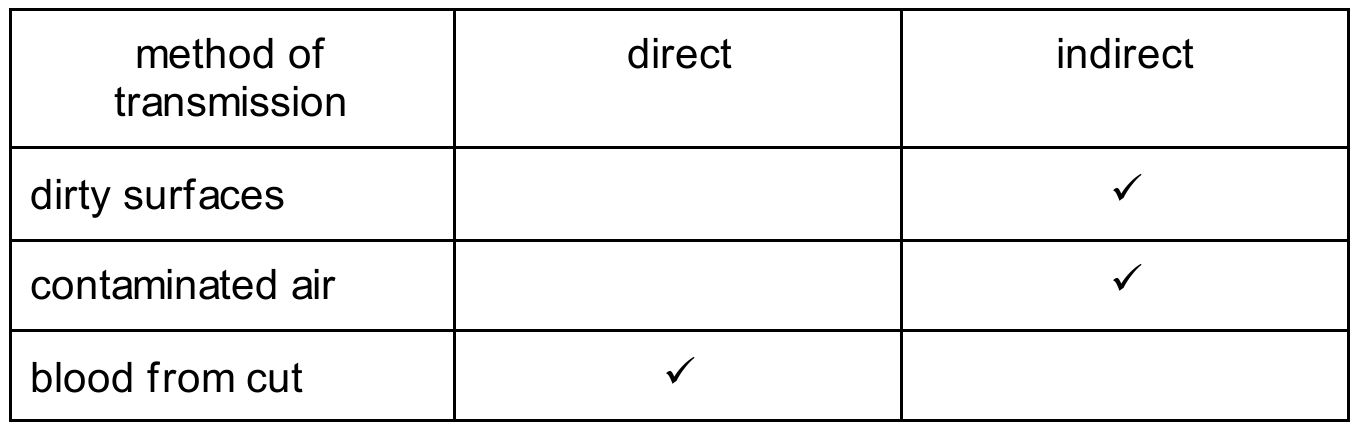
(e) Matching defences:
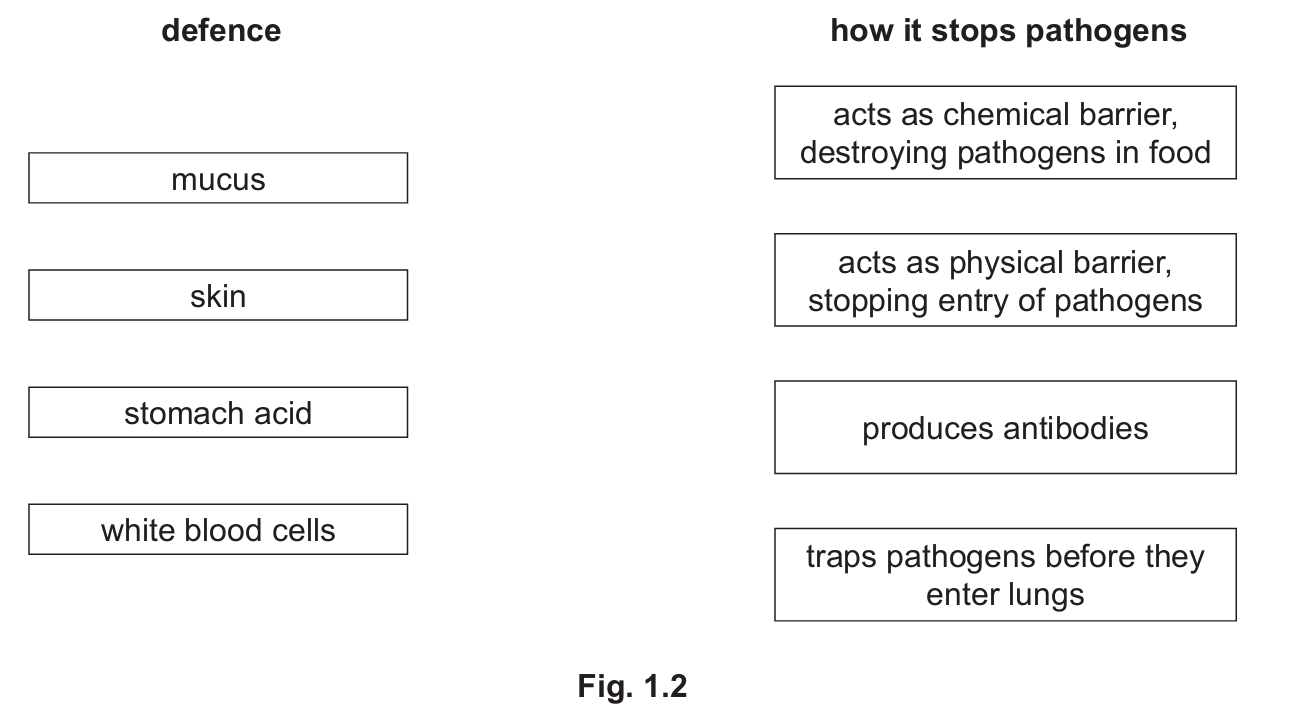
• Skin → acts as physical barrier, stopping entry of pathogens
• Mucus → traps pathogens before they enter lungs
• Stomach acid → destroys pathogens in food
• White blood cells → produces antibodies
(f) Antibiotics
Antibiotics are drugs used to treat bacterial infections by killing bacteria or preventing their reproduction.
Question
Most-appropriate topic codes:
• Topic B10.1 — Diseases and immunity (Part (a))
• Topic B9.3 — Blood vessels (Part (b)(i))
• Topic B2.2 — Size of specimens (Part (b)(ii))
• Topic B8.1 — Xylem and phloem (Part (c))
▶️ Answer/Explanation
(a)(i) The word that describes a disease-causing organism is a pathogen.
A pathogen is a biological agent that causes disease or illness in its host. Common examples include viruses, bacteria, fungi, and parasites.
(a)(ii) HIV may lead to AIDS (Acquired Immune Deficiency Syndrome).
HIV (Human Immunodeficiency Virus) attacks and weakens the immune system. If left untreated, it can progress to AIDS, which is a condition where the immune system is severely damaged, making the individual vulnerable to opportunistic infections.
(a)(iii) Two ways HIV is transmitted:
1. Unprotected sexual intercourse (with an infected person).
2. Sharing of needles (contaminated with infected blood).
HIV is present in certain body fluids like blood, semen, vaginal fluids, and breast milk. Transmission occurs when these fluids from an infected person enter the body of another. Common modes include sexual contact, sharing needles for drug use, blood transfusions with contaminated blood, and from mother to child during pregnancy or breastfeeding.
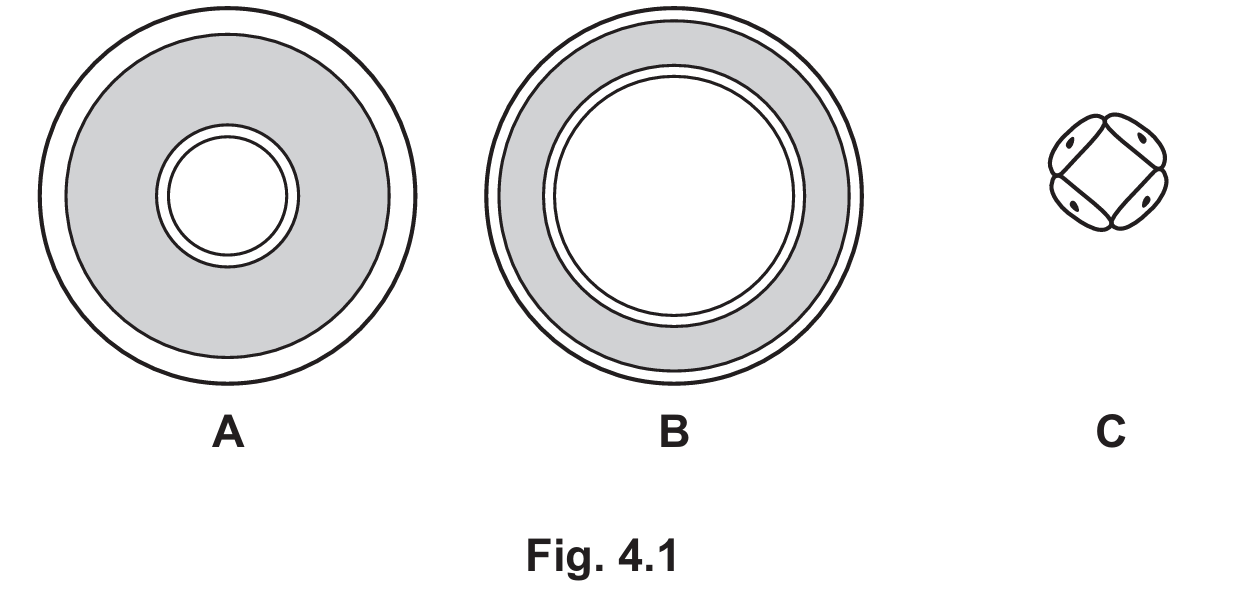
(b)(i) Blood vessel B. Evidence
1: Thin wall. Evidence
2: Large lumen.
Blood vessel B is a vein. Veins transport deoxygenated blood from the body back to the heart (with the exception of the pulmonary vein). They have thinner walls compared to arteries because blood is at lower pressure, and they have a larger lumen to facilitate blood flow. In contrast, vessel A is an artery (thick wall, small lumen) and C is a capillary (very thin wall, very small lumen).
(b)(ii) Magnification = image size / actual size = 10 / 0.008 = 1250
The formula for magnification is: \( \text{Magnification} = \frac{\text{Image Size}}{\text{Actual Size}} \).
The image size is 10 mm, and the actual size is 0.008 mm.
Therefore, \( \text{Magnification} = \frac{10}{0.008} = 1250 \).
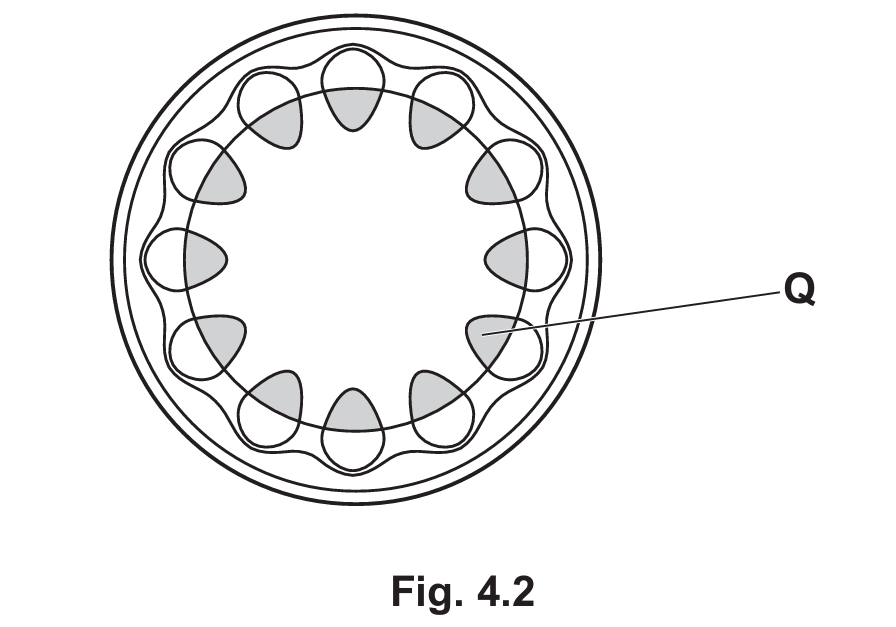
(c) Two functions of part Q (xylem):
1. Transport of water (from roots to leaves).
2. Transport of mineral ions (from roots to leaves).
Part Q is the xylem tissue. Xylem is a vascular tissue in plants. Its main functions are to transport water and dissolved mineral ions from the roots to the rest of the plant. It also provides mechanical support to the plant stem.