
CIE iGCSE Co-Ordinated Science B17.2 Selection Exam Style Questions Paper 3
Question
Most-appropriate topic codes (Cambridge IGCSE Coordinated Sciences 0654):
• Topic B17.2 — Selection (Part (a))
• Topic B19.1 — Habitat destruction (Part (b)(i), (b)(ii))
• Topic B19.2 — Conservation (Part (b)(iii))
▶️ Answer/Explanation
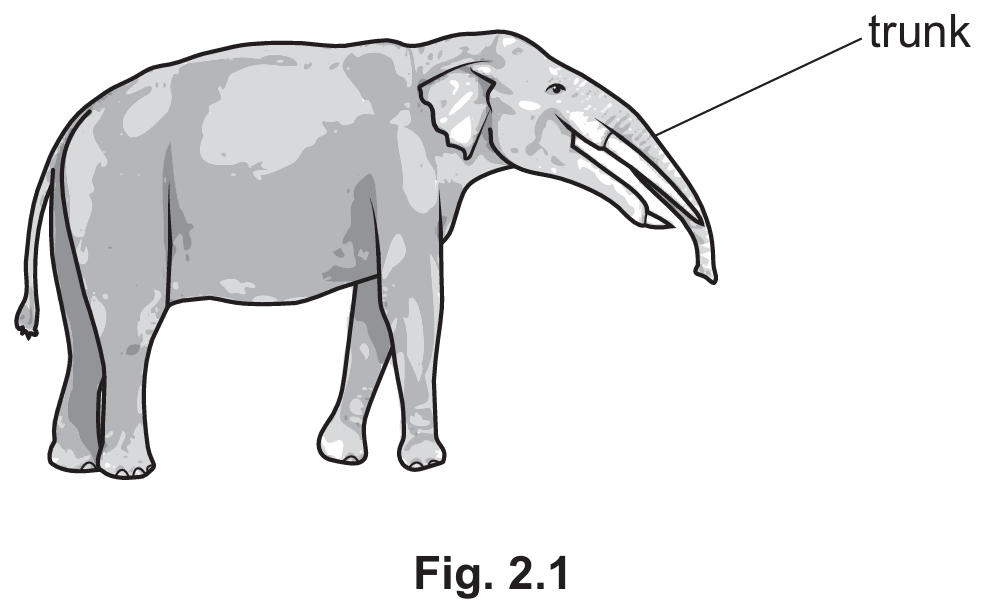
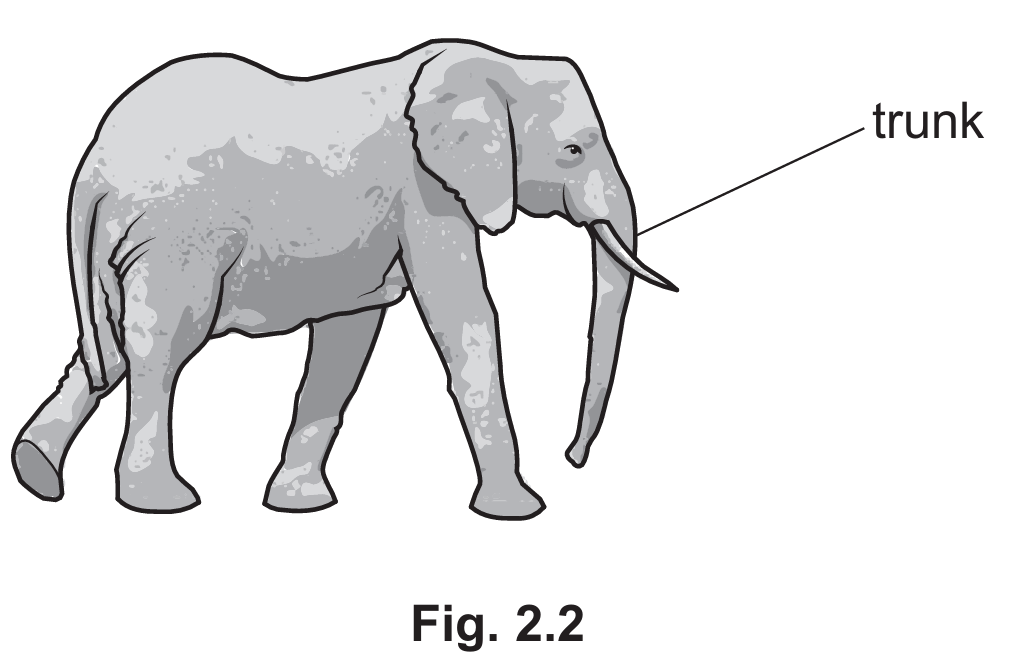
(a) competition; survived; alleles
In natural selection, individuals within a population show variation. They compete for limited resources such as food. Those with advantageous characteristics (like longer trunks) are more likely to survive and reproduce. They pass on their advantageous alleles to their offspring, increasing the frequency of those alleles in the next generation.
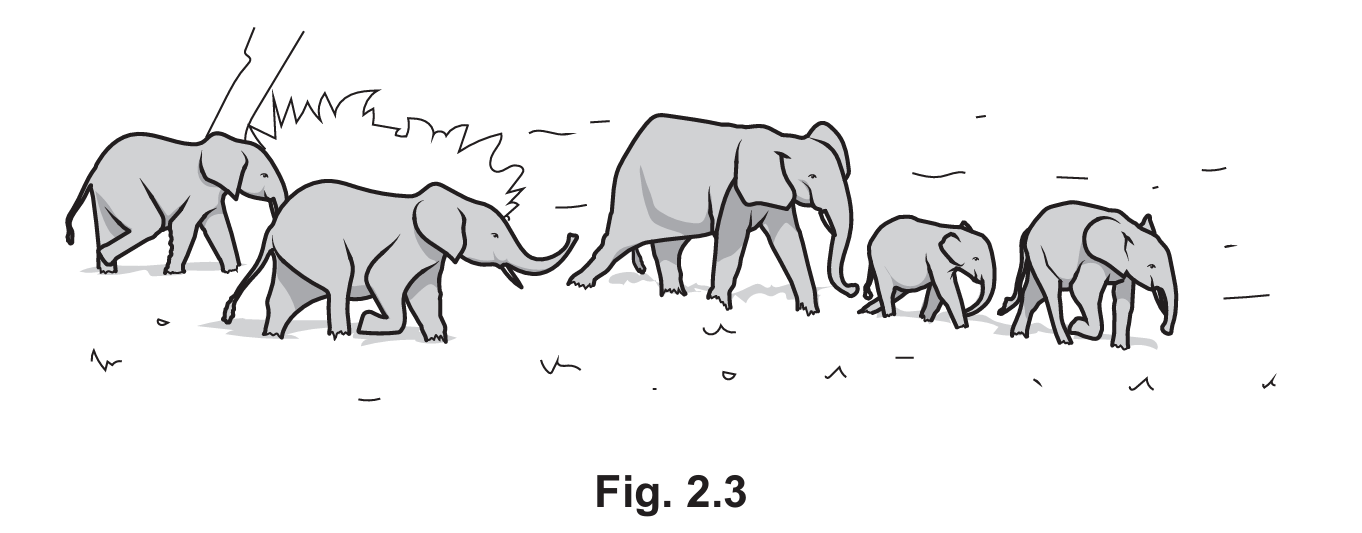
(b)(i) Any one from: increased area for housing; crop plant production; livestock production; extraction of natural resources; freshwater and marine pollution
Habitat destruction occurs when natural environments are converted for human use. This includes building houses, farming, mining, and pollution of water sources.
(b)(ii) Any two from: reducing biodiversity; extinction; loss of soil; flooding; increase of carbon dioxide in the atmosphere
Deforestation removes trees that provide habitats, hold soil together with their roots, and absorb carbon dioxide. This leads to loss of species, soil erosion, increased flood risk, and greater greenhouse gas levels.
(b)(iii) Any two from: monitoring and protecting species; education; captive breeding programmes; seed banks
Conservation strategies include protecting remaining populations, educating local communities, breeding endangered species in captivity, and preserving genetic material in seed banks for future reintroduction.
Question
Most-appropriate topic codes:
• Topic B16.1 — Chromosomes and genes (Part (a)(i))
• Topic B16.3 — Monohybrid inheritance (Part (a)(ii))
• Topic B17.2 — Selection (Part (b))
▶️ Answer/Explanation
(a)(i) A gene is a length of DNA that codes for a protein. Proteins are made in the cell by structures called ribosomes. Genes are found on chromosomes in the cell’s nucleus.
A gene is a sequence of DNA that contains the genetic code to build a specific protein. This process occurs at the ribosomes, which are the protein-synthesizing organelles. Chromosomes are thread-like structures made of DNA and protein that house the genes and are located in the nucleus.
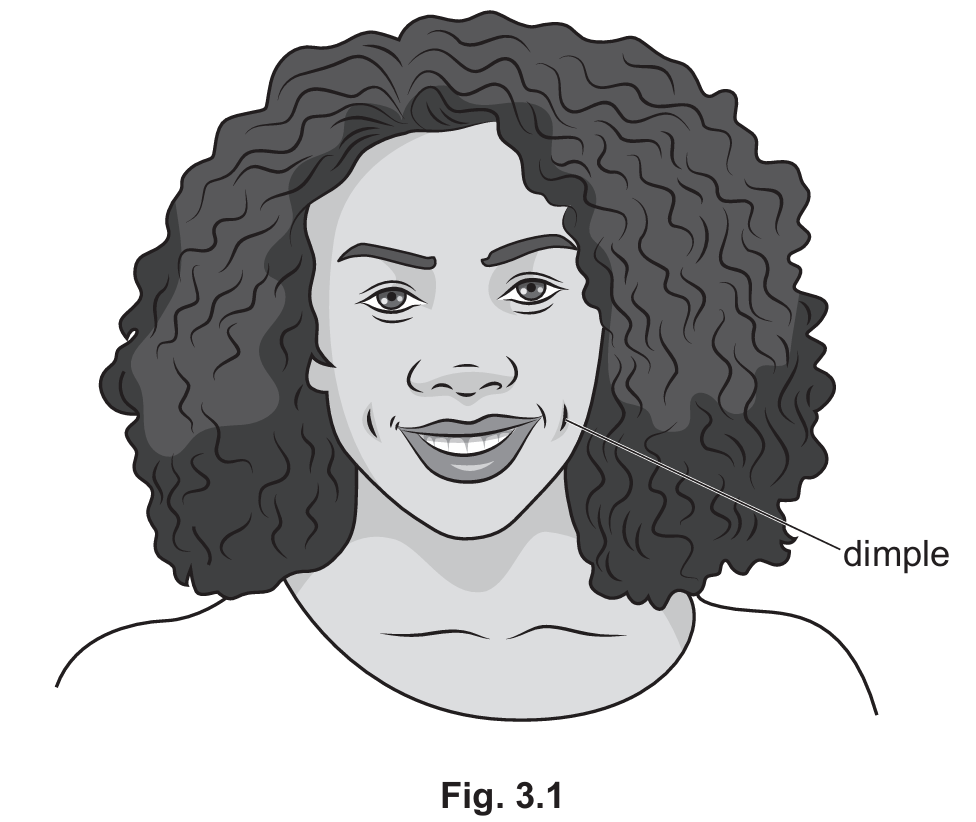
(a)(ii) Probability of the second child having dimples = 75% (or 3 in 4).
To determine the genotype of the parents: Both parents have dimples, meaning they must each have at least one dominant D allele. Since they have a child without dimples, who must have the genotype dd (recessive), both parents must be heterozygous (Dd).
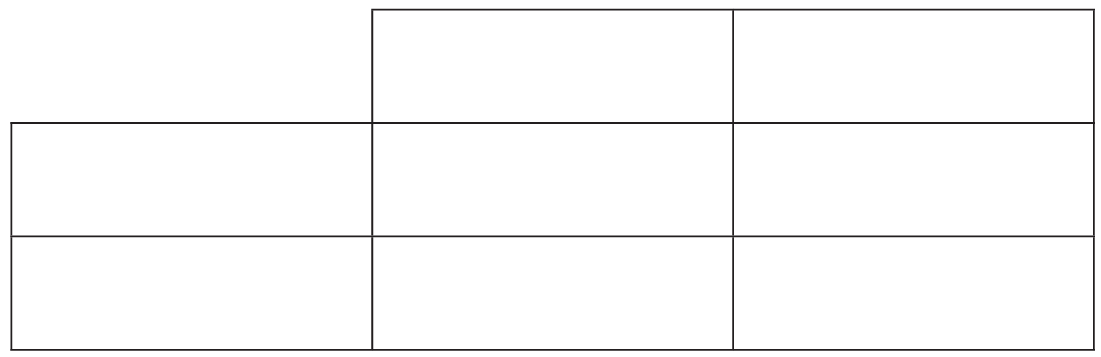
The Punnett square is completed as follows:

From this cross, the possible genotypes are: DD, Dd, Dd, and dd. The phenotypes for DD and Dd would be having dimples, while dd would be without dimples. Therefore, 3 out of 4 offspring are predicted to have dimples, giving a probability of 75%.
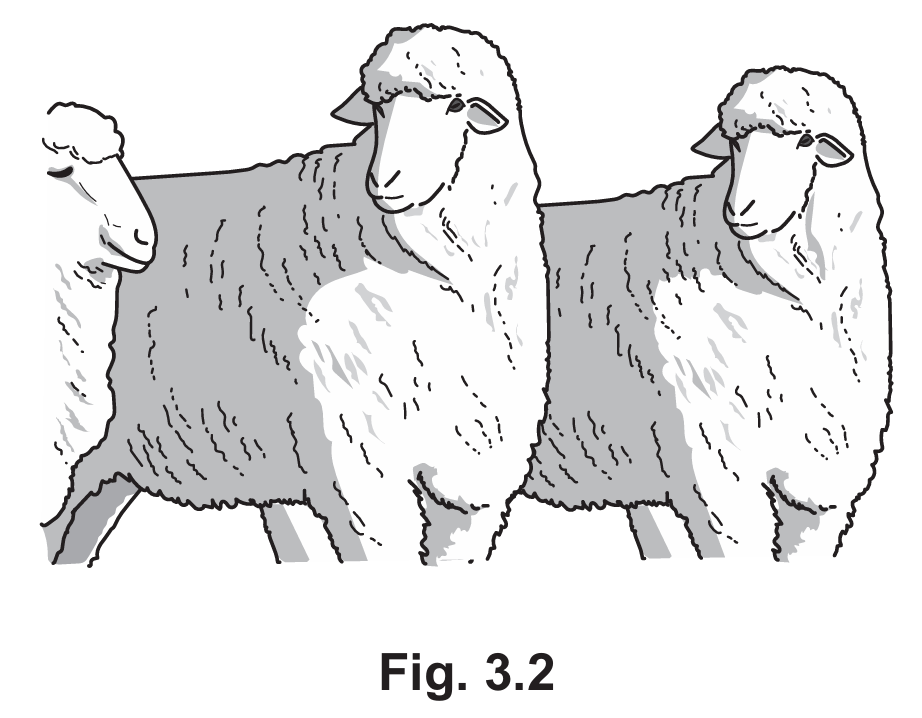
(b) Select sheep with the desired trait (thick wool) and breed them together. From the offspring, select those with the thickest wool and repeat this process over many generations.
Selective breeding is a process used by humans to develop organisms with desirable characteristics. The steps are:
1. Choose parents that show the desired characteristic (thick wool).
2. Breed these selected individuals together.
3. From the offspring, select the ones that show the desired characteristic to the greatest degree.
4. Repeat this selection and breeding process over several generations to concentrate the desirable genes and produce a breed like the Columbia sheep.