
Biodiversity
📌 Introduction
The Earth is home to a huge variety of living organisms ranging from microscopic bacteria to large plants and animals.
This variety of life forms present on Earth or in a particular geographical area is known as biodiversity.
Biodiversity makes the living world rich, stable, and sustainable.
🧬 Meaning of Biodiversity
Biodiversity refers to the variety and variability of living organisms found in a specific area or on the entire planet.
It includes:
- Plants
- Animals
- Microorganisms
It represents the biological richness of a region.
The greater the number of different organisms, the higher is the biodiversity.
🔢 Extent of Biodiversity
- About 1.7 to 1.8 million species have been identified and named so far.
This includes:
- Plants
- Animals
- Fungi
- Microbes
A large number of species still remain undiscovered, especially in forests and oceans.
🌿 Levels of Biodiversity
1. Genetic Diversity
- It refers to variations in genes within the same species.
Genetic diversity allows organisms to:
- Adapt to environmental changes
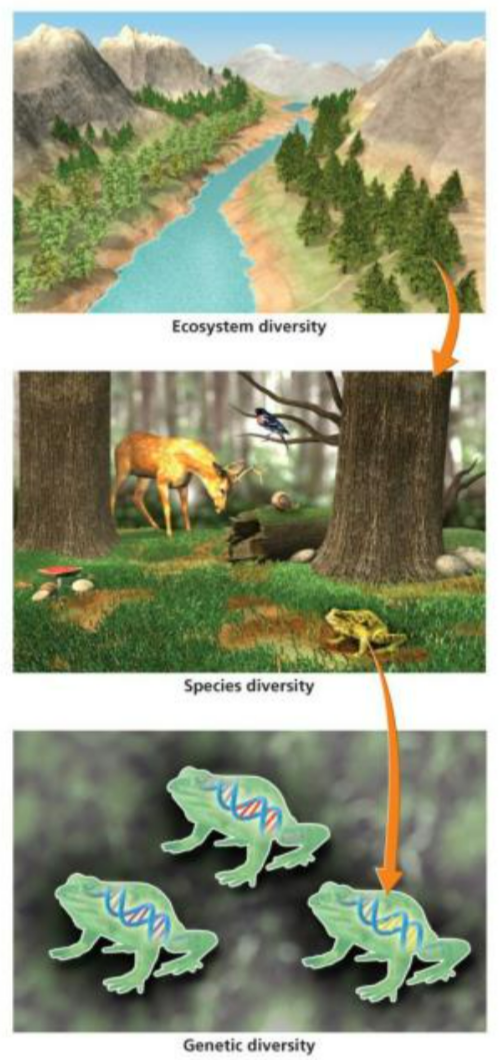
- Survive adverse conditions
Example:
- Different varieties of wheat, rice, and mango
2. Species Diversity
- It refers to the variety of species present in a particular region.
- Areas like tropical forests show high species diversity.
Example:
- Large number of plant and animal species in rainforests
3. Ecosystem Diversity
- It refers to the variety of ecosystems present in nature.
- Different ecosystems support different life forms.
Examples:
- Forests
- Grasslands
- Deserts
- Oceans
🌱 Importance of Biodiversity
- Maintains ecological balance
Provides:
- Food
- Medicines
- Raw materials
Supports:
- Pollination
- Nutrient cycling
- Soil fertility
Plays an important role in evolution and survival of organisms.
⚠️ Threats to Biodiversity
- Habitat destruction
- Pollution
- Overexploitation of natural resources
- Climate change
- Introduction of invasive species
📊 Summary Table
| Level | Meaning | Example |
|---|---|---|
| Genetic | Variation within species | Crop varieties |
| Species | Variety of species | Forest organisms |
| Ecosystem | Variety of ecosystems | Forests, oceans |
📦 Quick Recap
Biodiversity means variety of life.
About 1.7–1.8 million species identified.
Exists at genetic, species, and ecosystem levels.
Essential for ecological stability and human survival.
Conservation of biodiversity is very important.
Taxonomy & Systematics
📌 Introduction
The living world shows enormous diversity with millions of different organisms.
To study, identify, name, and understand the relationships among these organisms in a scientific manner, biology uses taxonomy and systematics.
These branches help in organizing biological knowledge in a logical and universal form.
🌱 Taxonomy
Definition of Taxonomy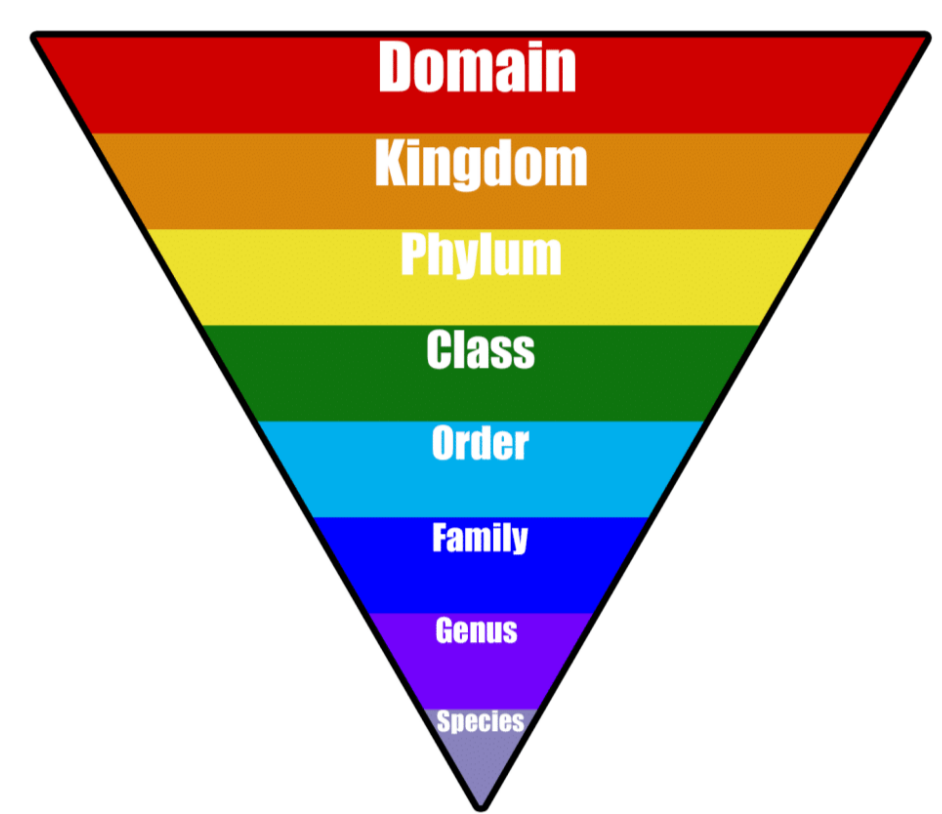
Taxonomy is the branch of biology that deals with the identification, nomenclature, and classification of organisms.
It helps scientists:
- Recognize organisms
- Assign correct scientific names
- Place organisms into appropriate groups
🧪 Components of Taxonomy
1. Identification
Identification is the process of finding the correct organism and assigning it to a previously known taxon.
It is based on:
- Morphological features
- Anatomical characters
Taxonomic keys are commonly used for identification.
2. Nomenclature
Nomenclature is the system of giving scientific names to organisms.
Each organism is given one universally accepted name.
Need for Nomenclature
- Common names differ from place to place.
- To avoid confusion, scientists use scientific names.
Rules of Nomenclature
Governed by:
- ICBN for plants
- ICZN for animals
Scientific names:
- Are in Latin
- Written in italics (or underlined when handwritten)
- First word is Genus (capital letter)
- Second word is species (small letter)
Example: Mangifera indica
Author’s name may be written after species name.
3. Classification
Classification is the process of grouping organisms based on similarities and differences.
Organisms sharing common characters are placed in the same group.
Taxa
Taxa are the units or groups used in classification.
Each category such as species, genus, family, etc., represents a taxon.
🌍 Systematics
Definition of Systematics
Systematics is the study of:
- Diversity of organisms
- Their evolutionary relationships
Systematics includes:
- Identification
- Nomenclature
- Classification
- Evolutionary history
Hence, systematics is broader than taxonomy.
🧠 Importance of Systematics
Helps understand:
- Origin of organisms
- Evolutionary trends
Provides information about:
- Phylogeny
- Genetic relationships
Organisms are arranged based on common ancestry.
🔗 Relationship Between Taxonomy and Systematics
Taxonomy is a part of systematics.
Systematics uses data from:
- Morphology
- Genetics
- Biochemistry
- Fossils
📊 Differences Between Taxonomy and Systematics
| Feature | Taxonomy | Systematics |
|---|---|---|
| Definition | Naming and classification | Study of diversity and evolution |
| Scope | Limited | Broad |
| Includes evolution | No | Yes |
| Focus | Similarities | Similarities + ancestry |
📌 Taxonomic Aids
Taxonomic aids are tools and techniques used to identify, classify, and preserve organisms. They are important in:
- Agriculture
- Forestry
- Industry
- Understanding biodiversity
These aids help store specimens and associated information, enabling scientists to study organisms efficiently.
🌿 Herbarium
- Collection of preserved plant material with scientific data

- Specimens include whole plants or plant parts, dried on paper or preserved otherwise
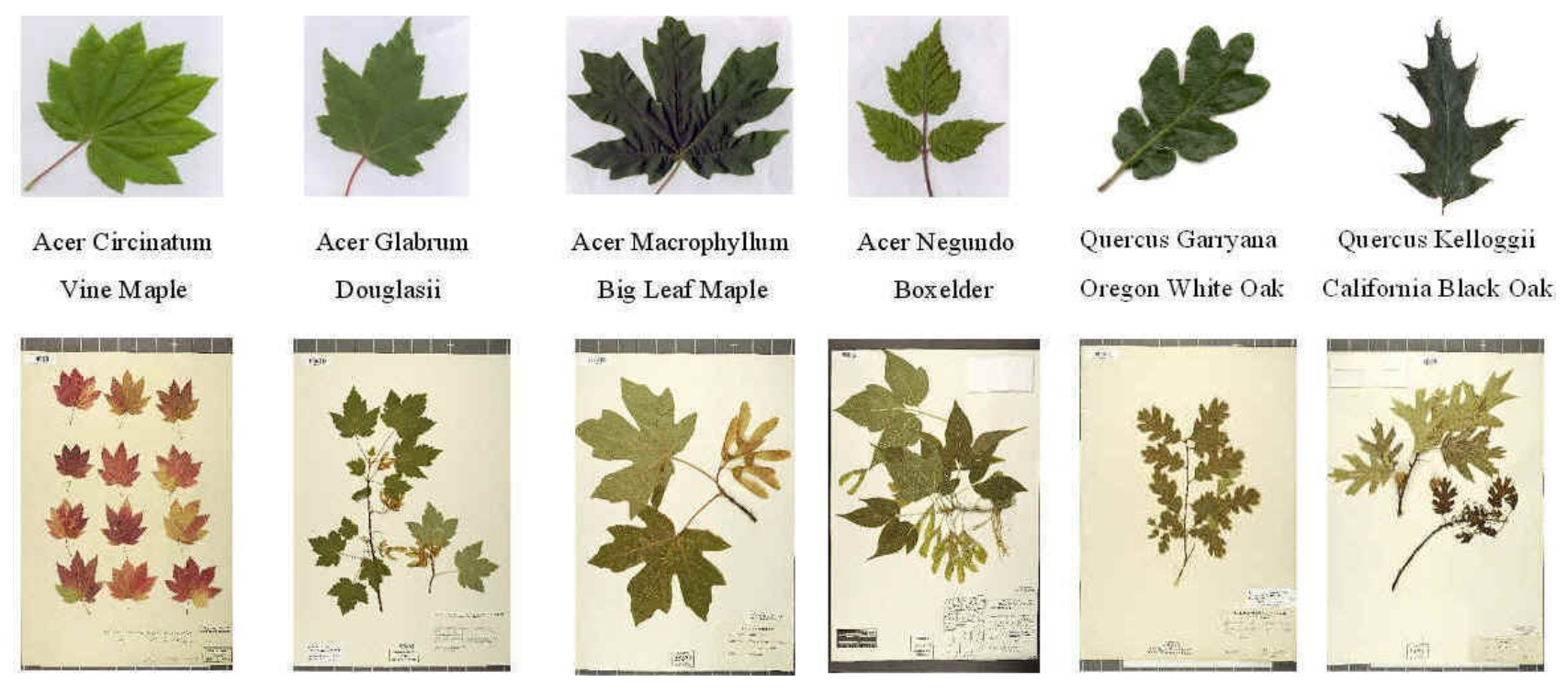
Special Collections:
- Fungarium → fungi
- Xylarium → wood
Uses of Herbarium:
- Studying plant taxonomy
- Identifying flora of an area
- Storing historical records of vegetation
- Studying environmental changes over time
- Source of plant DNA for molecular taxonomy
- Repository for viable seeds of rare species
🌿 Botanical Gardens
- Collection of living plants for reference and study
- Plants are labelled with botanical names
Special Collections:
- Cacti and succulents
- Alpine plants
- Exotic and tropical plants
Uses:
- Conserves species diversity
- Maintains genetic diversity in living collections
- Useful for research and development
- Seed banks safeguard rare species
🌿 Museum
- Institutions for educational purposes
- Specimens preserved in containers/jars (formalin) or dry form (skeletons, insects)
Uses:
- Helps in studying structural diversity
- Provides material for teaching and research
🌿 Zoological Parks (Zoos)
- Animals kept in enclosures for public display and recreation
- Natural conditions are provided for survival and breeding

Uses:
- Conserves animal species
- Educates public about biodiversity
- Helps in breeding programs for endangered species
🌿 Taxonomic Keys
- Tools for identifying plants and animals based on similarities and differences
- Separate keys exist for different taxonomic categories
- Helps in identifying unknown organisms efficiently
📦 Quick Recap
Taxonomy → identification, nomenclature, classification.
Systematics → taxonomy + evolutionary relationships.
Taxonomic aids → herbarium, botanical gardens, museums, zoological parks, taxonomic keys.
Aid in research, conservation, and understanding biodiversity.
Essential for applied sciences: agriculture, forestry, medicine, and industry.
Concept of Species & Taxonomical Hierarchy
🌱 Concept of Species
Definition of Species
A species is a group of similar individuals or populations that can interbreed naturally among themselves and produce fertile offspring.
Members of a species share:
- Fundamental similarities
- Common gene pool
Species is the smallest and most specific unit of classification.
Key Features of Species
- Individuals resemble each other in morphology, physiology, and genetics
- Members can interbreed under natural conditions
- Reproductive isolation exists between different species
📌 Special Points About Species
- Closely related species are grouped into a genus
- Minor variations may occur due to environment and adaptation
Example:
- Panthera leo (lion)
- Panthera tigris (tiger)
Both belong to the same genus Panthera but are different species.
🌍 Taxonomical Hierarchy
Meaning of Taxonomical Hierarchy
The taxonomical hierarchy is the stepwise arrangement of organisms into different taxonomic categories in ascending order, based on similarities and differences.
- Each level is called a taxonomic category
- All categories together form the taxonomical hierarchy
🧱 Taxonomic Categories (Ascending Order)
1. Species
- Basic unit of classification
- Consists of similar interbreeding individuals
2. Genus
- Group of closely related species
Example:
- Panthera leo and Panthera tigris → Genus Panthera
3. Family
- Group of related genera
- Similarities are fewer than in genus and species
Plant example:
- Solanum, Datura, Petunia → Family Solanaceae
4. Order
- Assemblage of related families
Example:
- Solanaceae and Convolvulaceae → Order Polemoniales
5. Class
- Group of related orders
Example:
- Primata and Carnivora → Class Mammalia
6. Phylum
- Group of related classes
- Organisms share basic structural features
Example:
- Fishes, amphibians, reptiles, birds, mammals → Phylum Chordata
Common features:
- Notochord
- Dorsal hollow nerve cord
7. Kingdom
- Group of related phyla
- Broad traditional category
Example:
- Animal Kingdom
- Plant Kingdom
8. Domain
- Highest taxonomic category
- Kingdoms are grouped into domains
📊 Summary Table: Taxonomical Hierarchy
| Rank | Basis of Grouping |
|---|---|
| Species | Interbreeding individuals |
| Genus | Similar species |
| Family | Related genera |
| Order | Related families |
| Class | Related orders |
| Phylum | Related classes |
| Kingdom | Related phyla |
| Domain | Related kingdoms |
📦 Quick Recap
Species is the basic unit of classification.
Members of a species interbreed and produce fertile offspring.
Taxonomical hierarchy arranges organisms from species to domain.
Similarity decreases as we move up the hierarchy.
Higher categories include organisms with fewer common characters.
Binomial Nomenclature
📌 Introduction
Different organisms have different common names in various regions and languages, causing confusion in scientific communication.
Binomial nomenclature provides a standardized scientific system to name organisms using two words.
What is Binomial Nomenclature?
- Two-word naming system: Genus + Species
- Each organism has one unique scientific name accepted worldwide
Origin
Proposed by Carolus Linnaeus, the father of taxonomy, providing a universal naming system.
🧪 Components of Binomial Name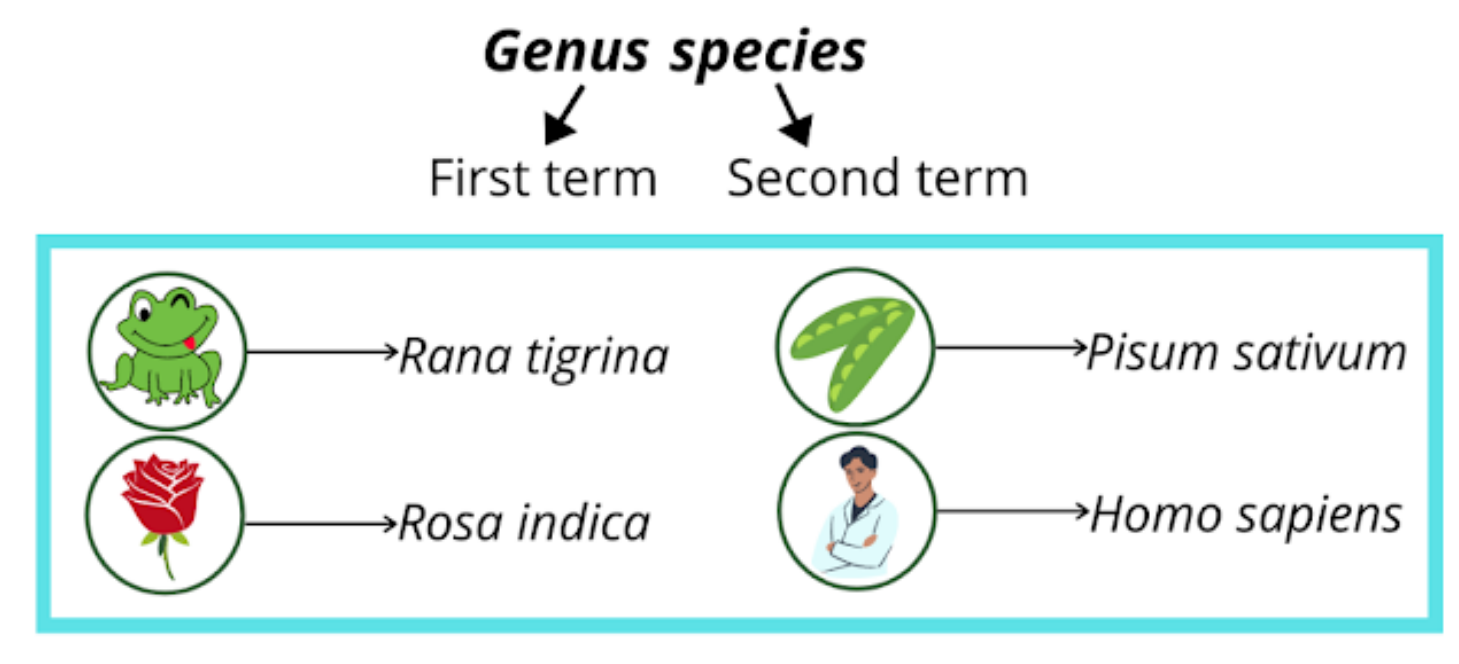
- Genus Name: Indicates group of related species; written first; capitalized.
- Species Name: Indicates specific organism; written after genus; lowercase.
Example
- Mango → Mangifera indica
- Mangifera → Genus
- indica → Species
📜 Rules of Binomial Nomenclature
- Written in Latin or Latinized words
- Printed in italics
- If handwritten, underline Genus and Species separately
- Genus starts with capital; species starts with small letter
- Author’s name may follow species name
🌍 Codes of Nomenclature
- ICBN: International Code for Botanical Nomenclature (plants)
- ICZN: International Code for Zoological Nomenclature (animals)
🌱 Importance
- Avoids confusion caused by common names
- Ensures universal acceptance and scientific accuracy
- Facilitates identification, classification, and global communication
📊 Summary Table
| Feature | Description |
|---|---|
| Number of words | Two |
| First word | Genus |
| Second word | Species |
| Language | Latin |
| Proposed by | Carolus Linnaeus |
📦 Quick Recap
Binomial nomenclature uses two-word scientific names.
Proposed by Carolus Linnaeus.
Follows international rules for uniformity.
Genus starts with capital letter, species with small letter.
Ensures one organism has one universal name.