
Biodiversity and Its Conservation
🌱 Introduction
Biodiversity = the variety of life forms on Earth, including plants, animals, fungi, and microorganisms, and the ecosystems they form.
It reflects the interconnectedness of species and genetic variations that allow ecosystems to function and evolve.
Conservation of biodiversity is essential for ecological balance, human survival, and sustainable development.
🧬 Concept of Biodiversity
Definition:
UNESCO (1992): “Biodiversity or biological diversity is the variability among living organisms from all sources including terrestrial, marine, and other aquatic ecosystems and the ecological complexes of which they are part.”
Includes:
- Genetic diversity → variation within a species
- Species diversity → variety of species in an ecosystem
- Ecosystem diversity → variety of habitats and ecological processes
🌿Levels of Biodiversity:
1. Genetic Diversity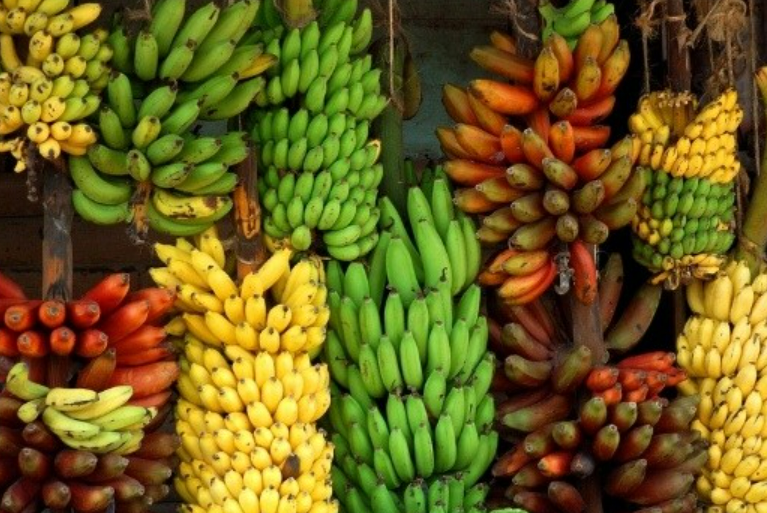
Definition: Variation in genes within a species, including differences in DNA sequences, alleles, and traits among individuals.
Importance:
- Adaptation → Enables populations to survive changing environments (e.g., drought, disease).
- Evolution → Drives natural selection and evolution of species.
- Crop & Livestock improvement → Different strains or breeds can be used for higher yield, disease resistance, and climate tolerance.
Examples: Rice varieties: Basmati, IR8, Sona Masuri; Human blood groups: A, B, AB, O; Dogs: German Shepherd, Labrador, Pomeranian.
Threats: Monoculture, habitat fragmentation, overexploitation.
2. Species Diversity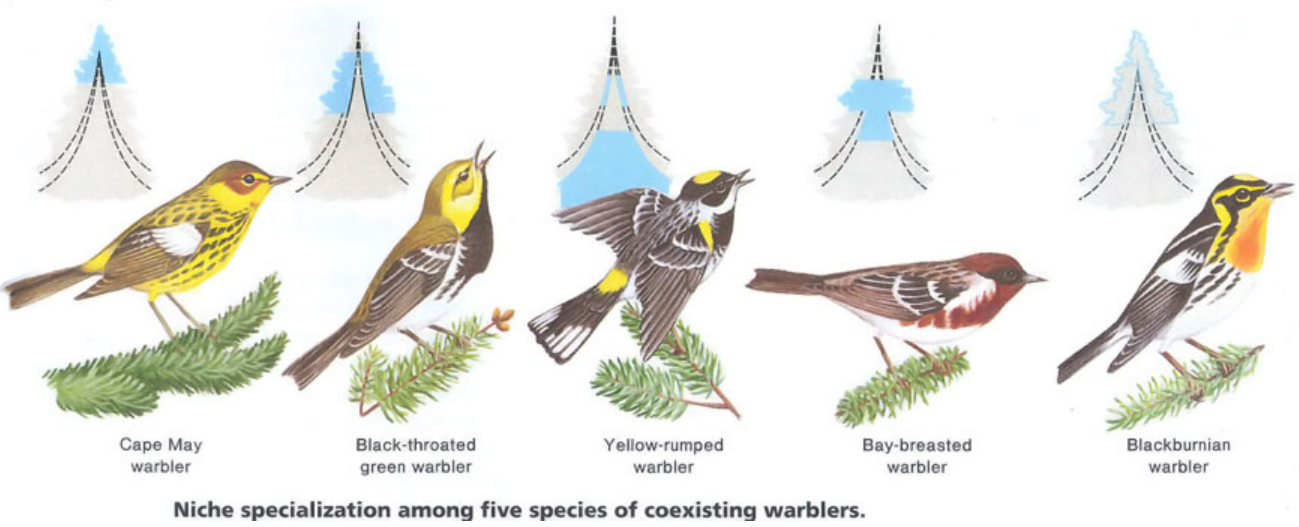
Definition: Variety of species in a given region; measured as species richness and species evenness.
Importance:
- Ecosystem stability → More species = more resilient ecosystems.
- Food & Medicine → Many species provide food, timber, drugs.
- Ecological services → Pollination, seed dispersal, pest control.
Examples: Tropical rainforest: Tigers, Elephants, Monkeys, Orchids; Coral reef: Clownfish, Coral polyps, Sea anemones, Sponges; Agriculture: Wheat, Maize, Barley, Millets.
Threats: Habitat destruction, overhunting, pollution, invasive species.
3. Ecosystem Diversity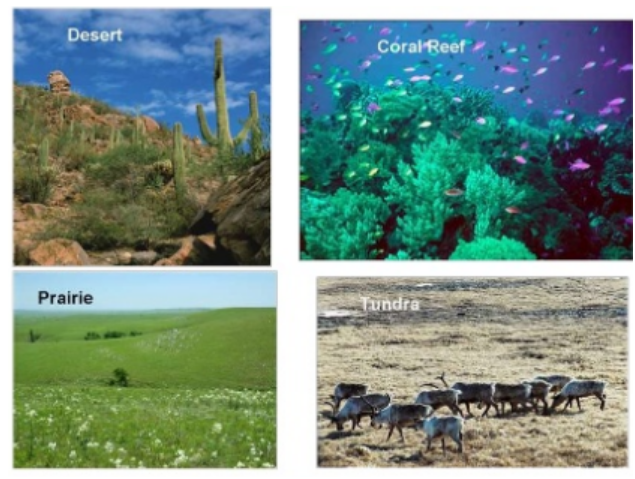
Definition: Variety of ecosystems or habitats in a region, including forests, wetlands, deserts, coral reefs, grasslands, freshwater systems.
Importance:
- Supports species diversity → Different ecosystems provide niches for species.
- Resource provision → Unique resources per ecosystem (mangroves → fish nursery, wetlands → water purification).
- Climate regulation & ecological balance → Forests store carbon, wetlands reduce floods.
Examples: Tropical rainforest → high rainfall, diverse flora and fauna; Deserts → xerophytes, desert mammals and reptiles; Coral reefs → high productivity, marine life; Wetlands → birds, amphibians, aquatic plants.
Threats: Deforestation, wetland drainage, pollution, climate change.
| Level | Definition | Example |
|---|---|---|
| Genetic diversity | Variations in genes within a population or species | Different breeds of rice, skin color in humans |
| Species diversity | Number and abundance of species in a region | Tigers, lions, elephants in a forest |
| Ecosystem diversity | Variety of habitats/ecosystems in a region | Forests, deserts, wetlands, coral reefs |
🌿 Importance of Biodiversity
- Ecological Importance: Maintains food chains and ecological balance; provides pollination, seed dispersal, pest control, nutrient cycling.
- Economic Importance: Source of food, timber, fibers, medicines, biofuels; supports agriculture, fisheries, pharmaceuticals.
- Social, Cultural, Aesthetic Importance: Spiritual/cultural ties; enhances recreation, tourism, mental well-being.
- Scientific & Educational Importance: Research, discovery of new genes/molecules; supports biotechnology, agriculture, medicine.
🔹 Threats to Biodiversity
- Habitat loss – Deforestation, urbanization, wetlands drainage
- Overexploitation – Hunting, overfishing, poaching
- Pollution – Air, water, soil contamination harming organisms
- Invasive alien species – Outcompete native species
- Climate change – Temperature rise, sea-level rise, changing rainfall patterns
📝 Quick Recap
– Biodiversity = variety of life at genetic, species, and ecosystem levels.
– Essential for ecological balance, economy, culture, and research.
– Major threats: Habitat loss, overexploitation, pollution, invasive species, climate change.
– Mnemonic: “GSE matters – Genes, Species, Ecosystem all matter”
Patterns of Biodiversity
🌿 Latitudinal Gradient
Definition: Biodiversity varies with latitude (distance from equator).
Pattern: Highest at equator → decreases toward poles.
Reasons:
- Climate stability → tropics have stable temperature & rainfall.
- High primary productivity → more sunlight & warmth → more plant & animal growth.
- Long evolutionary history → tropics less affected by ice ages → more speciation.
Example: Amazon/Congo rainforest → high diversity; Arctic tundra → low diversity.
Tip: “Equator is biodiversity hotspot”
🌿 Altitudinal Gradient
Definition: Biodiversity changes with altitude.
Pattern: Low altitudes → high diversity; Mid → moderate; High → low.
Reasons:
- Temperature drops → fewer species survive.
- Low oxygen & harsh conditions → limits survival.
- Limited primary productivity → fewer resources for higher trophic levels.
Example: Himalayas – Tropical forests (500–1000 m) → high diversity; Coniferous forests (2000–3000 m) → moderate; Alpine zone (>4000 m) → low.
🌿 Biodiversity Hotspots
Definition: Regions with high species richness, endemism, and significant habitat loss threat.
Criteria: ≥1500 endemic vascular plants, <30% original habitat remains.
India’s Hotspots: Himalaya, Indo-Burma, Sundalands (Nicobar), Western Ghats, Indo-Malayan Islands.
Importance: Endemism & conservation priority.
Tip: “Hotspot = high endemism + high threat”
🌿 Species-Area Relationship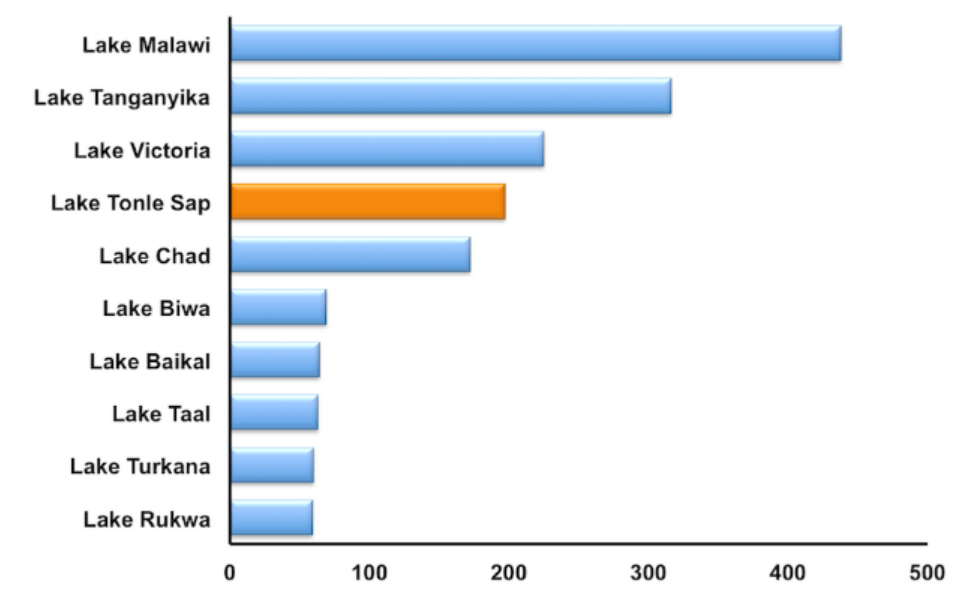
Definition: Larger area → more species supported.
Pattern (MacArthur & Wilson): S = cAz
- S = Number of species
- A = Area
- c, z = constants
Reason: Larger areas → more niches & resources.
Example: Amazon rainforest vs small islands.
🌿 Island Biogeography
Definition: Species diversity on islands depends on size & distance from mainland.
Pattern: Large & near → more species; Small & isolated → fewer species, high endemism.
Reason: Larger islands → more niches; Closer islands → higher immigration.
Example: Andaman & Nicobar → high endemism; Galapagos → Darwin’s finches.
🌿 Environmental Gradients
Definition: Biodiversity varies with environment (temperature, rainfall, soil, light).
Pattern: Favorable → high diversity; Harsh → low diversity.
Examples: Rainforests → high; Deserts → low; Grasslands → moderate.
Tip: “Favorable environment → high diversity”
🔹 Quick Recap Table
| Pattern | Definition | Trend / Pattern | Example | Reason |
|---|---|---|---|---|
| Latitudinal Gradient | Variation with latitude | Max at equator, min at poles | Amazon rainforest vs Arctic | Climate stability, productivity, evolution |
| Altitudinal Gradient | Variation with altitude | Max at low altitude, min at high | Himalayan forests | Temperature drops, harsh conditions |
| Hotspots | High endemism + threatened | High species richness | Western Ghats, Himalaya | Endemic species, habitat threat |
| Species-Area | Larger area → more species | Species number ∝ area | Amazon vs islands | More niches/resources |
| Island Biogeography | Island size & distance effect | Large & near → more; Small & isolated → fewer | Nicobar Islands | Immigration & extinction dynamics |
| Environmental Gradients | Diversity varies with environment | Favorable → high; Harsh → low | Rainforest vs Desert | Temperature, rainfall, soil, light |
Loss of Biodiversity
🌱 What is Loss of Biodiversity?
Definition: Reduction in the variety and abundance of living organisms in an ecosystem over time, affecting genetic, species, and ecosystem diversity.
Remember: Biodiversity loss → weaker ecosystems + fewer resources + ecological imbalance
Levels of Biodiversity Loss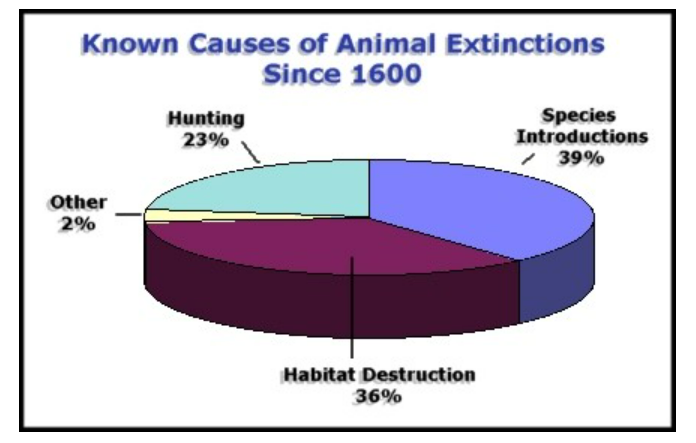
- Genetic diversity loss: Fewer varieties within a species.
Example: Reduced rice, wheat, livestock varieties → lower disease resistance. - Species diversity loss: Extinction or decline of species.
Example: Amur Leopard, Asian Elephant. - Ecosystem diversity loss: Destruction or degradation of ecosystems.
Example: Wetland drainage, mangrove cutting, deforestation.
🌿Causes of Biodiversity Loss
A. Natural Causes
- Climate change (ice ages, droughts, storms)
- Natural disasters (volcanoes, floods, earthquakes)
- Disease outbreaks
B. Human-Induced Causes (Anthropogenic)
- Habitat destruction & fragmentation: Deforestation, urbanization → inbreeding & extinction
- Overexploitation: Excessive hunting/fishing.
Example: Tigers, rhinos, pangolins - Pollution: Water, air, soil contamination.
Example: Oil spills → marine species death - Introduction of exotic/invasive species: Non-native species outcompete natives.
Example: Lantana, Parthenium, Water hyacinth - Climate change: Global warming → habitat shifts, rising sea levels
- Loss of keystone species: Ecosystem disruption.
Example: Pisaster starfish removal → mussel overpopulation
Effects of Biodiversity Loss
- Ecological: Disrupted food webs, reduced stability/productivity, loss of pollinators → decreased crop yields
- Economic: Loss of medicinal plants, decline in fisheries, timber, and other resources
- Environmental: Soil erosion, desertification, vulnerability to floods & storms
- Cultural & Social: Loss of culturally important species (sacred groves, traditional crops)
Remember: Habitat loss + Overexploitation + Pollution + Exotic species + Climate change → HOPES mnemonic
Examples of Biodiversity Loss
| Species / Ecosystem | Major Threats | Status |
|---|---|---|
| Asiatic Lion | Hunting, habitat loss | Endangered |
| Wetlands of Chilika Lake | Pollution, human settlement | Declining ecosystem |
| Coral Reefs | Global warming, bleaching | Vulnerable |
| Dodo (Raphus cucullatus) | Overhunting, introduced predators | Extinct |
🔹 Quick Recap Table
| Aspect | Details |
|---|---|
| Definition | Reduction in species, genetic, and ecosystem diversity |
| Levels | Genetic, Species, Ecosystem |
| Natural Causes | Climate change, natural disasters, diseases |
| Human Causes | Habitat loss, overexploitation, pollution, invasive species, climate change |
| Effects | Ecological imbalance, economic loss, environmental degradation, cultural loss |
Biodiversity Conservation
🌱 What is Biodiversity Conservation?
Definition:
Biodiversity conservation is the protection, preservation, and management of species, habitats, and ecosystems to maintain ecological balance and ensure sustainable use of natural resources.
Goal: Prevent extinction + maintain ecosystem services + sustain human needs
🌱 Strategies of Biodiversity Conservation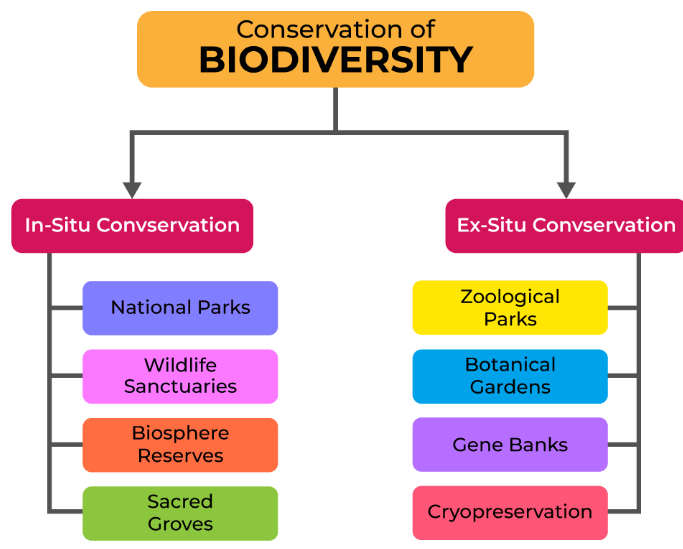
Biodiversity can be conserved by two main strategies:
A. In-Situ Conservation (On-site)
Conservation within natural habitats of species.
Species continue to evolve naturally in their ecosystem.
Methods & Examples:
- National Parks – Protect large natural areas from human exploitation
Example: Jim Corbett National Park, Kaziranga National Park - Wildlife Sanctuaries – Protect animals; human activities like tourism allowed with restrictions
Example: Bharatpur Bird Sanctuary - Biosphere Reserves – Protect entire ecosystems including core, buffer, and transition zones
Example: Nilgiri Biosphere Reserve - Sacred Groves – Protected areas by local communities for religious/cultural reasons
Example: Khasi and Jaintia Hills in Meghalaya - Gene Sanctuaries – Protect wild relatives of cultivated plants
Example: Wild rice in Chhattisgarh
Advantages:
- Maintains natural interactions between species
- Protects large populations and genetic diversity
Disadvantages:
- Expensive to maintain
- Difficult in densely populated areas
B. Ex-Situ Conservation (Off-site)
Conservation outside natural habitats.
Useful for endangered species or species with very limited population.
Methods & Examples:
- Botanical Gardens – Cultivation and preservation of plant species
Example: Indian Botanic Garden, Kolkata - Seed Banks / Gene Banks – Store seeds for long-term use
Example: National Bureau of Plant Genetic Resources, New Delhi - Zoos and Wildlife Parks – Breed and protect animals in captivity
Example: Mysore Zoo, Arignar Anna Zoological Park - Cryopreservation – Freezing reproductive cells, embryos, or tissues
Example: Frozen sperm of Indian bison (Gaur) - Tissue Culture / Micropropagation – Mass multiplication of endangered plants in labs
Example: Orchids of North-East India
Advantages:
- Protects species from immediate threats
- Facilitates breeding programs and reintroduction
Disadvantages:
- Does not maintain natural behaviors
- High maintenance cost
Role of Biodiversity Conservation
- Ecological balance: Maintains food webs, nutrient cycles, and ecosystem stability
- Economic value: Forest products, medicines, agriculture, fisheries
- Scientific & Educational: Source of genetic material for research, biotechnology, and crop improvement
- Cultural & Aesthetic: Sacred groves, tourism, inspiration for art and traditions
- Climate regulation & ecosystem services: Carbon sequestration, soil fertility, pollination, water purification
International Conventions & Policies
| Convention/Policy | Purpose | Example/Year |
|---|---|---|
| Convention on Biological Diversity (CBD) | Global agreement for conservation, sustainable use, fair sharing of benefits | 1992, Rio de Janeiro |
| CITES | Regulates trade of endangered species | 1973 |
| Ramsar Convention | Wetland conservation and wise use | 1971 |
| Bonn Convention | Migratory species protection | 1979 |
| Earth Summit Agenda 21 | Sustainable development & biodiversity management | 1992 |
| Wildlife Protection Act (India) | Protects species and regulates hunting | 1972 |
| Forest Conservation Act (India) | Restricts deforestation and protects forest biodiversity | 1980 |
Examples of Conservation Success
- Bengal Tiger (Panthera tigris tigris) – Project Tiger, India → population increased
- Indian One-Horned Rhinoceros – Kaziranga National Park → population stabilized
- Gharial – National Chambal Sanctuary → captive breeding and release programs
🔹 Quick Recap Table
| Aspect | Details |
|---|---|
| Definition | Protection & management of species and ecosystems |
| Strategies | In-situ (National parks, Biosphere Reserves) & Ex-situ (Zoos, Seed Banks) |
| Roles | Ecological, economic, scientific, cultural, climate regulation |
| International Conventions | CBD, CITES, Ramsar, Bonn, Earth Summit, Wildlife Act |
| Success Examples | Tiger, Rhinoceros, Gharial |
Biodiversity Hotspots & Conservation in India
🌱 Biodiversity Hotspots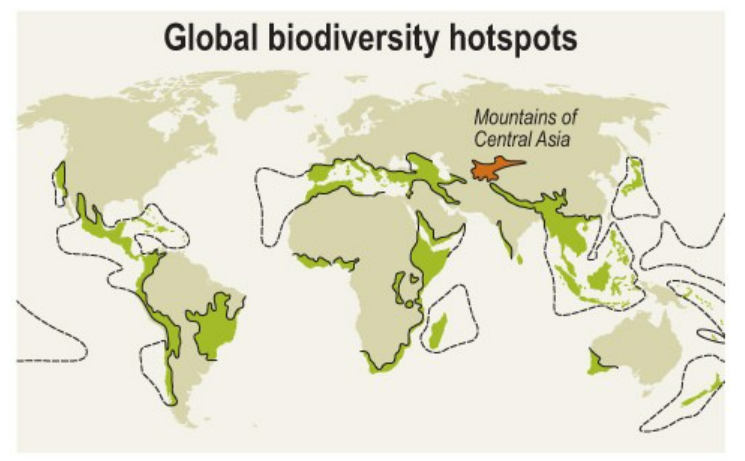
Definition:
A biodiversity hotspot is a biogeographic region that has high species richness, high endemism, and is under threat from human activities.
Criteria (Myers et al., 1988):
- At least 1,500 species of vascular plants as endemics
- Lost at least 70% of its original habitat
Biodiversity Hotspots in India (4 out of 36 globally):
| Hotspot | Location | Notable Features / Endemic Species |
|---|---|---|
| Himalaya | J&K to Arunachal Pradesh, including Indian Himalaya | Snow Leopard, Red Panda, Himalayan Monal, Saussurea species |
| Indo-Burma | North-East India (Assam, Nagaland, Mizoram, Andaman & Nicobar) | Gibbon, King Cobra, Orchids, Pitcher Plant |
| Sundalands / Nicobar Islands | Andaman & Nicobar Islands | Dugong, Saltwater Crocodile, Marine endemics |
| Sundalands / Western Ghats | Kerala, Karnataka, Tamil Nadu, Goa | Lion-tailed Macaque, Malabar Civet, Pitcher plants, Amphibians |
India:
17% of world’s mammals, 12% of birds, 6% of plants → very rich in biodiversity
Endangered & Extinct Organisms
Definition (IUCN):
- Endangered: Species facing very high risk of extinction in the near future
- Extinct: Species no longer existing anywhere on Earth
Examples:
| Status | Animal / Plant Example |
|---|---|
| Endangered | Bengal Tiger, Asiatic Lion, One-Horned Rhinoceros, Gharial, Olive Ridley Turtle |
| Vulnerable | Snow Leopard, Pangolin, Indian Star Tortoise |
| Extinct in Wild | Pink-headed Duck, Himalayan Quail |
| Extinct | Dodo, Passenger Pigeon, Asiatic Cheetah (India) |
Red Data Book
Definition:
Published by IUCN, it is a comprehensive record of the conservation status of plants, animals, and fungi globally and nationally.
Provides information on threatened species, population trends, habitat, and conservation measures.
Remember:
Red Data Book categories: EX, EW, CR, EN, VU, NT, LC
Biosphere Reserves
Definition:
Large areas of protected ecosystems, managed for conservation, research, and sustainable use.
UNESCO-designated biosphere reserves aim at combining biodiversity conservation with human use.
Structure:
- Core Zone: Strictly protected, no human activity
- Buffer Zone: Limited human activity, research, education
- Transition Zone: Sustainable resource use
Examples in India:
Nilgiri, Sundarbans, Nanda Devi, Gulf of Mannar, Great Nicobar
🌱National Parks & Wildlife Sanctuaries
| Feature | National Park | Wildlife Sanctuary |
|---|---|---|
| Primary Goal | Strict protection of ecosystem and species | Protection of specific species and their habitats |
| Human Activity | No human exploitation allowed | Limited human activities allowed |
| Examples | Jim Corbett, Kaziranga, Gir | Bharatpur Bird Sanctuary, Periyar Sanctuary |
Project Tiger (1973) – Protect Bengal Tigers, launched in Corbett NP
Sacred Groves
Definition:
Patches of forest protected by local communities for religious or cultural reasons.
No logging or hunting allowed.
Examples in India:
- Meghalaya: Khasi and Jaintia Hills
- Karnataka: Kemmangundi, Kodagu sacred groves
Role: Preserves rare and endemic species, prevents deforestation, maintains local biodiversity
🔹 Quick Recap Table
| Topic | Key Points / Examples |
|---|---|
| Biodiversity Hotspots | Himalaya, Indo-Burma, Western Ghats, Andaman & Nicobar |
| Endangered Species | Bengal Tiger, Asiatic Lion, Gharial, Pangolin |
| Extinct Species | Dodo, Himalayan Quail, Asiatic Cheetah |
| Red Data Book | IUCN publication; EX, EW, CR, EN, VU, NT, LC |
| Biosphere Reserve | Core, Buffer, Transition; Examples: Nilgiri, Sundarbans |
| National Park | Strict protection; Example: Jim Corbett |
| Wildlife Sanctuary | Limited human activity; Example: Bharatpur |
| Sacred Grove | Community-protected; Example: Khasi Hills, Kodagu |