
Cell Theory and Cell as the Basic Unit of Life
🌱 Introduction
Life exists in many forms, but all living organisms are made of cells.
The cell is the smallest unit that can perform all life activities.
Hence, the cell is called the basic structural and functional unit of life.
📌 Why is the Cell the Basic Unit of Life?
- A cell can exist independently.
- It performs all vital life functions like metabolism, growth, reproduction, and response.
- Plants, animals, and microorganisms are all made up of cells.
- Therefore, cells form the foundation of life.
Historical note:
Robert Hooke first discovered cells in a piece of cork.
🧫 Types of Cells
The human body has different types of specialized cells, such as:
- Hepatocytes → liver cells
- Nephrons → kidney cells
- Neurons → brain and nerve cells
Similar cells group together to form tissues, each performing a specific function.
📜 Cell Theory (Cell Doctrine)
Developed by:
- M.J. Schleiden (Botanist)
- T. Schwann (Zoologist) in 1839
🧠 Main Postulates of Modern Cell Theory
- All living organisms are made up of cells.
- Cell is the structural and functional unit of life.
- All cells arise from pre-existing cells (given by Rudolf Virchow).
- Energy flow occurs within cells.
- Cells contain hereditary information passed from cell to cell.
- All cells have similar basic chemical composition.
⚙️ Functions of Cells
- Different cells perform different functions.
Examples:
- Nerve cells → neurotransmission
- Muscle cells → movement
- All metabolic reactions occur inside cells
Example → Glycolysis - Genetic material (DNA) is present in the nucleus.
- Cells are involved in growth and reproduction.
🧪 Prokaryotic vs Eukaryotic Cells
| Feature | Prokaryotes | Eukaryotes |
|---|---|---|
| Cell wall | Present, made of peptidoglycan | Present in plants, made of cellulose |
| DNA | Circular | Linear |
| Nucleus | No true nucleus (nucleoid present) | Well-defined nucleus |
| Mitochondria | Usually absent | Present |
| Ribosomes | 70S | 80S |
| Example | Bacteria | Humans |
🧬 Structure of Eukaryotic Cell (Parts of Cell)
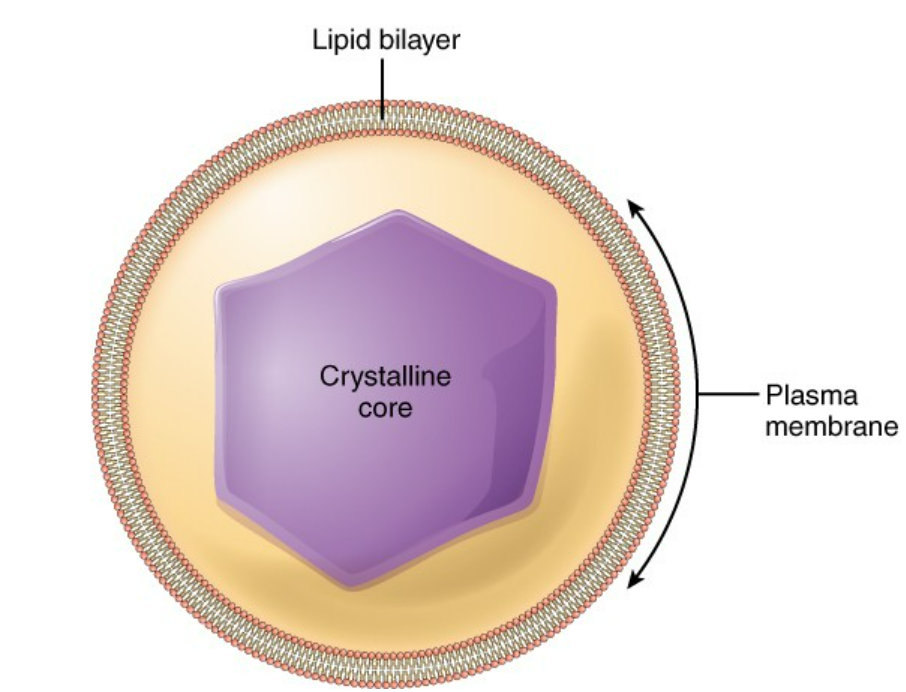
Plasma Membrane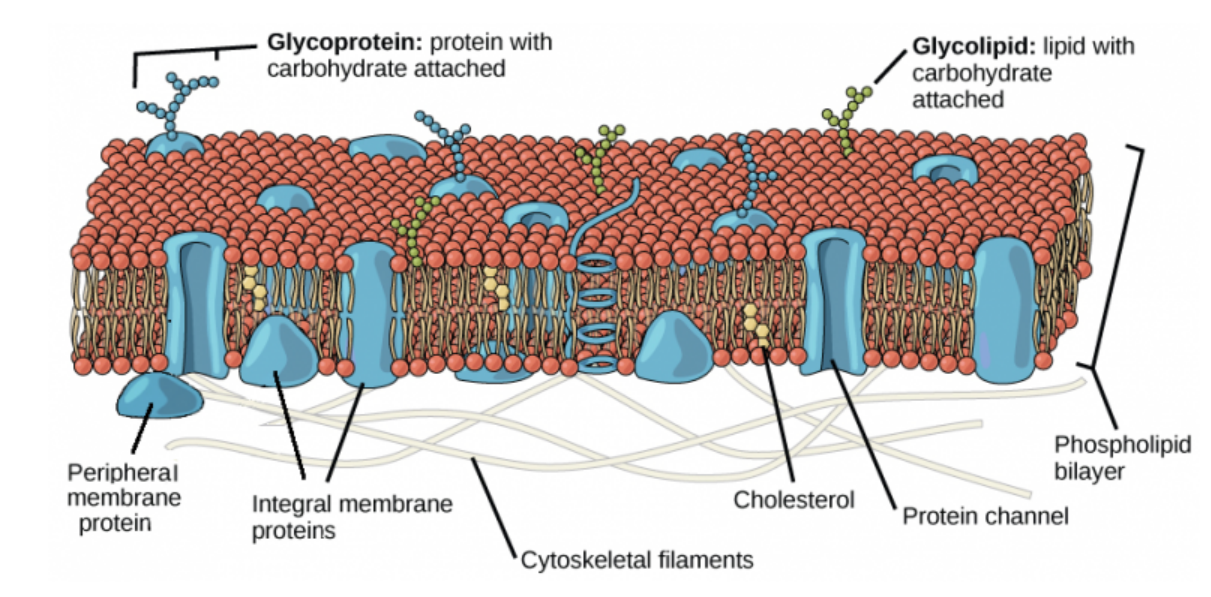
- Forms the outer boundary of the cell.
- Selectively permeable.
- Described by Fluid Mosaic Model (Singer & Nicolson, 1972).
- Composed of:
- Lipid bilayer (phospholipids)
- Proteins embedded in it
- Lipids present:
- Phospholipids
- Glycolipids
- Sterols
- Proteins:
- Peripheral proteins → loosely attached
 Integral proteins → firmly embedded
Ribosomes
- Made of RNA and proteins.
- Site of protein synthesis.
- Two subunits → large and small.
- Types:
- Prokaryotic → 70S
- Eukaryotic → 80S
- S = sedimentation coefficient.
 Eukaryotic → 80S
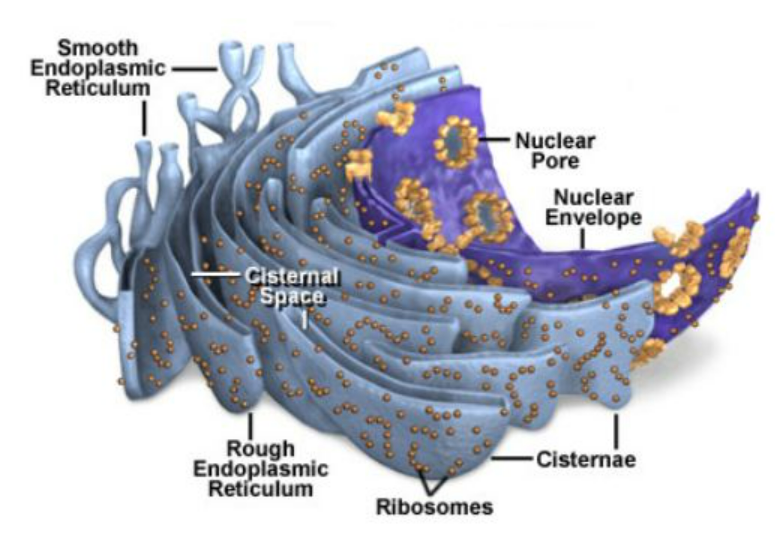
Endoplasmic Reticulum (ER)
- Largest intracellular membrane system.
- Forms flattened sacs enclosing lumen.
- Types:
- Rough ER (RER) → ribosomes present
- Smooth ER (SER) → ribosomes absent
- Functions:
- RER → protein synthesis and modification
- SER → lipid synthesis, detoxification, calcium regulation
 Functions:
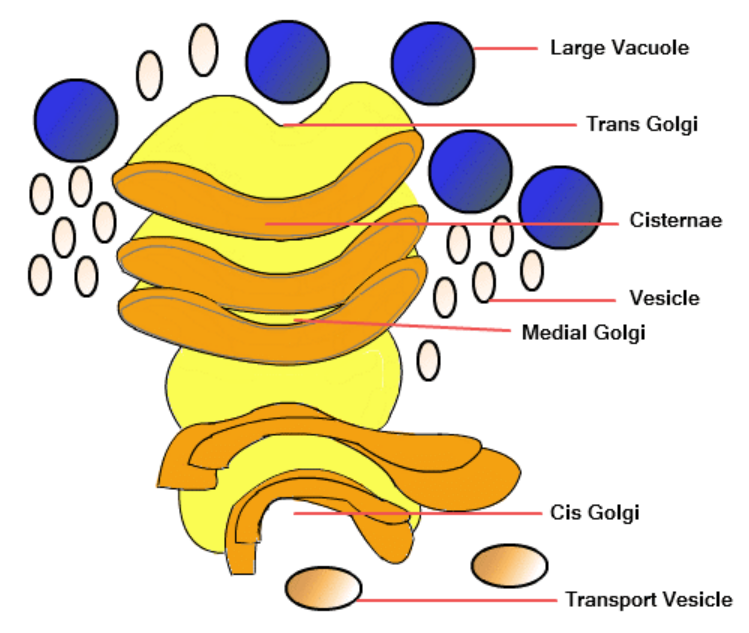
Golgi Apparatus
- Single membrane-bound organelle.
- Made of flattened sacs called cisternae.
- Faces:
- Cis face → entry
- Trans face → exit
- Important for modification, packaging, and secretion.
 Important for modification, packaging, and secretion.
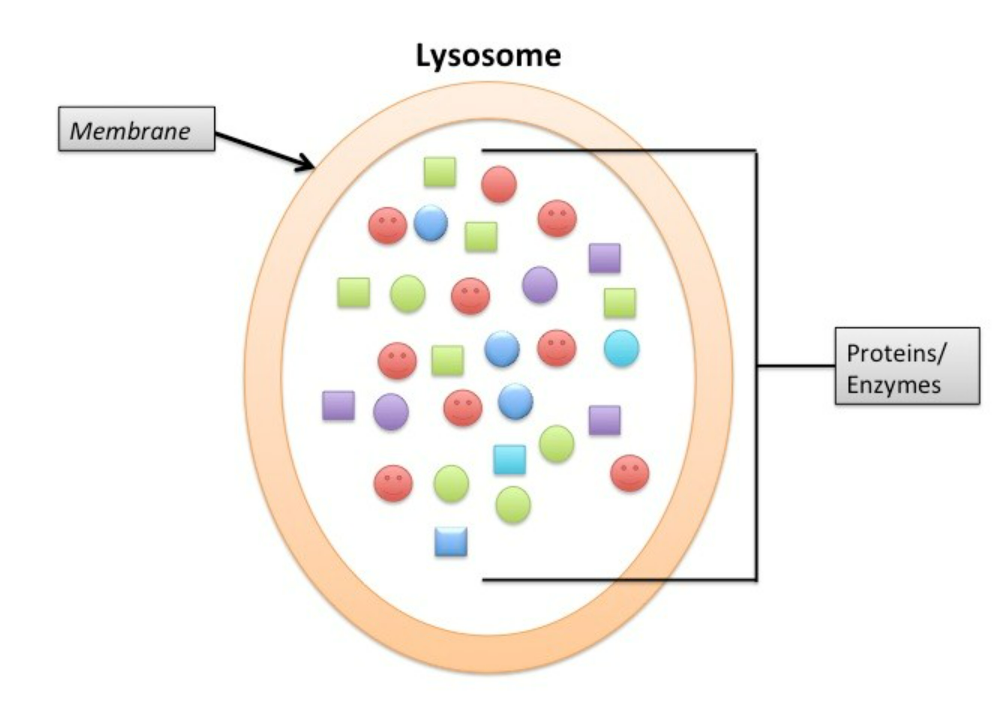
Lysosomes
- Single membrane-bound vesicles.
- Contain hydrolytic enzymes.
- pH ≈ 5 (acidic).
- Function → intracellular and extracellular digestion.
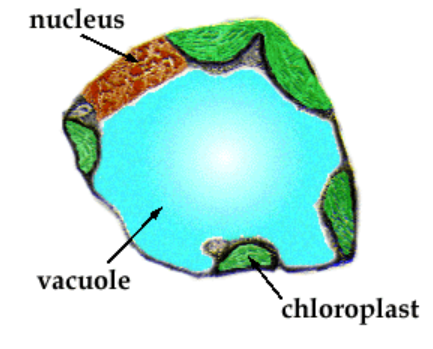
Vacuoles
- Fluid-filled sacs surrounded by tonoplast.
- Plant vacuole stores:
- Water
- Ions
- Sugars
- Enzymes
- Contractile vacuole → osmoregulation
Example → Amoeba
Mitochondria
- Known as powerhouse of the cell.
- Site of aerobic respiration.
- Double membrane structure.
- Inner membrane forms cristae.
- Contains:
- Circular DNA
- Ribosomes
- Produces ATP using ATP synthase.
Plastids (Plant Cells Only)
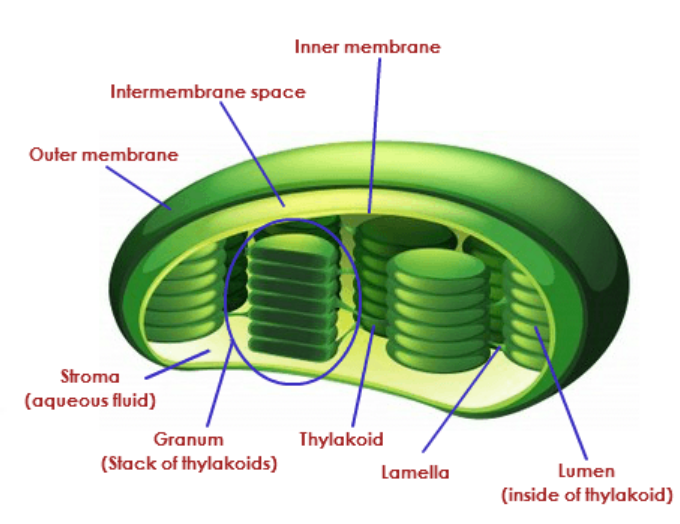
- Double membrane-bound organelles.
- Types:
- Chloroplast
- Chromoplast
- Leucoplast
- Chloroplast:
- Stroma → fluid region
- Grana → stacks of thylakoids
- Site of photosynthesis
- Chromoplast:
- Pigment storage
- Gives color to fruits and flowers
- Leucoplast:
- Storage plastids:
- Amyloplast → starch
- Elaioplast → lipids
- Proteinoplast → proteins
Nucleus
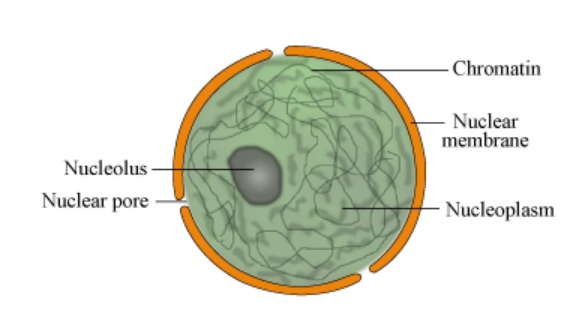
- Double membrane structure.
- Contains DNA in form of chromosomes.
- Nuclear pores regulate transport.
- Nucleolus → ribosome assembly
- Chromatin types:
- Euchromatin → active, transcribable
- Heterochromatin → inactive, condensed
- Euchromatin → active, transcribable
Peroxisomes
- Derived from endoplasmic reticulum.
- Break down fatty acids.
- Contain proteins called Peroxins.
📦 Quick Recap
Cell = basic structural and functional unit of life
Cell theory given by Schleiden & Schwann
All cells arise from pre-existing cells
Prokaryotes lack true nucleus
Eukaryotes have membrane-bound organelles
Mitochondria → ATP synthesis
Ribosomes → protein synthesis
Nucleus → genetic control
Structure of Prokaryotic and Eukaryotic Cells
🌱 Introduction
All living organisms are made of cells, the basic unit of life.
Cells are classified into Prokaryotic and Eukaryotic based on presence of nucleus and membrane-bound organelles.
Key Difference:
- Prokaryotes → No true nucleus, simpler structure
- Eukaryotes → True nucleus, complex structure
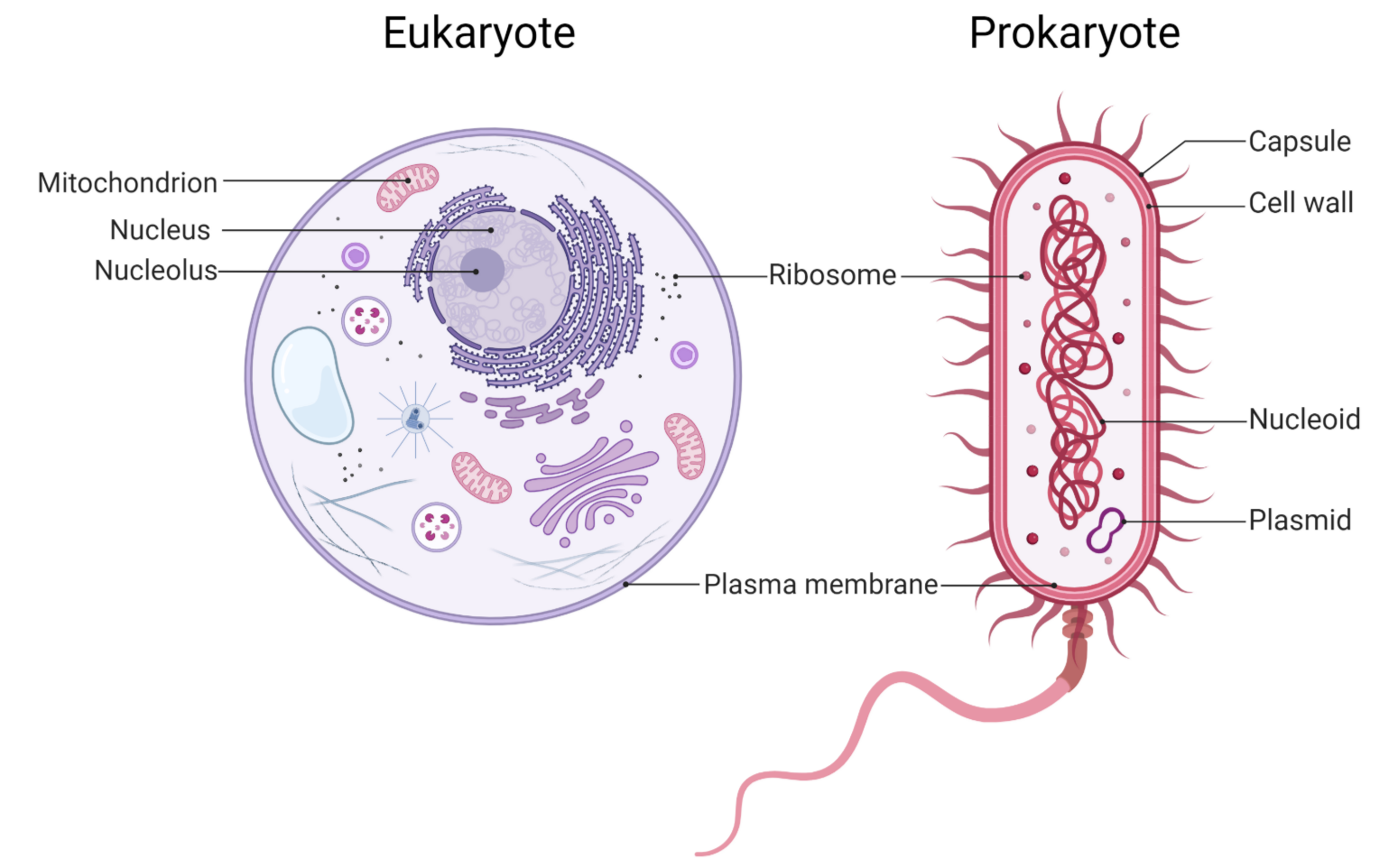
1. Prokaryotic Cells
General Features:
- Size: 0.1–5 μm (small, microscopic)
- Organization: Unicellular, simple
- Nucleus: Absent → DNA present in nucleoid
- Membrane-bound organelles: Absent
- Cell division: Binary fission
- Ribosomes: 70S
- Genetic material: Circular DNA
- Cell wall: Present in most; made of peptidoglycan
- Examples: Bacteria, Blue-green algae (Cyanobacteria)
🔹 Structure & Components:
| Component | Structure / Features | Function |
|---|---|---|
| Cell Wall | Rigid, made of peptidoglycan; protects from osmotic stress | Shape, protection |
| Plasma Membrane | Phospholipid bilayer with proteins | Selective permeability, transport |
| Cytoplasm | Gel-like substance, contains ribosomes & enzymes | Site of metabolic reactions |
| Ribosomes | 70S; two subunits (50S + 30S) | Protein synthesis |
| Nucleoid | Circular DNA, not membrane-bound | Genetic control & replication |
| Capsule / Glycocalyx | Slimy outer layer; polysaccharide layer | Protection from phagocytosis, desiccation |
| Flagella | Protein filaments (flagellin), rotate | Locomotion |
| Pili / Fimbriae | Hair-like projections | Attachment, conjugation (gene transfer) |
| Plasmids | Small extra-chromosomal DNA | Antibiotic resistance, gene transfer |
| Inclusions / Granules | Glycogen, PHB, polyphosphate | Storage of energy or nutrients |
Special Features:
- No membrane-bound organelles
- Simple cytoskeleton if present → maintains shape
- Can survive extreme conditions → some form endospores (e.g., Bacillus)
- Reproduction → asexual (binary fission)
2. Eukaryotic Cells
General Features:
- Size: 10–100 μm (larger than prokaryotes)
- Organization: Uni- or multicellular
- Nucleus: Present, true nucleus bound by nuclear envelope
- Membrane-bound organelles: Present
- Ribosomes: 80S (cytosolic), 70S in mitochondria/chloroplasts
- Genetic material: Linear DNA in chromosomes
- Cell wall: Present in plants (cellulose), absent in animals
- Examples: Animals, plants, fungi, protists
🔹 Structure & Components of Eukaryotic Cells
| Component | Structure / Features | Function |
|---|---|---|
| Plasma Membrane | Fluid mosaic model; phospholipid bilayer with proteins | Selective transport, communication |
| Cell Wall | Plants/fungi only; cellulose in plants, chitin in fungi | Support, protection |
| Cytoplasm | Gel-like; contains cytosol, organelles, cytoskeleton | Metabolic reactions, structural support |
| Ribosomes | 80S; free in cytoplasm or bound to RER | Protein synthesis |
| Nucleus | Double membrane; nuclear pores; nucleolus | DNA storage, transcription, ribosome assembly |
| Endoplasmic Reticulum (ER) | RER (ribosomes attached) → protein synthesis; SER → lipid synthesis & detox | Transport and biosynthesis |
| Golgi Apparatus | Stacks of cisternae; cis (entry), trans (exit) | Protein modification, packaging, secretion |
| Mitochondria | Double membrane; inner membrane cristae; contains DNA & ribosomes | ATP synthesis (aerobic respiration) |
| Lysosomes | Single membrane; hydrolytic enzymes | Intracellular digestion, autophagy |
| Peroxisomes | Oxidative enzymes, derived from ER | Fatty acid breakdown, detoxification |
| Vacuoles | Membrane-bound; plants large; animals small | Storage, turgor pressure, osmoregulation |
| Plastids (plants only) | Chloroplasts → photosynthesis; chromoplasts → pigments; leucoplasts → storage | Photosynthesis, pigment storage, nutrient storage |
| Cytoskeleton | Microtubules, microfilaments, intermediate filaments | Shape, movement, intracellular transport |
| Centrosome / Centrioles | Microtubule organizing center; centrioles in animal cells | Cell division, spindle formation |
| Flagella / Cilia | 9+2 arrangement in eukaryotes | Locomotion, movement of substances |
⚡ Differences Between Prokaryotic & Eukaryotic Cells
| Feature | Prokaryotic Cell | Eukaryotic Cell |
|---|---|---|
| Size | 0.1–5 μm | 10–100 μm |
| Nucleus | Absent (nucleoid) | Present (membrane-bound) |
| Membrane-bound organelles | Absent | Present |
| Ribosomes | 70S | 80S (cytoplasm), 70S (mitochondria/chloroplasts) |
| DNA | Circular | Linear chromosomes |
| Cell Wall | Peptidoglycan (bacteria) | Cellulose (plants), Chitin (fungi) |
| Reproduction | Binary fission | Mitosis / Meiosis |
| Examples | Bacteria, Cyanobacteria | Plants, Animals, Fungi |
🔍 Key Points
- Prokaryotes → simpler, small, no organelles, circular DNA
- Eukaryotes → complex, large, organelles present, linear DNA
- All cellular activities happen in cytoplasm for prokaryotes; in organelles for eukaryotes
- Cell theory: all organisms made of cells, cell = basic unit of life, cells arise from pre-existing cells
📦 Quick Recap
Prokaryotic cells: No nucleus, 70S ribosomes, circular DNA, peptidoglycan wall
Eukaryotic cells: True nucleus, 80S ribosomes, membrane-bound organelles
Common features: Plasma membrane, cytoplasm, ribosomes, DNA
Unique organelles: Plastids, lysosomes, mitochondria → Eukaryotes only
Reproduction: Binary fission → Prokaryotes, Mitosis/Meiosis → Eukaryotes
Plant Cell vs Animal Cell
🌱 Introduction
Both plant and animal cells are eukaryotic, i.e., they have a true nucleus and membrane-bound organelles.
They differ in shape, organelles, and some functions due to differences in lifestyle and physiology.
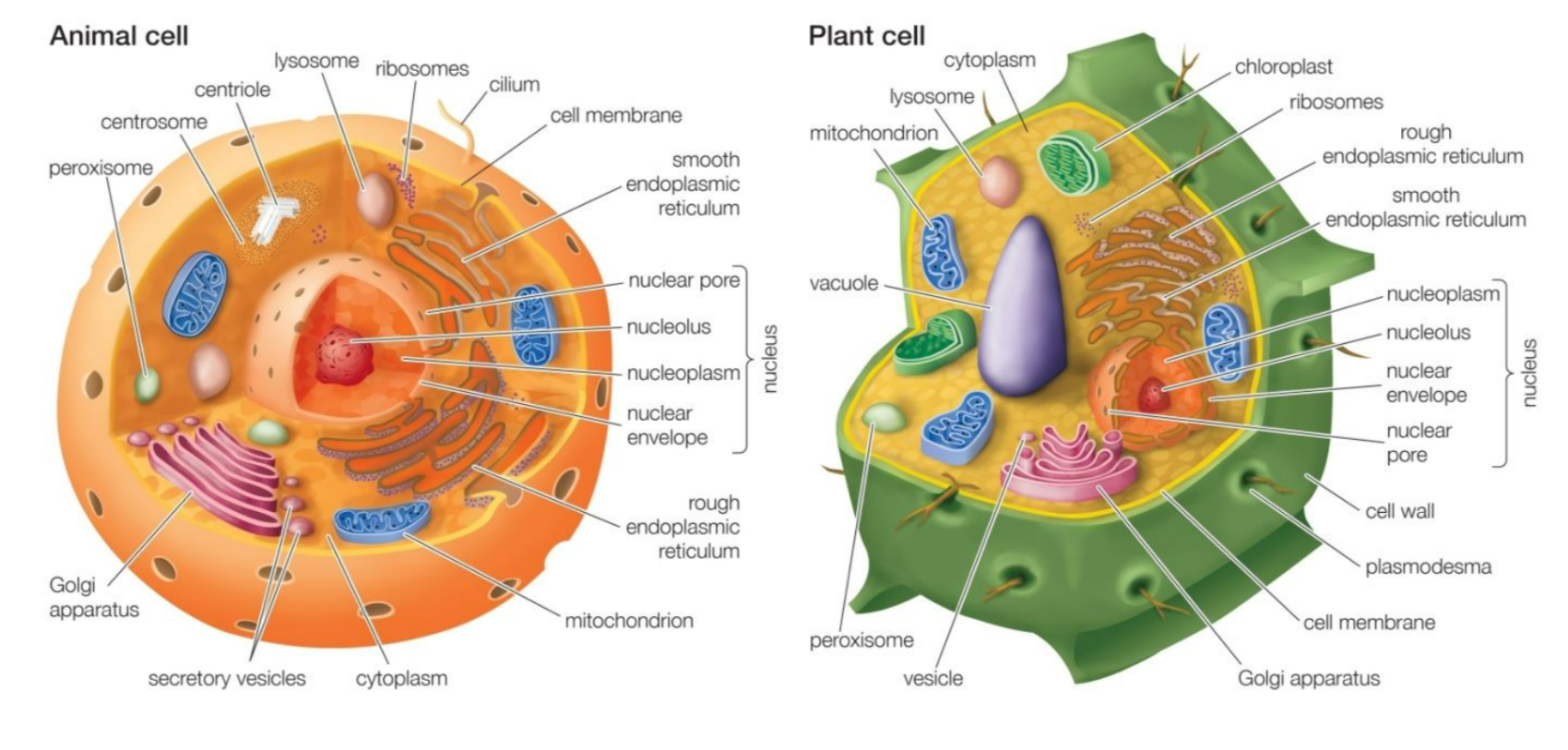
1. General Features
| Feature | Plant Cell | Animal Cell |
|---|---|---|
| Shape | Usually rectangular or cuboidal | Irregular, round or spherical |
| Cell wall | Present, made of cellulose | Absent |
| Plasma membrane | Present, beneath cell wall | Present |
| Size | Usually larger (10–100 μm) | Usually smaller (10–30 μm) |
| Vacuole | Large central vacuole | Small or absent |
| Plastids | Present (chloroplasts, chromoplasts, leucoplasts) | Absent |
| Centrioles | Absent in higher plants | Present |
| Lysosomes | Rare | Common |
| Shape of nucleus | Usually spherical, pushed to side by vacuole | Centrally located |
| Cytoskeleton | Present | Present |
| Mitochondria | Present | Present |
| Peroxisomes / Glyoxysomes | Present (esp. in seeds) | Present |
2. Organelles – Comparison
| Organelle | Plant Cell | Animal Cell | Function |
|---|---|---|---|
| Cell wall | Yes; cellulose | No | Support & protection |
| Plasma membrane | Yes | Yes | Selective permeability, transport |
| Nucleus | Yes | Yes | DNA storage, transcription, ribosome assembly |
| Cytoplasm | Yes | Yes | Metabolism, organelle support |
| Ribosomes | 80S (cytoplasm), 70S (plastids) | 80S (cytoplasm), 70S (mitochondria) | Protein synthesis |
| Endoplasmic Reticulum | RER & SER | RER & SER | Protein & lipid synthesis |
| Golgi apparatus | Present | Present | Protein/lipid modification & secretion |
| Mitochondria | Present | Present | ATP synthesis |
| Lysosomes | Rare | Abundant | Digestion of macromolecules |
| Vacuole | Large central; stores water, nutrients, waste | Small; temporary storage | Osmoregulation, storage |
| Plastids | Chloroplasts (photosynthesis), Chromoplasts (pigments), Leucoplasts (storage) | Absent | Photosynthesis, pigment & nutrient storage |
| Centrioles | Absent | Present | Cell division, spindle formation |
| Peroxisomes | Present | Present | Detoxification, fatty acid breakdown |
3. Key Differences in Functions
| Function | Plant Cell | Animal Cell |
|---|---|---|
| Energy production | Chloroplast → photosynthesis; Mitochondria → respiration | Mitochondria → respiration only |
| Support | Cell wall + turgor pressure | Cytoskeleton |
| Storage | Large vacuole stores water, ions, pigments | Glycogen granules, fat droplets |
| Cell division | No centrioles, uses microtubule organizing centers | Centrioles present, help spindle formation |
| Movement | Usually non-motile | Some cells motile (flagella, cilia) |
🔹 Special Features
- Plant Cells: Rigid, fixed shape; store starch; photosynthetic; rarely have lysosomes
- Animal Cells: Flexible, irregular shape; store glycogen & fat; higher lysosomal activity
📦 Quick Recap
Plant cell: Cell wall + chloroplasts + large vacuole + plastids + no centrioles
Animal cell: No cell wall, no plastids, small vacuoles, centrioles present
Both: Eukaryotic, membrane-bound organelles, nucleus, mitochondria, ribosomes
Cell Envelope, Cell Membrane & Cell Wall
🌱 Introduction
Cell envelope is the outermost covering of a cell in prokaryotes (bacteria) and sometimes used for plants as a whole covering including cell wall + plasma membrane.
It provides protection, shape, and selective transport.
1. Cell Envelope
Definition: The cell envelope is the complete outer covering of the cell, consisting of the cell wall, plasma membrane, and sometimes an outer capsule.
Components in Prokaryotes:
- Capsule / Slime layer (if present) → Outermost
- Cell wall → Middle layer
- Plasma membrane → Innermost layer
Functions:
- Protects cell from mechanical injury and osmotic stress
- Maintains cell shape
- Acts as a barrier to harmful substances
- Helps in adhesion to surfaces (capsule)
2. Cell Wall
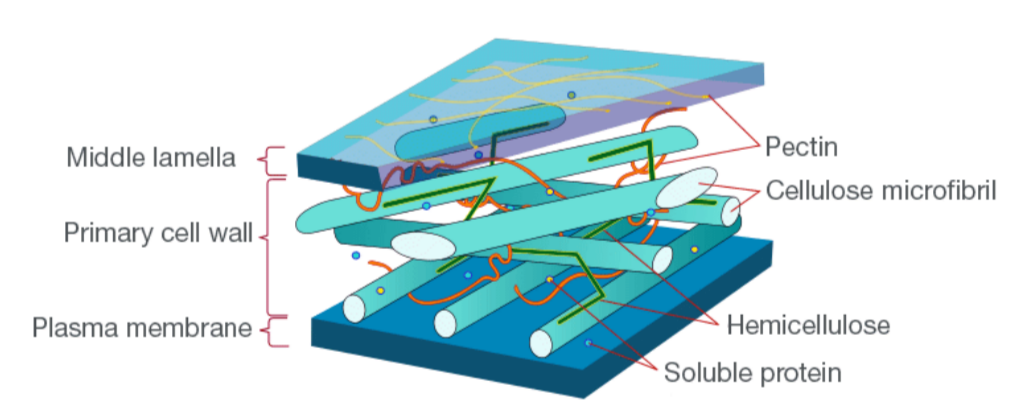
Definition: A rigid or semi-rigid outer layer surrounding the plasma membrane.
Occurrence:
- Prokaryotes: Present in most bacteria
- Plants: Present, made of cellulose
- Fungi: Made of chitin
- Animals: Absent
Structure
| Feature | Prokaryotic Cell Wall | Plant Cell Wall |
|---|---|---|
| Composition | Peptidoglycan (murein) | Cellulose, hemicellulose, pectin |
| Layers | Gram-positive: thick peptidoglycan Gram-negative: thin peptidoglycan + outer membrane | Primary wall (flexible), Secondary wall (rigid, lignin) |
| Function | Shape, protection, prevents bursting | Shape, protection, turgor maintenance |
| Special Components | Teichoic acids (Gram-positive), Lipopolysaccharides (Gram-negative) | Lignin (in secondary wall), Plasmodesmata for communication |
Functions of Cell Wall:
- Provides mechanical strength
- Maintains cell shape
- Protects against osmotic lysis
- In plants → allows turgor pressure, supports growth
3. Cell Membrane (Plasma Membrane)
Definition: A thin, flexible, semi-permeable membrane surrounding the cytoplasm.
Structure:
- Fluid Mosaic Model (Singer & Nicolson, 1972)
- Lipid bilayer with embedded proteins (integral & peripheral)
- Lipids: phospholipids, glycolipids, sterols
- Proteins: Transporters, receptors, enzymes
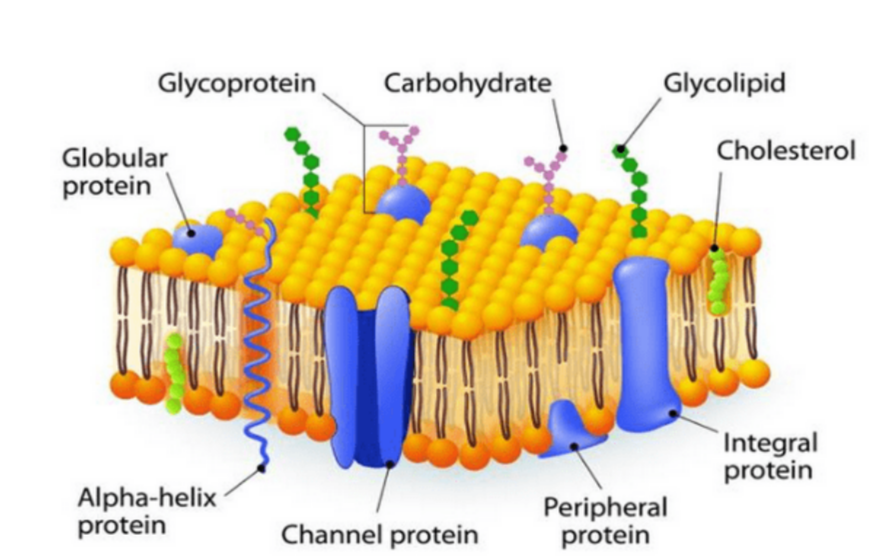
Functions:
- Selective permeability → controls entry/exit of substances
- Communication → receptors for signaling molecules
- Transport → active & passive transport of ions, nutrients
- Metabolic functions → enzyme reactions, electron transport in mitochondria/chloroplasts
- Endocytosis / Exocytosis in eukaryotes
Differences Between Cell Wall and Cell Membrane:
| Feature | Cell Wall | Cell Membrane |
|---|---|---|
| Composition | Polysaccharides (cellulose, peptidoglycan) | Lipid bilayer + proteins |
| Permeability | Freely permeable to small molecules | Selectively permeable |
| Flexibility | Rigid | Flexible |
| Occurrence | Plants, fungi, bacteria | All cells |
| Function | Support, shape, protection | Regulation of transport, communication |
🔹 Quick Summary
Cell envelope: Complete outer covering (capsule + wall + membrane in bacteria)
Cell wall: Rigid layer for support & protection; absent in animals
Cell membrane: Flexible, semi-permeable layer for transport & communication
Plant cell: Wall + membrane
Animal cell: Only membrane
Cell Organelles – Structure & Function
🌱 Introduction
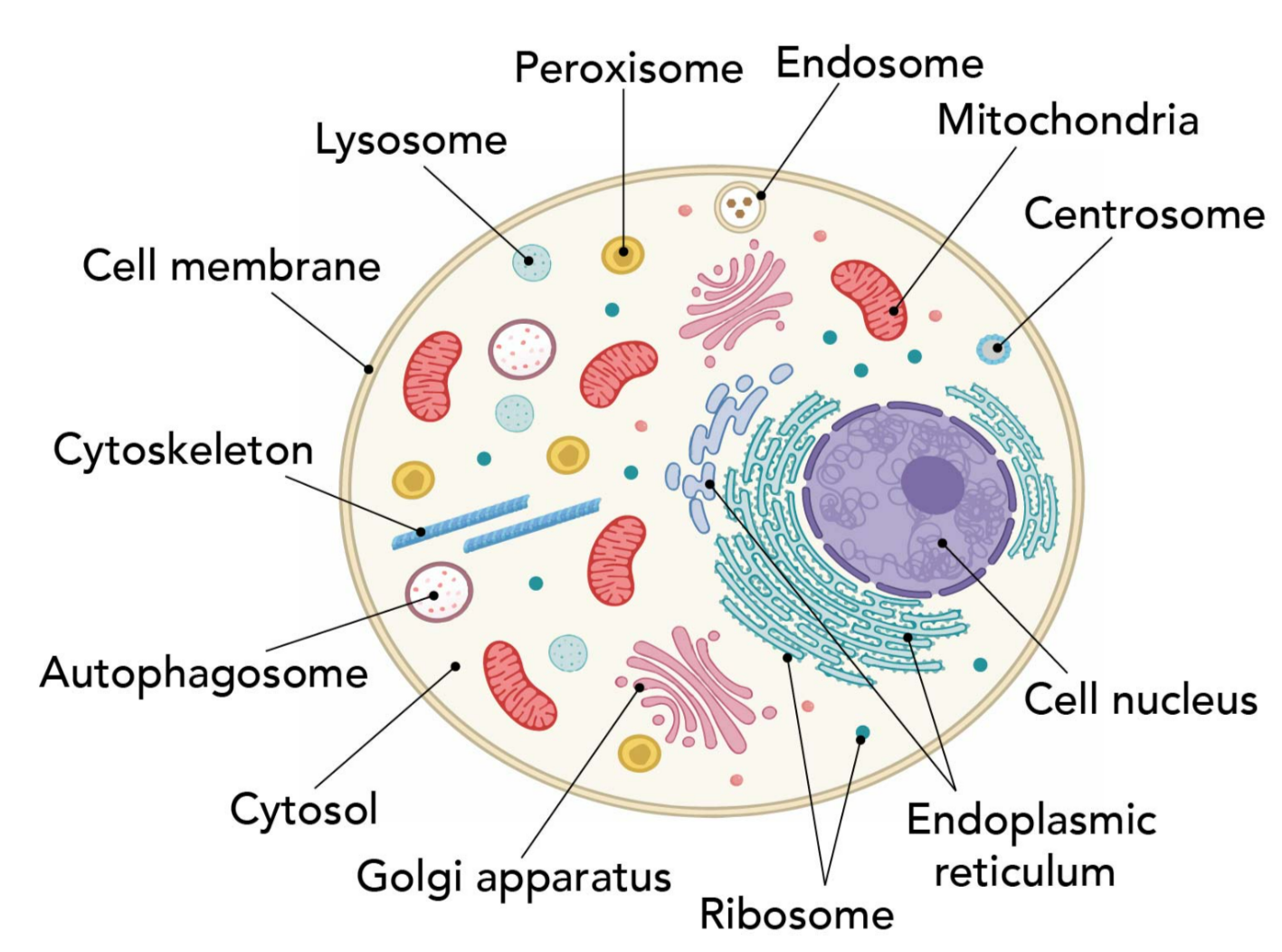
Cell organelles are specialized structures inside eukaryotic cells that perform specific functions.
Some organelles are membrane-bound while others are non-membranous.
Together, they maintain cell survival, metabolism, growth, and reproduction.
1. Nucleus
- Structure:
- Double membrane (nuclear envelope) with nuclear pores
- Contains nucleoplasm, chromatin (DNA + histone proteins)
- Nucleolus inside → ribosome assembly
- Double membrane (nuclear envelope) with nuclear pores
- Functions:
- Stores genetic material (DNA)
- Controls cell activities
- Transcription & RNA processing
- Ribosome assembly in nucleolus
2. Ribosomes
- Structure:
- Non-membranous, composed of rRNA + proteins
- Two subunits: Large & Small
- Size: 80S in eukaryotes, 70S in prokaryotes
- Functions:
- Protein synthesis
- Can be free (cytosolic) or bound (RER)
3. Endoplasmic Reticulum (ER)
- Structure:
- Network of flattened sacs & tubules
- Rough ER (RER): ribosomes attached → protein synthesis
- Smooth ER (SER): no ribosomes → lipid synthesis, detox, calcium storage
- Functions:
- Transport of synthesized proteins & lipids
- Protein modification in RER (glycosylation, folding)
- Lipid biosynthesis in SER
- Detoxification in liver cells
4. Golgi Apparatus
- Structure:
- Stacks of flattened membrane-bound cisternae
- Cis face: receives from ER
- Trans face: sends to plasma membrane
- Functions:
- Protein and lipid modification, packaging, and sorting
- Formation of lysosomes
- Secretion of materials via exocytosis
5. Mitochondria
- Structure:
- Double membrane organelle
- Inner membrane folded as cristae
- Contains matrix, circular DNA, and 70S ribosomes
- Functions:
- Site of aerobic respiration → ATP synthesis
- Powerhouse of the cell
- Involved in apoptosis
6. Lysosomes
- Structure:
- Single membrane-bound, contains hydrolytic enzymes
- pH ~5, maintained by proton pumps
- Functions:
- Intracellular digestion
- Autophagy (digestion of damaged organelles)
- Defense against pathogens
7. Peroxisomes
- Structure: Single membrane organelles containing oxidative enzymes
- Functions: Breakdown of fatty acids; Detoxification of hydrogen peroxide (H₂O₂ → H₂O + O₂)
8. Vacuoles
- Structure: Membrane-bound vesicles; Plant cells: large central vacuole; Animal cells: small vacuoles
- Functions:
- Storage of water, ions, sugars, waste
- Maintain turgor pressure in plants
- Contractile vacuole in protozoa → osmoregulation
9. Chloroplasts (Plant Cells)
- Structure: Double membrane-bound, contains DNA & 70S ribosomes; Stroma with grana (stack of thylakoids)
- Functions:
- Photosynthesis → glucose & oxygen production
- Stores pigments (chlorophyll)
- Synthesis of fatty acids & amino acids
10. Plastids (Plant Cells)
- Chromoplasts: pigments → yellow, orange, red colors
- Leucoplasts: colorless → storage (starch, lipids, proteins)
- Amyloplast → starch
- Elaioplast → lipids
- Proteinoplast → proteins
11. Cytoskeleton
- Structure: Network of microtubules, microfilaments, intermediate filaments
- Functions:
- Maintains cell shape
- Intracellular transport
- Organelle positioning
- Involved in cell division
12. Centrioles (Animal Cells)
- Structure: Cylindrical structure made of microtubules (9 triplets)
- Functions: Organize spindle fibers during mitosis; Form basal bodies of cilia and flagella
13. Cell Membrane (Plasma Membrane)
- Structure: Fluid mosaic model → phospholipid bilayer + proteins; Lipids: phospholipids, glycolipids, sterols; Proteins: integral & peripheral
- Functions:
- Selective permeability → transport of nutrients & waste
- Cell signaling → receptors
- Endocytosis & exocytosis
- Anchoring cytoskeleton
🔹 Quick Recap Table – Organelle, Structure & Function
| Organelle | Structure | Function |
|---|---|---|
| Nucleus | Double membrane, nucleolus, chromatin | DNA storage, control cell activity, ribosome assembly |
| Ribosomes | 70S / 80S, rRNA + proteins | Protein synthesis |
| ER | RER (ribosomes), SER (no ribosomes) | Protein/lipid synthesis, transport, detox |
| Golgi | Flattened cisternae, cis/trans face | Protein modification & secretion |
| Mitochondria | Double membrane, cristae, DNA | ATP synthesis |
| Lysosome | Single membrane, hydrolytic enzymes | Digestion, autophagy |
| Peroxisome | Single membrane, oxidative enzymes | Fatty acid breakdown, detox |
| Vacuole | Membrane-bound, fluid-filled | Storage, turgor, osmoregulation |
| Chloroplast | Double membrane, stroma, grana | Photosynthesis, pigment storage |
| Plastids | Chromoplasts, leucoplasts | Pigment synthesis, storage |
| Cytoskeleton | Microtubules, microfilaments | Shape, transport, division |
| Centrioles | Microtubule triplets | Spindle formation, basal body |
| Plasma membrane | Phospholipid bilayer + proteins | Selective permeability, signaling, transport |
📦 Quick Recap
Membrane-bound: Nucleus, ER, Golgi, mitochondria, lysosomes, peroxisomes, vacuoles, chloroplasts
Non-membranous: Ribosomes, cytoskeleton, centrioles
Plant-specific: Chloroplasts, large central vacuole, plastids, cell wall
Animal-specific: Centrioles, lysosomes, small vacuoles
Function: Organelles maintain metabolism, energy, storage, communication, reproduction, and cell survival
Endomembrane System
🌱 Introduction
The endomembrane system is a network of membrane-bound organelles that work together to synthesize, modify, transport, and store proteins and lipids.
Main components include: Endoplasmic Reticulum (ER), Golgi apparatus / Golgi bodies, Lysosomes, Vacuoles.
1. Endoplasmic Reticulum (ER)
- Structure:
- Extensive network of flattened sacs and tubules called cisternae
- Two types:
- Rough ER (RER): Ribosomes attached → protein synthesis
- Smooth ER (SER): No ribosomes → lipid synthesis, detoxification, calcium storage
- Functions:
- RER: Synthesis and modification of proteins
- SER: Lipid biosynthesis, detoxification of drugs/toxins, storage of calcium ions
- Transports proteins and lipids via vesicles to Golgi apparatus
2. Golgi Apparatus / Golgi Bodies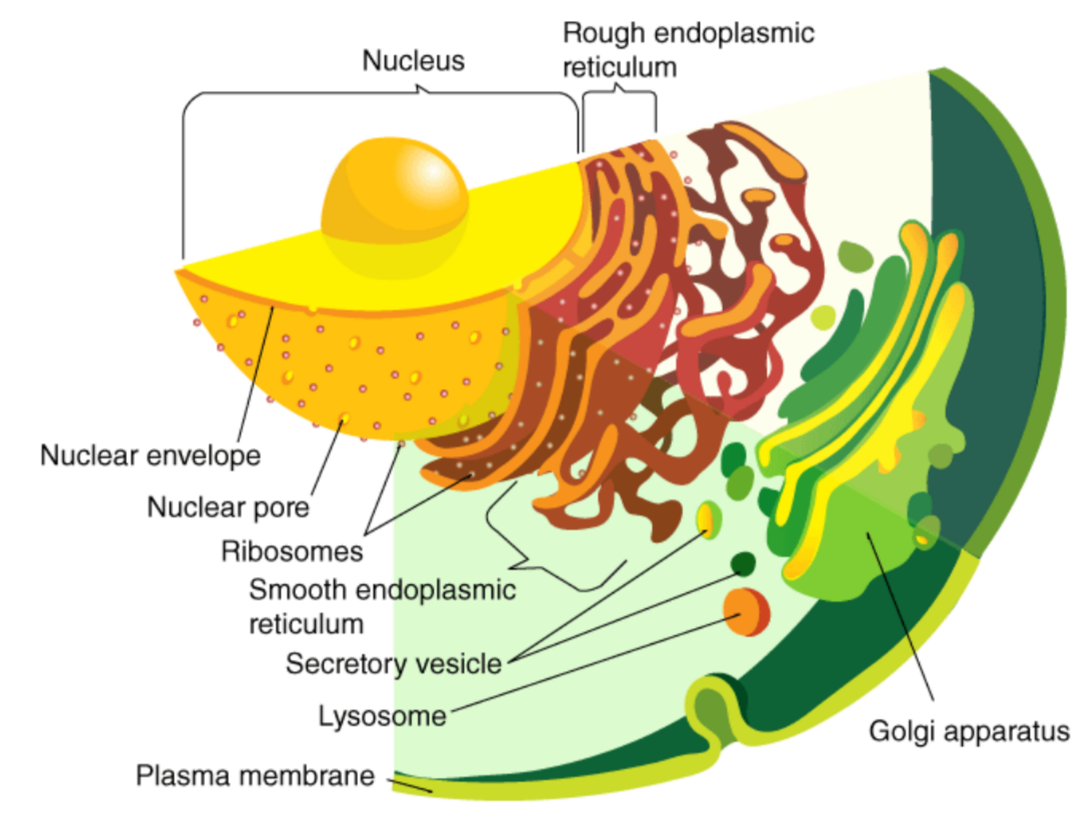
- Structure:
- Stacks of flattened membrane-bound sacs (cisternae)
- Cis face: receives vesicles from ER
- Trans face: sends vesicles to plasma membrane or lysosomes
- Functions:
- Modifies proteins and lipids from ER (glycosylation, folding)
- Packages and sorts molecules into vesicles
- Forms lysosomes
- Secretes materials via exocytosis
3. Lysosomes
- Structure:
- Membrane-bound vesicles containing hydrolytic enzymes
- Maintain acidic pH (~5.0) using proton pumps
- Functions:
- Intracellular digestion (macromolecules, old organelles)
- Autophagy: removal of damaged organelles
- Defense against pathogens (phagocytosis)
- Involved in programmed cell death (apoptosis)
4. Vacuoles
- Structure:
- Membrane-bound vesicles; surrounded by tonoplast in plants
- Plant cells: large central vacuole
- Animal cells: small, temporary vacuoles
- Functions:
- Storage of water, ions, sugars, pigments, and waste
- Maintains turgor pressure in plants
- Contractile vacuole in protozoa → osmoregulation
🔹 Interconnection of Endomembrane System
- Proteins synthesized in RER → transported via vesicles → Golgi apparatus
- Golgi modifies proteins/lipids → packages into vesicles → sent to plasma membrane or lysosomes
- Lysosomes digest materials or damaged organelles → contents recycled
- Vacuoles store and manage nutrients and waste
📊 Quick Comparison Table – ER, Golgi, Lysosomes, Vacuoles
| Organelle | Structure | Function | Special Notes |
|---|---|---|---|
| RER | Flattened sacs with ribosomes | Protein synthesis & transport | Proteins enter lumen for modification |
| SER | Tubular network, no ribosomes | Lipid synthesis, detoxification, Ca²⁺ storage | Found abundantly in liver & muscles |
| Golgi | Flattened cisternae, cis & trans face | Protein/lipid modification & sorting | Forms lysosomes & secretory vesicles |
| Lysosomes | Membrane-bound, hydrolytic enzymes | Digestion, autophagy, defense | pH ~5, enzymes active only inside |
| Vacuoles | Membrane-bound, fluid-filled | Storage, turgor, osmoregulation | Large in plants, small in animals |
📦 Quick Recap
Endomembrane system = ER + Golgi + Lysosomes + Vacuoles
ER: Protein & lipid synthesis; transport network
Golgi: Modifies, packages, sorts molecules
Lysosomes: Digestive system of cell
Vacuoles: Storage & turgor maintenance
Mitochondria, Ribosomes, Plastids & Microbodies
🌱 Introduction
These are cellular organelles essential for energy production, protein synthesis, photosynthesis (in plants), and metabolism.
Found mainly in eukaryotic cells.
1. Mitochondria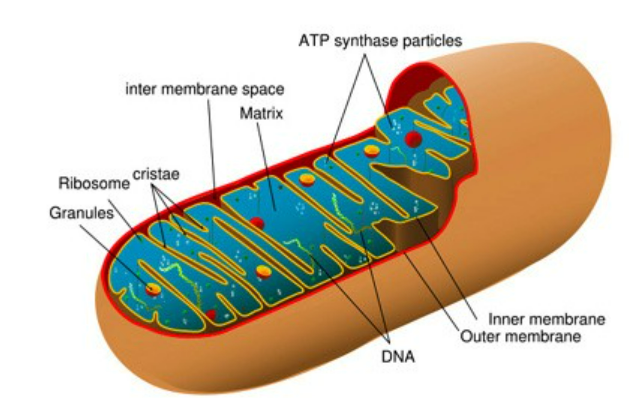
- Structure:
- Double-membrane organelle: outer membrane smooth, inner membrane folded into cristae
- Internal matrix contains: enzymes, mitochondrial DNA, and 70S ribosomes
- Self-replicating; has its own DNA and ribosomes
- Functions:
- Site of aerobic respiration → ATP production
- Powerhouse of the cell
- Involved in apoptosis (programmed cell death)
- Cristae contain enzymes of electron transport chain & ATP synthase
- Special Features:
- Present in all eukaryotic cells
- Number varies with energy requirement of the cell
2. Ribosomes
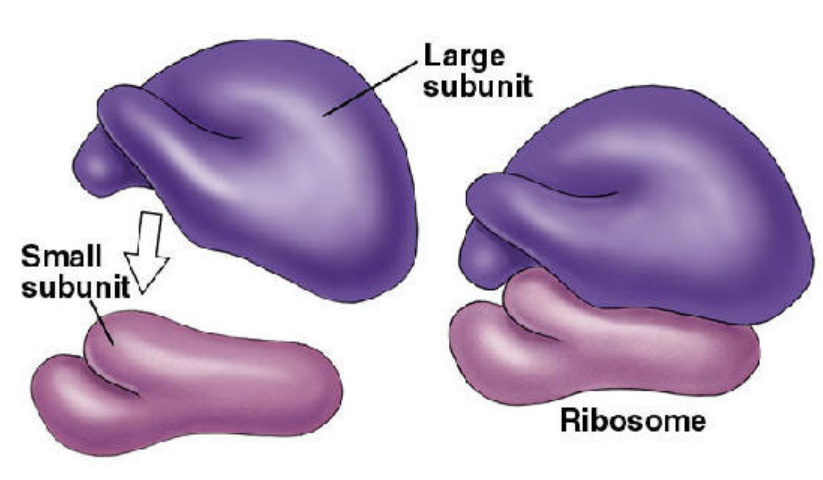
- Structure:
- Non-membranous, made of rRNA + proteins
- Two subunits: large & small
- Size: 70S in prokaryotes, 80S in eukaryotes
- Functions:
- Site of protein synthesis
- Free ribosomes → proteins for cytosol
- Membrane-bound ribosomes (RER) → proteins for export/secretion
- Special Features:
- Not surrounded by membrane
- Found in cytoplasm, mitochondria, chloroplasts
3. Plastids (Plant Cells)
- Structure:
- Double-membrane-bound organelle containing DNA & 70S ribosomes
- Types:
- Chloroplasts: Photosynthesis; contains stroma, grana (thylakoids), and pigments
- Chromoplasts: Pigment storage (yellow, orange, red)
- Leucoplasts: Storage organelles (colorless)
- Amyloplast → starch
- Elaioplast → lipids
- Proteinoplast → proteins
- Double-membrane-bound organelle containing DNA & 70S ribosomes
- Functions:
- Chloroplast → photosynthesis → glucose & oxygen
- Chromoplast → coloration of flowers/fruits → attract pollinators
- Leucoplast → storage of starch, fats, proteins
- Special Features:
- Plastids can differentiate from proplastids depending on cell needs
- Only in plant and algal cells
4. Microbodies
- Definition: Small, single-membrane organelles involved in metabolic processes.
- Types & Functions:
Microbody Function Peroxisomes Break down fatty acids, detoxify H₂O₂ → H₂O + O₂ Glyoxysomes In plant seeds, convert fatty acids → sugars during germination Hydrogenosomes Anaerobic ATP production in some protozoa - Special Features:
- Contain enzymes specific to metabolic reactions
- Derived from endoplasmic reticulum
🔹 Quick Comparison Table
| Organelle | Structure | Function | Note |
|---|---|---|---|
| Mitochondria | Double membrane, cristae, matrix DNA | ATP synthesis, respiration, apoptosis | Powerhouse; self-replicating |
| Ribosomes | rRNA + protein, 70S/80S, free or bound | Protein synthesis | No membrane |
| Chloroplast | Double membrane, stroma, grana | Photosynthesis, glucose synthesis | Plant cells only |
| Chromoplast | Pigment-containing plastid | Coloration | Attract pollinators |
| Leucoplast | Colorless plastid | Storage (starch, lipid, protein) | Found in roots/seeds |
| Peroxisome | Single membrane, enzymes | Detoxification, fatty acid breakdown | Microbody |
| Glyoxysome | Single membrane, enzymes | Convert fats → sugars | Seed germination |
| Hydrogenosome | Single membrane, enzymes | Anaerobic ATP production | Protozoa only |
📦 Quick Recap
Mitochondria: ATP → powerhouse
Ribosomes: Protein synthesis, free or bound
Plastids: Chloroplasts → photosynthesis, Chromoplast → pigments, Leucoplast → storage
Microbodies: Metabolic roles (peroxisomes, glyoxysomes, hydrogenosomes)
All are essential for cell metabolism, energy, storage, and survival
Cytoskeleton, Cilia, Flagella & Centrioles
🌱 Introduction
Cytoskeleton is a network of protein filaments that provides shape, support, and movement to the cell.
Cilia, flagella, and centrioles are related structures involved in cell motility and division.
1. Cytoskeleton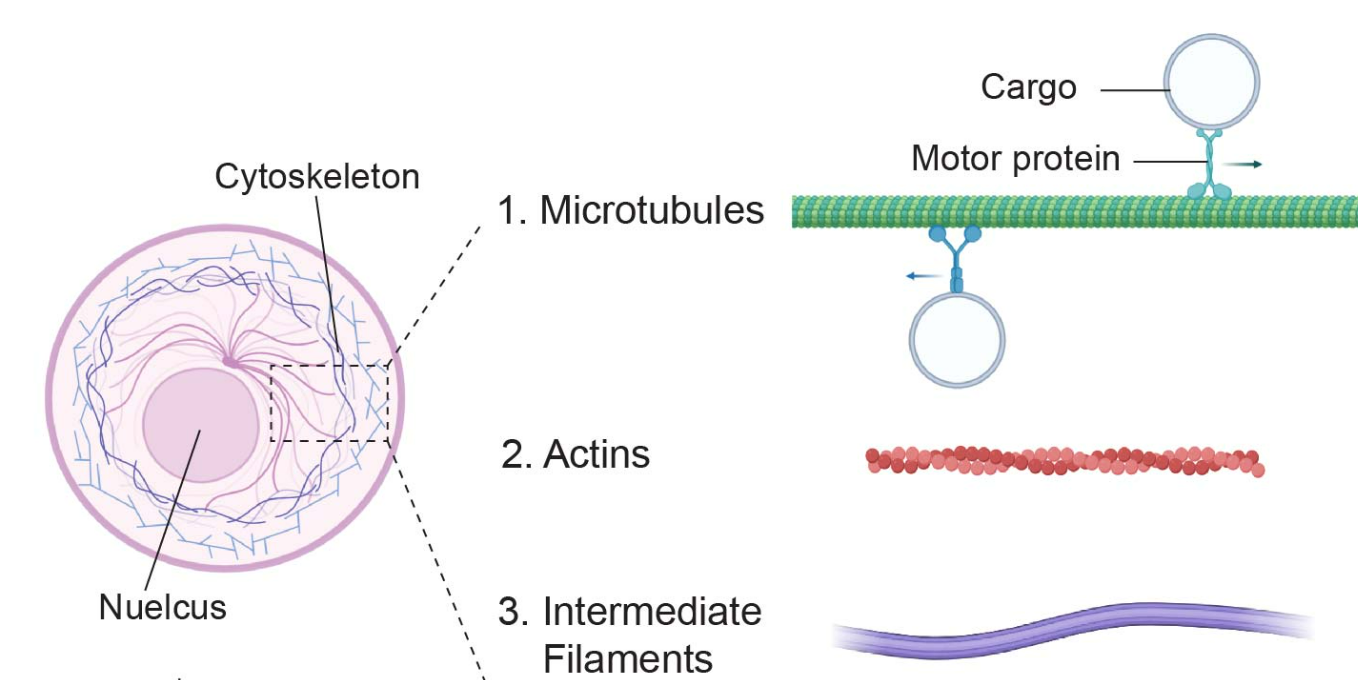
- Ultrastructure:
- Composed of three main types of filaments:
- Microtubules → hollow tubes of tubulin (~25 nm)
- Microfilaments → thin filaments of actin (~7 nm)
- Intermediate filaments → fibrous proteins (~10 nm), e.g., keratin
- Composed of three main types of filaments:
- Functions:
- Maintains cell shape and mechanical support
- Facilitates intracellular transport of organelles & vesicles
- Involved in cell motility (cilia, flagella)
- Plays a role in cell division (spindle formation)
2. Cilia
- Ultrastructure:
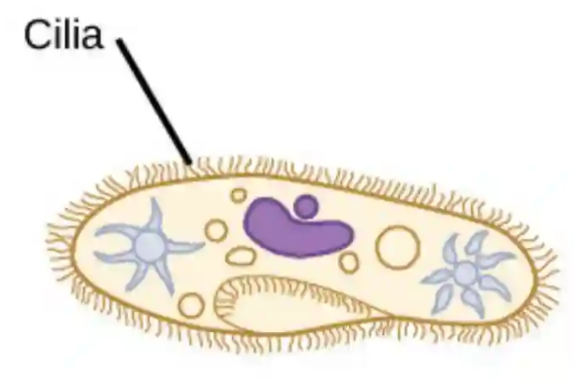
- Hair-like projections from plasma membrane
- Core structure: Axoneme (9+2 arrangement of microtubules)
- 9 doublets + 2 central singlet microtubules
- Base: Basal body derived from centriole
- Functions:
- Moves fluids over cell surface (e.g., respiratory tract)
- Locomotion in single-celled organisms
- Sensory roles in some cells (e.g., olfactory receptors)
3. Flagella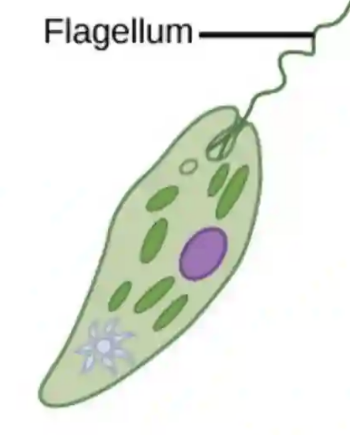
- Ultrastructure:
- Long whip-like projections
- Same 9+2 microtubule arrangement as cilia
- Basal body anchors flagellum in cell
- Functions:
- Propels cells through fluid, e.g., sperm in animals, Euglena in protozoa
- Generates locomotion and directional movement
- Note:
- Cilia are short and numerous; flagella are long and few per cell
4. Centrioles
- Ultrastructure:
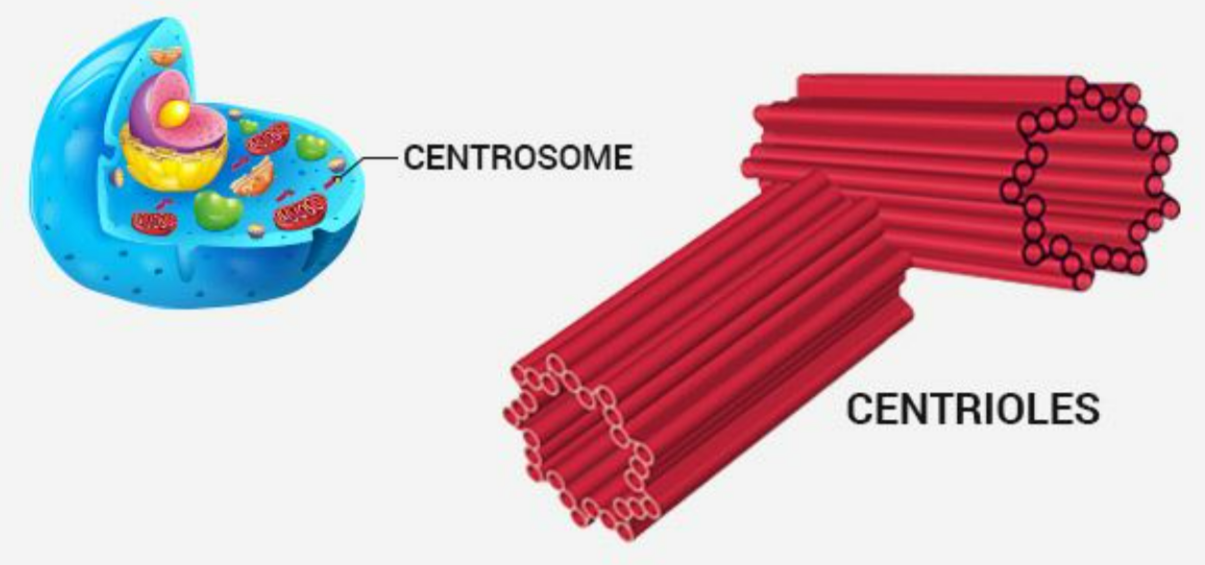
- Cylindrical structure, ~0.2 µm diameter, 0.5 µm length
- Made of 9 triplets of microtubules arranged in a cylinder
- Two centrioles oriented at right angles → centrosome
- Functions:
- Organize spindle fibers during mitosis & meiosis
- Form basal bodies for cilia & flagella
- Maintain cell polarity and structure
🔹 Quick Comparison Table – Cytoskeleton & Related Structures
| Structure | Ultrastructure | Location | Function | Special Notes |
|---|---|---|---|---|
| Microtubules | Hollow tubulin tubes | Cytoplasm | Shape, transport, spindle formation | 25 nm diameter |
| Microfilaments | Actin filaments | Cytoplasm | Shape, movement, endocytosis | 7 nm diameter |
| Intermediate filaments | Fibrous proteins | Cytoplasm & nucleus | Mechanical support | 10 nm |
| Cilia | 9+2 microtubule axoneme | Cell surface | Movement of fluid, locomotion | Short, many |
| Flagella | 9+2 microtubule axoneme | Cell surface | Cell propulsion | Long, few |
| Centrioles | 9 triplets of microtubules | Near nucleus | Spindle organization, basal body formation | Part of centrosome |
📦 Quick Recap
Cytoskeleton: Cell shape, transport, motility, division
Cilia: Short, many → move fluid or cell
Flagella: Long, few → cell locomotion
Centrioles: Organize spindle, form basal bodies for cilia/flagella
Nucleus – Structure & Function
🌱 Introduction
Nucleus is the control center of the cell.
Found in eukaryotic cells (except mature RBCs).
Contains genetic material (DNA) and regulates all cellular activities.
1. Nuclear Membrane / Nuclear Envelope
- Structure:
- Double membrane structure: inner and outer membrane
- Outer membrane continuous with rough endoplasmic reticulum (RER)
- Nuclear pores present → allow exchange of materials (RNA, proteins)
- Permeable to small molecules; regulates transport of large molecules
- Functions:
- Separates nuclear contents from cytoplasm
- Controls entry and exit of molecules
- Maintains nuclear integrity
- Separates nuclear contents from cytoplasm
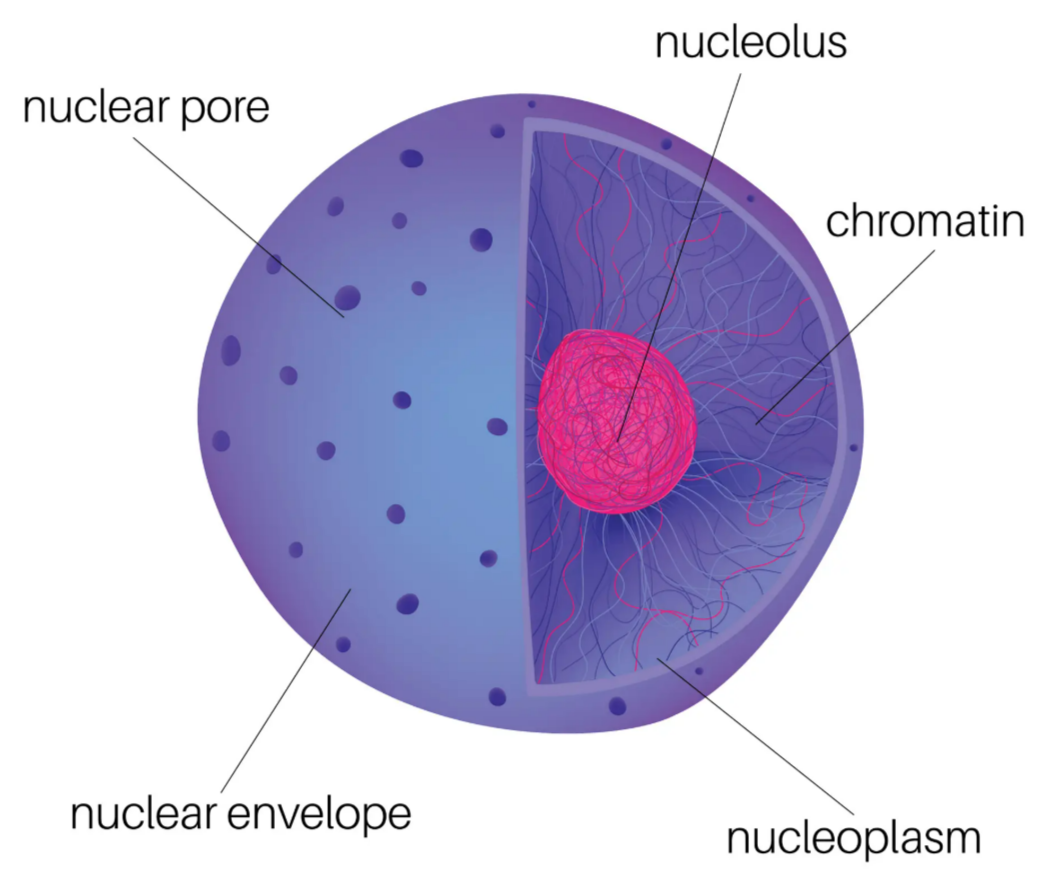
2. Chromatin
- Structure:
- DNA + histone proteins → form chromatin fibers
- Two types:
- Euchromatin: Less condensed, transcriptionally active
- Heterochromatin: Highly condensed, transcriptionally inactive
- Functions:
- Stores genetic information
- Controls gene expression
- Condenses to form chromosomes during cell division
- Note:
- Chromatin fibers are thread-like in interphase
- Each chromatin fragment coding for a protein = gene
3. Nucleolus
- Structure:
- Spherical, dense structure inside nucleus
- Not membrane-bound
- Contains rRNA, proteins, and DNA regions called nucleolar organizer regions (NORs)
- Functions:
- Ribosome biogenesis → synthesizes rRNA and assembles ribosomal subunits
- Involved in cell cycle regulation
- Note:
- Cells actively synthesizing proteins → large nucleolus
- Disappears during mitosis and reforms in telophase
🔹 Quick Comparison Table – Nuclear Components
| Component | Structure | Function | Special Notes |
|---|---|---|---|
| Nuclear membrane | Double membrane, nuclear pores | Protect nucleus, transport regulation | Outer membrane continuous with RER |
| Chromatin | DNA + histone proteins | Store genetic info, gene expression | Euchromatin → active, Heterochromatin → inactive |
| Nucleolus | Dense, spherical, non-membranous | Ribosome synthesis | Disappears in mitosis; contains rRNA & proteins |
📦 Quick Recap
Nucleus: Control center of the cell
Nuclear membrane: Selective barrier, separates nucleus from cytoplasm
Chromatin: DNA + histones, stores genetic info
Nucleolus: Ribosome factory, rRNA synthesis