
Microbes in Human Welfare
🌟 What are Microbes?
Microbes are microscopic organisms present everywhere in air, water, soil, food, inside our bodies, and even in extreme environments (extremophiles).
They grow on nutrient media forming colonies visible to the naked eye.
Types of Microbes: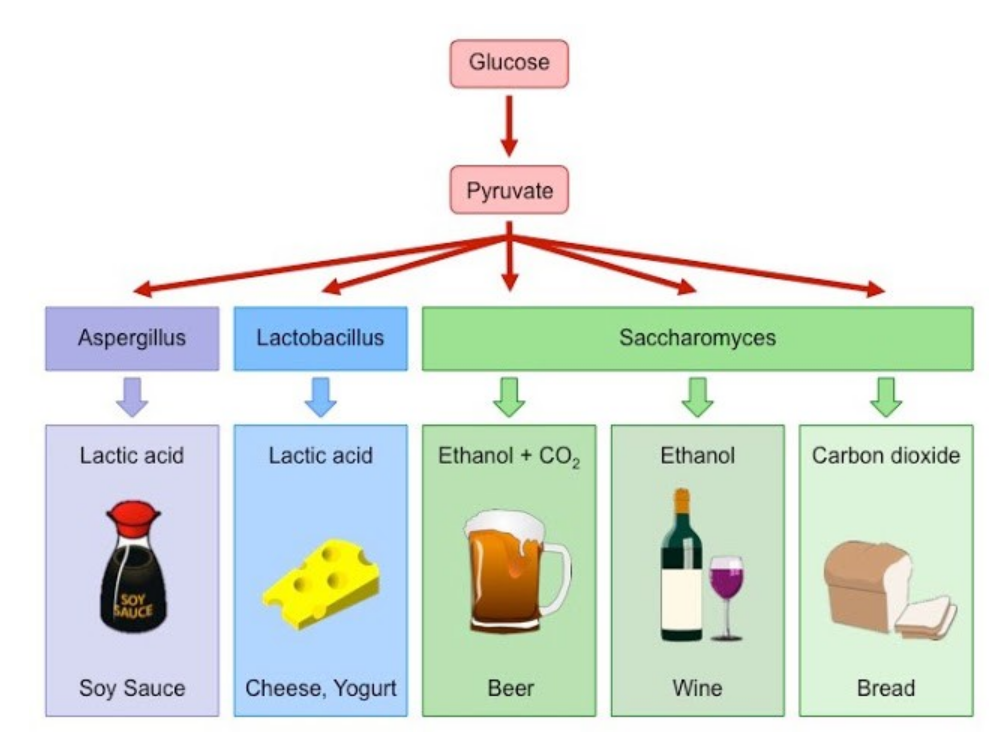
- Bacteria
- Fungi
- Protozoa
- Algae (minute plants)
- Viruses
- Viroids
- Prions (proteinaceous infectious particles)
📘 What is Microbiology?
- Micro means extremely small
- Bio means life
- -logy means study
- Microbiology = Study of microorganisms
🌍 Applications of Microbiology
- Household food processing
- Industrial product formation
- Biogas production
- Sewage treatment
- Biocontrol
- Biofertilizers
- Bioremediation
- Production of antibiotics, organic acids, enzymes
- SCP (Single-Cell Protein)
- Genetic engineering tools
- Vaccines and pharmaceuticals
🏠 Microbes in Household Products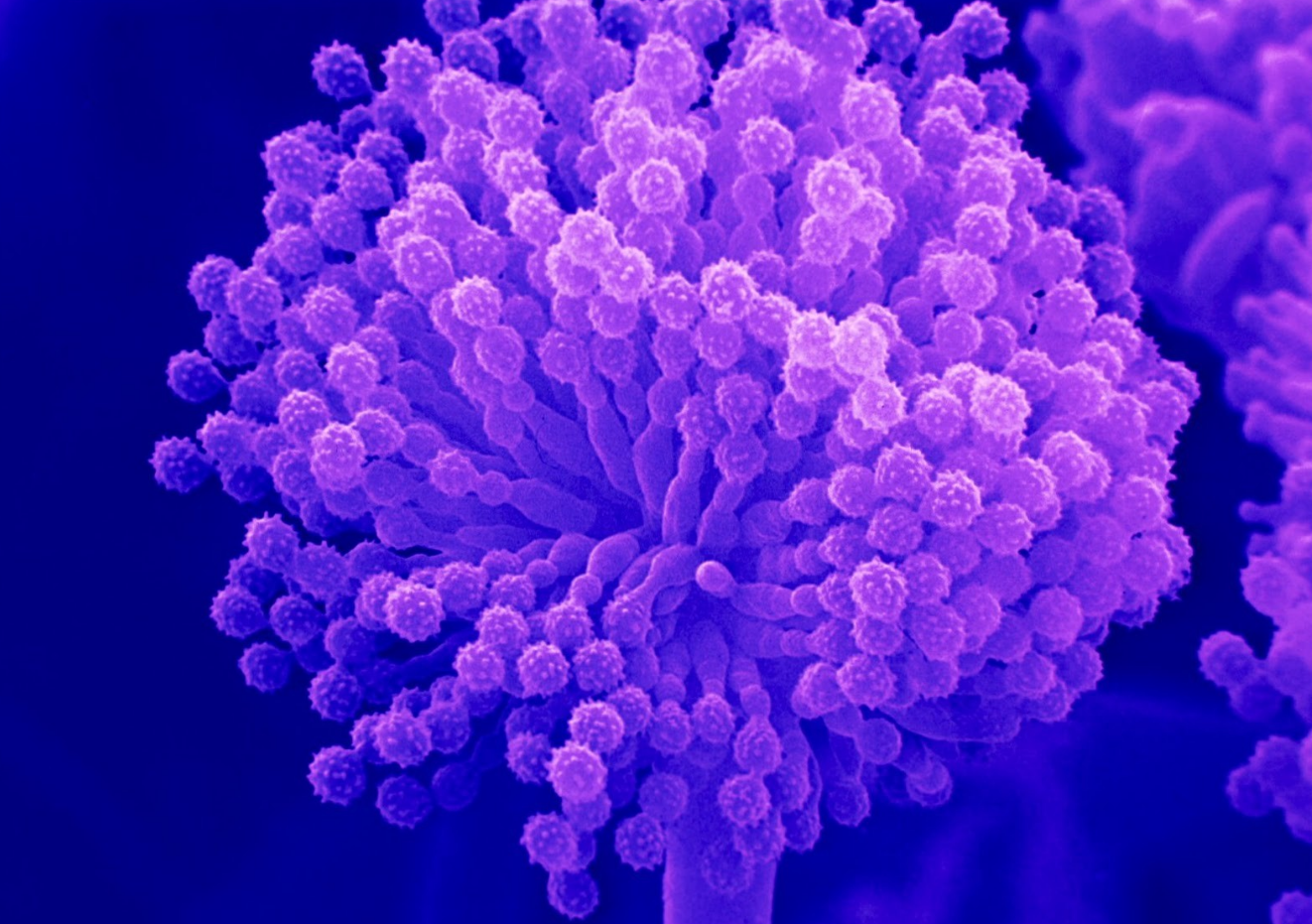
Lactic Acid Bacteria (LAB)
- LAB convert milk to curd by producing lactic acid.
- Acid causes coagulation and partial digestion of milk proteins.
- LAB improves nutritional quality: increases Vitamin B12.
- LAB prevents growth of harmful microbes → protects gut health.
Fermentation of Idli & Dosa Batter
- Fermented by bacteria.
- CO₂ produced during fermentation → dough appears puffy.
Bread Production
- Baker’s yeast (Saccharomyces cerevisiae) is used.
- Produces CO₂ → dough rises.
Cheese Formation
- Swiss cheese: Propionibacterium shermanii produces large holes due to CO₂.
- Roquefort cheese: Aged using special fungi that give distinct flavor & texture.
Microbes as Source of Food (SCP – Single Cell Protein)
- SCP = microbial biomass used as protein-rich food.
- Advantages:
- High protein, low fat
- Rich in B-complex vitamins
- Fast growth rate
- Grows on waste materials
- Example: Pruteen (SCP used for animal feed).
🏭 Microbes in Industrial Products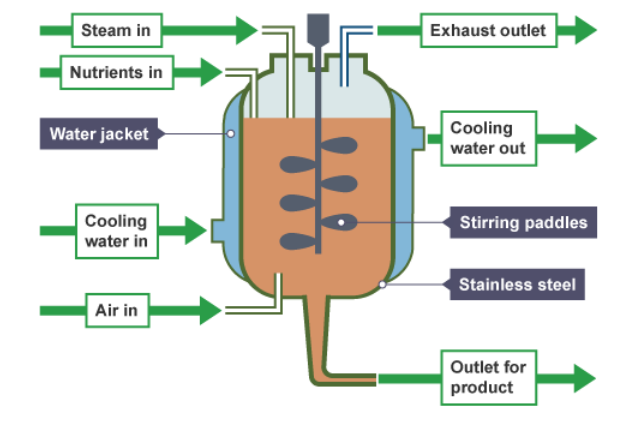
Microbes grown in large fermenters produce important products.
Fermented Beverages
- Yeast (Saccharomyces cerevisiae – Brewer’s yeast) ferments sugar → ethanol.
- Wine & Beer: No distillation.
- Whisky, Rum, Brandy: Produced after distillation.
Antibiotics
Antibiotics are chemical substances produced by microbes that kill or inhibit other microbes.
First antibiotic: Penicillin, discovered from Penicillium notatum.
Important Antibiotics & Sources:
| Antibiotic | Source |
|---|---|
| Terramycin | Streptomyces rimosus |
| Erythromycin | Streptomyces erythraeus |
| Chloromycetin | Streptomyces venezuelae |
| Aureomycin | Streptomyces aureofaciens |
| Neomycin | Streptomyces spp. |
| Penicillin | Penicillium notatum |
| Streptomycin | Streptomyces griseus |
| Actinomycetes | Micromonospora spp. |
⚗️ Organic Acids, Enzymes & Bioactive Molecules
- Organic Acids:
- Citric acid → Aspergillus niger
- Butyric acid → Clostridium butylicum
- Acetic acid → Acetobacter aceti
- Lactic acid → Lactobacillus
- Enzymes:
- Lipases → used in detergents
- Pectinase, protease, cellulase → used to clarify fruit juices
- Bioactive Molecules:
- Streptokinase: (from Streptococcus) dissolves blood clots
- Cyclosporin-A: (from Trichoderma polysporum) immunosuppressive drug for organ transplant
- Statins: (from Monascus purpureus) lower cholesterol
- Gibberellins: produced by Gibberella fujikuroi
🚰 Microbes in Sewage Treatment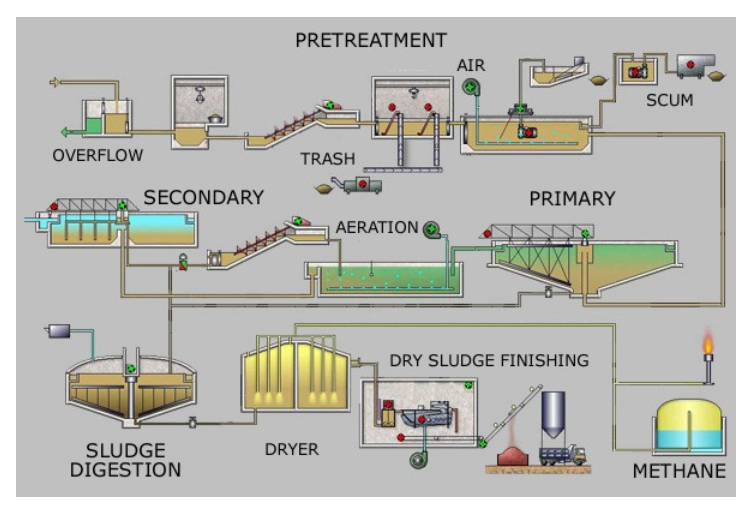
What is Sewage? Wastewater containing human excreta, detergents, organic waste. Must be treated in Sewage Treatment Plants (STPs). Treatment is done by heterotrophic microbes naturally present in sewage.
Primary Treatment (Physical)
- Removal of floating debris by filtration.
- Removal of grit (sand, small stones) by sedimentation.
- Settled solids = primary sludge.
- Supernatant = primary effluent → used for secondary treatment.
Secondary Treatment (Biological)
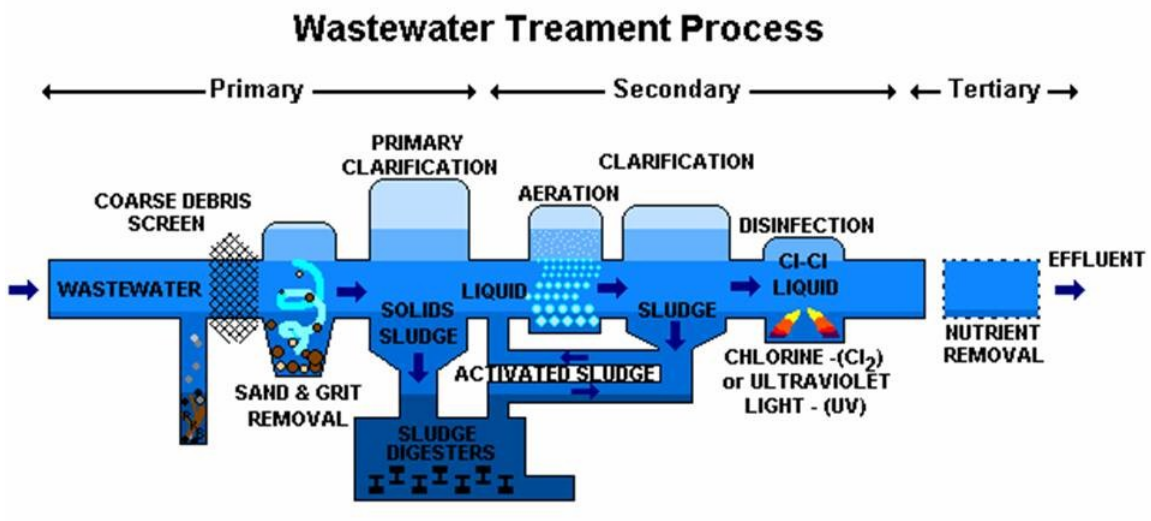
- Effluent sent to aeration tanks.
- Aerobic microbes form flocs and digest organic matter.
- This decreases BOD (Biochemical Oxygen Demand).
- Lower BOD = less pollution potential.
- Flocs settle → activated sludge.
- Some sludge recycled; rest sent to anaerobic digester.
Anaerobic Sludge Digestion:
- Anaerobic bacteria digest sludge.
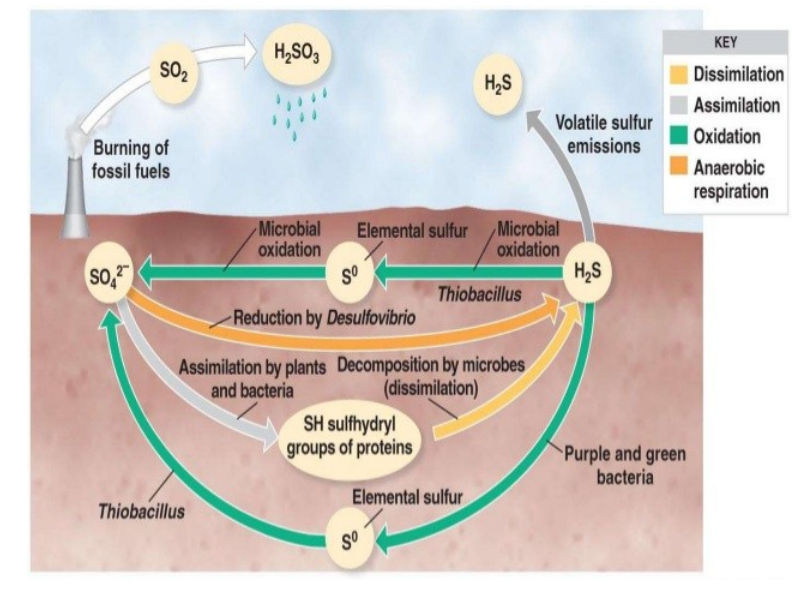
- Produce biogas (CH₄, CO₂, H₂S).
- Treated water discharged into rivers.
Environmental Projects:
- Ganga Action Plan
- Yamuna Action Plan (Aimed to reduce water pollution by increasing STPs.)
 🔋 Microbes in Biogas Production
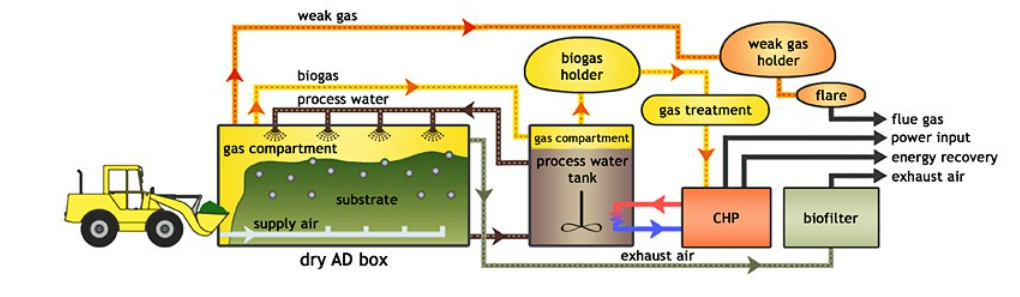
What is Biogas? A mixture of methane, CO₂, and H₂S produced by anaerobic microbes. Used as fuel.
Methanogens (biogas-producing bacteria):
- Example: Methanobacterium
- Found in rumen of cattle (digests cellulose).
- Cow dung (gobar) → used in biogas plants.
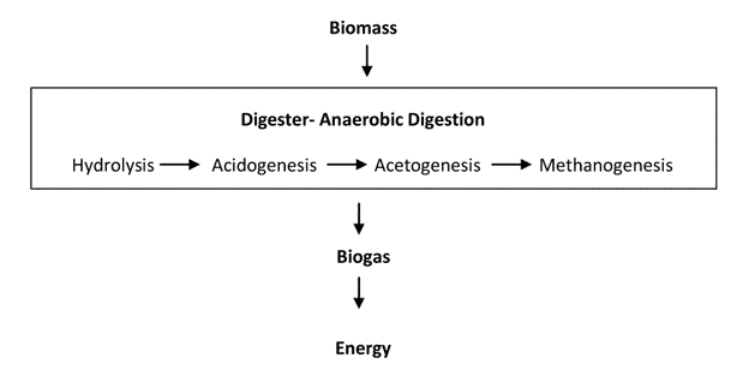
Stages of Biogas Formation:
- Hydrolysis
- Acidogenesis
- Acetogenesis
- Methanogenesis
Microbes involved: Clostridium, Pseudomonas, Methanobacillus, Methanococcus.
🐞 Microbes as Biocontrol Agents
Why not chemical pesticides? Toxic to humans, pollute soil & water, kill beneficial organisms, cause bioaccumulation.
Biological Control: Using natural predators & pathogens to control pests.
Examples:
- Ladybird & Dragonfly → eat aphids, mosquitoes
- Bacillus thuringiensis (Bt): Kills caterpillars. Bt spores sprayed on crops → insects eat spores → toxin released → larvae die
- Trichoderma: Free-living fungi, protects plants from pathogens
- Baculoviruses: Used against insects, species-specific, eco-friendly, safe for plants, humans, animals
🌾 Microbes as Biofertilizers
Biofertilizers = living organisms that enhance soil fertility.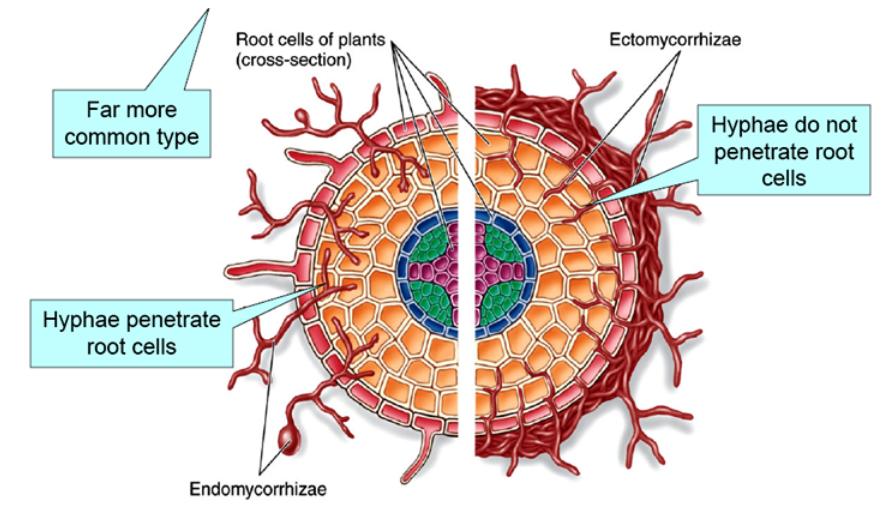
Important Biofertilizers:
- Rhizobium: Forms root nodules in legumes, fixes atmospheric nitrogen
- Free-living N2 fixing bacteria: Azotobacter, Azospirillum
- Cyanobacteria (Blue-Green Algae): Nostoc, Anabaena, Oscillatoria; fix nitrogen, add organic matter
- Mycorrhiza (fungus-root association): Increases phosphorus absorption, resistance to soil pathogens, tolerates drought & salinity
- Azolla–Anabaena symbiosis: Used in paddy fields, natural nitrogen enrichment
📝 Quick Recap
Microbes help in food, industry, medicine, waste treatment, biogas, biofertilizers, biocontrol.
LAB → curd, yeast → bread, fungi → cheese.
Fermenters produce antibiotics, acids, enzymes, beverages.
Sewage treatment uses aerobic flocs and anaerobic digesters.
Biogas produced mainly by methanogens.
Biocontrol uses natural enemies like Bt, Trichoderma, baculoviruses.
Biofertilizers like Rhizobium, cyanobacteria, mycorrhiza improve soil fertility.